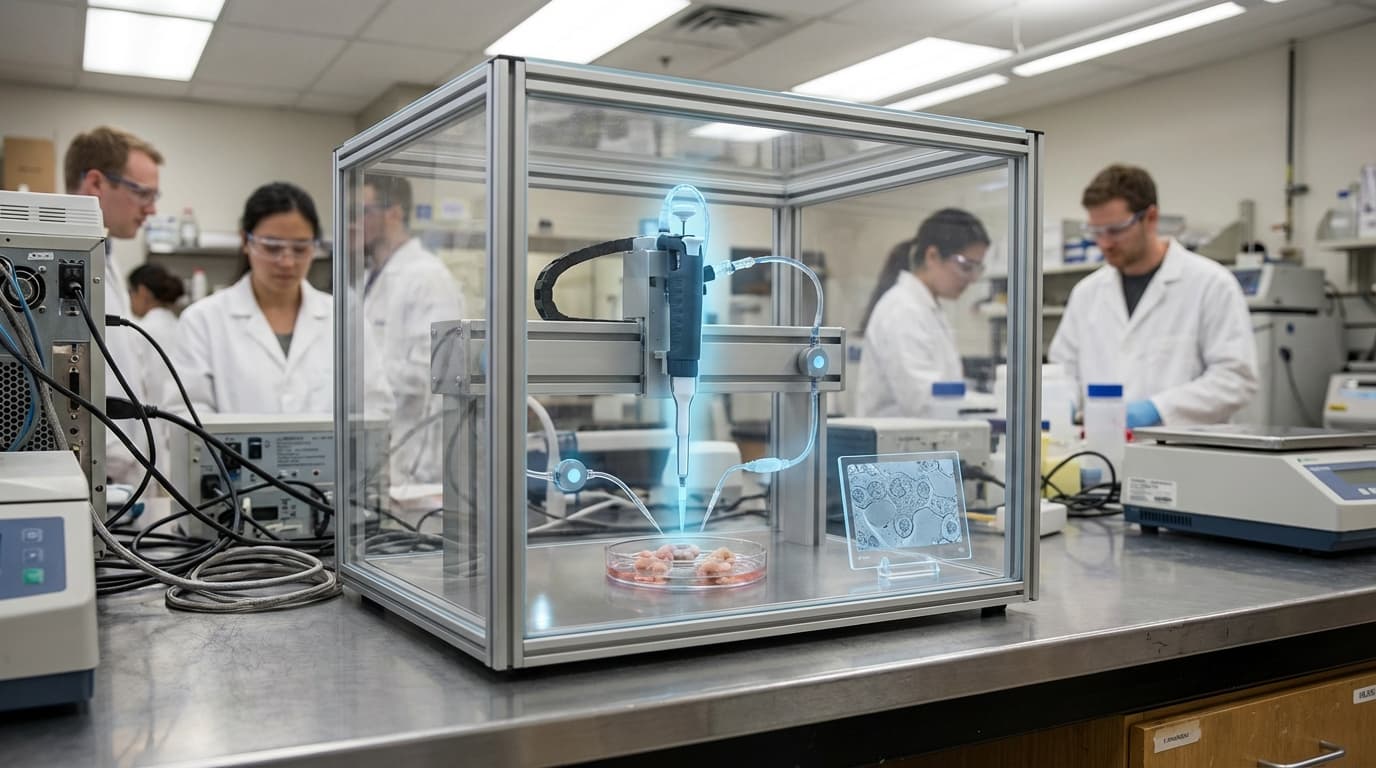
Partial Cellular Reprogramming
Partial cellular reprogramming represents a sophisticated approach to reversing cellular aging by carefully controlling the expression of specific transcription factors known as Yamanaka factors—Oct4, Sox2, Klf4, and c-Myc. Unlike full reprogramming, which transforms adult cells completely back into pluripotent stem cells, this technique involves brief, controlled exposure to these factors, just enough to reset the epigenetic markers that accumulate with age. The epigenome acts as a kind of biological clock, with chemical modifications to DNA and histones that gradually alter gene expression patterns over time, leading to cellular dysfunction and tissue deterioration. By transiently activating Yamanaka factors through gene therapy vectors or small molecules, researchers can strip away these age-related epigenetic marks while preserving the fundamental identity and specialized function of each cell type. This delicate balance is achieved through precise timing and dosage control, ensuring cells rejuvenate without losing their differentiated state.
The promise of partial reprogramming addresses one of regenerative medicine's most persistent challenges: how to restore youthful function to aging tissues without triggering uncontrolled cell growth or cancer. Traditional approaches to tissue repair have relied on stem cell transplantation or growth factor stimulation, but these methods often fail to address the underlying cellular aging that compromises organ function. Partial reprogramming offers a fundamentally different strategy by targeting the epigenetic root causes of cellular senescence. Early research suggests this approach can restore regenerative capacity to tissues that have lost their ability to repair themselves, potentially reversing age-related decline in organs such as the heart, liver, kidneys, and skin. The technology also holds promise for treating age-related diseases where cellular dysfunction plays a central role, including neurodegenerative conditions, metabolic disorders, and cardiovascular disease. By rejuvenating cells in situ rather than replacing them, partial reprogramming could enable organs to heal themselves more effectively while maintaining their complex architecture and specialized functions.
Laboratory studies in animal models have demonstrated remarkable proof-of-concept results, with treated mice showing improved vision, enhanced muscle regeneration, and extended healthspan. Researchers have successfully applied transient Yamanaka factor expression to reverse age-related changes in retinal cells, restore function to damaged neurons, and improve healing in injured tissues. Several biotechnology companies are now advancing this technology toward clinical applications, developing delivery systems that can safely and precisely control reprogramming factor expression in human tissues. The field faces significant technical hurdles, including optimizing dosing protocols to achieve rejuvenation without dedifferentiation, developing tissue-specific delivery methods, and ensuring long-term safety. As the technology matures, partial cellular reprogramming is emerging as a cornerstone of the broader longevity medicine movement, representing a shift from treating individual diseases to addressing the fundamental biology of aging itself. This approach aligns with growing recognition that aging is not an inevitable decline but a potentially modifiable process, opening pathways toward extending not just lifespan but healthspan—the years of life spent in good health.
Related Organizations

Biotechnology company focused on cellular rejuvenation programming.

Home to the lab of Juan Carlos Izpisua Belmonte (prior to Altos), a pioneer in in-vivo partial reprogramming.

Developing therapeutics that target the biology of aging, including epigenetic reprogramming to restore visual function.

Co-founded by Brian Armstrong, focused on epigenetic reprogramming to restore youthful function to T-cells and other tissues.

Spinout from the Wyss Institute developing gene therapies for aging, including partial reprogramming strategies.

A startup with a mission to increase healthy human lifespan by ten years, focusing on cellular reprogramming, autophagy, and plasma-inspired therapeutics.

Uses AI to identify safe rejuvenation genes that can reset the epigenetic clock without causing cancer.

Alphabet-owned R&D company focused on the biology of aging, with active research into reprogramming biology.
Supporting Evidence
Research this in Signals
Signals turns a topic into a sourced research record you can inspect and rerun. Your first scan is free, and this one starts with Partial Cellular Reprogramming already loaded, so edit it or scan as is.