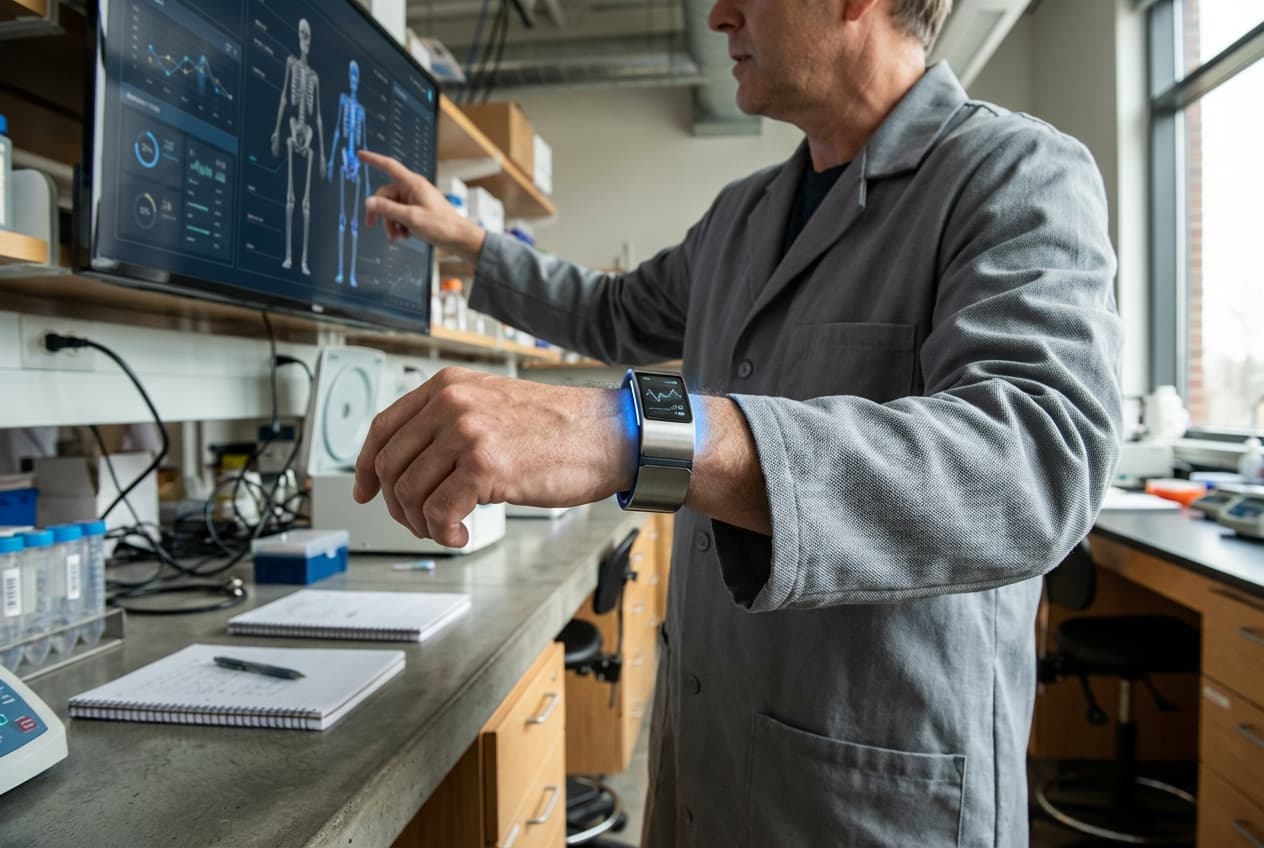
Epigenetic Wearables
Epigenetic wearables represent a significant advancement in personalized health monitoring, moving beyond traditional fitness metrics to track the molecular signatures of biological aging itself. Unlike conventional wearables that measure heart rate, steps, or sleep patterns, these devices employ advanced biosensing technologies to detect specific biomarkers in accessible bodily fluids such as sweat, interstitial fluid, or even transdermal emissions. The core technical innovation lies in miniaturized sensor arrays capable of identifying epigenetic markers—particularly DNA methylation patterns, inflammatory cytokines, and indicators of mitochondrial function—that correlate strongly with cellular aging processes. These sensors typically integrate microfluidic channels, electrochemical detection systems, and sometimes optical spectroscopy to capture real-time data on how environmental factors, diet, exercise, and stress are influencing gene expression and cellular health at the molecular level. By translating complex epigenetic information into accessible metrics, these devices make the invisible processes of aging tangible and trackable.
The emergence of epigenetic wearables addresses a fundamental limitation in longevity medicine: the lag between intervention and measurable outcome. Traditional health assessments rely on annual blood tests or periodic clinical evaluations, creating blind spots that can span months or years. This delay makes it difficult for individuals to understand which lifestyle modifications genuinely slow biological aging versus those that merely feel beneficial. Research in geroscience has established that epigenetic clocks—algorithms that estimate biological age based on methylation patterns—can reveal aging acceleration or deceleration long before conventional health markers shift. By bringing this capability to a wearable format, these devices enable immediate feedback loops where users can observe how a particular diet, supplement regimen, fasting protocol, or exercise routine affects their aging trajectory within days or weeks rather than years. This real-time visibility transforms longevity interventions from abstract concepts into data-driven practices, potentially accelerating the adoption of evidence-based anti-aging strategies and creating new markets for personalized longevity coaching and therapeutics.
While still largely in research and development phases, early prototypes of epigenetic wearables are beginning to emerge from academic laboratories and specialized biotech companies focused on the longevity sector. Some devices are being tested in clinical settings to monitor patients undergoing regenerative therapies or metabolic interventions, providing clinicians with continuous data streams that reveal how treatments influence biological age markers. The technology aligns with broader trends in precision medicine and the quantified self movement, where individuals increasingly seek granular control over their health outcomes. As sensor miniaturization continues and machine learning algorithms improve at interpreting complex biomarker patterns, these wearables are expected to become more accurate and affordable. The long-term vision extends beyond individual health optimization to population-level insights, where aggregated epigenetic data could reveal which environmental factors, dietary patterns, or lifestyle interventions most effectively slow aging across diverse demographics. This convergence of wearable technology, epigenetics, and longevity science represents a fundamental shift in how we might approach aging—not as an inevitable decline, but as a modifiable biological process subject to continuous monitoring and optimization.
Related Organizations

Developing a continuous molecular monitoring patch using DNA aptamer sensors to track multiple targets like vancomycin and lactate.

Epigenetic testing company focused on aging algorithms.

Developing a wearable biosensor using a microneedle array to measure glucose and ketones simultaneously.

A world-renowned science and engineering institute.

Develops sweat-based sensors for continuous monitoring of inflammation (cytokines) and cortisol.

Developing K'Watch, a smartwatch that measures biomarkers (glucose/lactate) through the skin.

A biotechnology company providing research tools for epigenetics and DNA/RNA purification.

Consumer health company focused on aging research and supplements.

A company commercializing epigenetic biomarkers for the life insurance industry.
Supporting Evidence
Research this in Signals
Signals turns a topic into a sourced research record you can inspect and rerun. Your first scan is free, and this one starts with Epigenetic Wearables already loaded, so edit it or scan as is.