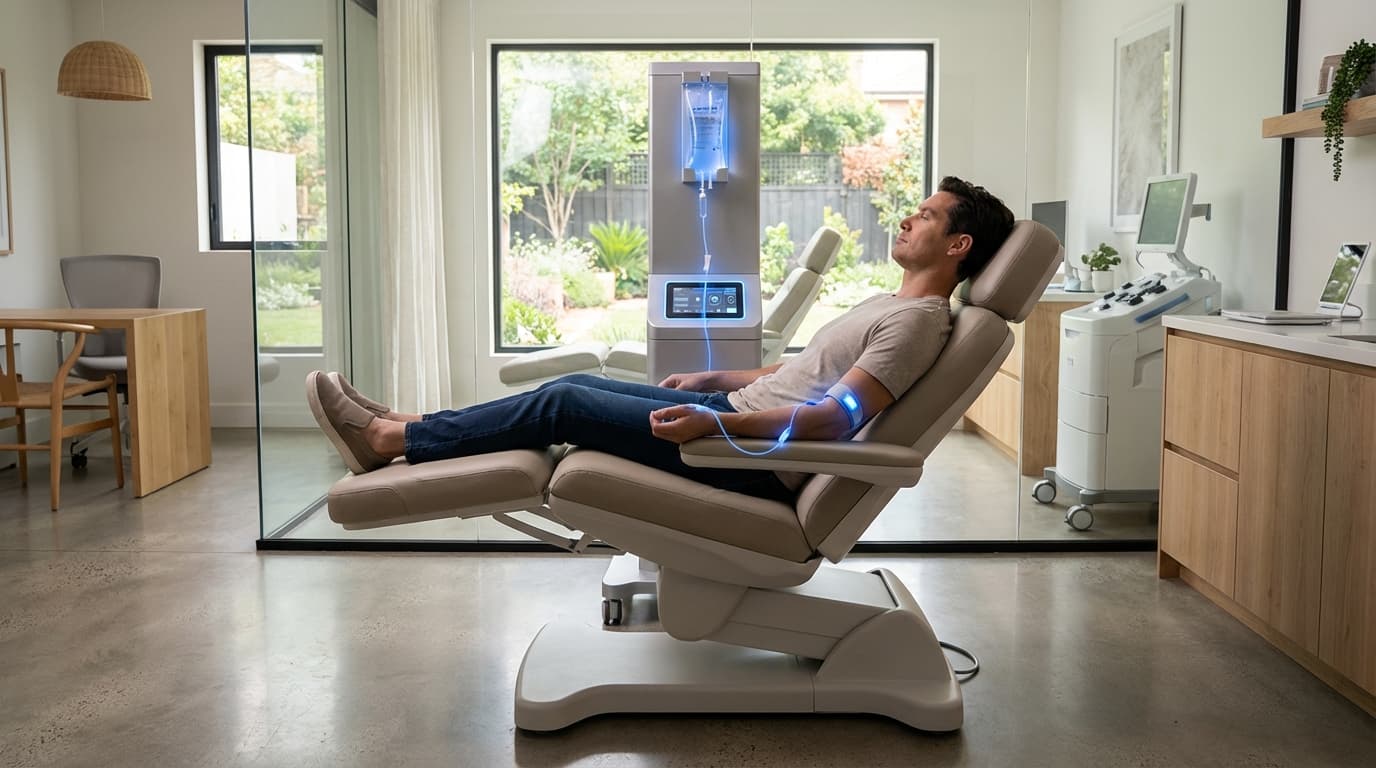
Systemic NAD+ Boosting Therapies
Nicotinamide adenine dinucleotide (NAD+) serves as a fundamental coenzyme present in every living cell, playing an indispensable role in cellular energy production, DNA repair mechanisms, and the regulation of metabolic processes. As organisms age, NAD+ levels decline significantly across tissues, with research suggesting reductions of up to 50% or more by middle age. This depletion compromises mitochondrial function, impairs the activity of sirtuins—proteins crucial for cellular health and longevity—and diminishes the cell's capacity to repair DNA damage. Systemic NAD+ boosting therapies aim to counteract this age-related decline through various biochemical pathways. The most common approaches involve administering NAD+ precursors such as nicotinamide mononucleotide (NMN) or nicotinamide riboside (NR), which cells can convert into NAD+ through salvage pathways. Alternative strategies include inhibiting CD38, an enzyme that degrades NAD+, or exploring direct NAD+ delivery methods that bypass cellular conversion processes. These interventions work by replenishing the cellular NAD+ pool, thereby restoring the cofactor availability necessary for optimal metabolic function and cellular maintenance processes.
The decline in NAD+ levels has been implicated in numerous age-related pathologies, including metabolic dysfunction, neurodegenerative conditions, cardiovascular decline, and reduced physical performance. Traditional approaches to these conditions have typically addressed symptoms rather than underlying metabolic deficiencies. NAD+ boosting therapies represent a shift toward targeting fundamental aging mechanisms at the cellular level. By restoring NAD+ to more youthful levels, these interventions address multiple interconnected pathways simultaneously—enhancing mitochondrial efficiency, supporting DNA repair capacity, activating longevity-associated proteins, and improving cellular stress responses. Early clinical investigations indicate potential benefits for metabolic health, with some studies noting improvements in insulin sensitivity and lipid metabolism. The approach also shows promise for supporting cognitive function and physical endurance, addressing challenges that have traditionally required multiple separate interventions. This systemic impact makes NAD+ restoration particularly compelling for addressing the multifaceted nature of biological aging.
Several NAD+ precursor supplements have entered the consumer market, while more targeted therapeutic approaches remain in various stages of clinical development. Researchers continue to investigate optimal delivery methods, dosing strategies, and the long-term effects of sustained NAD+ elevation. Some pilot programs are exploring the combination of NAD+ boosting with other longevity interventions, such as caloric restriction mimetics or senolytic therapies, to achieve synergistic effects. The field faces important questions regarding bioavailability, tissue-specific uptake, and individual variability in response to different NAD+ restoration strategies. As the scientific understanding of NAD+ metabolism deepens, these therapies are evolving from broad supplementation approaches toward more sophisticated interventions that may target specific tissues or metabolic pathways. The trajectory suggests a future where NAD+ restoration becomes a foundational component of preventive health strategies, potentially integrated into comprehensive longevity protocols that address multiple hallmarks of aging simultaneously, moving beyond symptom management toward genuine metabolic rejuvenation.
Related Organizations

A global bioscience company dedicated to healthy aging, holding the patent portfolio for Nicotinamide Riboside (NR), a key NAD+ precursor.

A clinical-stage pharmaceutical company developing small-molecule NAD+ enhancers for treating rare diseases and aging.
The world's first biomedical research institution exclusively dedicated to research on aging and age-related disease.

Consumer health company focused on aging research and supplements.

A telehealth platform dedicated to longevity, prescribing NAD+ patches, injections, and nasal sprays.

A leading Japanese university that conducted the first human clinical study on the safety of NMN.

A UK-based biotech focusing on the salvage pathway of NAD+ synthesis rather than just precursor supplementation.
GeneHarbor
HK · Company
A Hong Kong-based biotechnology company specializing in the enzymatic manufacturing of NMN and other longevity compounds.
A Swiss health-tech company combining NMN supplementation with cellular biology research.
Supporting Evidence
Research this in Signals
Signals turns a topic into a sourced research record you can inspect and rerun. Your first scan is free, and this one starts with Systemic NAD+ Boosting Therapies already loaded, so edit it or scan as is.