Caloric Restriction Mimetics
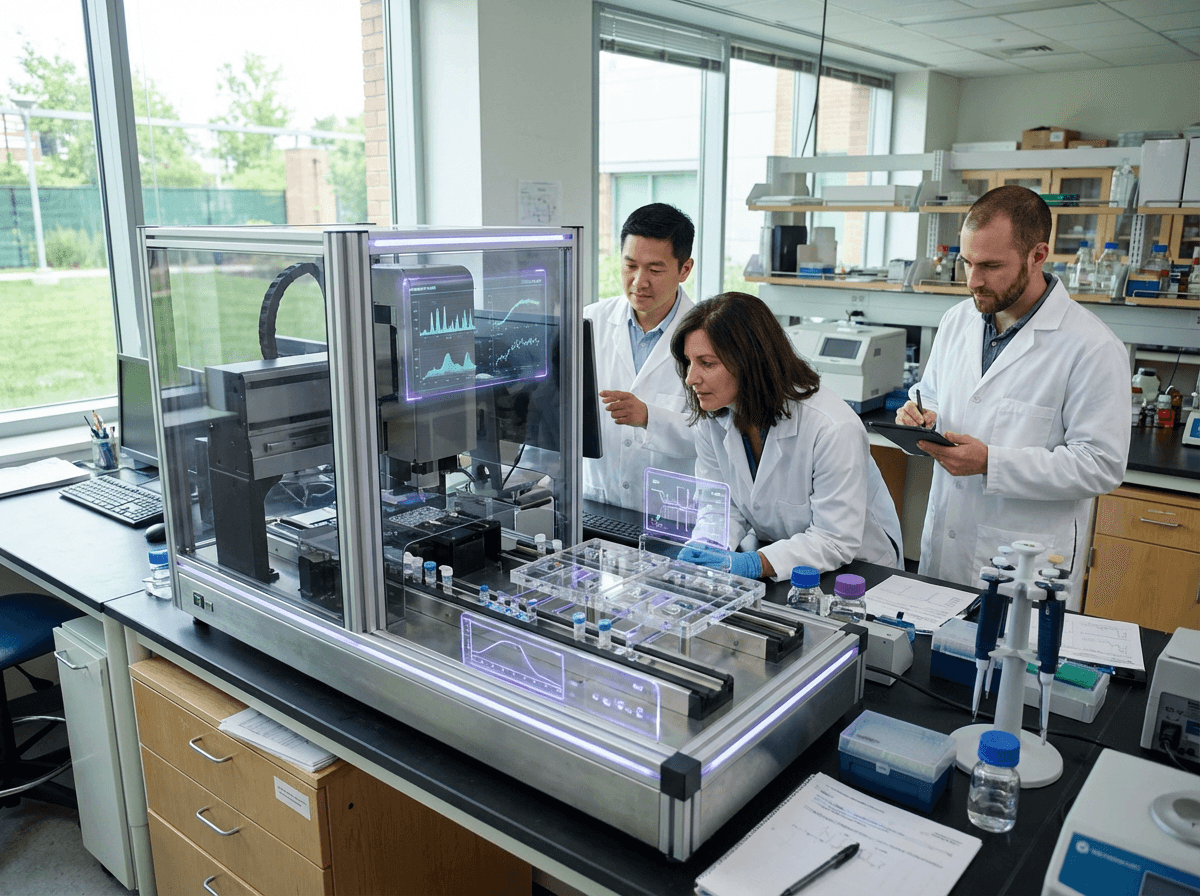
Caloric restriction mimetics represent a class of pharmaceutical and nutraceutical compounds designed to activate the same cellular pathways triggered by reduced calorie intake, without requiring individuals to maintain restrictive diets. The biological mechanisms underlying caloric restriction's longevity benefits have been extensively studied across organisms from yeast to primates, revealing key metabolic pathways including AMP-activated protein kinase (AMPK), sirtuin proteins, and autophagy—the cellular process of recycling damaged components. These pathways collectively enhance cellular stress resistance, improve metabolic efficiency, and reduce age-related damage. Caloric restriction mimetics work by pharmacologically activating these same molecular switches, effectively "tricking" cells into responding as if nutrients were scarce, thereby initiating protective and regenerative processes that promote healthier aging.
The pharmaceutical industry has increasingly focused on caloric restriction mimetics as a more practical alternative to dietary interventions, which face significant adherence challenges in human populations. While caloric restriction can extend lifespan by 20-40% in laboratory animals, maintaining a 20-30% reduction in calorie intake over decades proves difficult for most people, limiting its real-world applicability. Compounds like metformin, originally developed for diabetes management, have shown promise in activating AMPK pathways and improving metabolic health markers associated with longevity. Resveratrol and other polyphenols target sirtuin proteins, while NAD+ precursors such as nicotinamide riboside address age-related decline in cellular energy metabolism. These mimetics offer the potential to democratize access to longevity interventions, transforming what was once achievable only through rigorous dietary discipline into a more accessible pharmacological approach that could benefit broader populations, including those unable to sustain caloric restriction due to medical, social, or practical constraints.
Several caloric restriction mimetics have progressed from laboratory research to clinical investigation and, in some cases, widespread use. Metformin is currently prescribed to millions of people with diabetes and is being studied in the TAME (Targeting Aging with Metformin) trial to evaluate its effects on aging itself. NAD+ precursors are commercially available as supplements, though regulatory frameworks around their longevity claims remain evolving. Early human studies suggest these compounds may improve markers of metabolic health, mitochondrial function, and cellular resilience, though definitive evidence for lifespan extension in humans requires decades-long trials that are only now beginning. As the longevity industry matures, caloric restriction mimetics are positioned at the intersection of preventive medicine and anti-aging therapeutics, representing a shift from treating age-related diseases individually to addressing the underlying biology of aging itself. This approach aligns with broader trends toward precision medicine and proactive health optimization, potentially transforming how society approaches the aging process in the coming decades.
Related Organizations
The world's first biomedical research institution exclusively dedicated to research on aging and age-related disease.

Develops the Fasting Mimicking Diet (ProLon), a nutrition program designed to induce the cellular and metabolic benefits of caloric restriction.
A major nonprofit supporting aging research, notably managing the TAME (Targeting Aging with Metformin) Trial.

Clinical-stage biotechnology company mapping molecular pathways of aging to develop therapies for immune aging.

Biopharmaceutical company targeting the mTORC1 pathway to treat age-related diseases.

A telehealth platform dedicated to longevity, prescribing NAD+ patches, injections, and nasal sprays.

A global bioscience company dedicated to healthy aging, holding the patent portfolio for Nicotinamide Riboside (NR), a key NAD+ precursor.

Consumer health company focused on aging research and supplements.
Developing therapeutics that target the biology of aging, including epigenetic reprogramming to restore visual function.
Supporting Evidence
Research this in Signals
Signals turns a topic into a sourced research record you can inspect and rerun. Your first scan is free, and this one starts with Caloric Restriction Mimetics already loaded, so edit it or scan as is.