Bio-Data Sovereignty
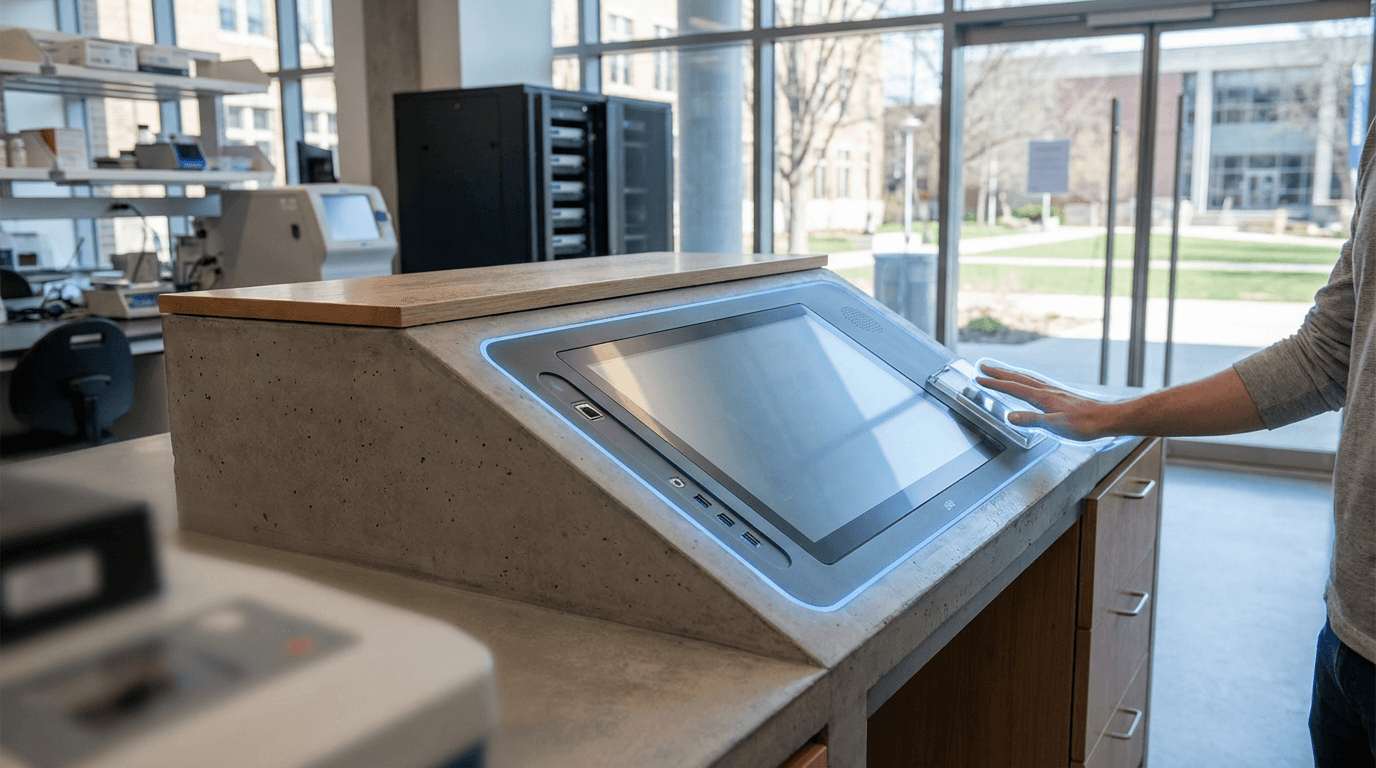
The rapid advancement of genomic sequencing, continuous health monitoring, and personalised medicine has created an unprecedented flow of biological data—from DNA sequences to metabolic markers and cellular responses. Bio-data sovereignty addresses a fundamental challenge in this landscape: the question of who owns and controls the intimate biological information generated through longevity treatments, genetic testing, and health interventions. Traditional data governance frameworks, designed for digital information, prove inadequate when applied to genetic material that is simultaneously deeply personal, potentially hereditary, and scientifically valuable. This technology encompasses legal frameworks, technical protocols, and governance structures that establish individuals as the primary rights-holders of their biological information, creating a new paradigm where genetic data is treated not as a commodity to be extracted, but as an extension of bodily autonomy requiring explicit consent for any use.
The longevity and regenerative medicine industries face a critical tension: advancing treatments requires access to vast datasets of biological information, yet unrestricted data collection creates profound risks of exploitation and discrimination. Research suggests that without robust sovereignty frameworks, individuals undergoing cellular rejuvenation therapies or metabolic optimisation treatments may unknowingly surrender rights to data that could be used to deny insurance coverage, set discriminatory pricing, or develop profitable treatments without compensation to data contributors. Bio-data sovereignty mechanisms solve this by implementing consent architectures where individuals can grant granular permissions—allowing research use while prohibiting commercial exploitation, or permitting anonymised analysis while blocking identification. Industry analysts note that these frameworks also address the challenge of data portability in longevity medicine, enabling patients to move their comprehensive biological profiles between providers without losing continuity of care or surrendering ownership to any single institution.
Early implementations of bio-data sovereignty are emerging through blockchain-based consent platforms and federated learning systems that allow analysis without centralising raw genetic data. Some longevity clinics and biobanks have begun piloting models where participants receive compensation when their data contributes to commercial discoveries, creating new economic relationships between patients and the pharmaceutical industry. These approaches connect to broader movements toward patient-centred healthcare and digital self-determination, recognising that as lifespan extension becomes more achievable, the biological data generated over decades of treatment becomes increasingly valuable and sensitive. The trajectory points toward a future where bio-data sovereignty becomes a prerequisite for ethical longevity medicine, ensuring that the pursuit of extended healthspan does not come at the cost of fundamental privacy rights or create new forms of biological surveillance and discrimination.
Related Organizations
A platform allowing users to establish ownership and control over their genomic data using blockchain technology.

Offers whole genome sequencing with a focus on privacy, using blockchain and encryption to give users control over their data.
Created the Gene-Chain, a blockchain marketplace for genomic data.
International consortium setting standards for genomic data sharing.
Provides a software platform for biobanking and clinical research that uses blockchain technology to manage dynamic consent and ensure transparent data governance.

Advocacy group that developed the 'Promise for Engaging People in Research' and platforms for participant-owned registries.

A protocol enabling the creation of biopharma IP-NFTs to fund drug development.
Blockchain platform integrating secure enclaves to enable privacy-preserving smart contracts.

A decentralized autonomous organization collectively funding and digitizing longevity research.
Supporting Evidence
Research this in Signals
Signals turns a topic into a sourced research record you can inspect and rerun. Your first scan is free, and this one starts with Bio-Data Sovereignty already loaded, so edit it or scan as is.