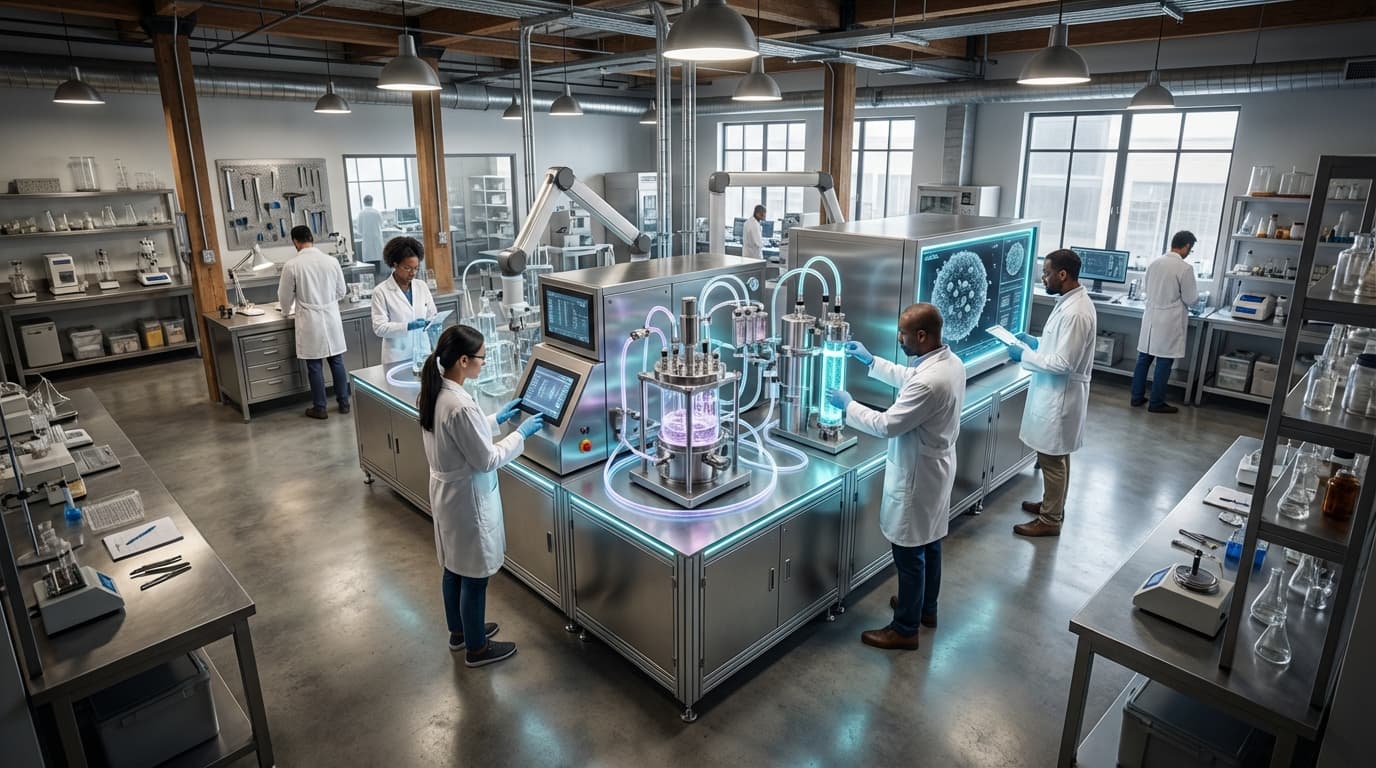
Engineered Exosome Vehicles
Engineered exosome vehicles represent a sophisticated approach to regenerative medicine that harnesses the natural communication mechanisms of cells while avoiding the complications associated with traditional cell-based therapies. Exosomes are nanoscale extracellular vesicles, typically 30-150 nanometers in diameter, that cells naturally secrete to transfer biological information between tissues. These membrane-bound particles contain a complex cargo of proteins, lipids, and nucleic acids that can influence the behavior of recipient cells. In therapeutic applications, exosomes can be harvested from young, healthy stem cells that naturally produce rejuvenating factors, or they can be deliberately engineered to carry specific therapeutic payloads such as messenger RNA, microRNA, proteins, or small molecules. The engineering process involves techniques like electroporation, transfection, or genetic modification of parent cells to load desired cargo into the vesicles before secretion. This precision allows researchers to design exosomes that deliver targeted regenerative signals to specific tissues or cell types, effectively packaging the benefits of cellular therapy into a cell-free format.
The primary challenge this technology addresses is the inherent risk profile of conventional regenerative medicine approaches, particularly those involving direct transplantation of living cells. Traditional stem cell therapies face significant hurdles including immune rejection, the potential for uncontrolled cell growth leading to tumor formation, difficulties in controlling cell differentiation, and complex regulatory pathways for approval. Engineered exosome vehicles circumvent these obstacles by delivering only the therapeutic signals rather than living cells themselves. Because exosomes lack the ability to replicate and do not contain nuclear genetic material, they present minimal risk of teratoma formation or uncontrolled proliferation. Their natural origin and biocompatibility reduce immunogenic responses, while their small size allows them to cross biological barriers that larger cell-based therapies cannot penetrate, including the blood-brain barrier. Furthermore, exosomes can be manufactured at scale through bioreactor systems, frozen for storage without significant loss of function, and standardized for consistent dosing—advantages that make them far more practical for widespread clinical deployment than living cell products.
Early clinical trials and research programs are exploring engineered exosomes for applications ranging from wound healing and tissue regeneration to neurodegenerative disease treatment and immune modulation. Preclinical studies have demonstrated promising results in conditions such as myocardial infarction, where exosomes derived from cardiac stem cells have shown capacity to reduce scar tissue and promote heart muscle regeneration, and in osteoarthritis, where cartilage-targeting exosomes may slow joint degradation. The cosmetic and dermatology sectors have begun incorporating exosome-based products for skin rejuvenation, capitalizing on their ability to stimulate collagen production and reduce inflammation. As manufacturing techniques mature and regulatory frameworks evolve to accommodate these novel biologics, engineered exosomes are positioned to become a cornerstone of precision regenerative medicine, offering a safer, more scalable alternative to cellular therapies while maintaining the biological sophistication necessary to address age-related tissue decline and chronic degenerative conditions.
Related Organizations

Biotech company focused on harnessing and engineering the natural delivery capabilities of exosomes.

Biotech developing extracellular vesicle therapy for rare dermatological conditions.

Developing neural exosome therapies for the treatment of neurodegenerative diseases.
Brexogen
South Korea · Startup
Developing exosome-based therapeutics using a proprietary platform for high-efficiency production.

Biotech company developing cell and exosome-based therapeutics for rare diseases.

Provides manufacturing platforms and bioprocess solutions for stem cells and exosomes.

Australian biotech developing customized exosome therapies.

Supporting Evidence
Research this in Signals
Signals turns a topic into a sourced research record you can inspect and rerun. Your first scan is free, and this one starts with Engineered Exosome Vehicles already loaded, so edit it or scan as is.