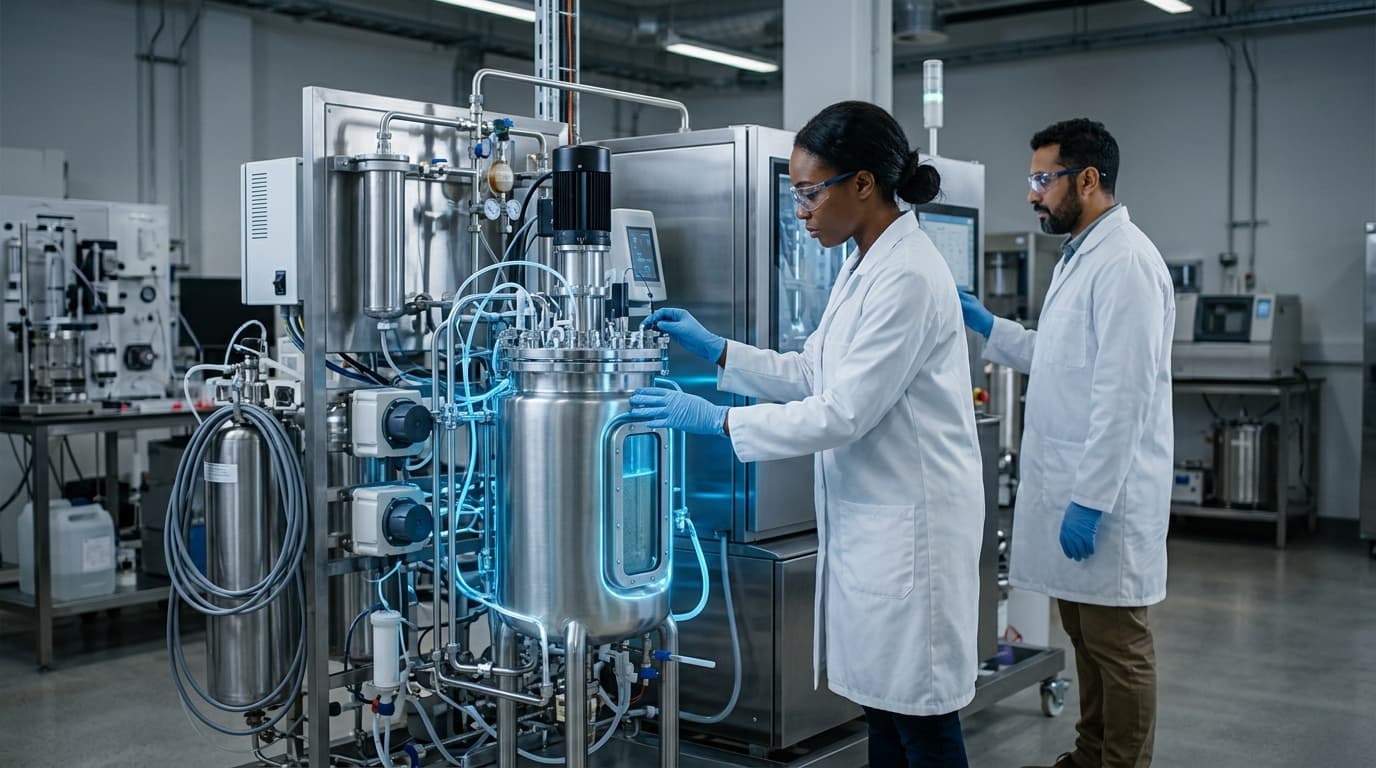
Programmable Cell Factories
Programmable cell factories represent a convergence of microfluidics, automation, and stem cell biology, creating compact bioreactor systems capable of producing therapeutic cells outside traditional laboratory settings. These desktop-scale platforms integrate precise environmental controls—temperature regulation, pH monitoring, oxygen tension management, and nutrient delivery—with microfluidic channels that guide stem cell differentiation along specific lineages. The core innovation lies in their ability to automate complex protocols that previously required skilled technicians and expensive cleanroom facilities. By embedding sensors and feedback loops, these systems can monitor cellular behavior in real-time and adjust culture conditions accordingly, ensuring consistent production of high-quality cells. Some platforms incorporate gene-editing capabilities, allowing cells to be modified during the culture process to enhance their therapeutic potential or correct genetic defects before transplantation.
The traditional model of regenerative medicine has been constrained by centralized manufacturing facilities, lengthy production timelines, and costs that can exceed hundreds of thousands of dollars per treatment. Programmable cell factories address these barriers by enabling point-of-care production, where hospitals or specialized clinics can generate patient-specific cells on-site. This decentralization dramatically reduces the logistical challenges of transporting living cells while maintaining their viability and potency. For longevity applications specifically, these systems promise to make cellular rejuvenation therapies more accessible by lowering the barrier to entry for smaller medical centers and research institutions. The technology also enables rapid iteration and personalization, as protocols can be adjusted based on individual patient characteristics, genetic profiles, or specific therapeutic goals. By standardizing and automating what was once an artisanal process, these factories help ensure reproducibility and regulatory compliance, critical factors for scaling regenerative treatments.
Early commercial deployments are emerging in specialized regenerative medicine centers, where programmable cell factories are being used to produce cells for treating conditions ranging from cardiac damage to neurodegenerative diseases. Research institutions are exploring their potential for generating rejuvenated immune cells, such as T-cells with restored telomere length or enhanced mitochondrial function, which could address age-related immune decline. Some platforms are being tested for producing induced pluripotent stem cells (iPSCs) from patient samples, then differentiating them into specific cell types needed for tissue repair or replacement. As the technology matures, industry observers anticipate integration with artificial intelligence systems that can optimize culture protocols based on accumulated data from thousands of production runs. The trajectory points toward a future where personalized cellular therapies become routine rather than exceptional, with programmable cell factories serving as the manufacturing infrastructure that makes widespread cellular rejuvenation economically viable and logistically feasible within the broader longevity medicine ecosystem.
Related Organizations

A company developing an Integrated Development and Manufacturing Organization (IDMO) for cell therapies.


A global provider of products and services for biomedical research and cellular therapy.

Combines AI, laser physics, and biology to automate high-quality cell manufacturing.

A manufacturing technology company for cell and gene therapies.

Develops C-Stem technology for mass-producing high-quality induced pluripotent stem cells (iPSCs) and micro-tissues.

Combines microfluidics with AI-powered imaging to sort cells based on morphology without staining.

A non-profit engineering innovation company that develops acoustic microfluidic separation systems for CAR-T manufacturing.
Global leader in blood component, therapeutic apheresis, and cellular technologies.

A partnership (Bio-Techne, Fresenius Kabi, Wilson Wolf) providing the G-Rex platform.
Supporting Evidence
Research this in Signals
Signals turns a topic into a sourced research record you can inspect and rerun. Your first scan is free, and this one starts with Programmable Cell Factories already loaded, so edit it or scan as is.