Regions
68 technologies in Latin America
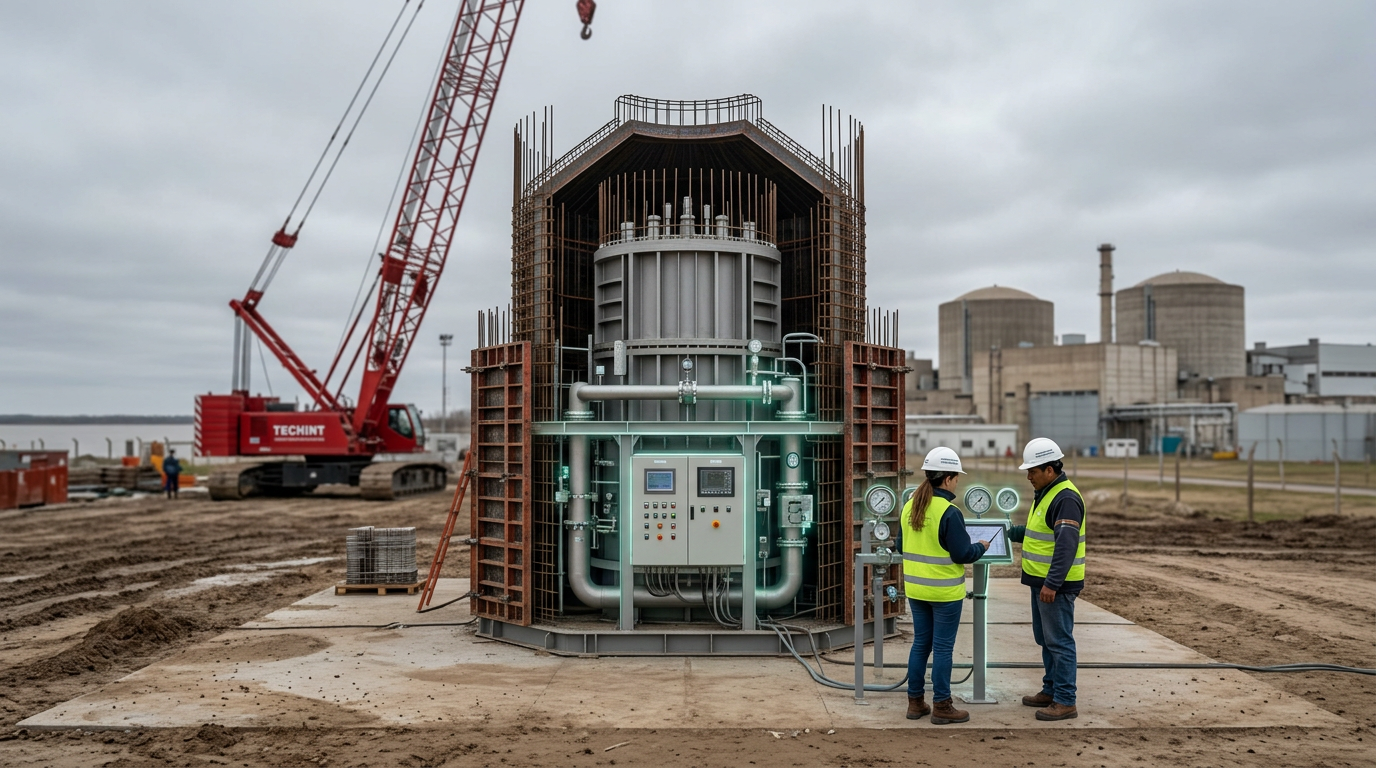
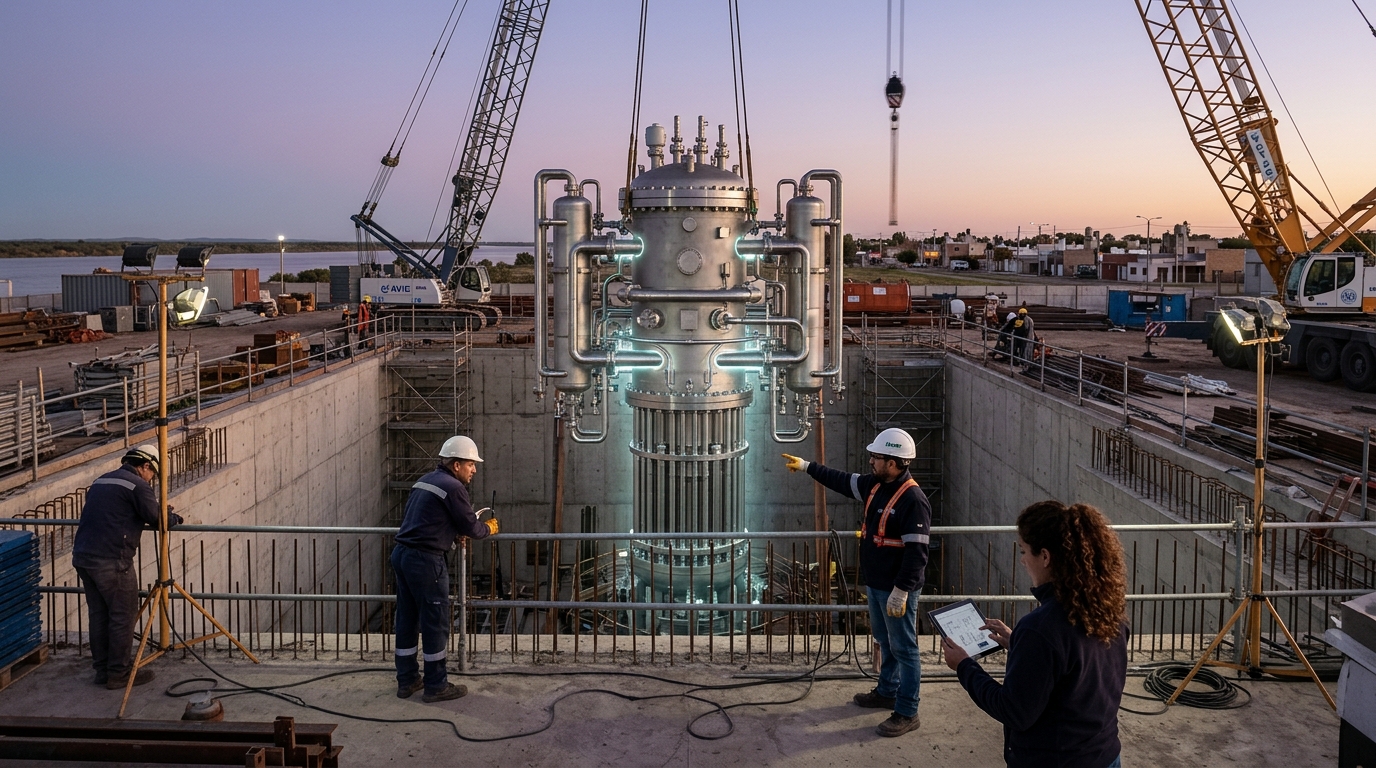
Argentina plans four 300 MW SMR units at Atucha (1.2 GW total) with first unit operational by 2030, signaling a major nuclear expansion under the Milei administration.
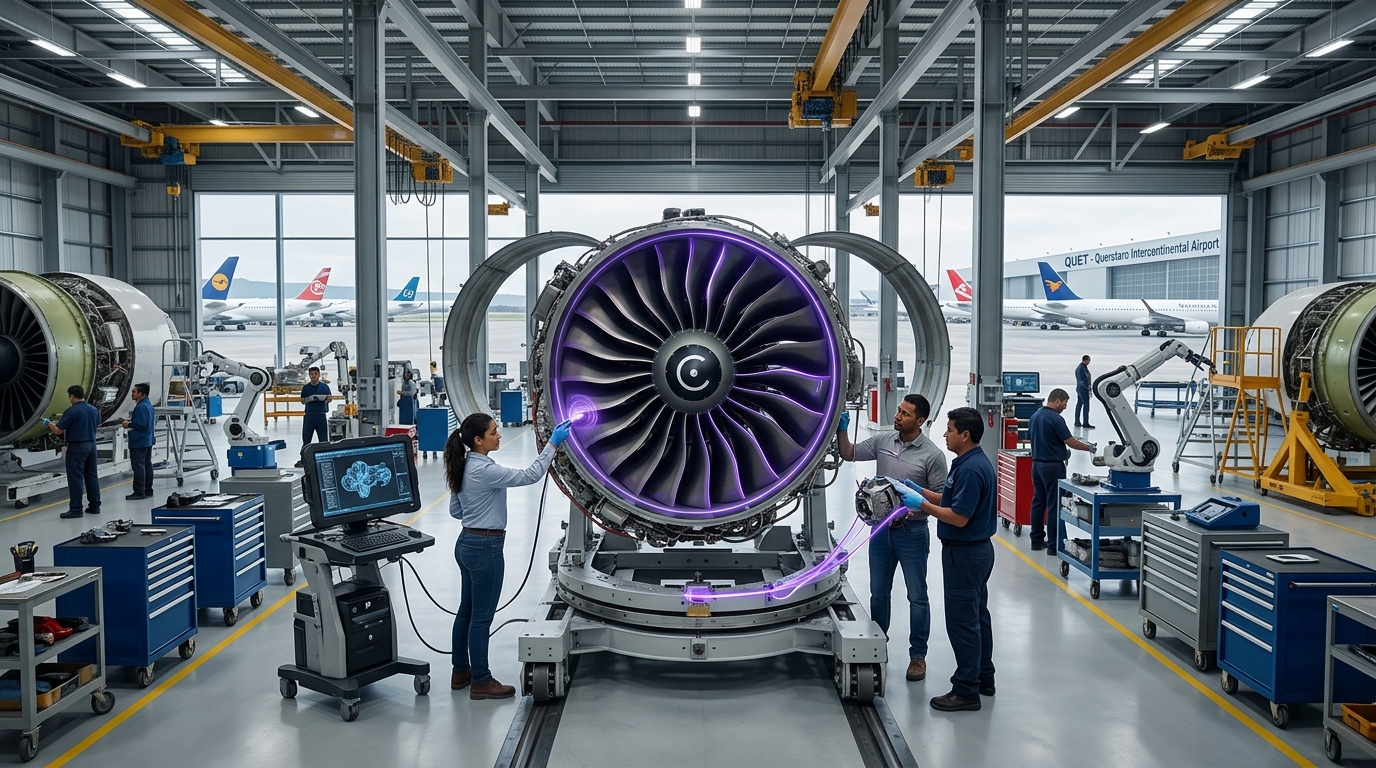
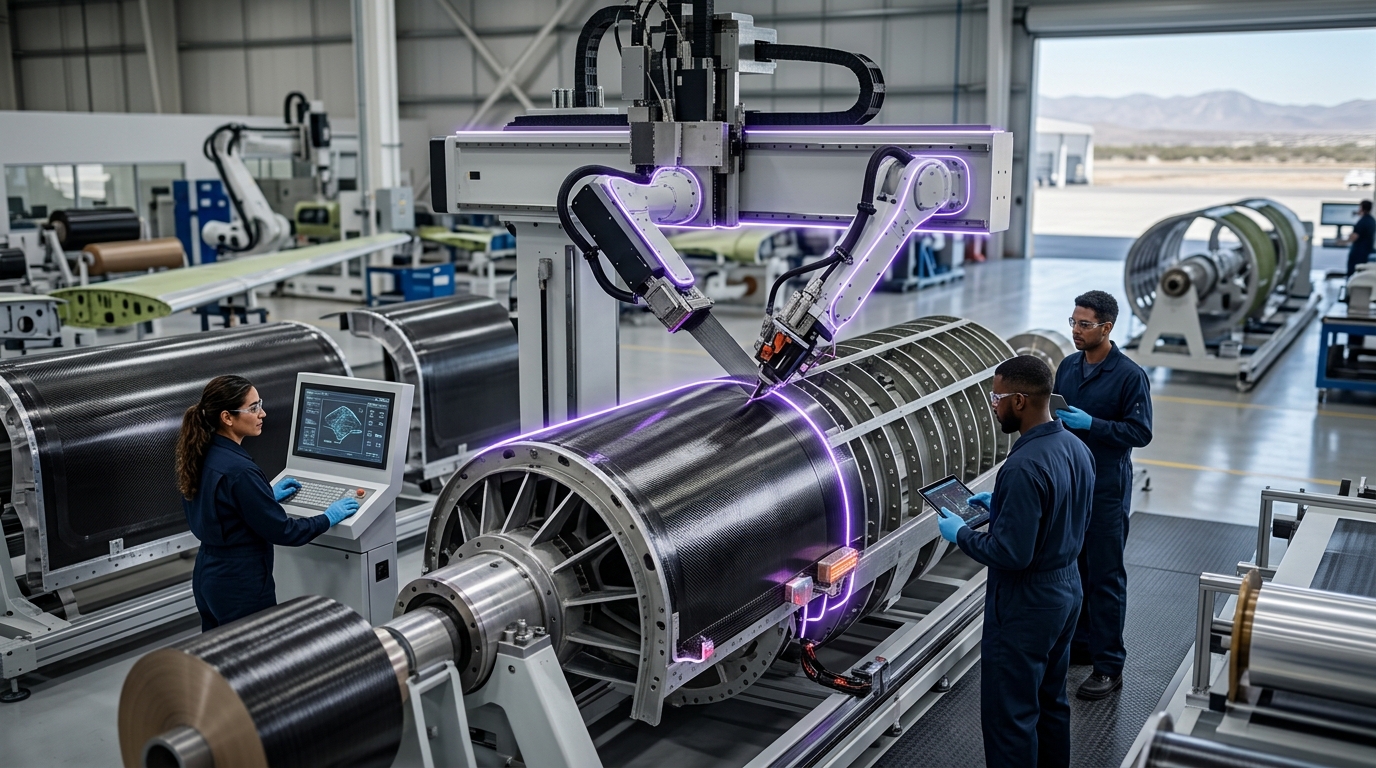
Mexico's maintenance, repair, and overhaul sector in Querétaro handles increasingly complex engine and airframe work for global airlines, with NDT and digital twin adoption.
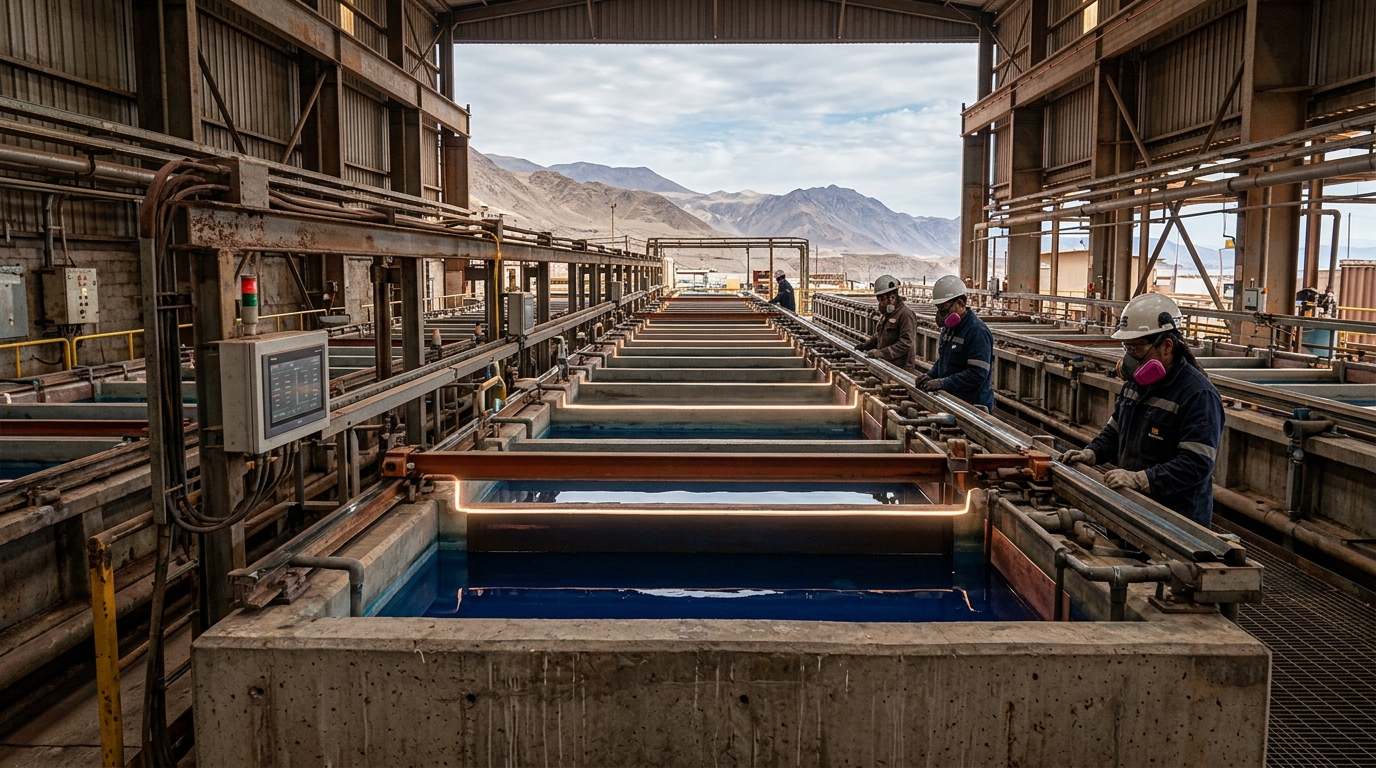
Chile produces 27% of global copper; advanced electrorefining achieves 99.99% purity for electronics-grade cathode, with Codelco investing in flash smelting and acid recovery systems.
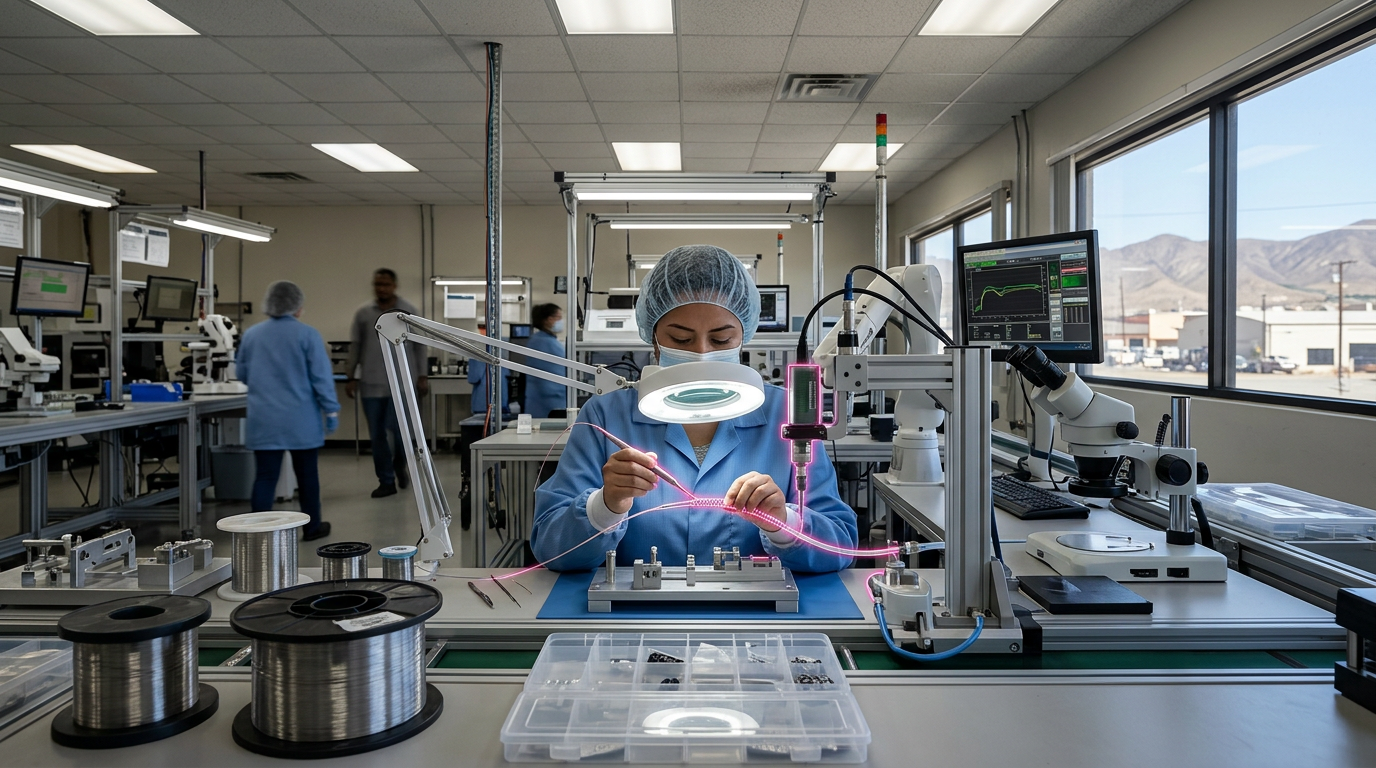
Mexico is the 8th-largest medical device exporter globally, manufacturing Class II/III devices including surgical instruments, catheters, and diagnostic equipment in Baja California clusters.
Mexico's aerospace cluster — 80+ firms in Querétaro alone — reported 10% growth in 2025, manufacturing structural components for Airbus, Bombardier, and Safran.
Argentina is the 3rd-largest biotech crop producer globally; its pioneering gene editing regulations allow CRISPR-developed drought-resistant soybeans and wheat to bypass GMO restrictions.
Chilean mining deploys sensor-driven ML models on haul trucks, SAG mills, and conveyor systems — detecting equipment failures days in advance, reducing unplanned downtime by 30%+.
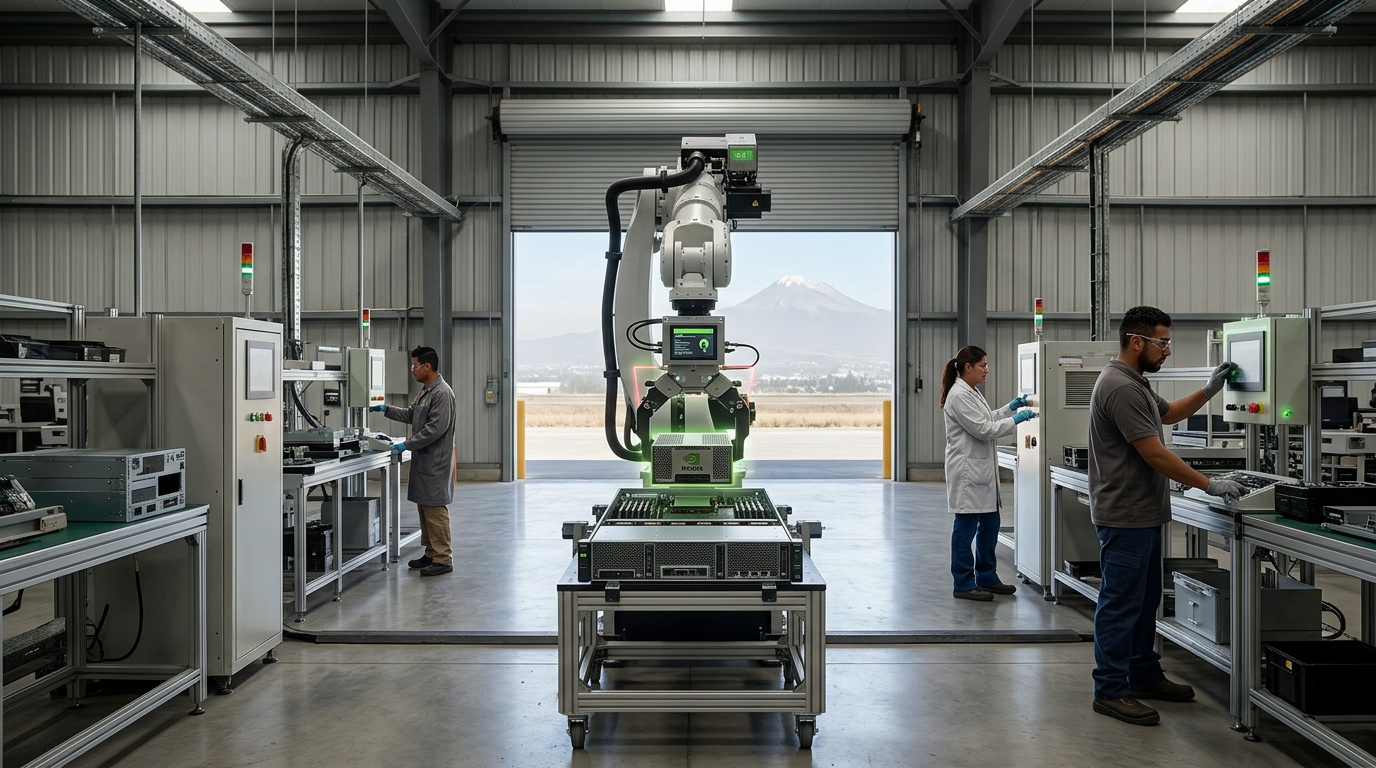
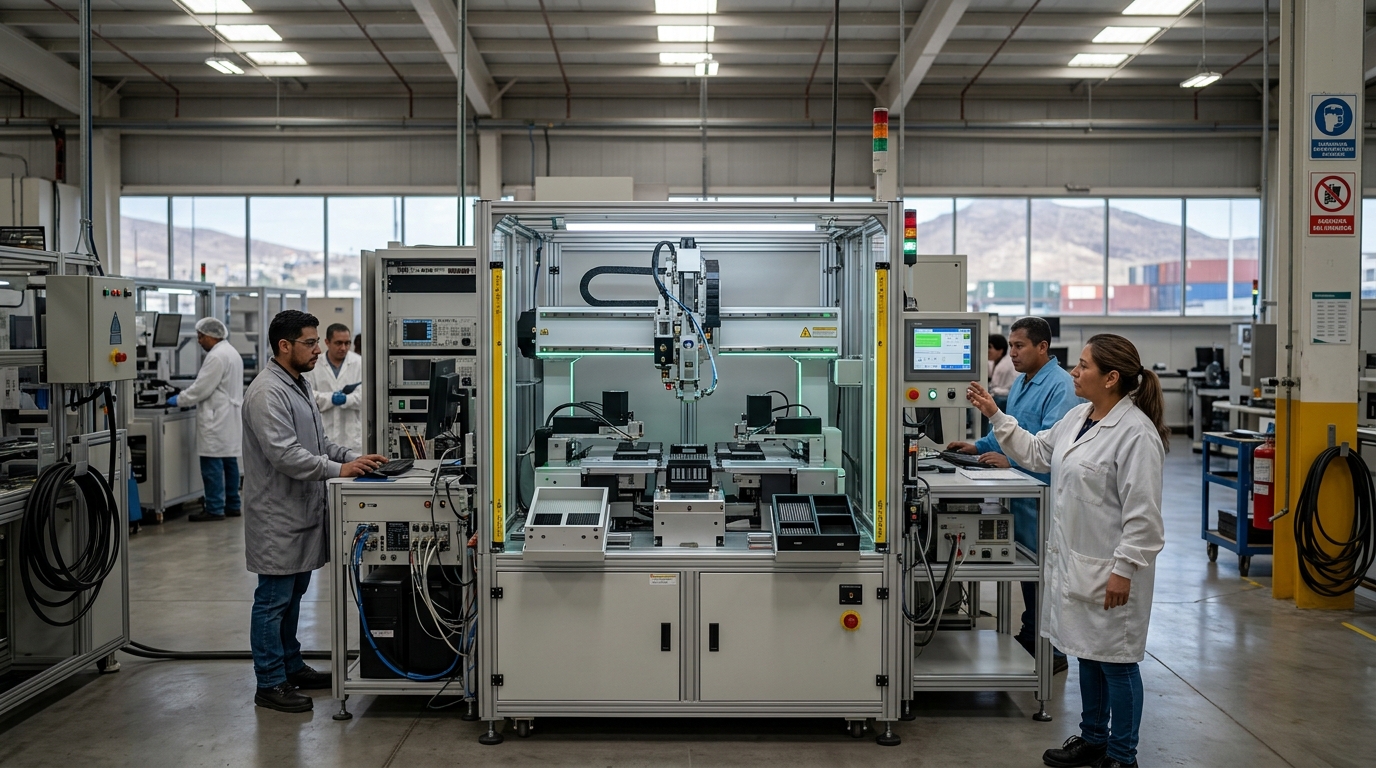
Foxconn's $690M Mexico investment includes Nvidia-partnered AI server assembly, positioning the country as a nearshore node for US AI compute infrastructure.
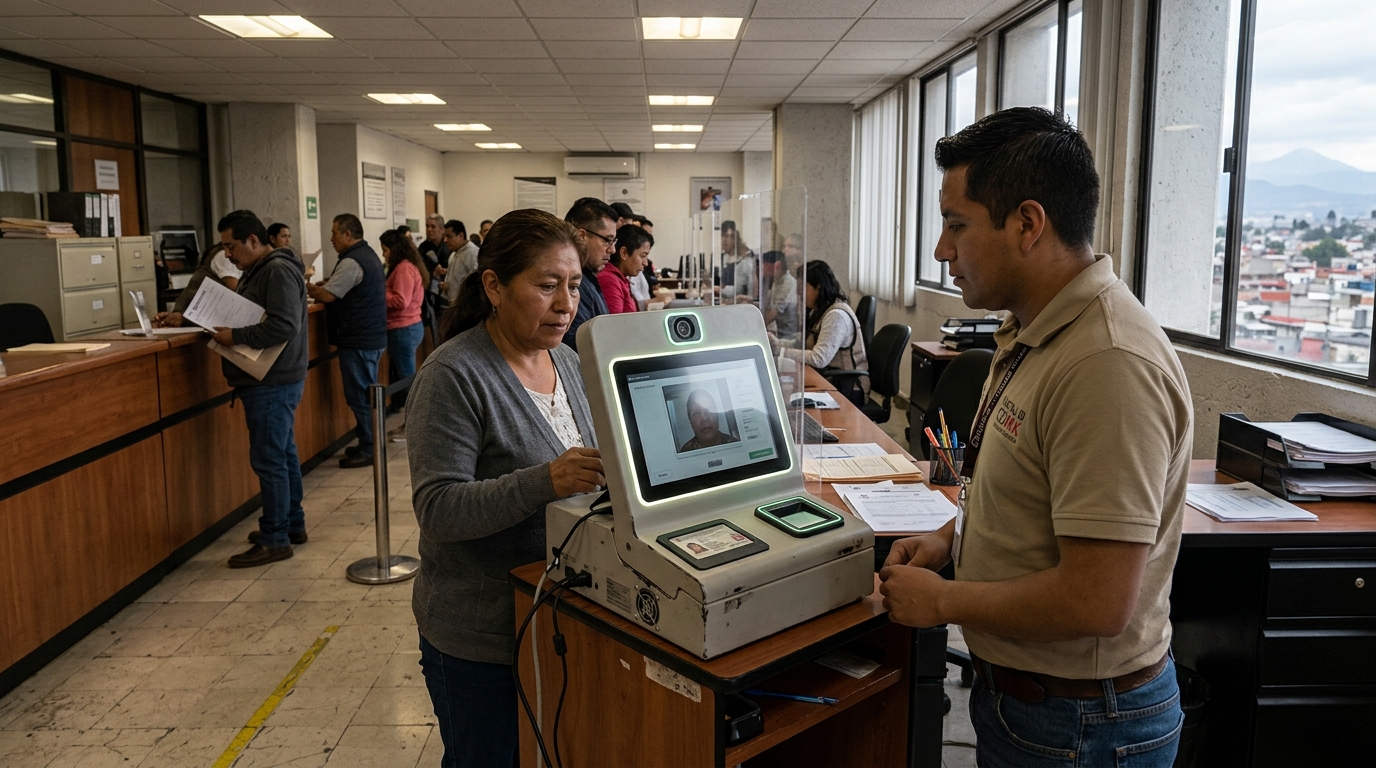
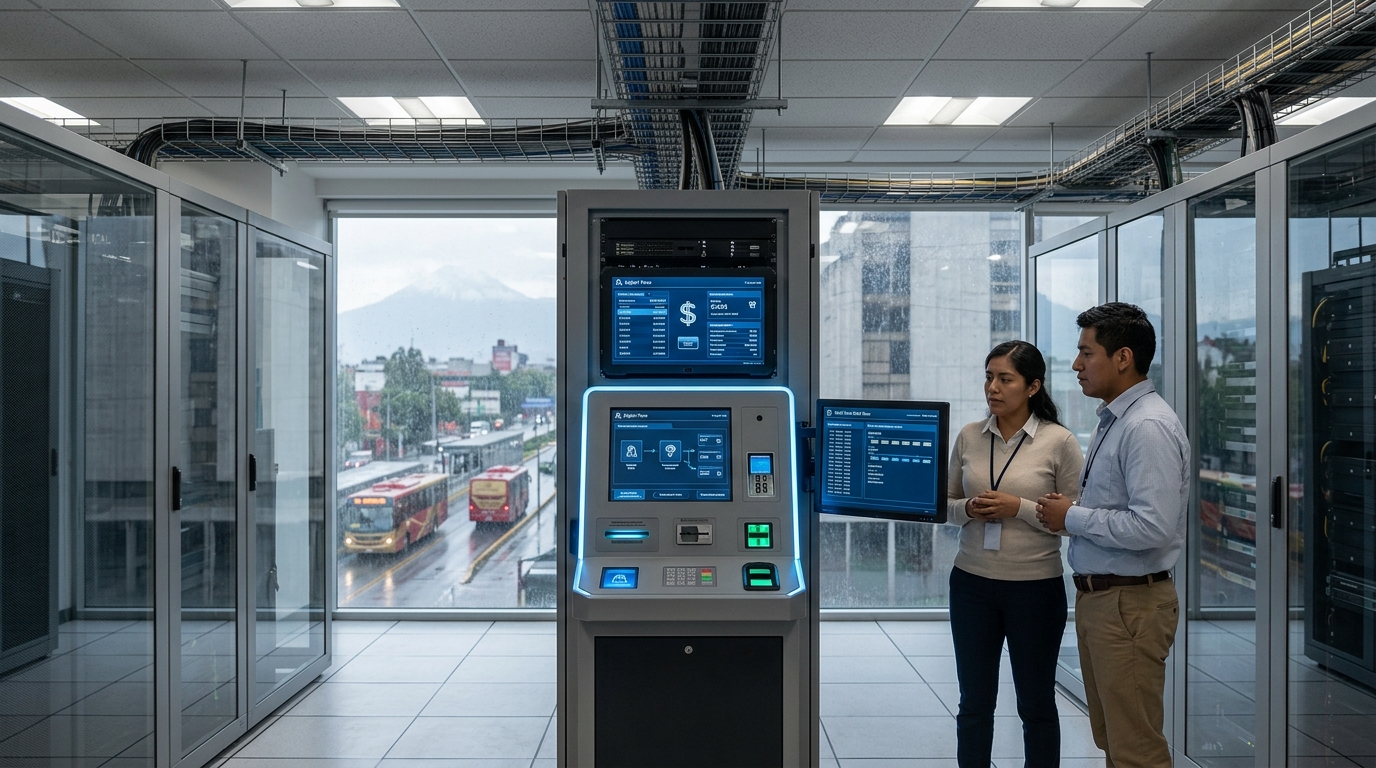
Mexican fintechs deploy computer vision and liveness detection to verify identities for 60M+ unbanked adults using INE voter IDs, enabling KYC compliance without physical bank visits.
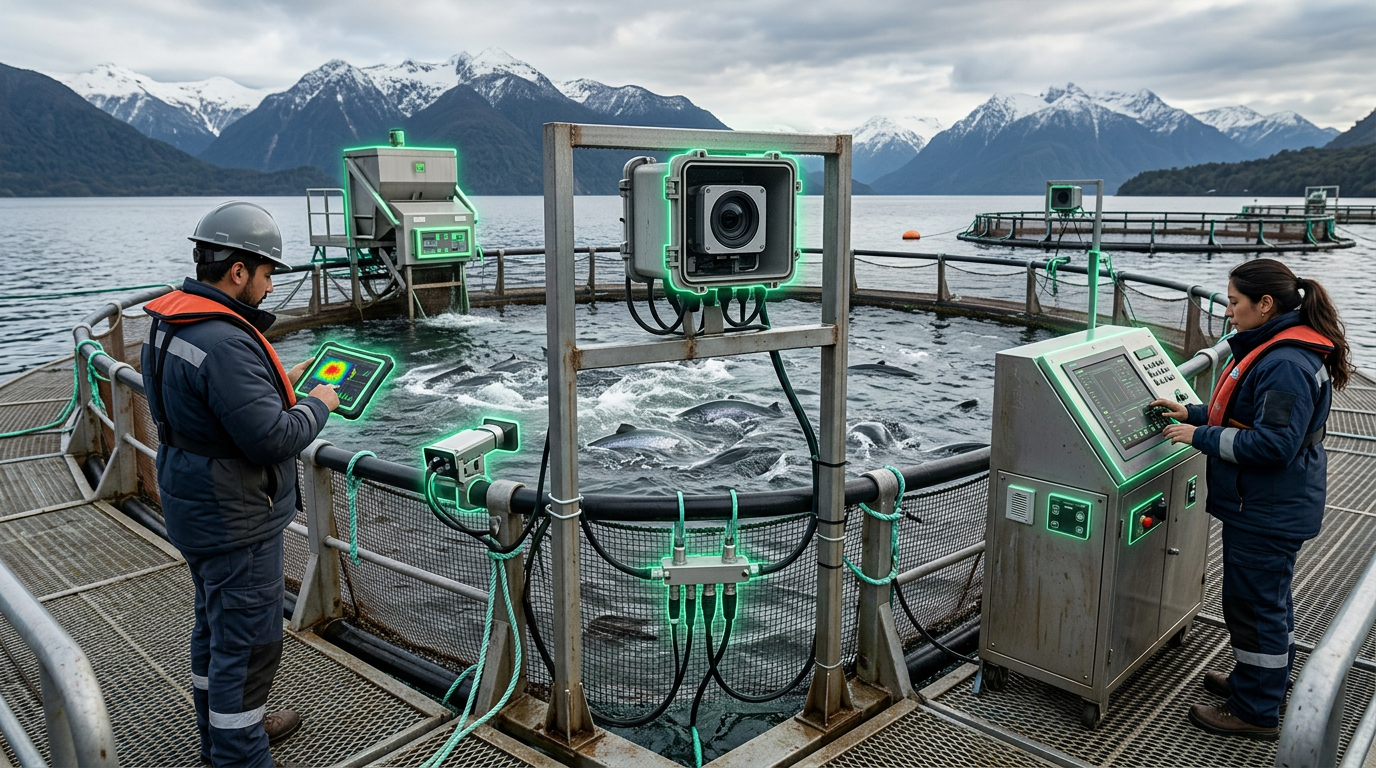
Chile's salmon industry (#2 globally) deploys computer vision for fish health monitoring, AI feeding optimization, and Project Yelcho's antibiotic reduction initiative across 11 major producers.
Mexico's fintechs use alternative data and ML to extend credit to 60M+ adults without traditional banking history, with lending the largest fintech segment by project count.
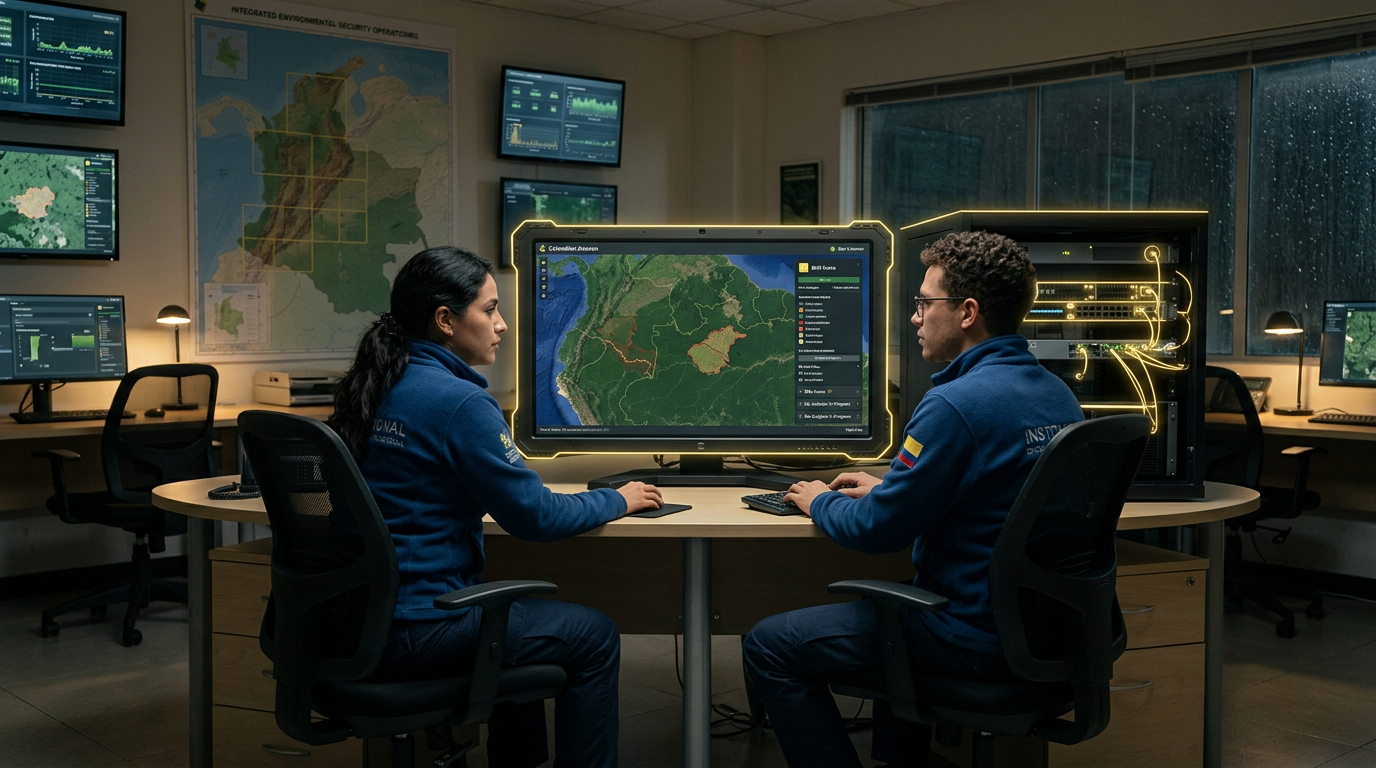
Colombian institutions deploy satellite imagery analysis with ML classification to detect illegal deforestation in the Amazon and Pacific regions in near-real-time.
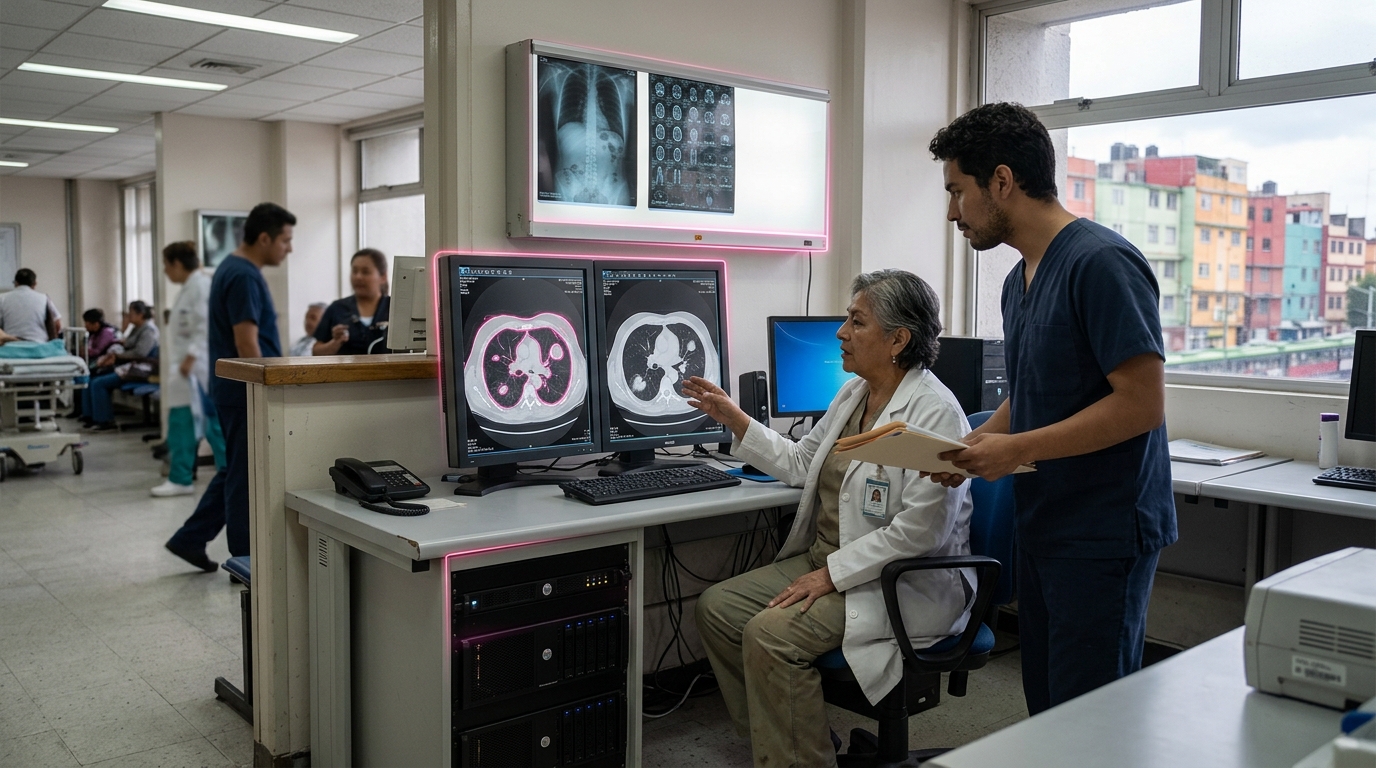
Mexican healthtech startups deploy ML models for medical imaging analysis, patient outcome prediction, and treatment optimization in hospitals serving underserved populations.
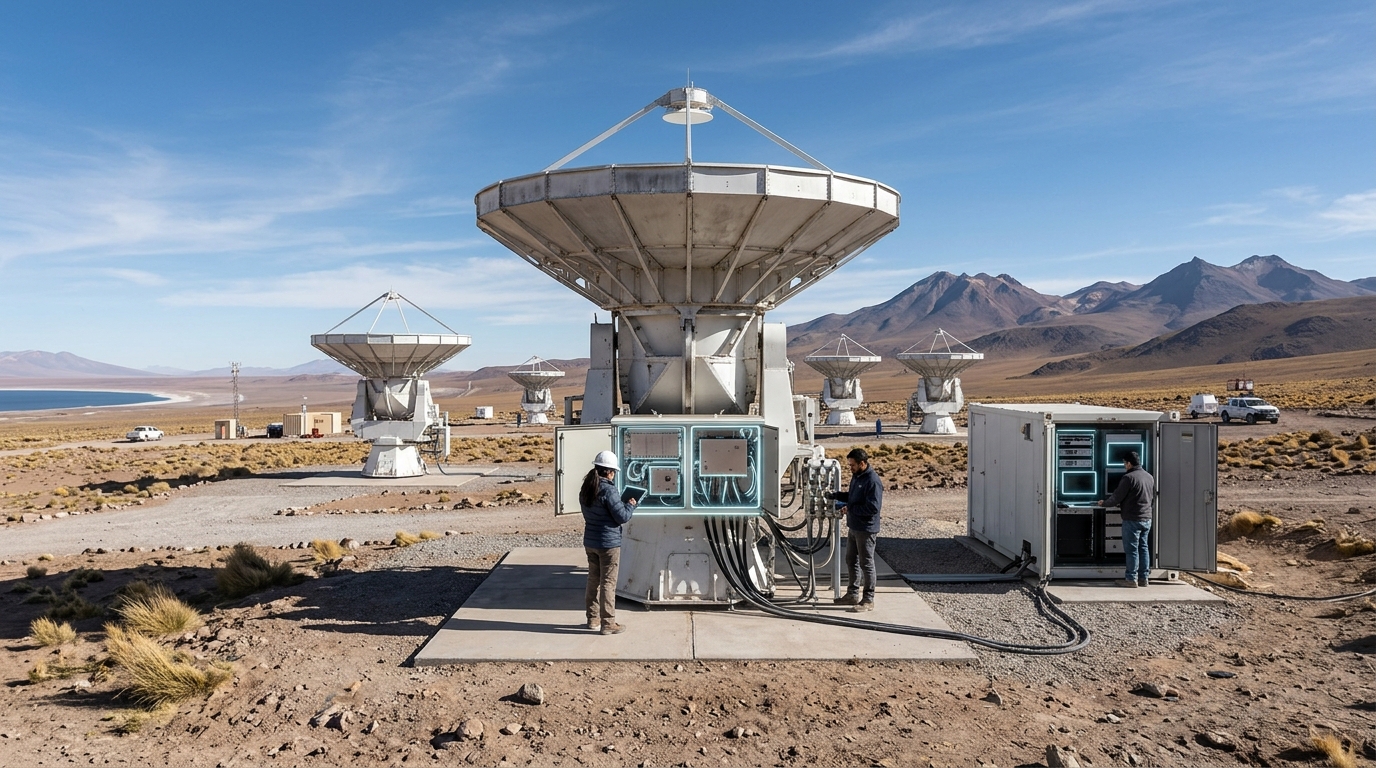
ALMA's 66-antenna array at 5,000m altitude in the Atacama is the world's most powerful submillimeter telescope, resolving protoplanetary disks and distant galaxy formation.
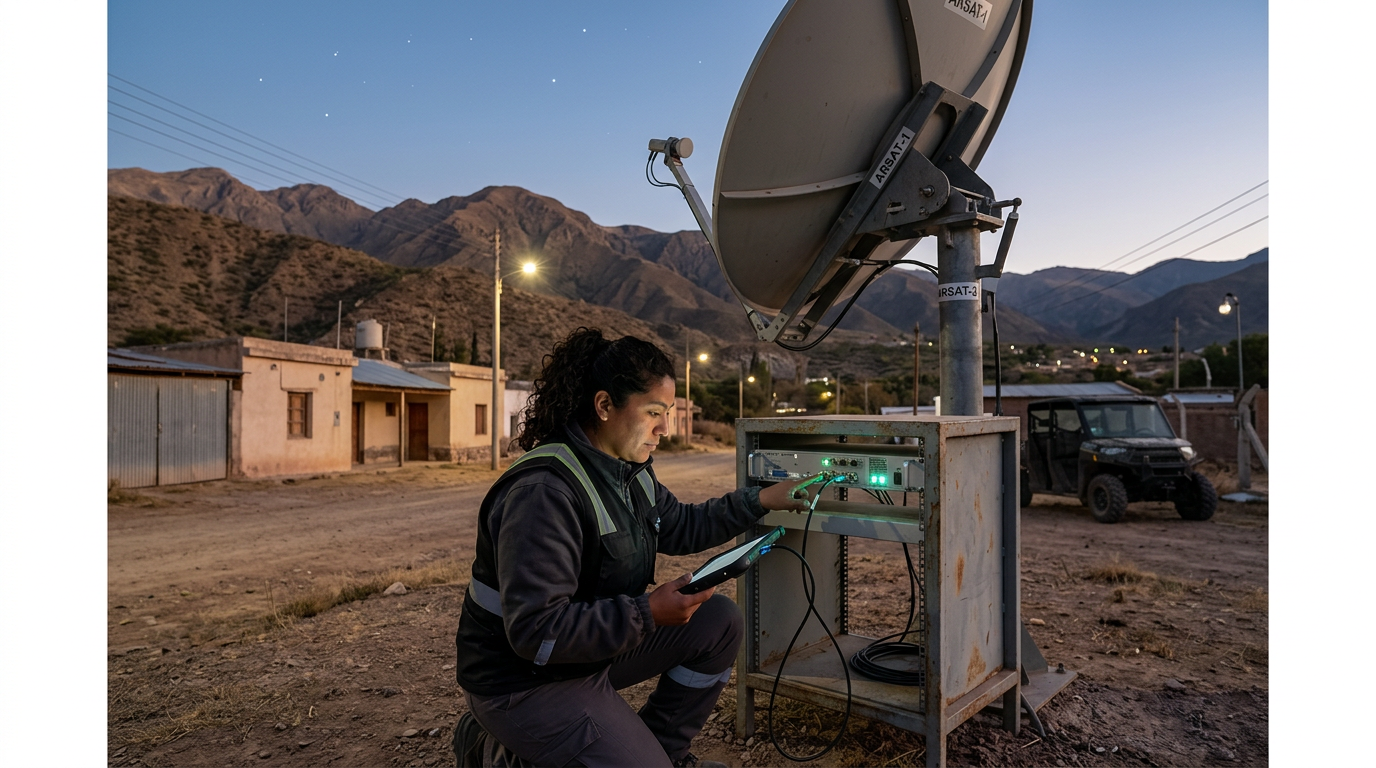
Argentina's ARSAT-1 and ARSAT-2 are indigenous geostationary communications satellites built by INVAP, providing DTH TV, broadband, and data services across South America.
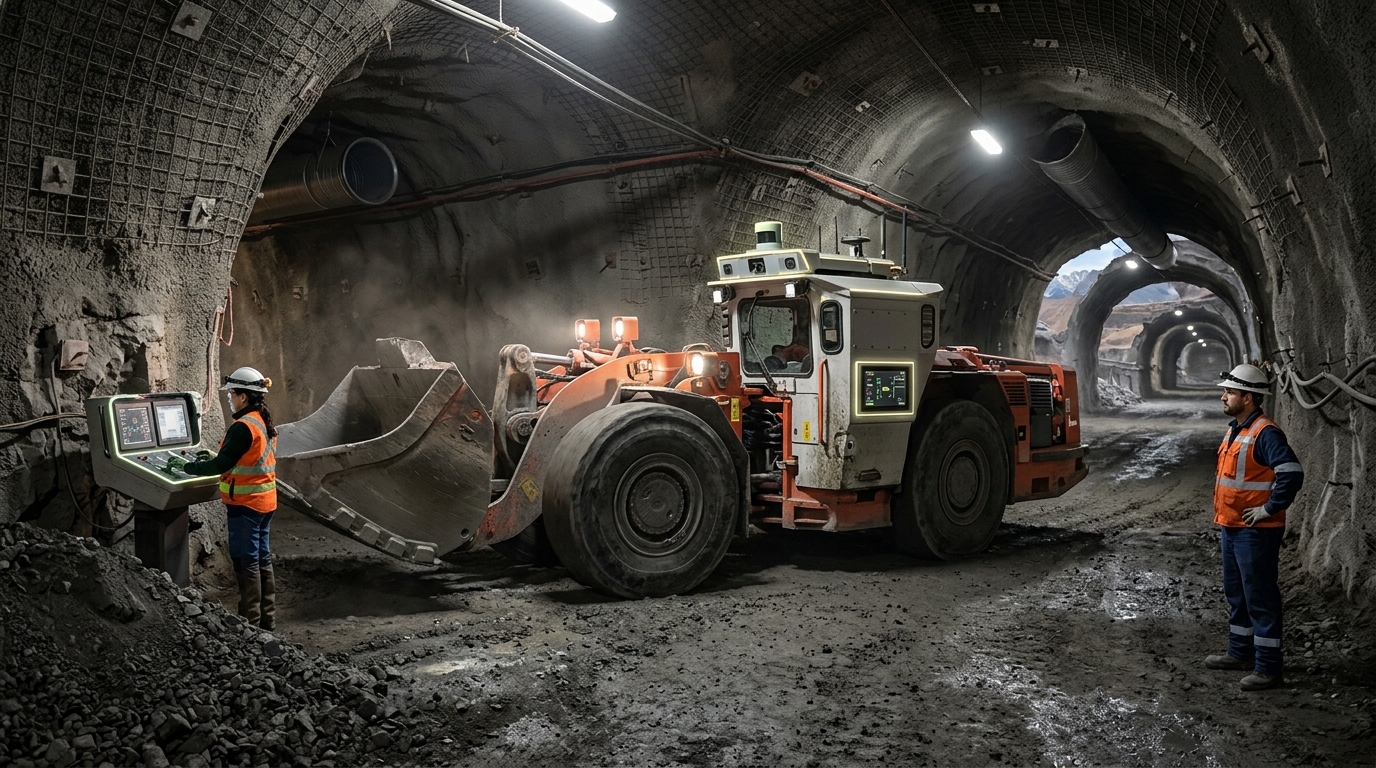
Chile's Codelco has operated autonomous haul trucks since 2008; post-2025 El Teniente collapse, underground autonomy is being fast-tracked with remote LHDs and drill systems.
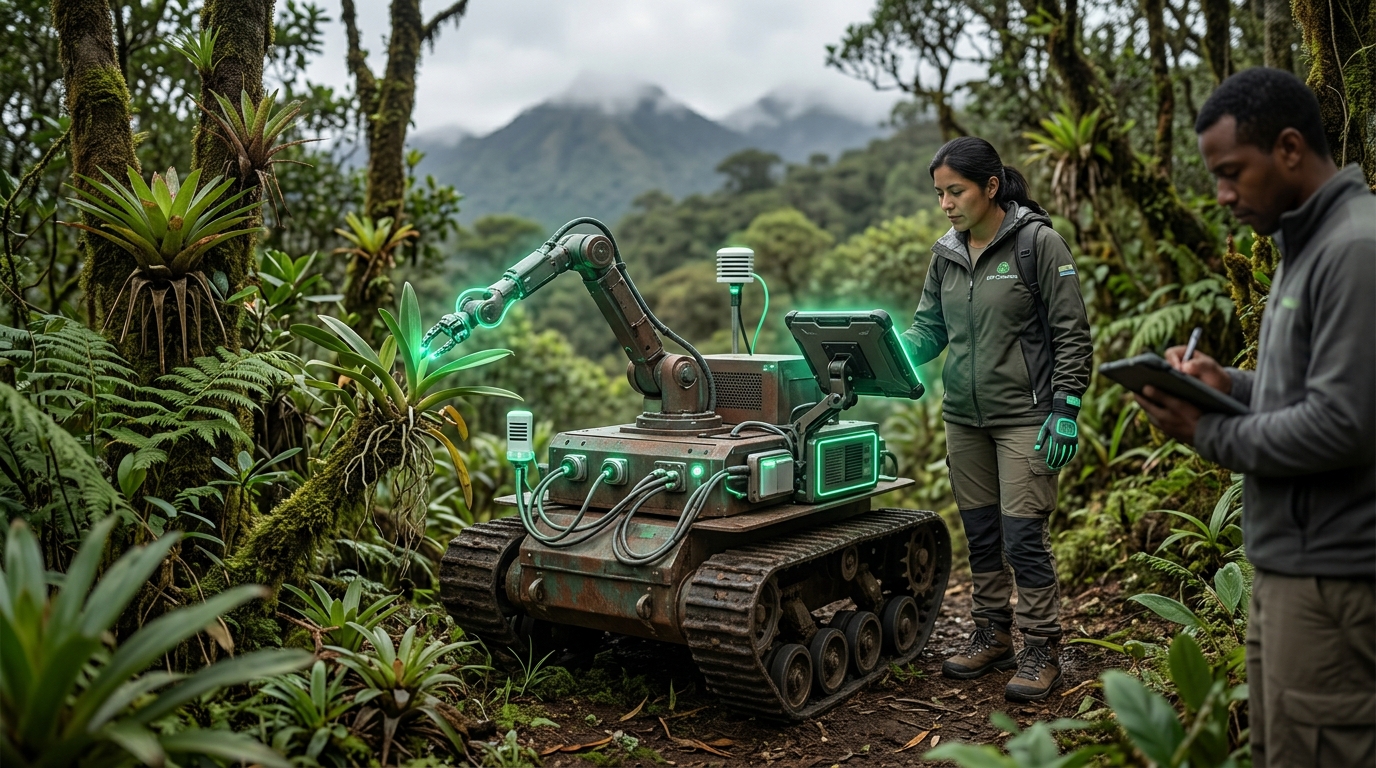
Colombia — the world's 2nd most biodiverse country — is building genomic databases through EBP-Colombia, discovering novel enzymes and bioactive compounds from its 56,000+ species.
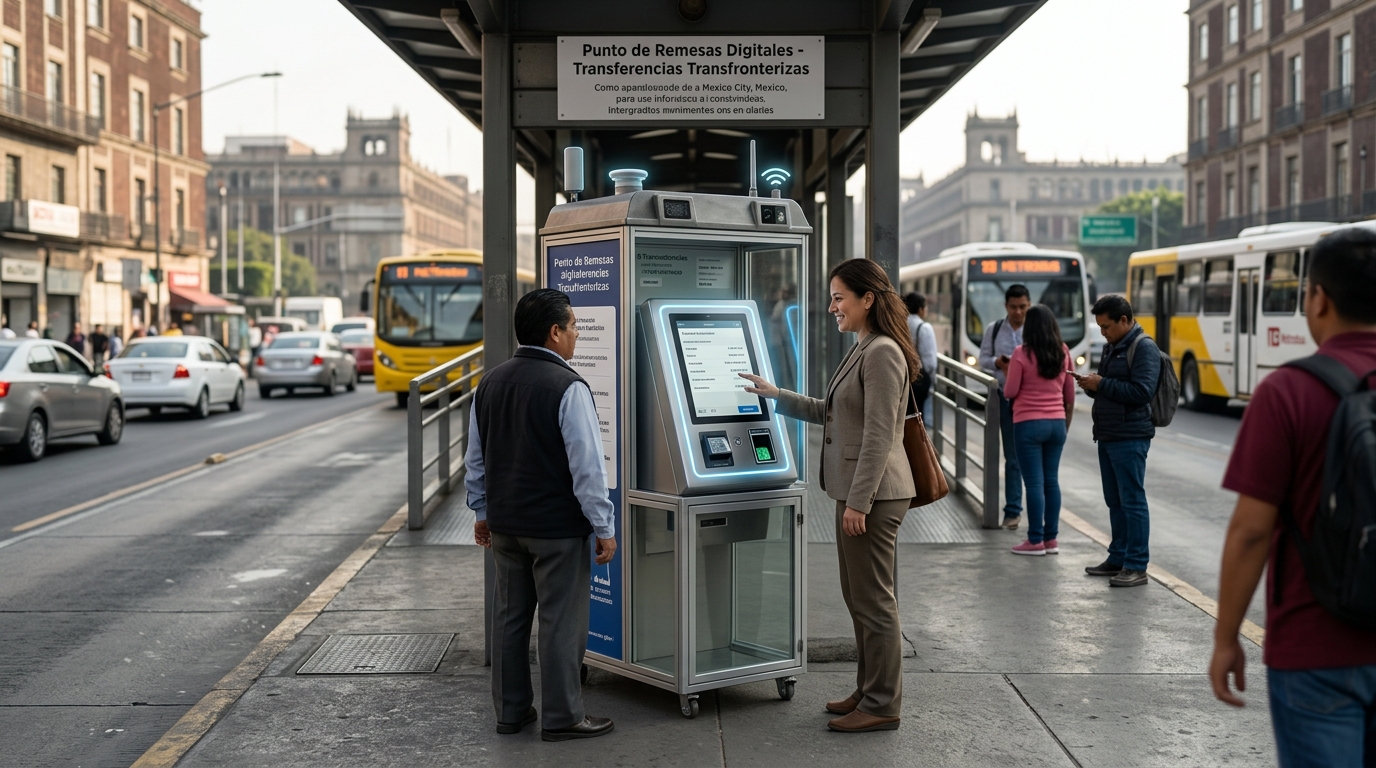
Mexico receives $60B+ in annual remittances from the US; crypto rails and stablecoin corridors are reducing transfer costs from 5-8% to under 1% for digital-first users.
Argentina's CAREM-25 is an entirely domestically-designed 32 MWe small modular reactor under construction at Zárate — the first indigenous SMR in Latin America, with 70%+ local content.
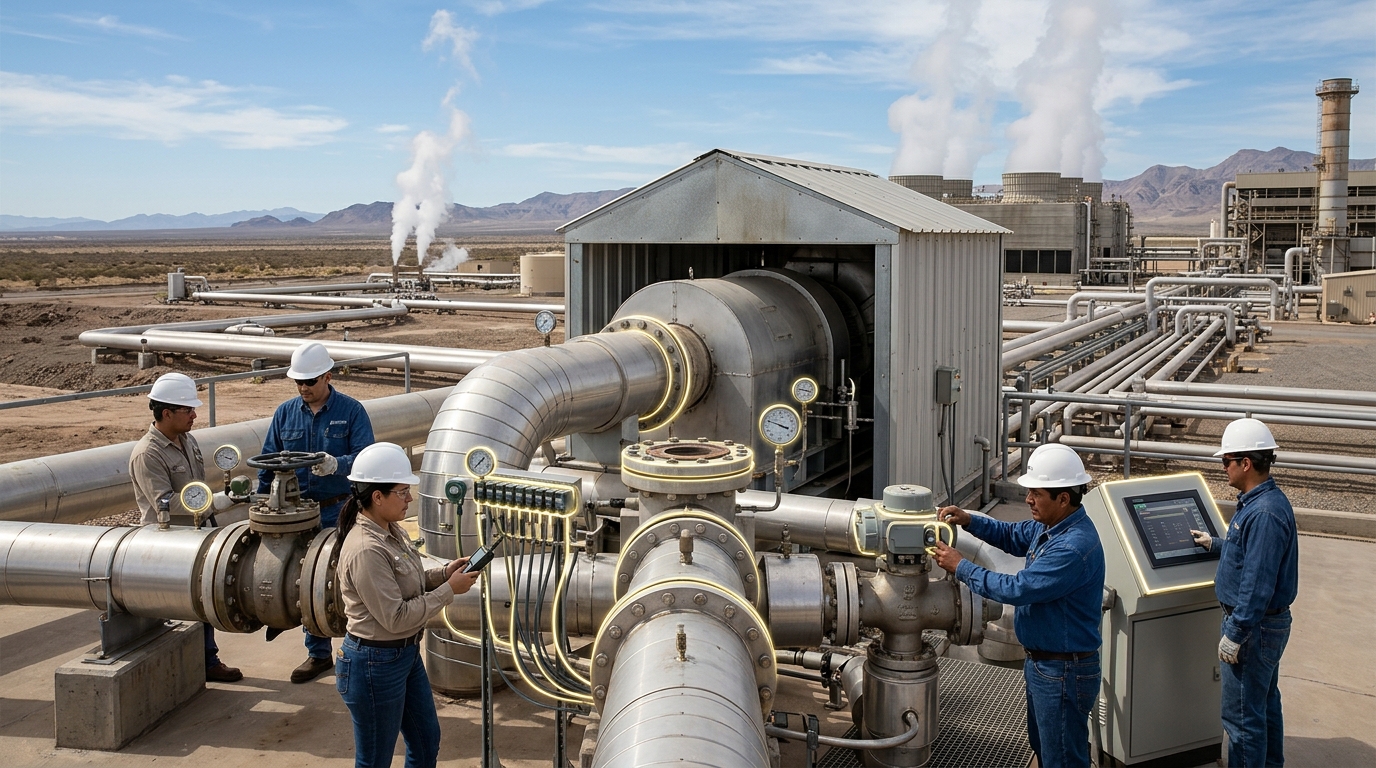
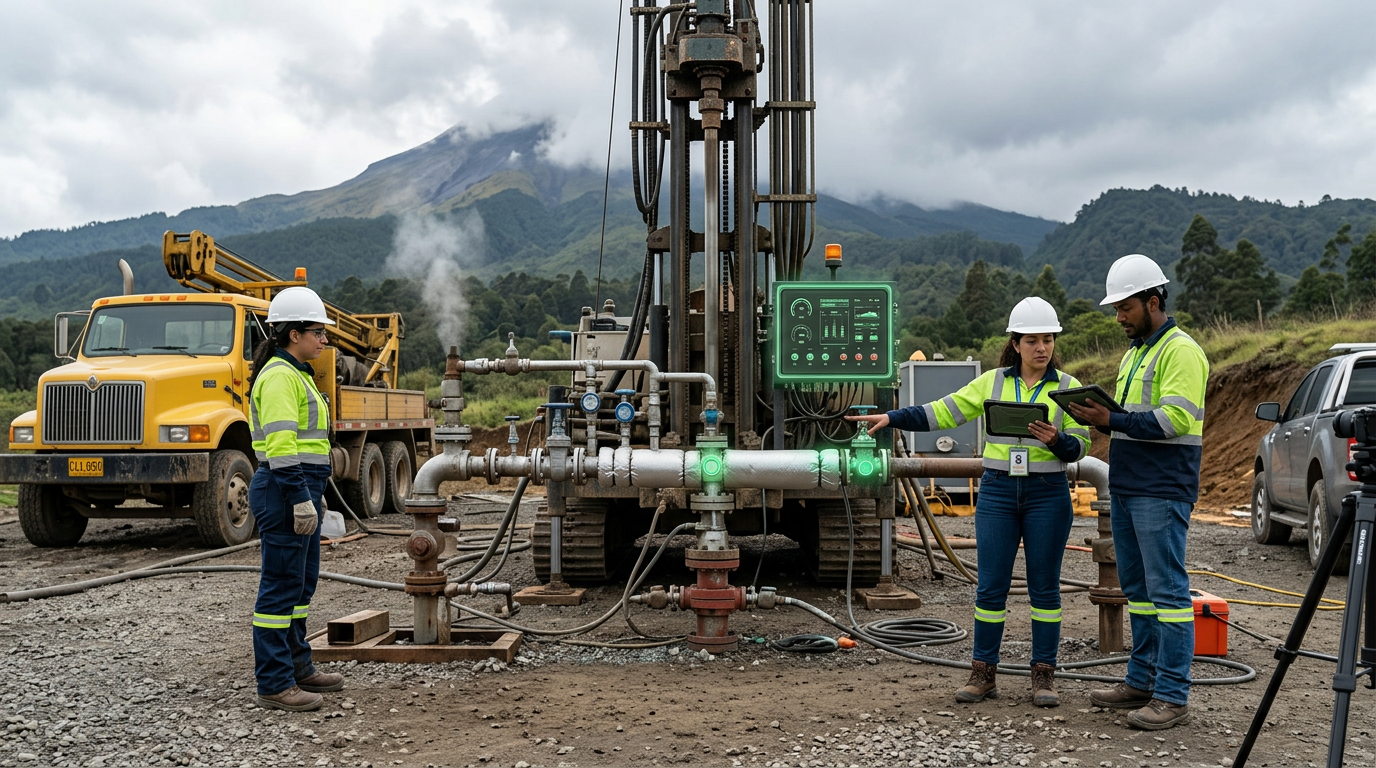
Mexico's 720 MW Cerro Prieto facility in Baja California is one of the world's largest geothermal power complexes, operating since 1973.
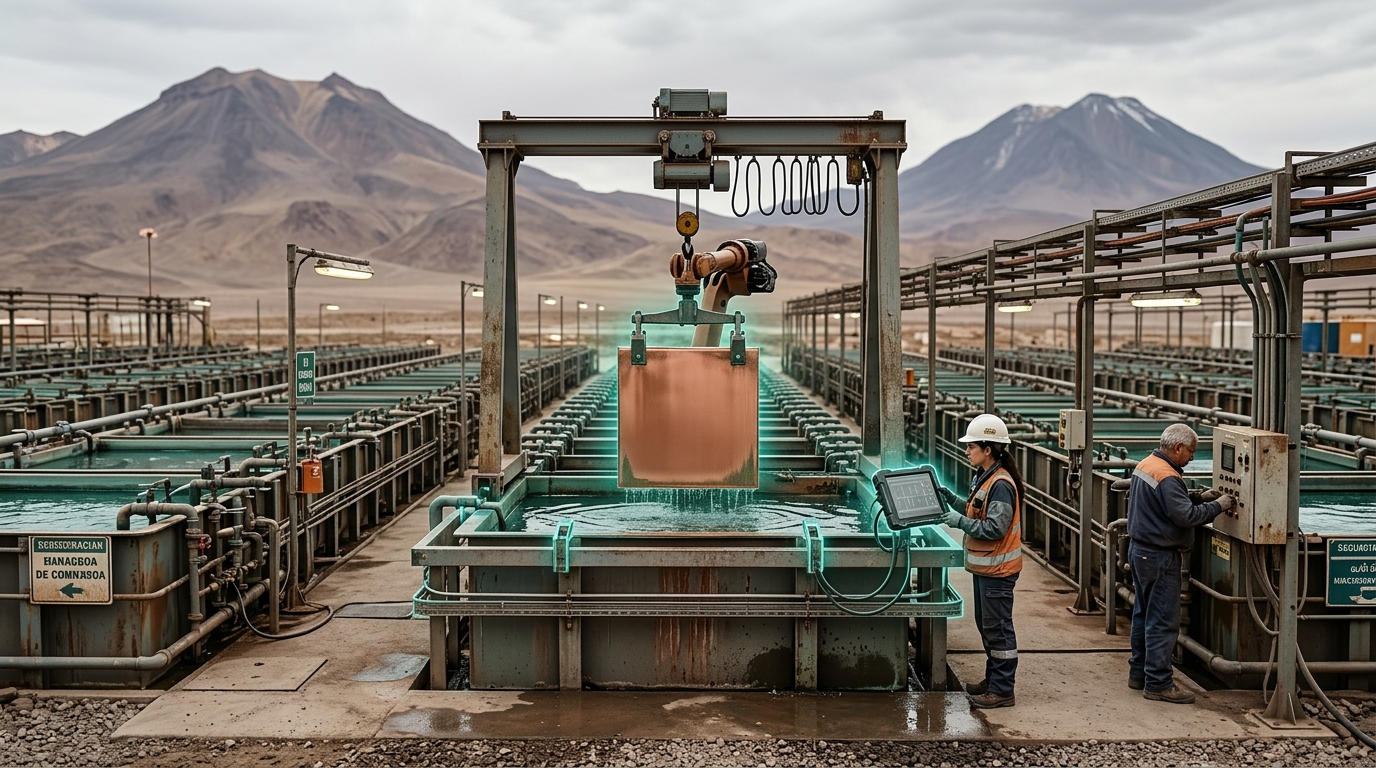
Chile is the global leader in solvent extraction-electrowinning (SX-EW) copper processing, producing ~1.8 million tonnes annually from oxide ores without smelting.
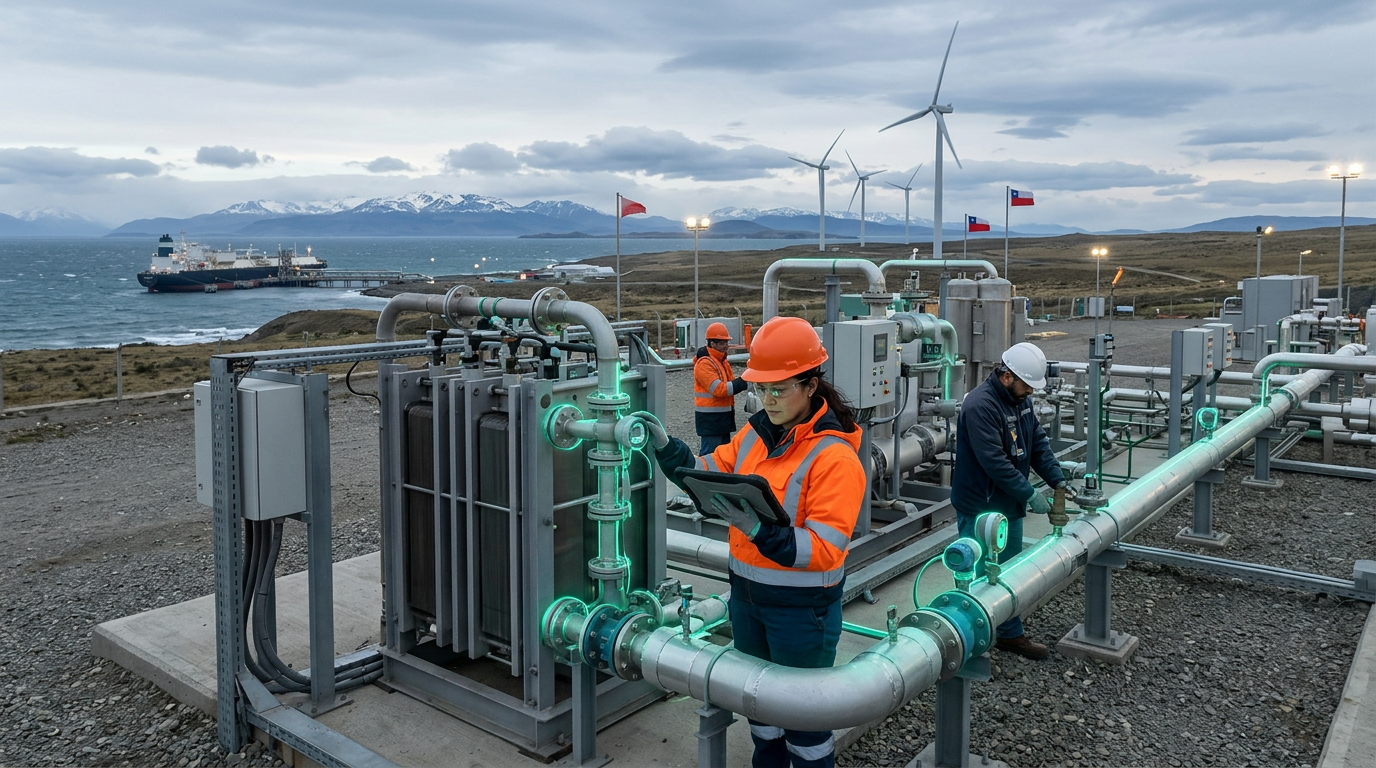
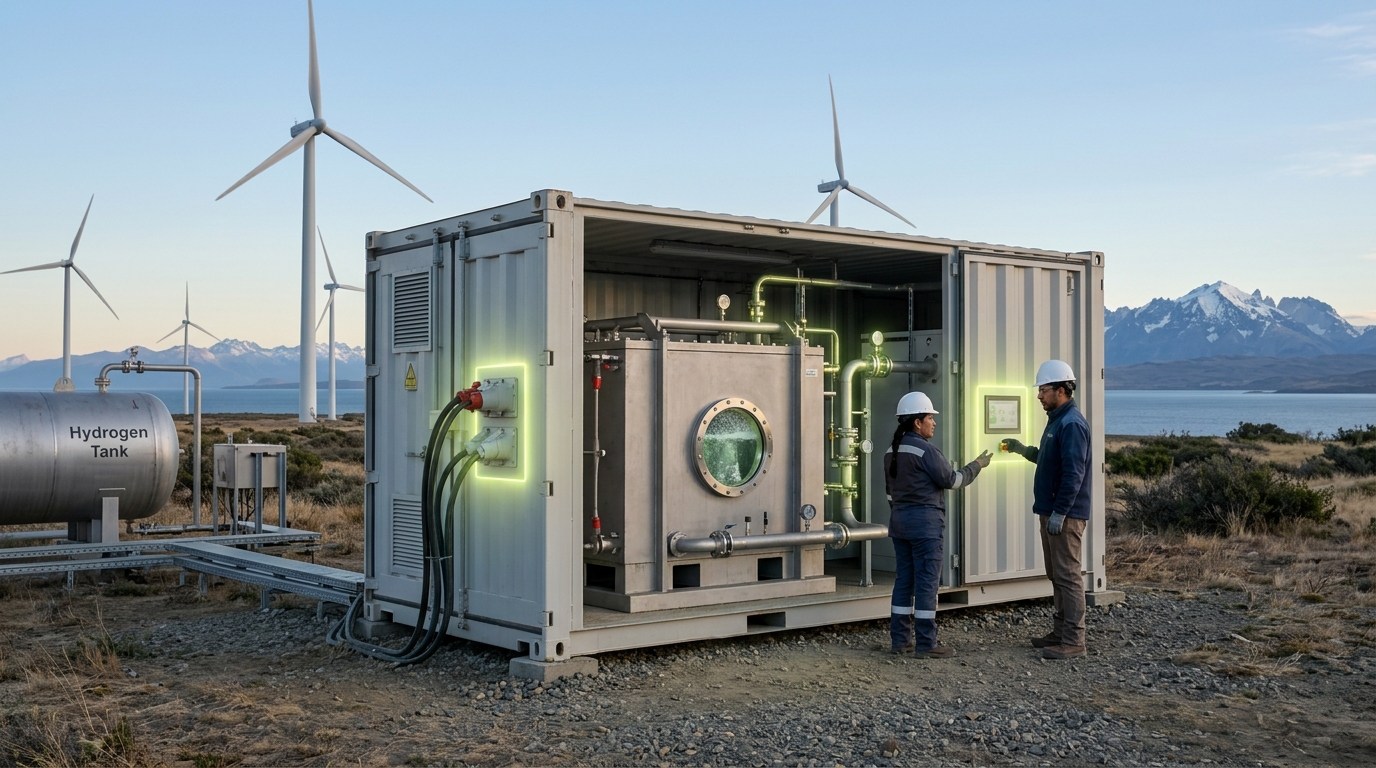
Chile's Magallanes region leverages the world's strongest sustained winds to develop $10B+ green hydrogen projects targeting ammonia export to Asia and Europe.
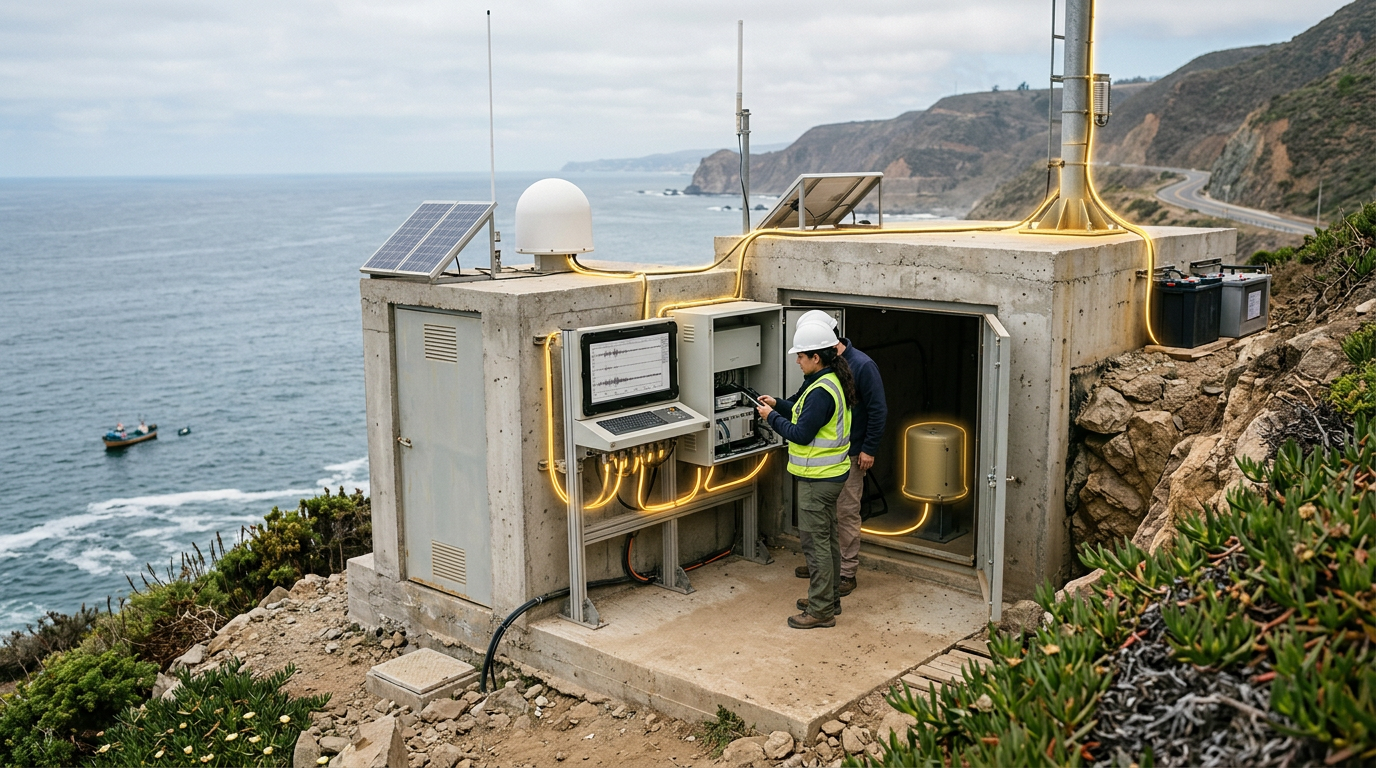
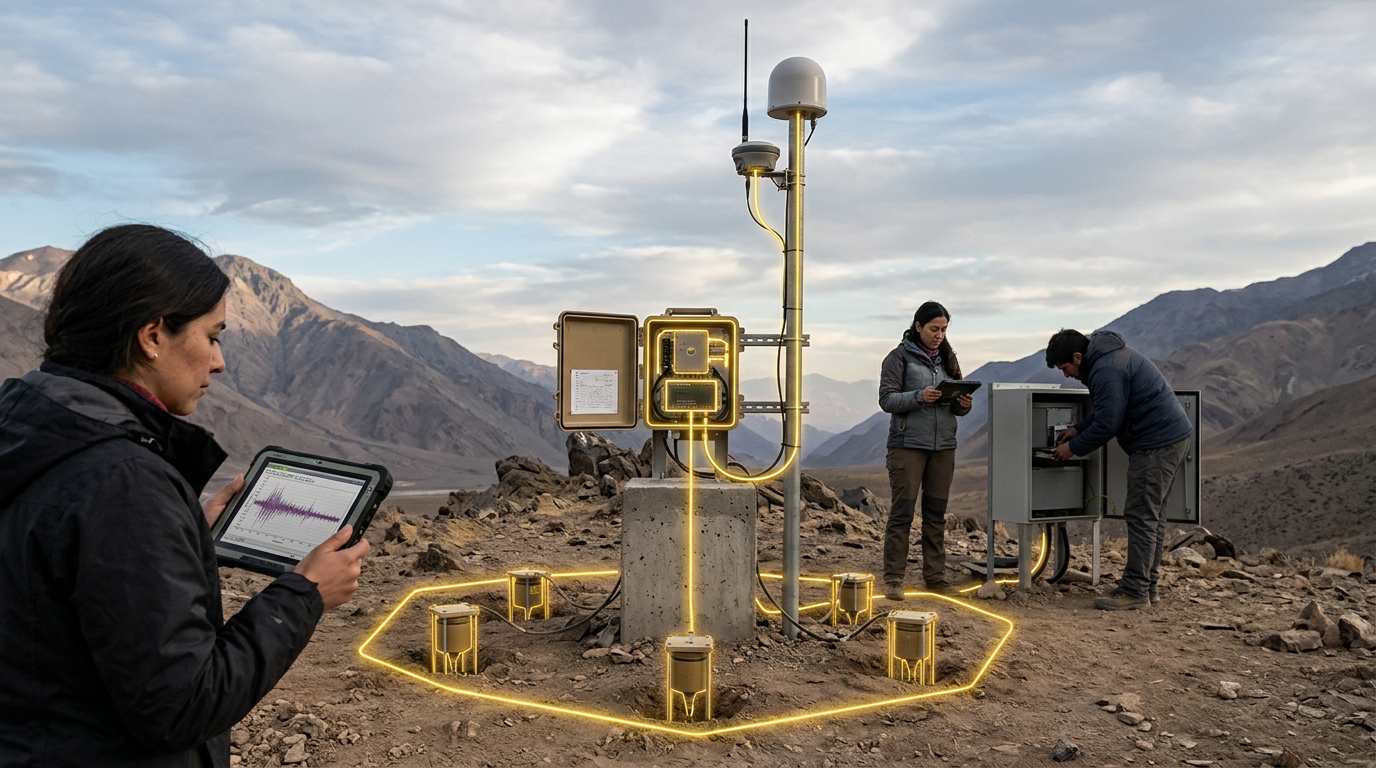
Chile operates one of the world's most advanced seismic monitoring networks, with 700+ stations enabling tsunami warnings within 3 minutes of major earthquakes.
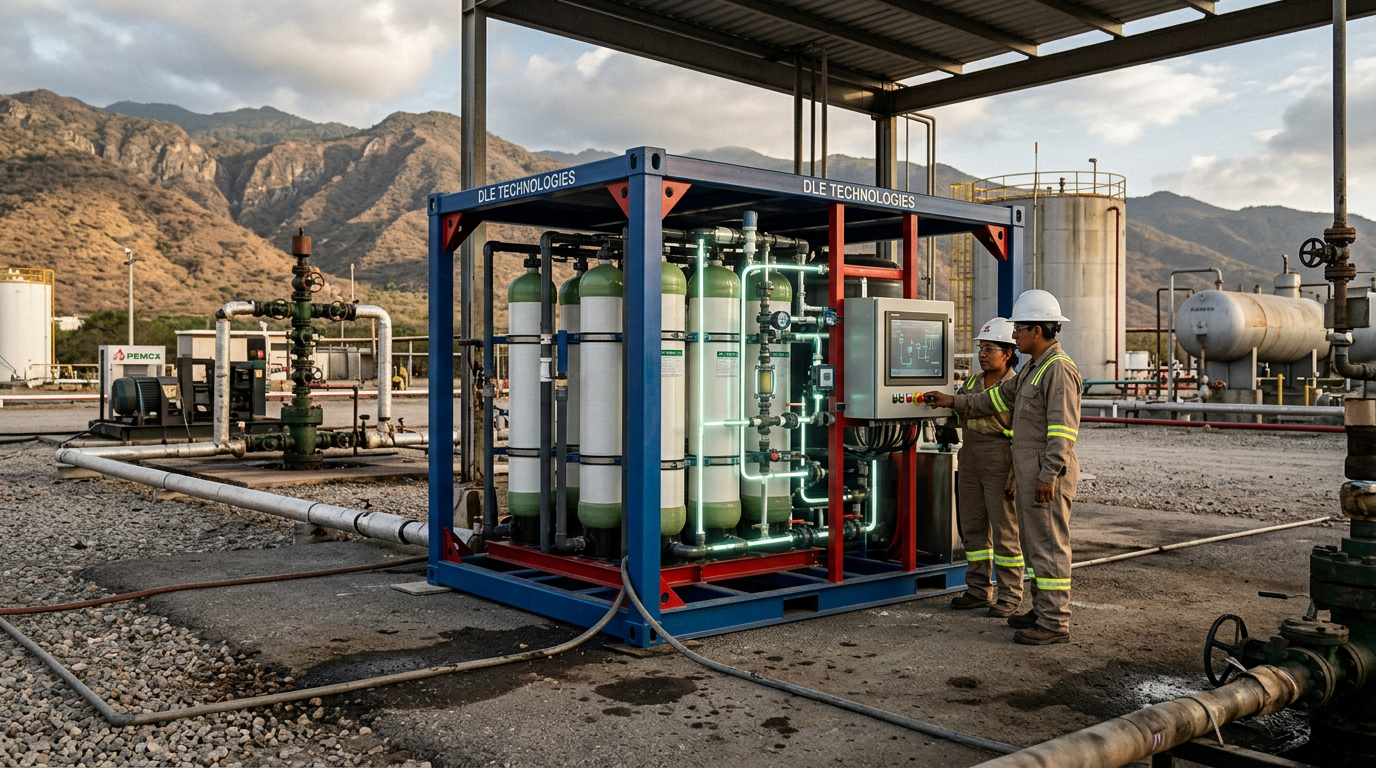
Mexico's Sonora deposit is one of the world's largest clay lithium sources; PEMEX is evaluating DLE technologies but commercial extraction from clay remains unproven globally.
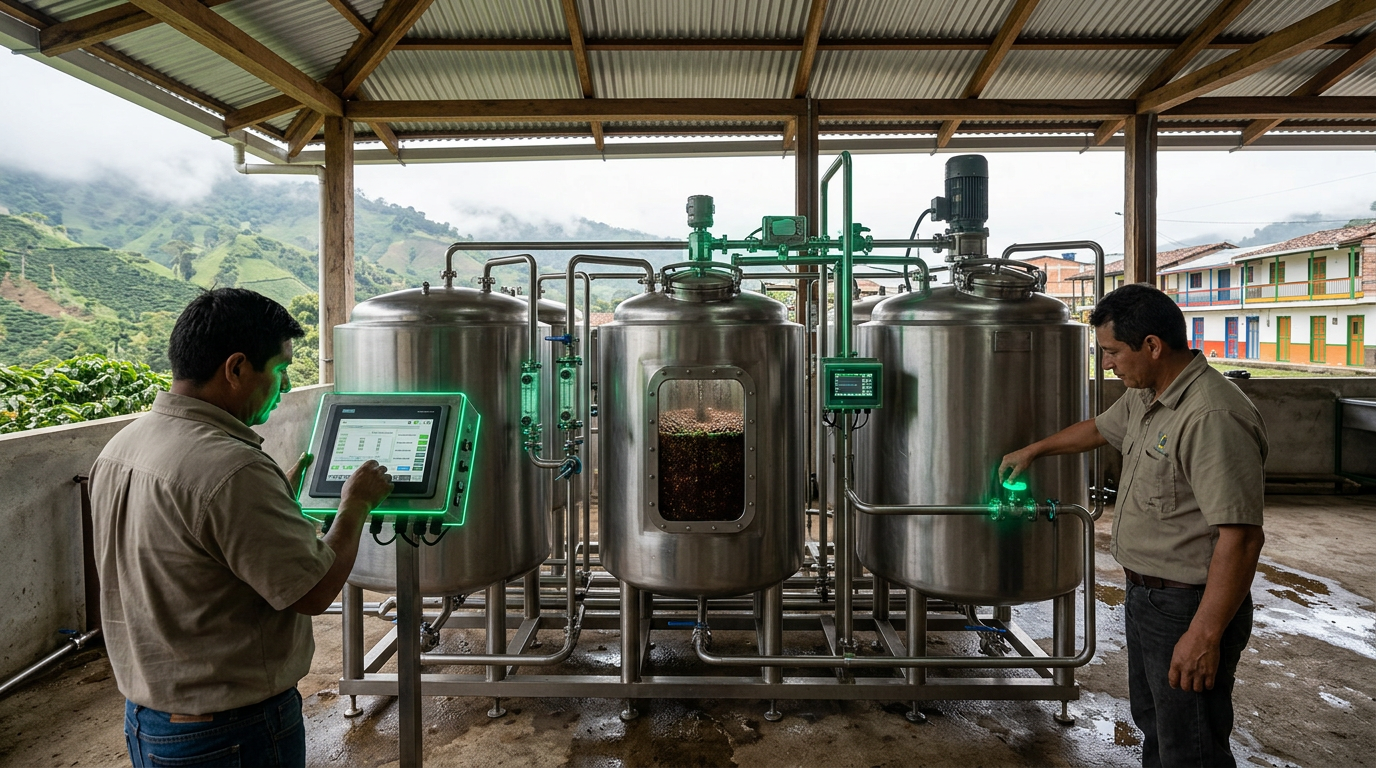
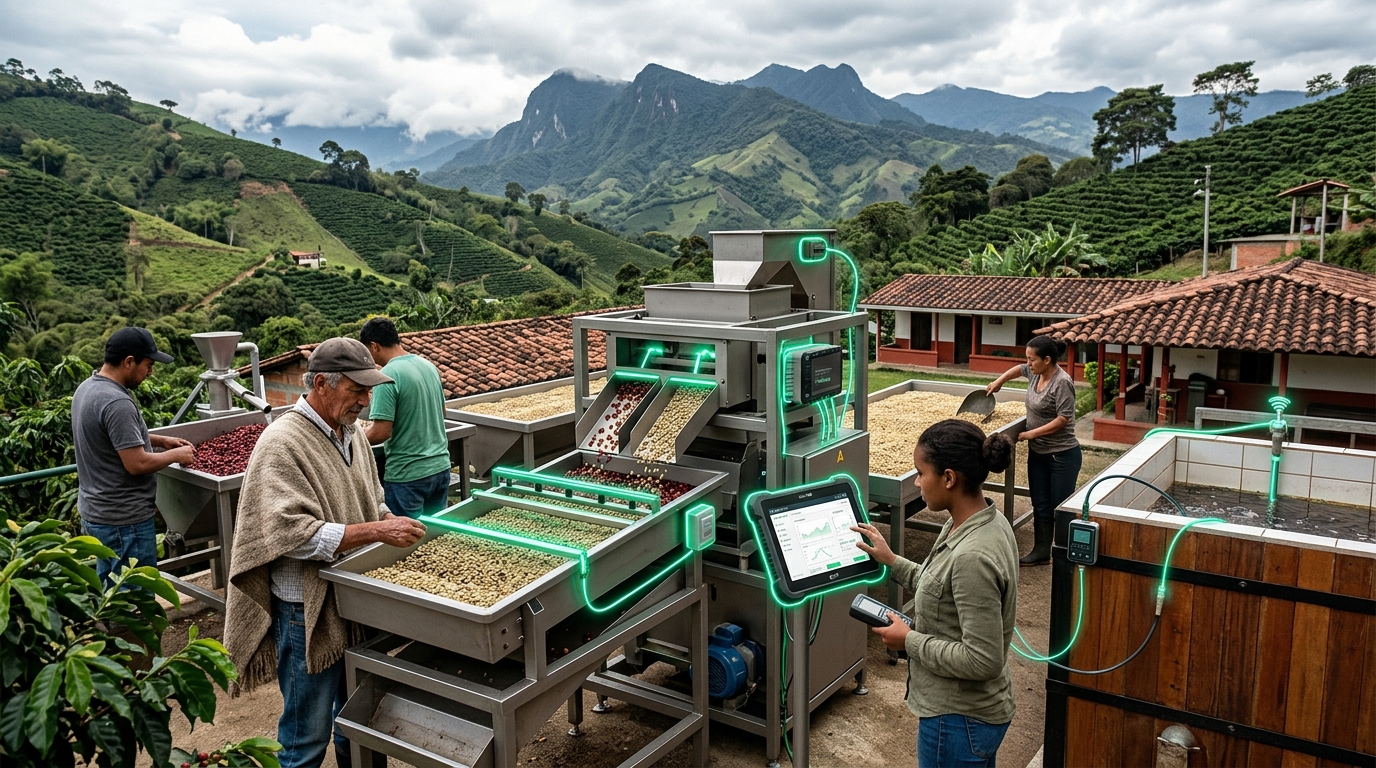
Colombian coffee producers pioneer controlled anaerobic fermentation and precision processing techniques that command 3–10x price premiums in specialty markets.
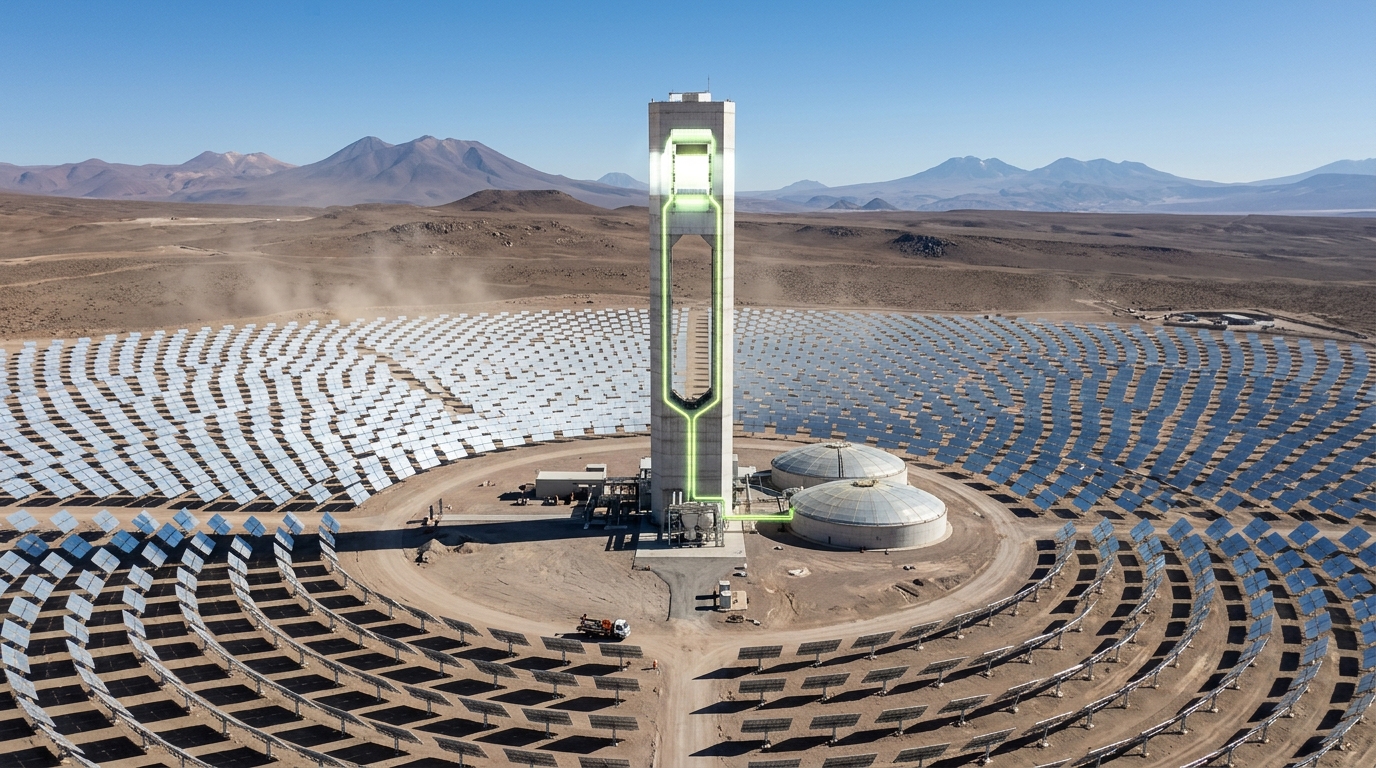
Cerro Dominador is South America's first CSP plant — 110 MW with molten salt storage in the Atacama, providing dispatchable solar power 24/7 at the world's highest irradiance site.
Argentina's chronic inflation (200%+) drives crypto-dollar adoption and digital banking innovation; stablecoin usage per capita is among the world's highest.
Banxico is researching a digital peso as a complement to SPEI 2.0, exploring programmable money, offline payments, and cross-border settlement with the US Federal Reserve.
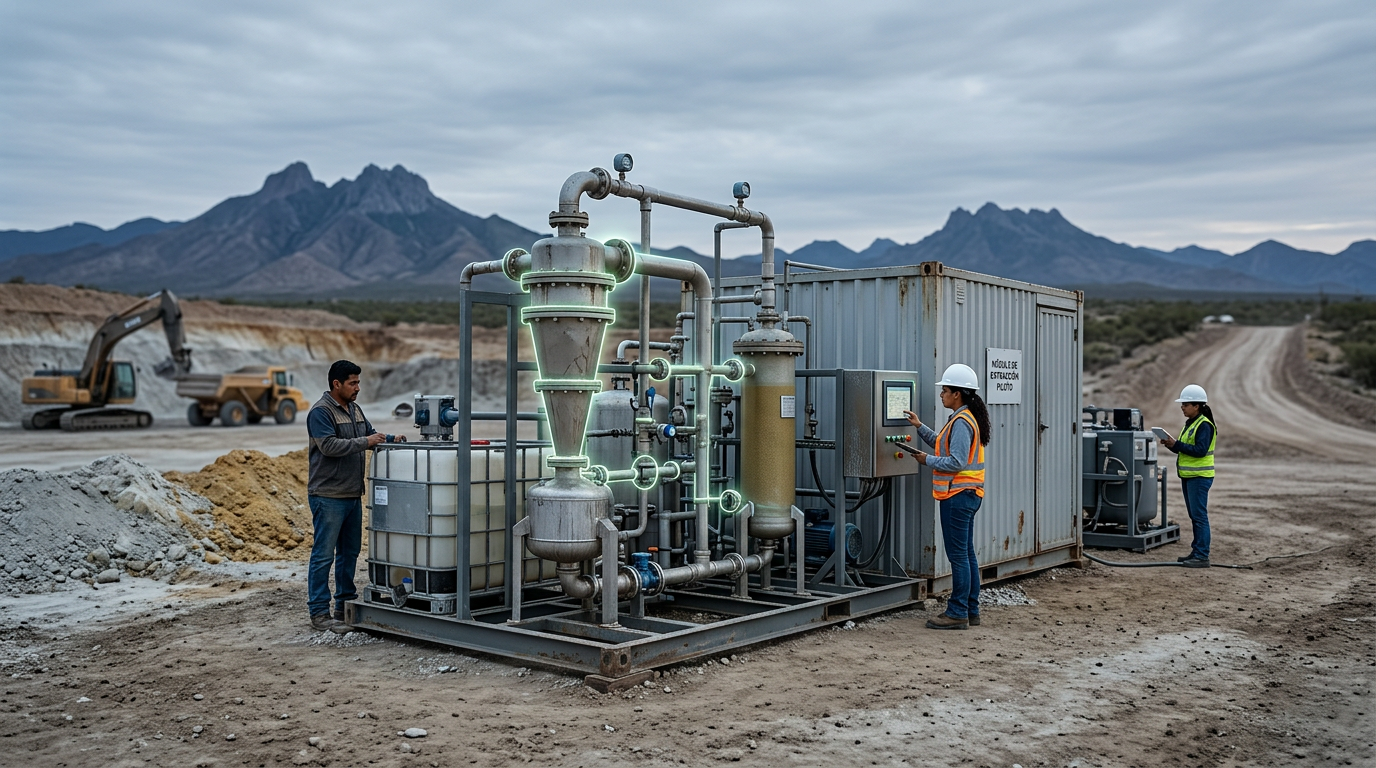
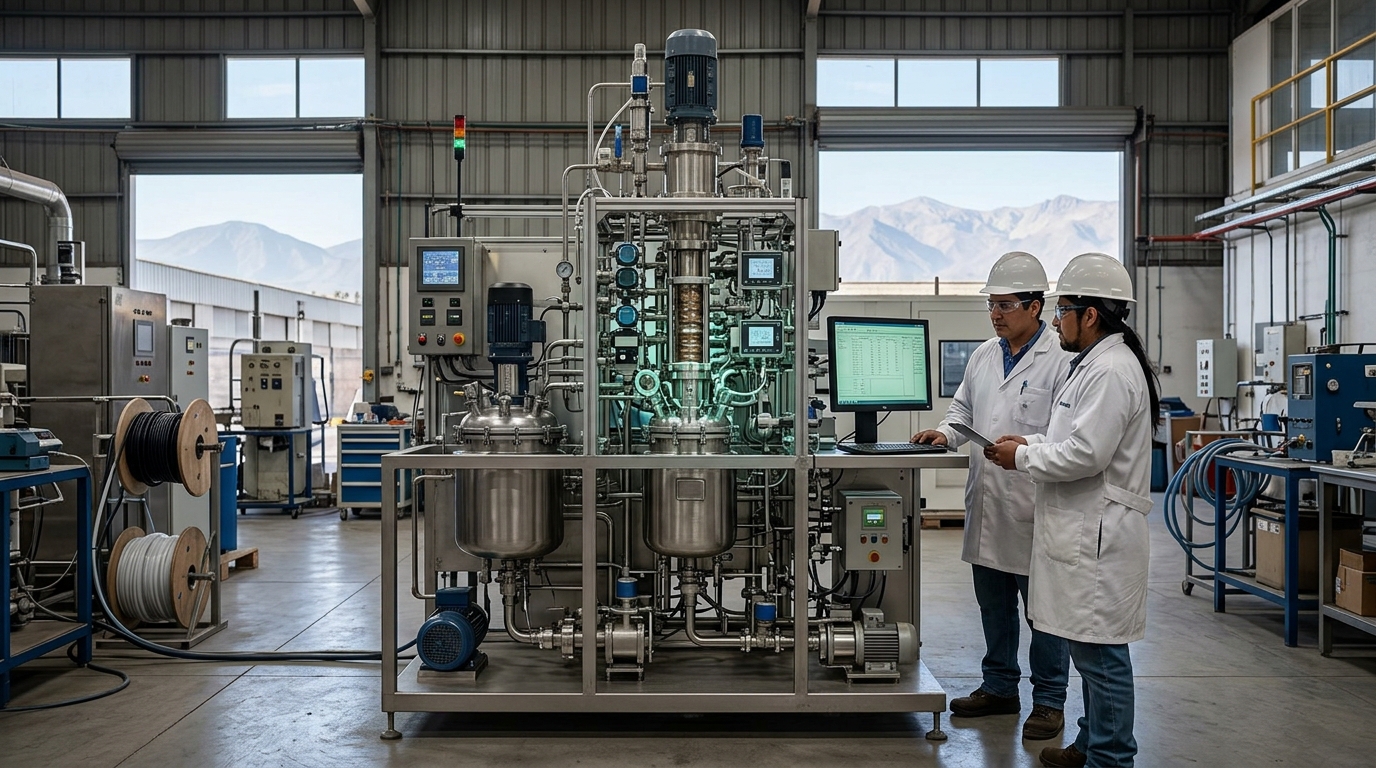
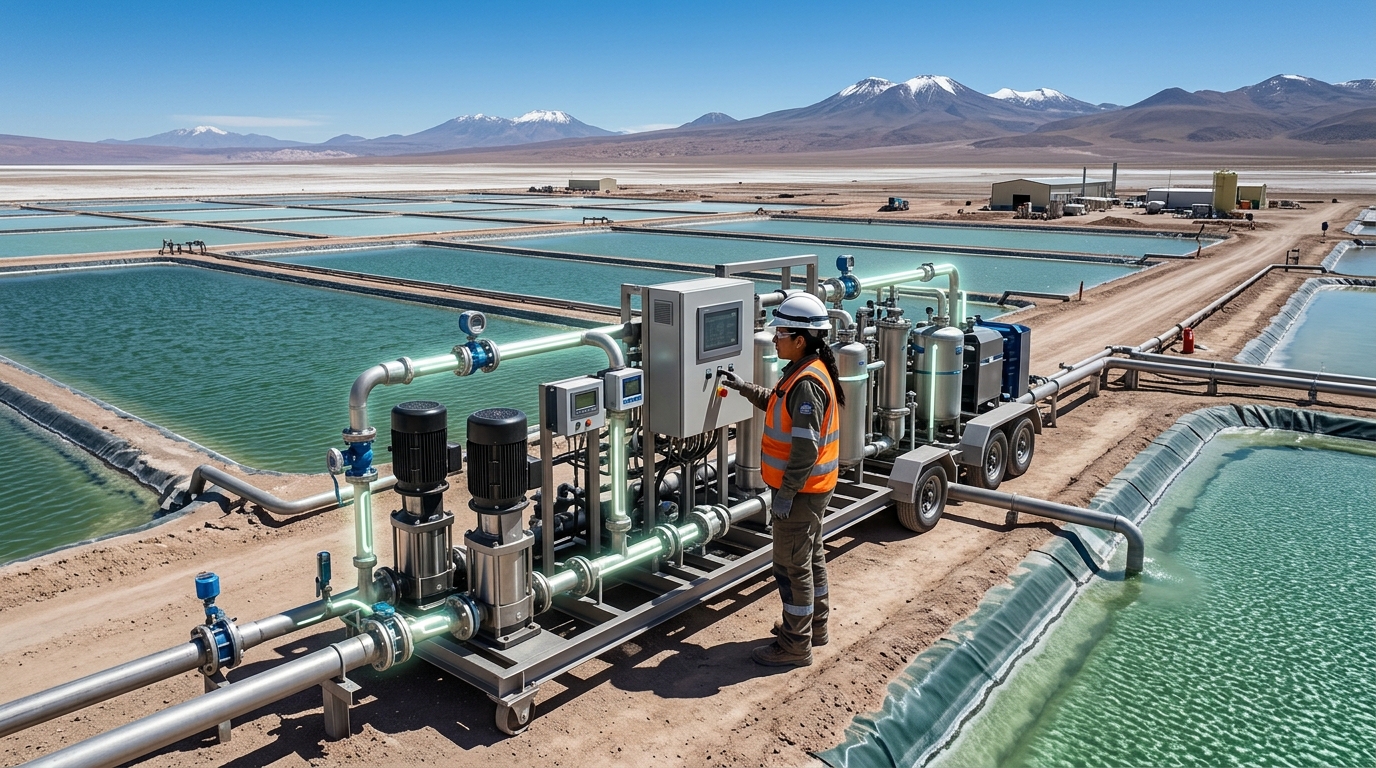
Chile's Atacama holds 36% of global lithium reserves; DLE technology promises 90%+ lithium recovery vs 50% for evaporation ponds, with Albemarle and SQM deploying pilot systems.
Chile is attempting to move beyond raw lithium export into cathode active material (CAM) and battery cell production, though two announced facilities were later cancelled.
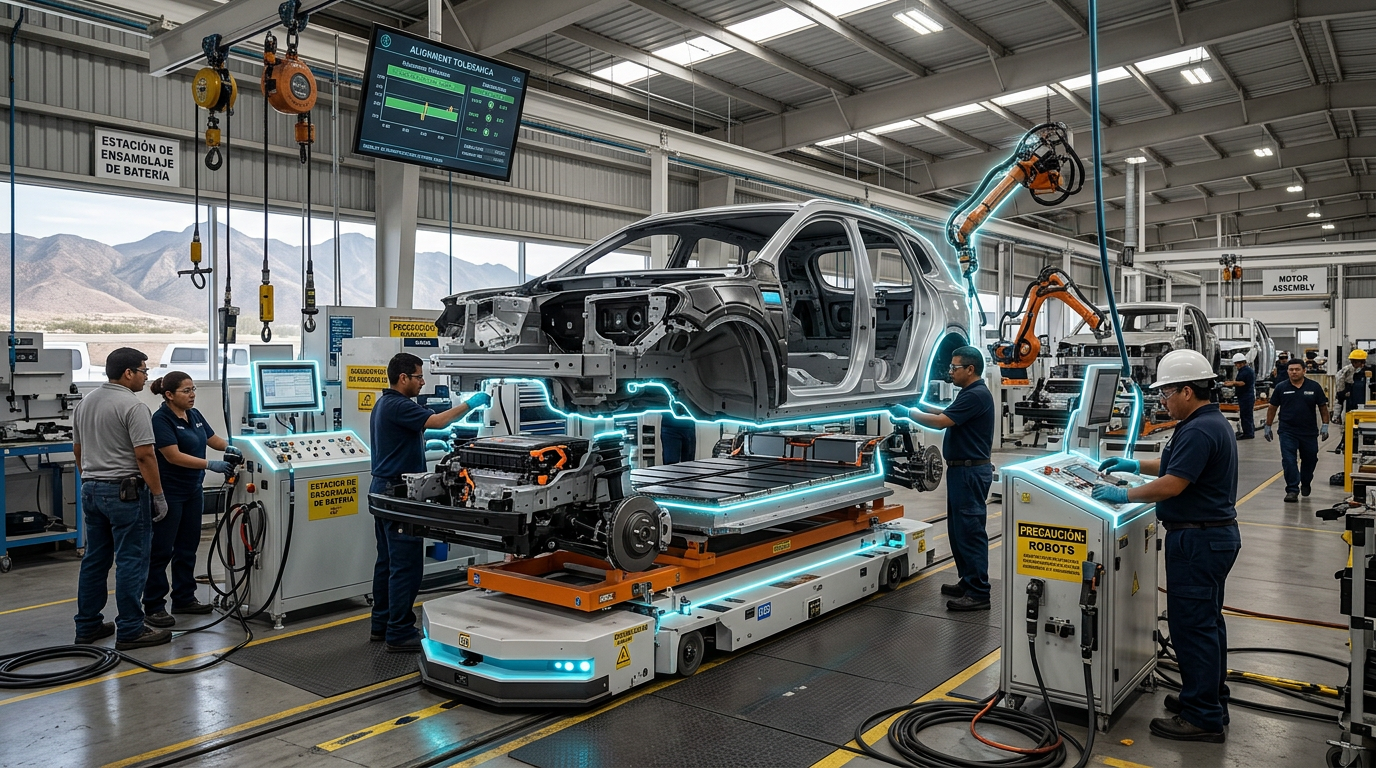
Mexico's EV production surged 72% in early 2025; Tesla's $5B Monterrey gigafactory, BMW, and Chinese OEMs are building integrated assembly for the North American market.
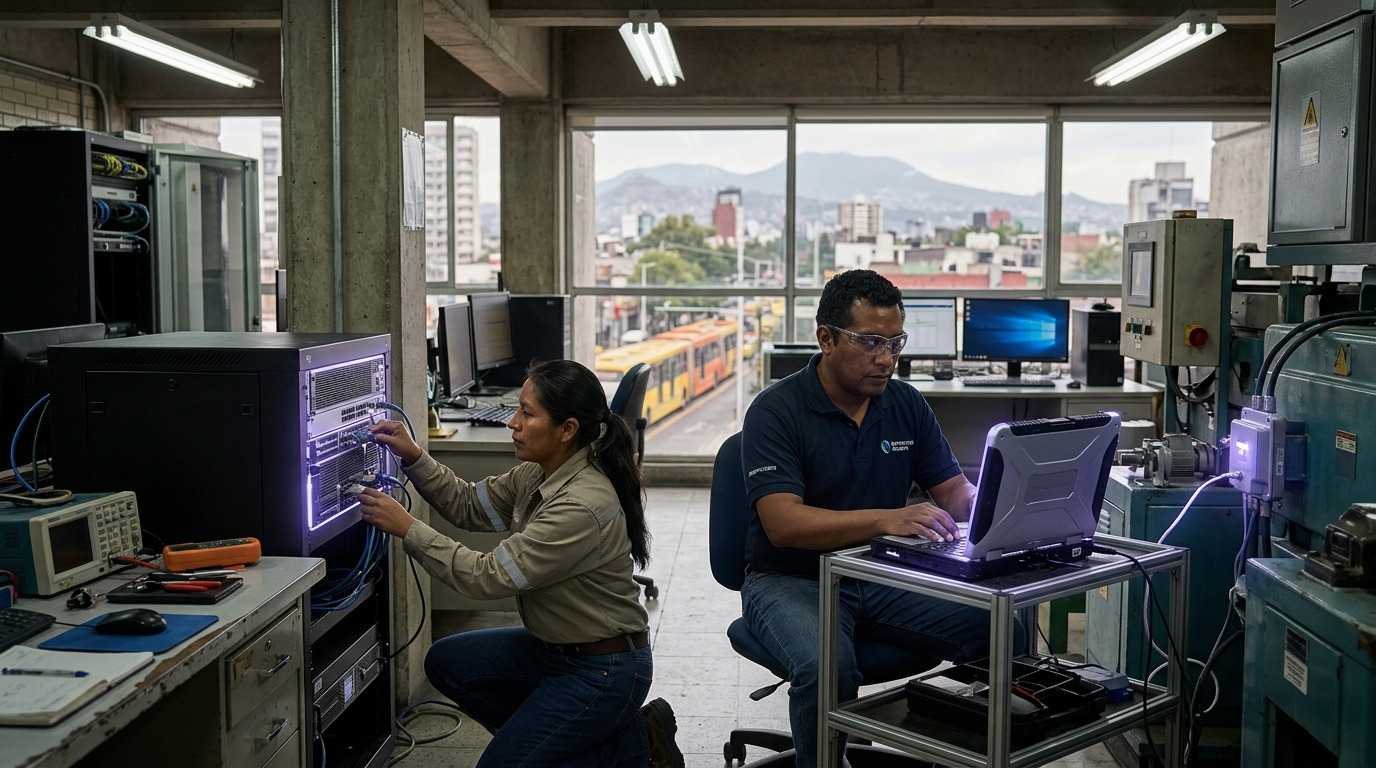
Mexico's $1.5B+ cybersecurity market serves enterprises navigating Latin America's highest cyberattack rates, with local firms specializing in fintech compliance and industrial OT security.
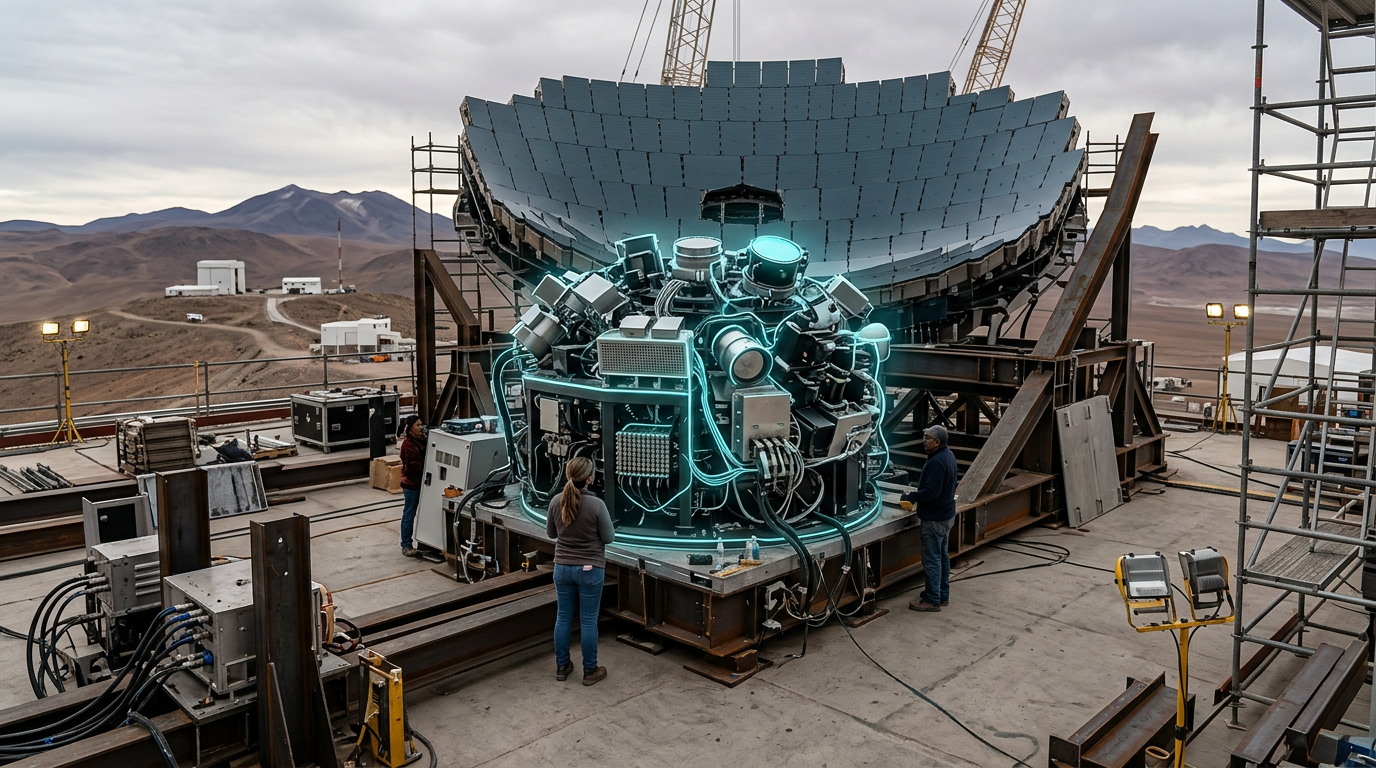
ESO's ELT in the Atacama will be the world's largest optical telescope (39m mirror) with revolutionary adaptive optics correcting atmospheric distortion to exceed Hubble's resolution 16x.
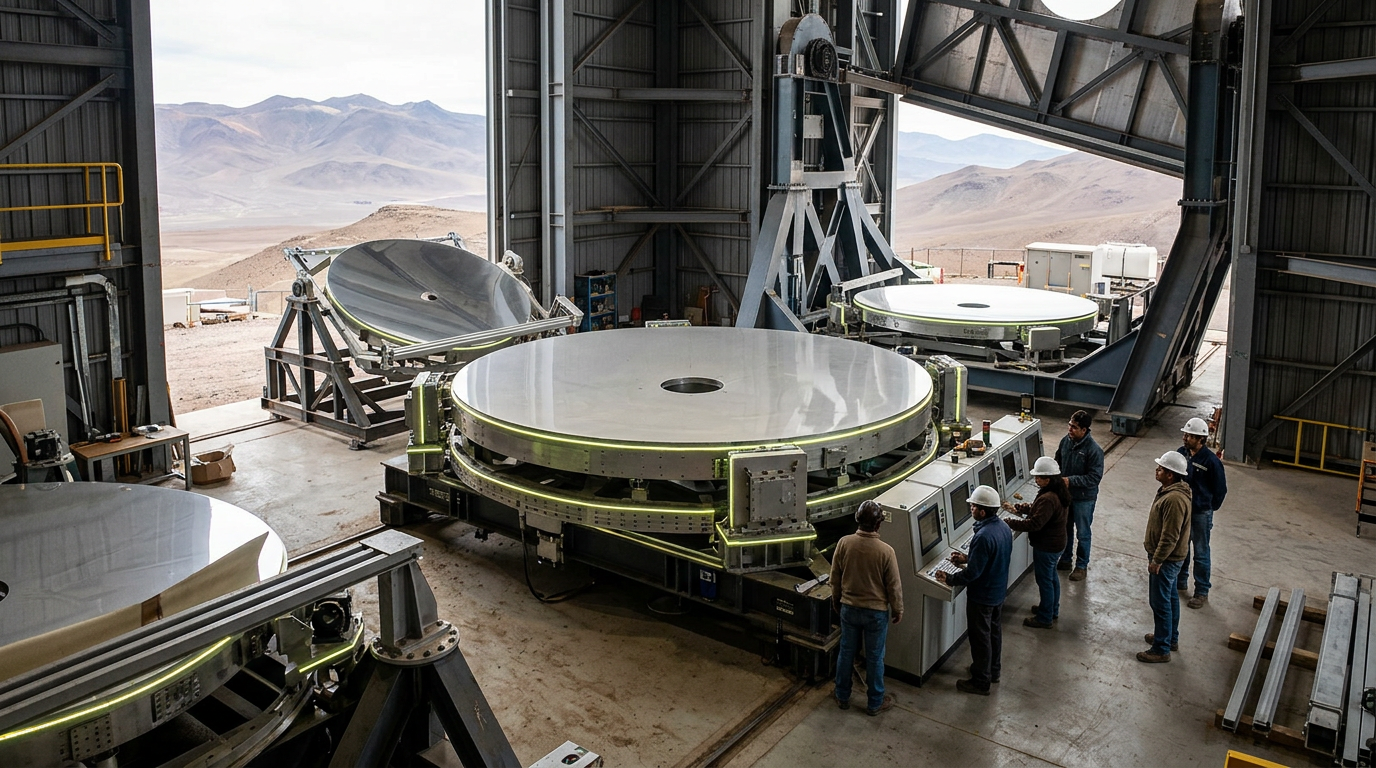
The GMT at Las Campanas uses seven 8.4m monolithic mirrors as a 25.4m composite — a unique optical design giving wide field of view for exoplanet atmosphere characterization.
Chile targets becoming a top-3 global green hydrogen exporter by 2040, leveraging world-best solar and wind resources to produce H2 at potentially the lowest cost anywhere.
Argentina's Bioceres developed the world's first approved drought-tolerant GMO wheat, now planted across 100,000+ hectares with regulatory approval in multiple countries.
Argentina developed and commercialized the world's first genetically modified drought-tolerant wheat (HB4), using a sunflower gene to maintain yields under water stress conditions.
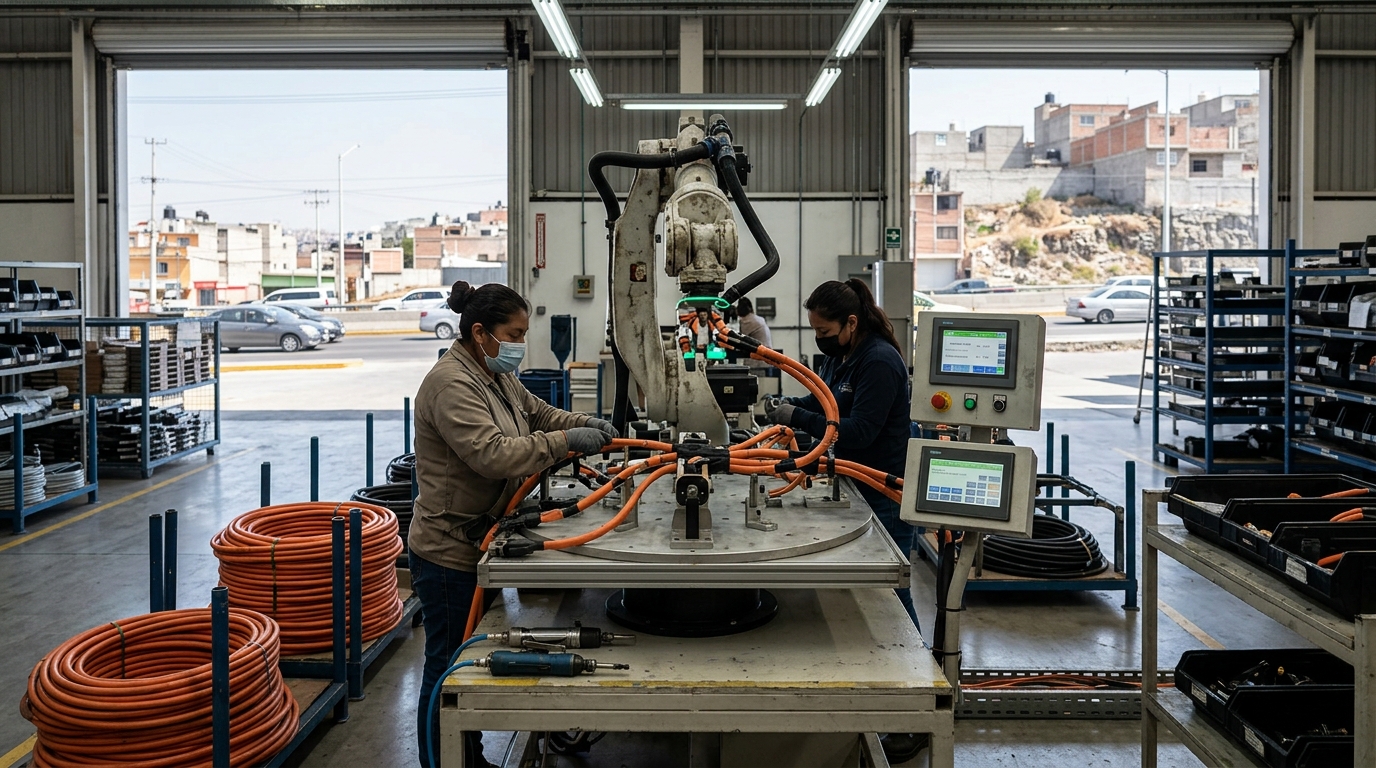
Mexico is the world's largest exporter of automotive wiring harnesses, now pivoting to 400V+ high-voltage systems for EVs requiring new materials and safety engineering.
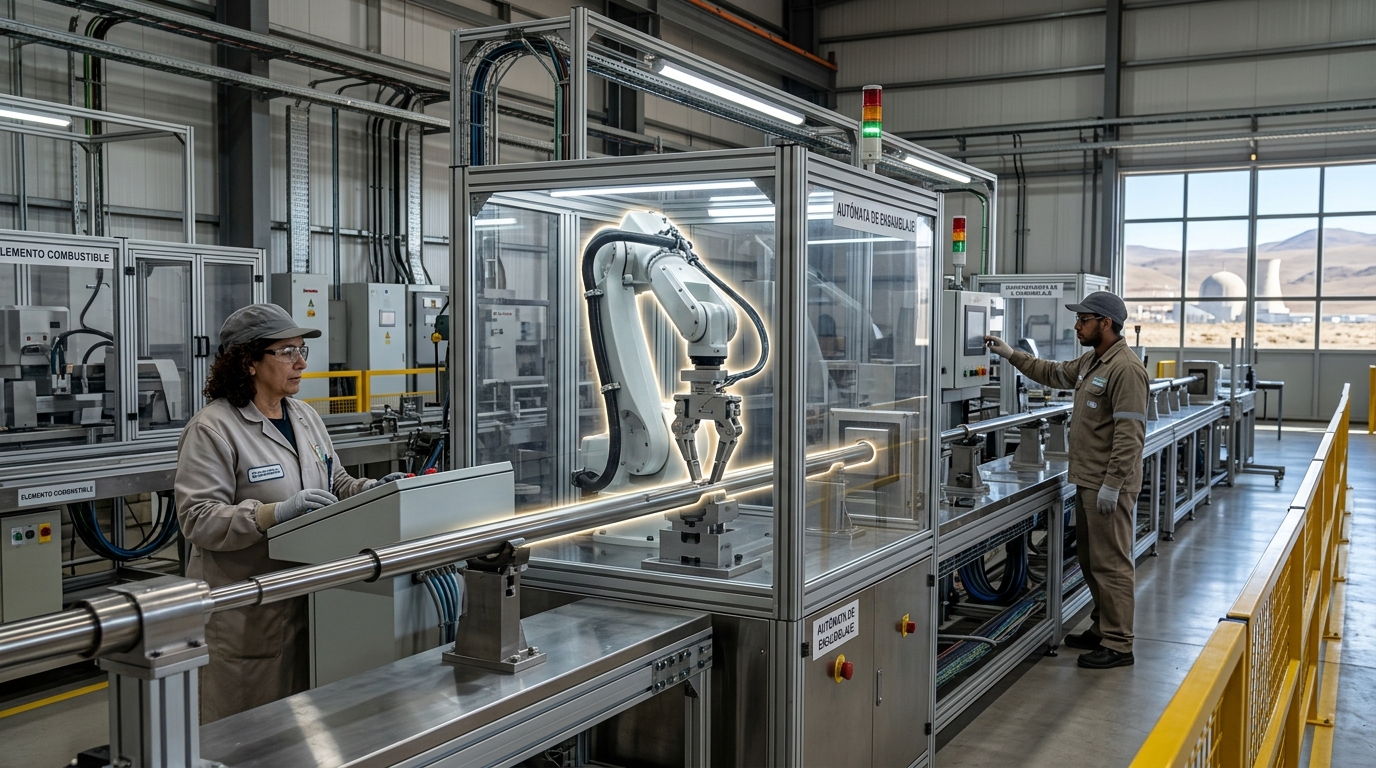
Argentina operates a complete nuclear fuel cycle — uranium mining, conversion, enrichment, fuel rod fabrication, and heavy water production — one of the few developing nations with full capability.
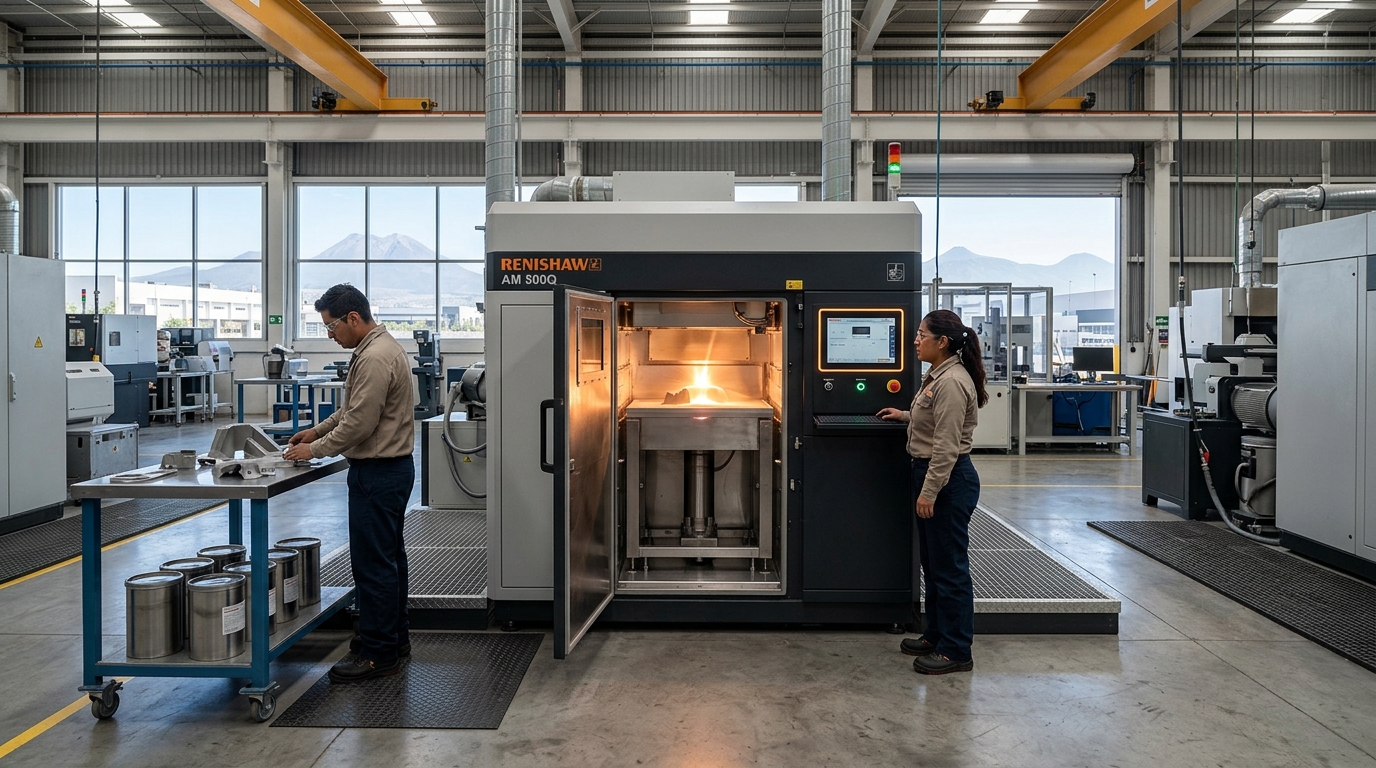
Mexican automotive suppliers adopt metal 3D printing for prototyping and low-volume EV components, supported by CONAHCYT-funded materials research at UNAM and Tec de Monterrey.
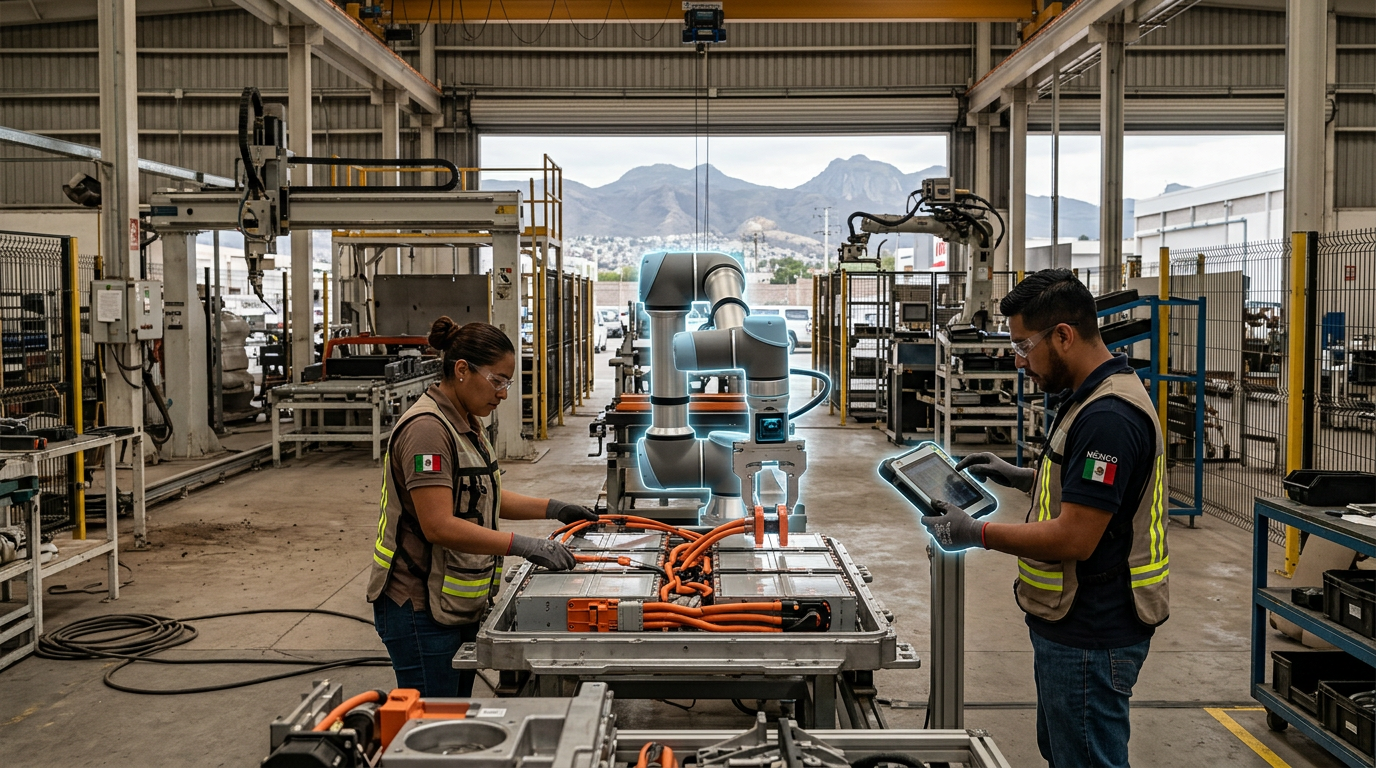
Mexico's automotive plants deploy 30,000+ industrial robots for welding, painting, and assembly, with cobots increasingly used in EV battery module assembly lines.
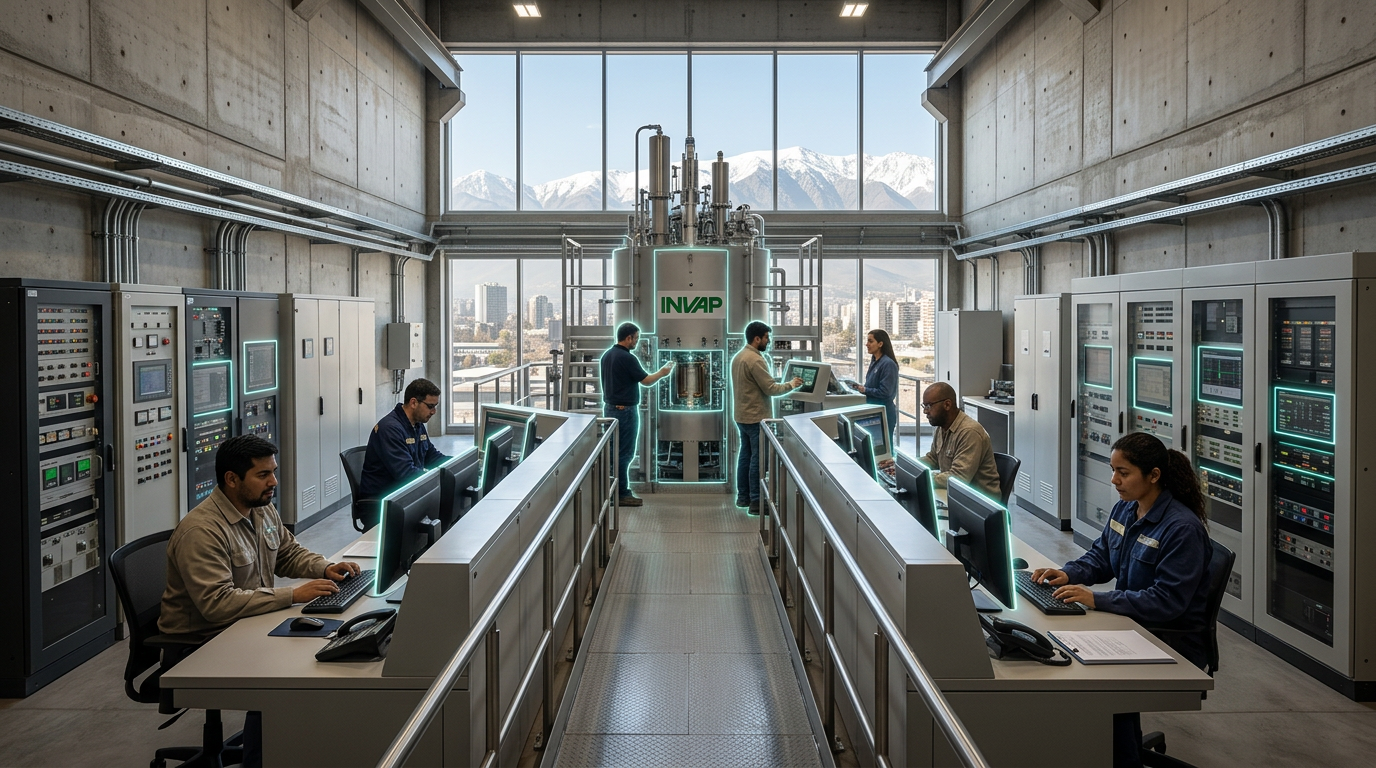
Argentina's state-owned INVAP has exported turnkey nuclear research reactors to Australia, Algeria, Egypt, and Saudi Arabia — a rare Southern Hemisphere nuclear technology exporter.
Argentina aims to boost lithium production 75% in 2025 with $3B+ in investments across Jujuy, Salta, and Catamarca salars; CATL's $1.4B deal targets 30,000 tonnes/year by 2028.
Argentina is developing LNG export capacity to monetize Vaca Muerta's gas reserves, with floating and onshore liquefaction terminals planned for the Atlantic coast.
Mexico is building domestic electric bus assembly capacity through Mobility ADO and Yutong partnerships, targeting LATAM's urban transit electrification market.
Colombia's Nequi (20M+ users), DaviPlata, and MOVii bring banking to the unbanked via mobile-only platforms; PSE integration enables instant interbank transfers.
Mexico's IT services sector employs 700,000+ developers in the same time zones as US clients, with Guadalajara, Mexico City, and Monterrey emerging as major engineering hubs.
PEMEX is exploring DLE technology to extract lithium as a byproduct from existing oil and gas brine waste streams, leveraging existing well infrastructure to reduce costs.
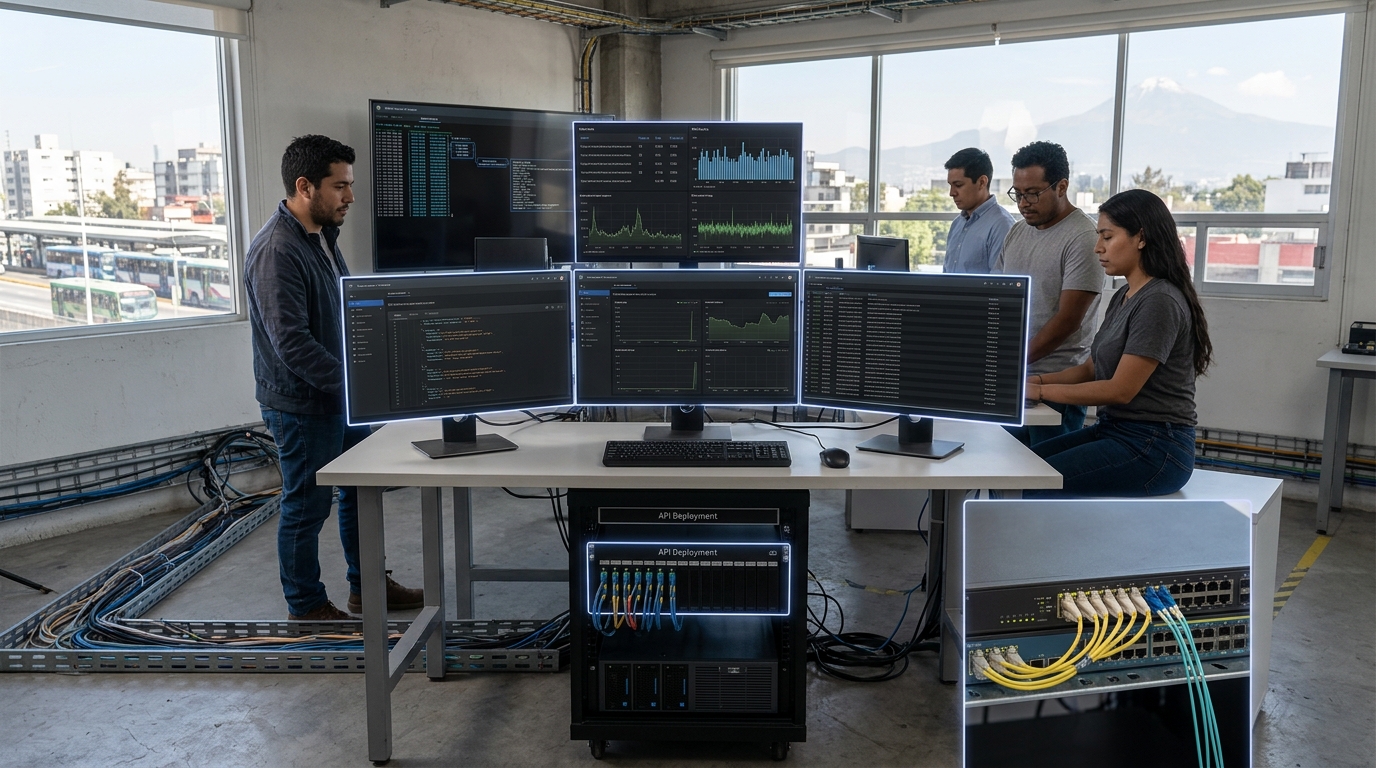
Mexico's Fintech Law mandates open banking APIs, enabling 600+ fintechs to build on bank data with standardized interfaces for account aggregation and payment initiation.
Chile's Magallanes region has capacity factors exceeding 50% — among the world's best — targeted for green hydrogen electrolysis and synthetic fuel production.
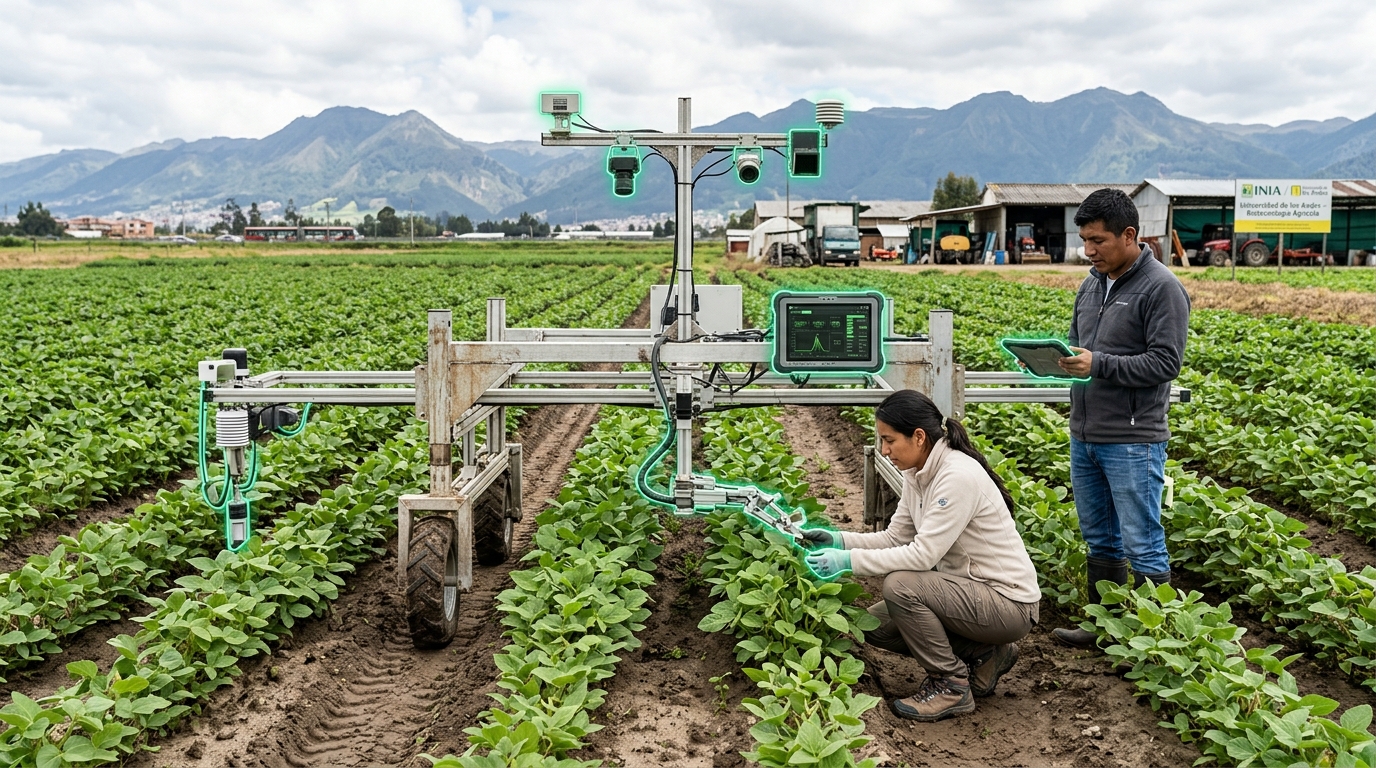
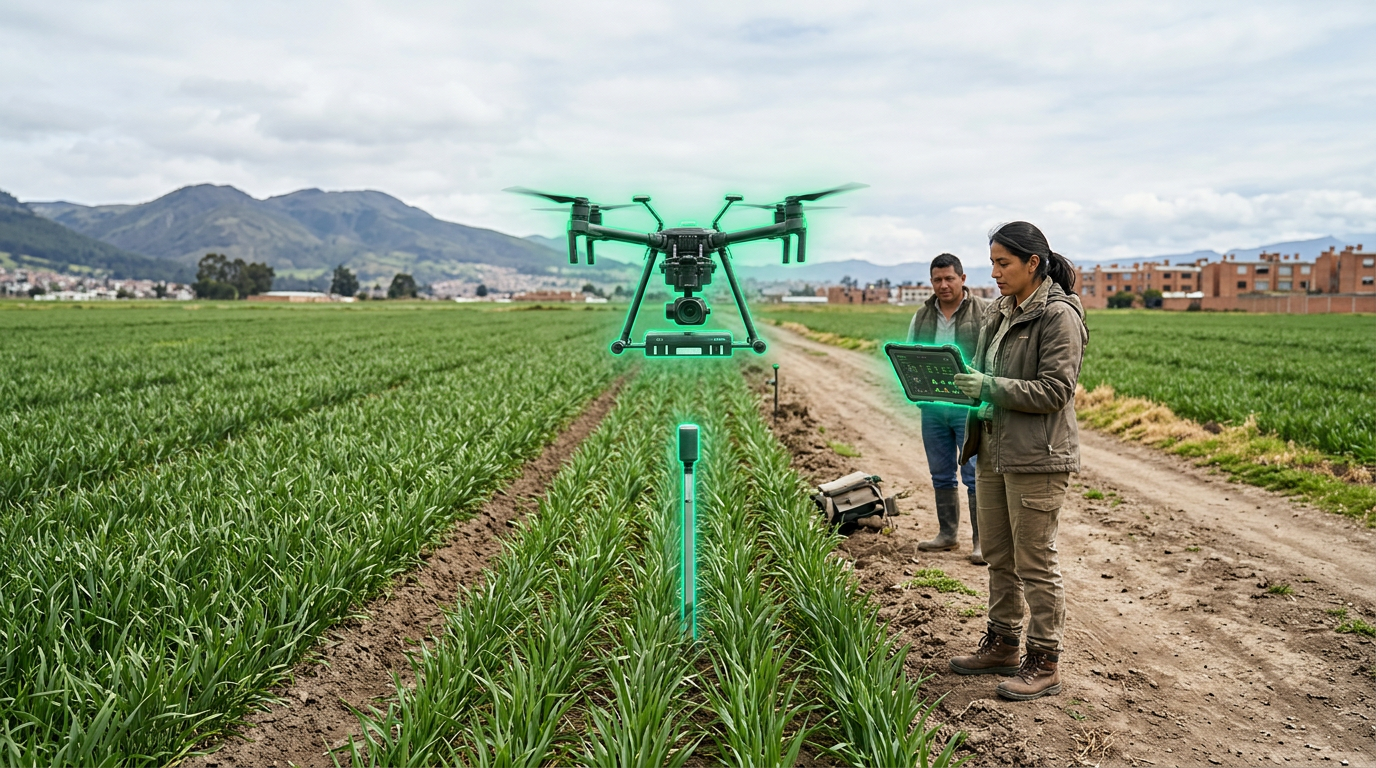
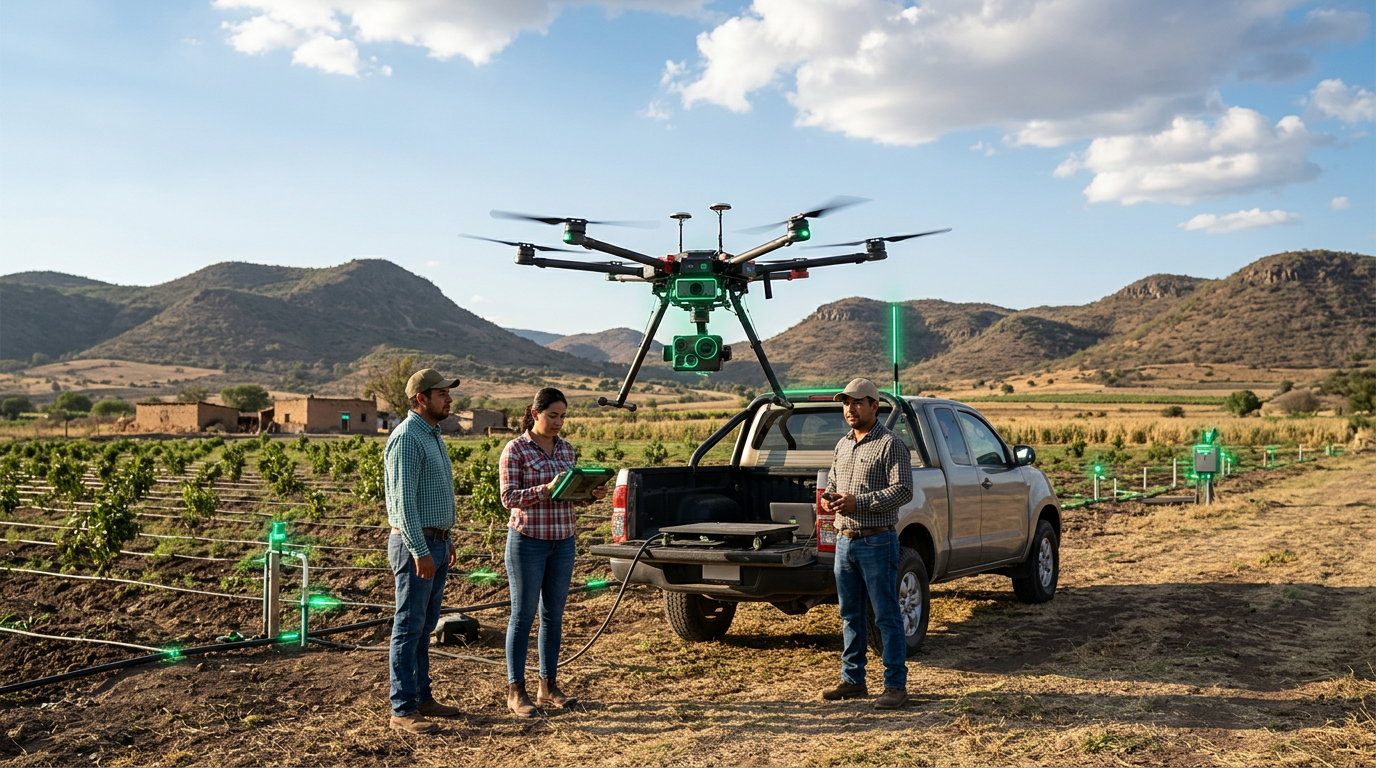
Mexican agritech startups deploy drone imaging, soil sensors, and satellite analytics to optimize irrigation in water-scarce northern farming regions and avocado production zones.
Argentine farms deploy variable-rate seeding, yield mapping, and SAOCOM satellite soil moisture data across the world's most productive soybean and corn regions in the Pampas.
Colombia applies fermentation monitoring, spectroscopic sorting, and blockchain traceability to its 500,000+ coffee farms, enabling specialty coffee commanding 200-400% premiums.
Argentina's INVAP designs and exports research reactors worldwide — Australia's OPAL, Egypt's ETRR-2, Algeria's NUR — representing unique nuclear technology export capability from a developing nation.
Argentina's SAOCOM constellation — two indigenous L-band SAR satellites — provides all-weather soil moisture and crop monitoring, managed by CONAE with ESA collaboration.
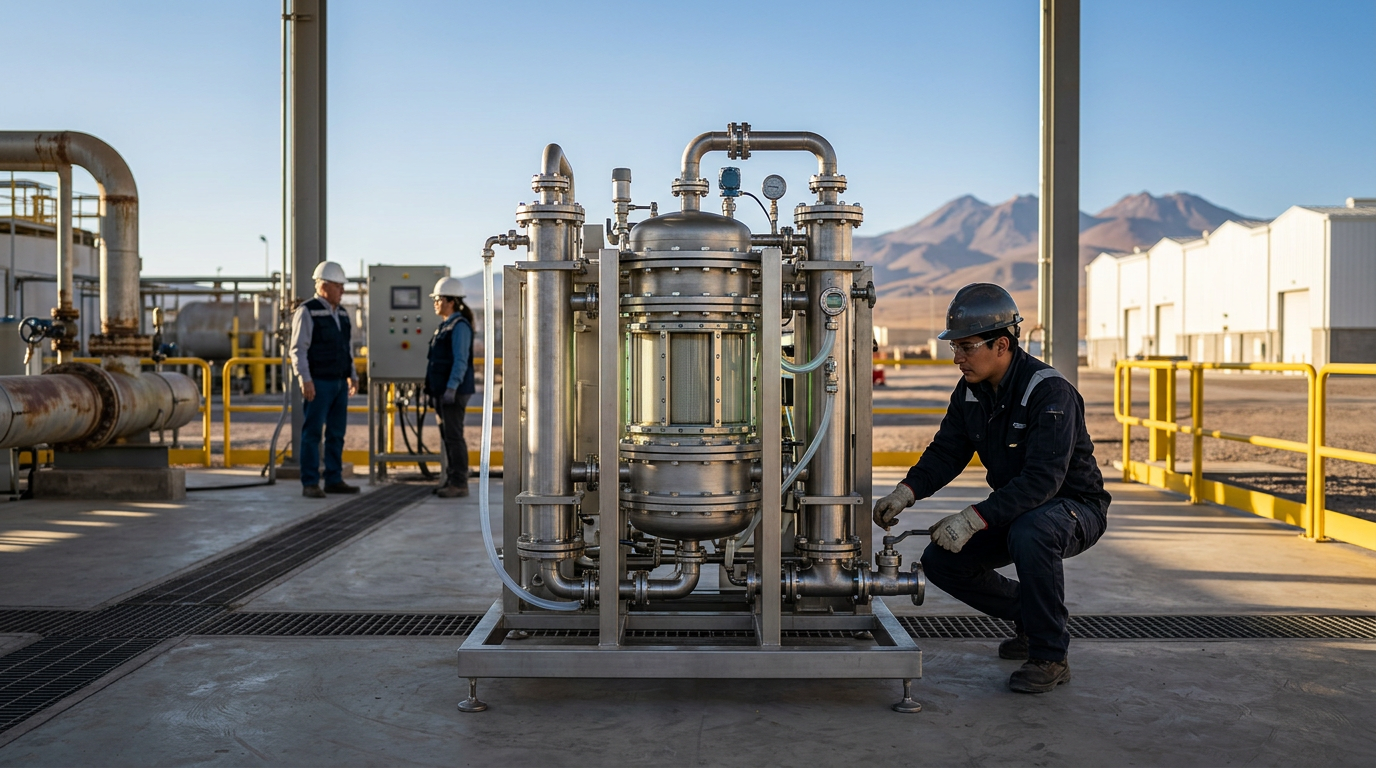
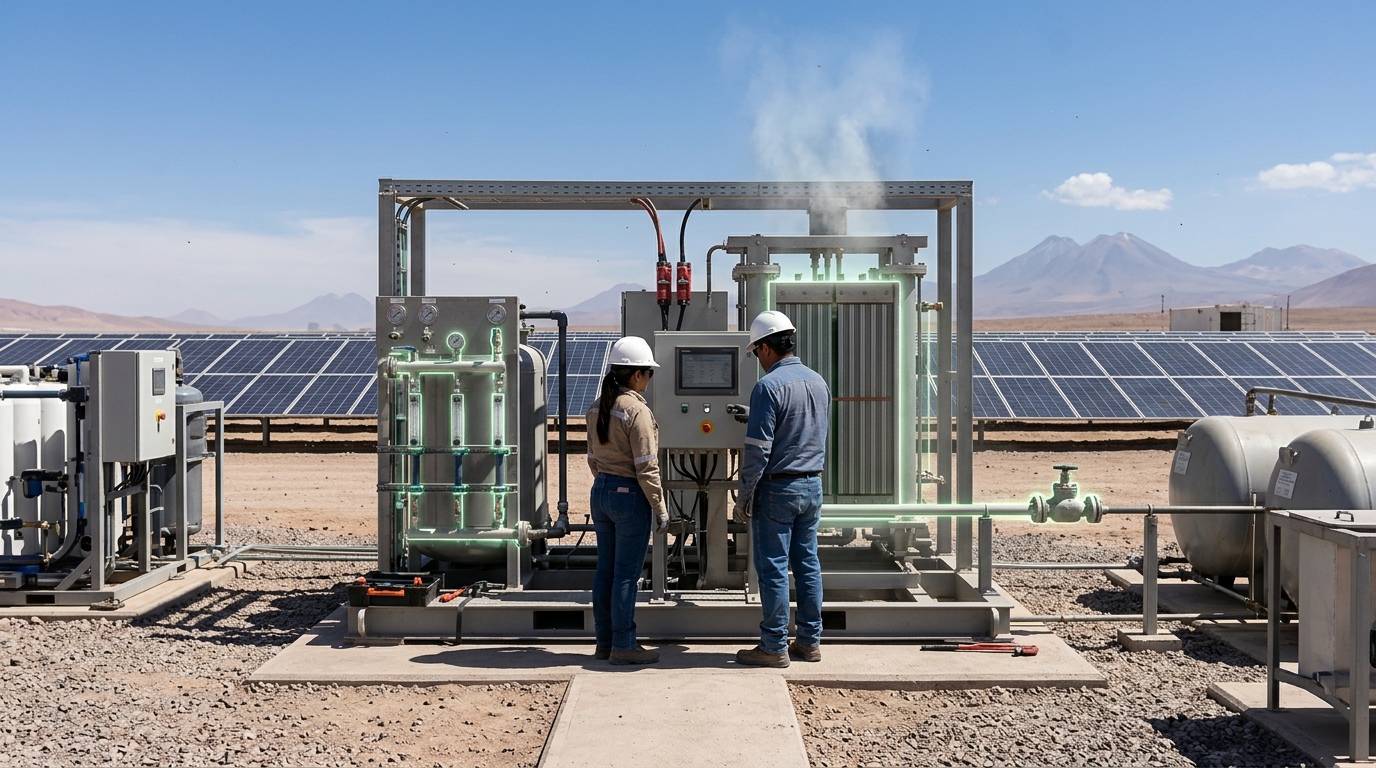
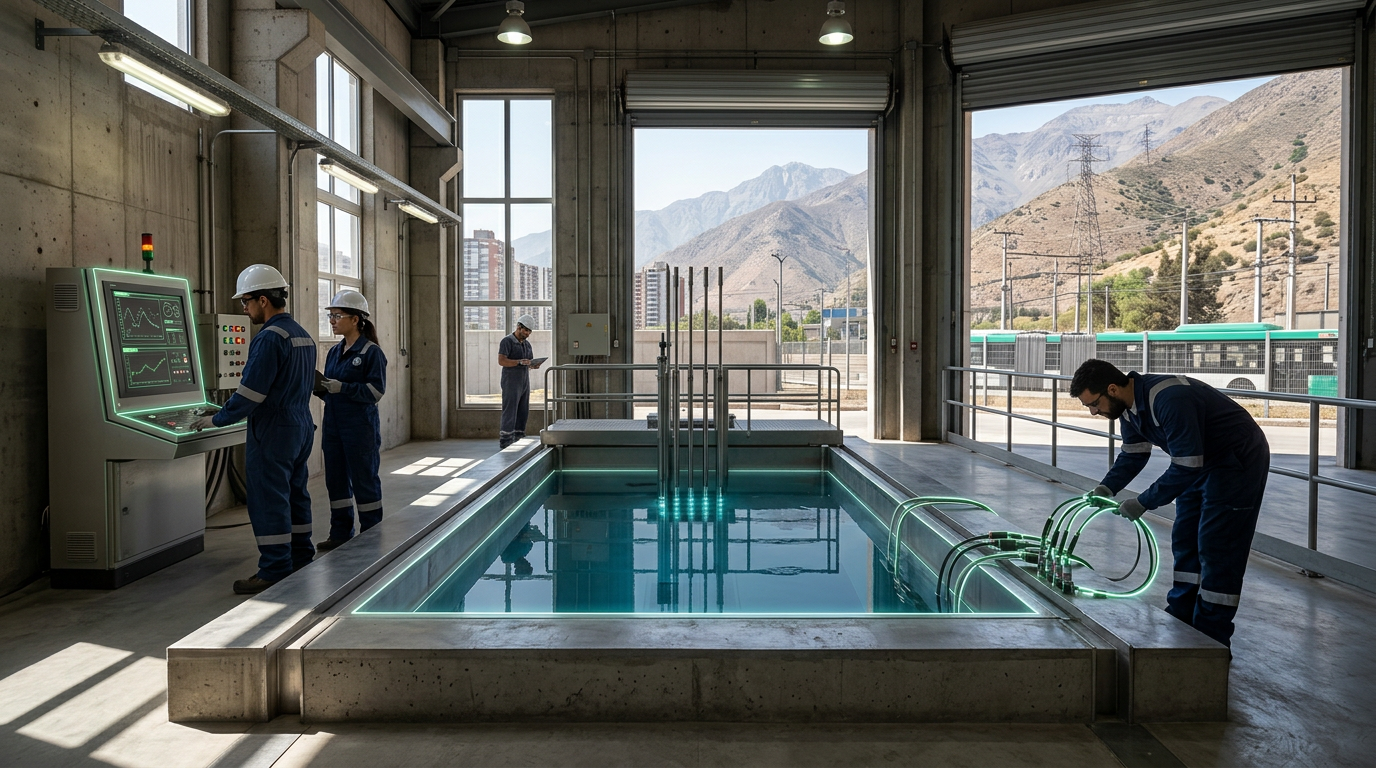
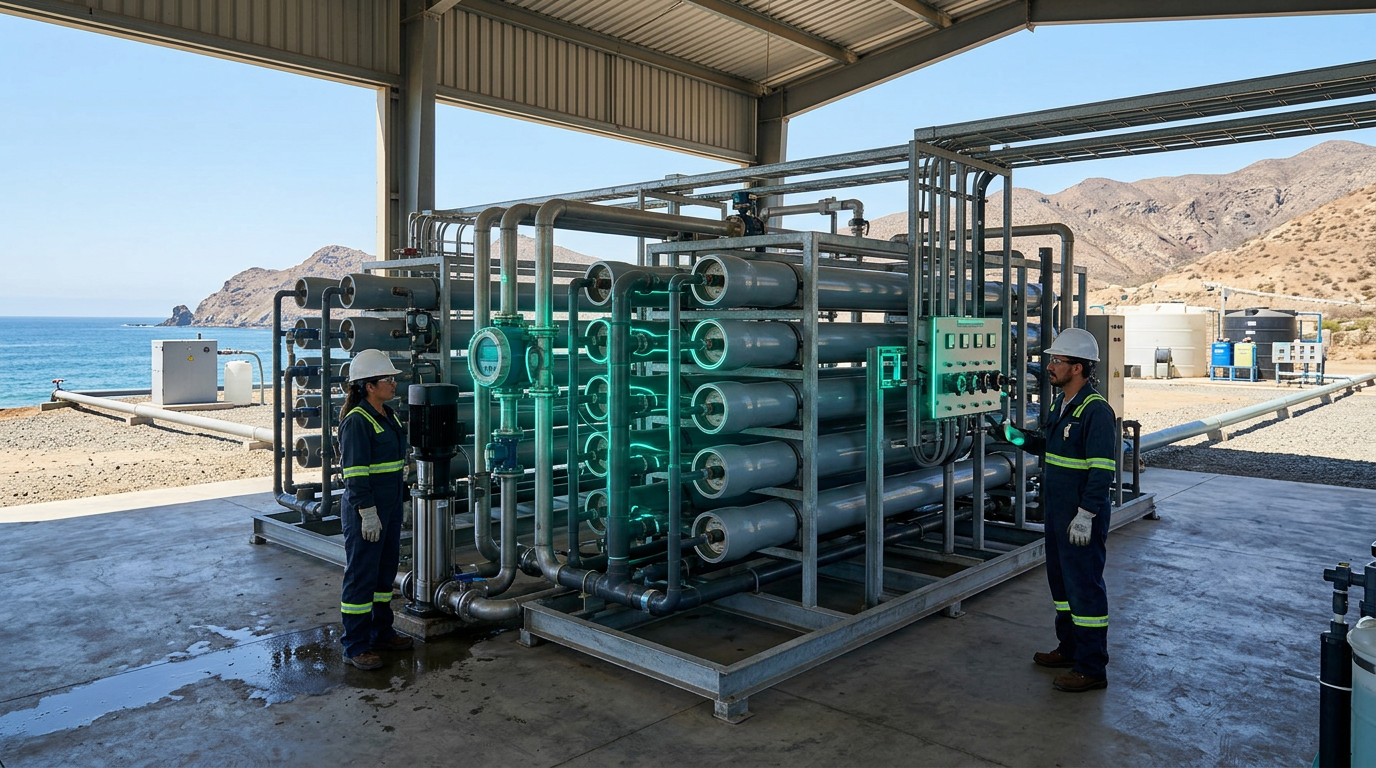
Northern Mexico faces acute water crisis; desalination plants in Baja California and Sonora use reverse osmosis technology to supplement declining aquifers for 30M+ people.
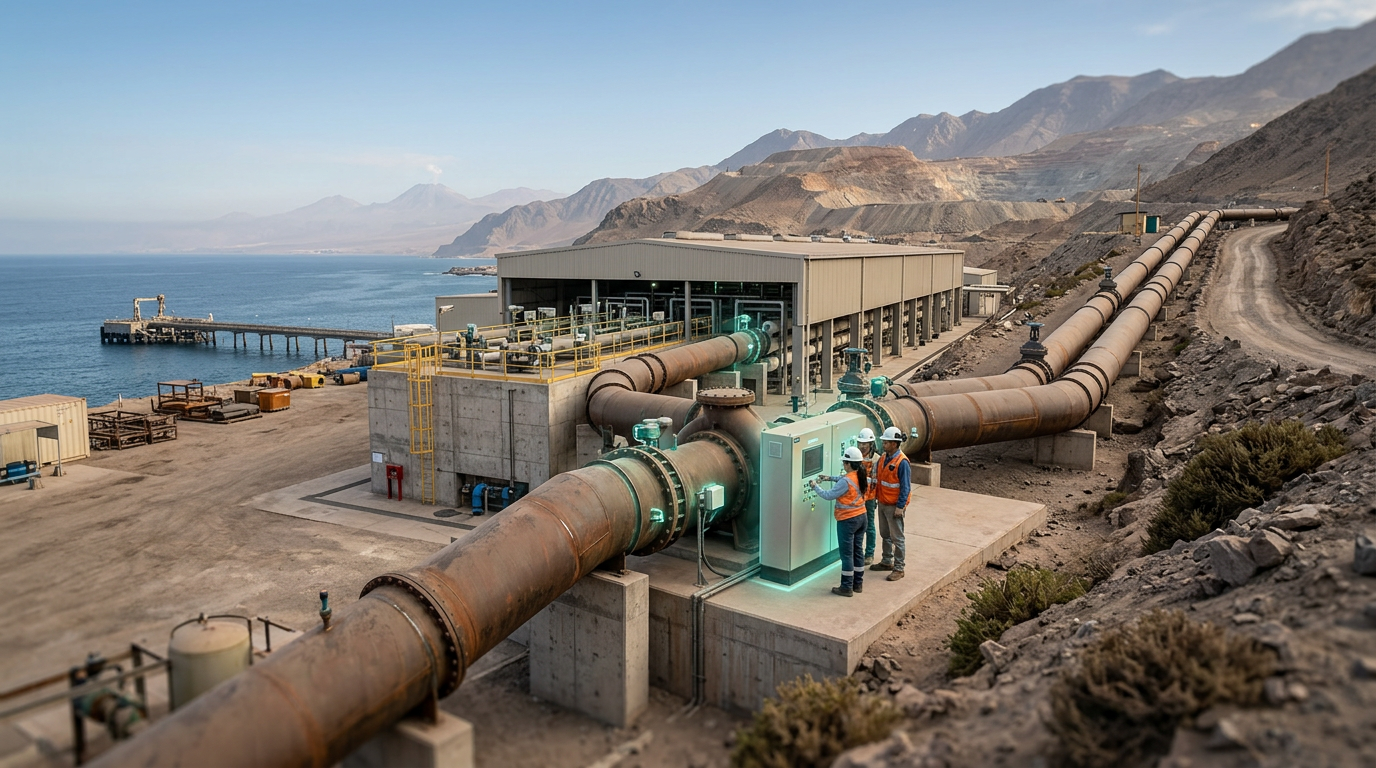
Chilean copper mines increasingly use desalinated seawater pumped to 3,000m+ altitude, with $10B+ in desalination investments to decouple mining from scarce continental freshwater.
Chile operates one of the world's densest seismic monitoring networks with real-time GNSS and strong-motion sensors, providing seconds to minutes of warning before major quakes.
Mexico's semiconductor market reached $10.4B in 2024, growing at 6.5% CAGR with Baja California's Master Plan targeting chip packaging and test as nearshoring accelerates.
Colombia generates 70% of electricity from hydropower; small-hydro technology expands to remote communities while geothermal exploration taps volcanic Andes potential.
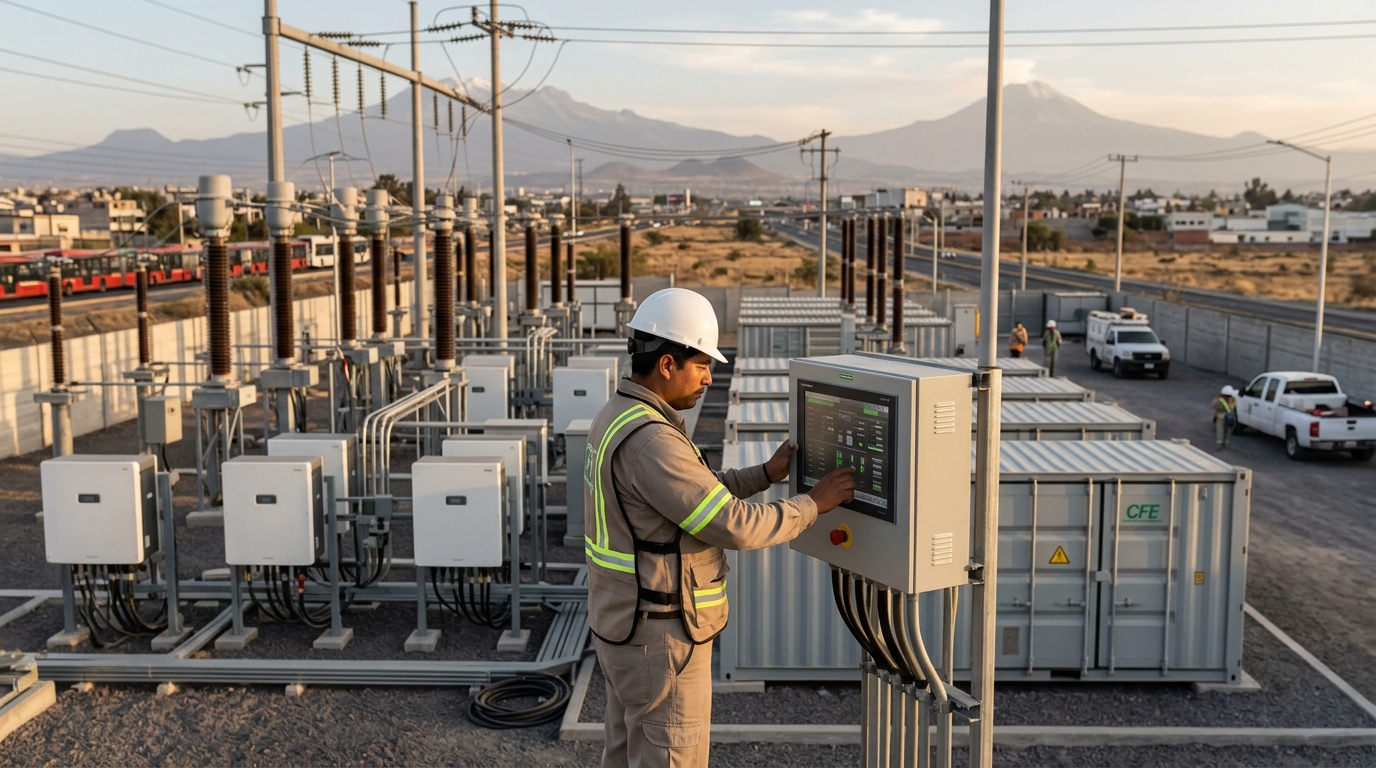
Mexico's CFE is upgrading grid infrastructure with SCADA modernization, battery storage, and demand response systems to handle growing solar and wind penetration in northern states.
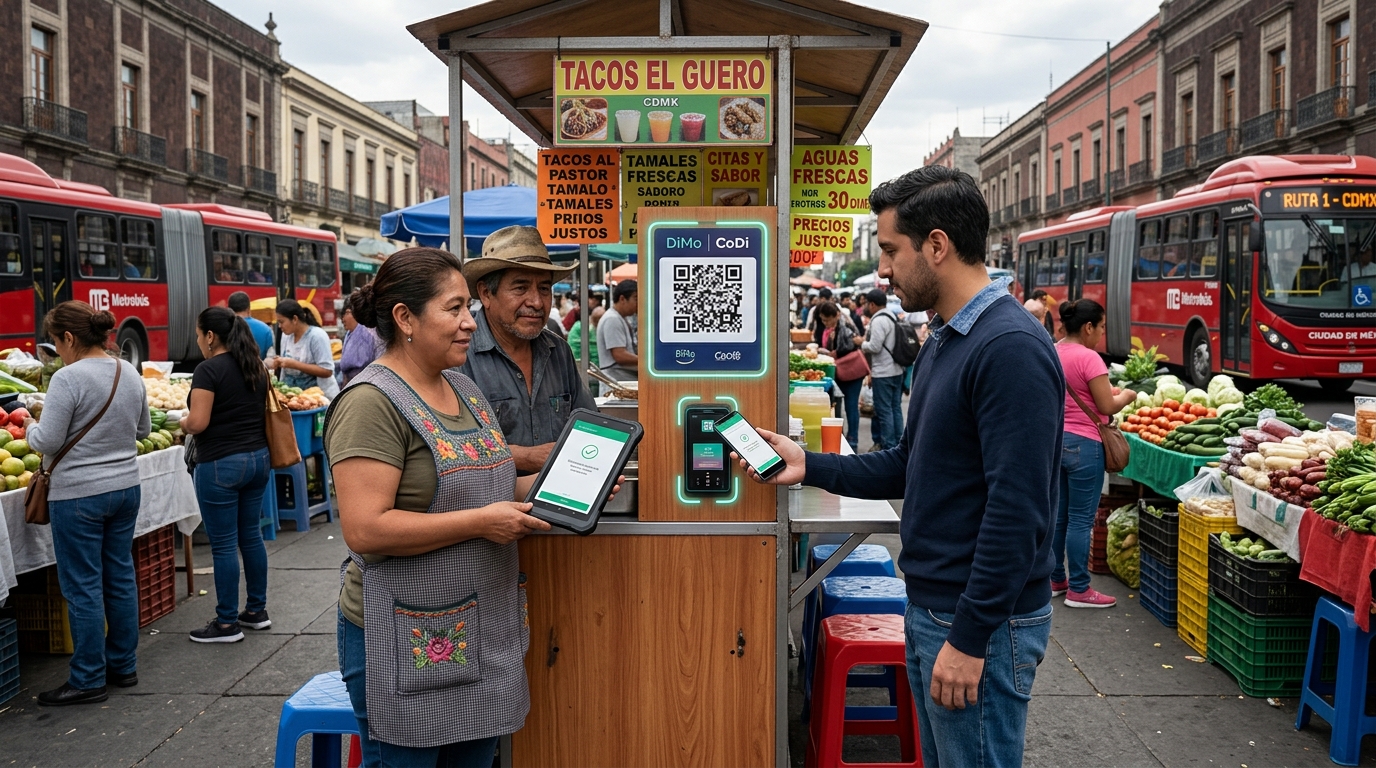
Mexico's SPEI processes millions of 24/7 instant transfers daily; CoDi and DiMo add QR-based mobile payments targeting financial inclusion for 60M+ unbanked citizens.
Colombia's Rappi — Latin America's first super-app unicorn valued at $5B+ — integrates delivery, payments, banking, and commerce across 9 countries, pioneering last-mile logistics technology.
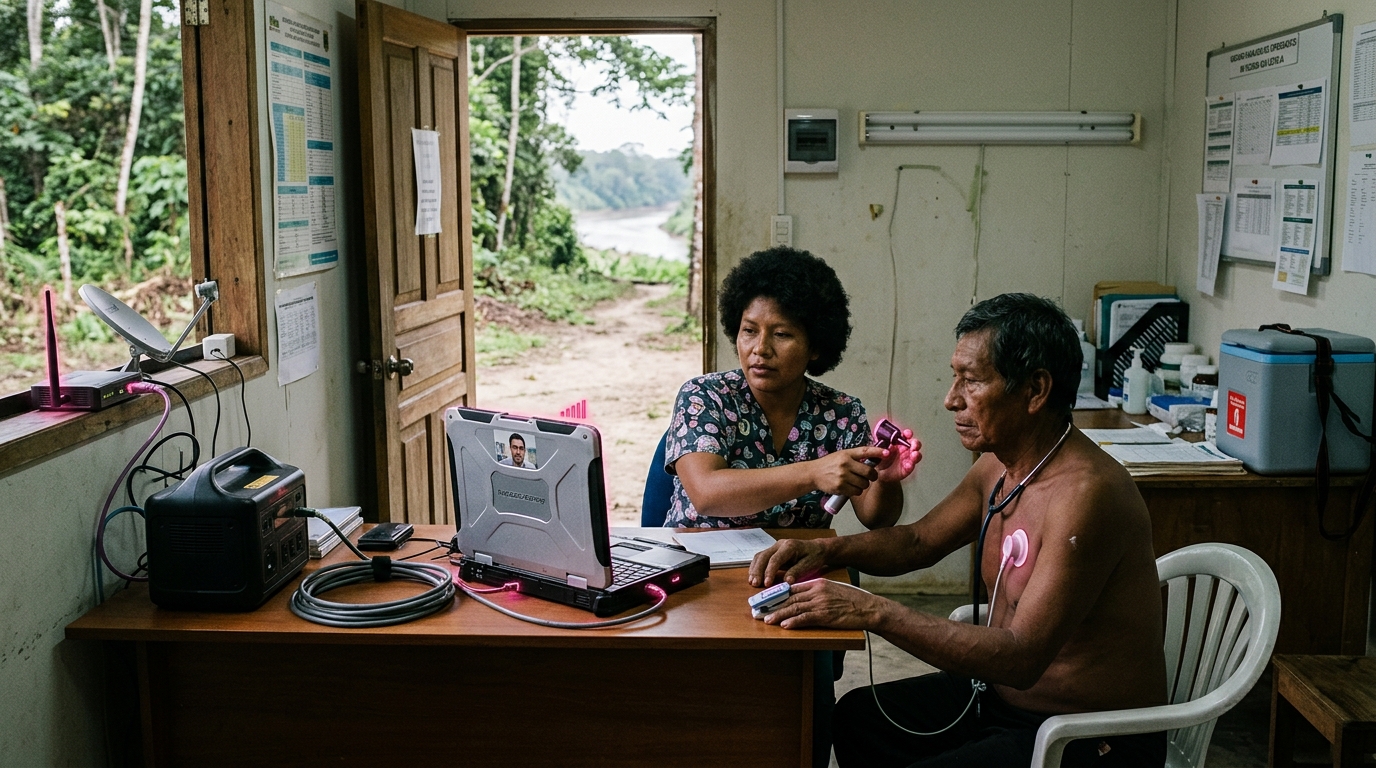
Colombian health-tech deploys telemedicine connecting remote Amazon and Pacific communities to Bogotá specialists, using satellite connectivity and AI triage in areas with no roads.
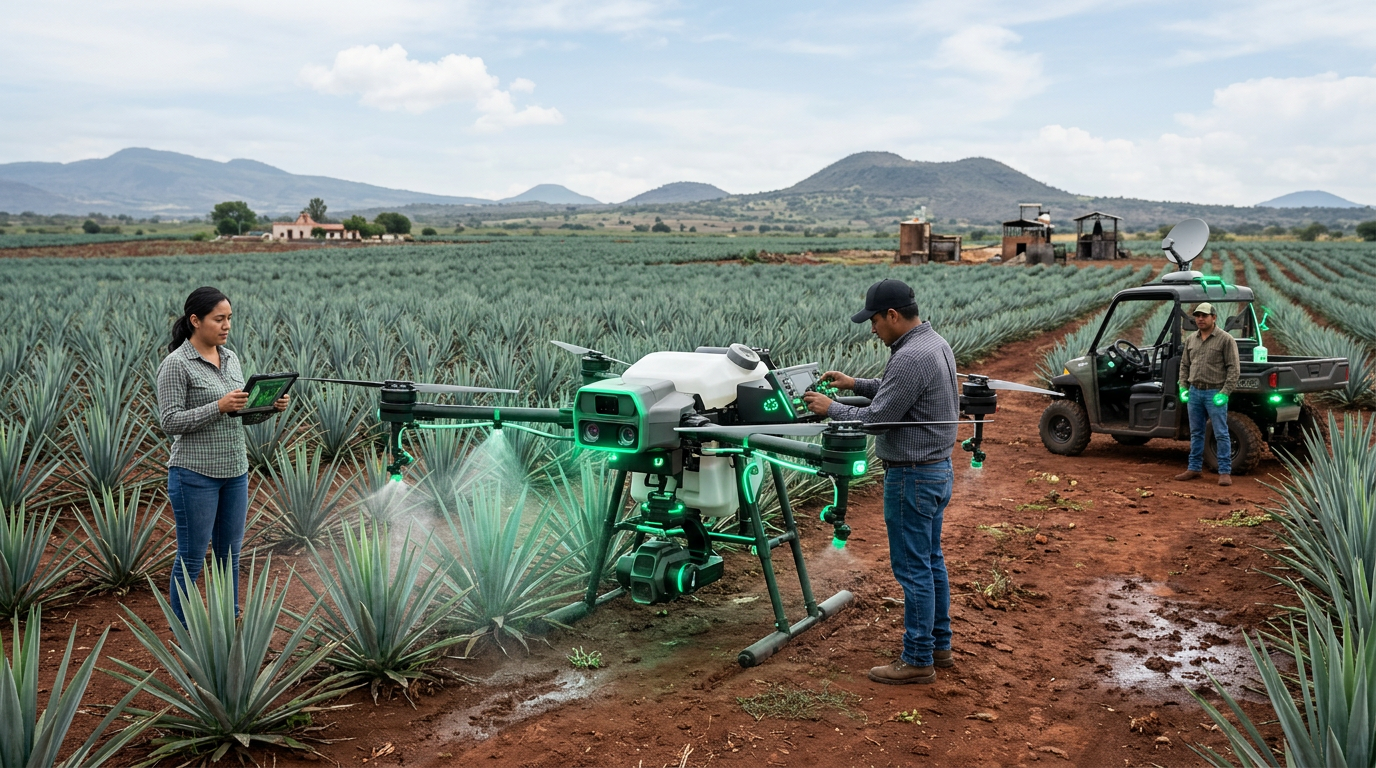
Mexico's tequila industry deploys satellite monitoring, drone spraying, and molecular analysis to manage 500M+ agave plants across Jalisco's denomination of origin zone.
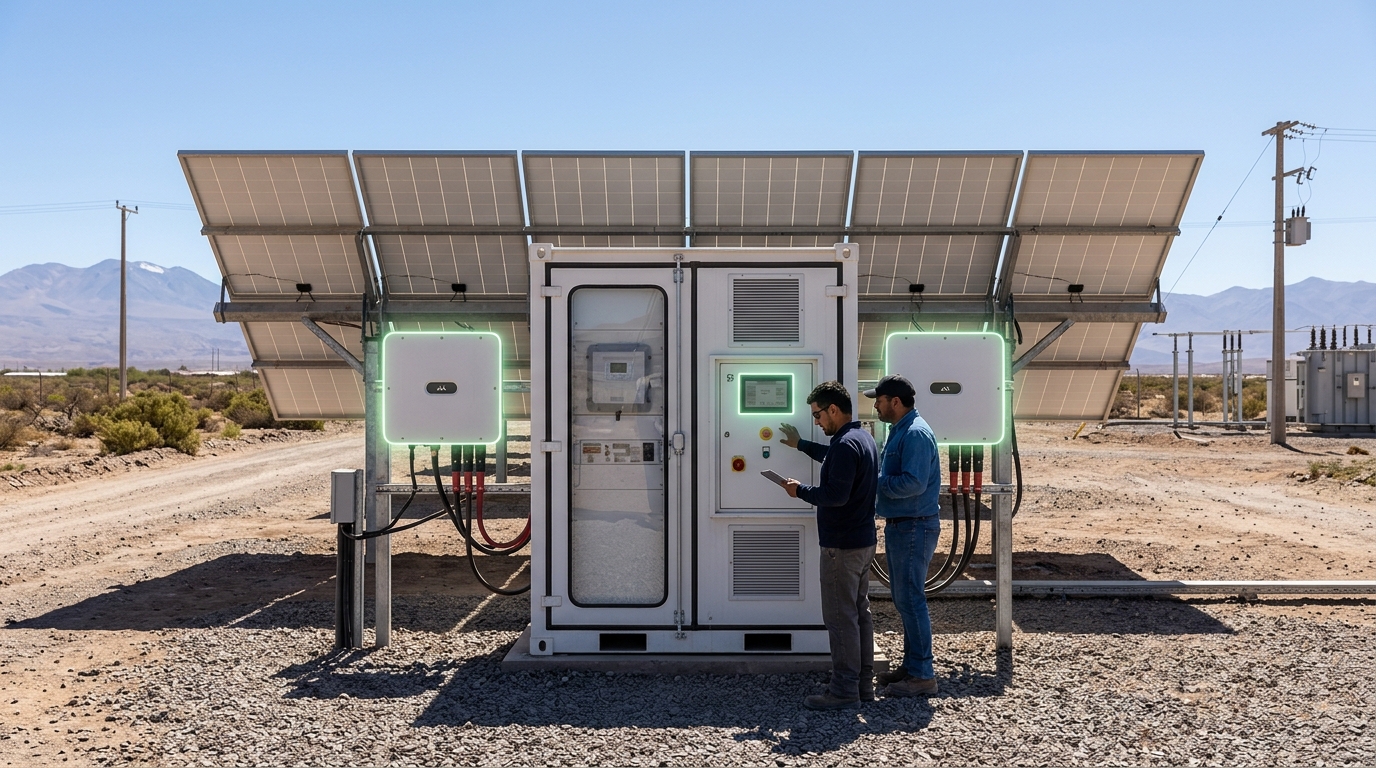
Chile's PV-plus-storage deployments use LFP batteries to capture Atacama's 3,500+ kWh/m²/year irradiance; renewables already exceed 40% of generation, targeting 100% by 2030.
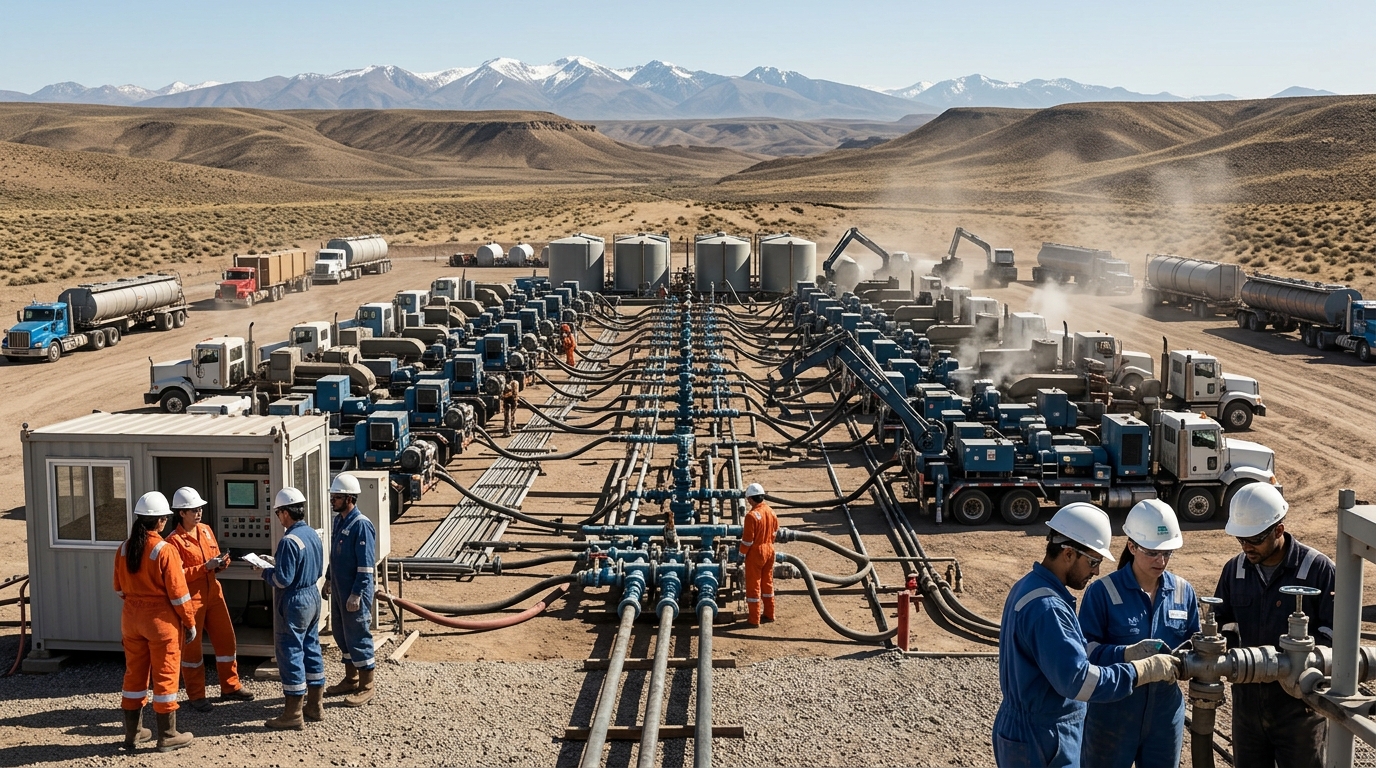
Argentina's Vaca Muerta — the world's 2nd largest shale gas and 4th largest shale oil reserve — has developed adapted completion techniques achieving U.S.-competitive well productivity.
Argentina's Vaca Muerta holds the world's 2nd-largest shale gas and 4th-largest shale oil reserves; record fracking activity in 2025 with 1,000+ stages per month reshaping global energy markets.