Patagonian Wind Energy Systems
Geography: Americas · South America · Latin America
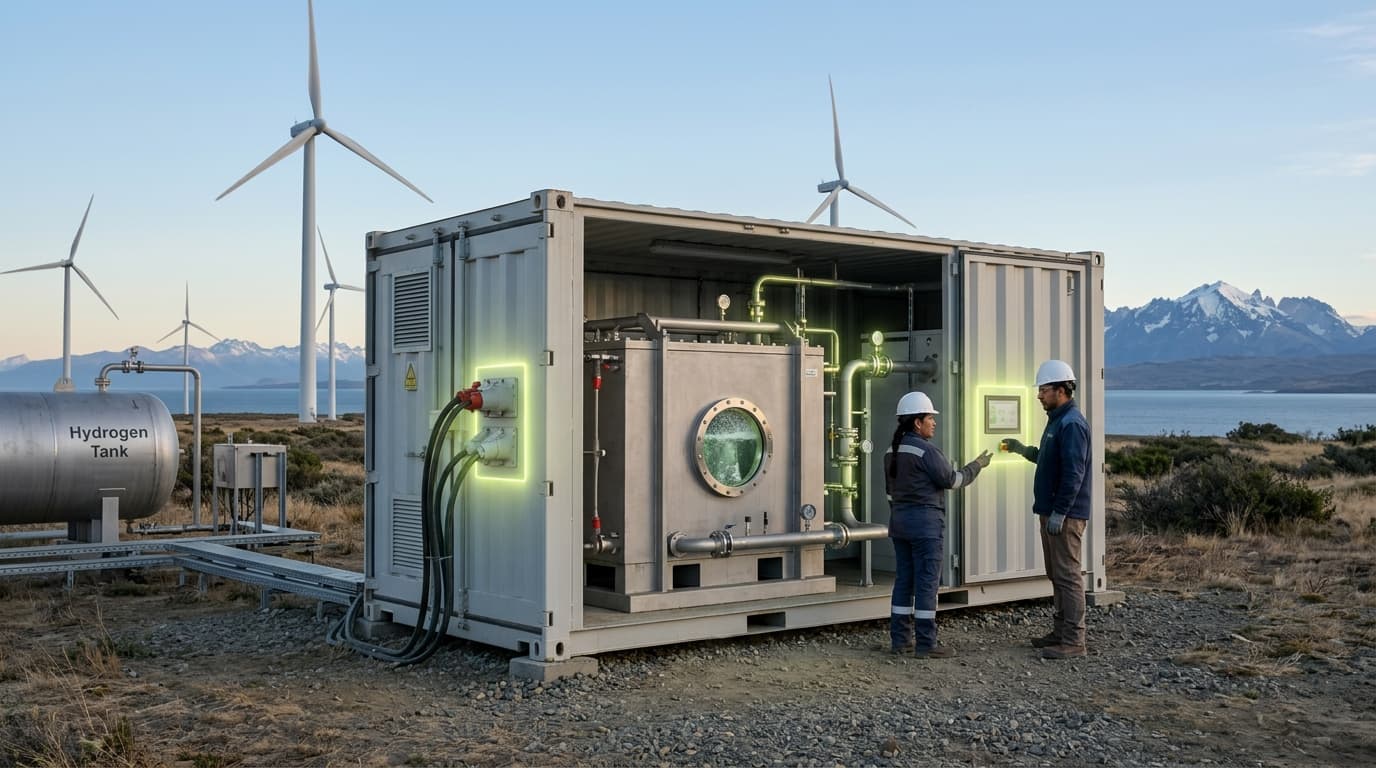
Chile's southernmost Patagonian regions (Magallanes and Aysén) possess wind resources rivaling the North Sea — capacity factors exceeding 50%, meaning turbines generate power more than half the time. This is among the highest average wind energy density on Earth, driven by the persistent westerly winds that circle the Southern Ocean. Large-scale wind farms are being developed to power green hydrogen electrolysis, with the produced hydrogen converted to ammonia for export.
The technology challenges are logistical rather than technical: Patagonia's extreme remoteness, limited port infrastructure, and harsh weather conditions make turbine installation and maintenance costly. The wind turbines themselves are standard multi-megawatt platforms (5-15 MW) from Vestas, Siemens Gamesa, and other manufacturers, but the foundation engineering must account for seismic activity, extreme wind gusts, and challenging soil conditions.
The strategic vision links Patagonian wind to Chile's green hydrogen ambitions — using the southern wind to produce hydrogen that is shipped as ammonia to Asian and European markets. The combination of Atacama solar (north) and Patagonian wind (south) gives Chile arguably the best renewable energy resource portfolio of any nation on Earth, with different generation profiles that complement each other for round-the-clock hydrogen production.
Research this in Signals
Signals turns a topic into a sourced research record you can inspect and rerun. Your first scan is free, and this one starts with Patagonian Wind Energy Systems already loaded, so edit it or scan as is.