LNG Liquefaction & Export Technology
Geography: Americas · South America · Latin America
Argentina's Vaca Muerta shale boom is generating natural gas volumes that exceed domestic demand, requiring LNG export infrastructure to monetize the surplus. Multiple projects are in development: floating LNG (FLNG) units that can be deployed faster than onshore terminals, and permanent onshore liquefaction plants on the Atlantic coast. YPF, Pan American Energy, and Tecpetrol are leading the development, with Chinese and international investors providing financing.
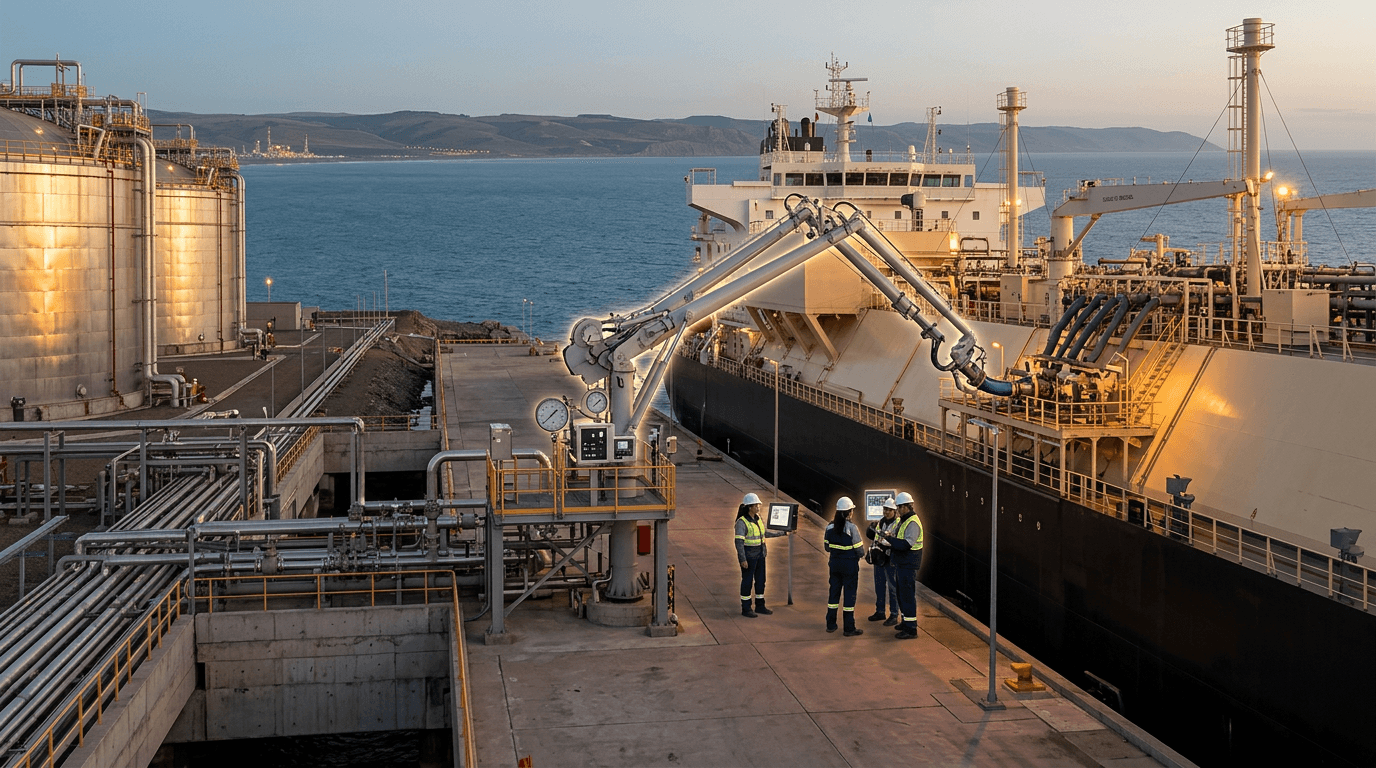
The technology involves gas processing (removing impurities, liquids, and CO2), refrigeration cycles that cool natural gas to -162°C for LNG conversion, and cryogenic storage and loading systems. Argentina's specific challenge is pipeline infrastructure — Vaca Muerta is in Patagonia's interior, over 1,000 km from Atlantic ports. The Néstor Kirchner gas pipeline (completed in 2023) and planned extensions are essential to connecting production to export points.
The strategic ambition is to make Argentina a significant LNG exporter, competing with the US, Qatar, and Australia for European and Asian markets. The timing aligns with post-Ukraine energy security concerns driving global demand for non-Russian gas. If Argentina can build the pipeline and liquefaction infrastructure at the projected $10B+ cost, Vaca Muerta's reserves — estimated at 300+ trillion cubic feet — could sustain decades of LNG exports, fundamentally transforming Argentina's trade balance and geopolitical position.
Research this in Signals
Signals turns a topic into a sourced research record you can inspect and rerun. Your first scan is free, and this one starts with LNG Liquefaction & Export Technology already loaded, so edit it or scan as is.