Small Hydropower & Geothermal Exploration
Geography: Americas · South America · Latin America
Colombia generates approximately 70% of its electricity from hydropower, making it one of the most renewably-powered nations in the Americas. The technology focus is extending this hydro advantage through small-hydropower installations (1-10 MW) that bring electricity to remote communities in the Chocó, Amazon, and Andean regions without requiring large dam infrastructure. Run-of-river designs minimize environmental impact while providing reliable baseload power.
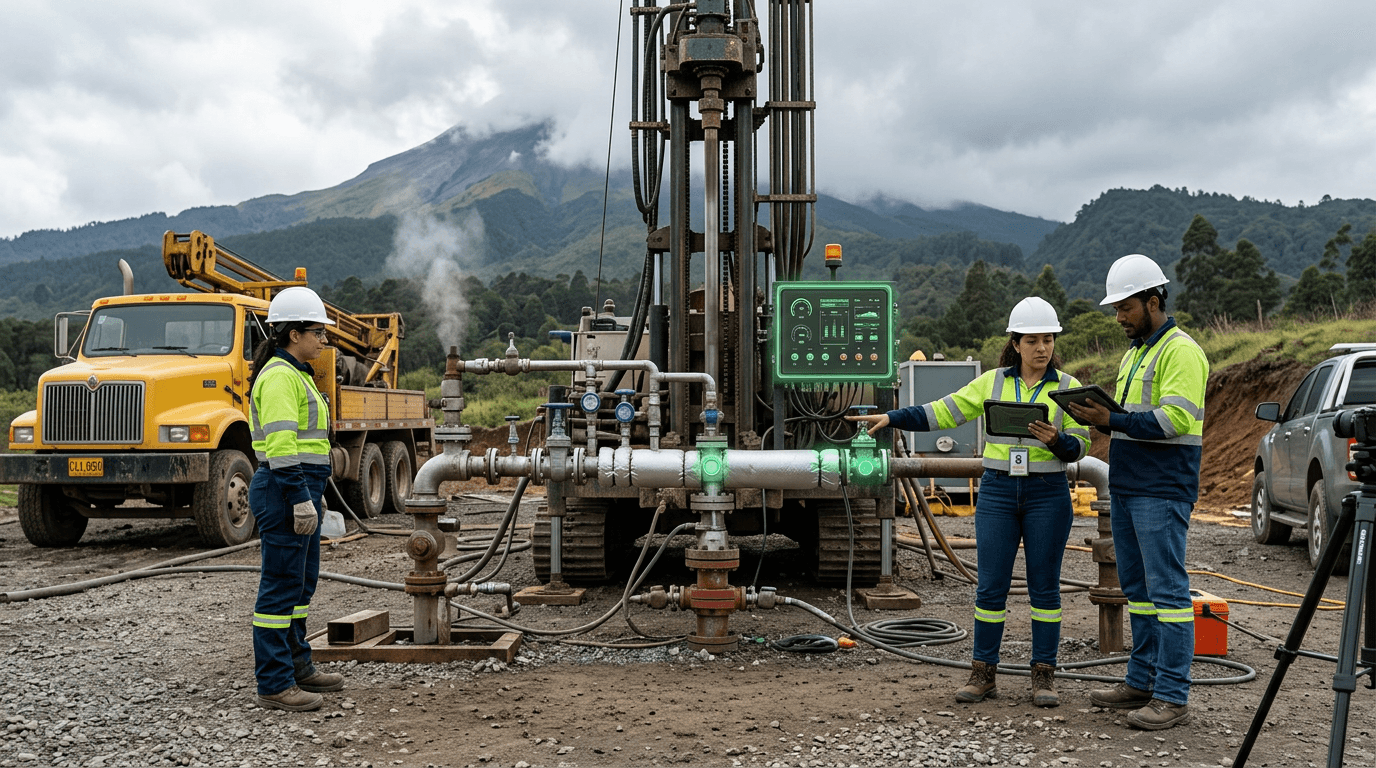
Geothermal exploration is at an earlier stage: Colombia's position along the Andean volcanic arc provides significant geothermal potential, with preliminary assessments identifying resources in Nariño, Cauca, and Caldas departments. The technology includes magnetotelluric surveys for subsurface mapping, slim-hole exploratory drilling, and binary cycle power plants suited to moderate-temperature resources. The Azufral volcano in Nariño is the most advanced prospect.
The strategic significance is energy diversification. Colombia's heavy dependence on hydropower makes it vulnerable to El Niño droughts — the 2015-2016 drought nearly caused national blackouts. Small hydro in different watersheds and geothermal baseload would reduce this concentration risk. For remote communities, small hydropower provides economic development enablement — electricity enables refrigeration, telecommunications, and small-scale manufacturing that transform subsistence economies.
Research this in Signals
Signals turns a topic into a sourced research record you can inspect and rerun. Your first scan is free, and this one starts with Small Hydropower & Geothermal Exploration already loaded, so edit it or scan as is.