Domestic Lithium Battery Value Chain Development
Geography: Americas · South America · Latin America
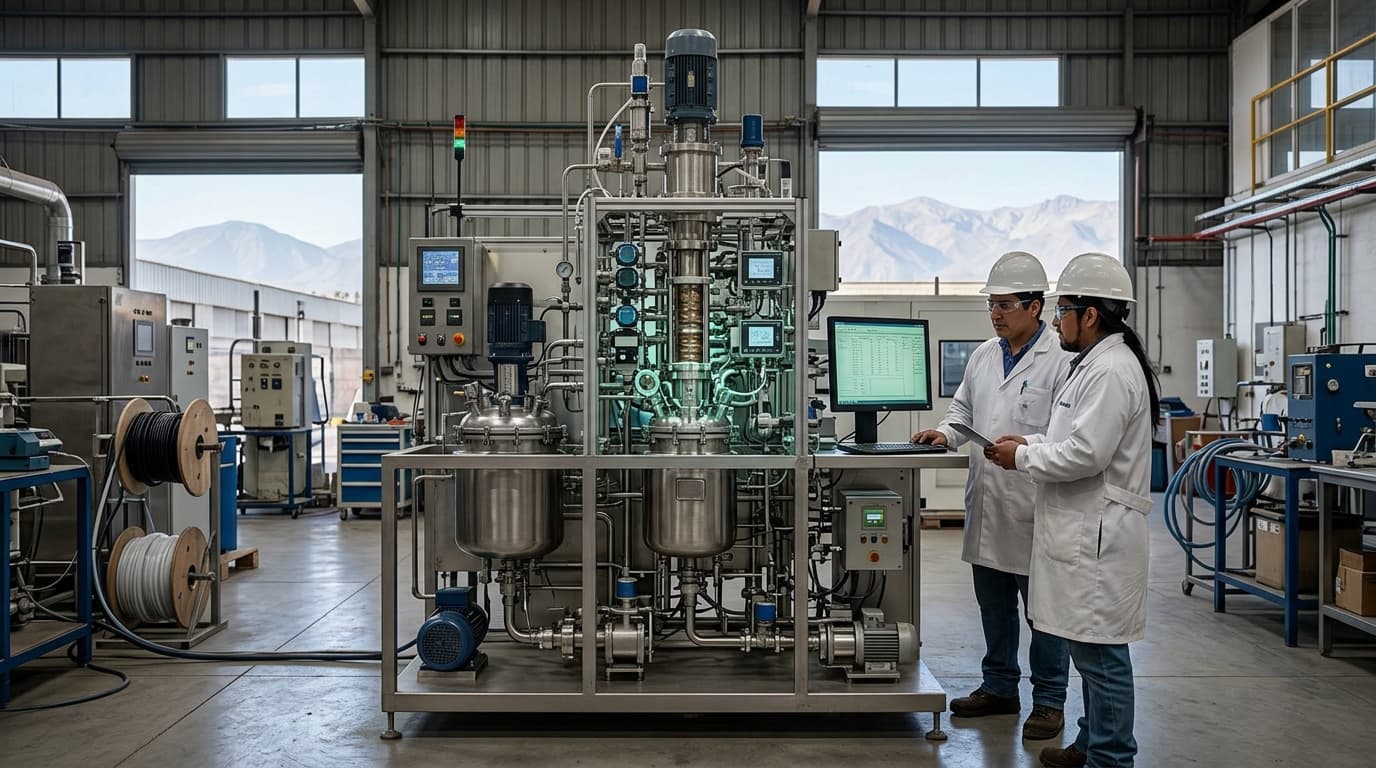
Chile's national lithium strategy aims to capture more value from its world-leading lithium reserves by developing downstream processing — converting lithium carbonate into cathode active materials (CAM) and eventually battery cells. CORFO structured new concession agreements requiring partners to invest in downstream facilities in Chile, and two CAM production plants were announced by international partners to be built near the Atacama mining operations.
However, the path has been rocky: both announced CAM facility investments were subsequently withdrawn, highlighting the difficulty of building battery materials manufacturing in a country far from major battery cell production centers and automotive markets. The technology for CAM production (precursor synthesis, calcination, coating, particle engineering) requires specialized equipment, controlled atmospheres, and proximity to customers for just-in-time delivery — logistics that favor locations in Asia, Europe, or the US over Chile.
The strategic question is whether Chile can avoid the resource curse pattern of exporting raw materials while others capture manufacturing value. The government's leverage is access to the world's highest-quality lithium brine, but the pull of market proximity and existing industrial ecosystems makes downstream migration challenging. Chile's best opportunity may be in lithium hydroxide refining (one step up from carbonate) rather than the full leap to battery cell manufacturing.
Research this in Signals
Signals turns a topic into a sourced research record you can inspect and rerun. Your first scan is free, and this one starts with Domestic Lithium Battery Value Chain Development already loaded, so edit it or scan as is.