Digital Banking & Crypto-Dollar Infrastructure
Geography: Americas · South America · Latin America
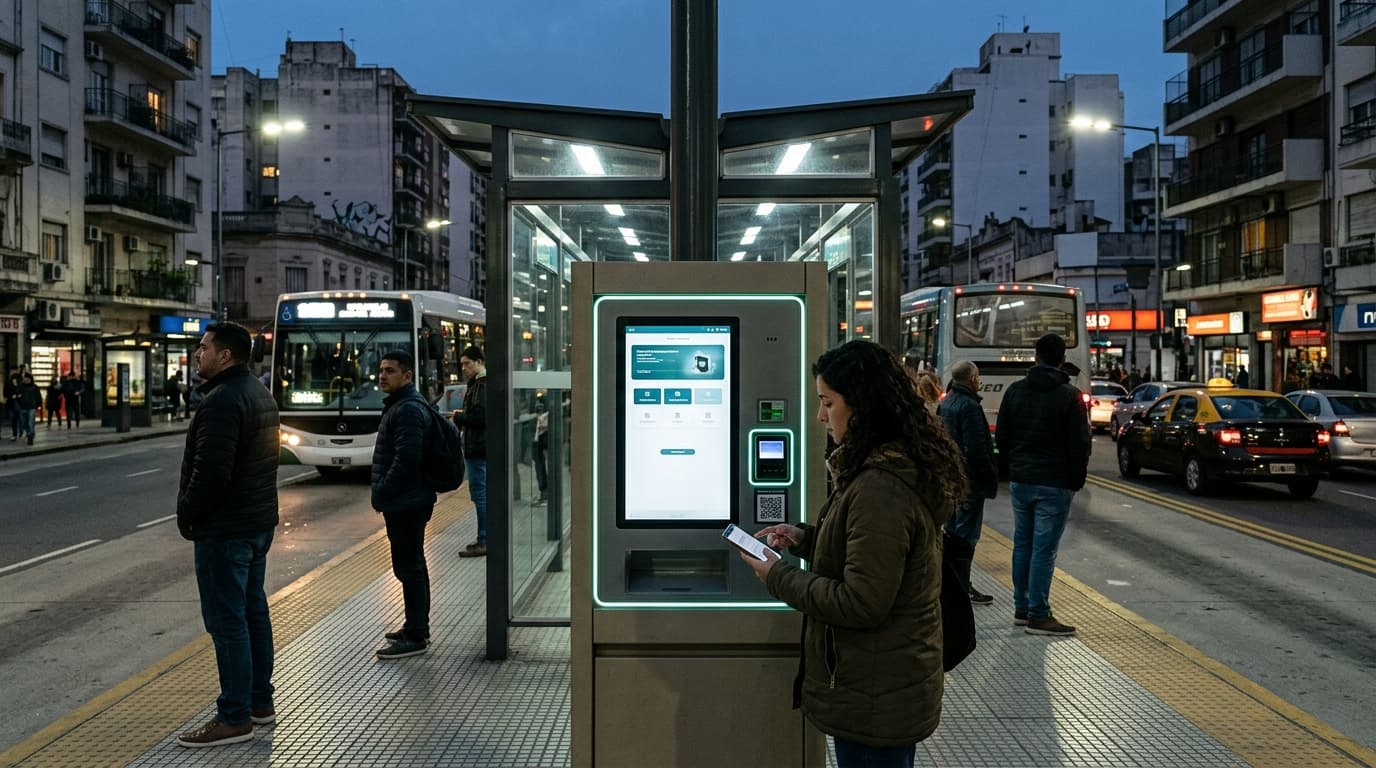
Argentina's persistent macroeconomic instability — inflation exceeding 200% in 2023, capital controls, and a parallel dollar market — has created one of the world's most active environments for crypto-financial innovation. Argentine fintech companies have built infrastructure for USDT/USDC-to-peso conversion, automated savings products that protect against devaluation, and digital banking platforms that enable instant transfers between pesos and dollar-denominated stablecoins.
The technology stack includes peer-to-peer crypto exchanges (matching peso sellers with dollar buyers), automated market makers for peso-stablecoin trading pairs, and custodial wallets that let users hold dollar-denominated assets without access to formal banking. Argentina consistently ranks among the top 10-15 countries globally for cryptocurrency adoption, with stablecoin usage per capita among the world's highest — driven not by speculation but by the practical need to preserve purchasing power.
Milei's government has taken a market-friendly approach to crypto regulation, positioning Argentina as a potential hub for Latin American crypto-finance. The strategic irony is notable: Argentina's macroeconomic dysfunction has produced some of the most battle-tested financial technology in the region. Companies that can build reliable financial products in an environment of 200% inflation, capital controls, and currency crises can handle any market condition — making Argentine fintech exports particularly robust.
Research this in Signals
Signals turns a topic into a sourced research record you can inspect and rerun. Your first scan is free, and this one starts with Digital Banking & Crypto-Dollar Infrastructure already loaded, so edit it or scan as is.