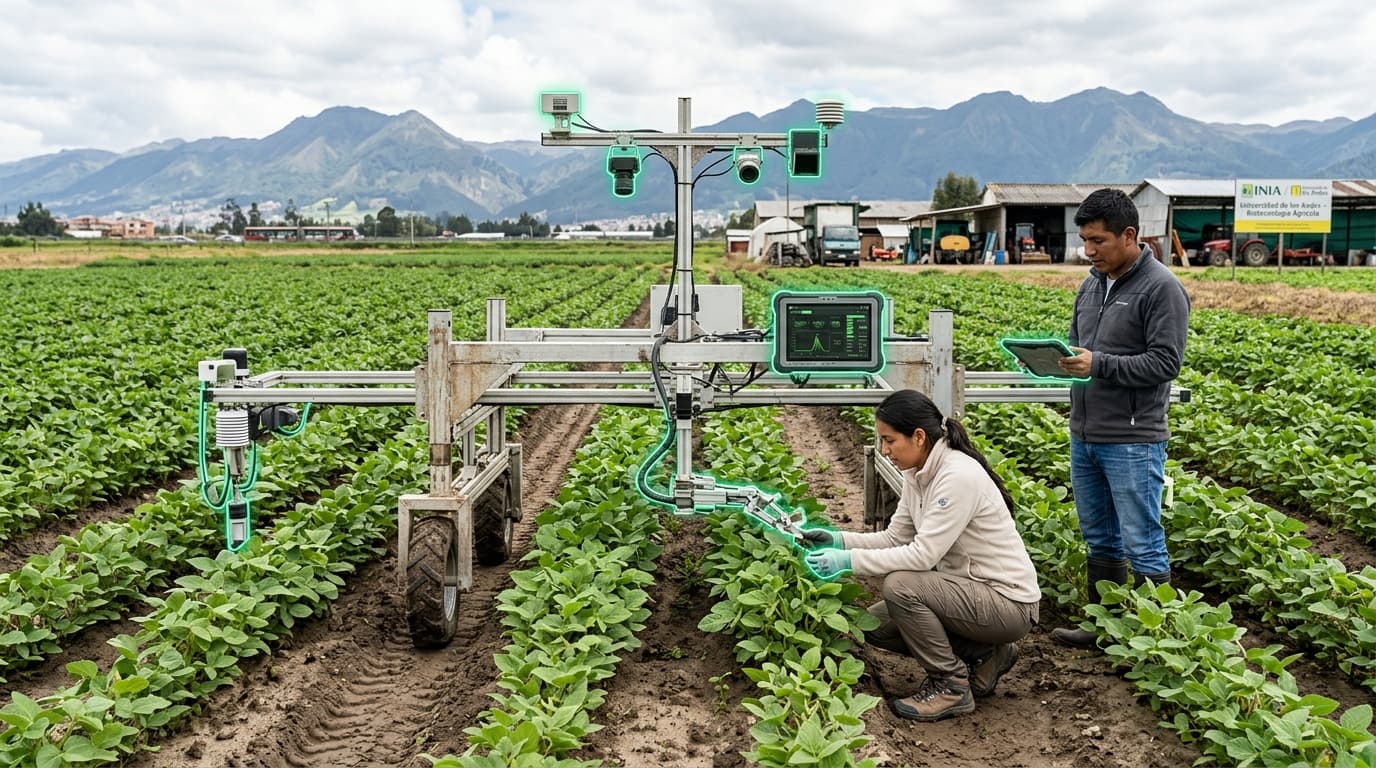
Agricultural Gene Editing & Crop Biotechnology
Geography: Americas · South America · Latin America
Argentina is the world's third-largest producer of biotech crops, with over 26 million hectares planted with genetically engineered soybean, corn, and cotton. The country's regulatory framework is uniquely progressive: Argentina was the first country globally to establish specific regulations for gene-edited crops (2015), determining that if no foreign DNA remains in the final product, gene-edited crops are regulated as conventional rather than GMO — bypassing the restrictive approval processes that slow adoption in the EU and other markets.
This regulatory advantage has spawned genuine technology innovation. Argentine researchers developed the world's first drought-tolerant GM wheat (HB4), and companies like BioHeuris are developing novel herbicide tolerance traits using directed evolution — a technology platform now being licensed to the African Agricultural Technology Foundation for trials on sorghum. The government approved five new genetically engineered events in 2023-2024, including new soybean and corn varieties with stacked traits for insect resistance and herbicide tolerance.
The strategic significance is dual: Argentina's agricultural biotech expertise is an export product (licensing traits to African and Asian agriculture), and it underpins the country's agricultural export economy ($40B+ annually). As climate change increases drought frequency and pest pressure globally, Argentina's advanced capabilities in crop genetic modification — both transgenic and gene-edited — become increasingly valuable intellectual property.
Research this in Signals
Signals turns a topic into a sourced research record you can inspect and rerun. Your first scan is free, and this one starts with Agricultural Gene Editing & Crop Biotechnology already loaded, so edit it or scan as is.