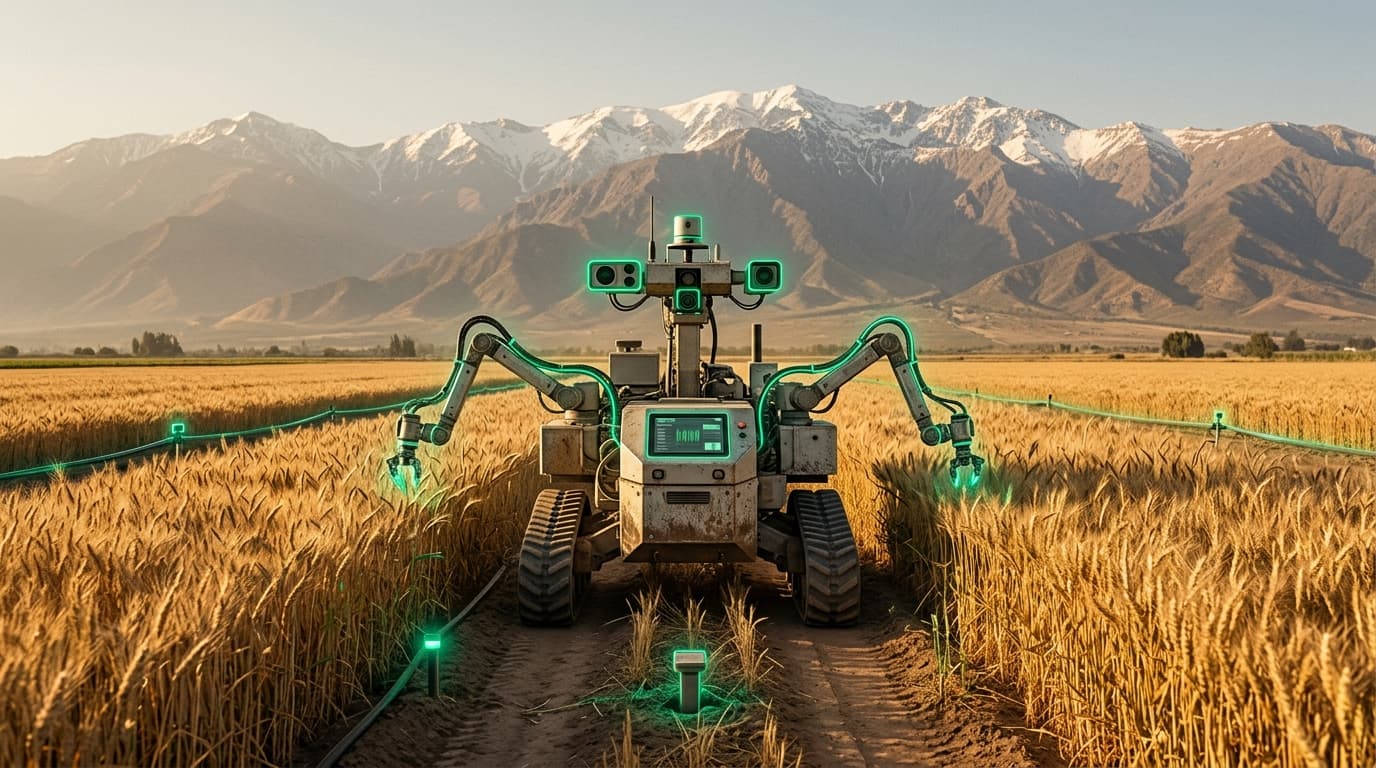
HB4 Drought-Resistant GMO Wheat
Geography: Americas · South America · Latin America
HB4 wheat, developed by Argentine biotech firm Bioceres Crop Solutions in partnership with CONICET (Argentina's national research council), represents a genuine world first: the first genetically modified wheat approved for commercial cultivation anywhere. The technology inserts a sunflower gene (HaHB4) that triggers drought-tolerance mechanisms, enabling the plant to maintain yields under water stress conditions that would devastate conventional varieties. Field trials showed 20–40% yield advantages over conventional wheat during drought years — a margin that translates to billions of dollars in avoided losses across Argentina's grain belt.
The significance of HB4 extends far beyond a single crop variety. Wheat was long considered untouchable for genetic modification due to consumer sensitivity and the complexity of its hexaploid genome. Argentina's decision to approve HB4 in 2020, followed by Brazil's approval for import and flour production, broke a global taboo. Colombia and additional markets have since granted approvals, and Bioceres is pursuing regulatory pathways in Australia and Southeast Asia. The technology emerged from two decades of publicly funded Argentine research, making it a rare example of a Southern Hemisphere country leading a major agricultural biotechnology breakthrough.
Strategically, HB4 positions Argentina at the center of a critical global conversation: how to maintain grain production as climate change intensifies droughts across major breadbaskets from the Pampas to Punjab. With wheat feeding roughly 2.5 billion people globally and climate models projecting increasing water stress across key growing regions, drought-tolerant varieties move from nice-to-have to existential necessity. Bioceres' model of public-private partnership and its aggressive pursuit of international approvals could establish a template for how developing countries commercialize indigenous agricultural biotech rather than remaining dependent on Bayer-Monsanto and Syngenta.
Research this in Signals
Signals turns a topic into a sourced research record you can inspect and rerun. Your first scan is free, and this one starts with HB4 Drought-Resistant GMO Wheat already loaded, so edit it or scan as is.