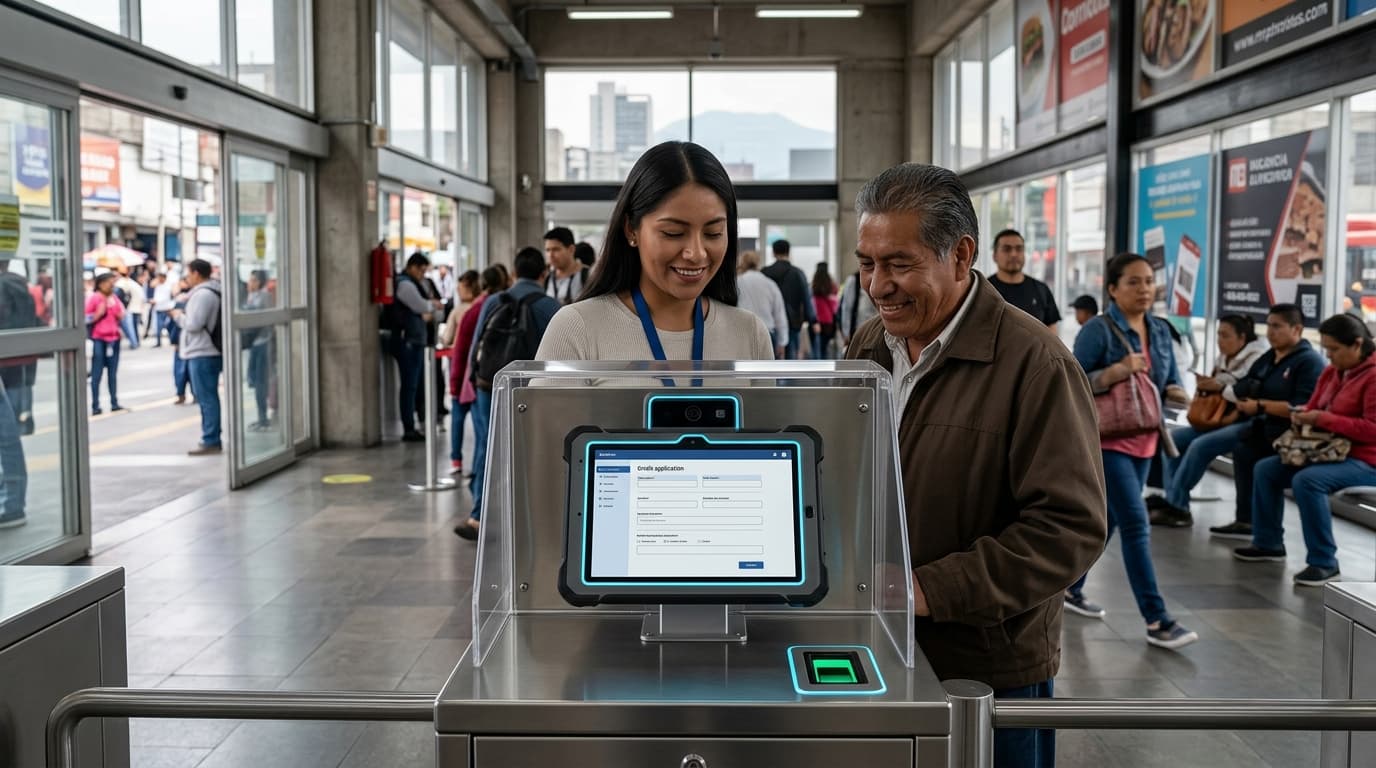
AI-Driven Digital Lending & Credit Scoring
Geography: Americas · South America · Latin America
Mexico's digital lending sector leverages machine learning and alternative data — mobile phone usage, utility payments, social media activity — to build credit profiles for the country's approximately 60 million adults without traditional banking history. Companies like Konfío (SME lending), Stori (credit cards for the underbanked), and Credijusto deploy AI models that assess creditworthiness in ways that conventional FICO-style scores cannot, enabling micro-loans and instant credit decisions via mobile apps.
Lending remains the largest fintech segment in Mexico by number of projects, processing over $30 million in digital transactions with growth projected to increase 76% by 2027. The 2018 Fintech Law provided regulatory clarity that accelerated investment, establishing Mexico as the second-largest fintech market in Latin America after Brazil. The regulatory framework covers electronic payment institutions, crowdfunding platforms, and cryptocurrency exchanges.
The strategic significance lies in financial inclusion at scale. Mexico's formal credit penetration is among the lowest in the OECD — digital lending platforms are not just disrupting incumbent banks but creating entirely new credit markets. The technology stack — combining NLP for document processing, computer vision for ID verification, and ensemble ML models for risk assessment — represents genuine applied AI innovation adapted to emerging market conditions.
Research this in Signals
Signals turns a topic into a sourced research record you can inspect and rerun. Your first scan is free, and this one starts with AI-Driven Digital Lending & Credit Scoring already loaded, so edit it or scan as is.