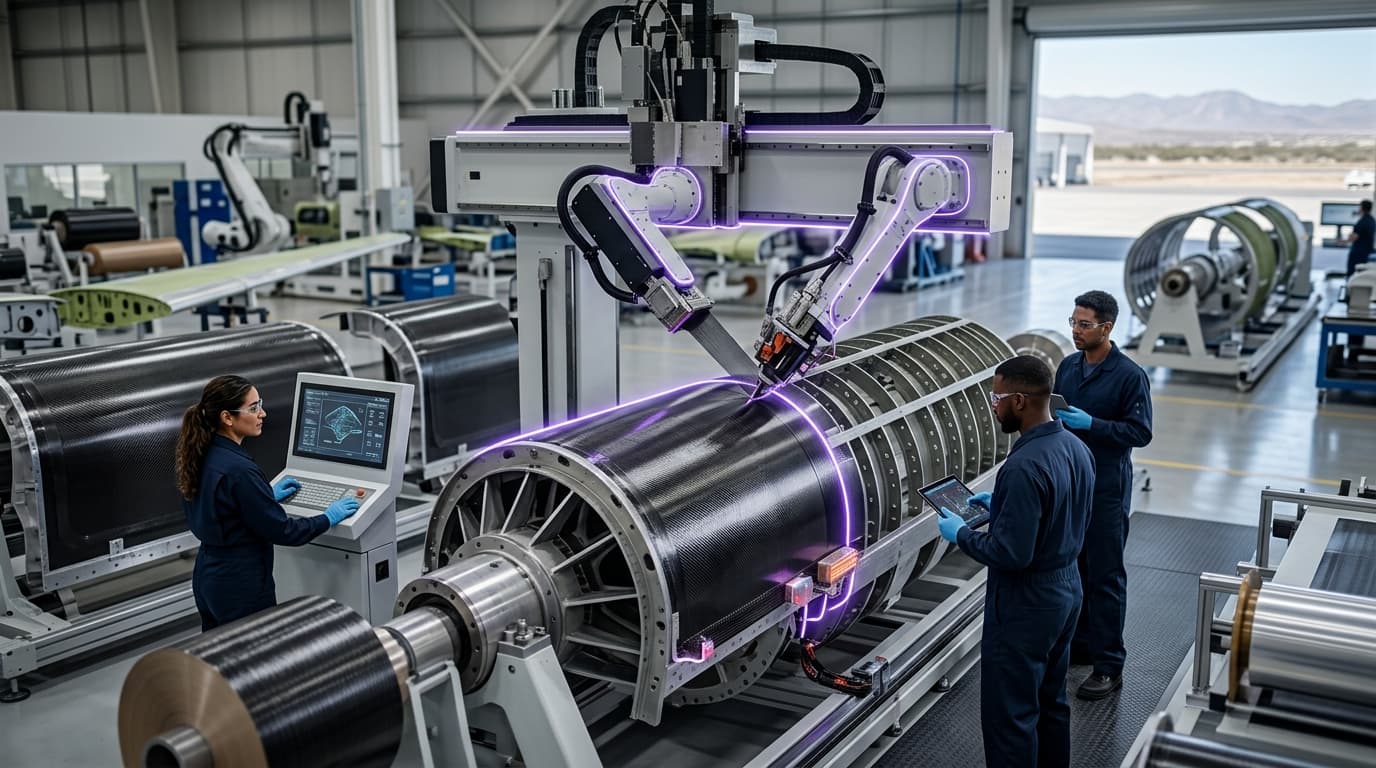
Aerospace Composite & Structural Manufacturing
Geography: Americas · South America · Latin America
Mexico has built Latin America's most advanced aerospace manufacturing ecosystem, centered on the Querétaro Aerocluster but extending across Baja California, Chihuahua, Coahuila, and Nuevo León. The sector produces structural components, engine parts, wiring harnesses, and landing gear assemblies for global OEMs including Airbus, Bombardier, Safran, and Diehl Aviation. Querétaro alone hosts 80+ aerospace firms supported by an international airport with MRO capabilities.
The industry is growing at double-digit annual rates, with the Querétaro Aerocluster reporting 10% growth in 2025. Diehl Aviation began constructing a new structural parts plant expected to employ 500 workers by mid-2025. The manufacturing sophistication has evolved from basic wiring harnesses to advanced composite layup, CNC machining of turbine components, and full MRO (maintenance, repair, overhaul) services — moving up the value chain from labor arbitrage to genuine technical capability.
Strategically, Mexico's aerospace sector represents a successful model of industrial upgrading through cluster economics. The concentration of firms, workforce training programs, and R&D facilities in Querétaro creates an ecosystem effect that makes it increasingly difficult for competitors to replicate. As Boeing and Airbus production ramps accelerate post-COVID, Mexico's ability to deliver certified aerospace components at competitive costs positions it as an essential link in Western aviation supply chains.
Research this in Signals
Signals turns a topic into a sourced research record you can inspect and rerun. Your first scan is free, and this one starts with Aerospace Composite & Structural Manufacturing already loaded, so edit it or scan as is.