AI-Based Digital Identity Verification
Geography: Americas · South America · Latin America
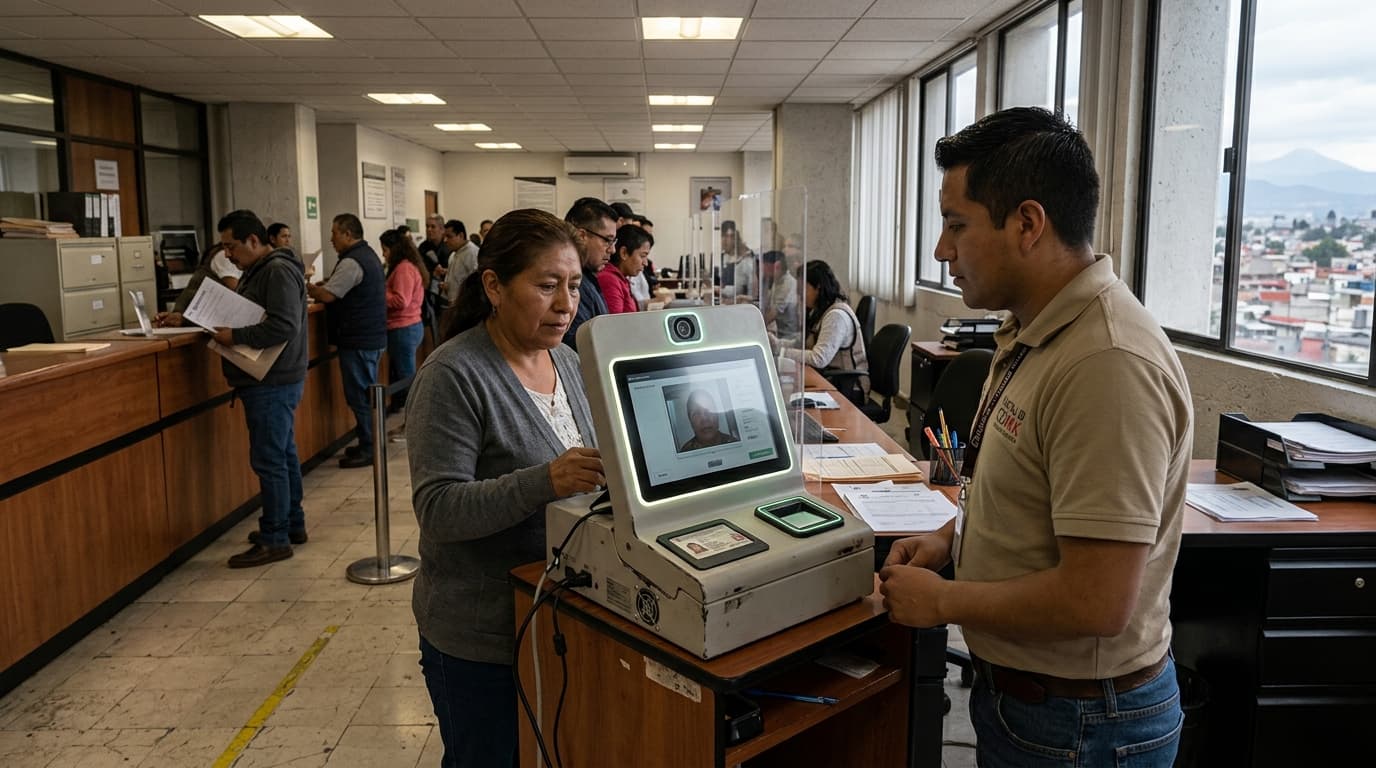
Mexico's digital identity verification ecosystem has developed around a unique asset: the INE (National Electoral Institute) voter credential, which functions as the country's de facto national ID. Fintech companies have built AI systems that verify these credentials using computer vision (OCR for data extraction, hologram detection for anti-fraud), facial recognition matched against the ID photo, and liveness detection to prevent spoofing — all performed through smartphone cameras during remote onboarding.
The technology enables financial inclusion at unprecedented scale. Traditional KYC (Know Your Customer) requirements meant physically visiting a bank branch with original documents — a barrier that kept tens of millions unbanked. Remote digital verification eliminates this friction, allowing people to open accounts, access credit, and receive remittances through their phones. The challenge is balancing fraud prevention (Mexico has sophisticated forgery operations) with accessibility (many potential users have older phones with poor cameras).
Digital identity verification is the enabling technology for Mexico's entire fintech sector — without it, remote onboarding is impossible and every financial service requires physical presence. The sector is evolving toward multi-factor biometric solutions (voice recognition, behavioral biometrics) and exploring Mexico's potential implementation of a digital national ID system.
Research this in Signals
Signals turns a topic into a sourced research record you can inspect and rerun. Your first scan is free, and this one starts with AI-Based Digital Identity Verification already loaded, so edit it or scan as is.