Biodiversity Genomics & Bioprospecting
Geography: Americas · South America · Latin America
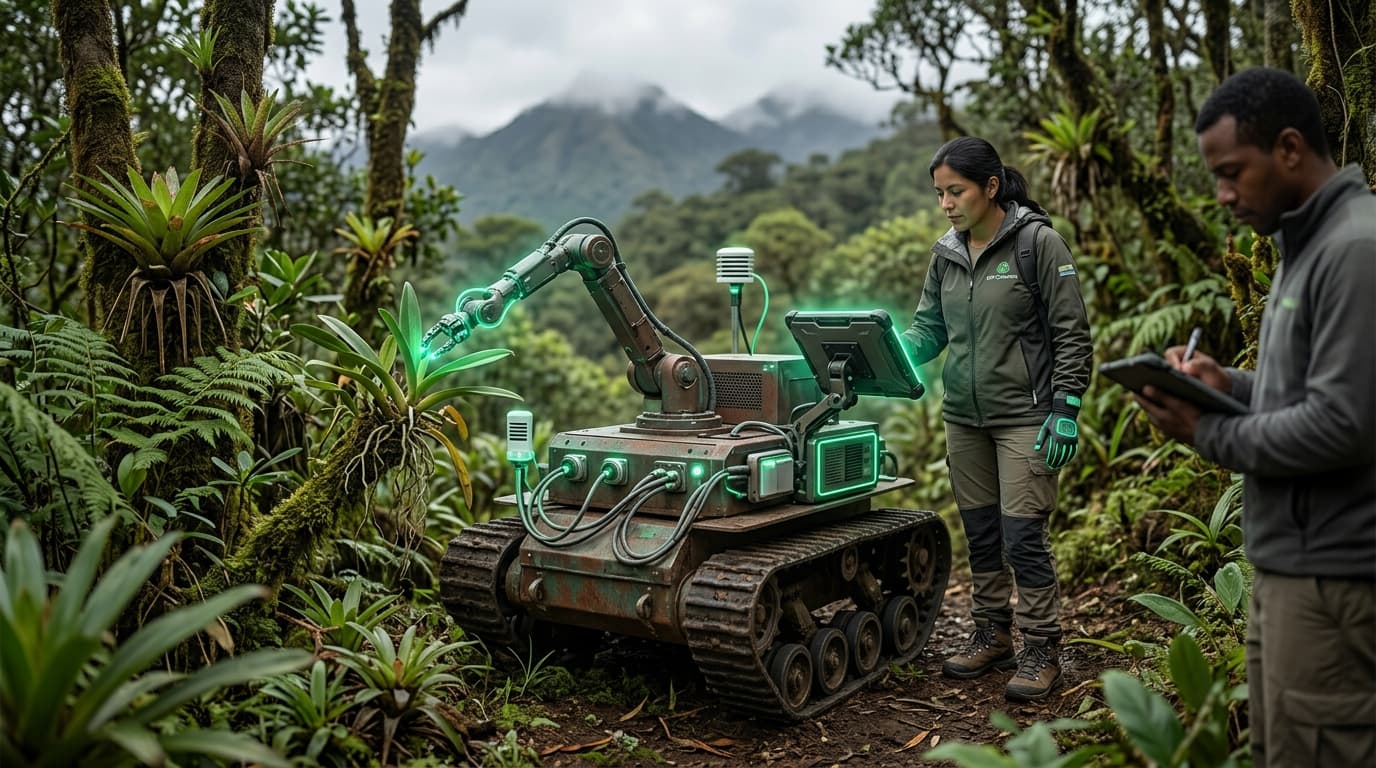
Colombia hosts the second-highest biodiversity on Earth — over 56,000 catalogued species across Amazonian rainforest, Andean highlands, Caribbean coast, and Pacific Chocó. The EBP-Colombia (Earth BioGenome Project Colombia) initiative aims to sequence the genomes of thousands of Colombian species, creating a digital biodiversity library that enables bioprospecting for novel enzymes, pharmaceuticals, and industrial compounds. Microbial enzymes discovered through Colombian bioprospecting have already shown promise for industrial processes and eco-friendly product formulations.
The technology approach combines high-throughput DNA sequencing, bioinformatics for genome assembly and gene annotation, and computational screening to identify proteins and metabolites with potential commercial applications. The Colombia BIO program connects genome data to ecosystem services quantification, supporting both conservation and bioeconomic development. COP16, held in Cali in 2024, focused international attention on Colombia's genetic resources and the access-and-benefit-sharing frameworks needed to commercialize them equitably.
The strategic vision positions Colombia's biodiversity as 21st-century infrastructure — analogous to oil reserves in the 20th century. As synthetic biology and genomic tools mature, the value of uncharacterized biological diversity increases exponentially. Colombia's challenge is building the research infrastructure (sequencing centers, biobanks, bioinformatics capacity) and regulatory frameworks (genetic resource access, benefit-sharing, intellectual property) to convert biological abundance into sustainable economic value without depleting the underlying ecosystems.
Research this in Signals
Signals turns a topic into a sourced research record you can inspect and rerun. Your first scan is free, and this one starts with Biodiversity Genomics & Bioprospecting already loaded, so edit it or scan as is.