Tracking signals shaping the future of manufacturing and robotics — automation systems, industrial robotics, supply-chain technologies, and advanced manufacturing.
Technologies
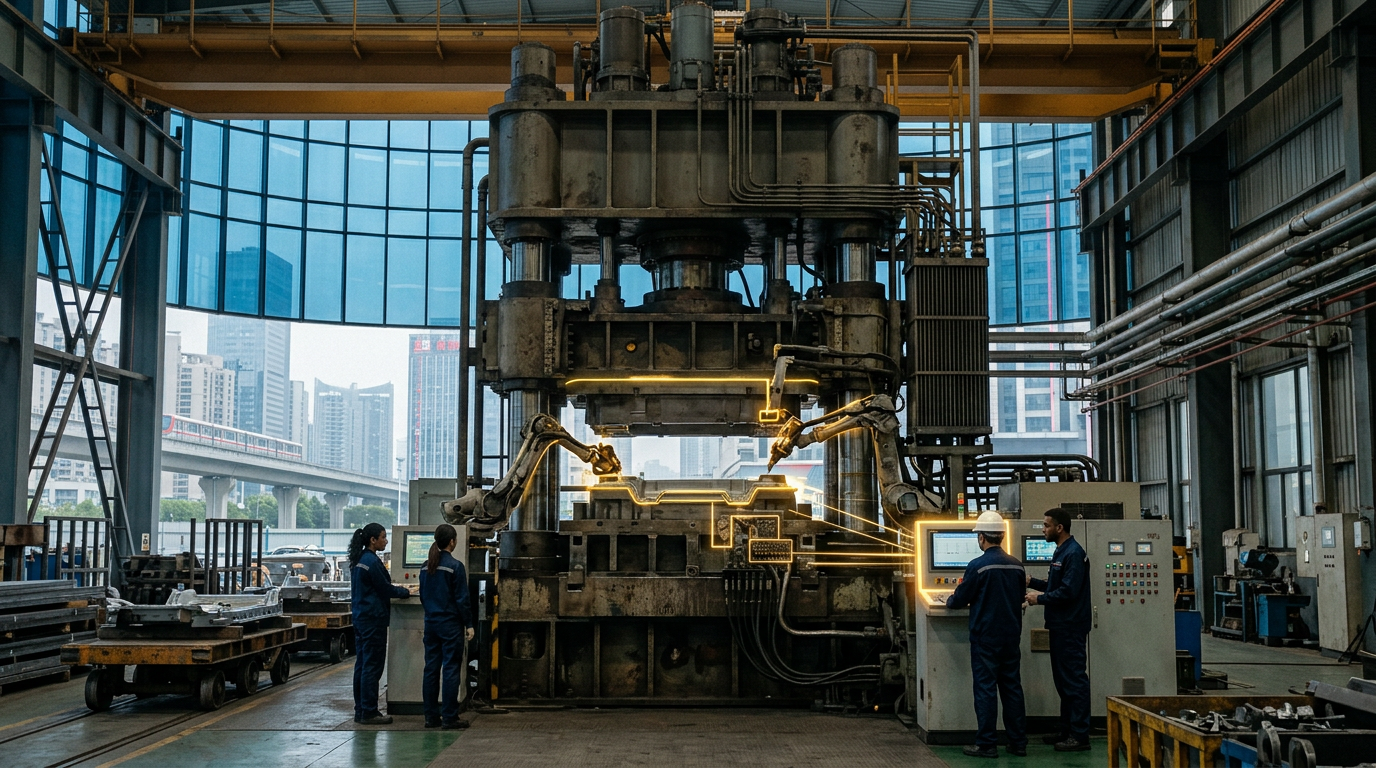
Dongfeng's 16,000-ton die casting machine — the world's largest — casts integrated EV chassis and battery trays in a single shot, nearly doubling Tesla's capability
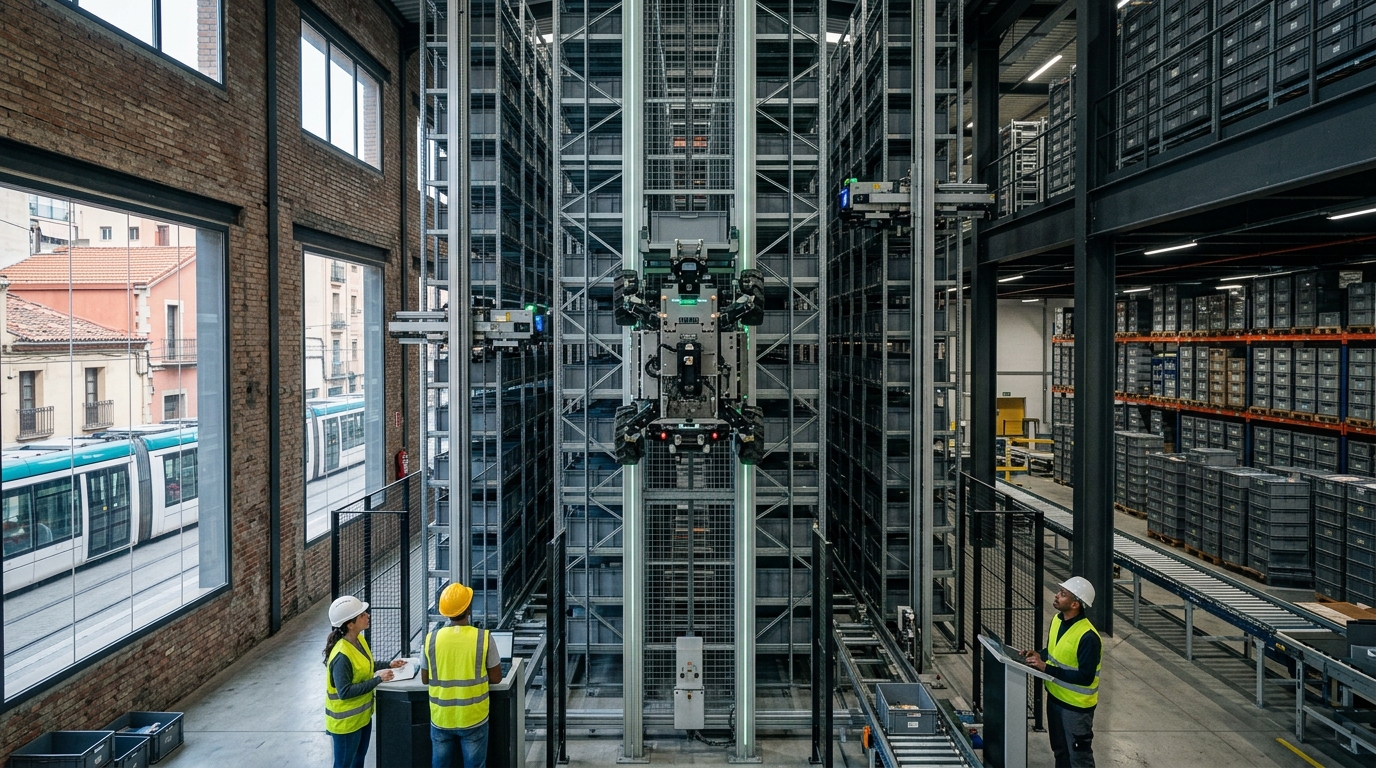
Robots that climb 40-foot warehouse walls in three dimensions — 4x faster retrieval than human workers, 80% reduction in injuries
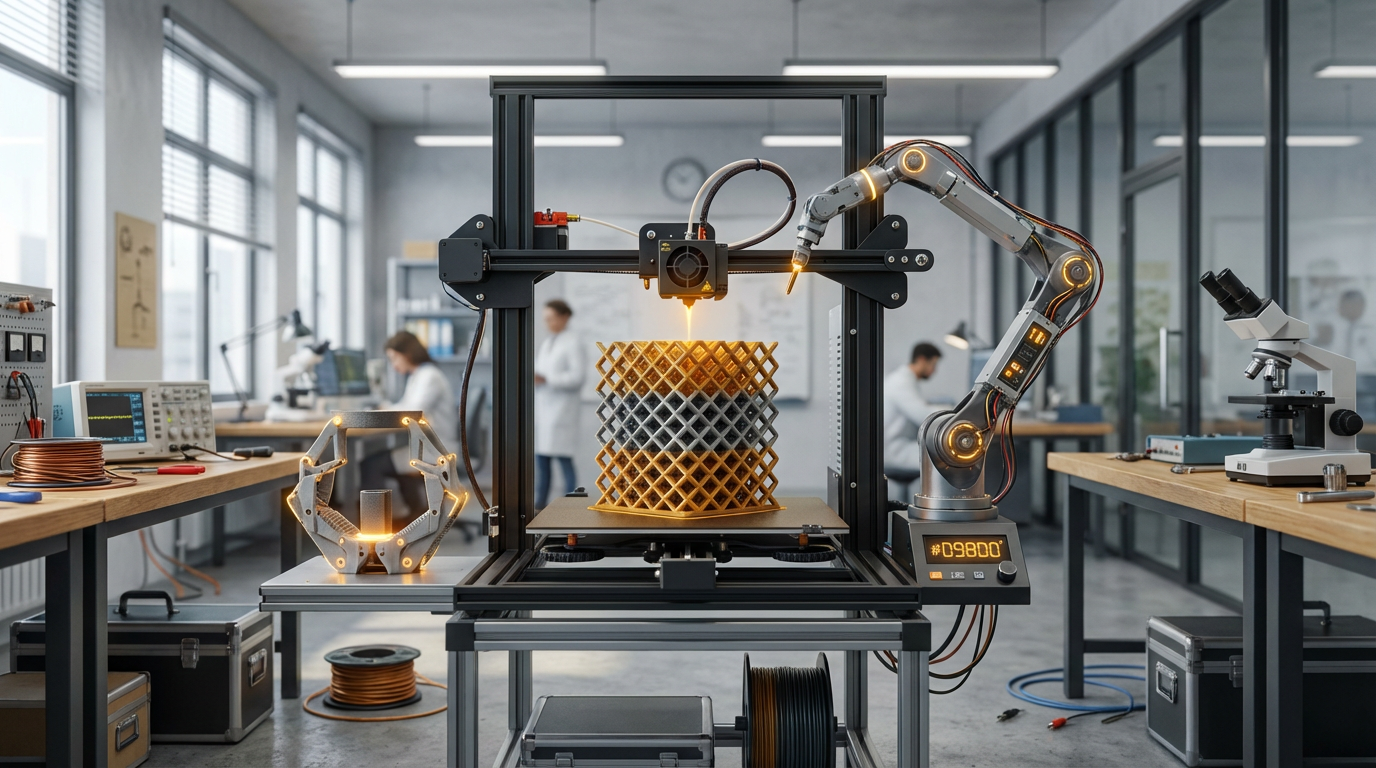
3D-printed objects that transform shape or properties when exposed to environmental triggers
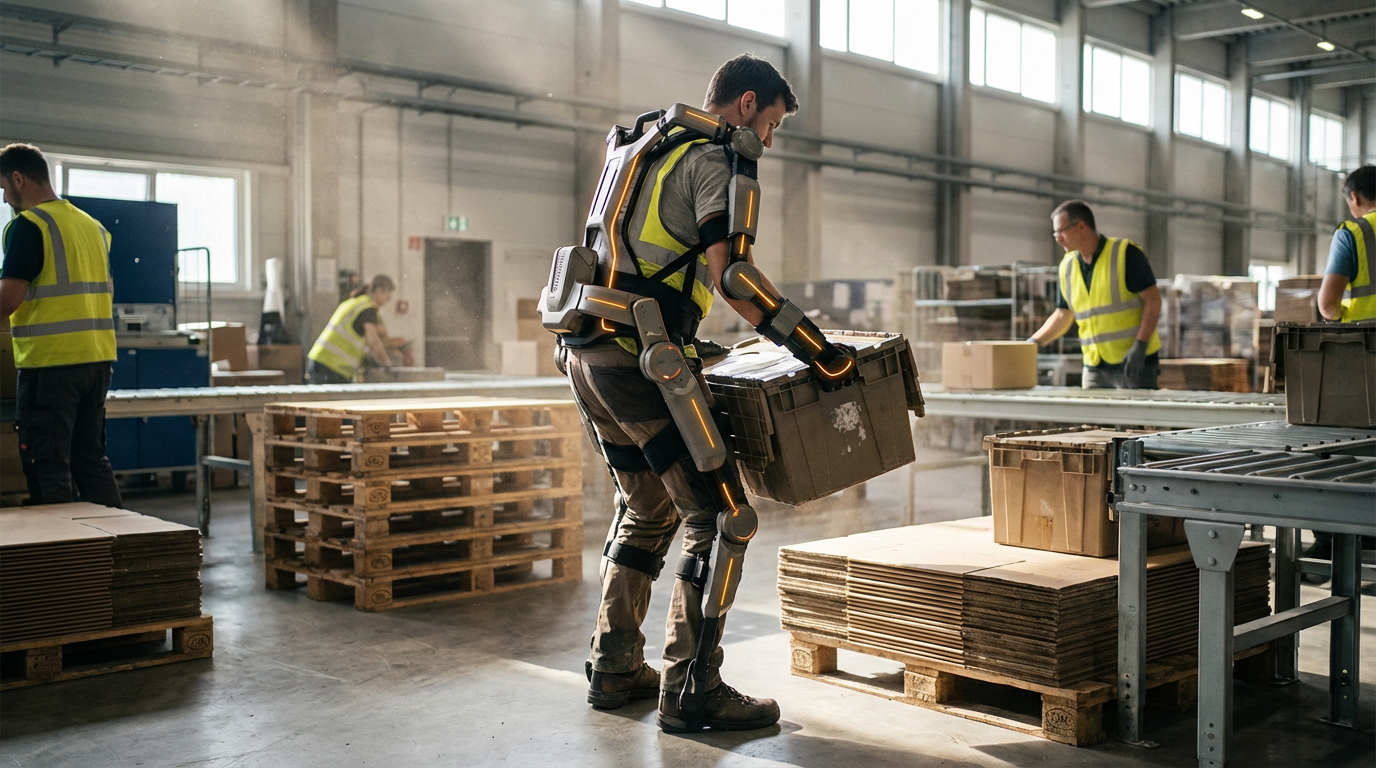
Motorized wearable robots that amplify worker strength and reduce physical strain in factories
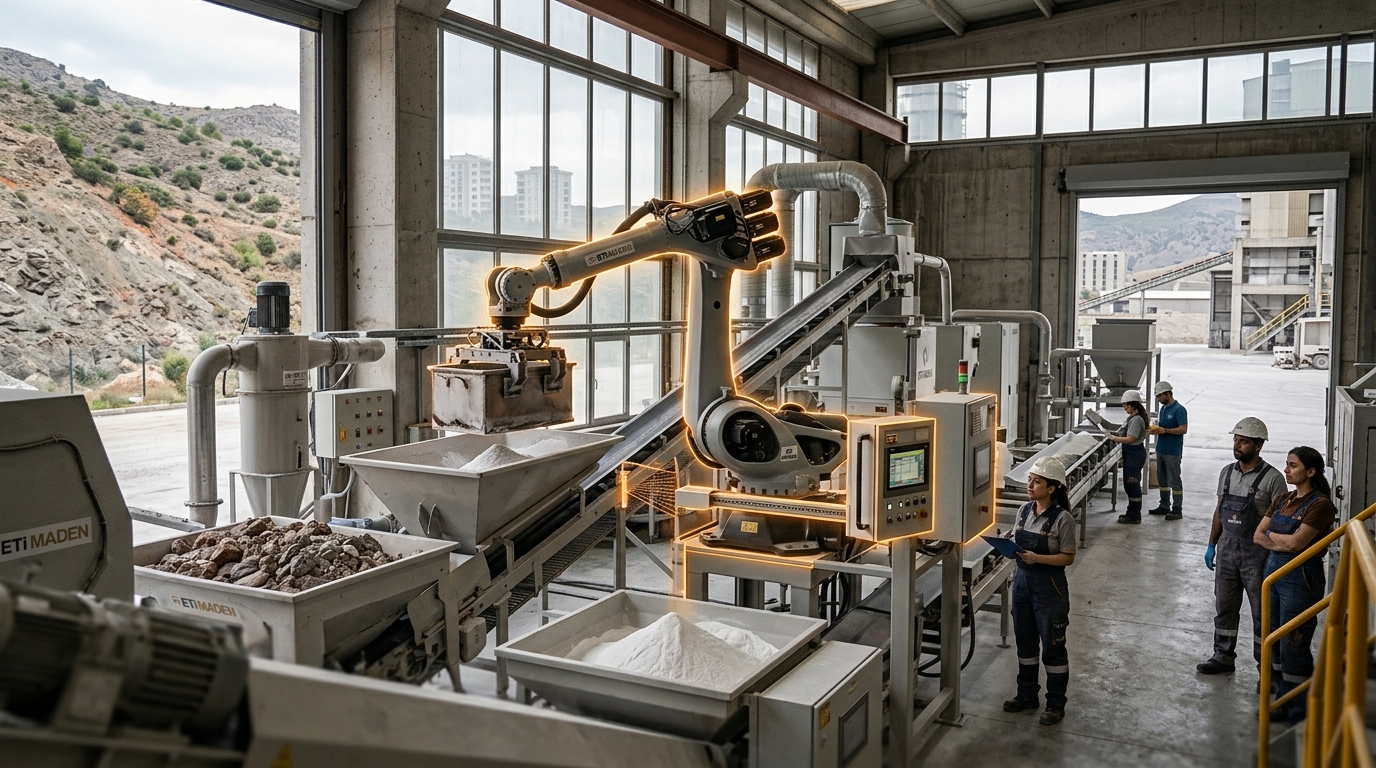
Turkey controls ~73% of global boron reserves — a critical mineral for advanced materials, energy storage, and nuclear applications — with growing investment in value-added processing.
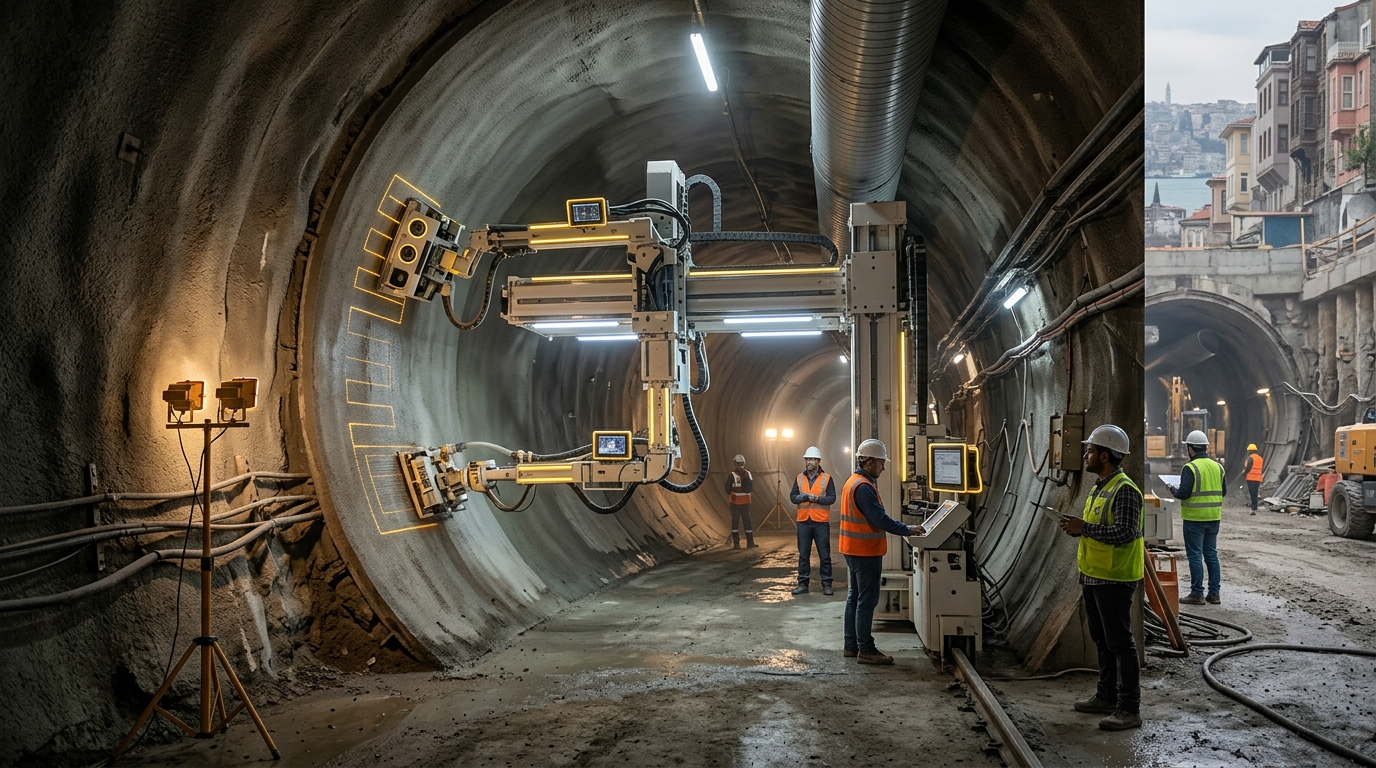
Turkey is the world's 2nd largest international contractor after China, with firms building airports, bridges, tunnels, and railways across 130+ countries using advanced construction tech.

Thailand produces 35% of global natural rubber, developing specialty grades for EV tires (low rolling resistance), medical devices, and performance composites to move beyond commodity exports.
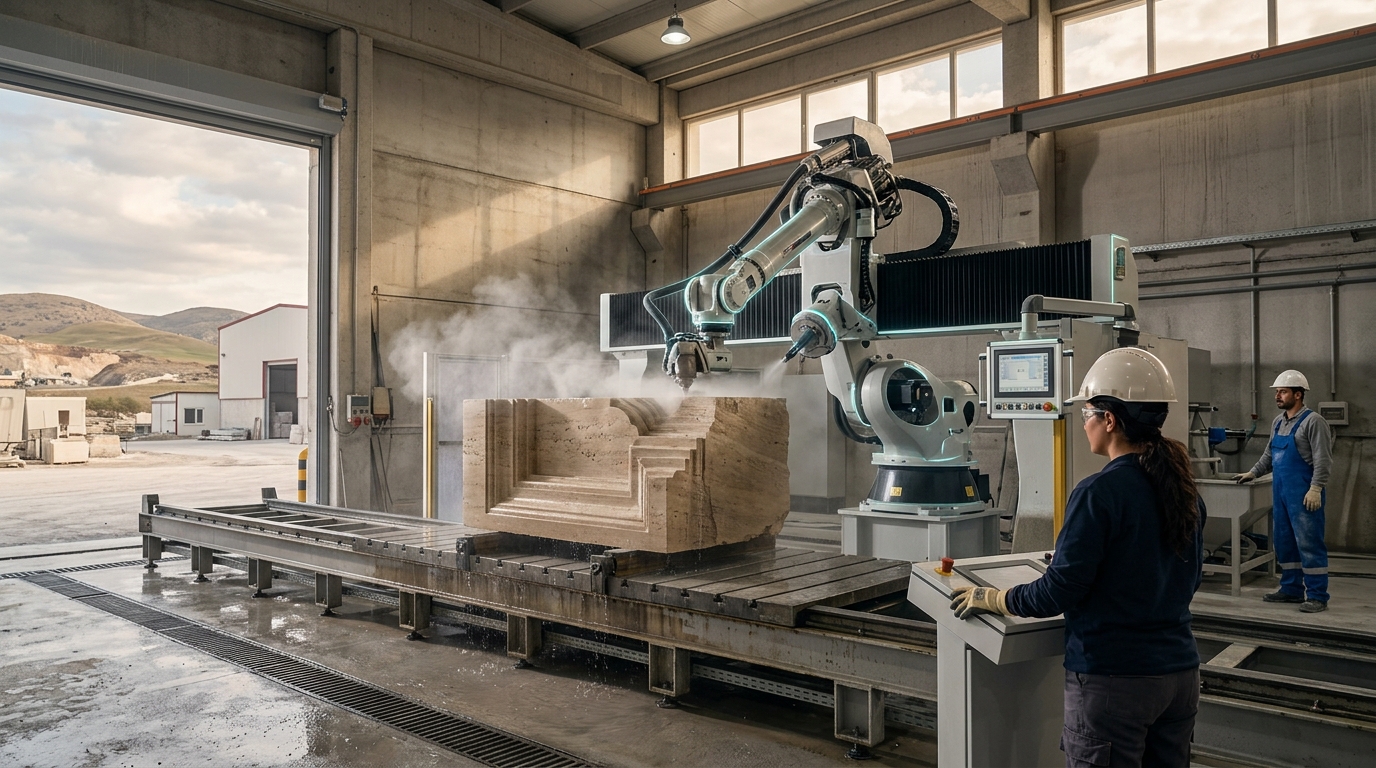
Turkey holds 40% of global natural stone reserves and 42% market share in processed marble, with 2,500+ CNC-equipped factories exporting $1.9B to 172 countries.
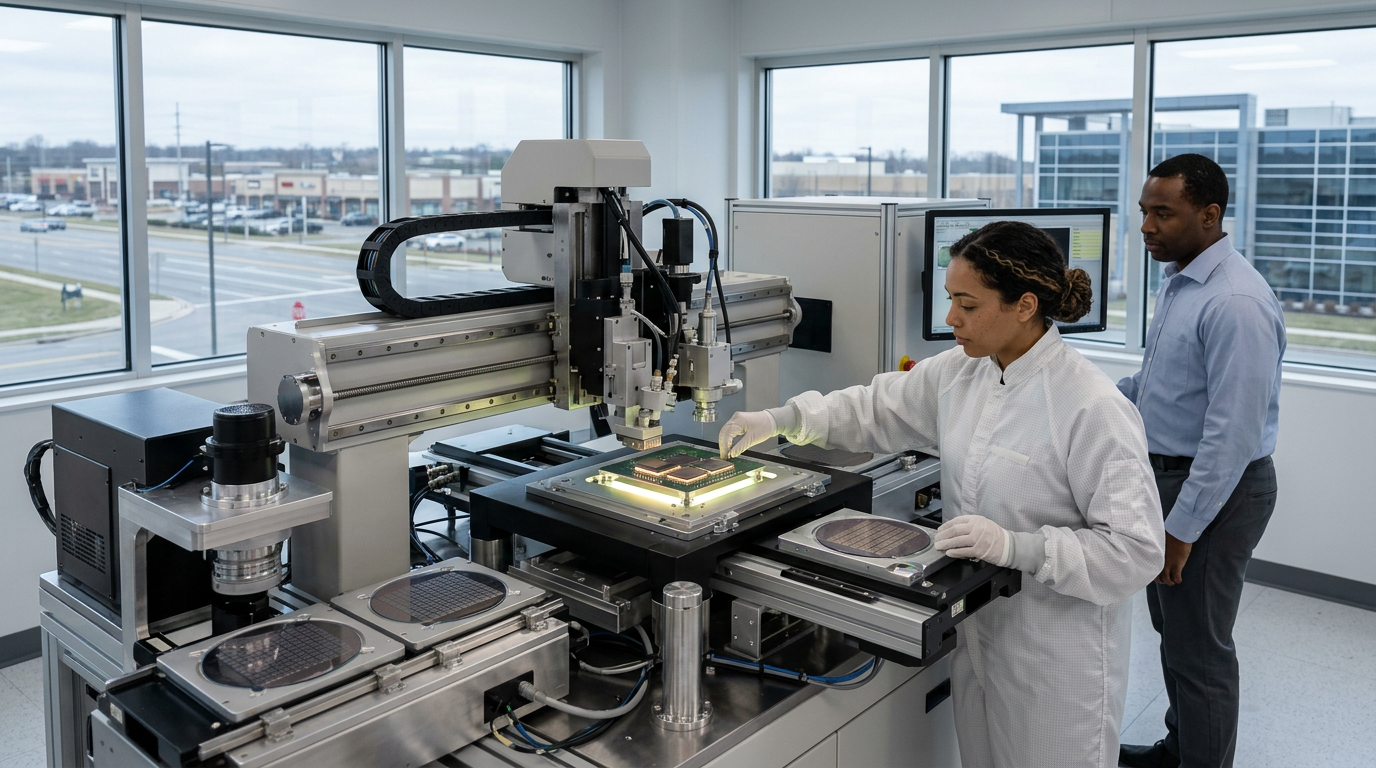
TSMC's CoWoS and Intel's Foveros 3D packaging technologies stack chiplets and high-bandwidth memory into integrated packages, becoming the key bottleneck in AI chip supply — CHIPS Act funds dedicated US packaging facilities.
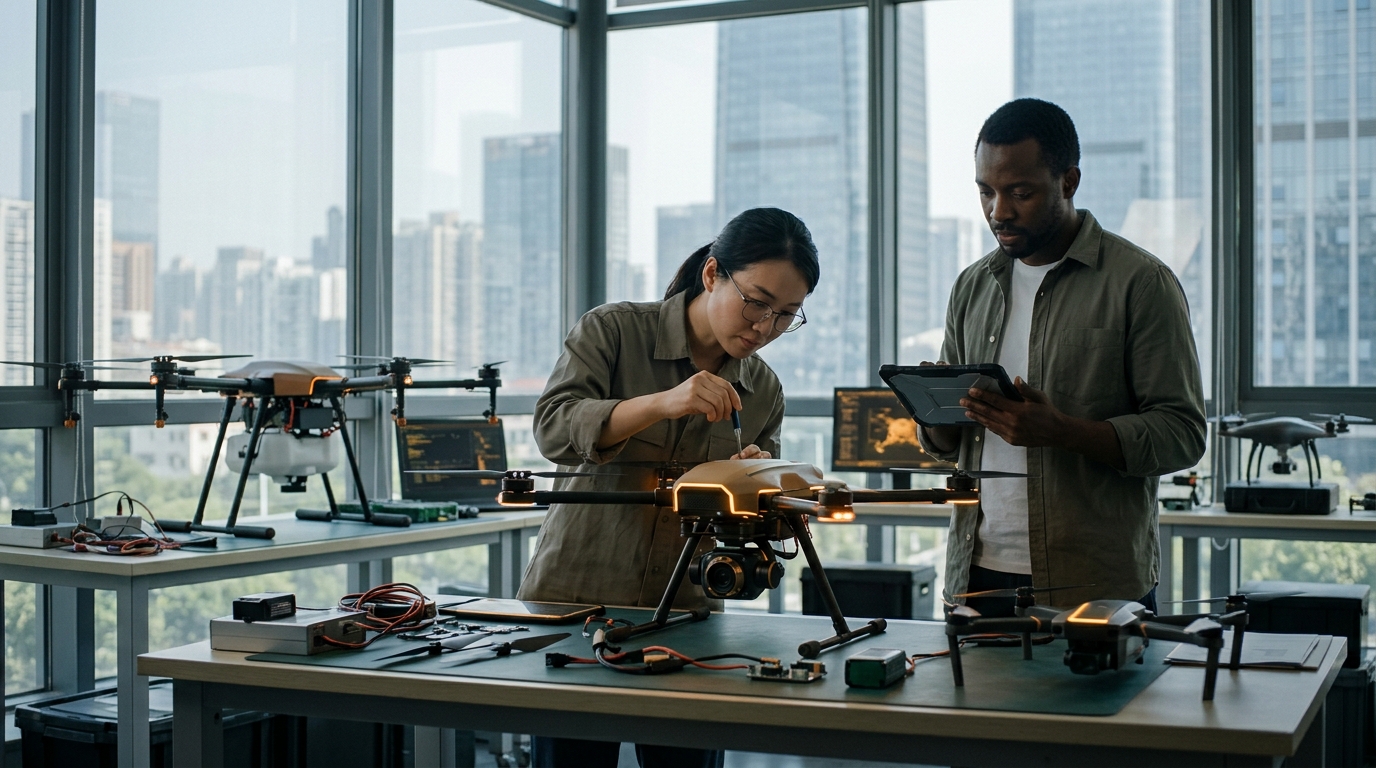
DJI controls 83% of the global drone market and China dominates 80% of the supply chain, from sensors to flight controllers
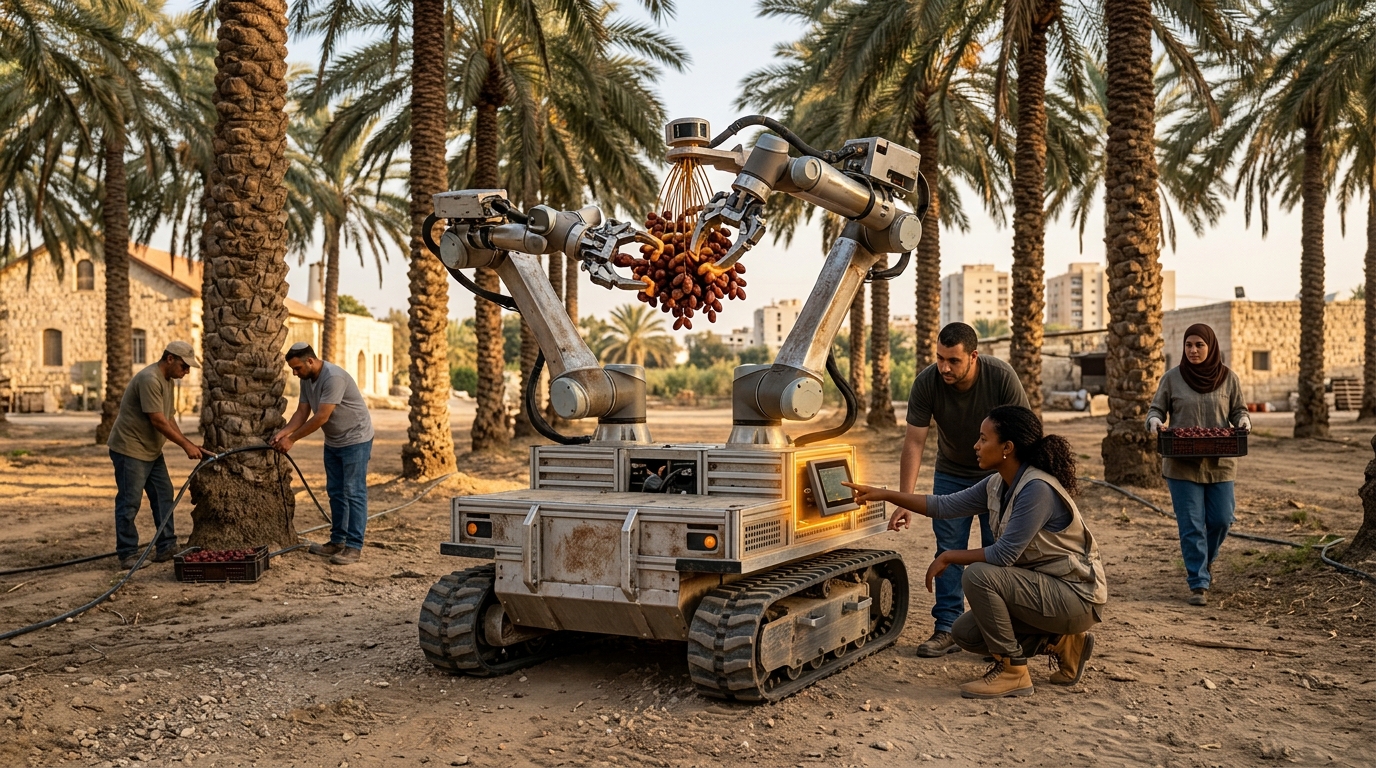
Israeli agri-robotics spans autonomous fruit-picking robots, AI-controlled greenhouse systems, and drone-based crop monitoring platforms adapted for labor-scarce desert farming.
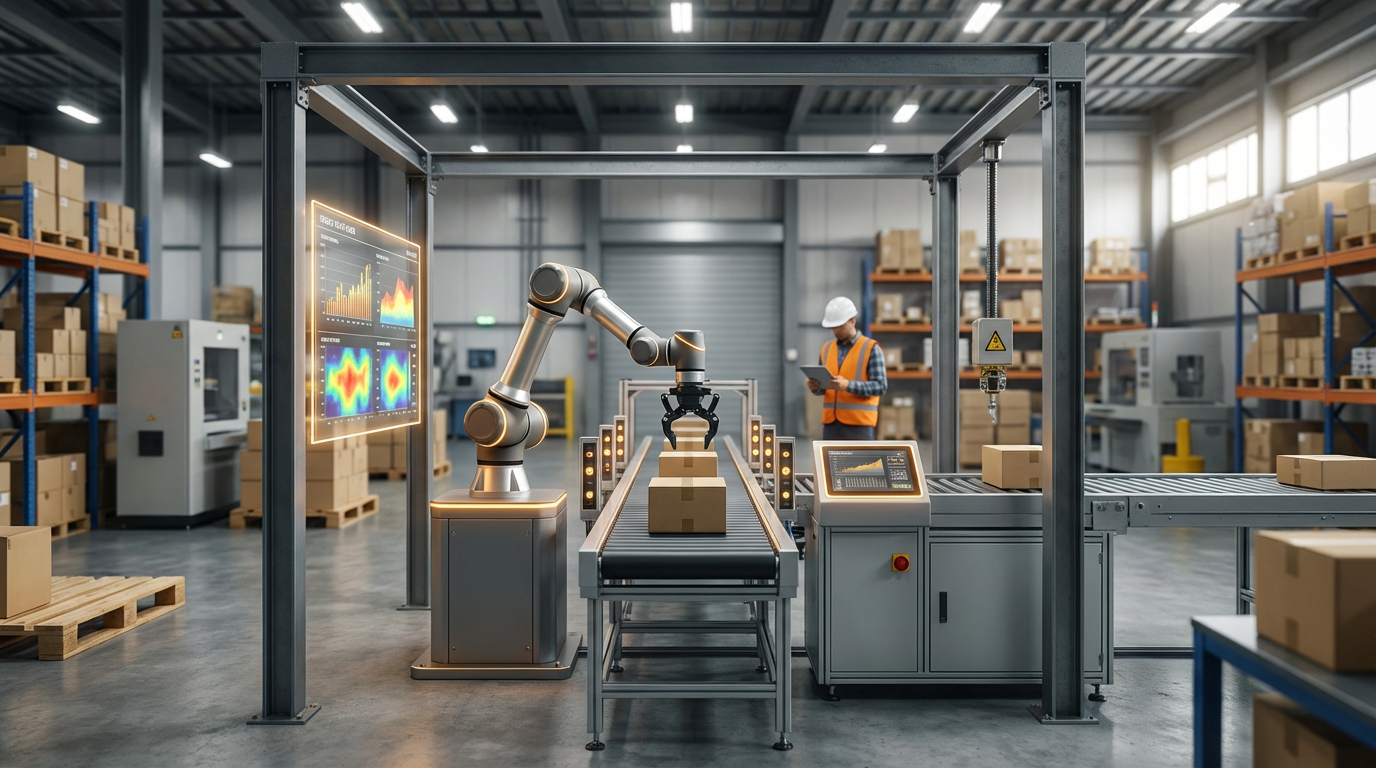
Real-time demand forecasting using external signals and adaptive planning algorithms
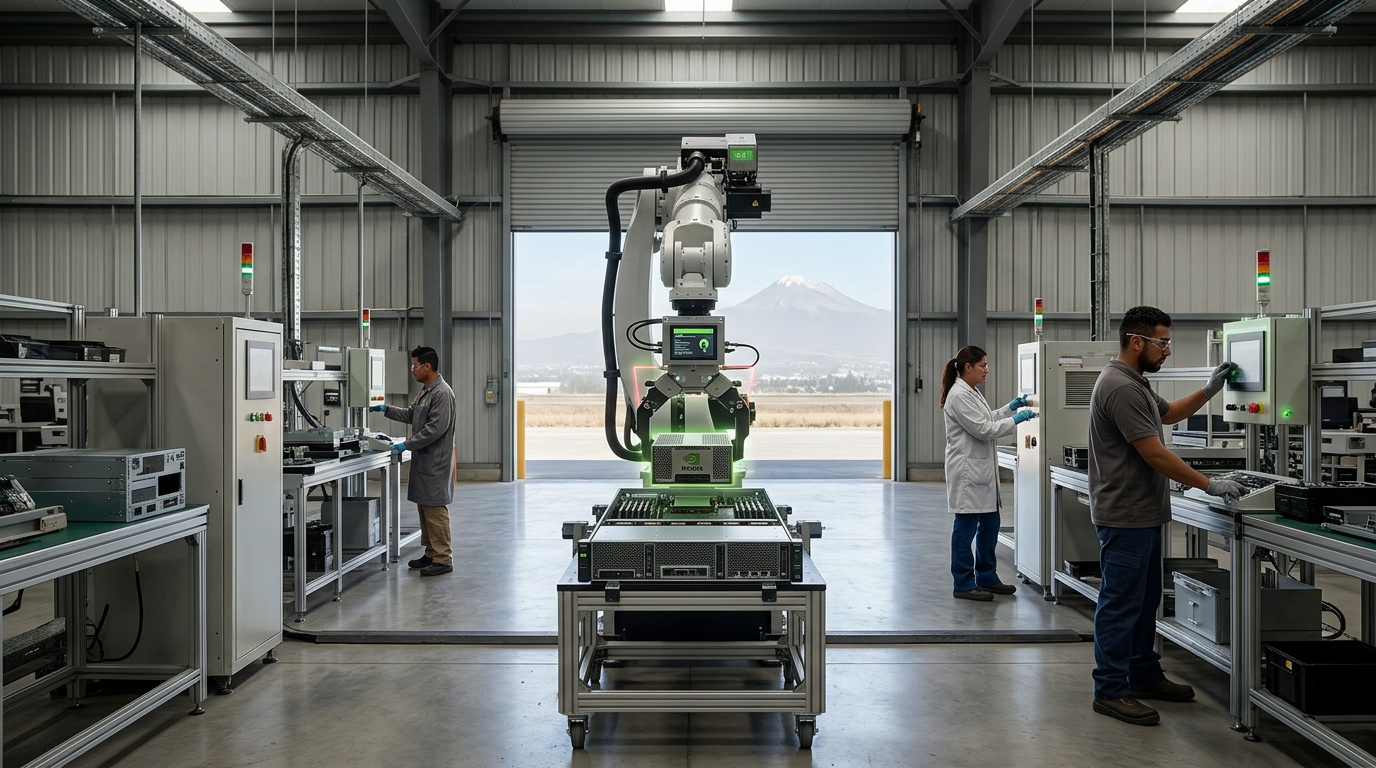
Foxconn's $690M Mexico investment includes Nvidia-partnered AI server assembly, positioning the country as a nearshore node for US AI compute infrastructure.
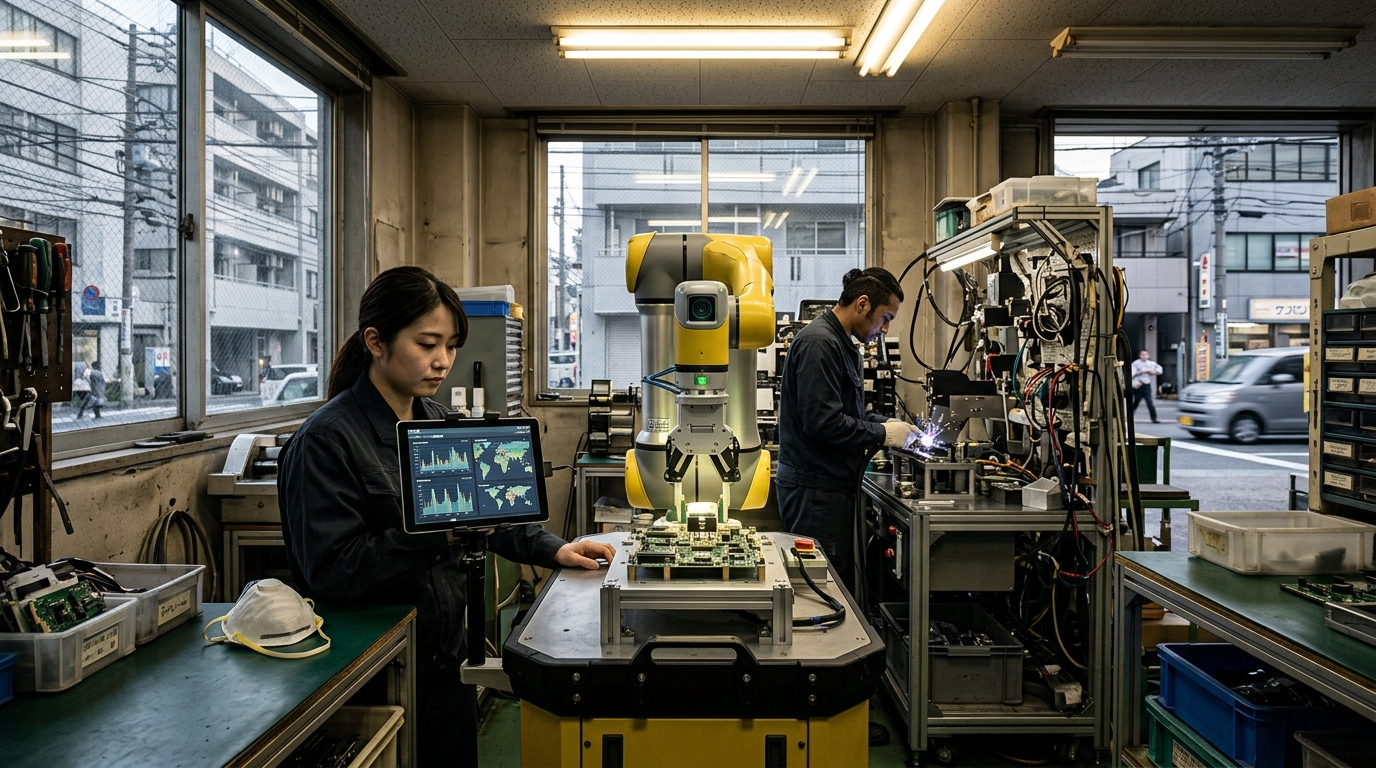
Yaskawa-SoftBank partnership and Fanuc AI integration are bringing AI-native collaborative robots to Japanese offices and factories by 2026.
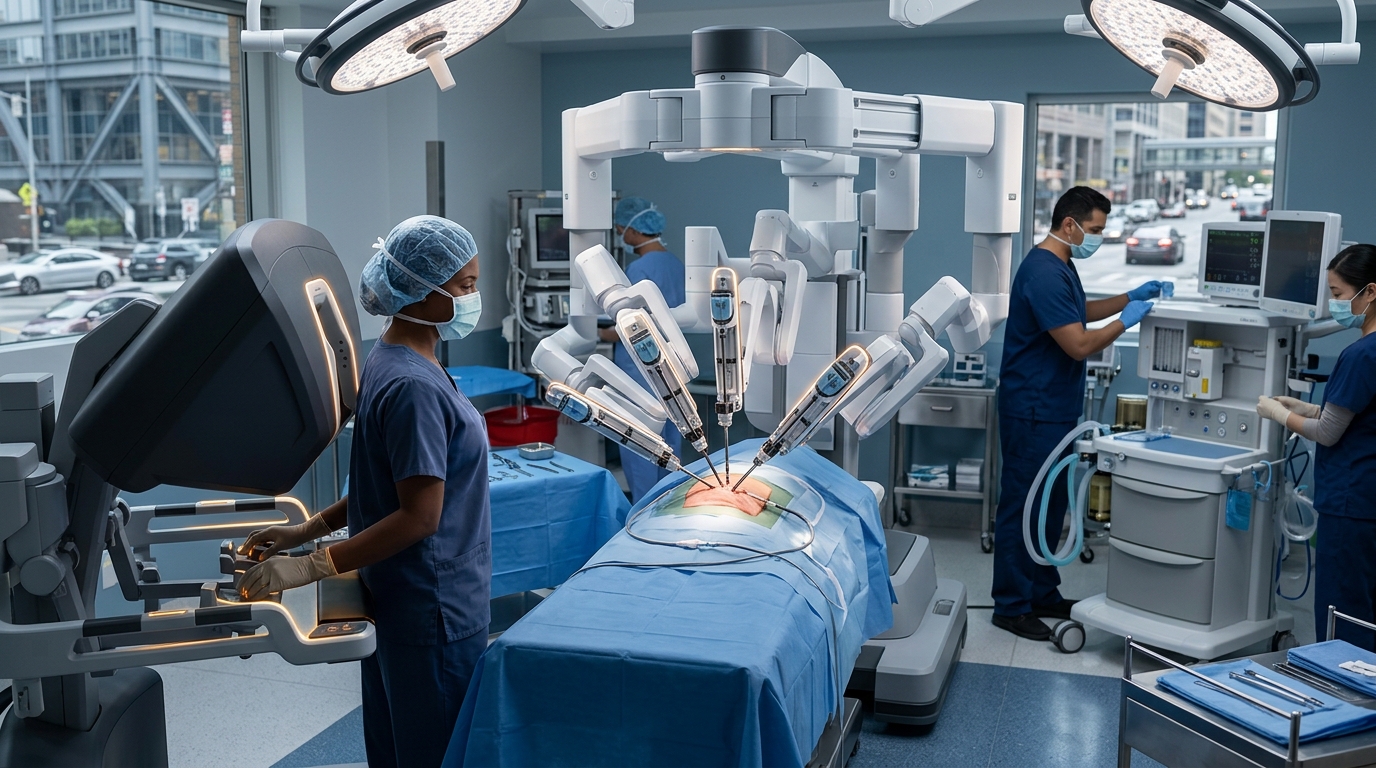
Intuitive Surgical's da Vinci 5 integrates AI-powered force feedback and real-time tissue analysis, while startups like Vicarious Surgical develop miniaturized single-incision robotic systems for outpatient procedures.
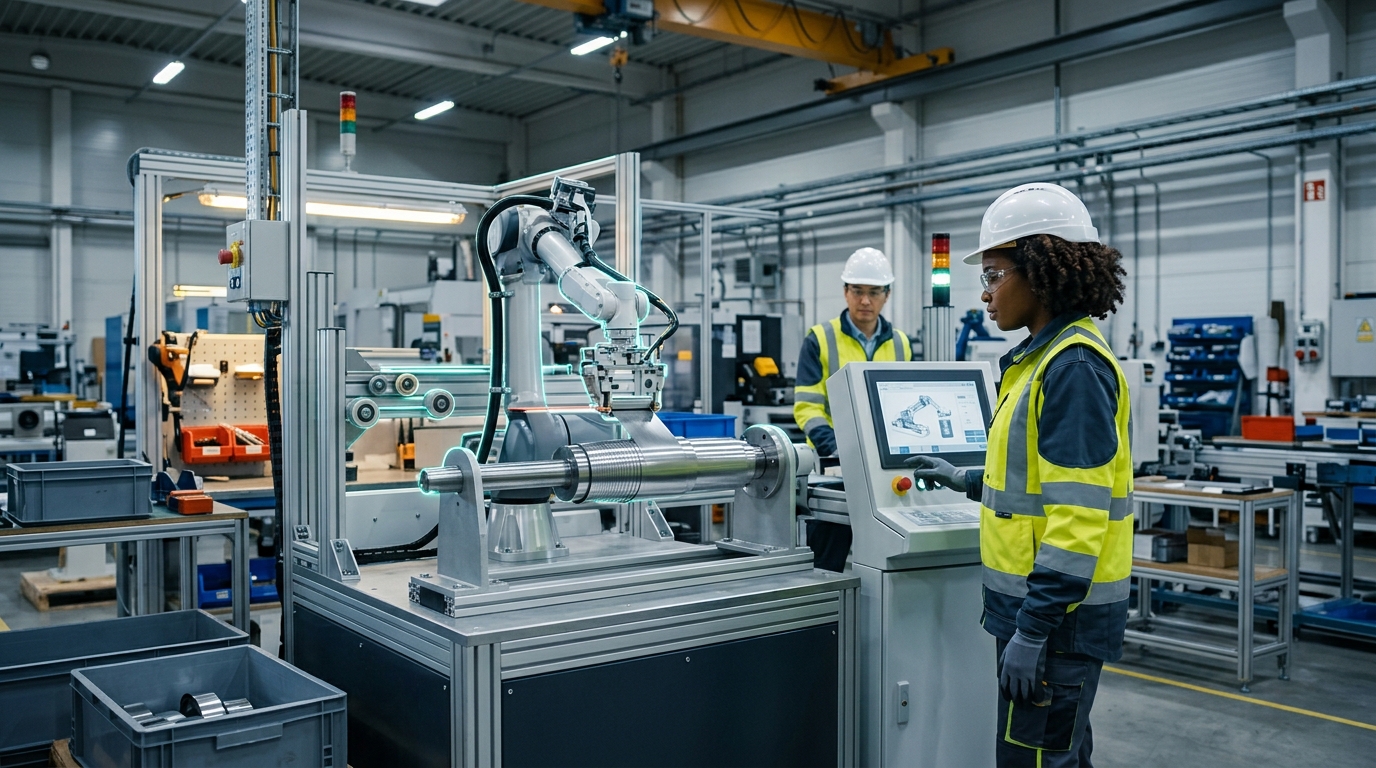
Non-crystalline metal alloys with high strength and low energy loss for transformers and specialized parts

Building materials and components by positioning individual atoms with nanometer precision
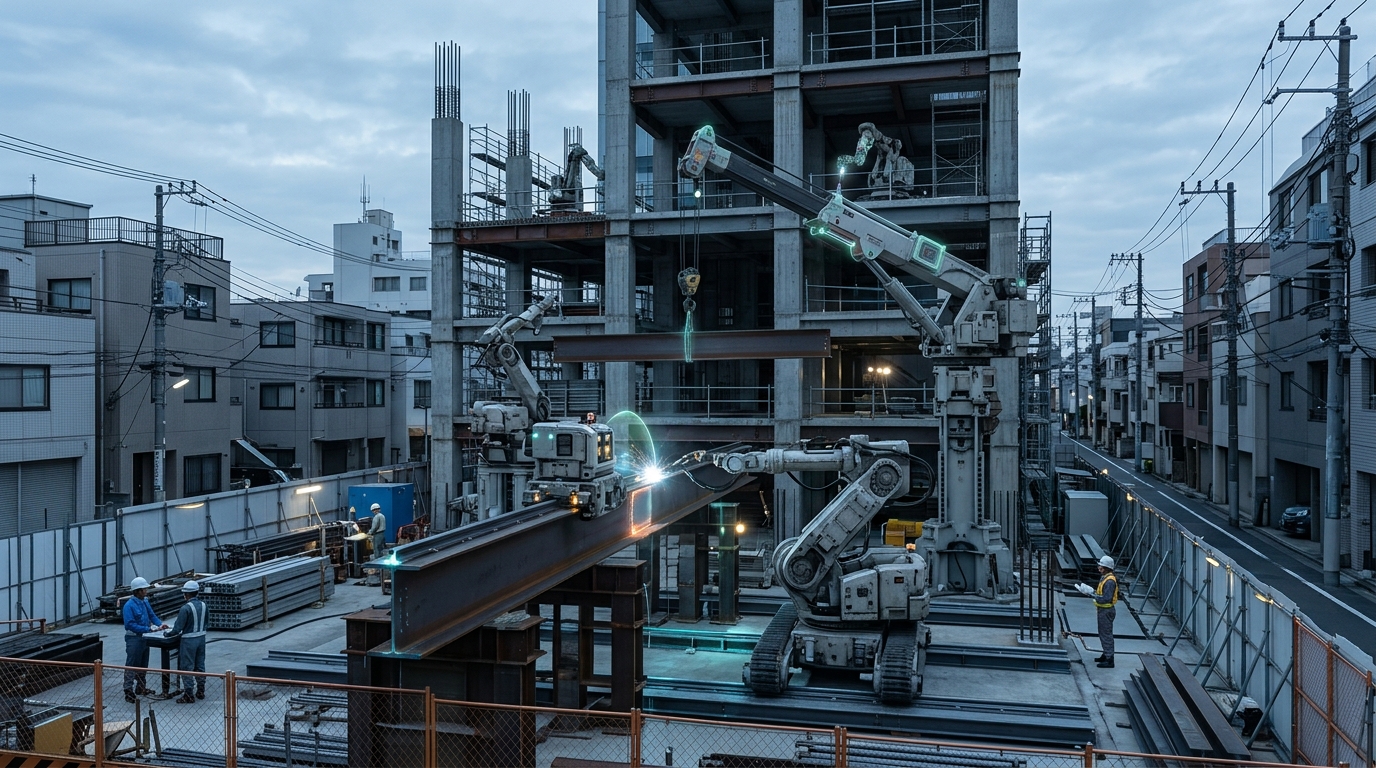
Shimizu, Obayashi, Kajima, and Takenaka are deploying robotic welders, autonomous cranes, and AI-coordinated construction systems — building entire dams and skyscrapers with minimal human labor.
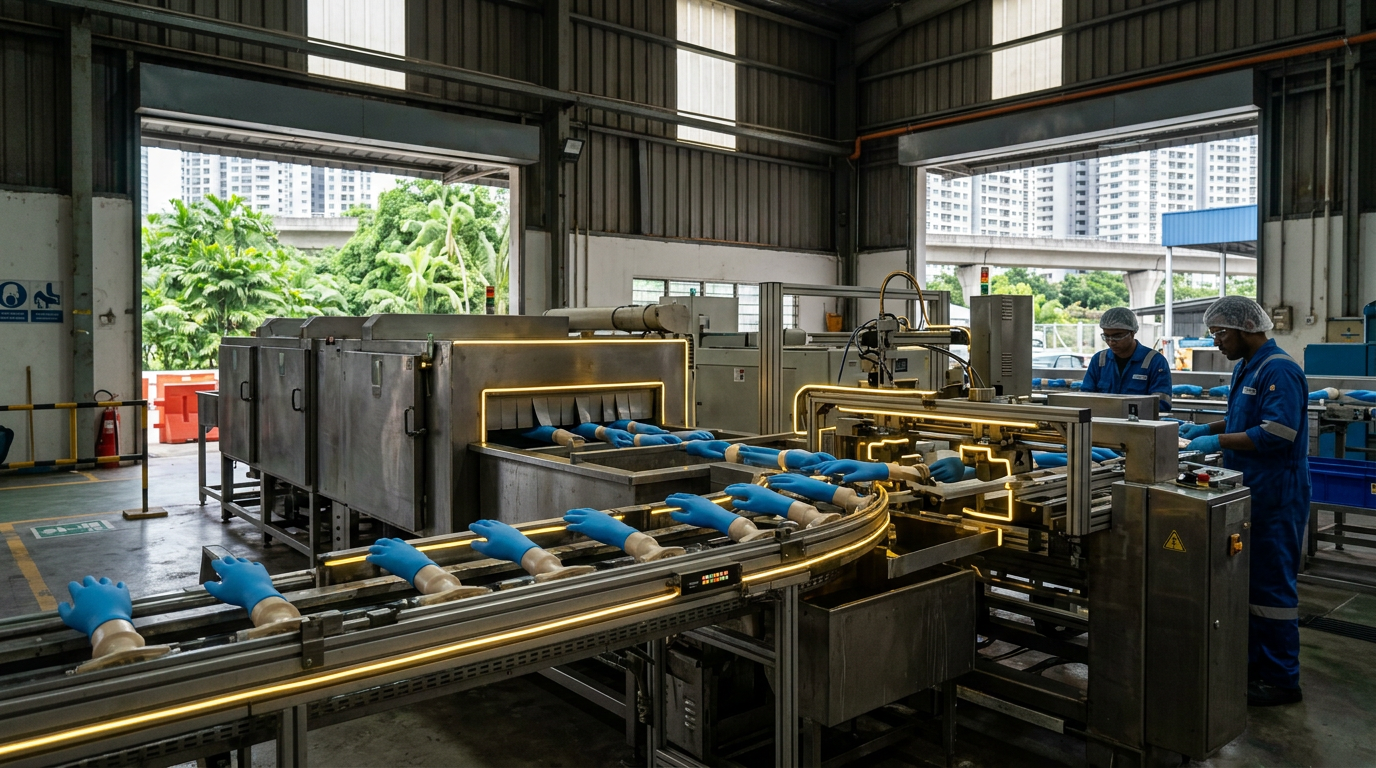
Malaysia produces 65% of the world's rubber gloves, with post-COVID automation reducing labor dependence by 30% while maintaining capacity at 200+ billion pieces annually.
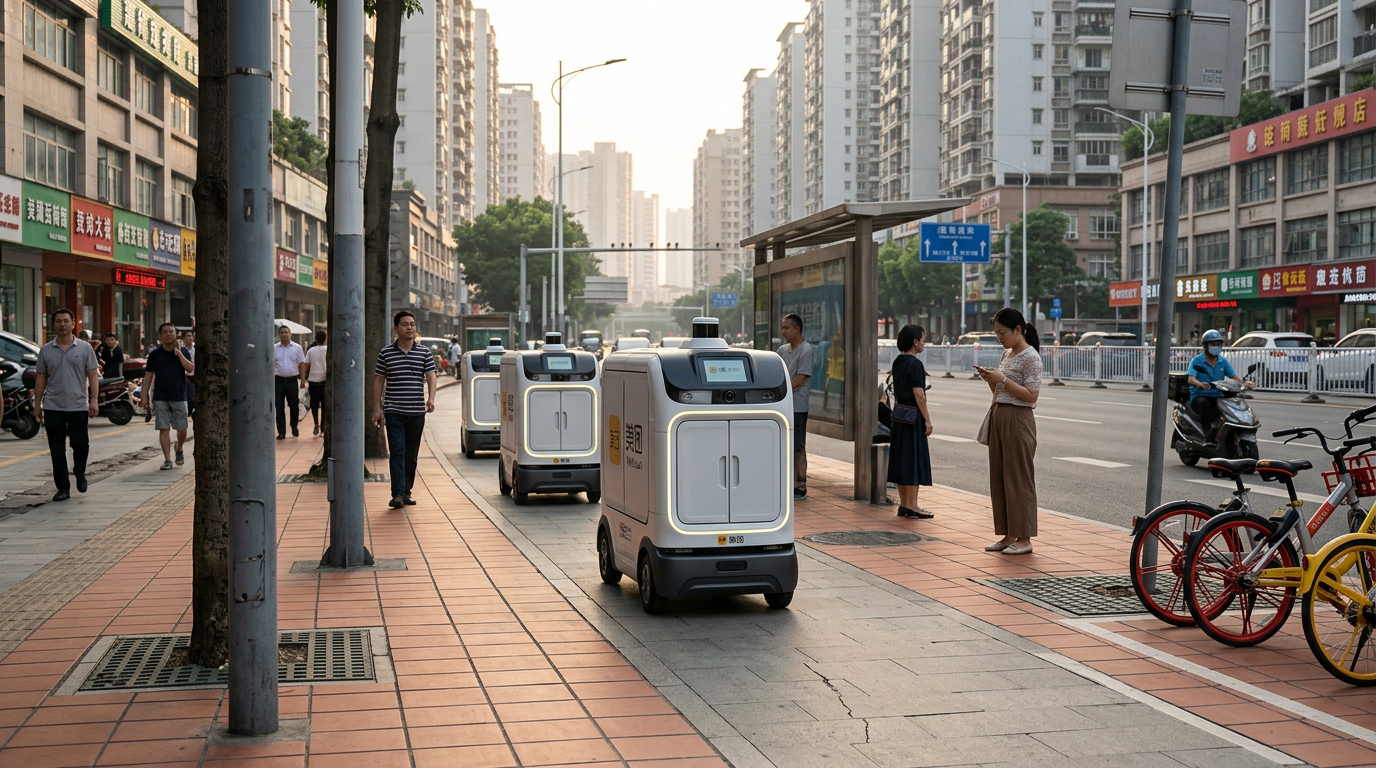
Over 6,000 autonomous delivery vehicles operate across 100+ Chinese cities, with Meituan's fleet completing 100,000+ orders before national guidelines even existed

AI systems that dynamically coordinate machines, workers, and materials across manufacturing facilities
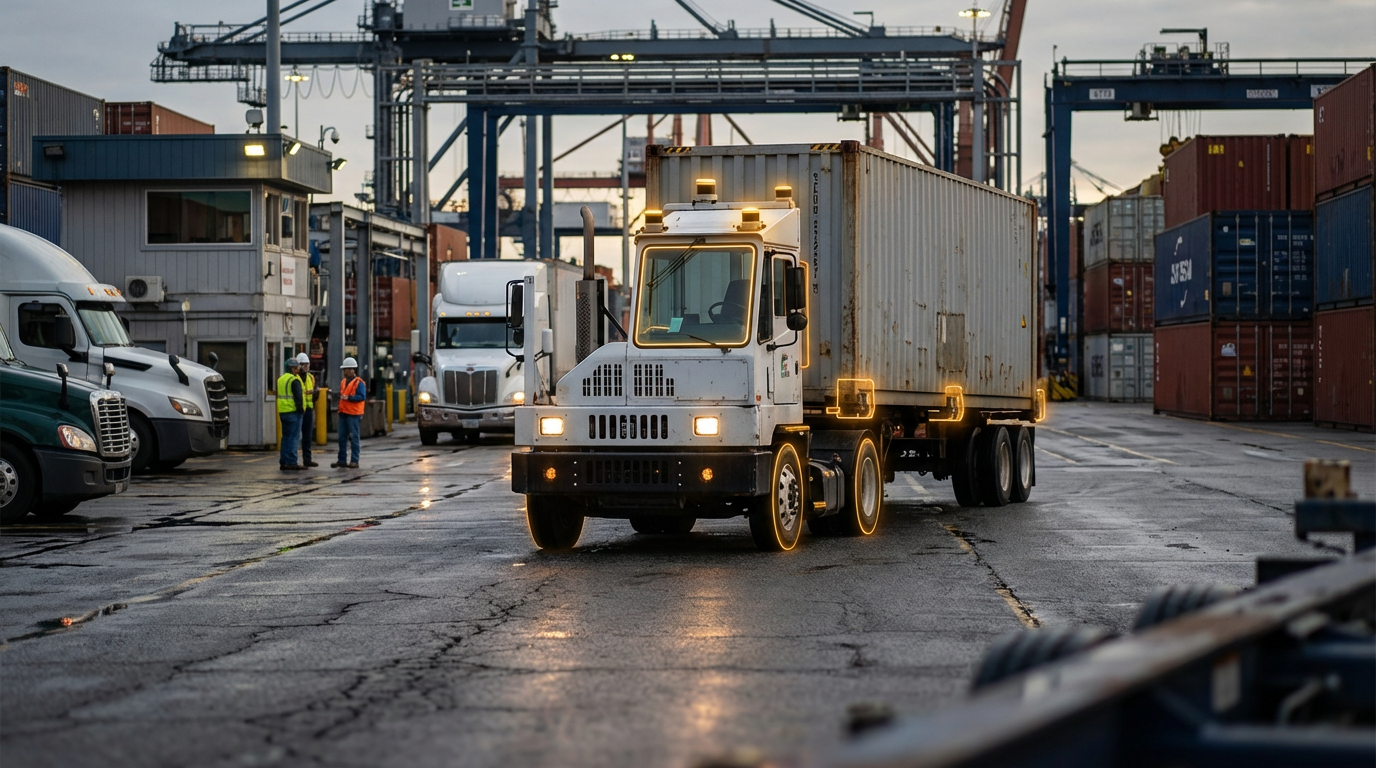
Self-driving trucks and yard vehicles that coordinate material flow across warehouses, ports, and distribution centers
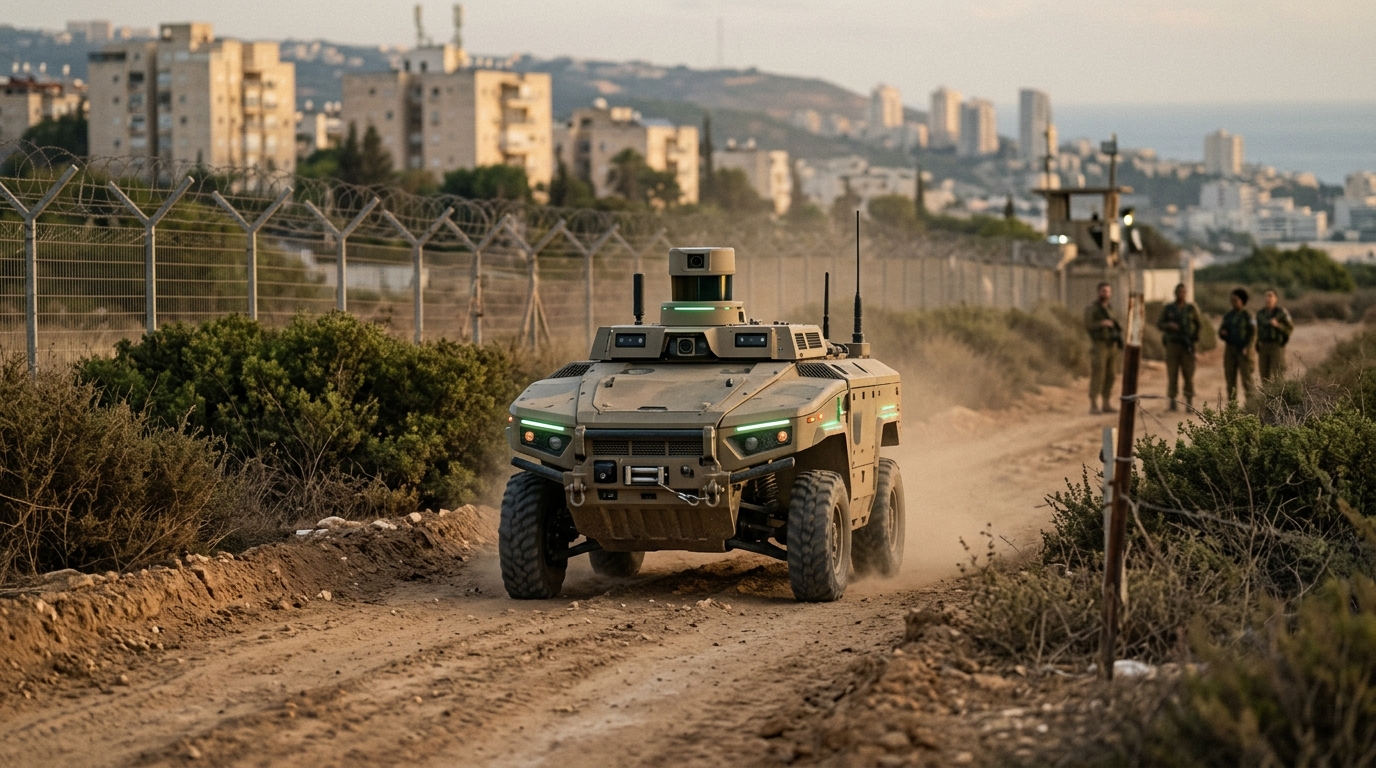
Israel deploys autonomous ground vehicles for border patrol, perimeter security, and logistics, with systems like the Guardium UGV operational along the Gaza border since 2008.
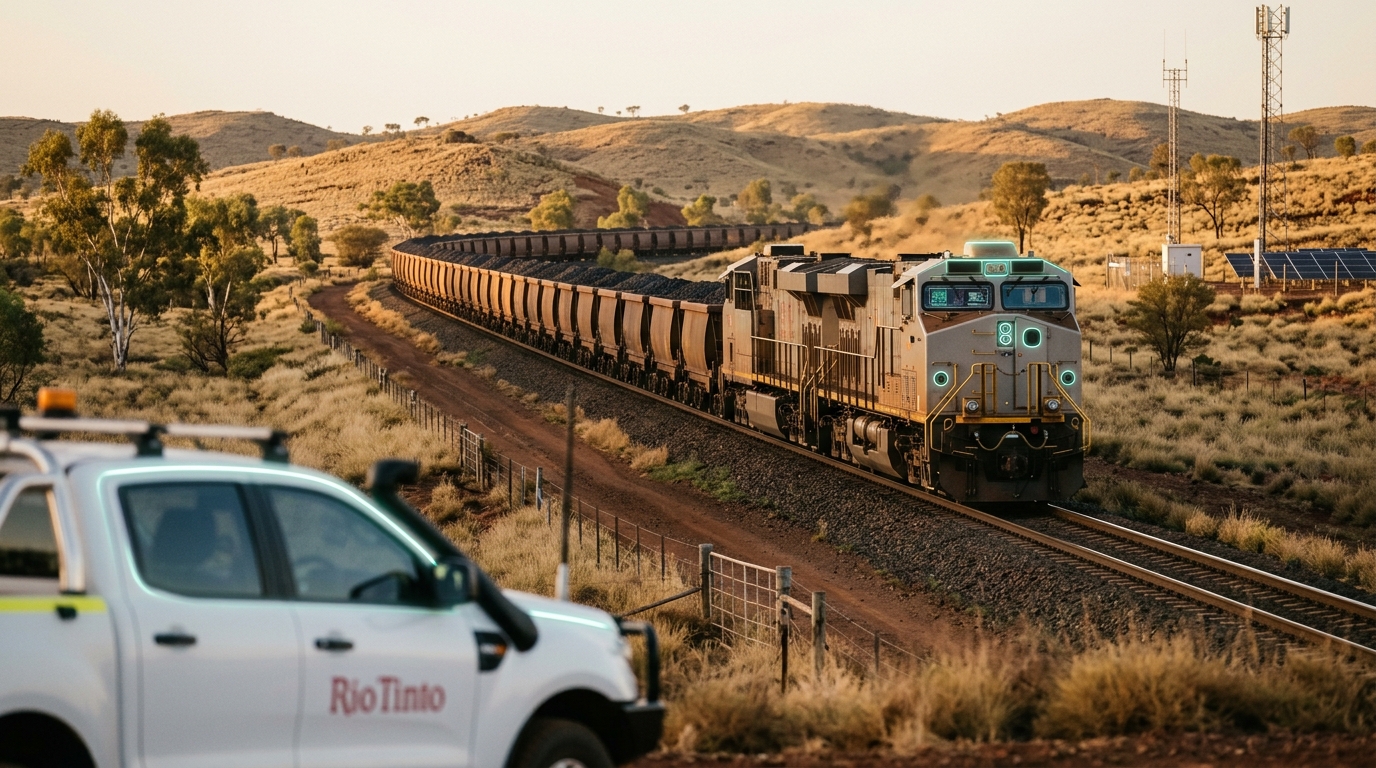
Rio Tinto operates the world's first fully autonomous heavy-haul railway in the Pilbara — 2.4km-long trains carrying 28,000 tonnes of iron ore across 1,700km of track with no drivers.
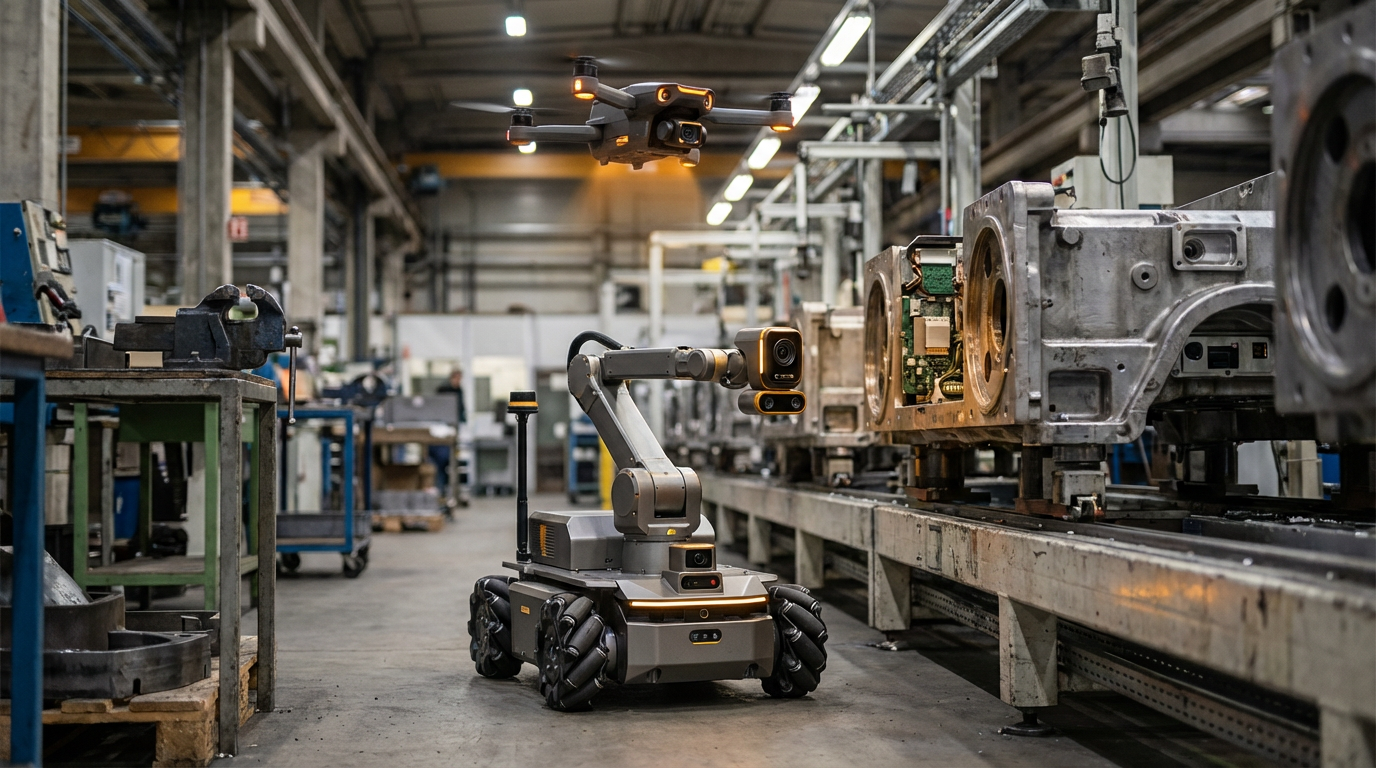
Mobile robots and drones that monitor industrial facilities and equipment autonomously
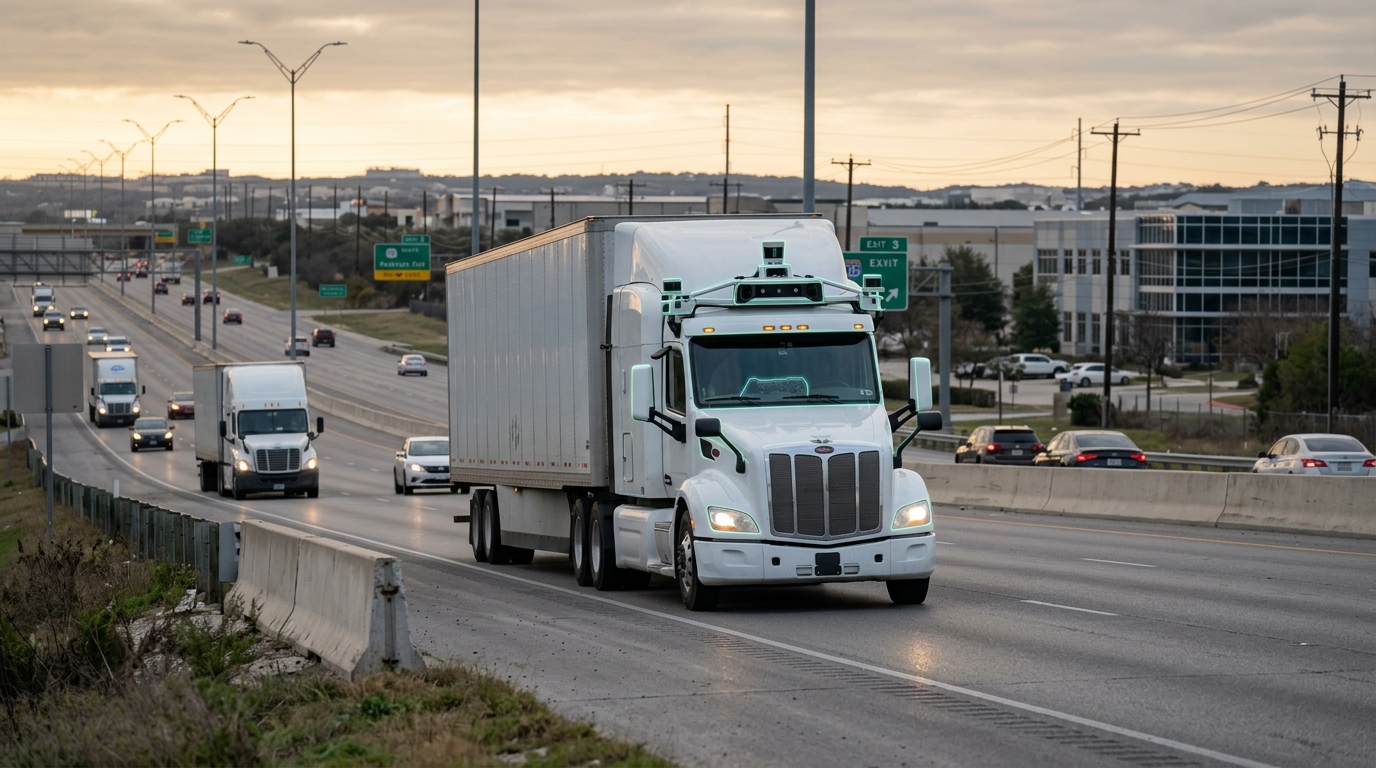
Aurora Innovation launched commercial driverless trucking on Texas highways in 2024, and Kodiak Robotics is deploying autonomous trucks for the US Army, addressing a 78,000-driver shortage in US freight.
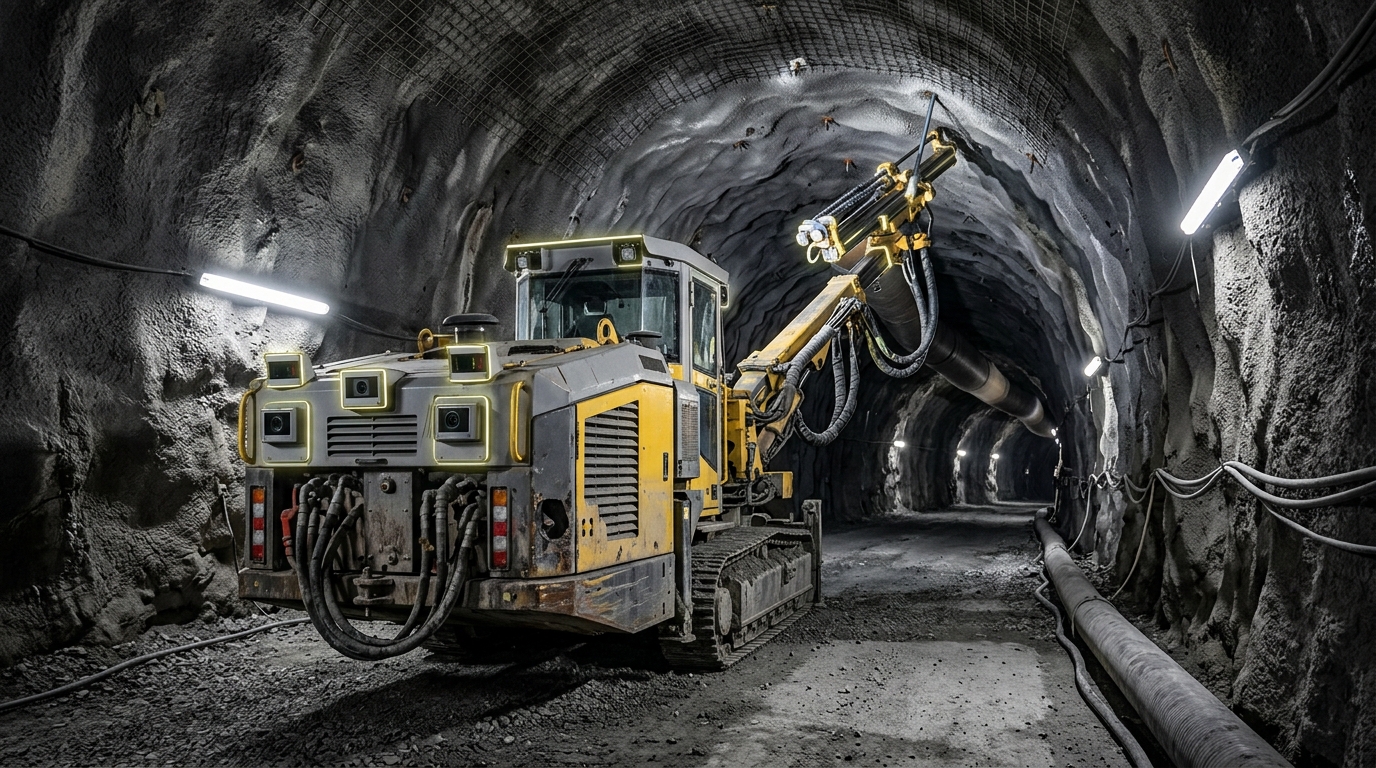
Sensmore building autonomous mining machines that operate in underground environments without GPS, connectivity, or human presence
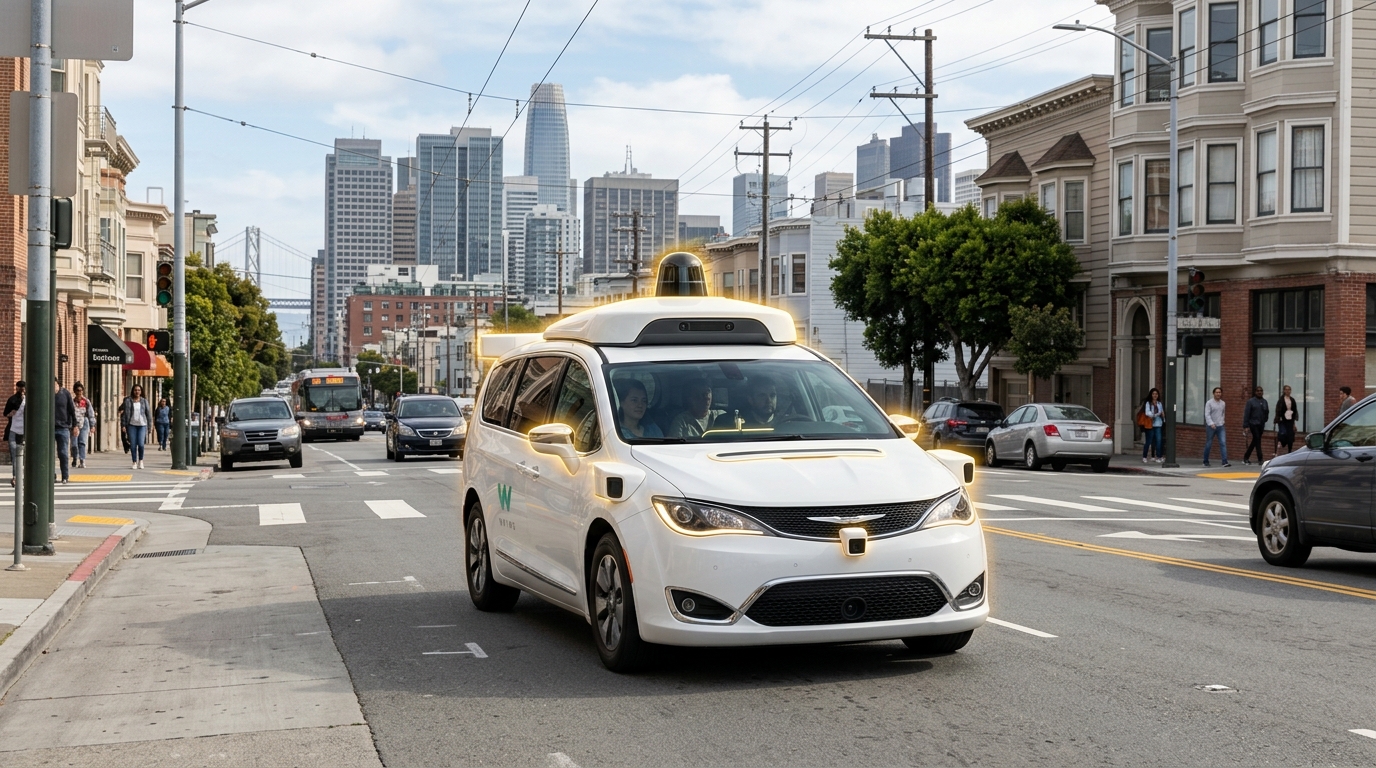
Waymo operates fully driverless ride-hailing in San Francisco, Phoenix, Los Angeles, and Austin, completing over 150,000 paid trips per week with zero safety drivers — the first commercially viable autonomous vehicle service.
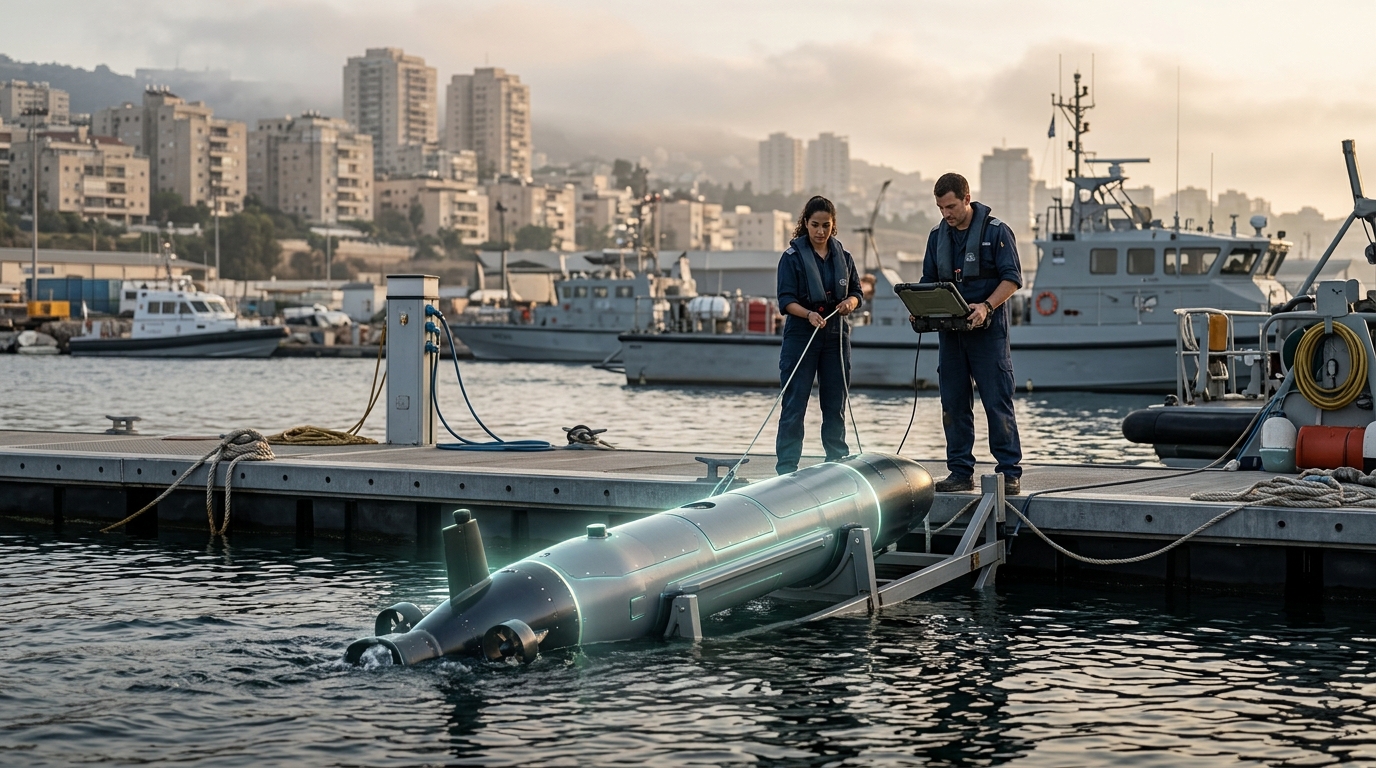
Israeli AUV systems from Elbit and Rafael perform mine countermeasures, port security, and underwater infrastructure inspection for naval forces worldwide.

Canada's harsh winter conditions and regulatory framework have made it a global hub for autonomous vehicle cold-weather testing, with dedicated facilities in Ontario and strategic partnerships with OEMs.
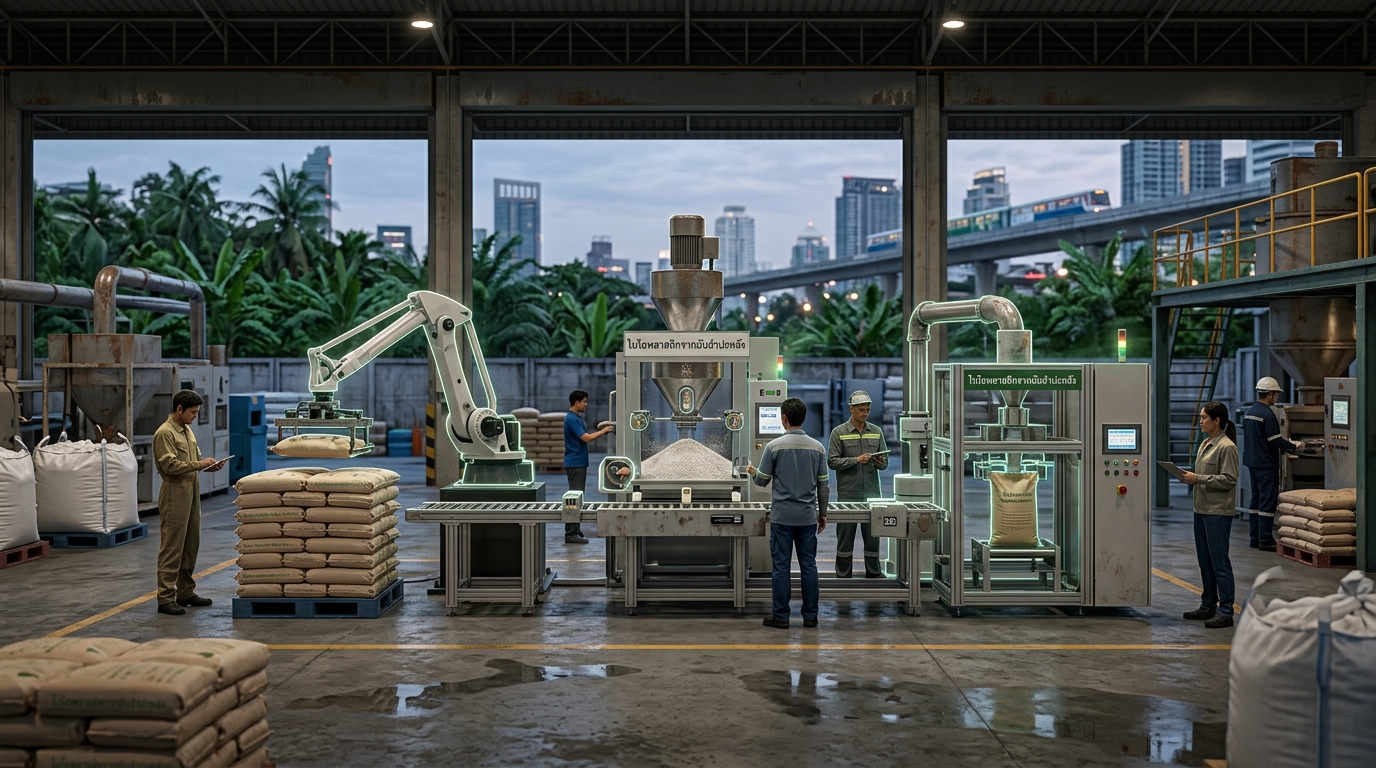
Thailand is Asia's largest producer of bio-based plastics using cassava and sugarcane feedstocks, with NatureWorks and PTT MCC producing PLA and bio-PBS at industrial scale.
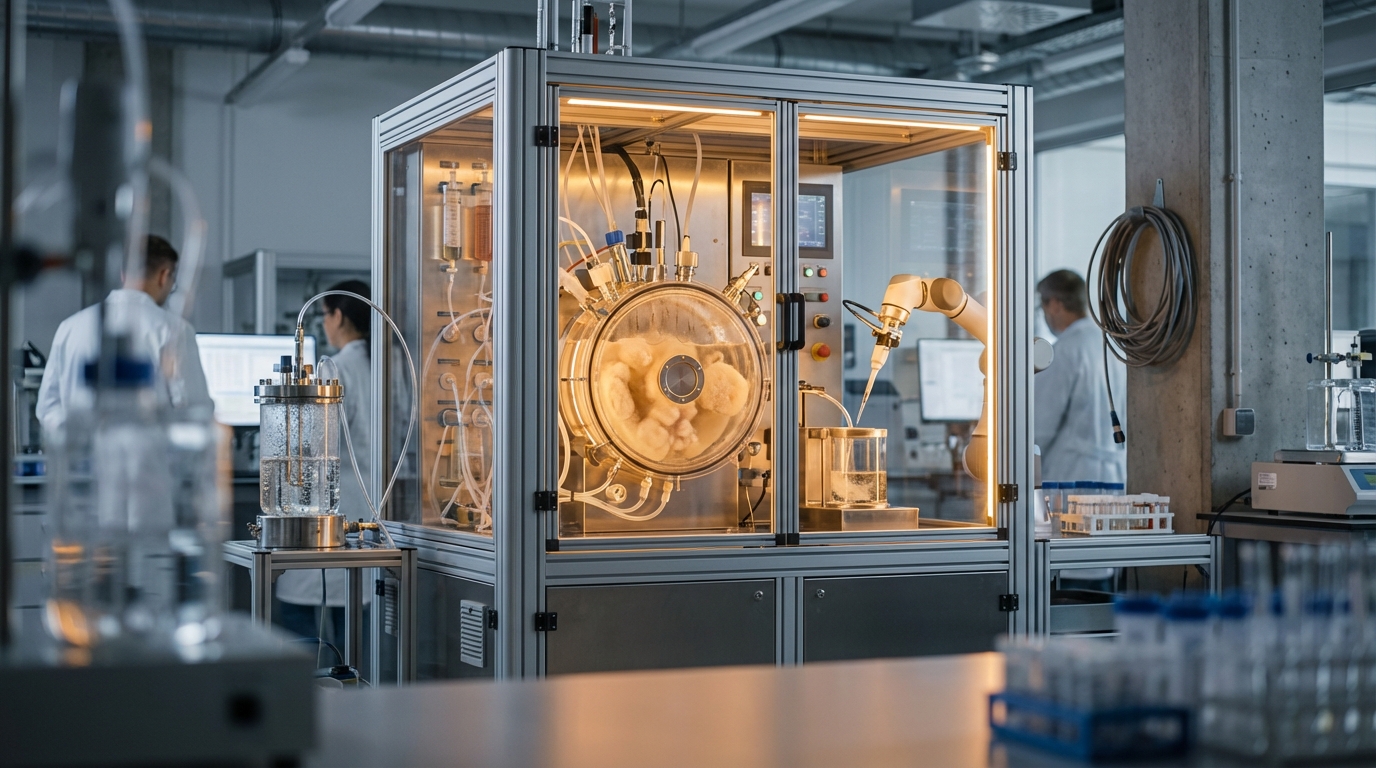
Engineering microorganisms to produce materials and chemicals through cellular processes
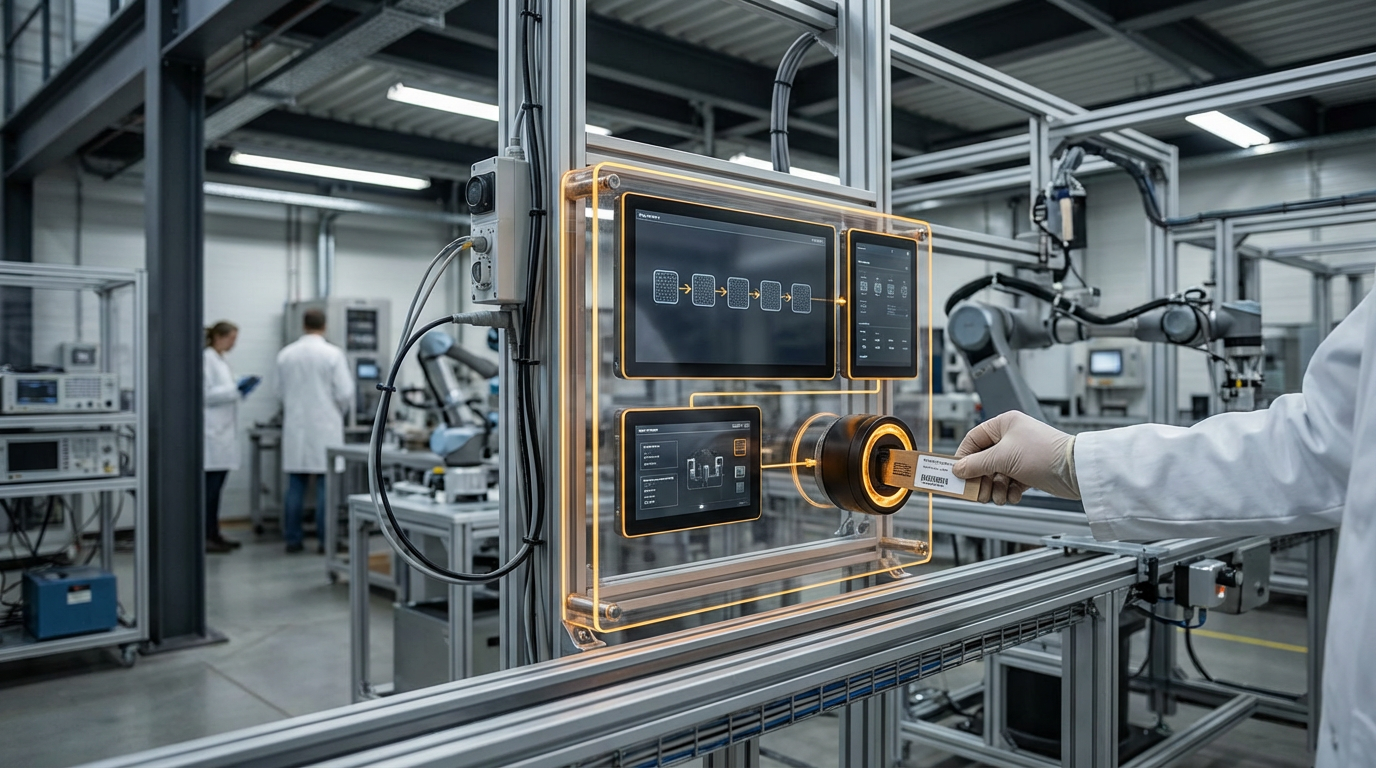
Shared ledgers tracking material origins and certifications across manufacturing partners

Converting industrial CO₂ emissions into commercially viable raw materials and products
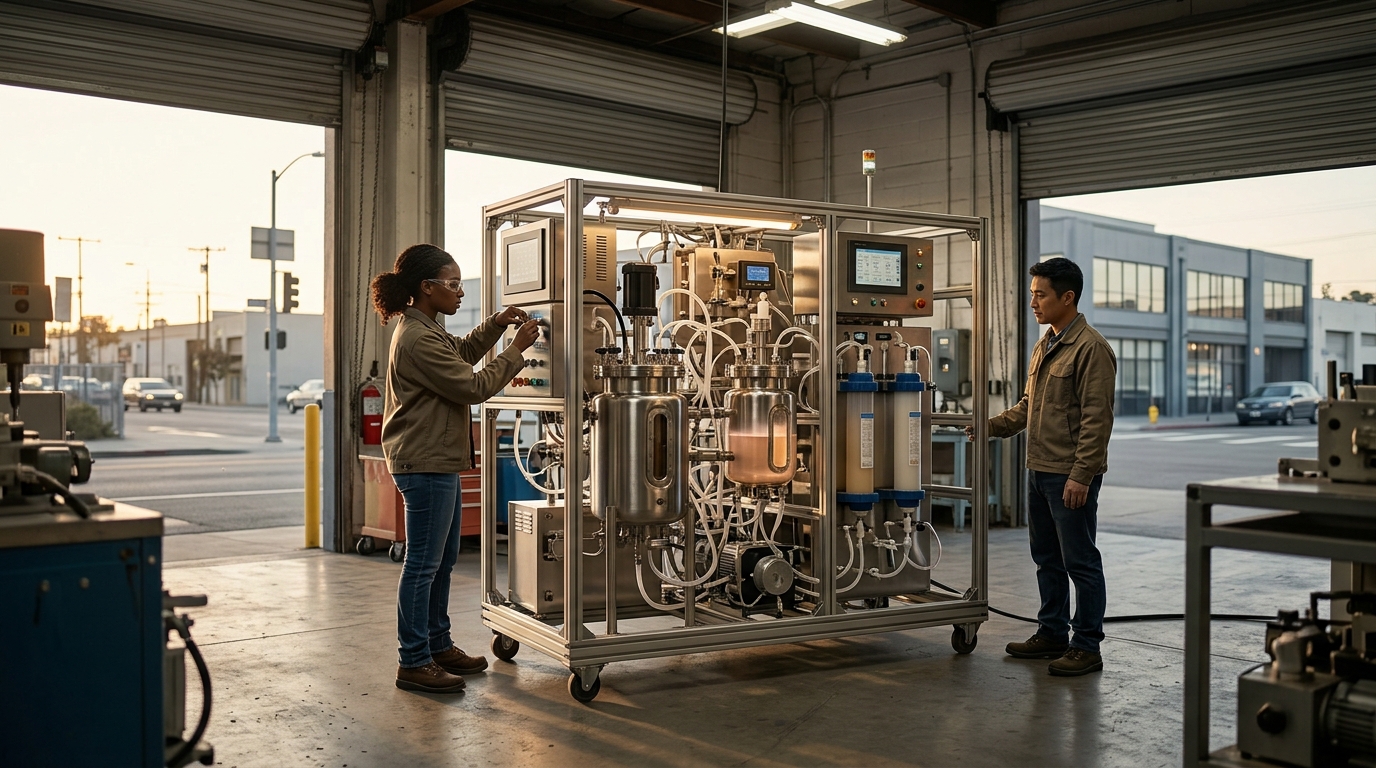
Cell-free systems use purified enzymes and cellular machinery outside living cells to produce proteins, chemicals, and therapeutics in hours rather than days — enabling rapid, on-demand manufacturing without the unpredictability of living organisms.
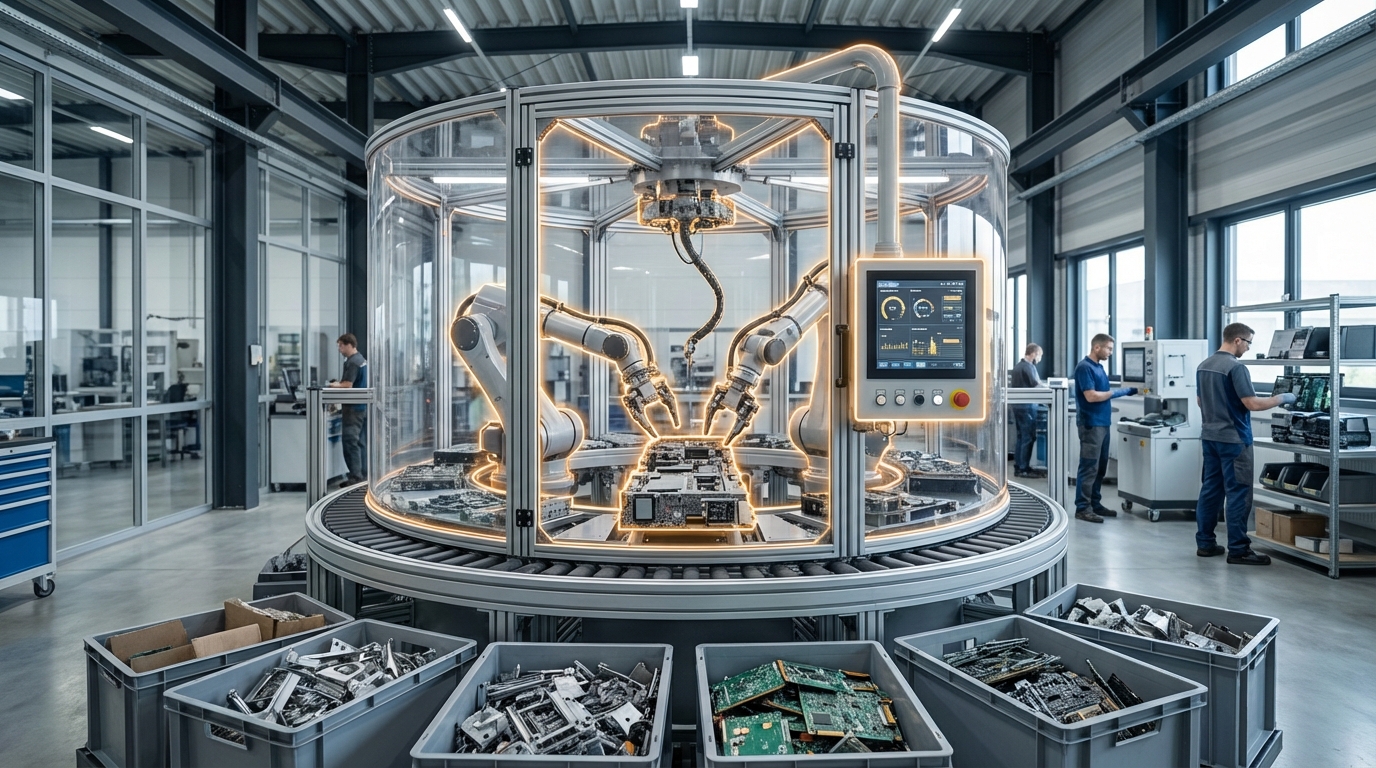
Closed-loop production networks that recover and remanufacture materials to eliminate waste
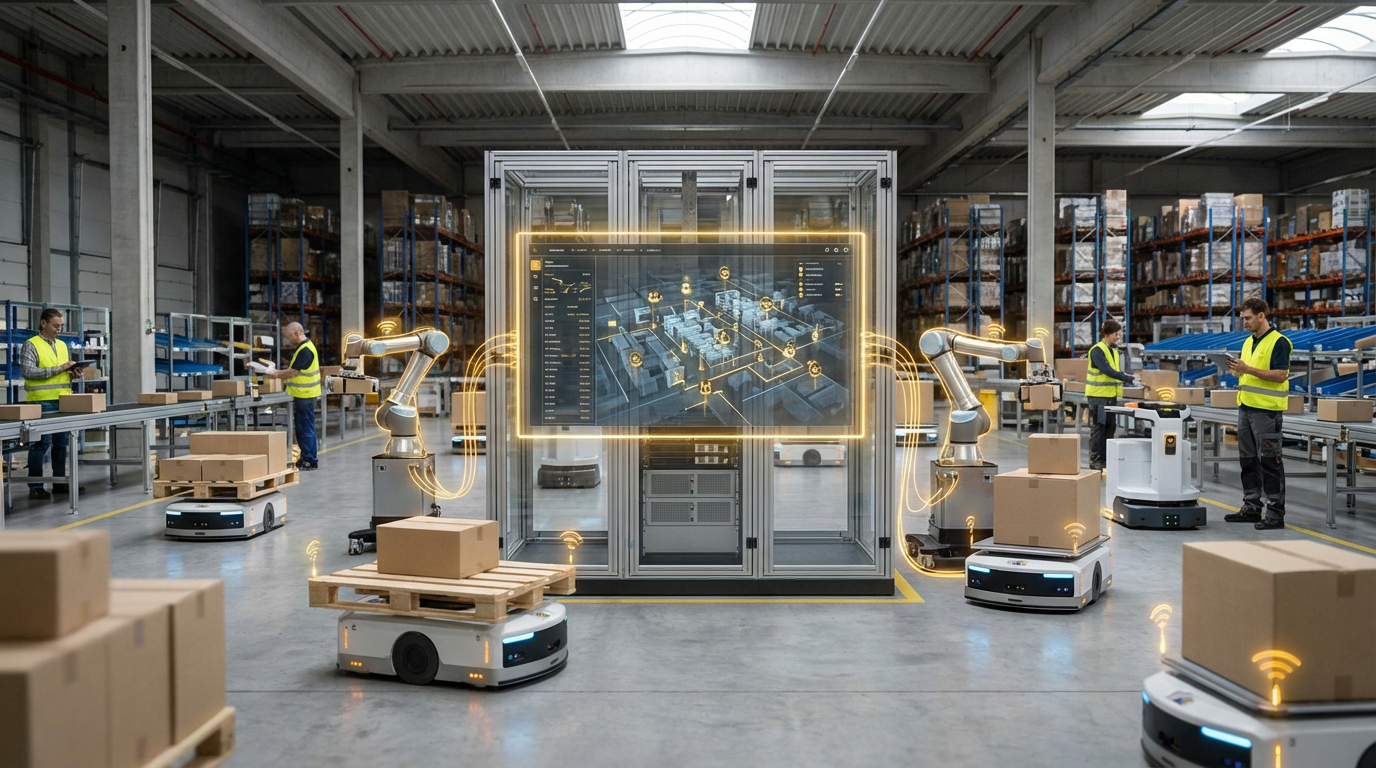
Centralized cloud infrastructure coordinating robot fleets and offloading computation from individual units
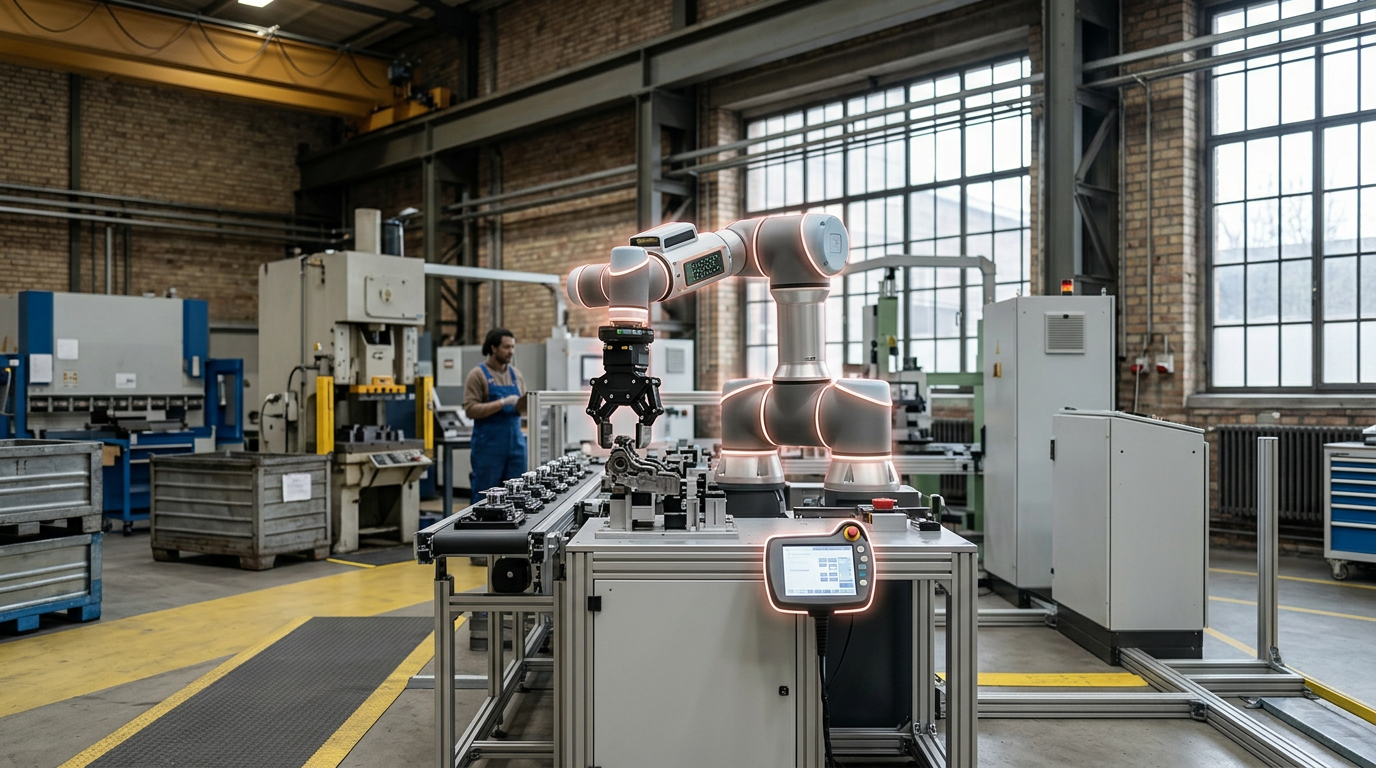
Robots that perceive environments, learn from mistakes, and adapt in real-time — German cognitive robotics with a €1B order book
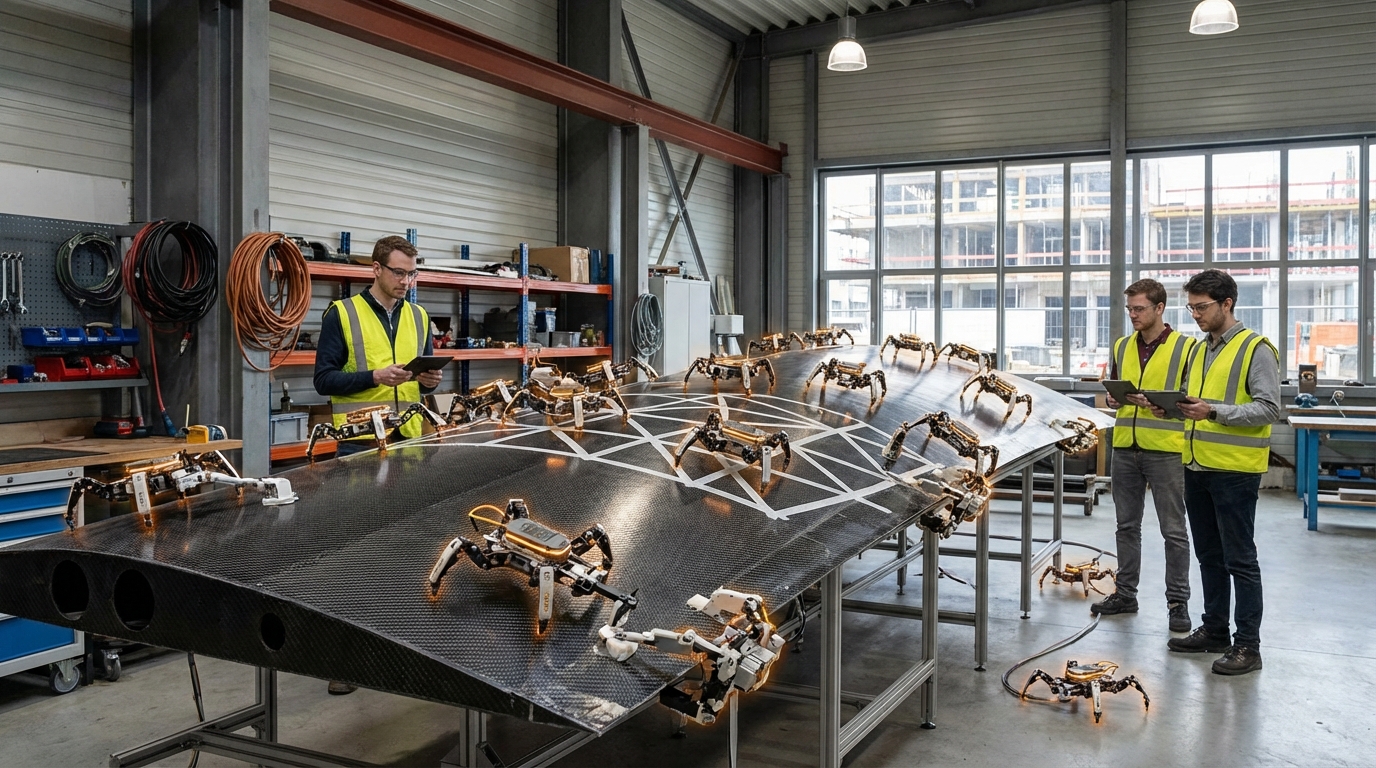
Networks of autonomous robots coordinating through local interactions to complete tasks
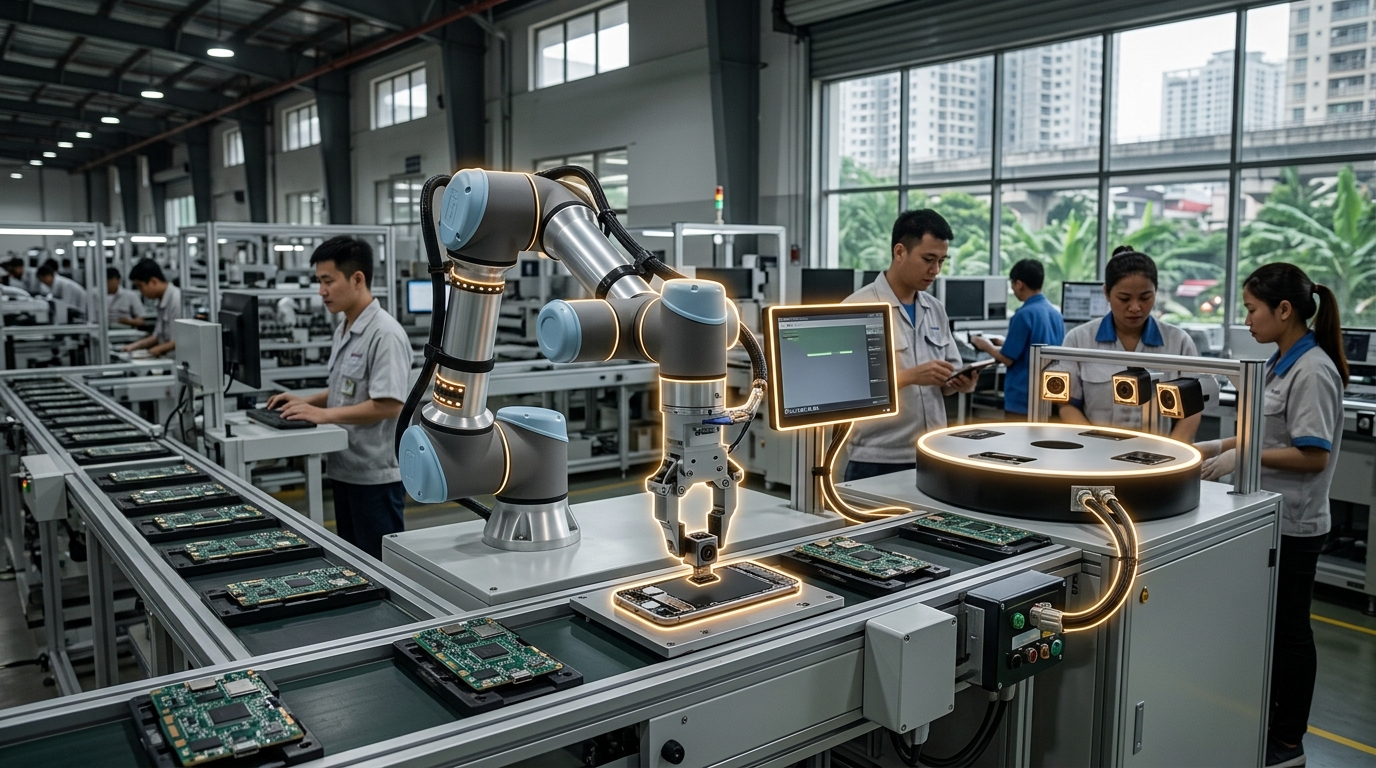
Vietnam is Samsung's largest global smartphone production base (50%+ of output) and Apple's fastest-growing assembly location, producing AirPods, iPads, and MacBooks.
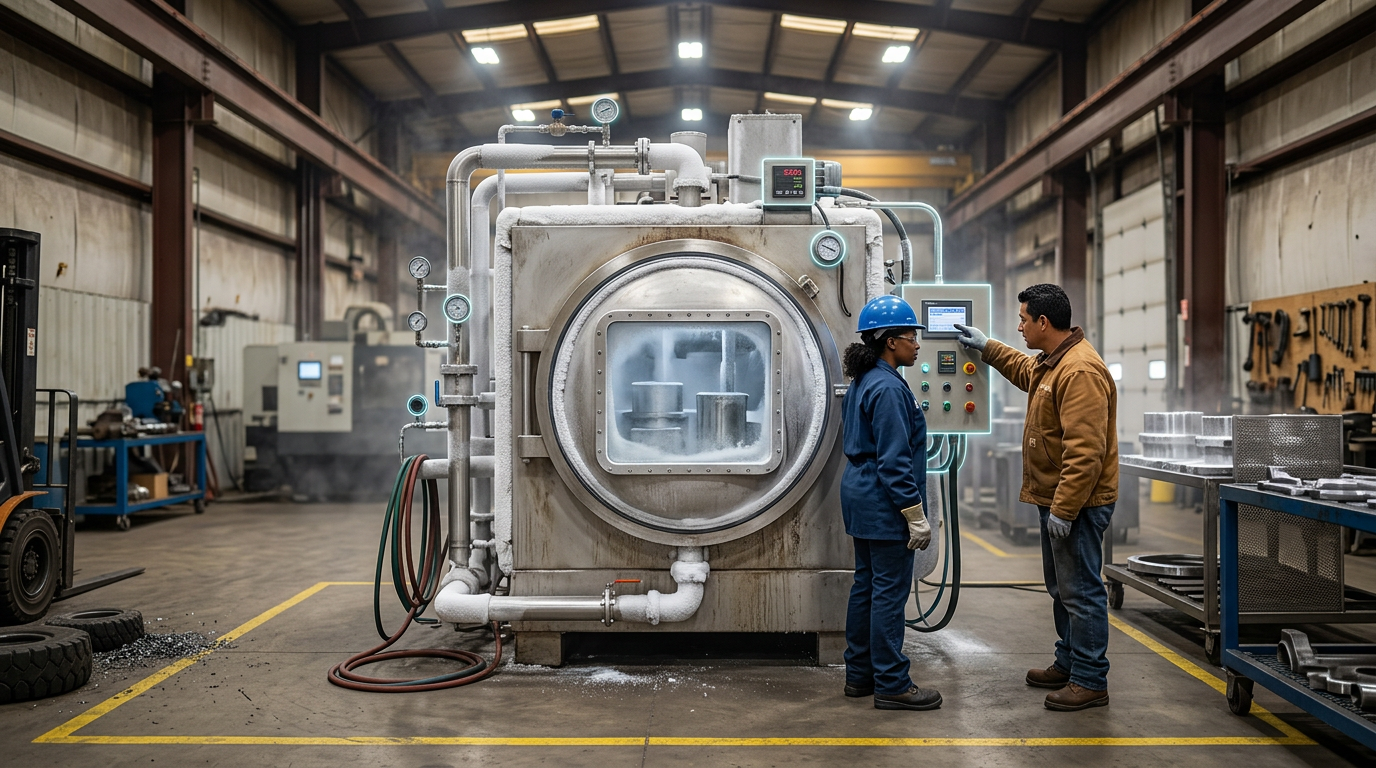
Deep-freeze treatment of metals to boost hardness, wear resistance, and dimensional stability
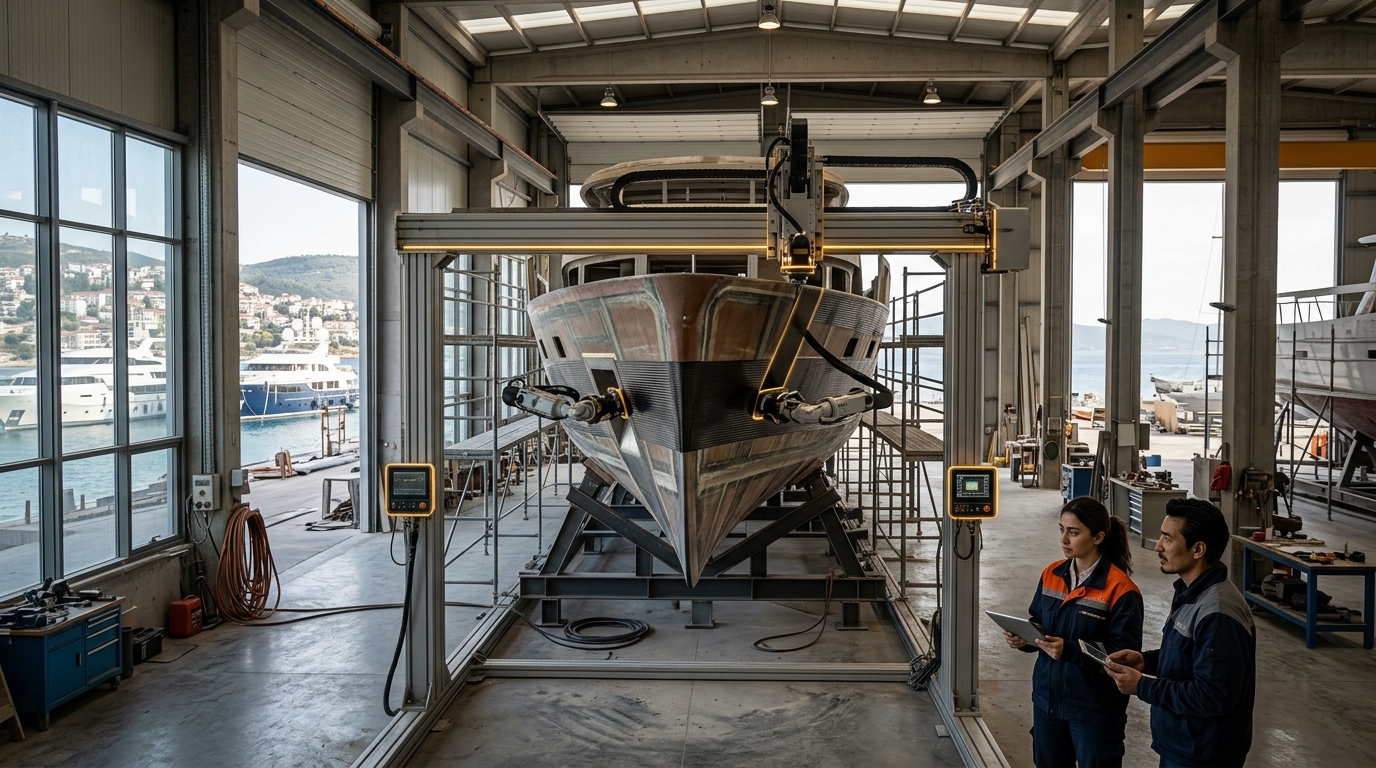
Turkey surpassed the Netherlands as world's 2nd largest superyacht builder with 132+ vessels in build, generating $1.9B in ship/yacht exports in 2024.
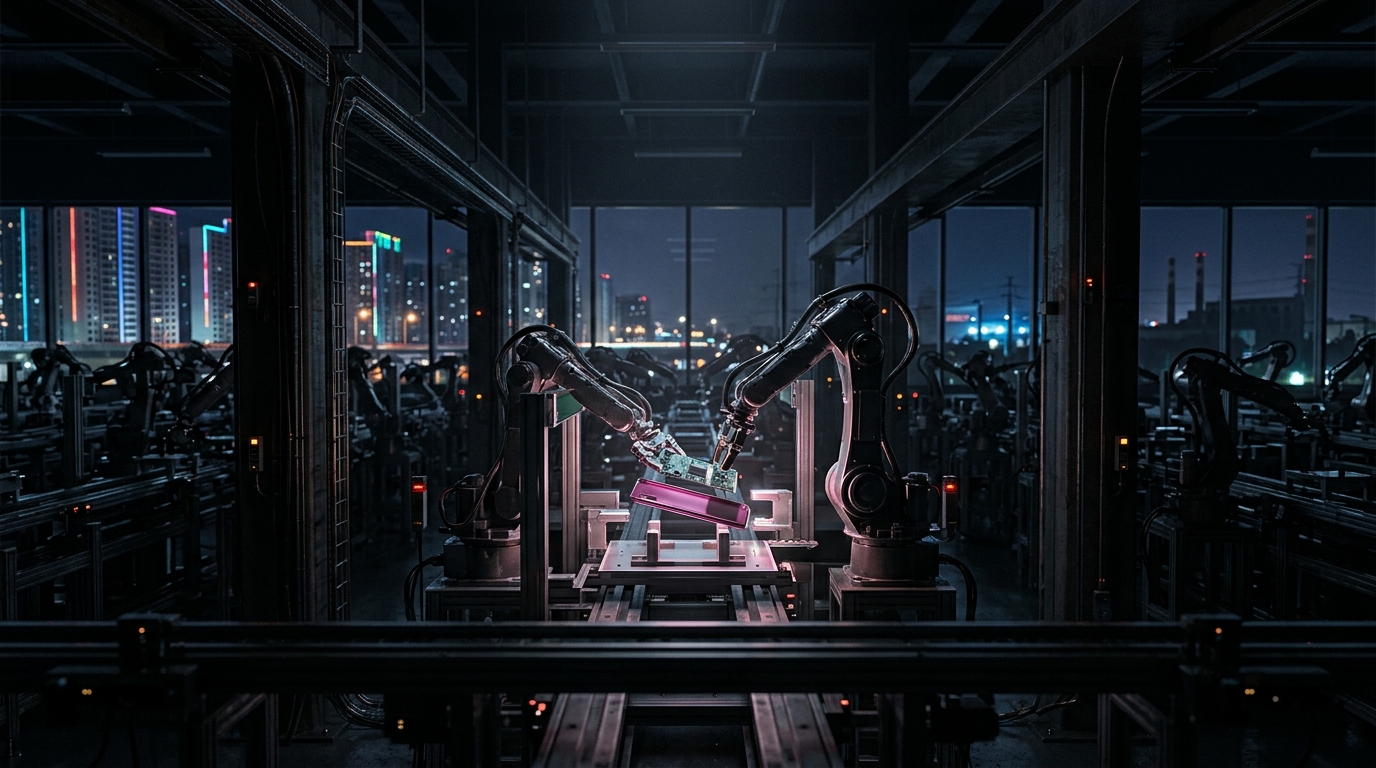
Xiaomi's Beijing factory produces one smartphone per second with zero human workers, operating 24/7 in complete darkness
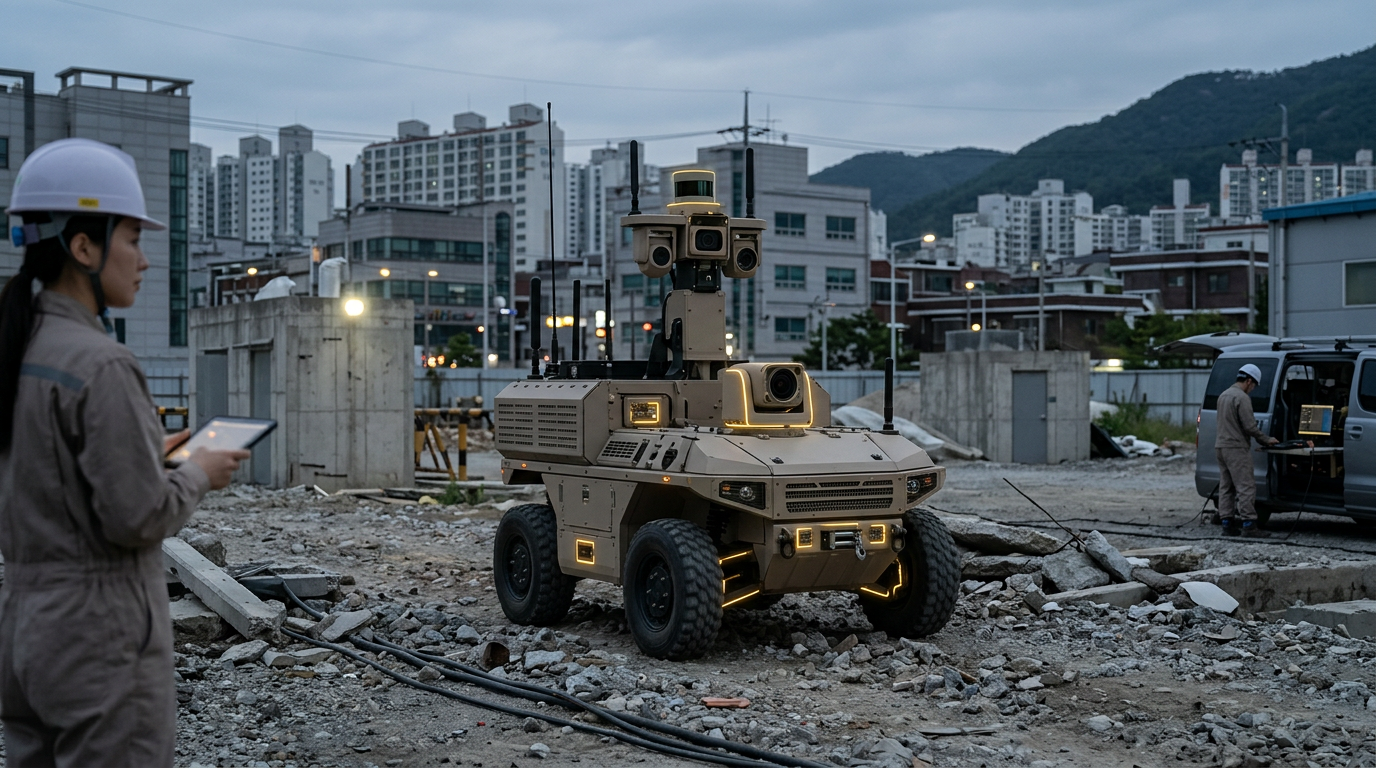
Bone AI raised $12M to build autonomous ground robots for military reconnaissance and logistics, part of Korea's growing defense robotics ecosystem.
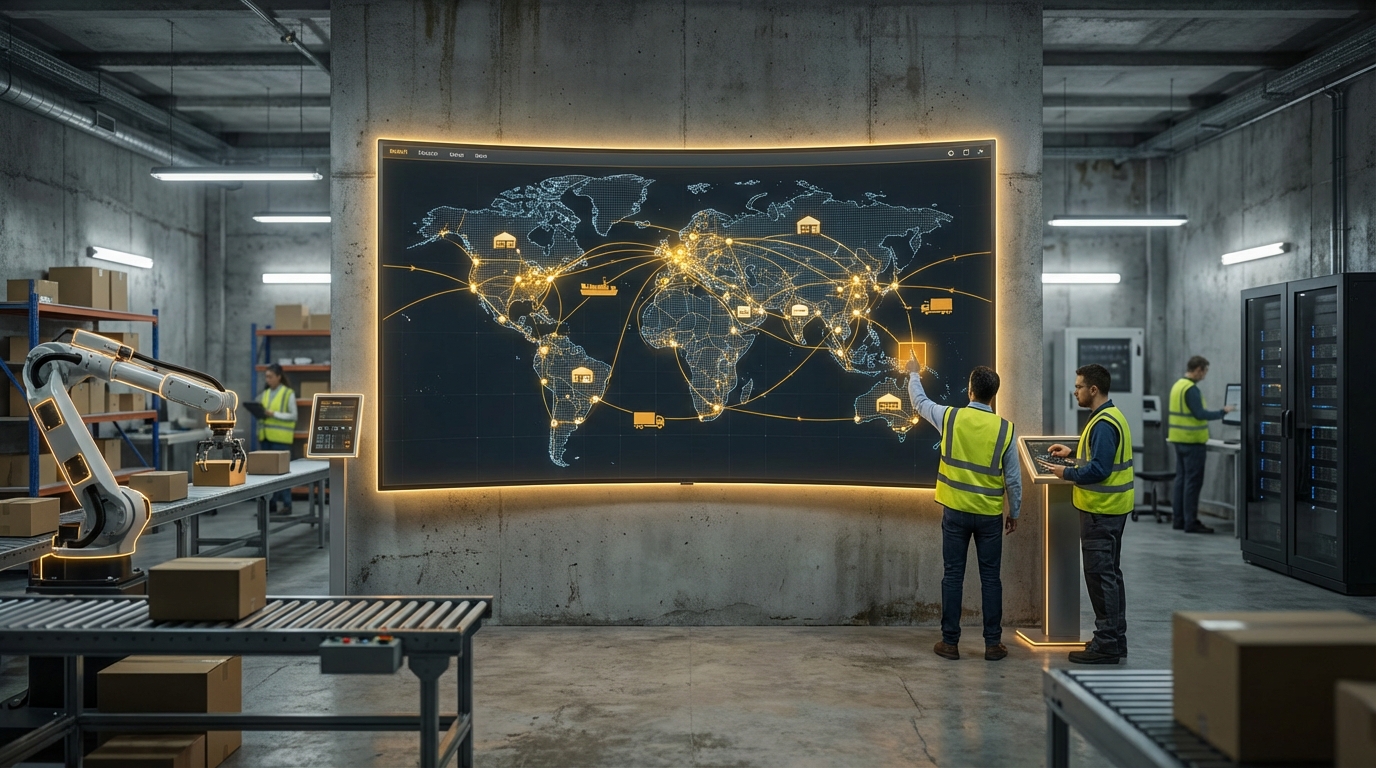
Virtual replicas of supply networks that mirror real-time operations for testing and optimization
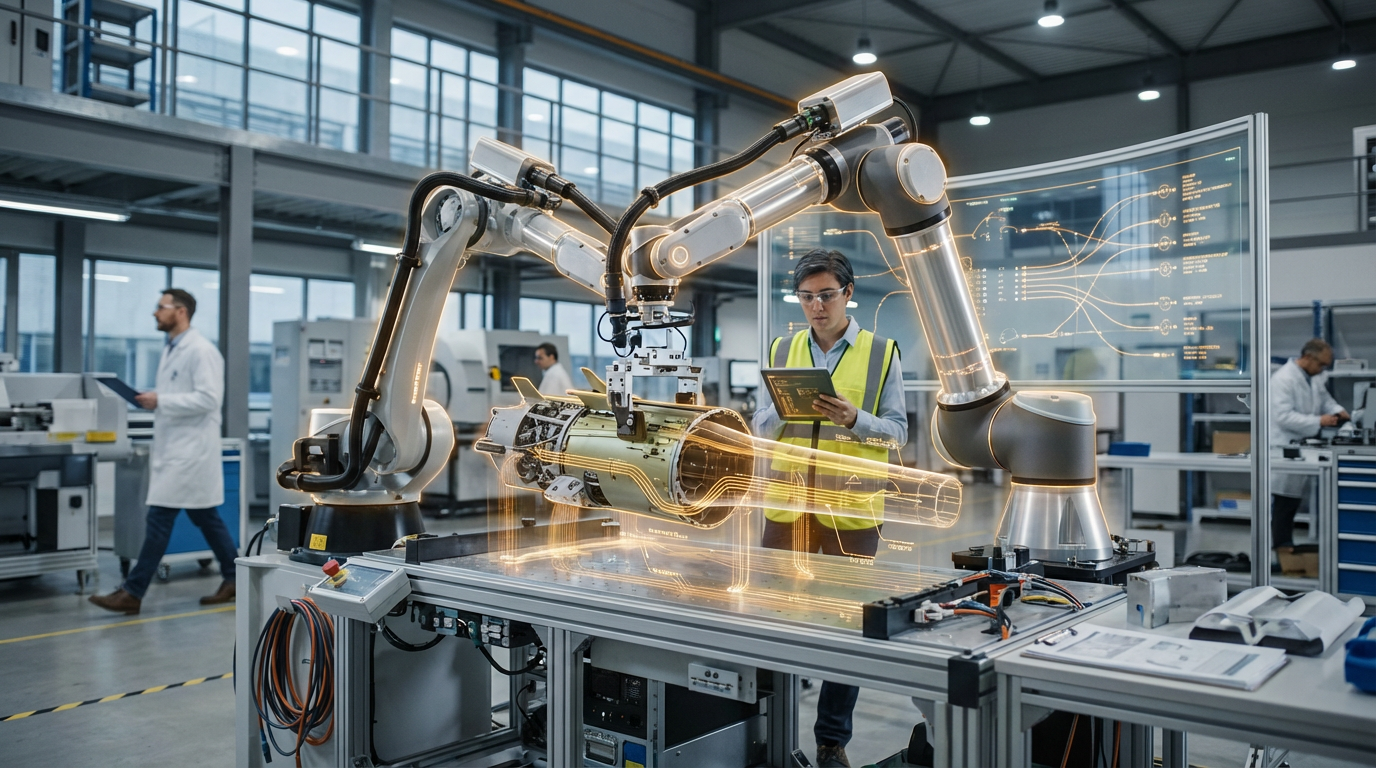
Connects design, production, and service data across a product's entire lifecycle
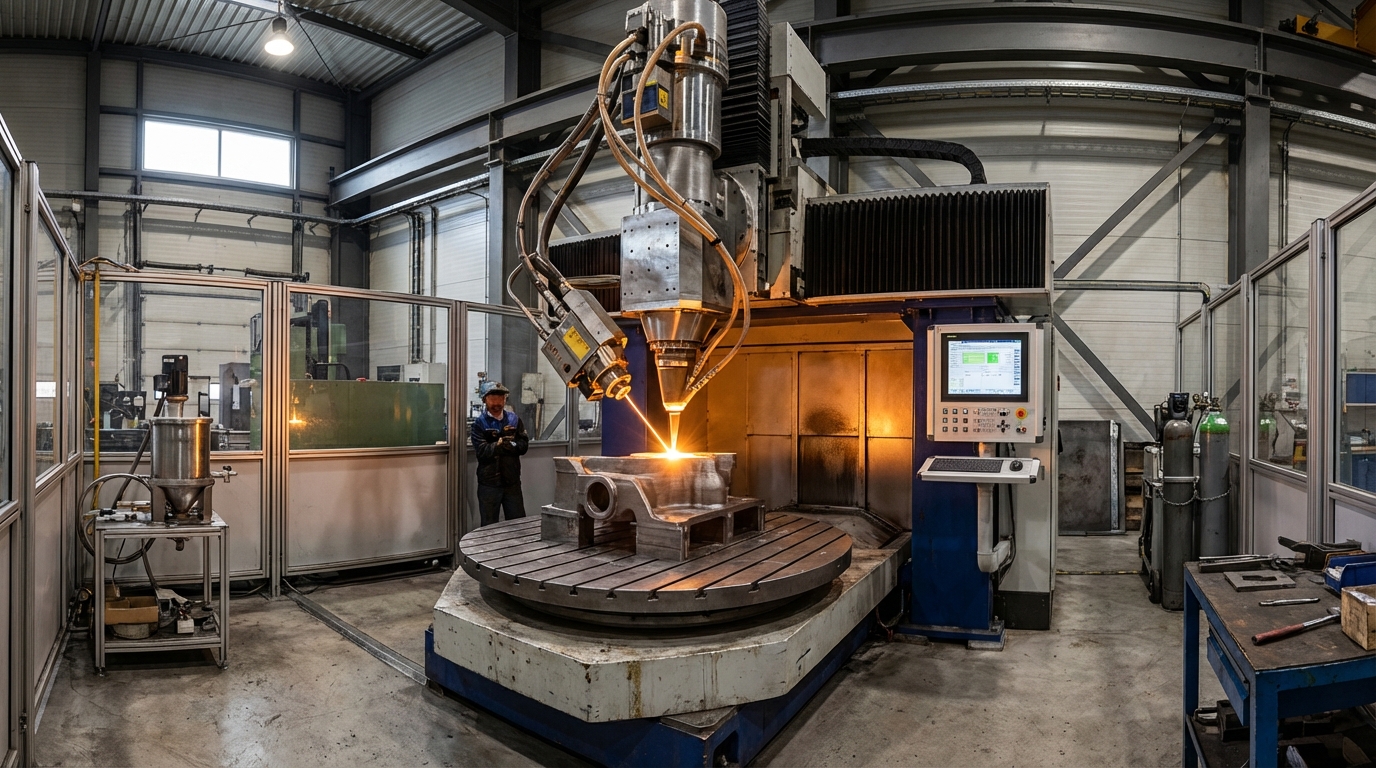
Metal 3D printing that builds or repairs large parts using focused energy beams and wire or powder feedstock
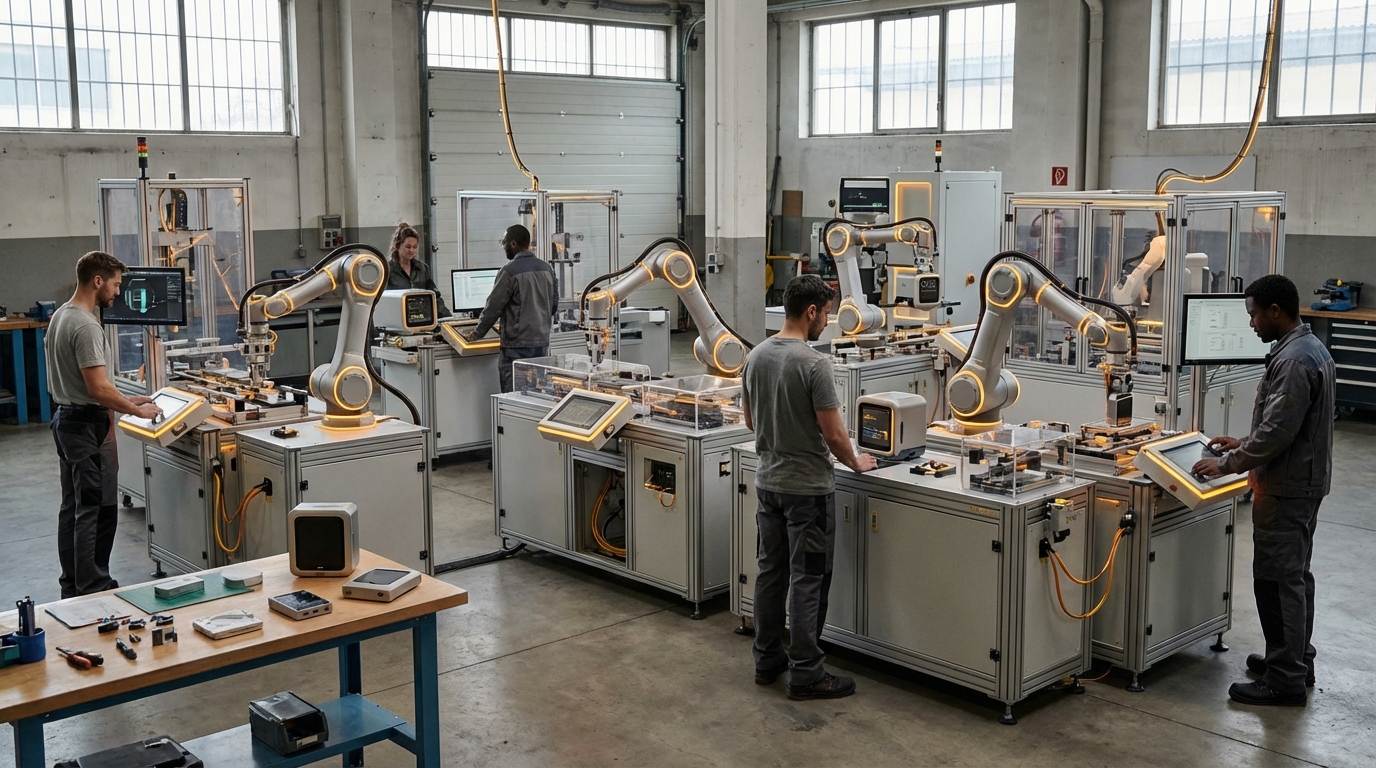
Geographically dispersed production facilities positioned near end markets for demand-responsive manufacturing
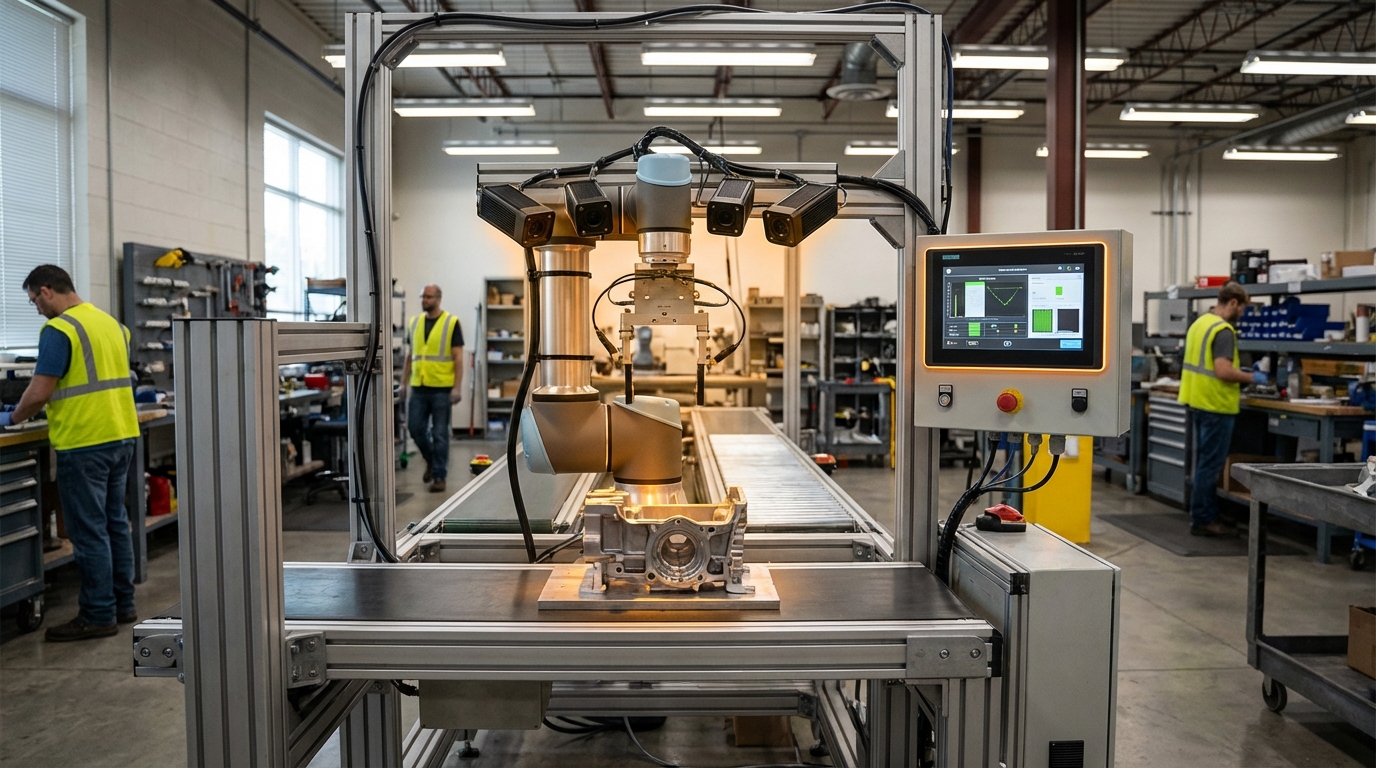
Computer vision systems at the production line that detect defects in real time using local AI processing
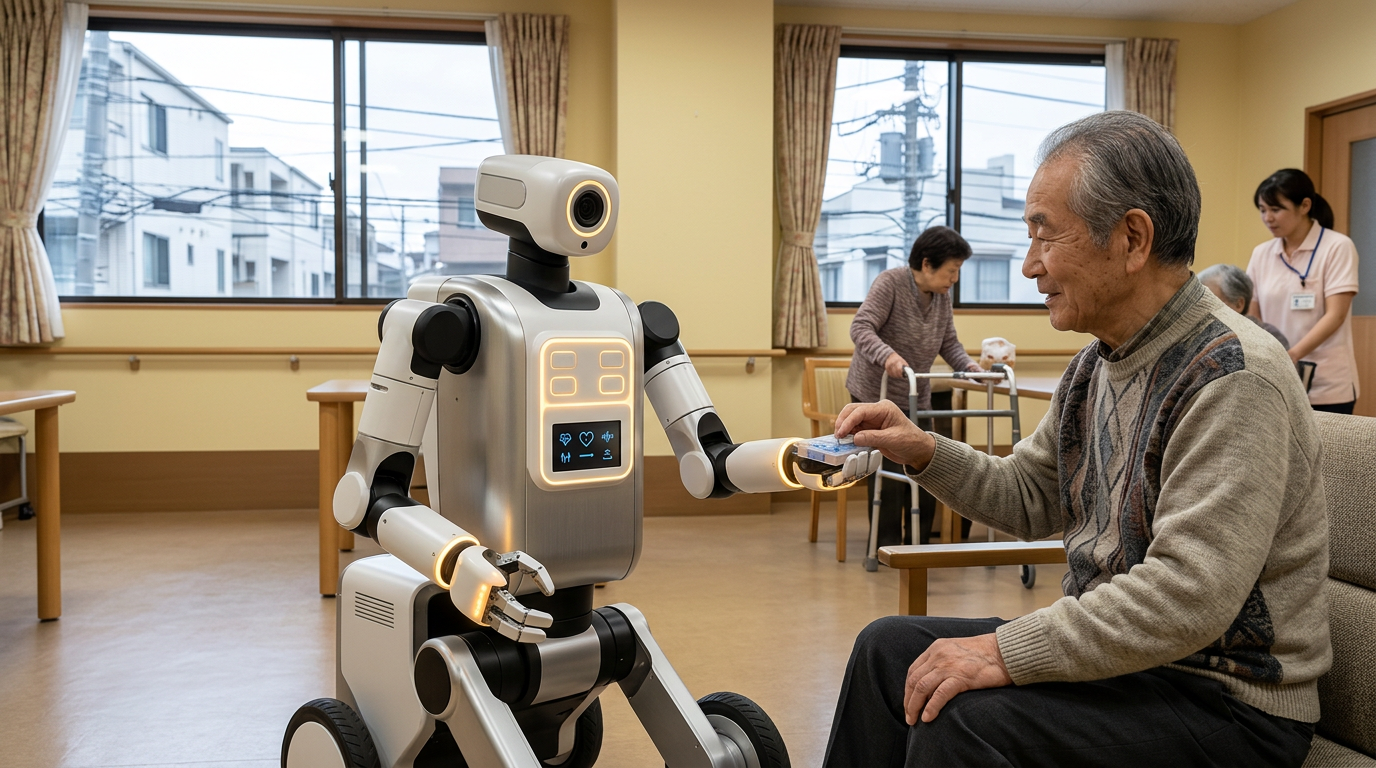
Japan leads in deploying AI-driven care robots like Waseda's AIREC for elder care — driven by the world's most aged society and a 700,000-caregiver shortage.
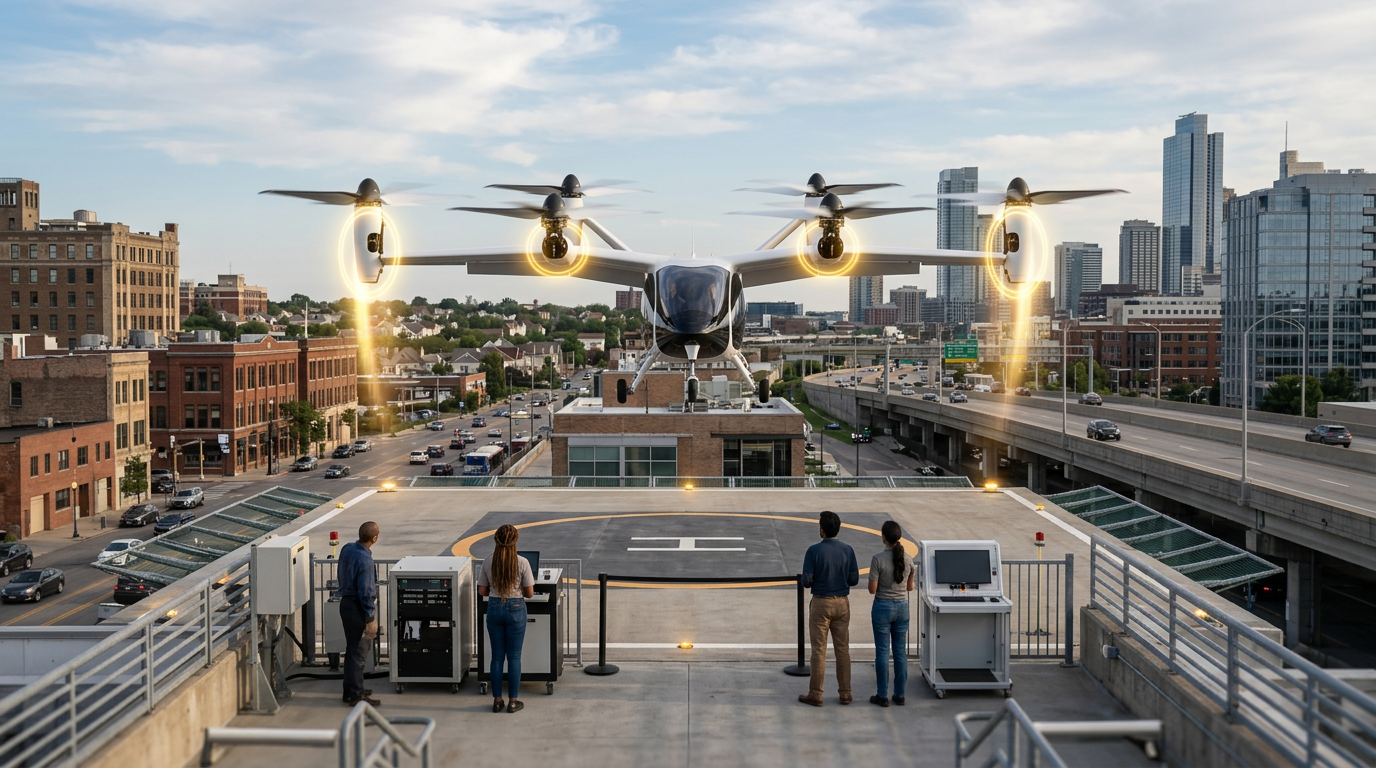
Joby Aviation received FAA Part 135 air carrier certification and is targeting 2025-2026 commercial launch of its 5-seat electric air taxi with 150-mile range, while Archer Aviation's Midnight is in flight testing.
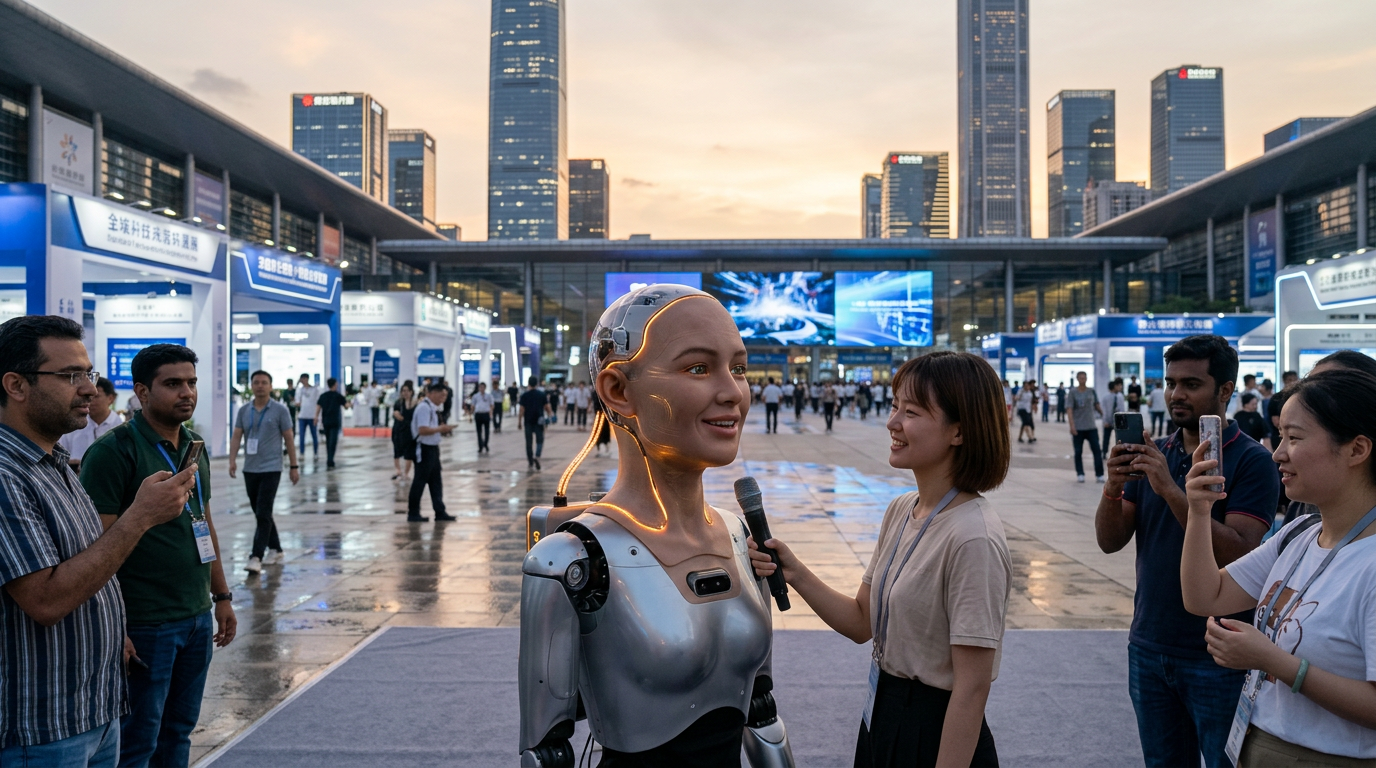
Chinese robots at the Shenzhen Hi-Tech Fair displayed natural facial expressions via electronic skin — singing, emoting, interacting at uncanny-valley fidelity

Trains AI models across multiple factories while keeping proprietary data local and secure
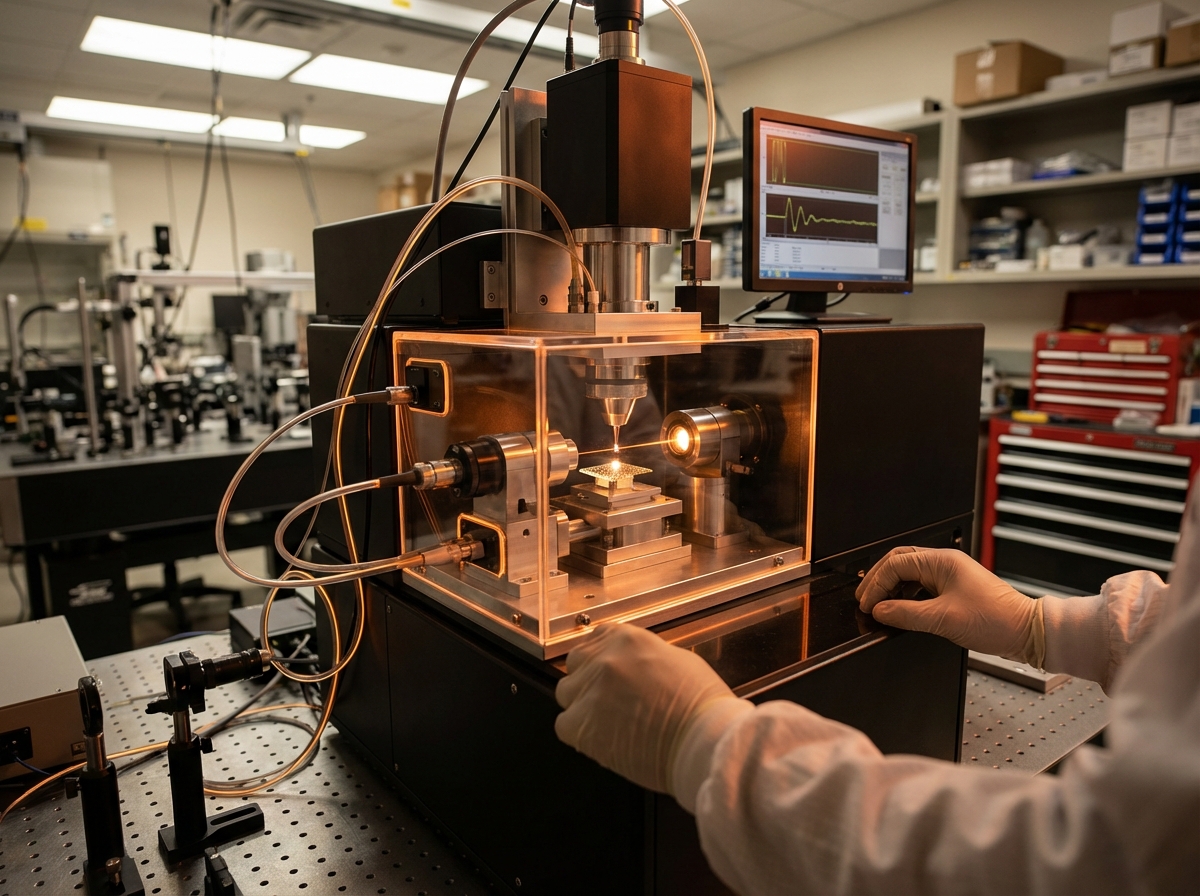
Ultra-short pulse lasers that remove material without heat damage through cold ablation
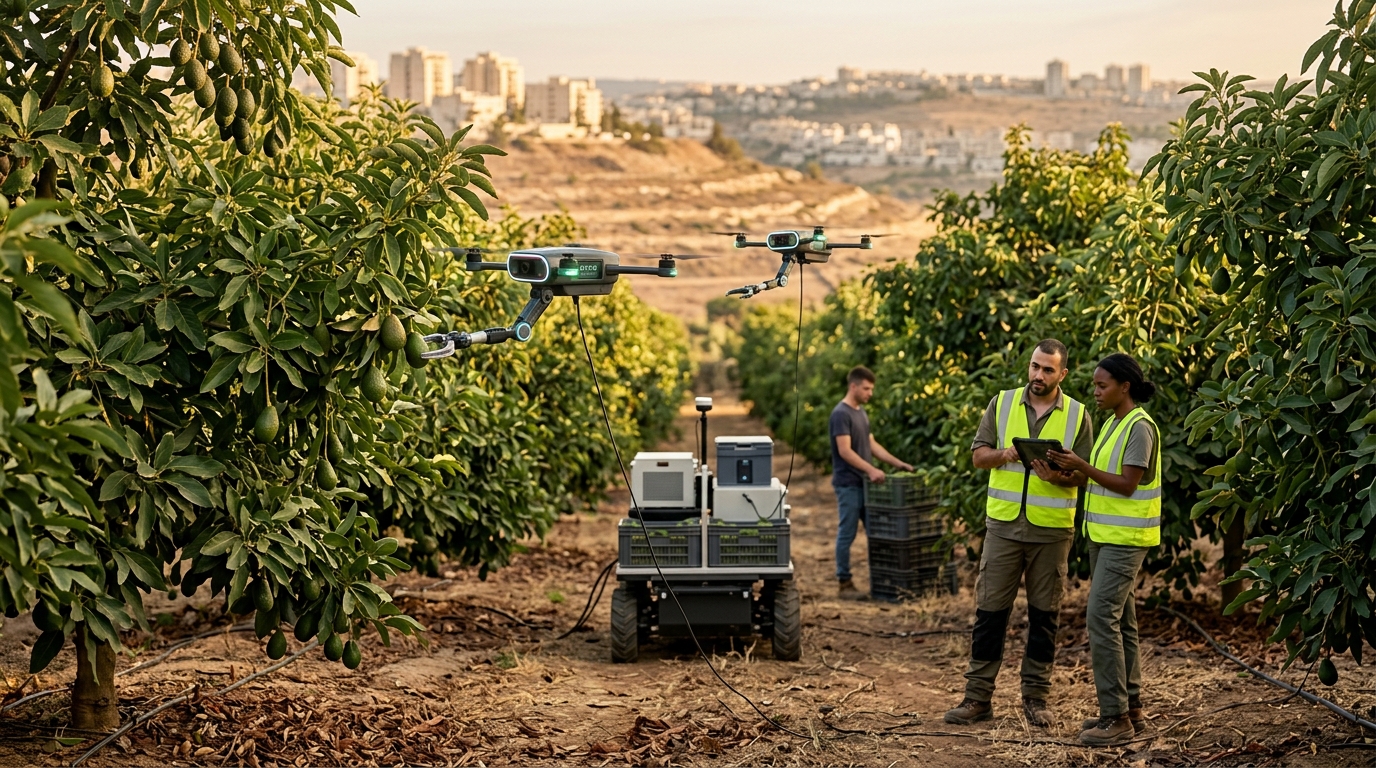
Tevel's tethered flying robots use AI vision to identify ripe fruit, pick it without bruising, and operate in fleets — deployed in Israel, Spain, and Chile.
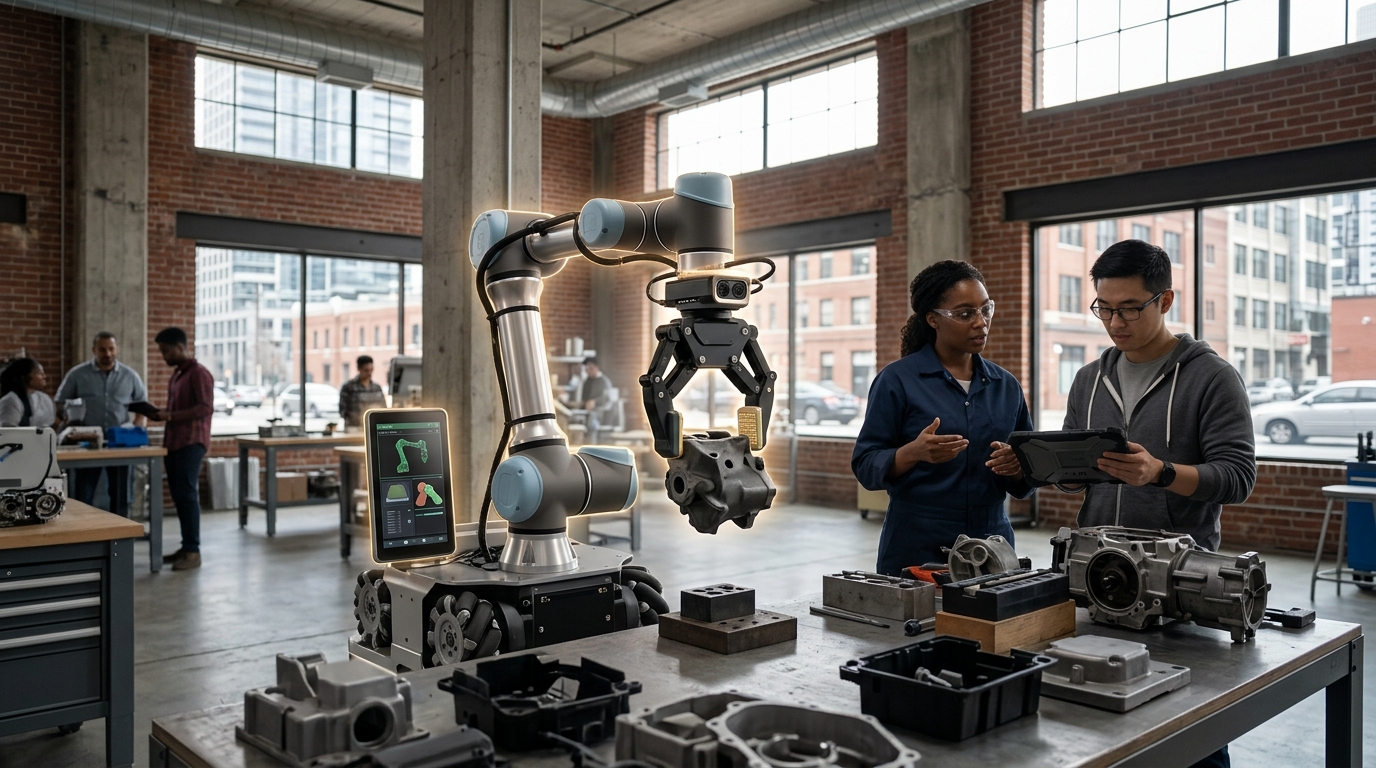
Vision-language-action models from Google (RT-2), NVIDIA (GR00T), and startups like Physical Intelligence are enabling robots to understand natural language instructions and generalize manipulation skills across novel objects and environments.

Robots powered by microbial digestion of organic matter for autonomous energy generation
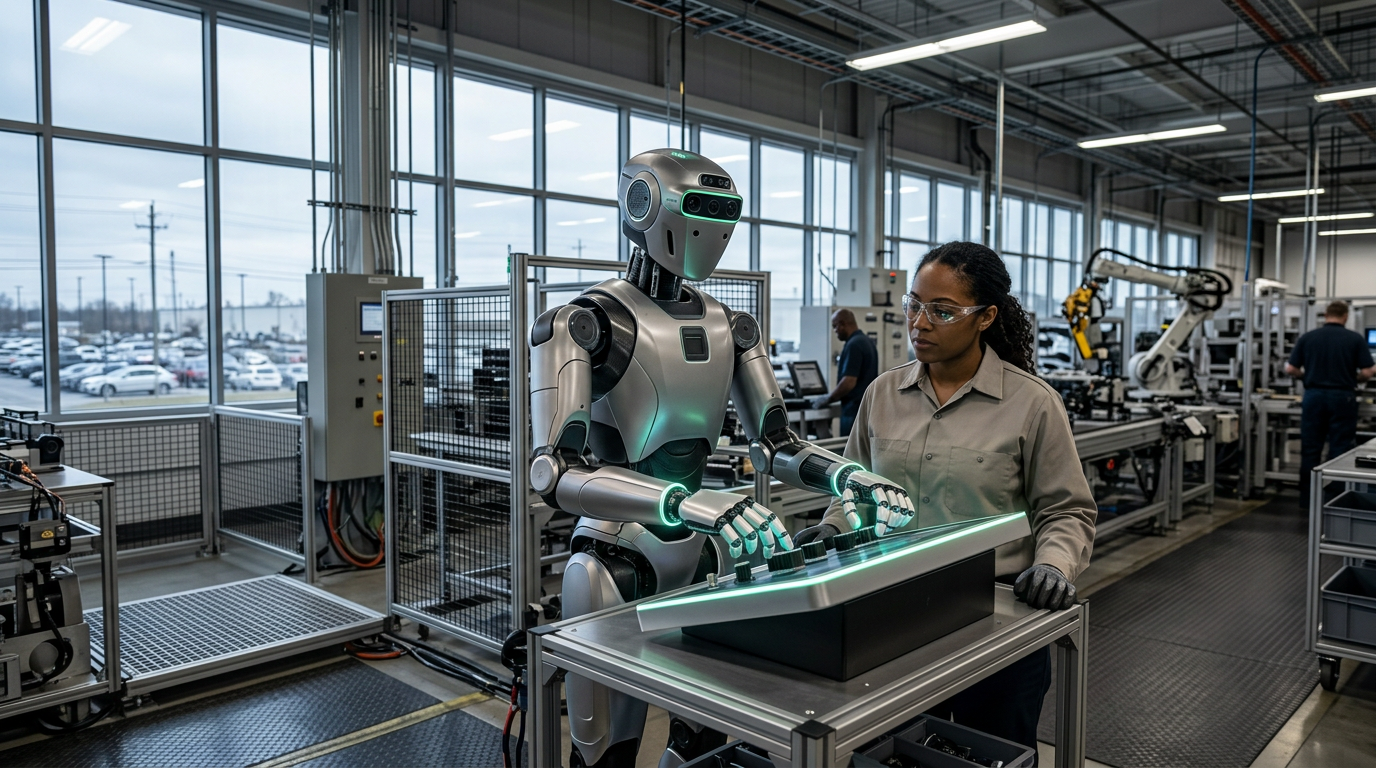
Figure AI ($1B Series C, backed by OpenAI and NVIDIA), Apptronik ($773M funding), and Agility Robotics are deploying humanoid robots in BMW and Mercedes factories, with 2025 marking the breakthrough year for AI-driven humanoid dexterity.
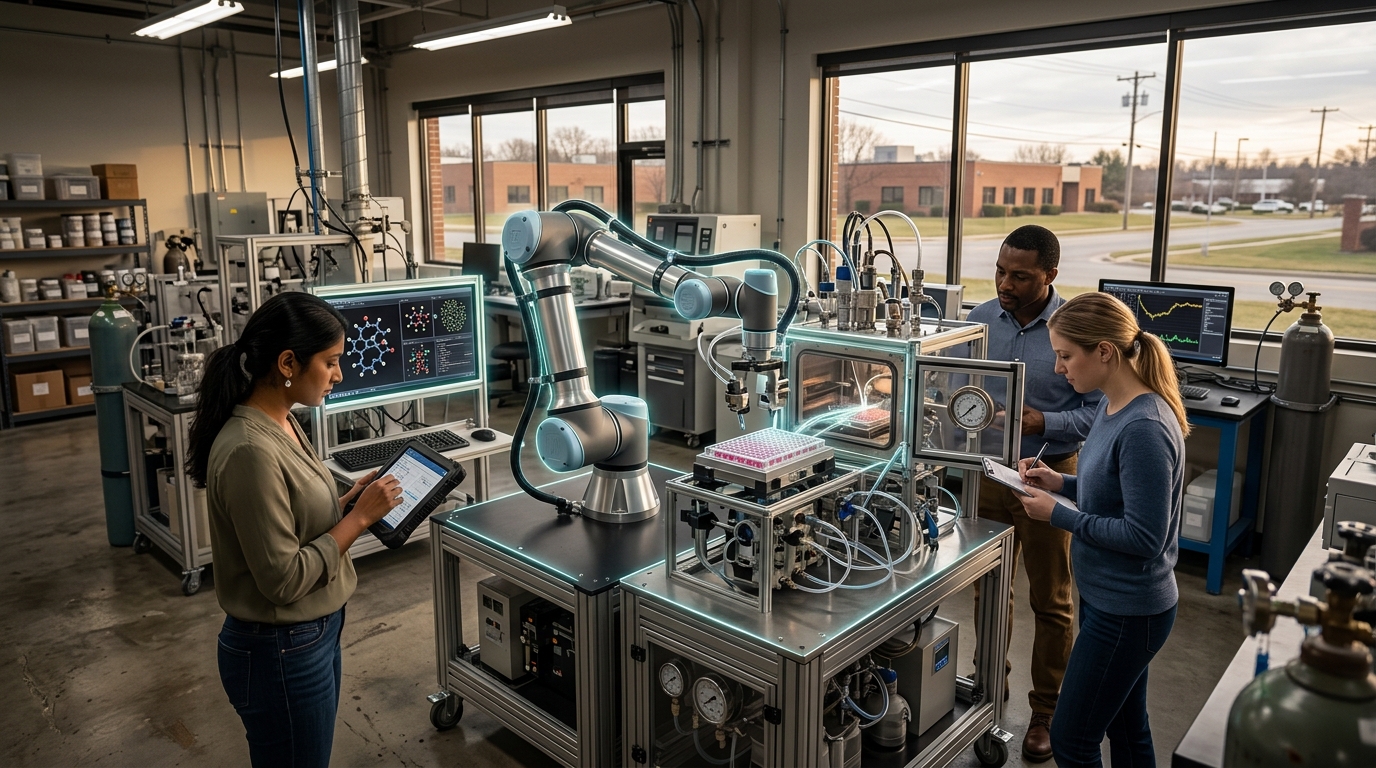
Google DeepMind's GNoME discovered 2.2 million new crystal structures, while US national labs use AI to design novel alloys, polymers, and catalysts 100x faster than traditional experimental methods.
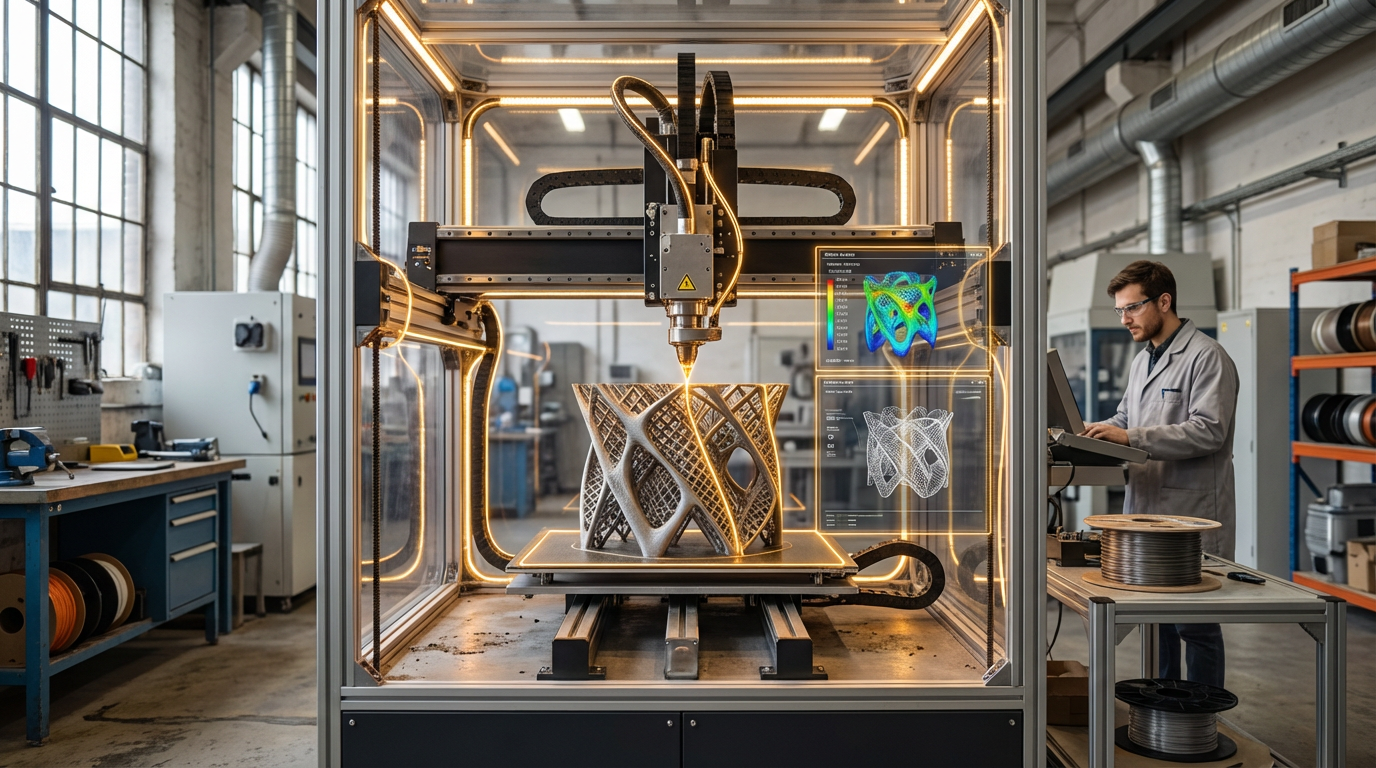
AI algorithms that generate optimized part geometries based on manufacturing constraints and performance goals
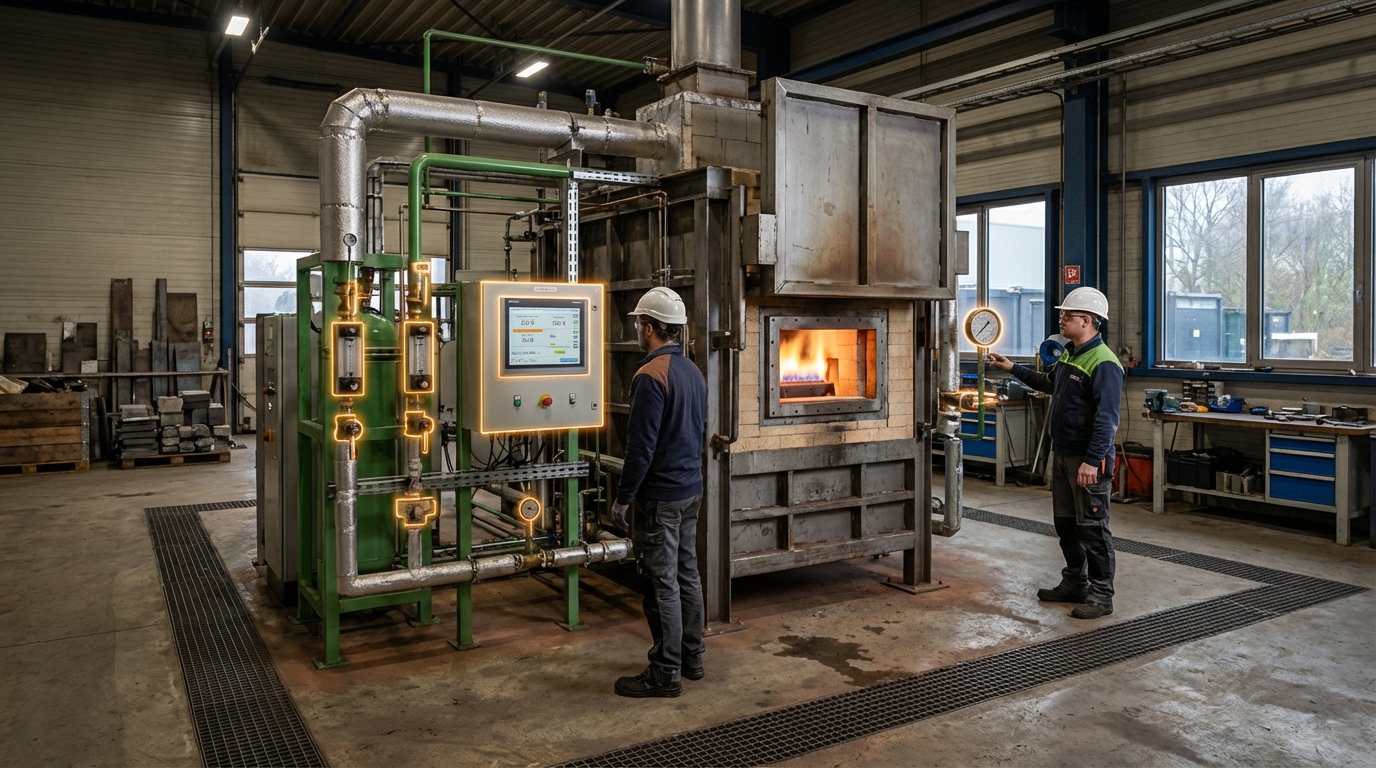
Renewable-powered hydrogen replacing fossil fuels in steel, cement, and chemical production
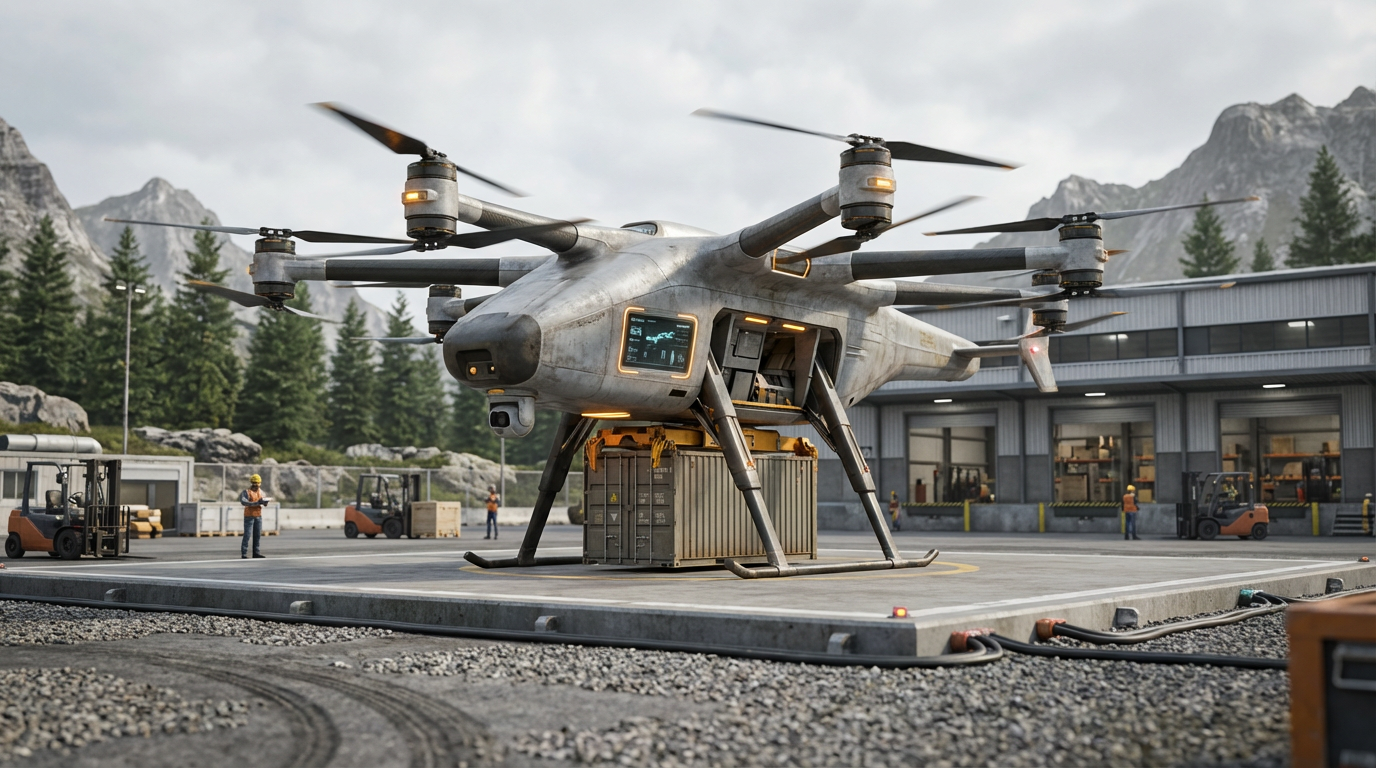
Industrial VTOL aircraft that autonomously transport 100–500+ kg payloads across middle-mile routes
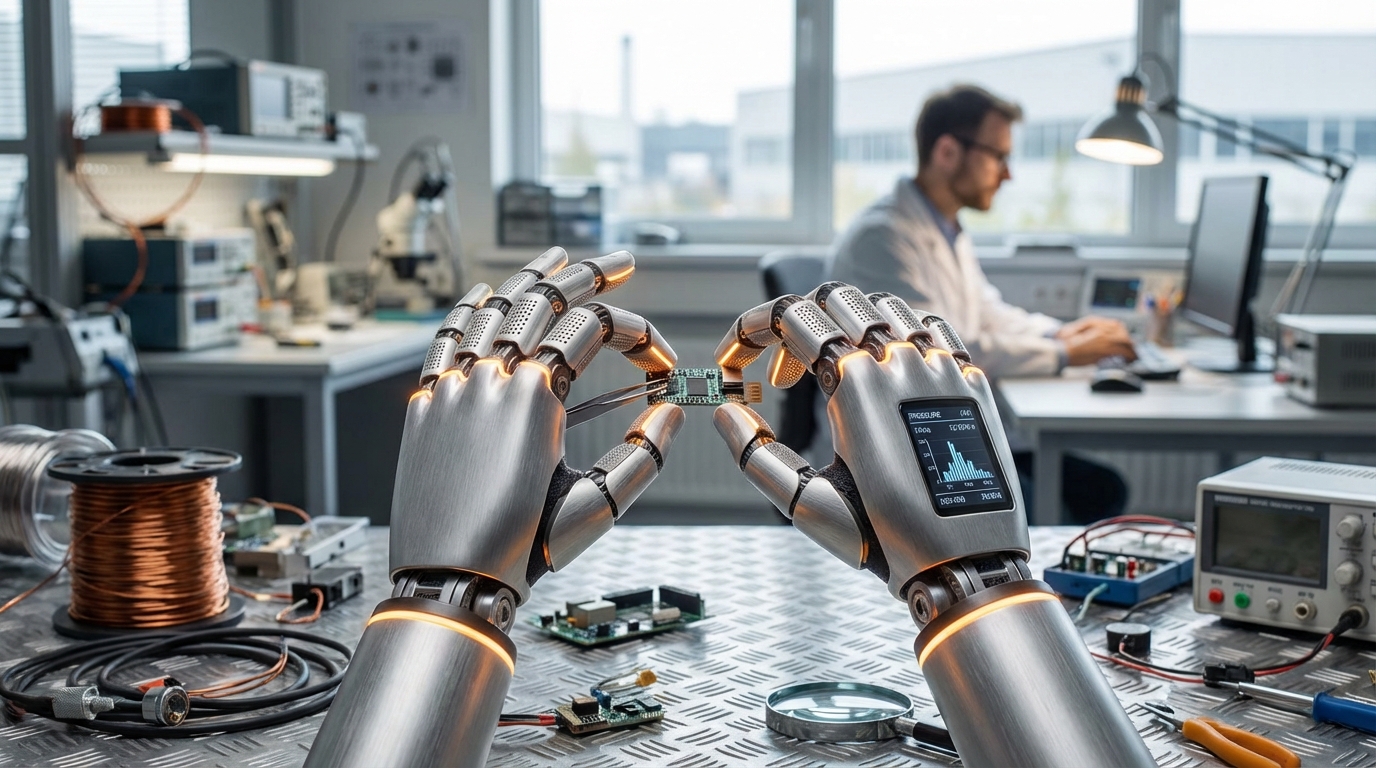
Robotic hands with dense tactile sensors for precise manipulation and safe human collaboration
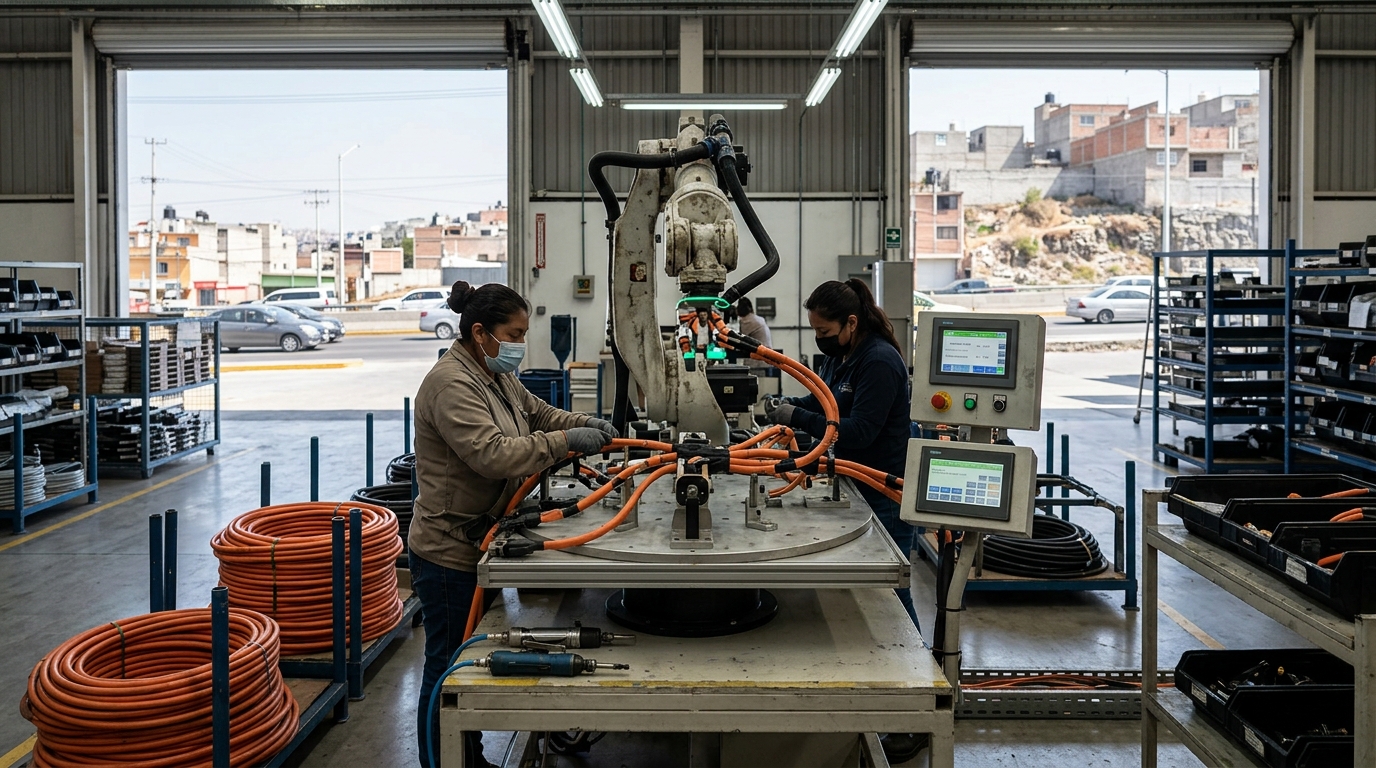
Mexico is the world's largest exporter of automotive wiring harnesses, now pivoting to 400V+ high-voltage systems for EVs requiring new materials and safety engineering.
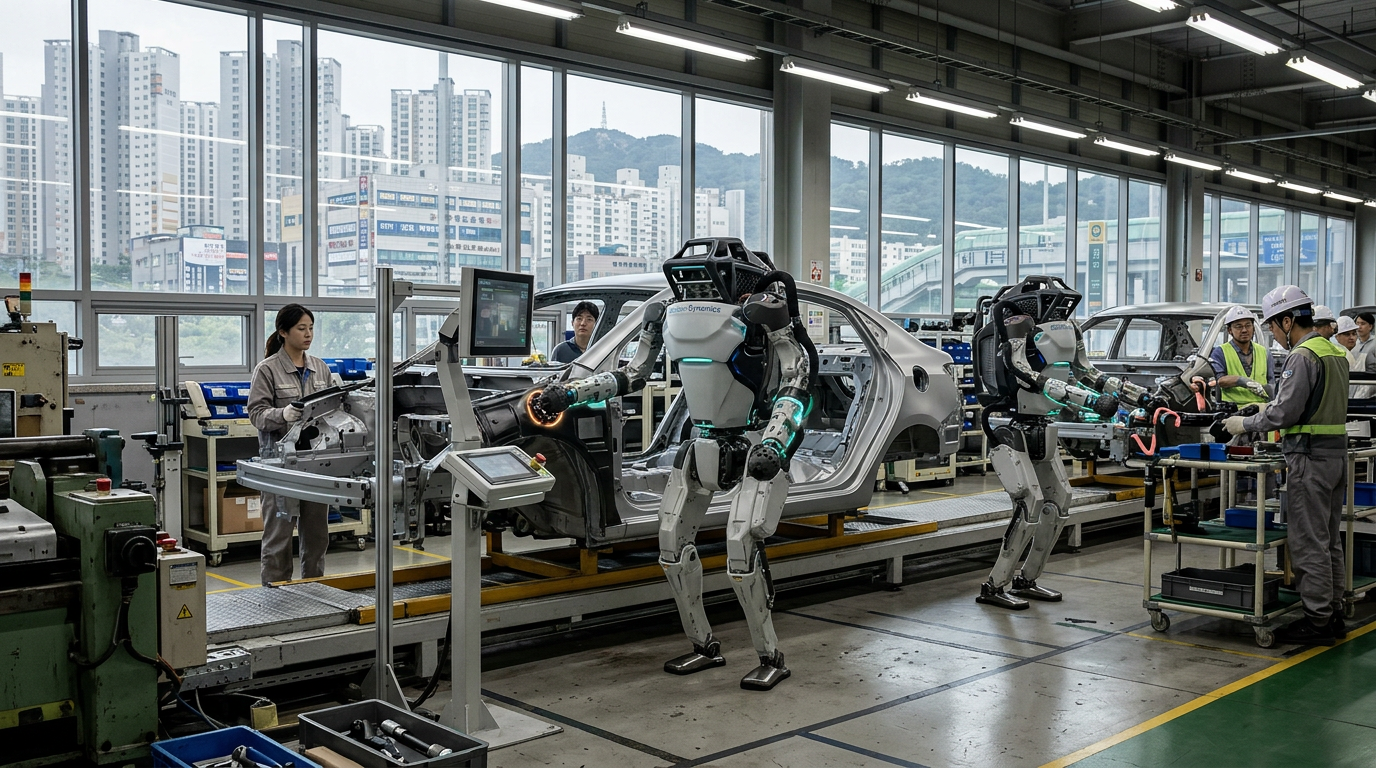
Hyundai's Boston Dynamics is deploying Atlas humanoid robots in Hyundai and Kia manufacturing plants, backed by a $6.3B investment in an AI, robotics, and hydrogen hub.
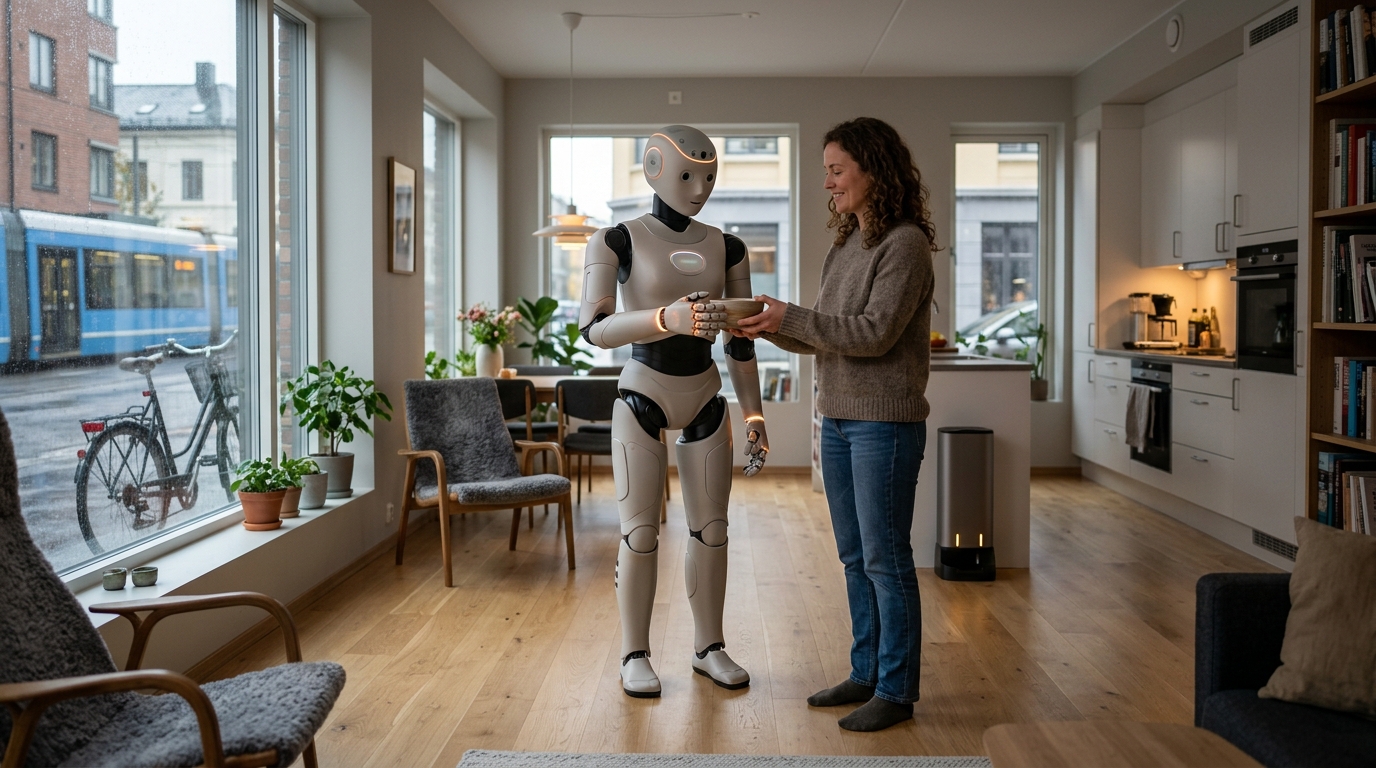
Norwegian humanoid robots designed for home environments — natural movement, voice interaction, physical task handling — backed by OpenAI and Samsung
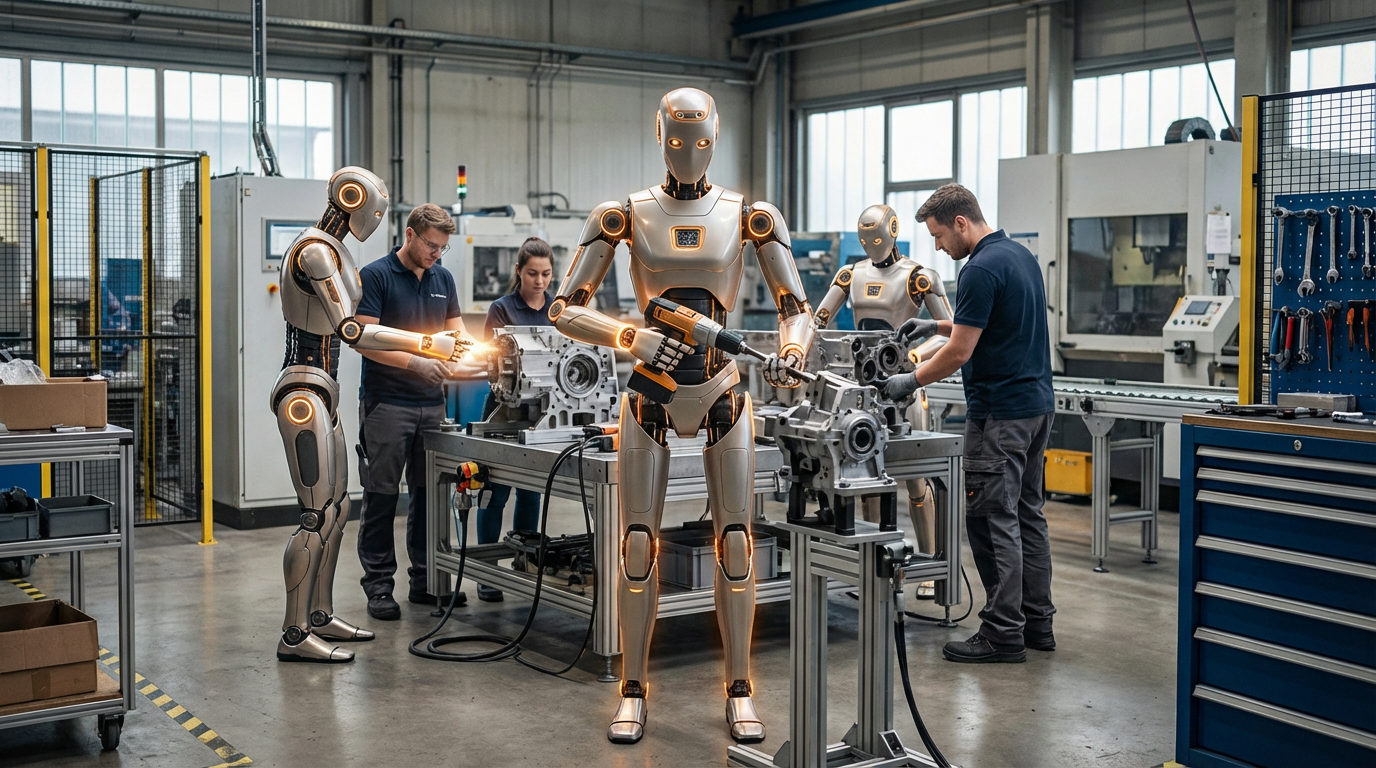
Bipedal robots designed to work in factories built for human workers
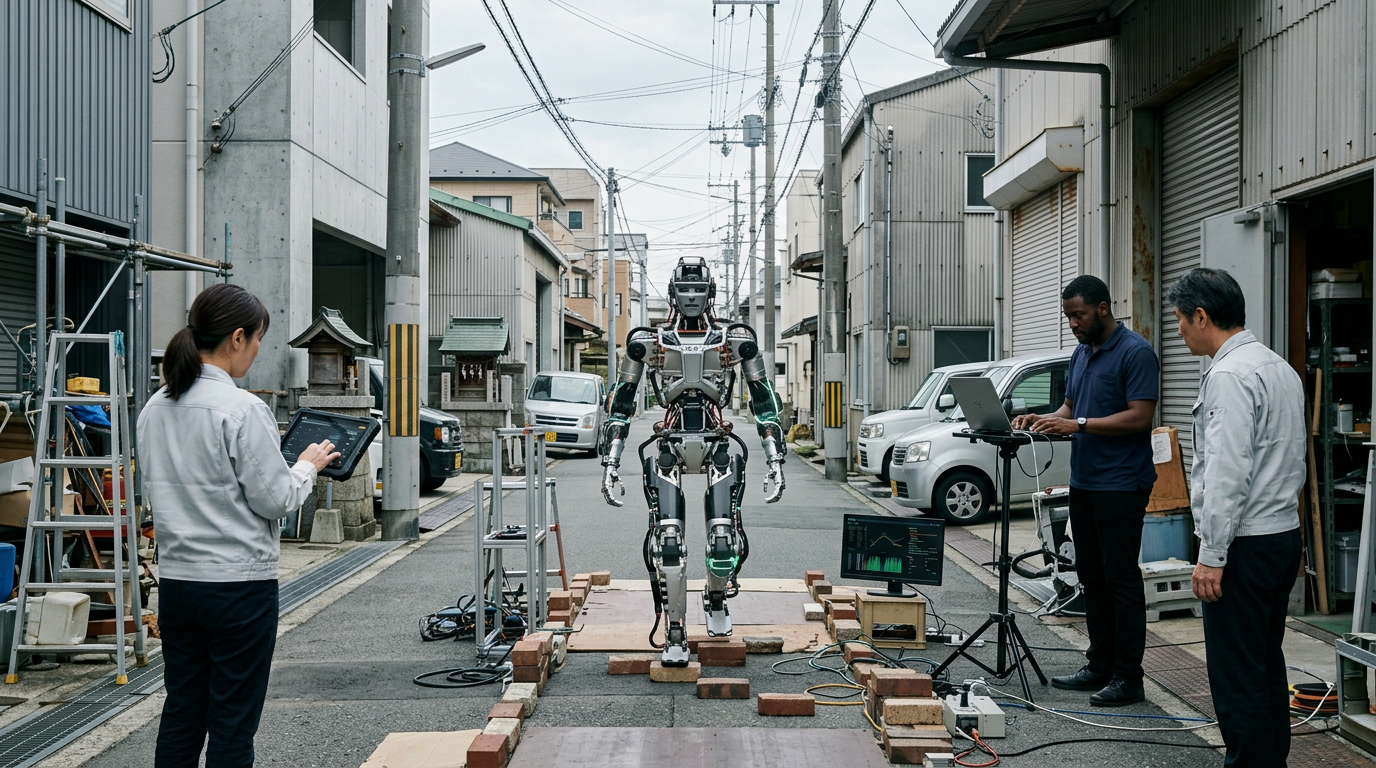
Despite pioneering humanoid robots (ASIMO, AIBO), Japan has fallen behind China and the US in the AI-driven humanoid boom — a recognized strategic gap.
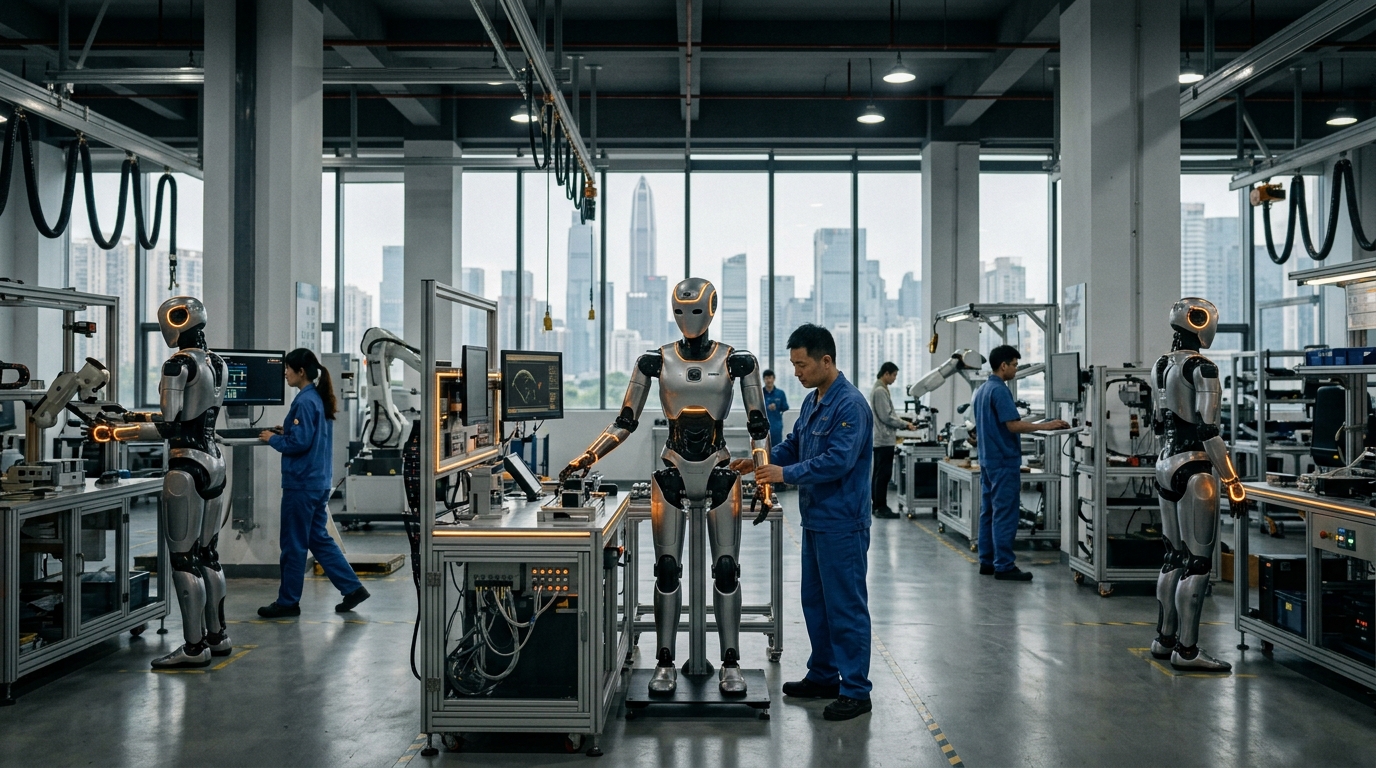
Chinese manufacturers shipped over 14,500 humanoid robots in 2025 — 90% of global volume — while US companies shipped roughly 150
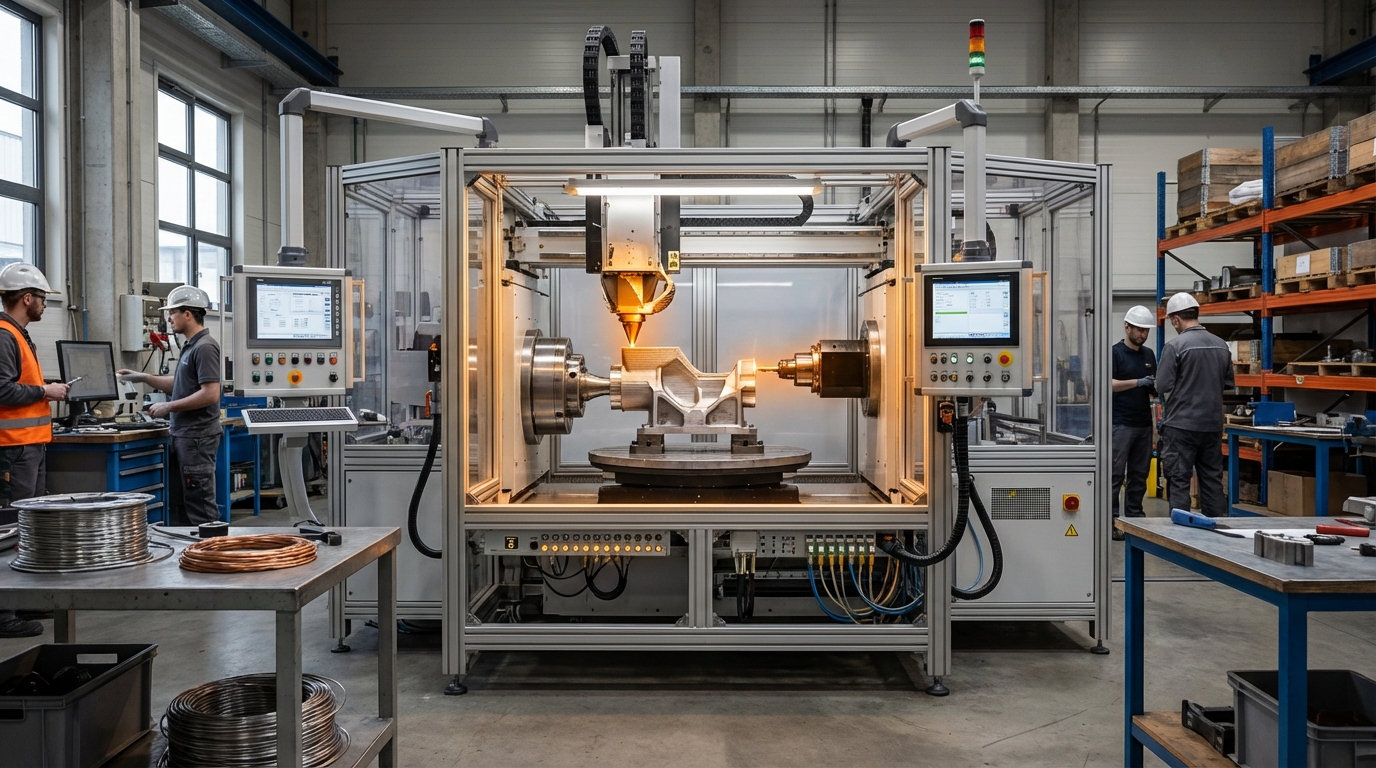
Machines that 3D print and CNC mill parts in one setup for tighter tolerances
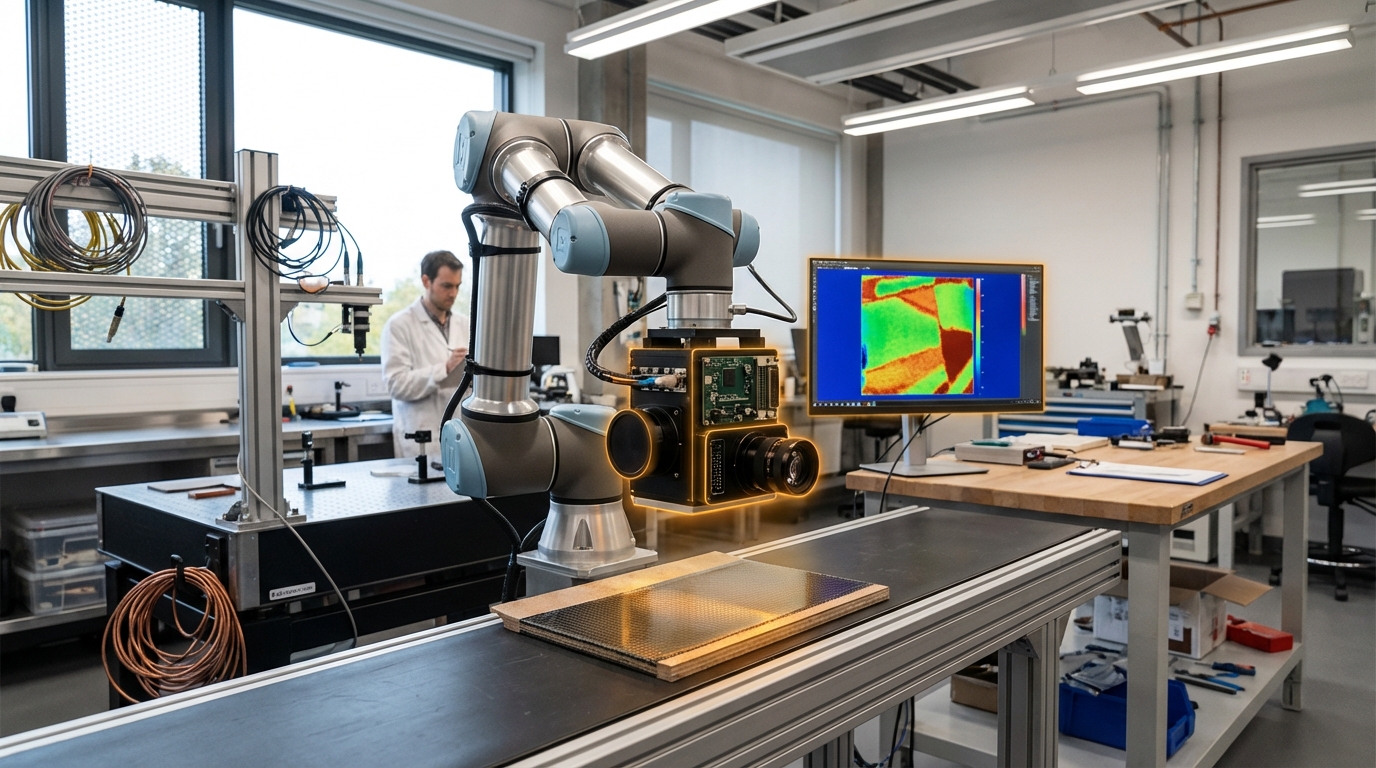
Imaging across hundreds of wavelengths to identify materials and detect defects invisible to standard cameras
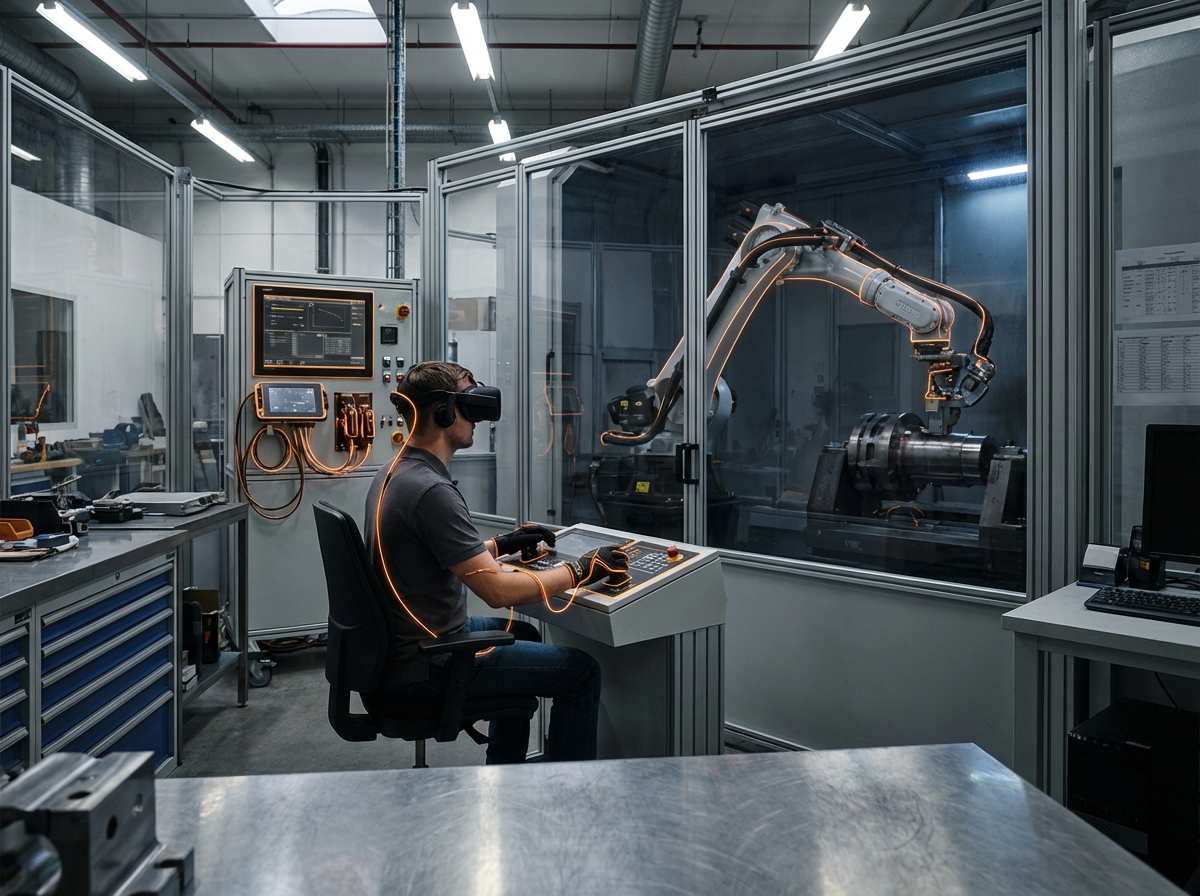
Remote control of industrial robots using VR headsets and haptic feedback for precision tasks
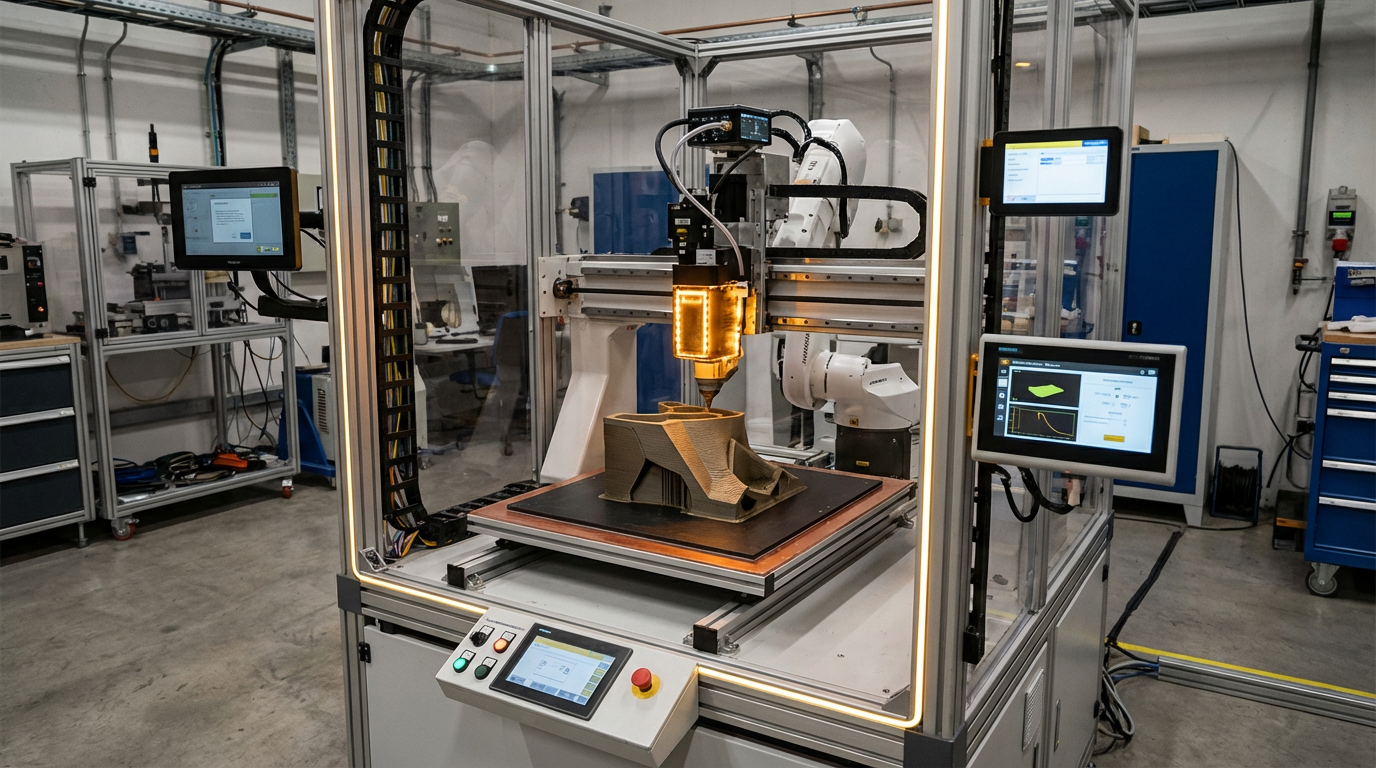
Real-time sensors and feedback loops that adjust manufacturing parameters during production
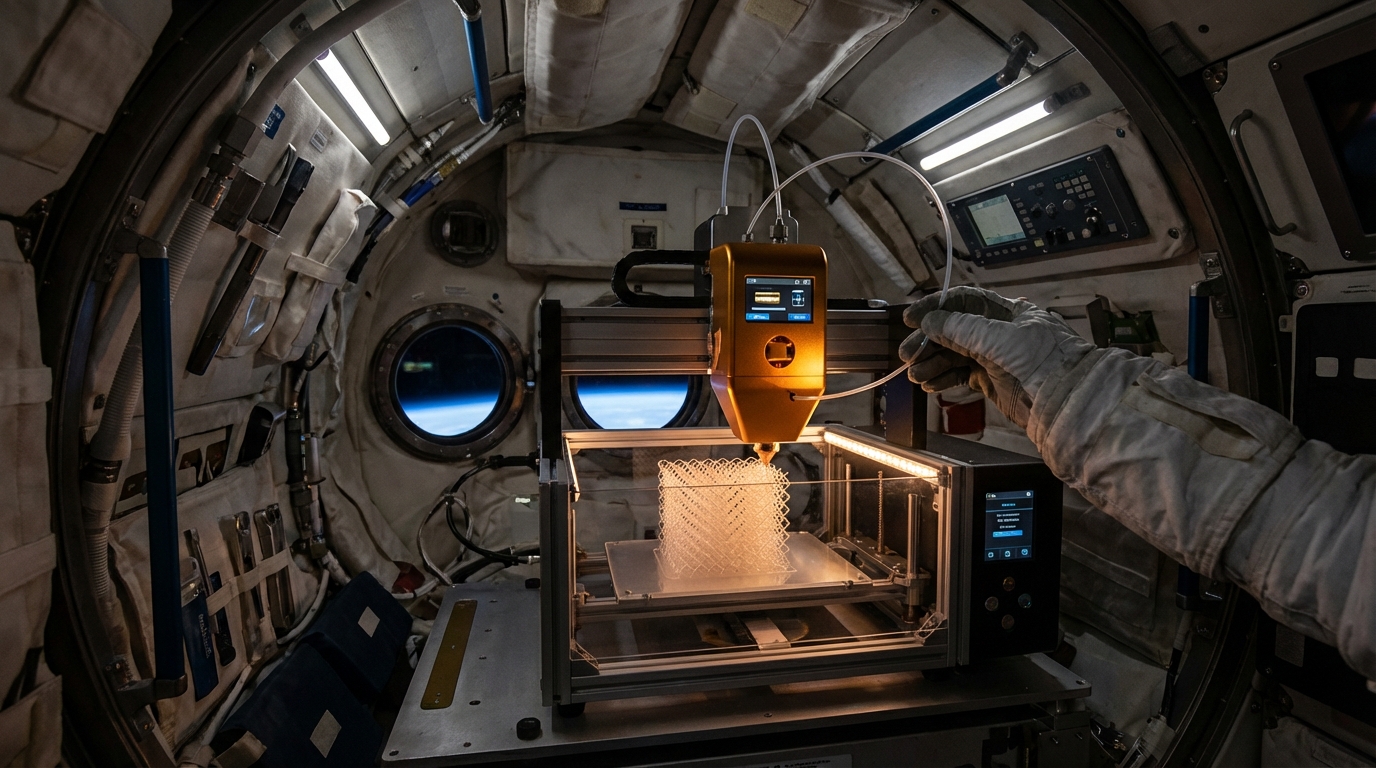
Manufacturing materials and components in microgravity to achieve purity impossible on Earth
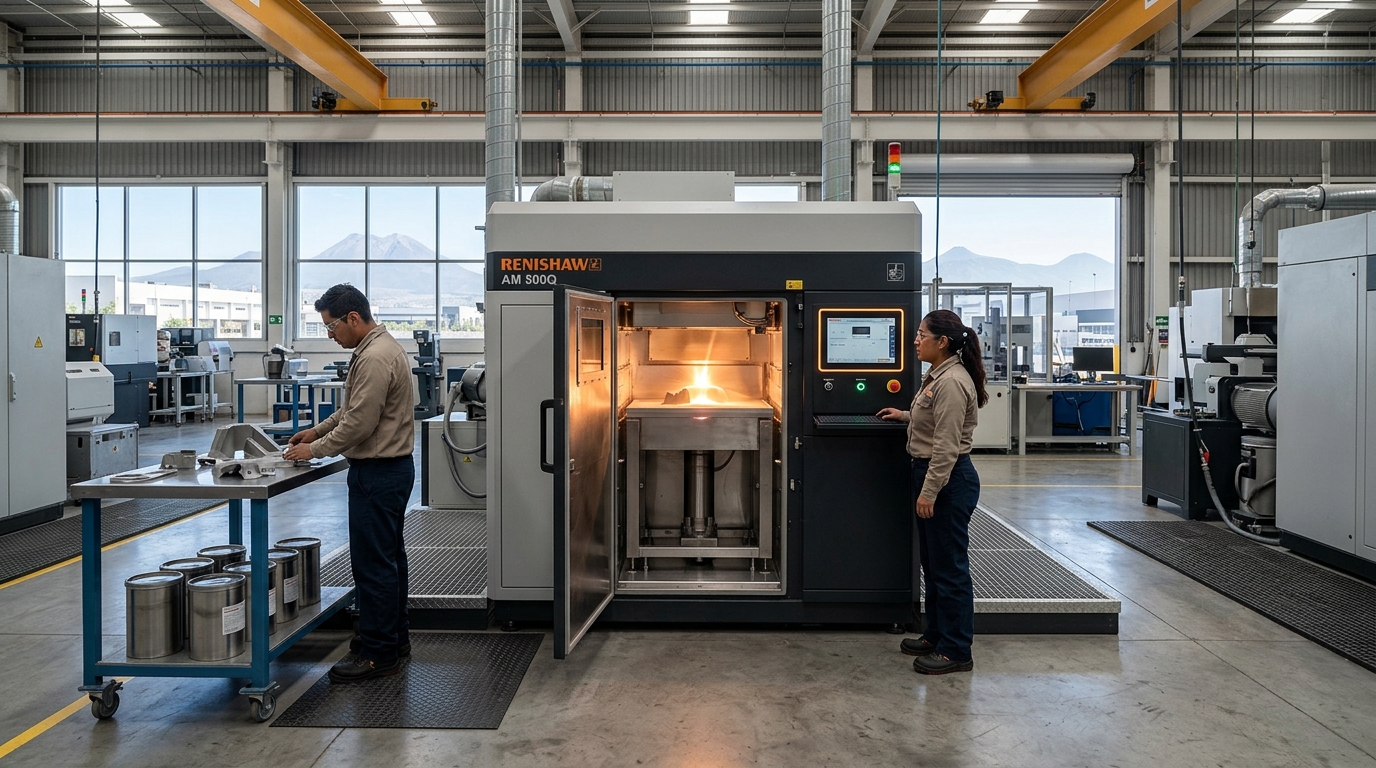
Mexican automotive suppliers adopt metal 3D printing for prototyping and low-volume EV components, supported by CONAHCYT-funded materials research at UNAM and Tec de Monterrey.
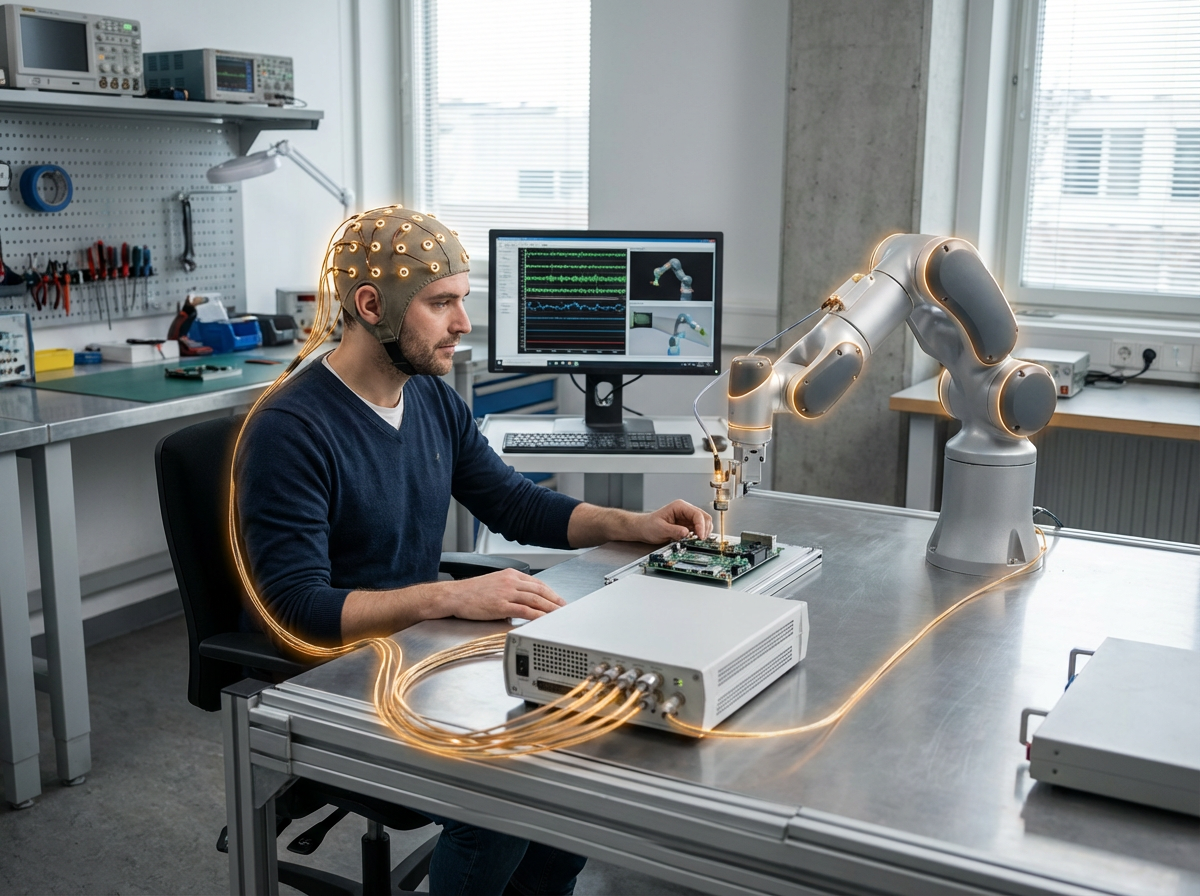
Neural signals translated into machine commands for hands-free industrial control
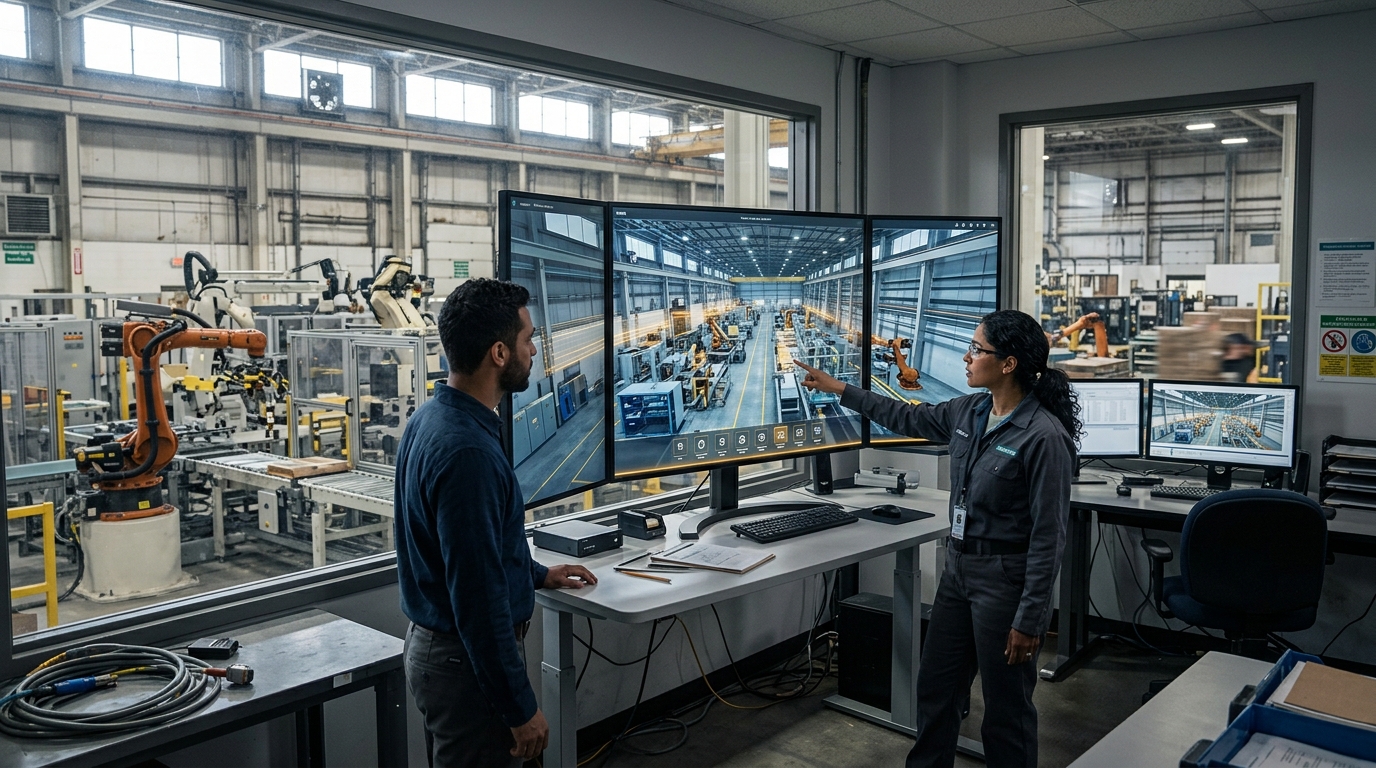
NVIDIA Omniverse and Siemens Xcelerator enable physics-accurate digital replicas of factories, power plants, and supply chains that simulate operations in real-time, enabling predictive maintenance and process optimization before physical changes.
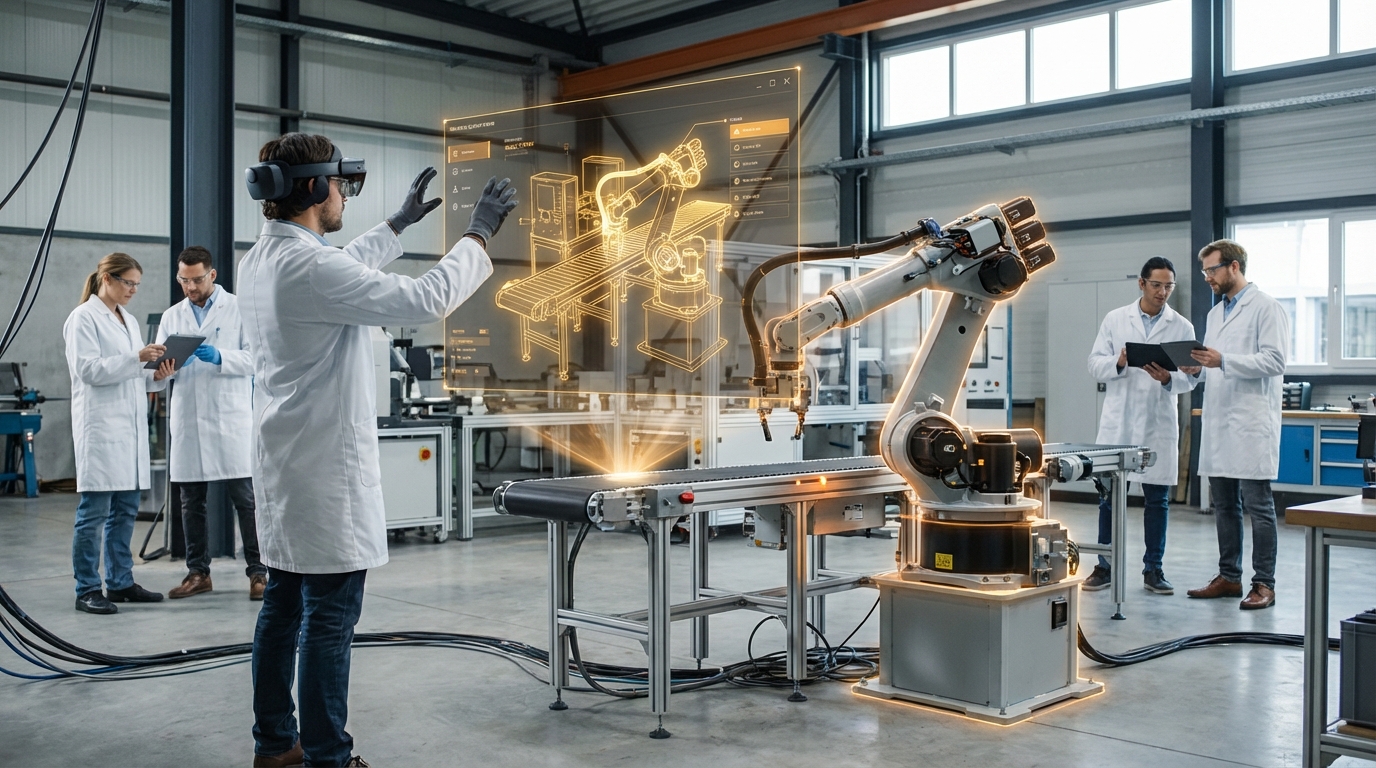
Persistent digital twins of factories and facilities for remote collaboration and operations
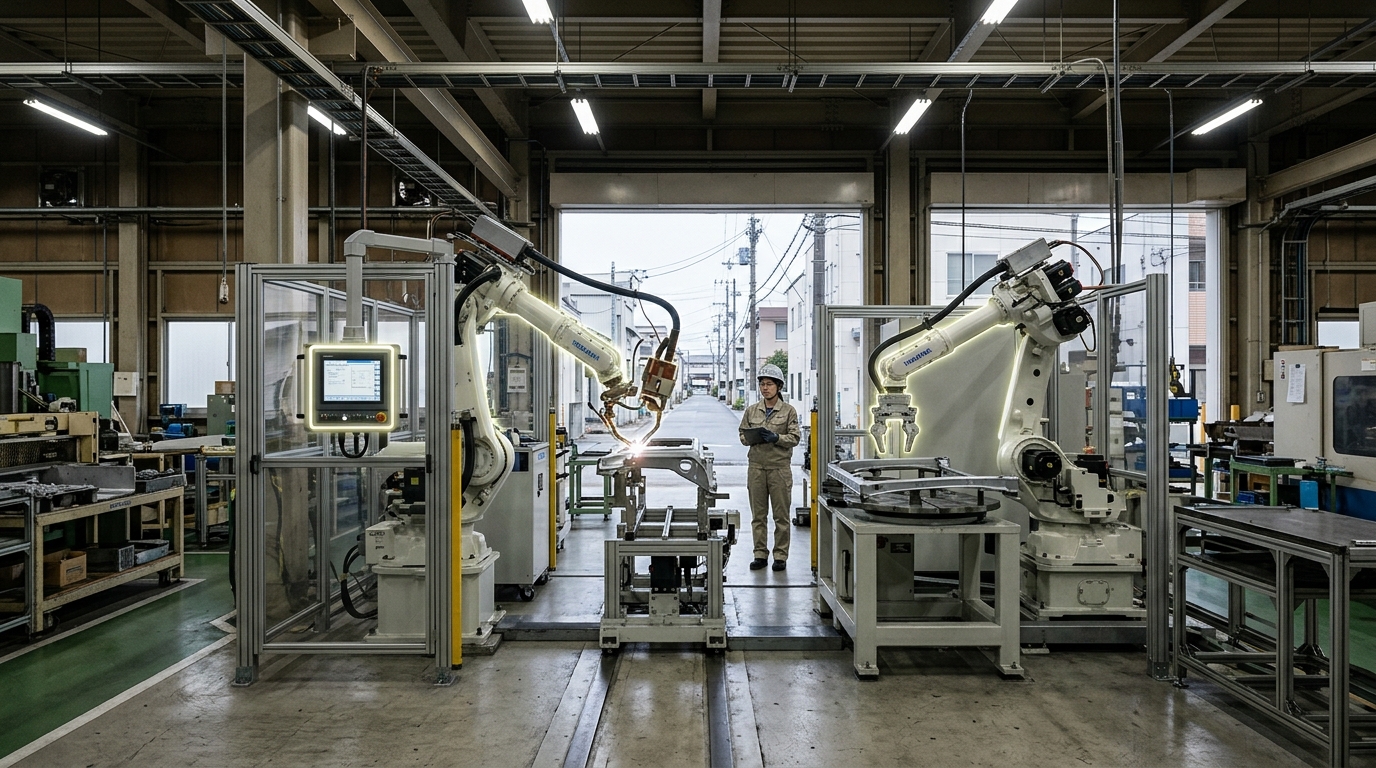
Fanuc, Yaskawa, Kawasaki, and Nachi dominate global industrial robotics with Japan producing ~45% of the world's industrial robots.
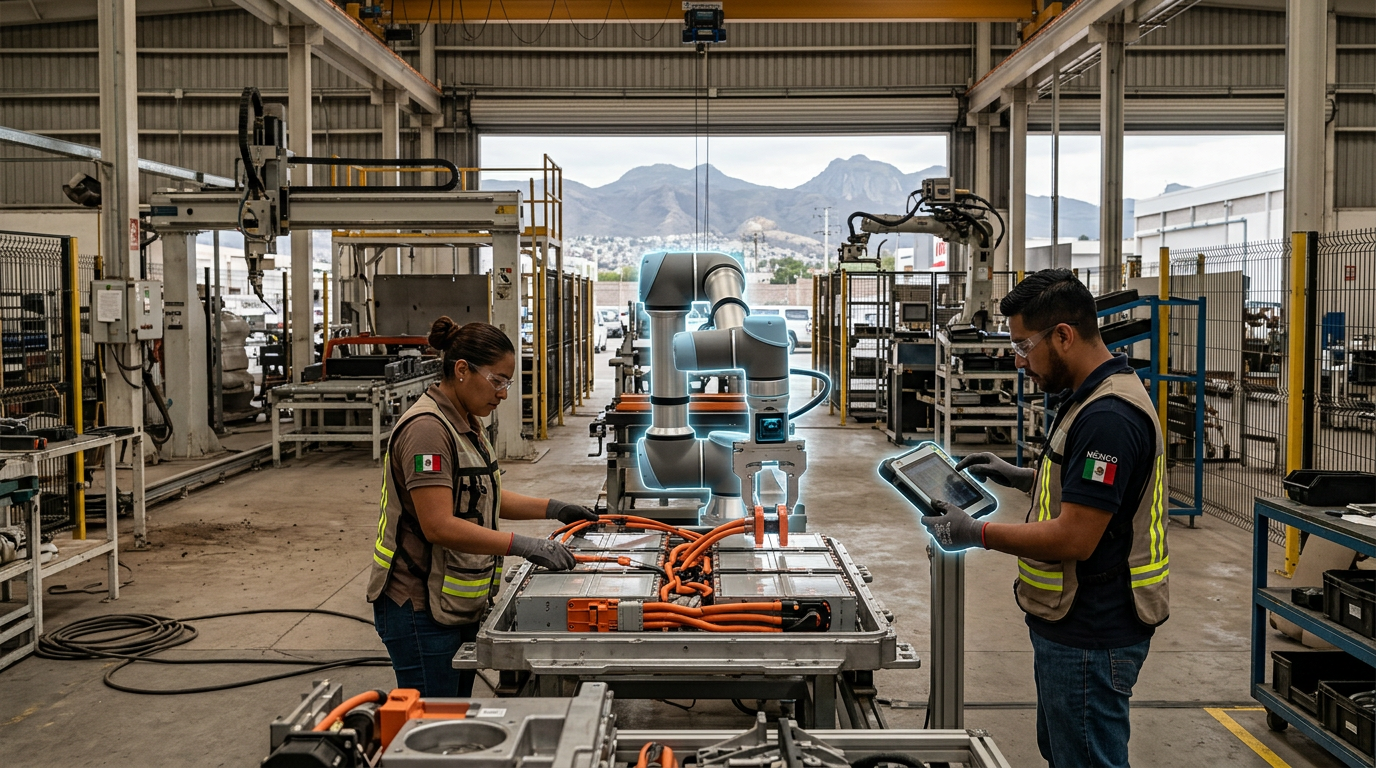
Mexico's automotive plants deploy 30,000+ industrial robots for welding, painting, and assembly, with cobots increasingly used in EV battery module assembly lines.
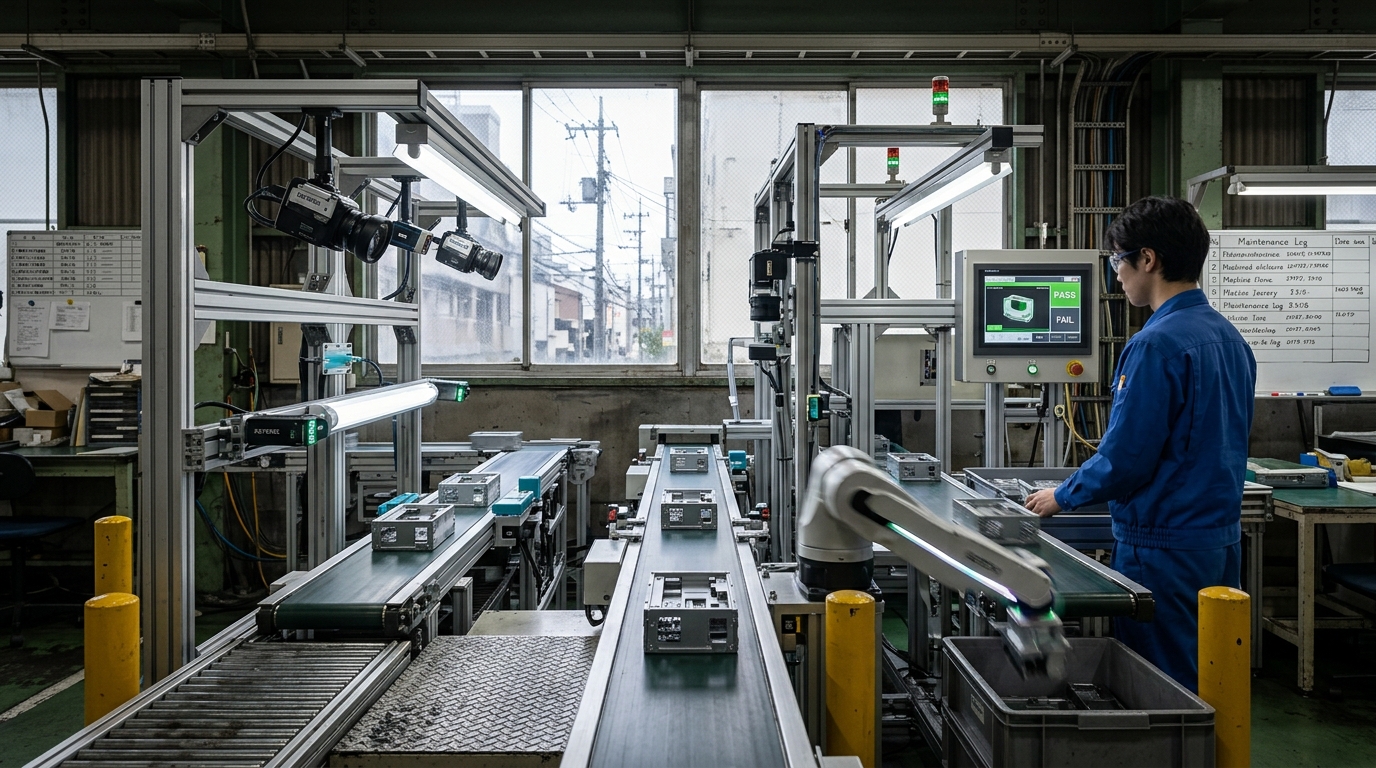
Keyence — Japan's most valuable manufacturer at $100B+ market cap — dominates factory automation sensors, laser markers, and machine vision with AI-enabled inspection systems that detect defects invisible to humans.
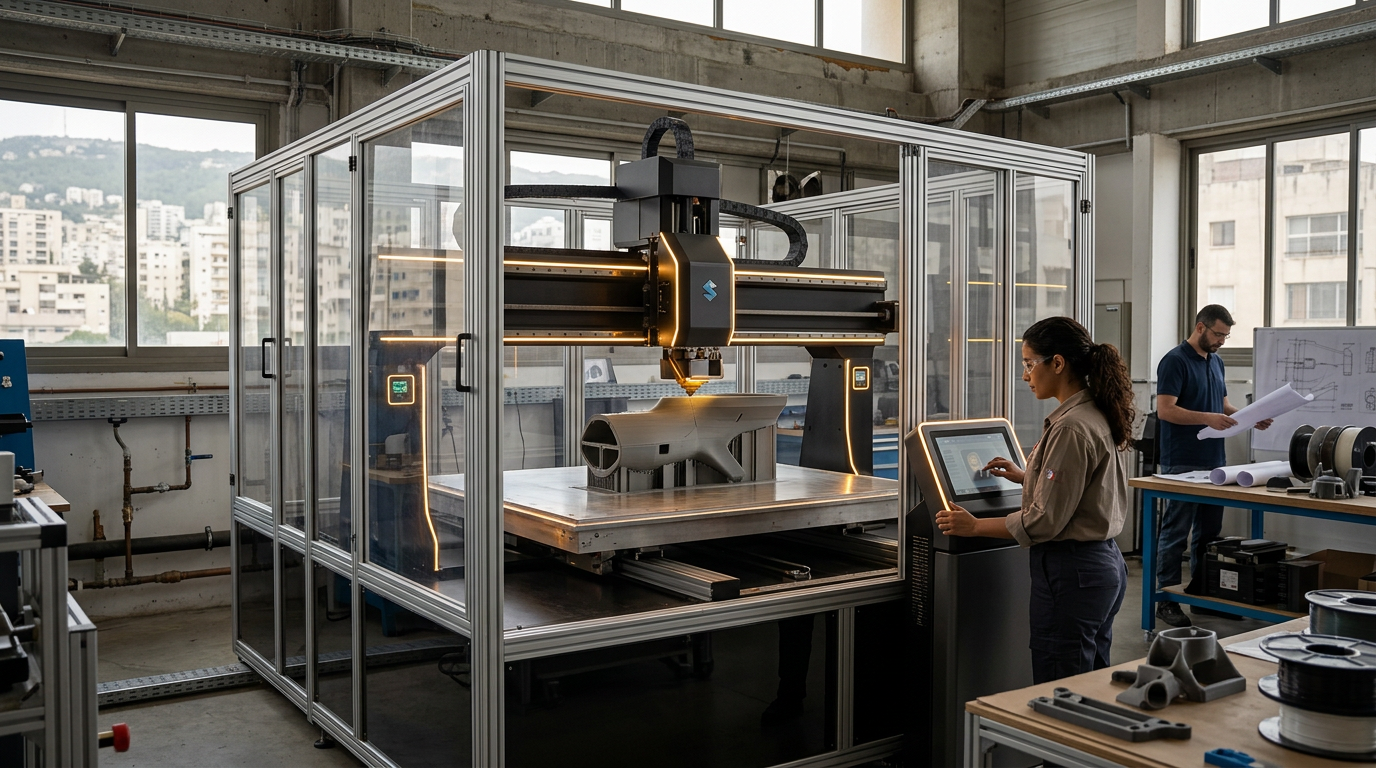
Israel's Stratasys and Massivit pioneered polymer 3D printing for aerospace and defense, with large-format systems producing flight-certified parts and tooling.
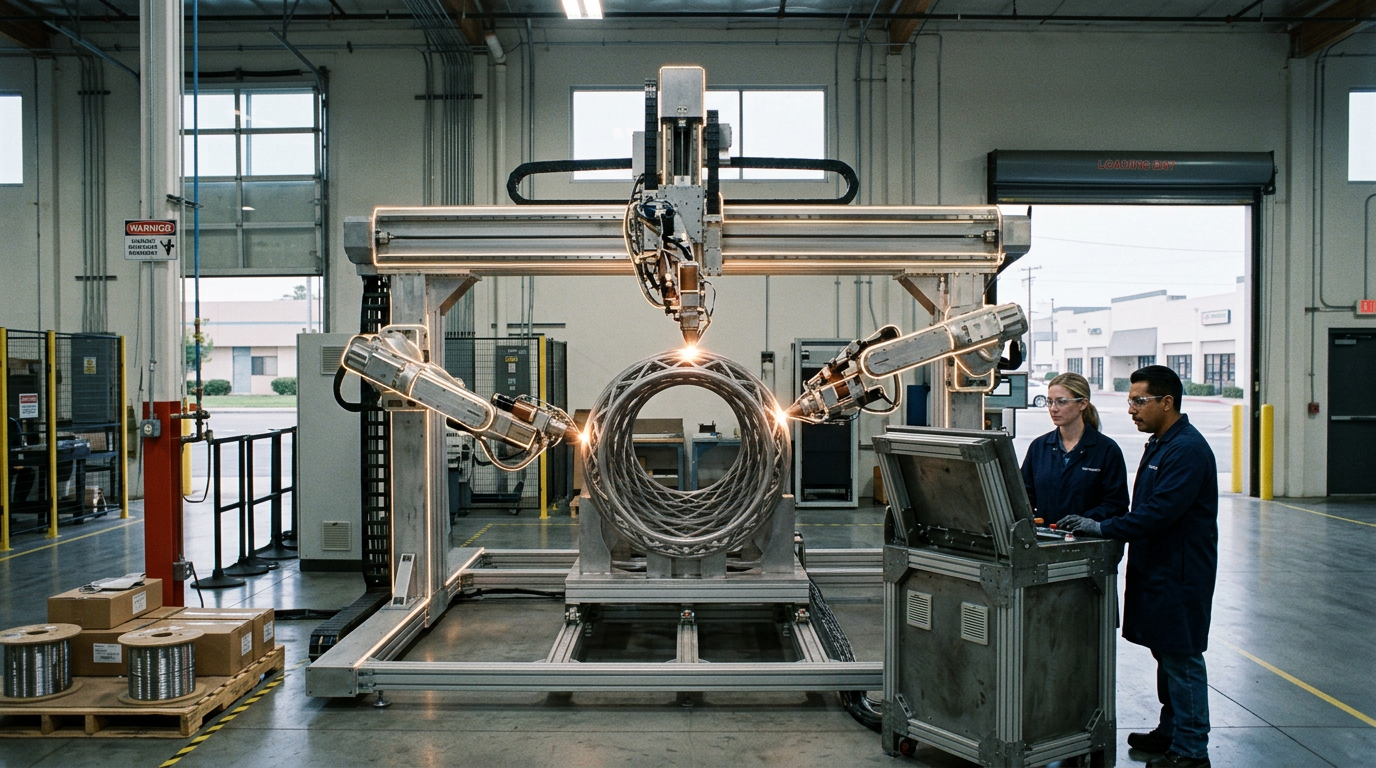
Relativity Space's Stargate is the world's largest 3D metal printer, producing rocket structures in days rather than months, while Boeing, Lockheed, and GE Aviation now 3D-print flight-critical components.

NZ invented the lead-rubber bearing — now the global standard for seismic base isolation — used in Parliament buildings, hospitals, and nuclear plants across Japan, Italy, and the US.
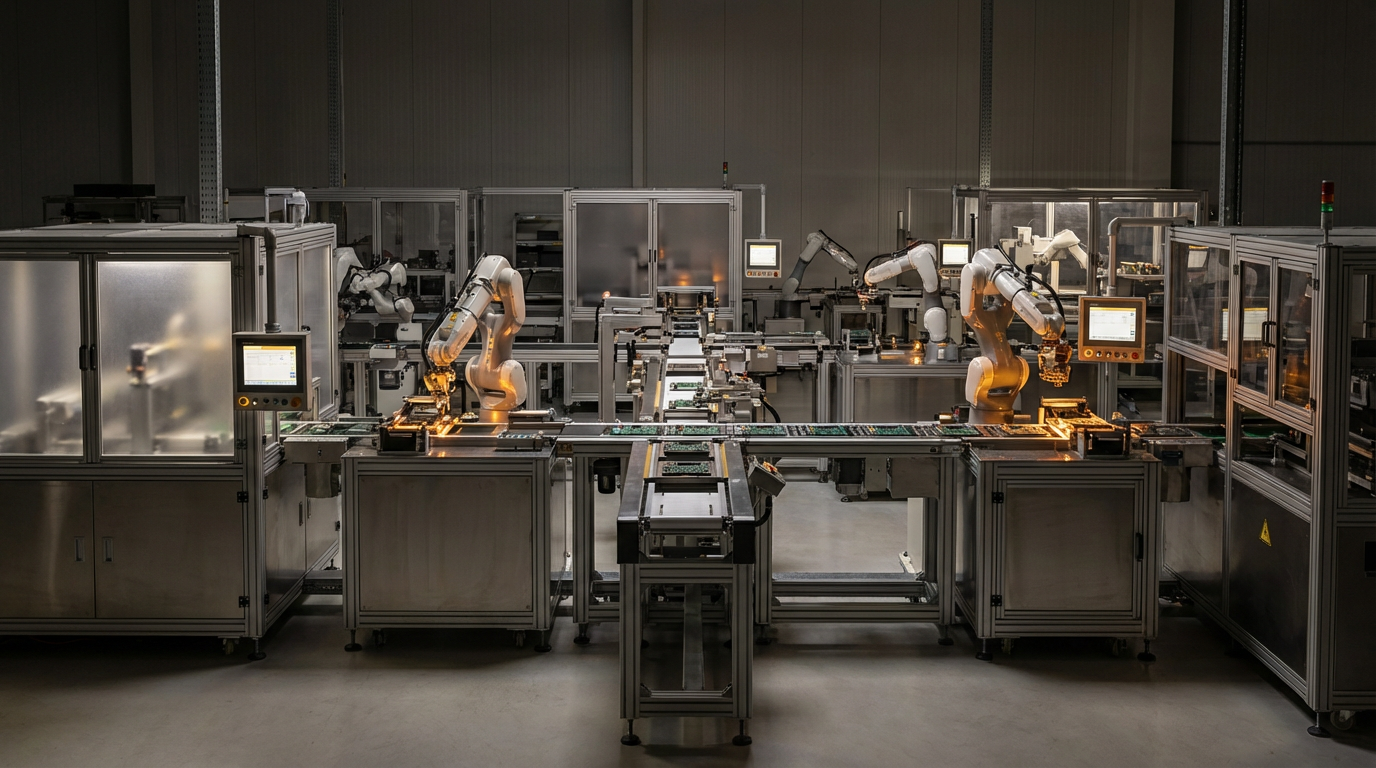
Fully automated factories running continuously without human workers on-site
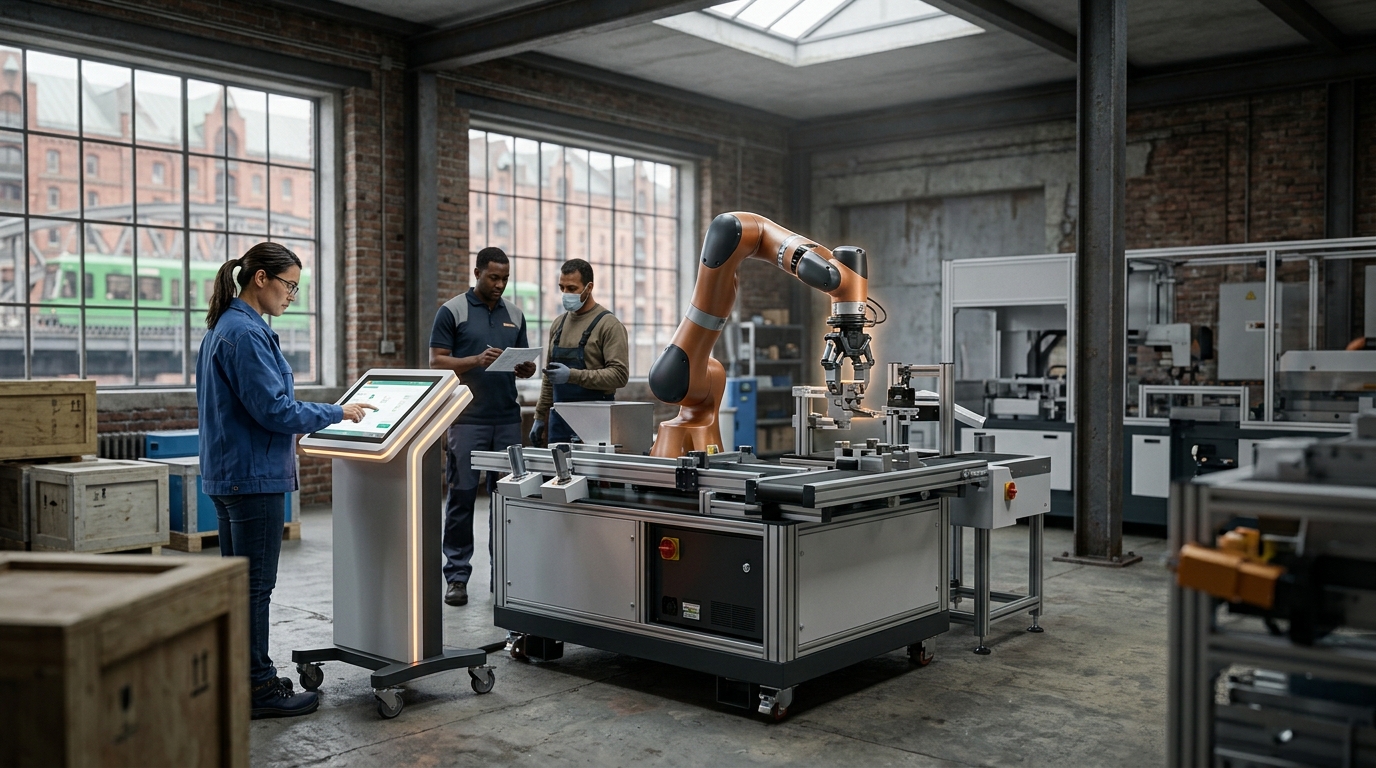
Isembard (UK, £9M raised) addressing the West's manufacturing capacity crisis with robotic systems that can be deployed in weeks rather than years
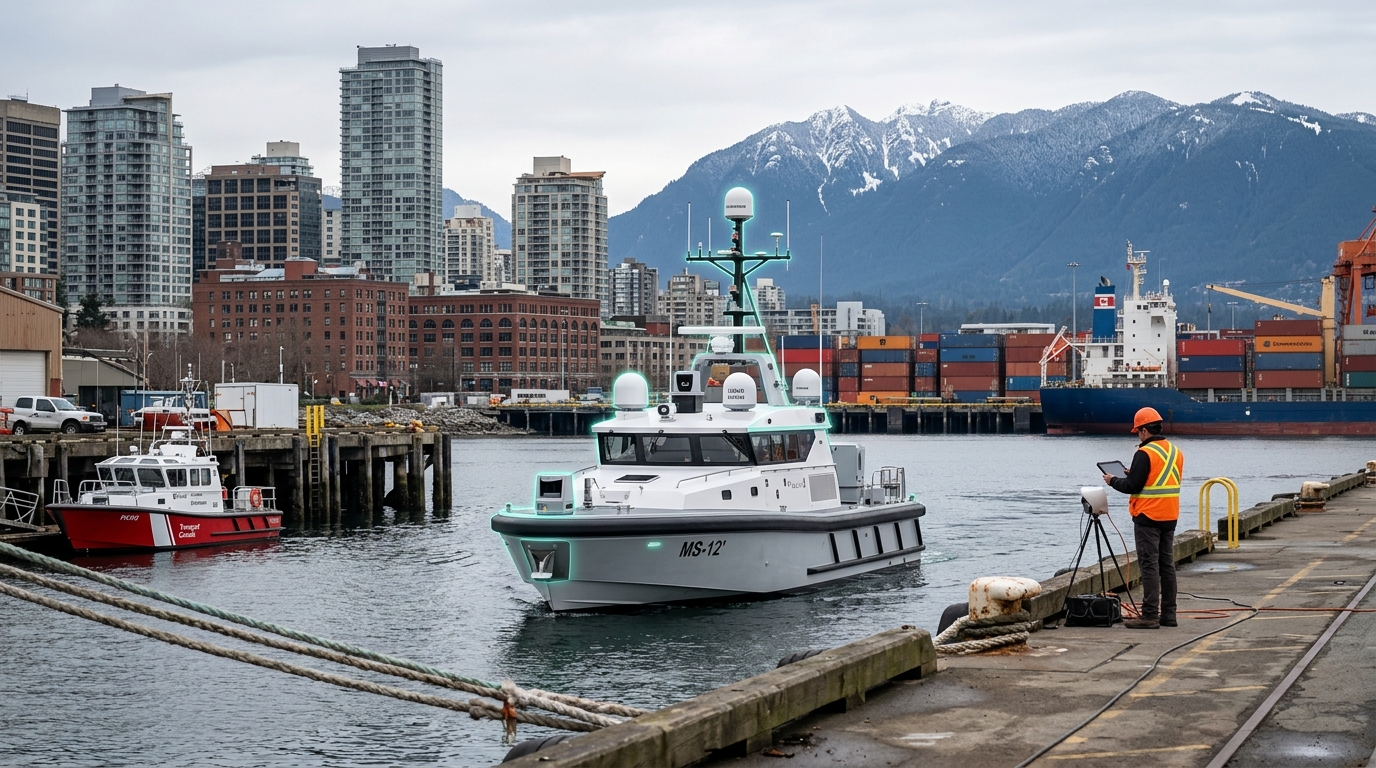
NRC and Transport Canada are developing a national MASS framework to make Canada a global designer and manufacturer of autonomous ships, leveraging AI, three ocean coastlines, and a US$12 billion global market by 2029.
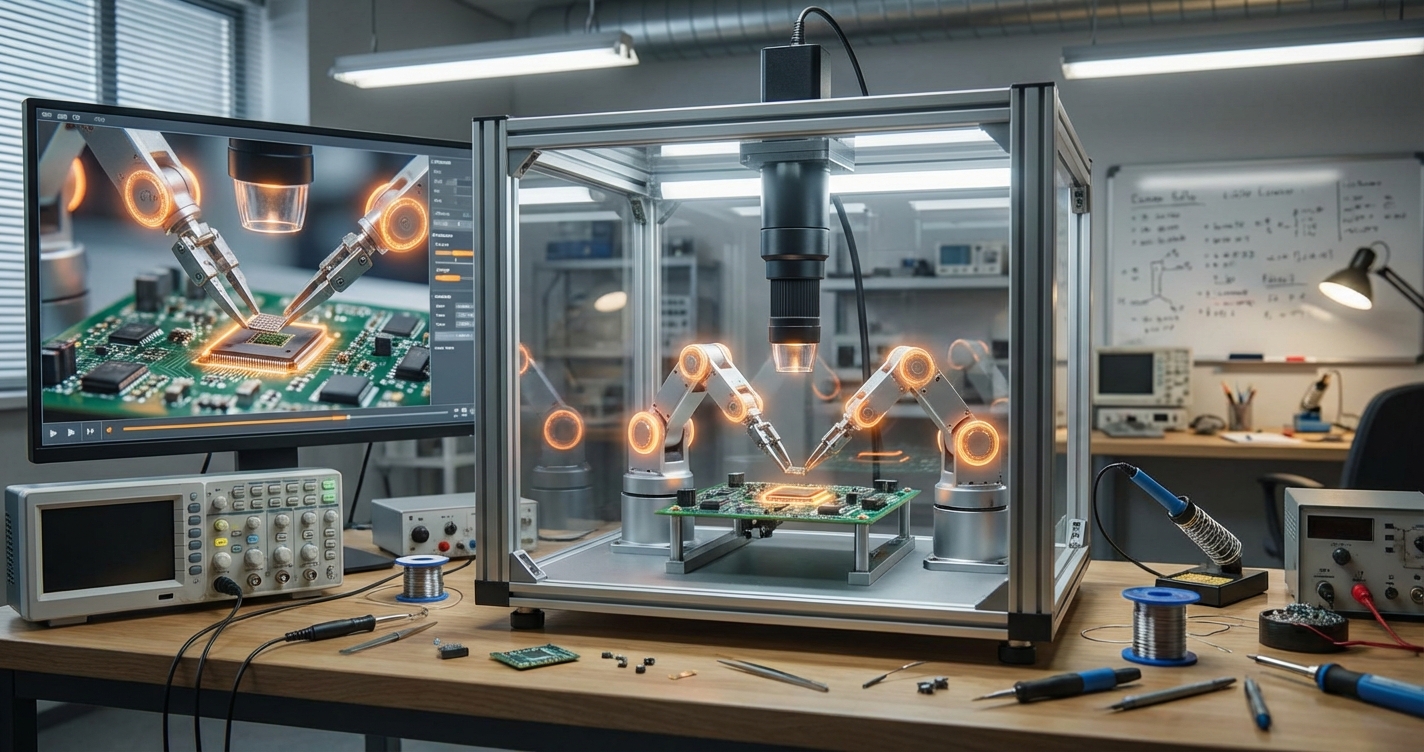
Sub-millimeter to centimeter-scale robots for precision tasks in confined or delicate environments
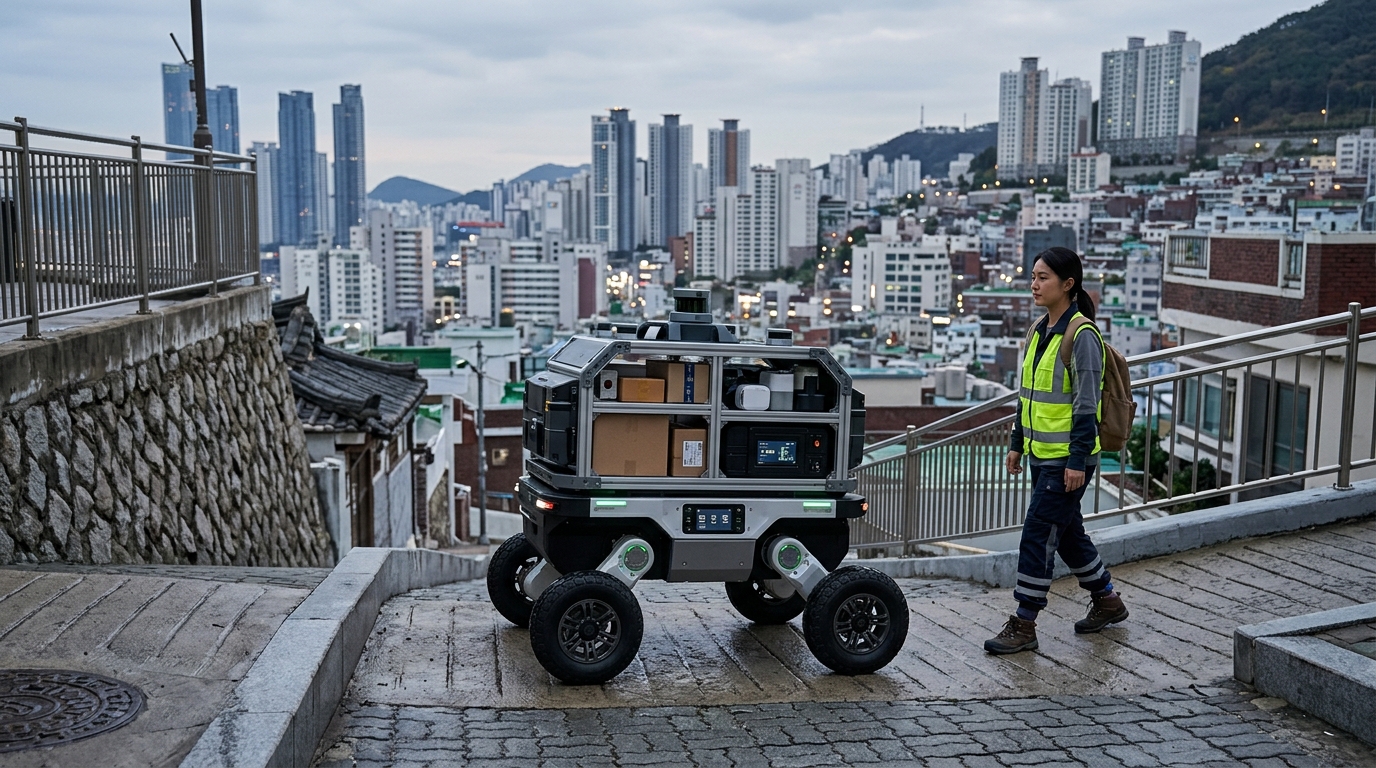
Hyundai's MobED modular eccentric droid won CES 2026 Best of Innovation for its four-wheel independent steering platform that adapts to any terrain or payload.

Robotic arms on autonomous mobile bases that navigate factory floors while performing assembly and handling tasks
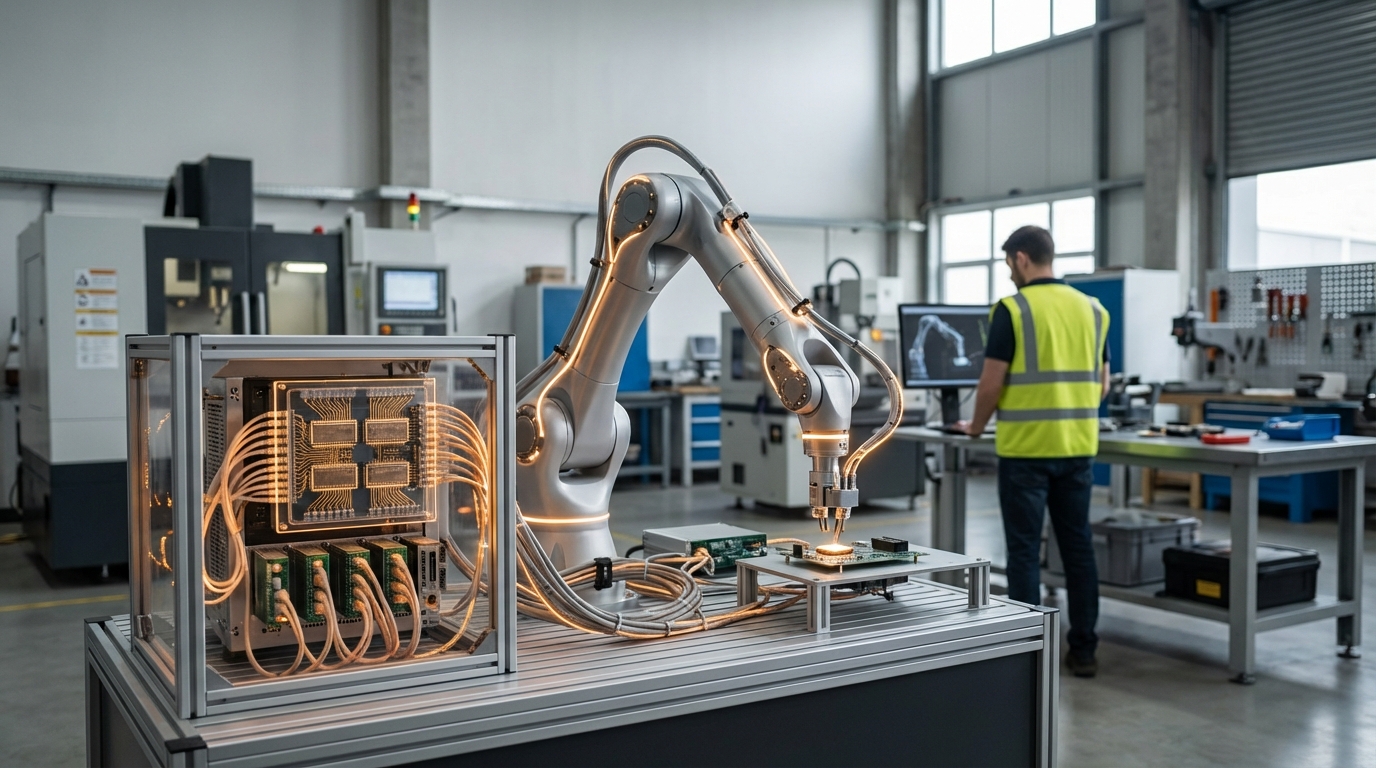
Brain-inspired processors that adapt to changing conditions in real-time industrial control

Automation systems configured by demonstration instead of code, enabling faster deployment
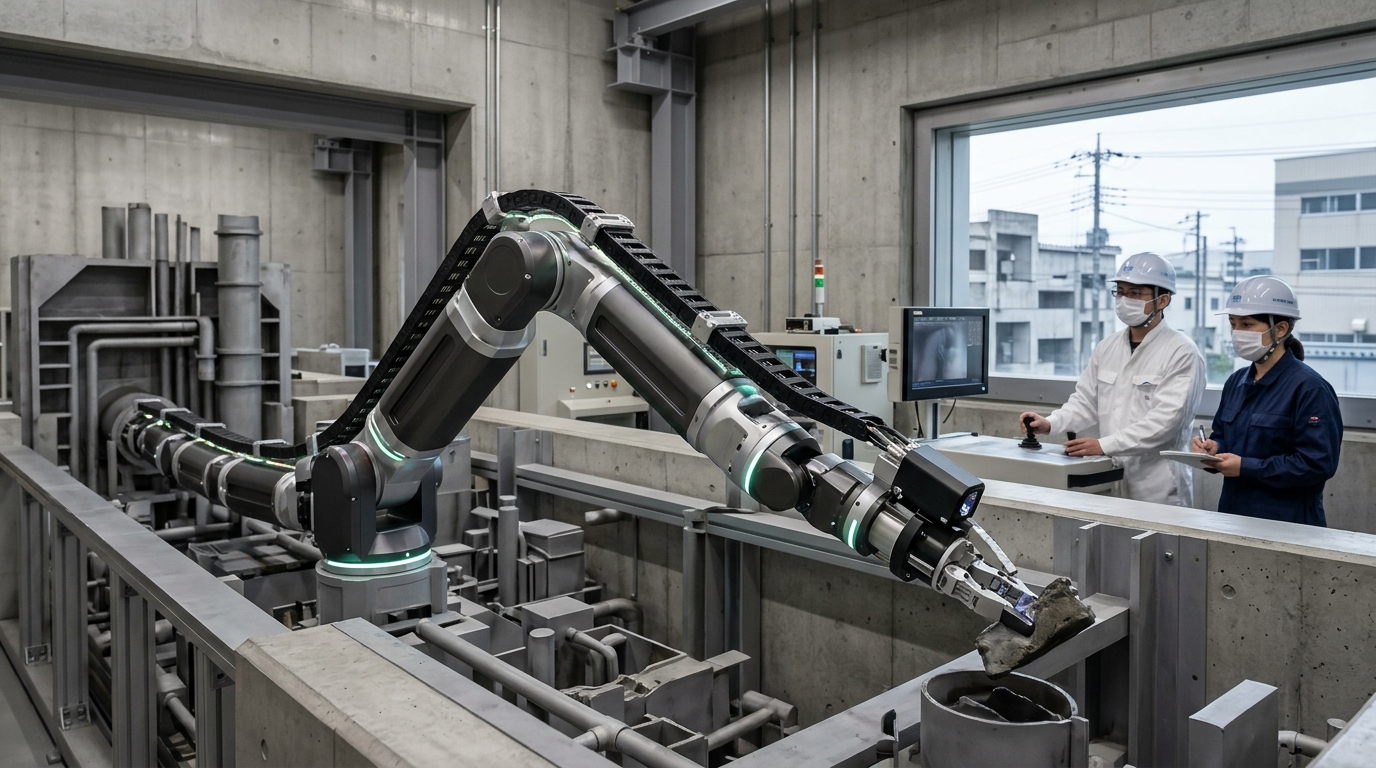
TEPCO unveiled a new snake-like robotic arm in February 2026 for Fukushima fuel debris removal — the world's most extreme radiation-hardened robotics, forced into existence by the worst nuclear disaster since Chernobyl.
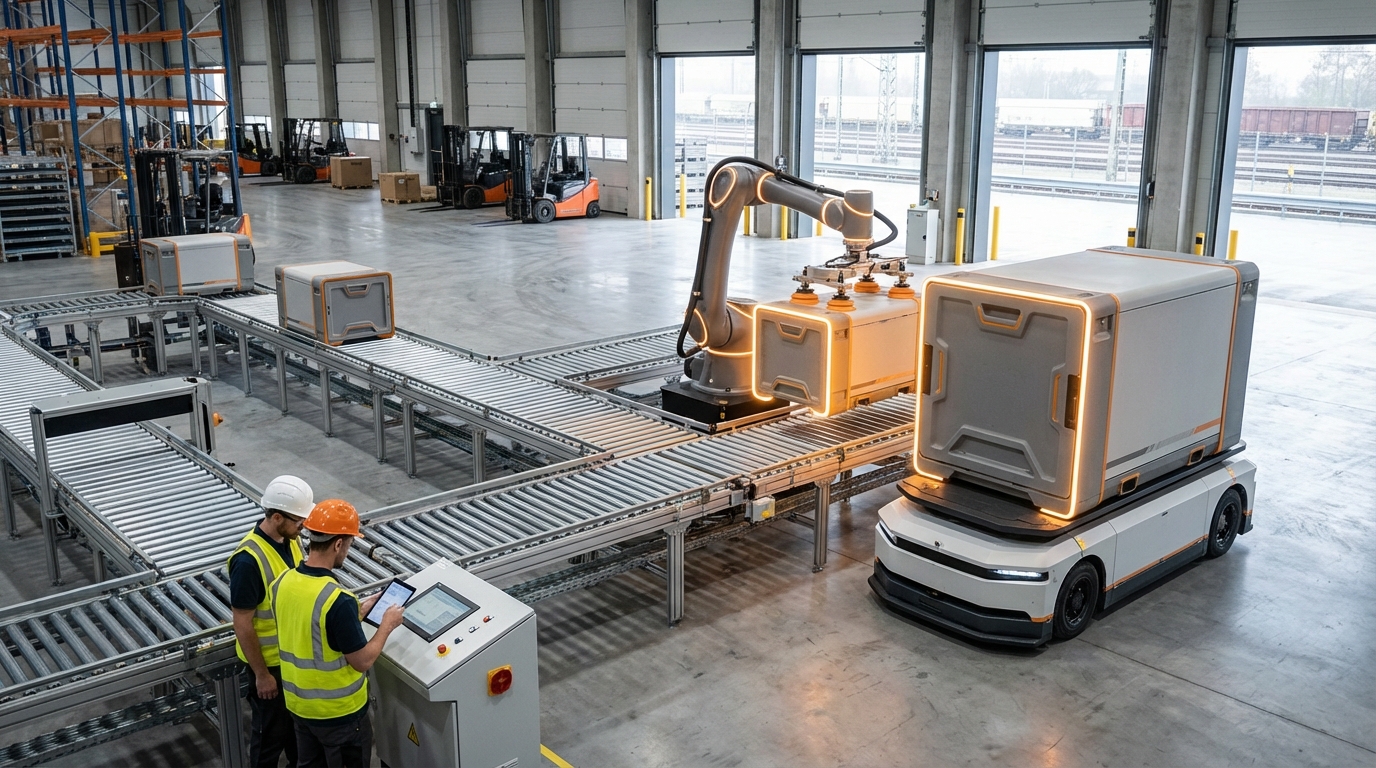
Standardized, modular logistics network that routes cargo like data packets across carriers and modes
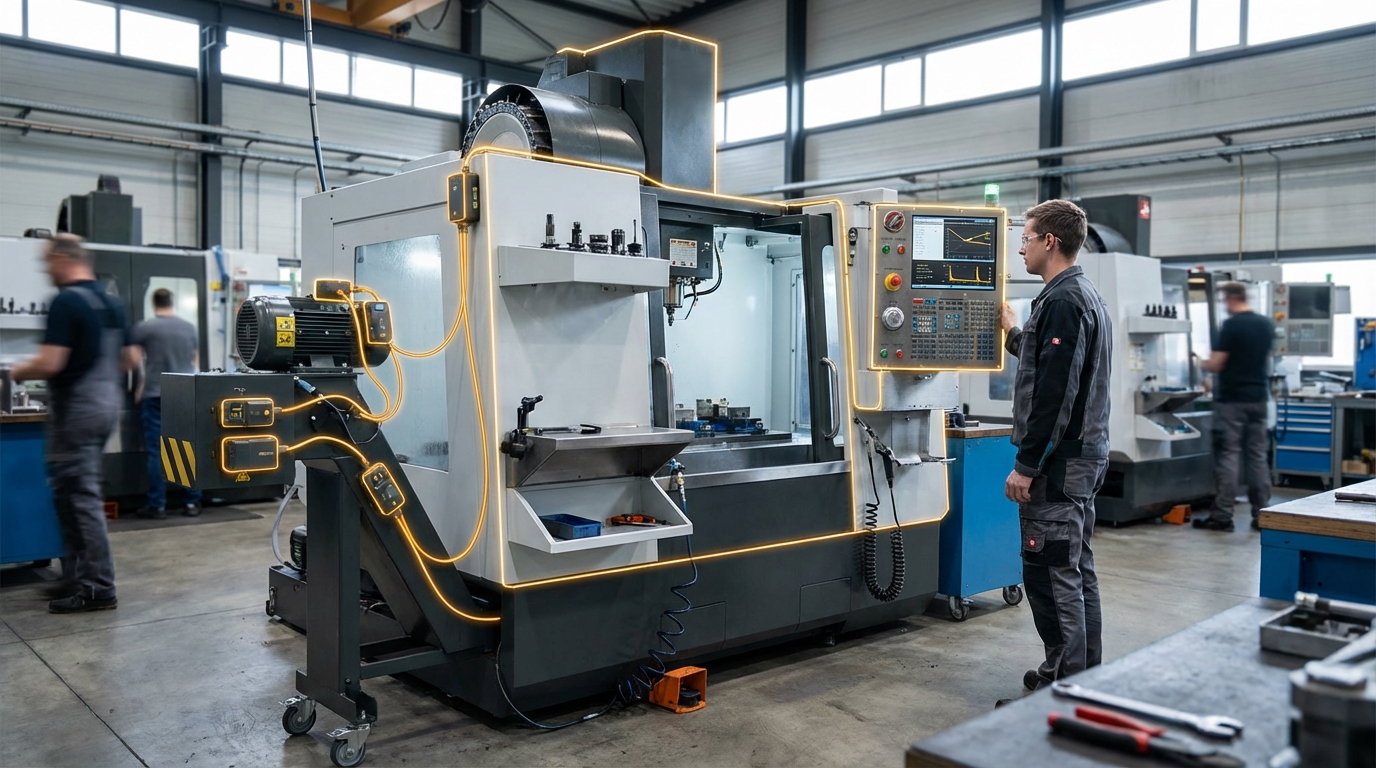
IoT platforms that forecast equipment failures to prevent unplanned downtime

Engineered microstructures with tunable mechanical properties controlled by geometry, not chemistry
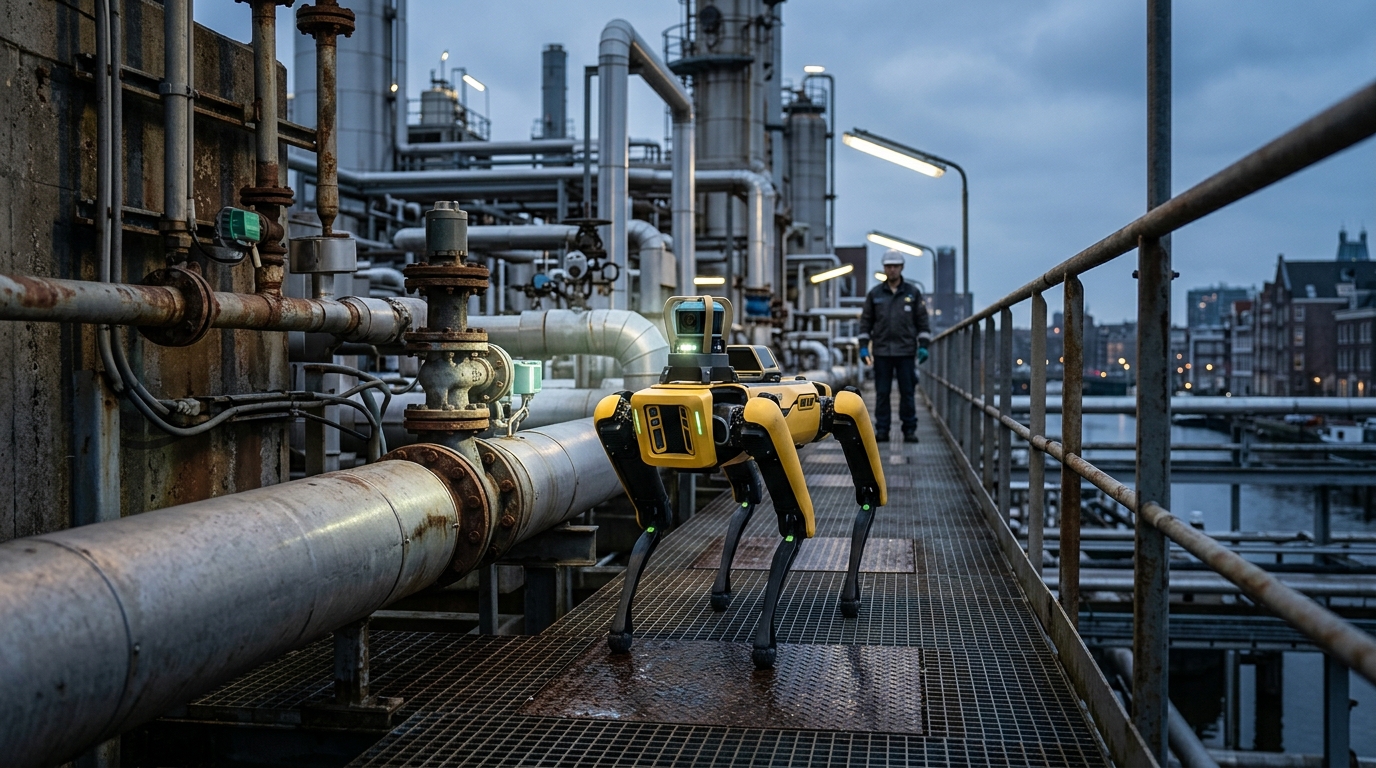
Four-legged Swiss robots that navigate fire, water, and rough terrain to inspect dangerous industrial sites — deployed by oil and gas companies
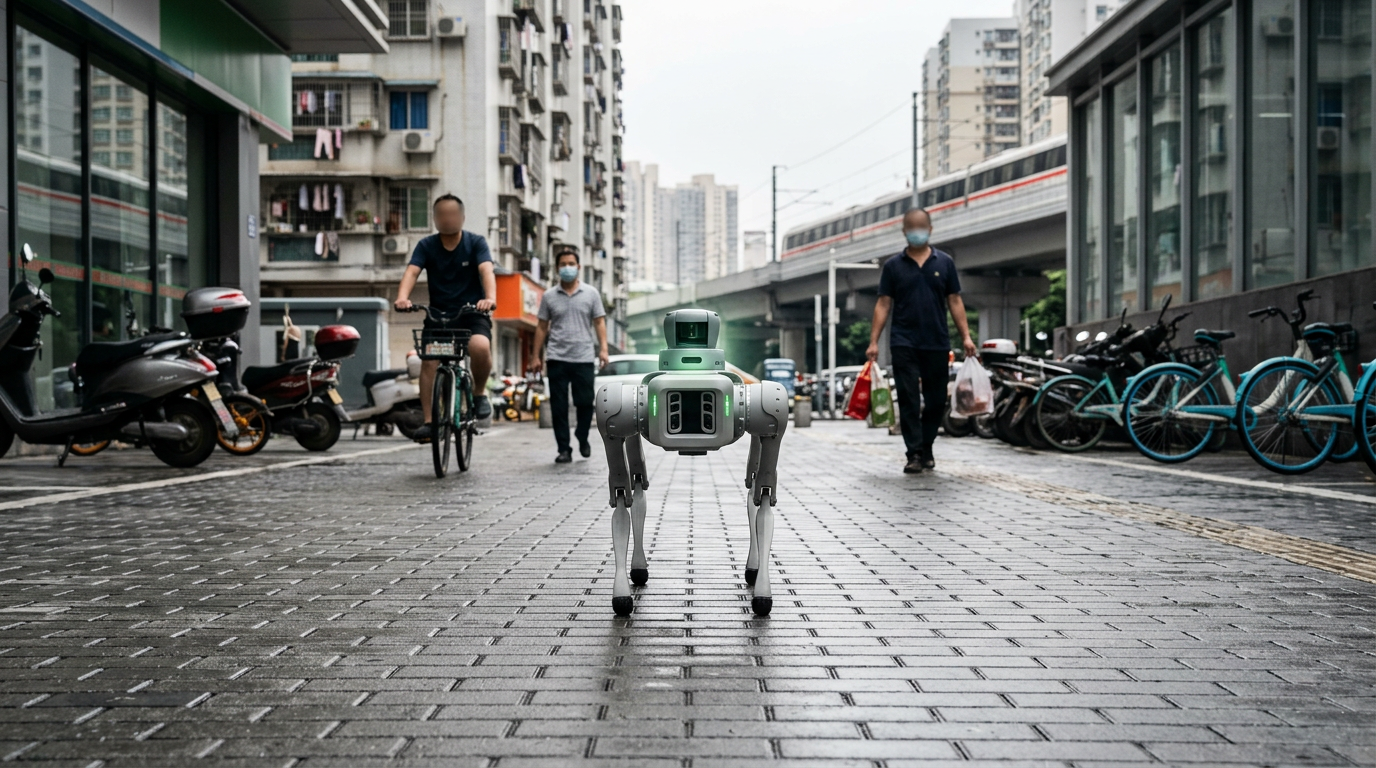
Unitree's Go2 robot dog sells for $1,600 — less than a high-end vacuum cleaner — with 4D LiDAR and autonomous navigation
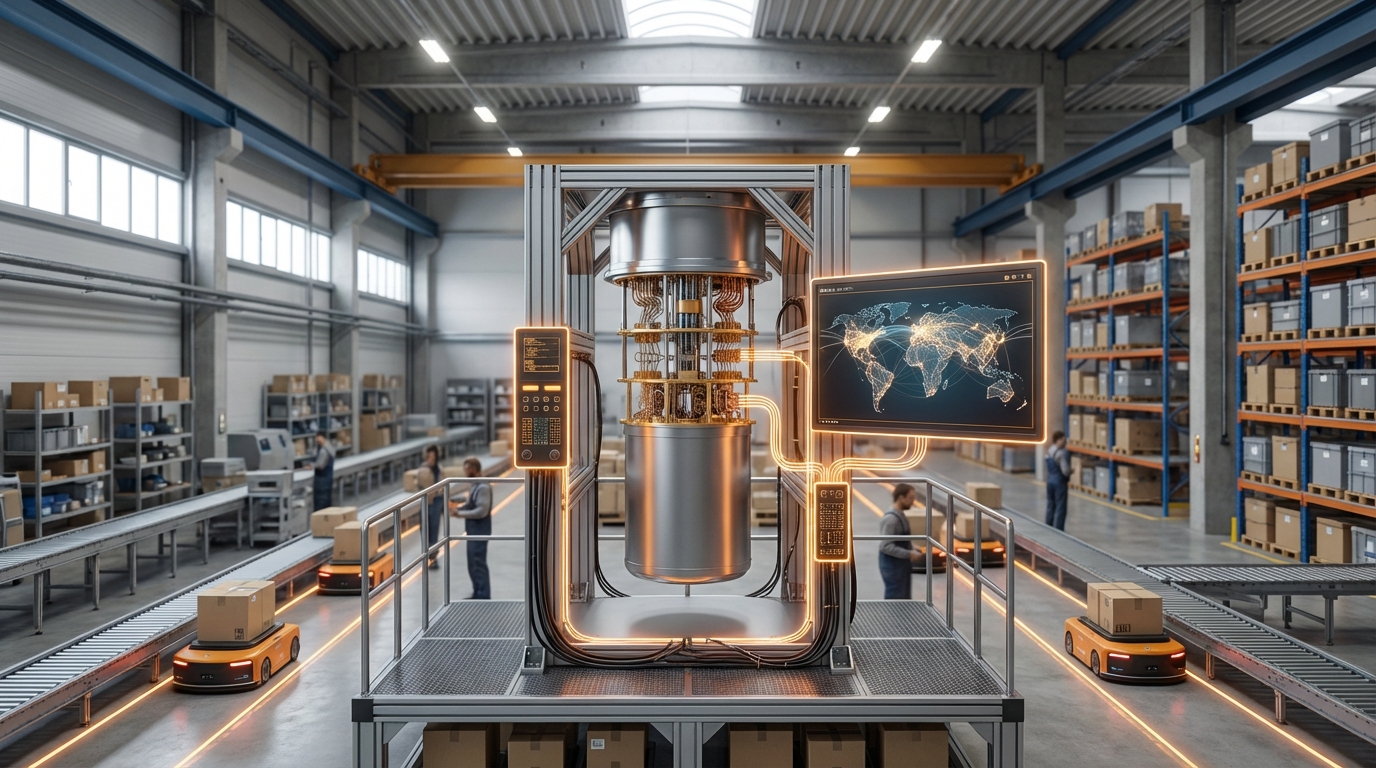
Applying quantum computing to solve complex routing, inventory, and supply chain coordination problems
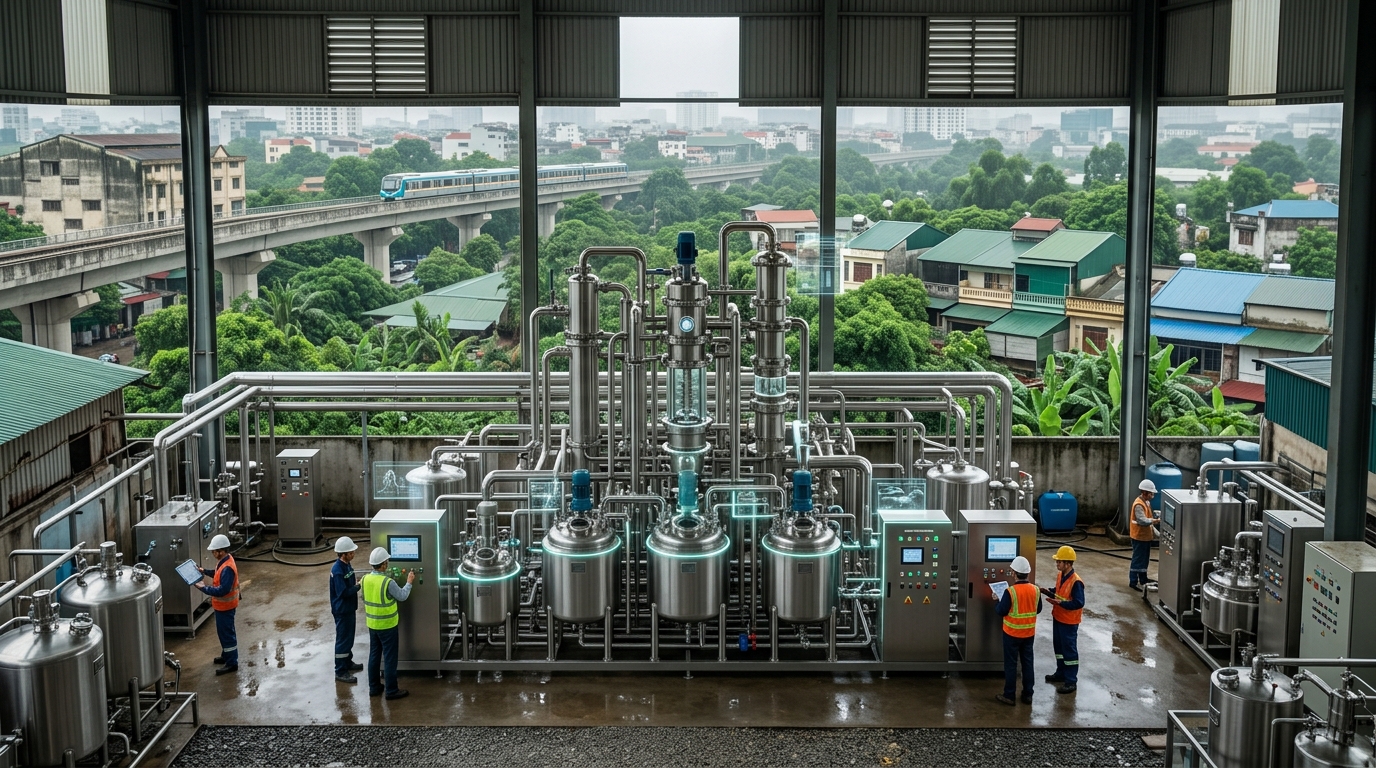
Vietnam holds significant rare earth reserves in Lai Chau and Lao Cai, targeting 20,000-60,000 tonnes annual processing by 2030 with technology transfer requirements.

Modular production lines that reorganize quickly for new products or volumes
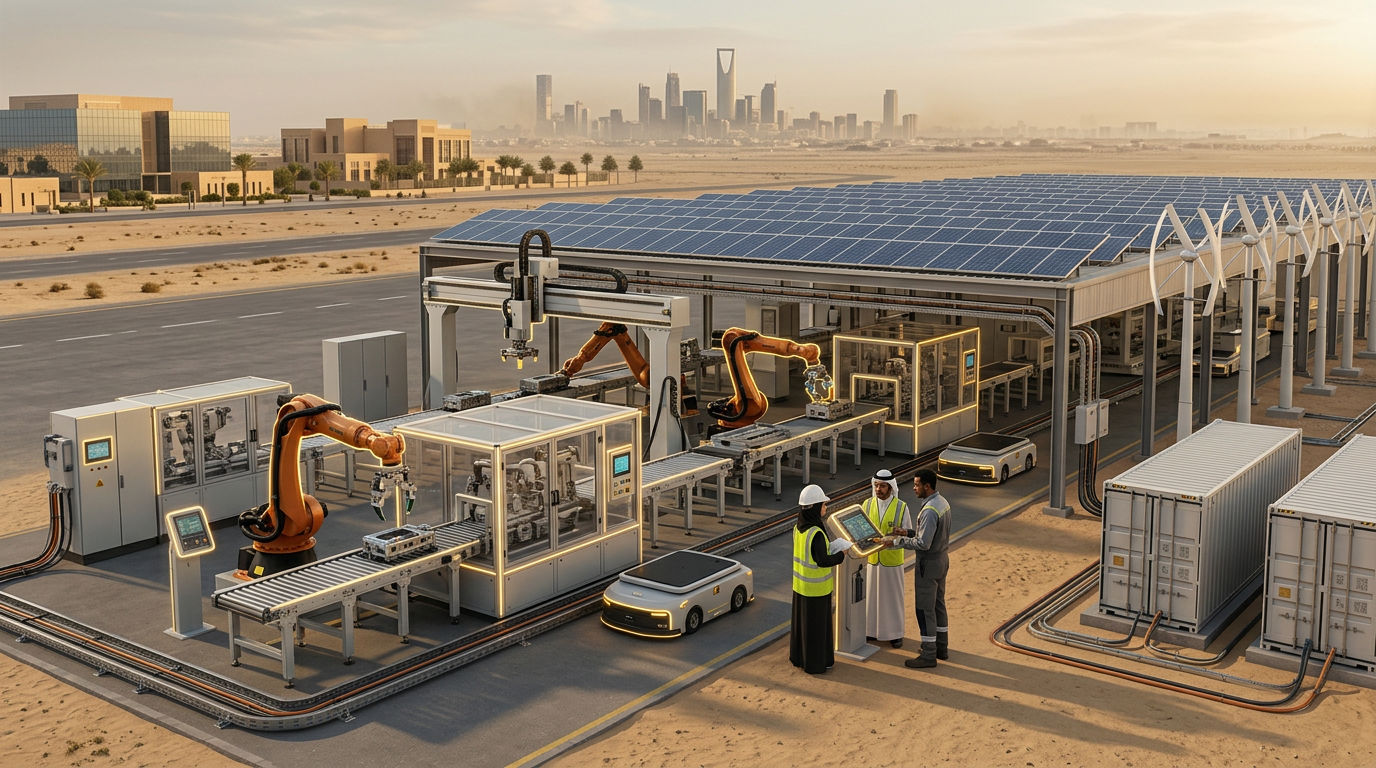
Saudi Arabia is deploying greenfield autonomous manufacturing systems — fully robotic production lines powered entirely by on-site renewable energy — designed from scratch without legacy constraints, integrating digital twins, IoT, and AI-driven quality control in a net-zero industrial framework.
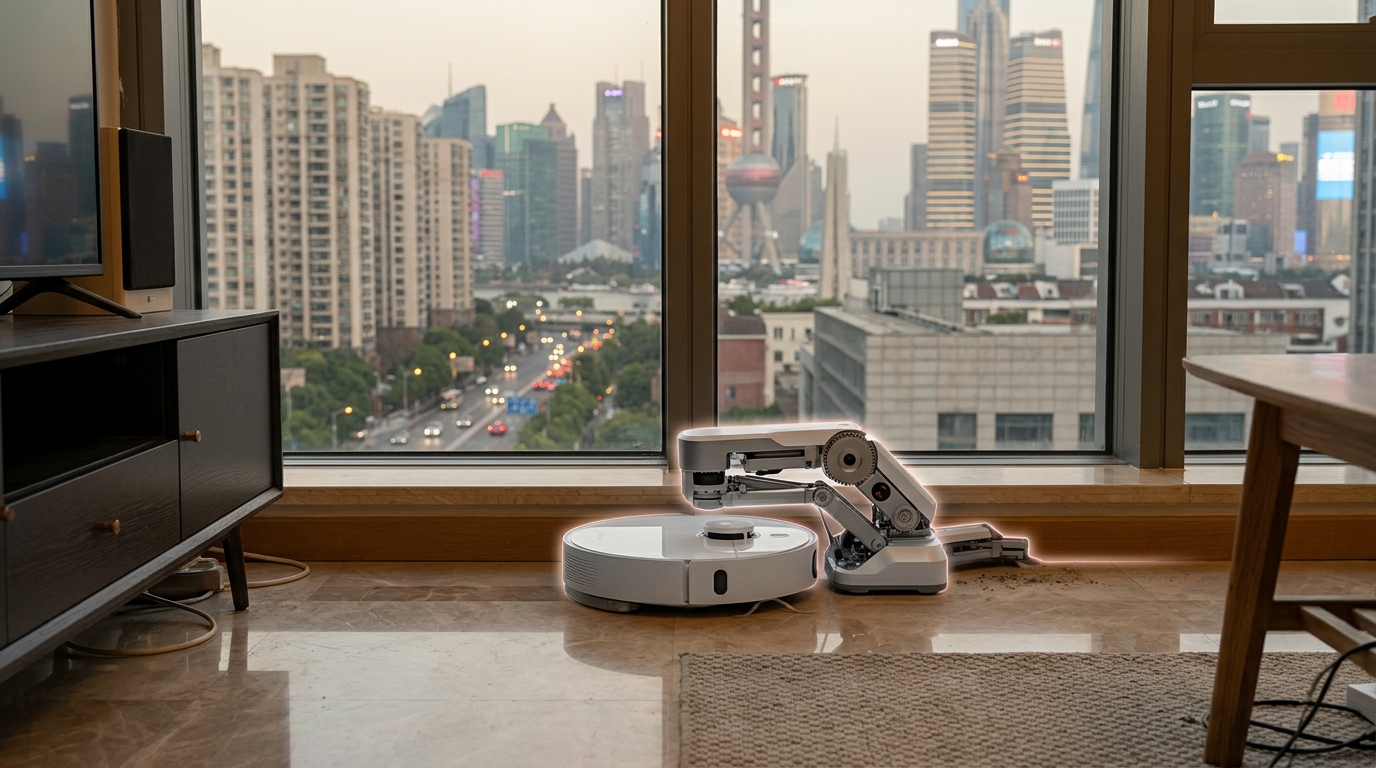
Dreame's vacuum cleaner has a dual-level bionic robotic arm that reaches under furniture and along edges — Chinese companies now dominate the global robotic cleaning market
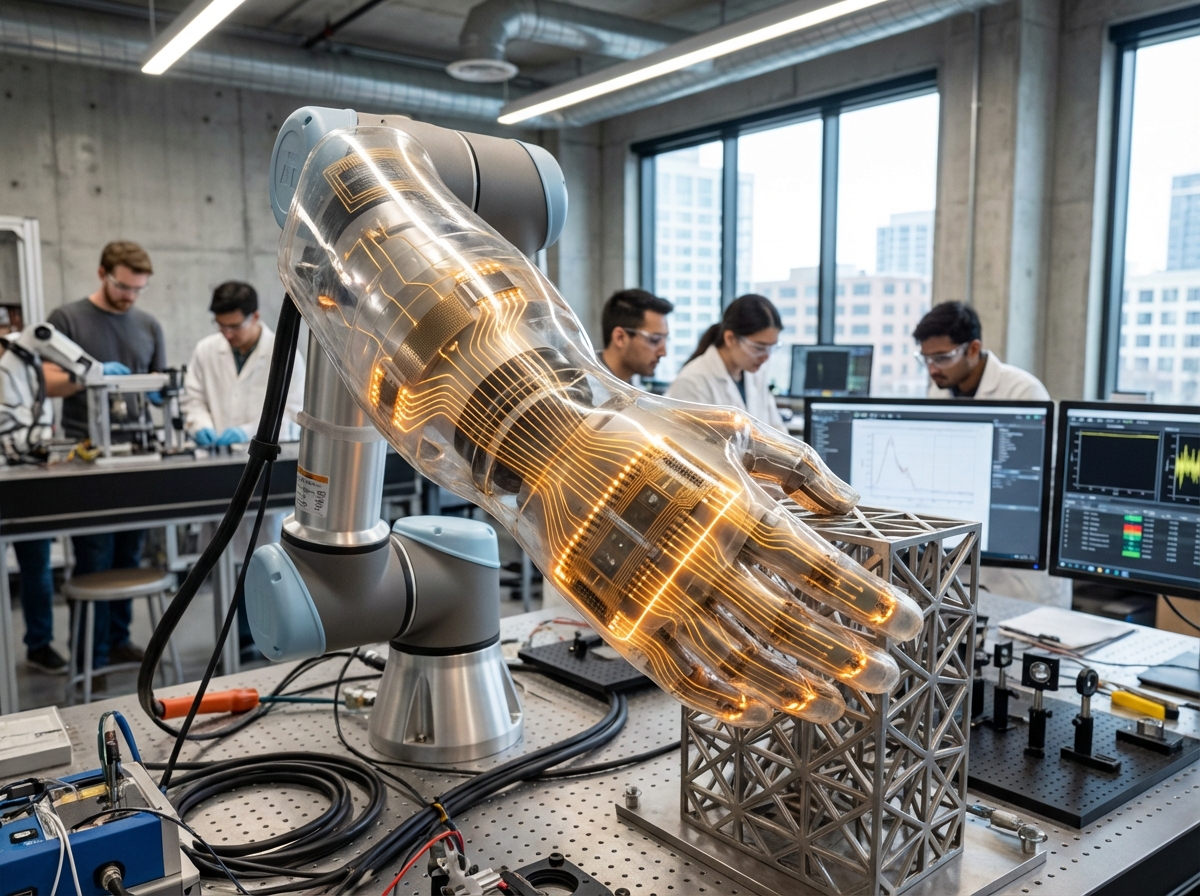
Flexible sensor arrays that give robots continuous touch sensitivity across their entire body
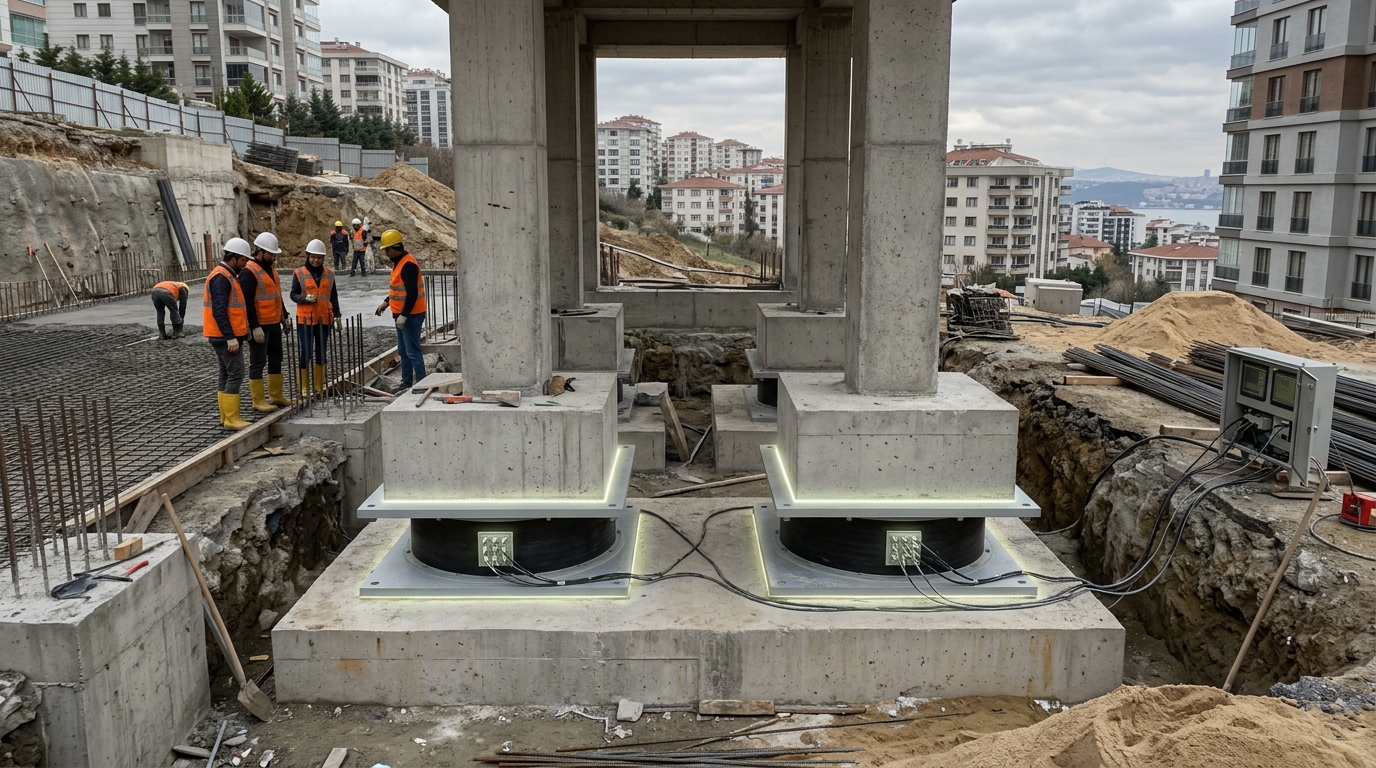
Turkey's devastating 2023 earthquakes accelerated adoption of advanced seismic monitoring, base isolation, and earthquake-resistant building technologies across the construction sector.
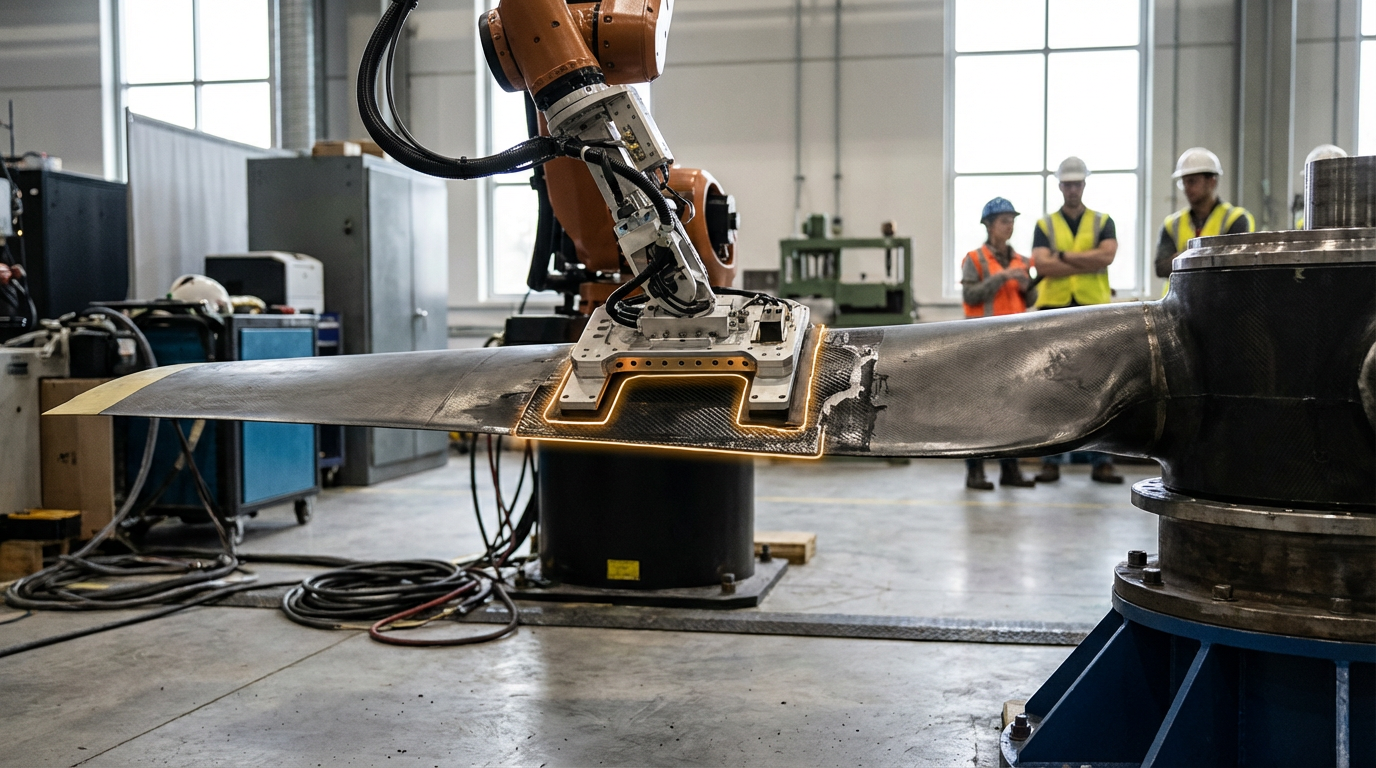
Materials that autonomously repair damage through embedded healing agents or vascular networks
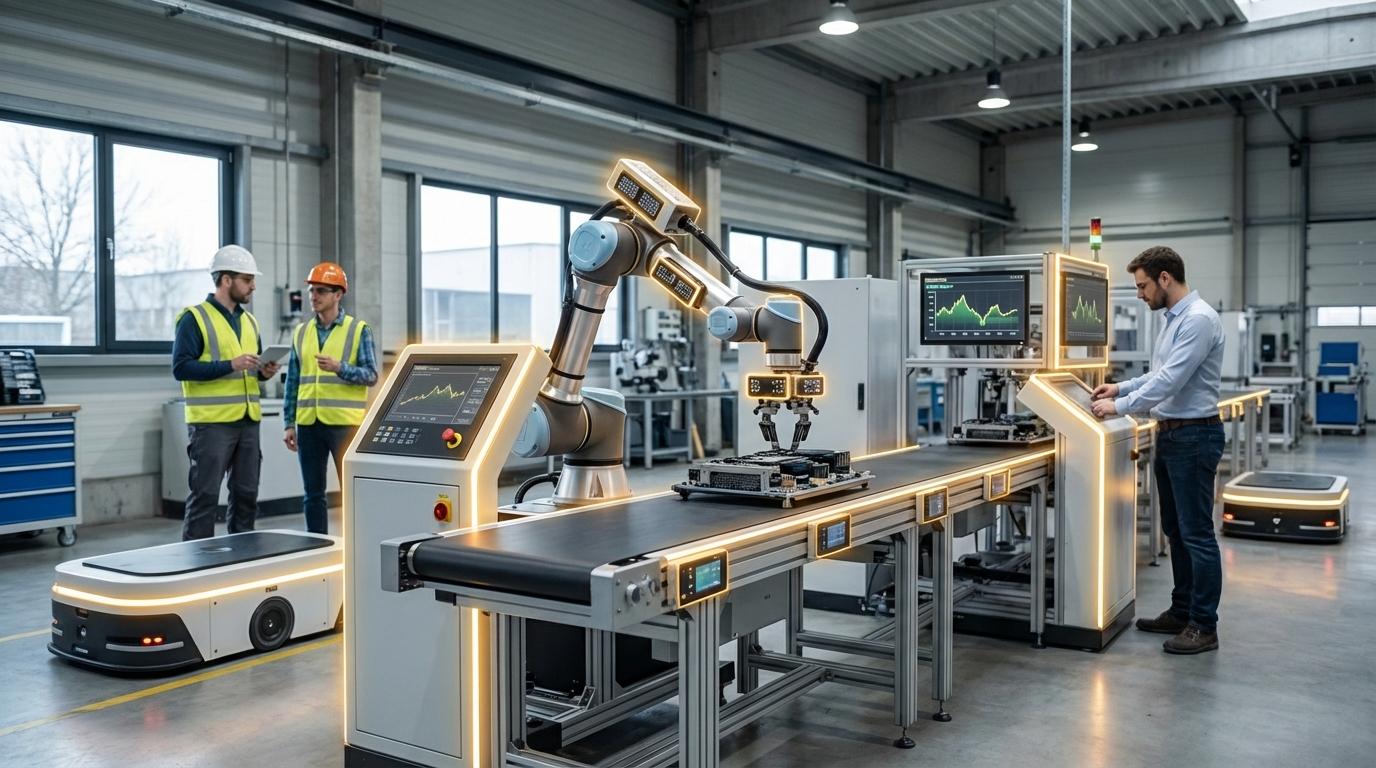
Manufacturing systems that continuously adjust their own parameters to maximize output and minimize waste

Robots built from identical modules that autonomously rearrange into different shapes and functions
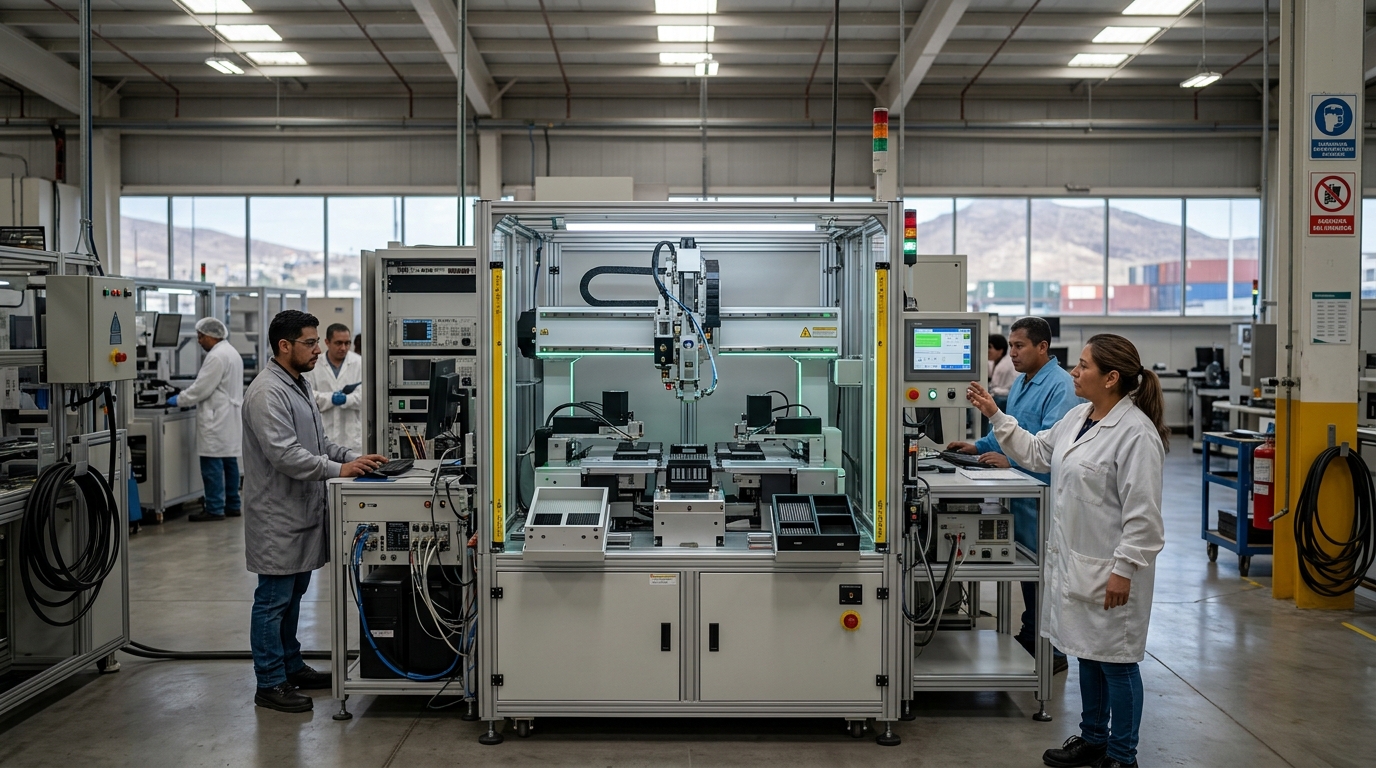
Mexico's semiconductor market reached $10.4B in 2024, growing at 6.5% CAGR with Baja California's Master Plan targeting chip packaging and test as nearshoring accelerates.
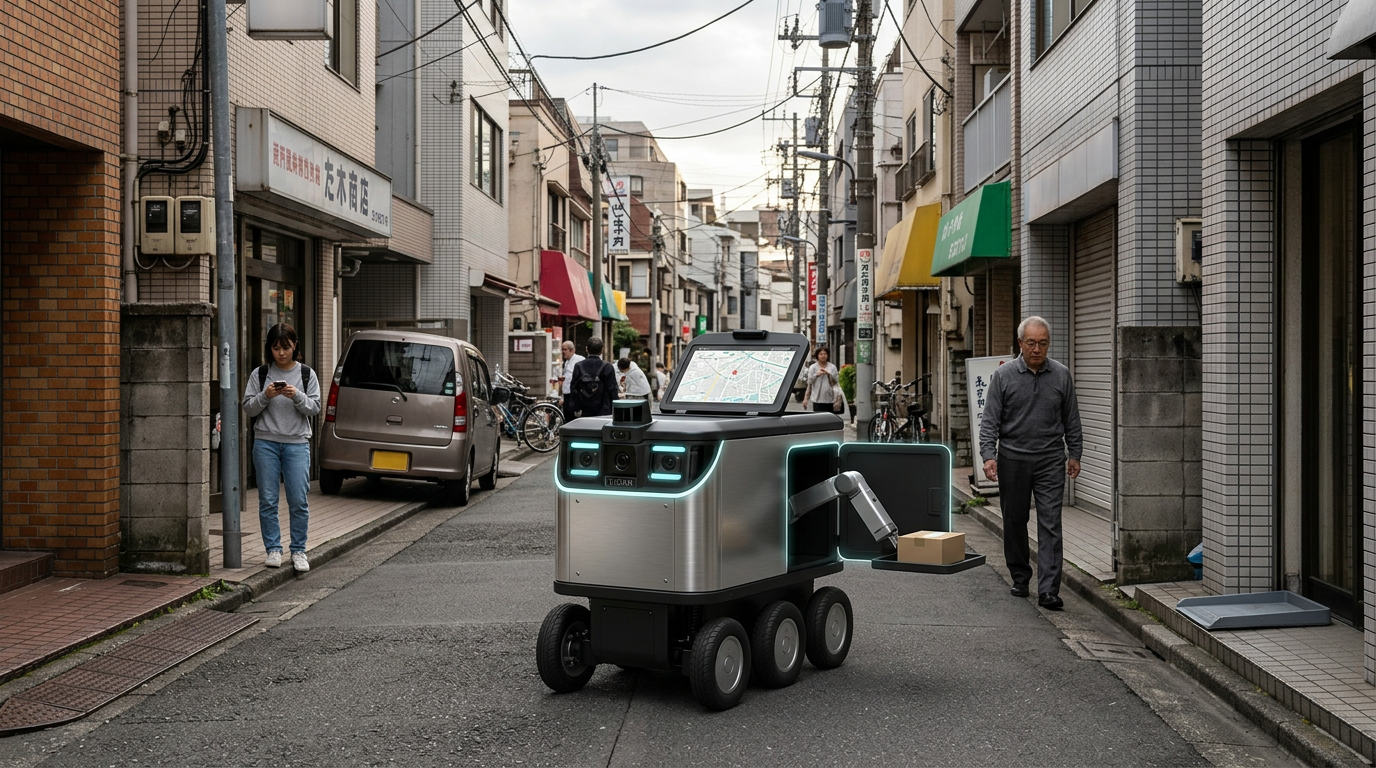
Japan deploys delivery robots, restaurant service bots, and warehouse automation at scale — driven by labor shortages exceeding 6 million workers by 2030.
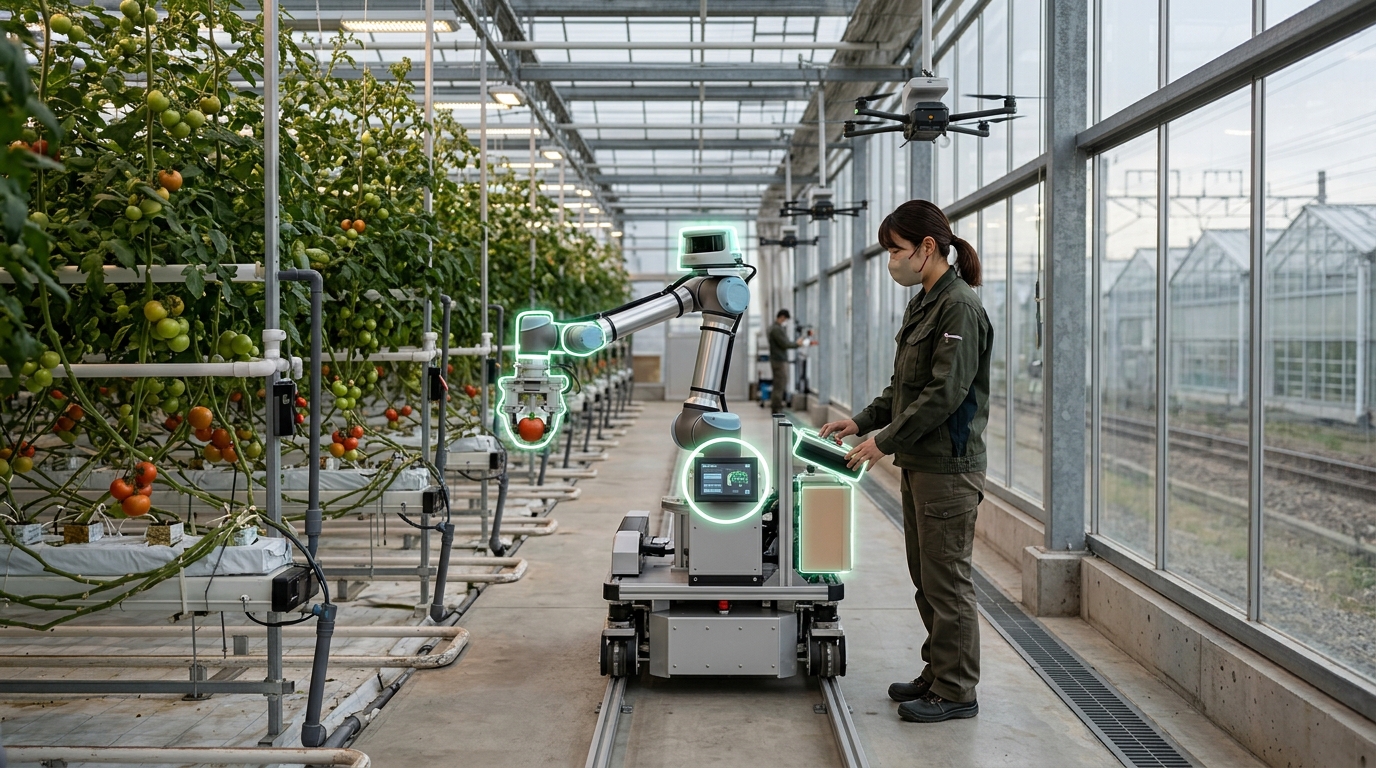
Japan deploys autonomous tractors, drone crop monitoring, and AI harvest prediction to sustain food production as the average farmer age exceeds 68 years.

Korean companies are deploying AI-controlled vertical farms, agricultural drones, and robotic harvesters to address food security for a country that imports 75%+ of its grain.
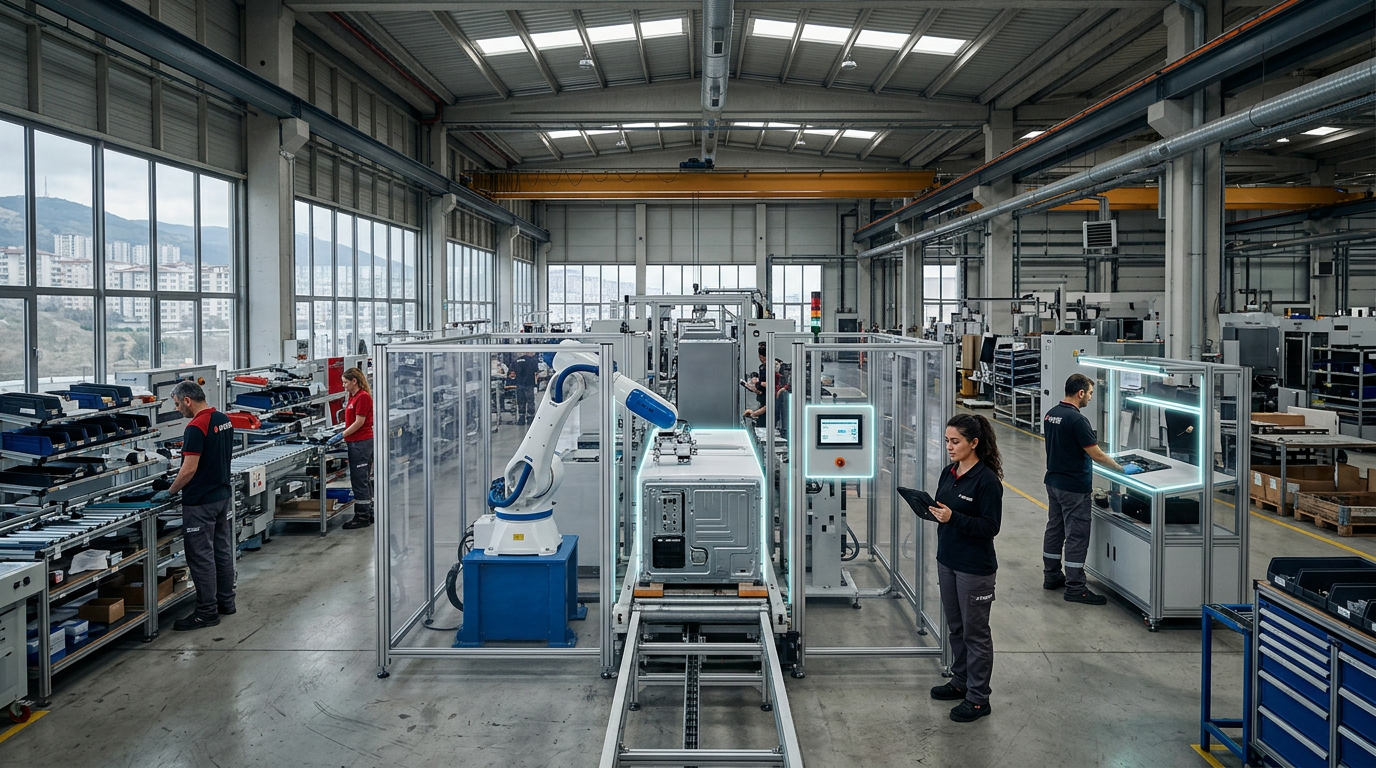
Turkey is Europe's largest home appliance producer — Arçelik/Beko is UK market leader, Vestel makes 1/3 of Turkey's appliance exports — shipping IoT-enabled devices to 150+ countries.
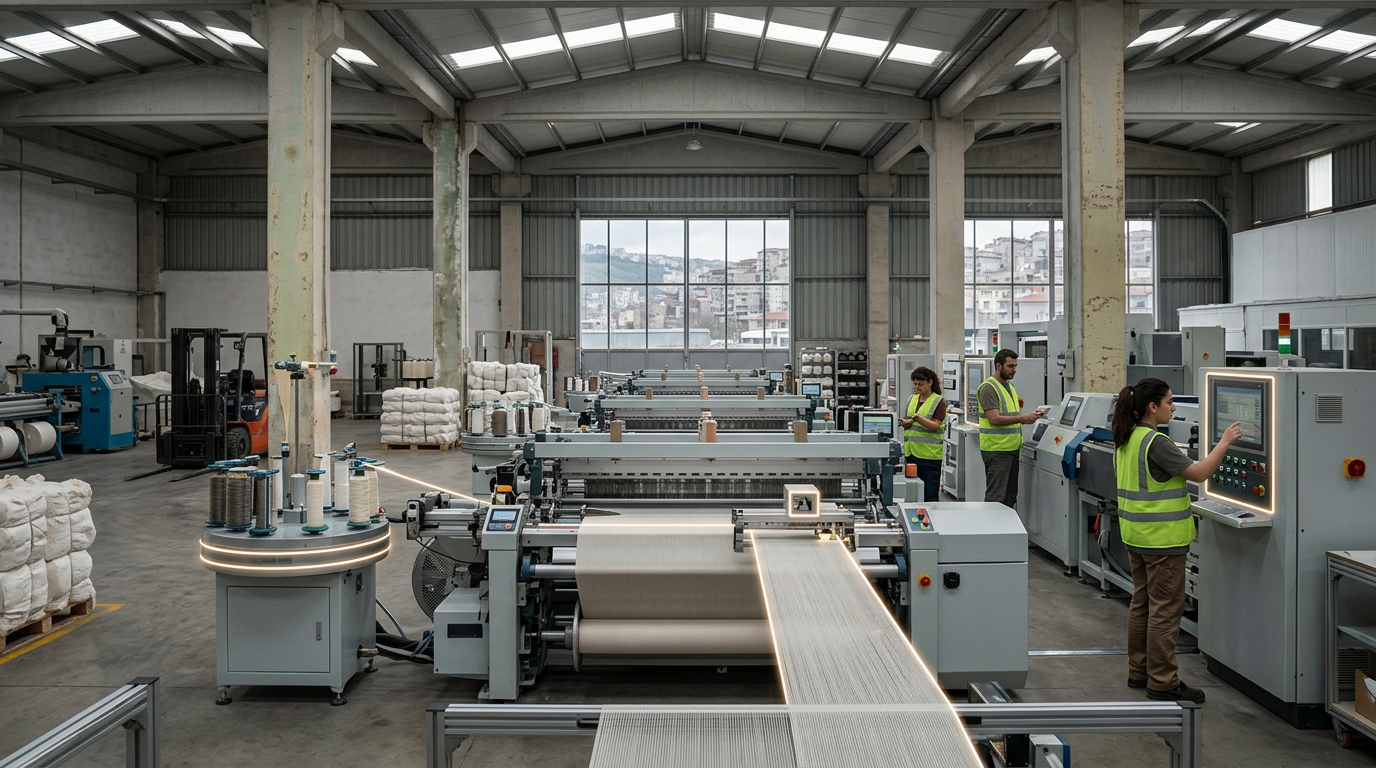
Turkey's $50B+ textile sector — world's 5th largest exporter — is adopting Industry 4.0 automation, AI quality control, and sustainable production to compete against low-cost Asian rivals.
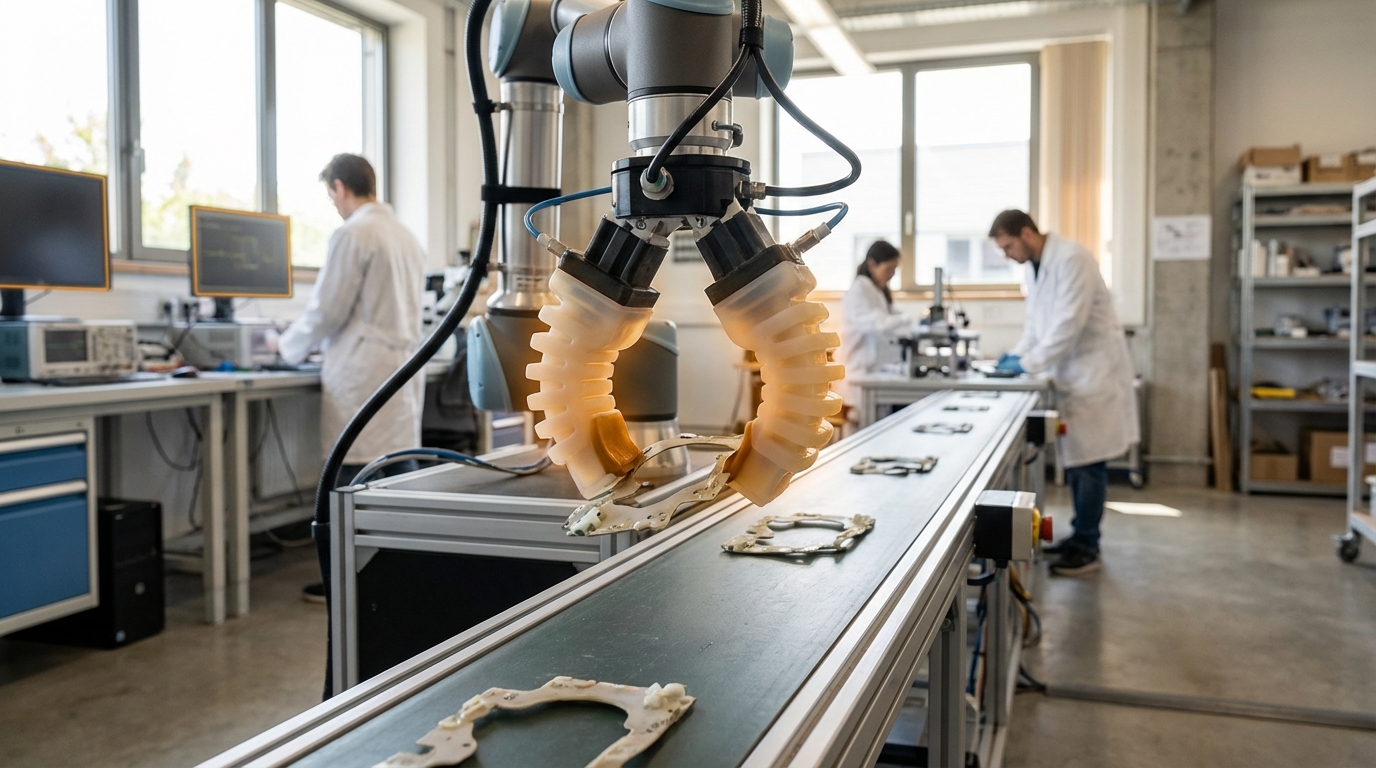
Flexible grippers that conform to delicate or irregular objects without damage
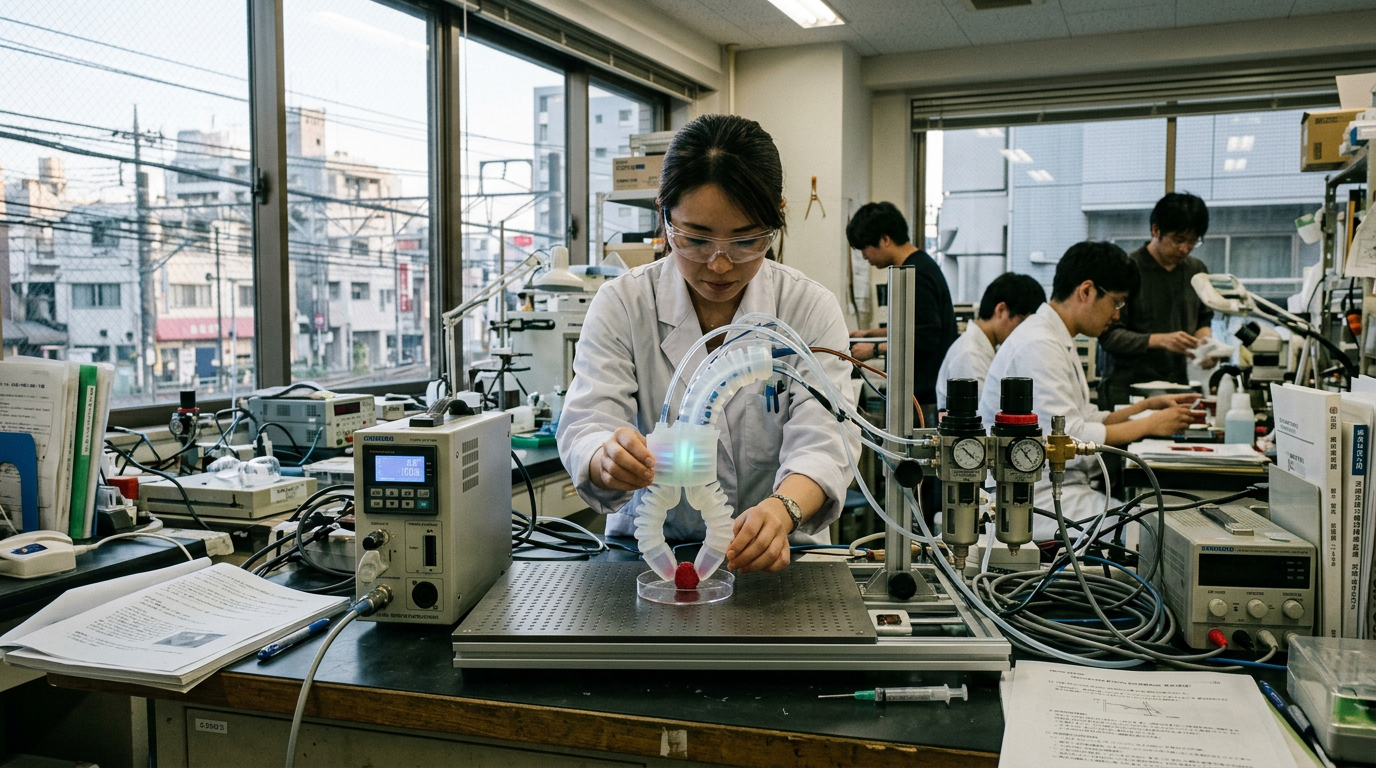
Japanese universities lead in soft actuator and bio-inspired robotics research, with applications in minimally invasive surgery and delicate food handling.
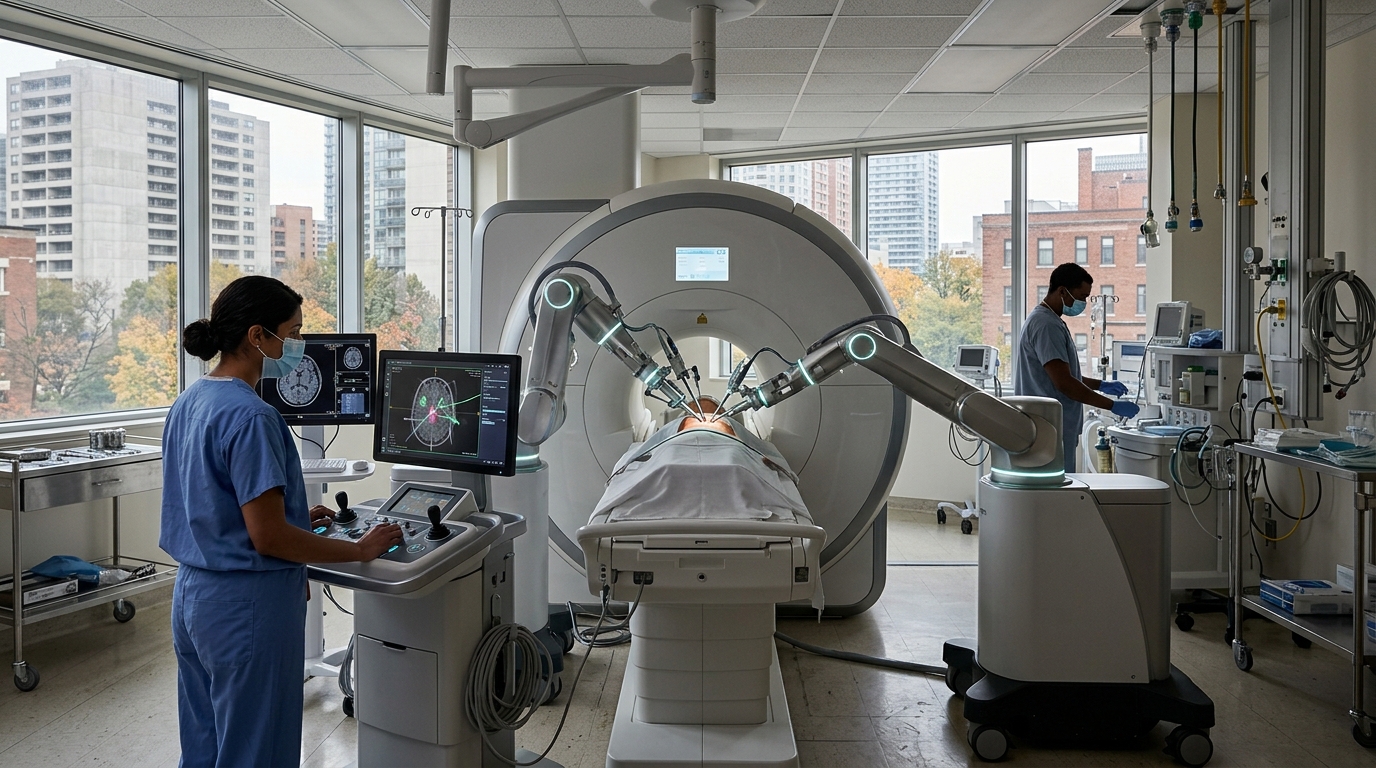
Canadian robotics expertise from the Canadarm program has spawned neuroArm and other surgical robotic systems capable of performing brain surgery inside MRI machines with sub-millimeter precision.

Heat-resistant alloys engineered for turbines and extreme-temperature applications
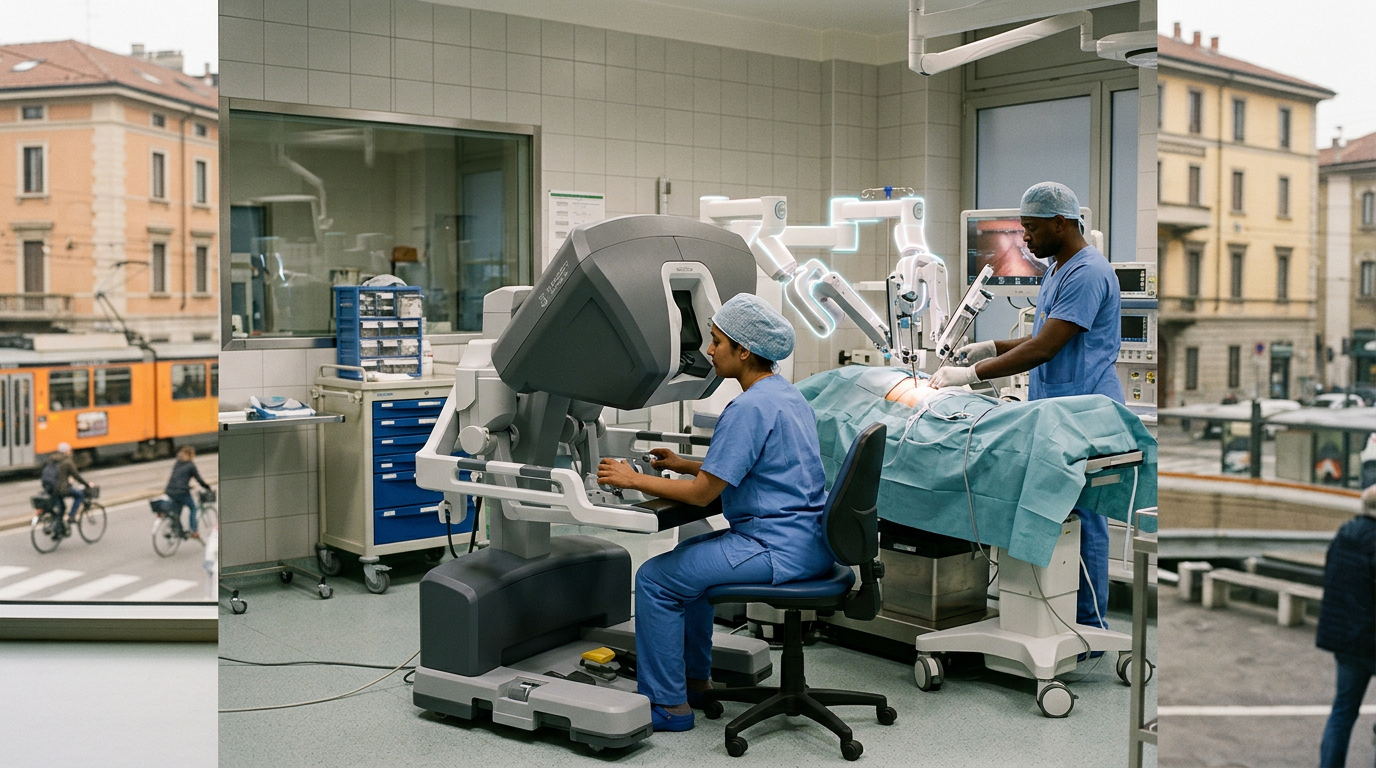
Swiss and French surgical robots costing 70% less than incumbents — bringing robotic precision to hospitals that couldn't afford it
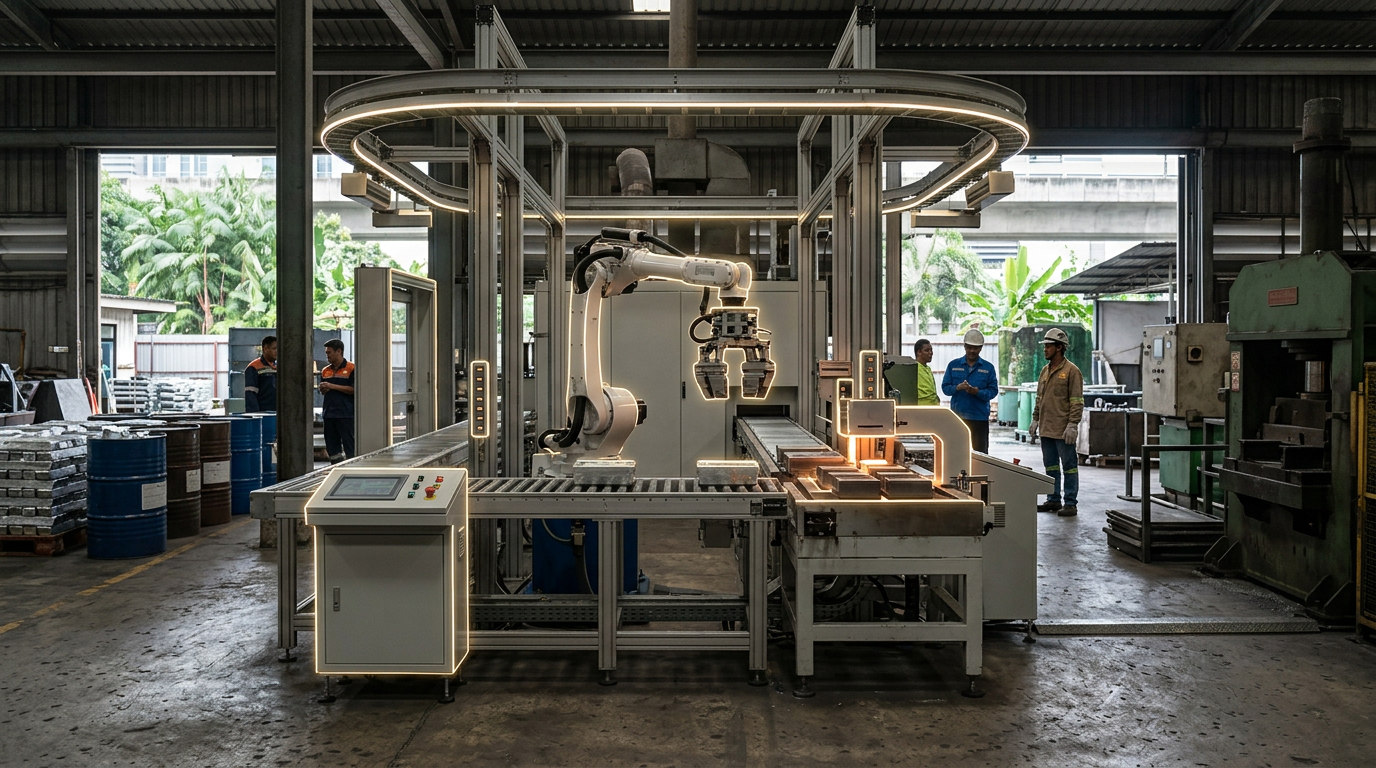
Indonesia produces ~25% of global tin from Bangka-Belitung islands, with the downstream smelting industry converting raw ore into solder, tin plate, and specialty chemicals.
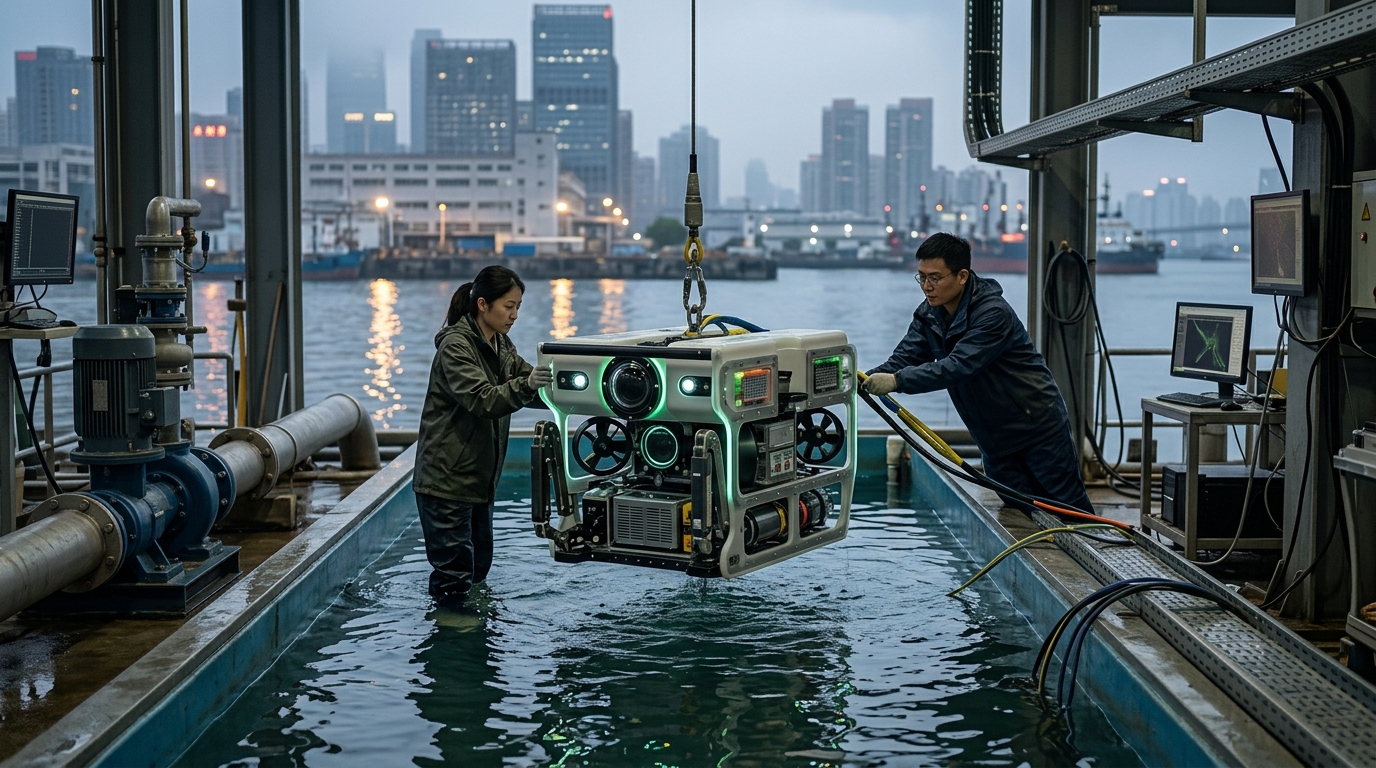
China operates the world's most active deep-sea robotics program, with autonomous underwater vehicles complementing the Fendouzhe manned submersible
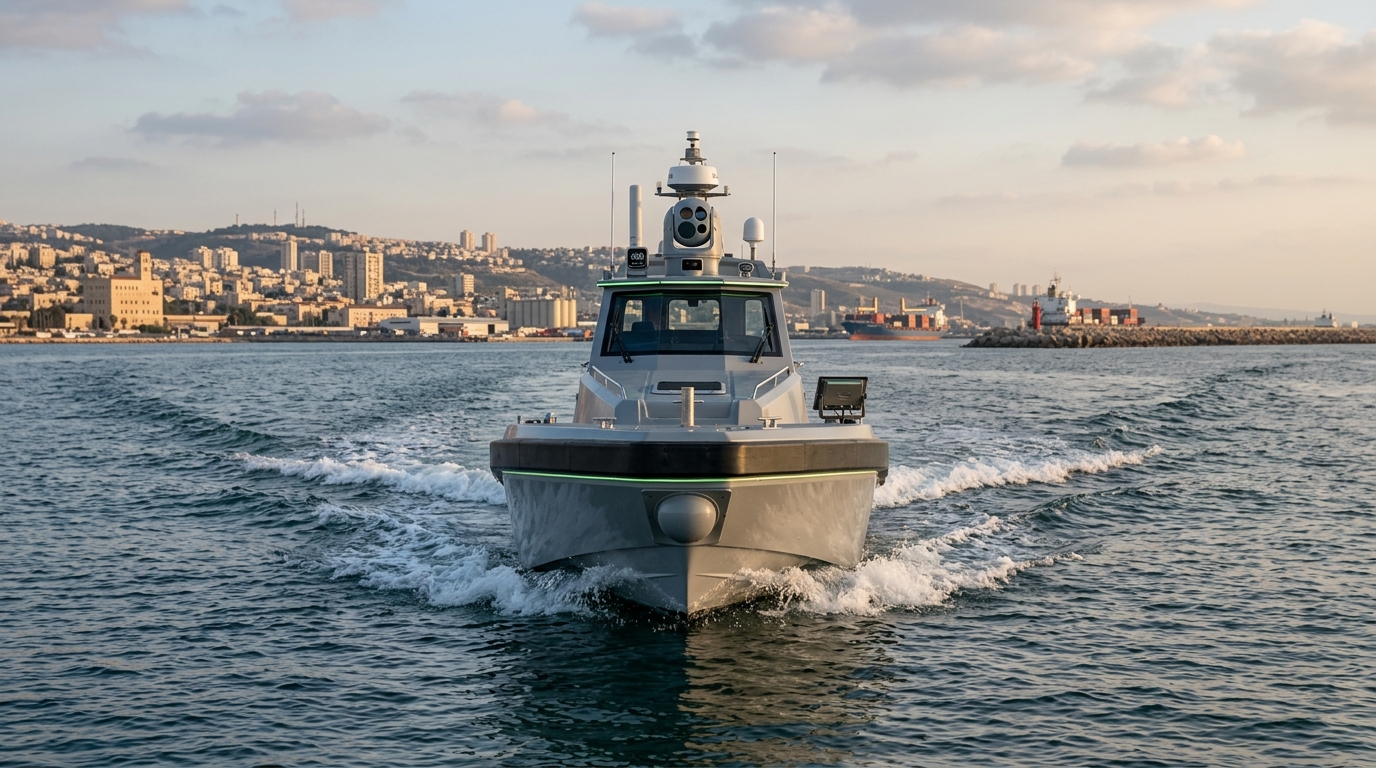
Israeli USVs like Elbit's Seagull perform anti-submarine warfare, mine countermeasures, and offshore infrastructure protection autonomously in Mediterranean operations.
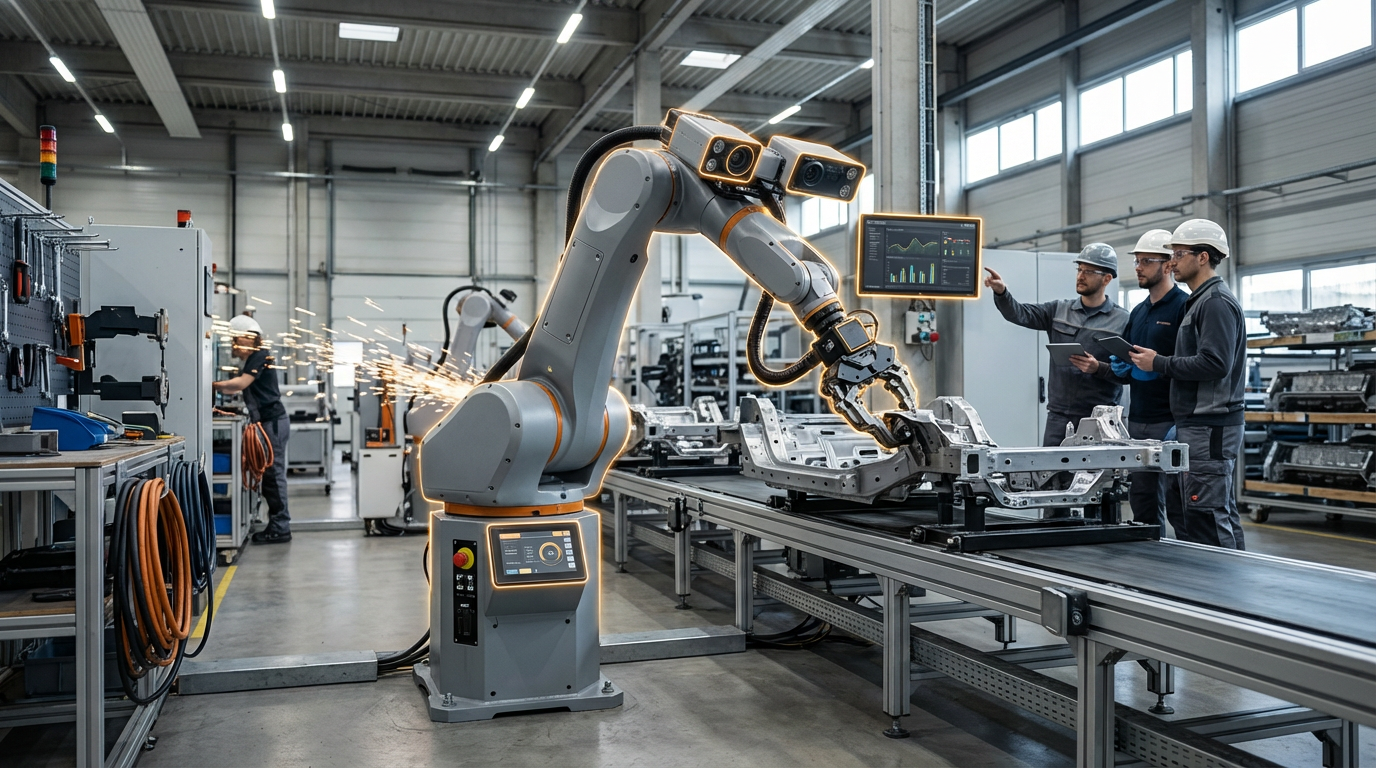
Industrial robots that interpret visual scenes, language commands, and physical tasks through unified AI models
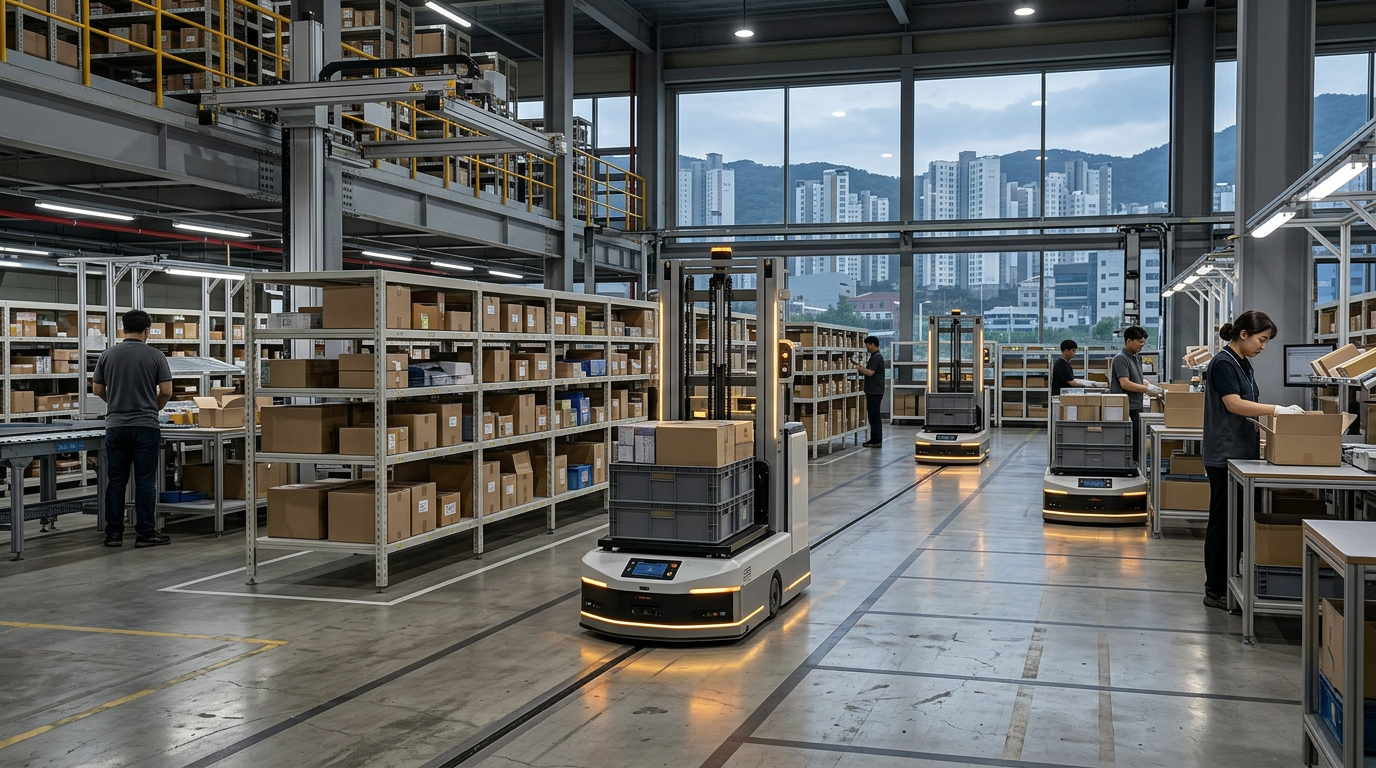
Korean companies including Coupang, Naver Labs, and Doosan Robotics deploy autonomous mobile robots for warehouse fulfillment, last-mile delivery, and indoor navigation at rapidly growing scale.
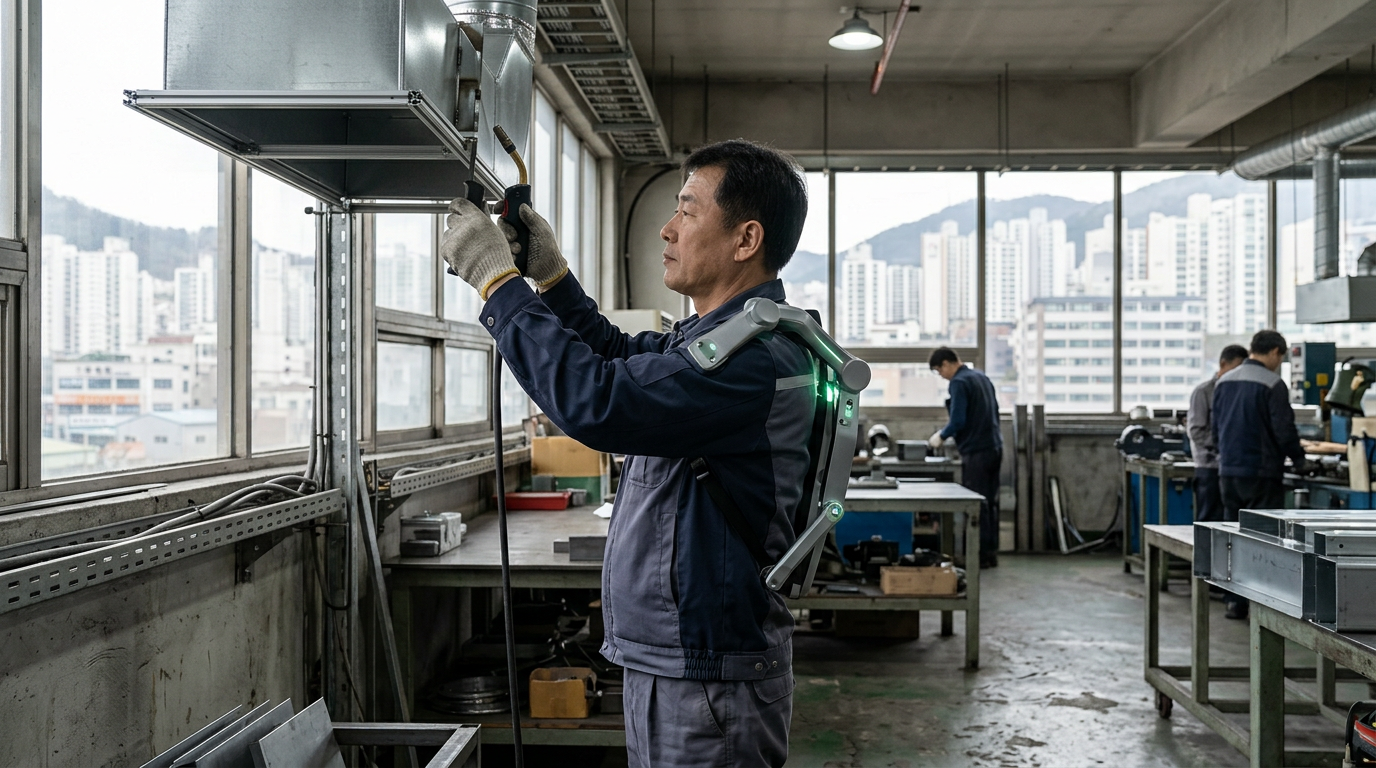
Hyundai's X-ble Shoulder and VEX exoskeletons are deployed in factories, shipyards, and farms, reducing upper-body strain for overhead work by up to 60%.
Turn this hub into a team session
Interested in our work?
Newsletter
Follow us for weekly foresight in your inbox.