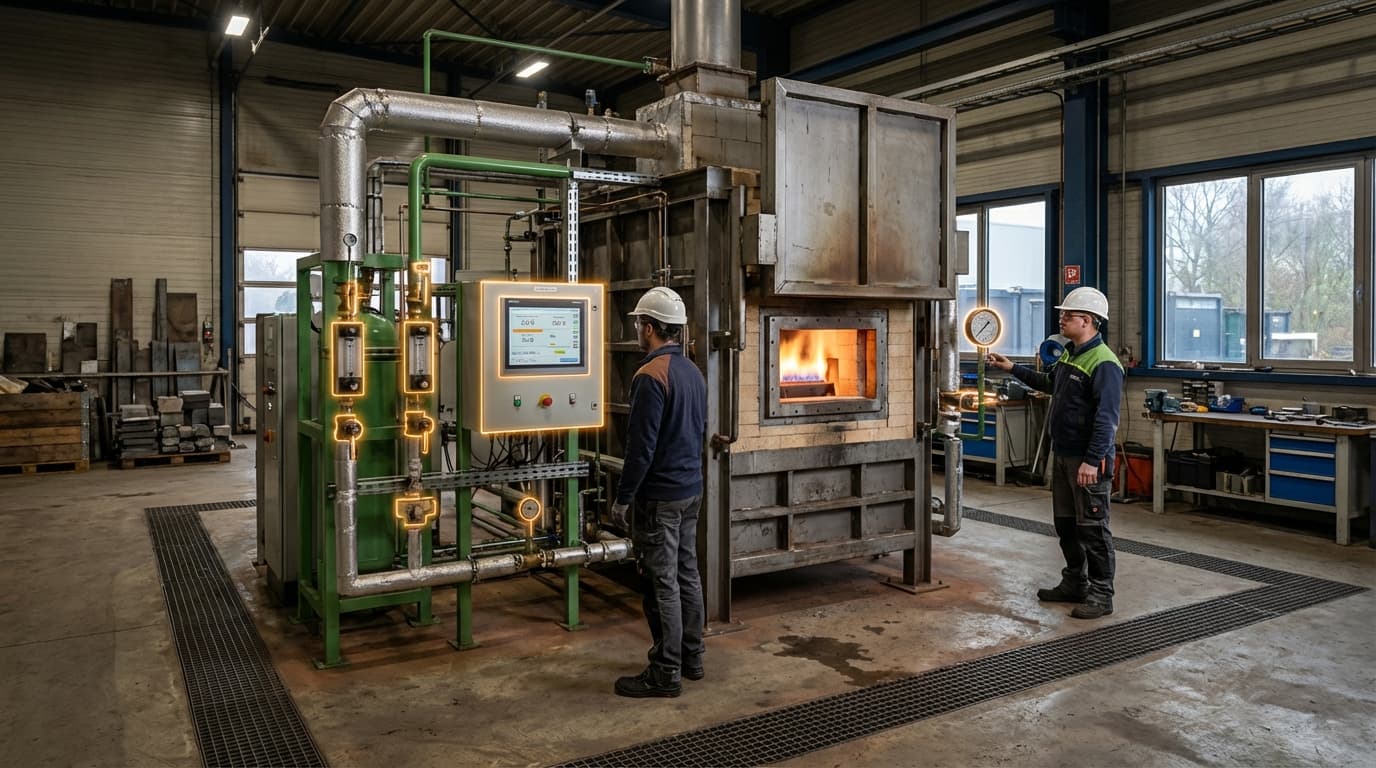
Green Hydrogen for Industrial Processes
Industrial manufacturing has long relied on fossil fuels to generate the extreme temperatures and chemical reactions required for producing steel, cement, chemicals, and other essential materials. Conventional steelmaking, for instance, uses coal-based blast furnaces that reach temperatures exceeding 1,500°C, while ammonia production for fertilizers depends on natural gas through the energy-intensive Haber-Bosch process. These sectors collectively account for a substantial portion of global industrial carbon emissions, presenting one of the most difficult challenges in the transition to a low-carbon economy. Green hydrogen offers a transformative pathway by serving as both a clean fuel and a chemical reducing agent. Produced through electrolysis—splitting water into hydrogen and oxygen using renewable electricity from wind or solar sources—this carbon-free hydrogen can replace coal and natural gas across multiple industrial applications. In direct reduction iron (DRI) processes, hydrogen strips oxygen from iron ore without combustion, producing only water vapor as a byproduct. For high-temperature furnaces and chemical synthesis, hydrogen combustion delivers the necessary heat while emitting zero carbon dioxide at the point of use.
The industrial sector faces mounting pressure to decarbonize as climate commitments tighten and carbon pricing mechanisms expand globally. Traditional manufacturing processes are deeply entrenched, with infrastructure designed around fossil fuel inputs and supply chains built over decades. Green hydrogen addresses this challenge by offering a drop-in solution that can integrate with modified existing facilities or purpose-built plants. Early industrial deployments indicate that hydrogen-based steelmaking can reduce emissions by up to 95 percent compared to conventional methods, while maintaining product quality and production efficiency. Beyond emissions reduction, green hydrogen provides a valuable mechanism for energy storage, converting surplus renewable electricity into a stable chemical fuel that can be stored and transported. This dual function helps balance intermittent renewable generation while creating new value chains around hydrogen production, distribution, and utilization. Industries adopting green hydrogen also gain competitive advantages as markets increasingly favor low-carbon products, and regulatory frameworks begin to penalize carbon-intensive manufacturing.
Pilot programs and commercial-scale demonstrations are already underway across Europe and Asia, with several integrated steel plants testing hydrogen-based direct reduction alongside traditional operations. Research suggests that as electrolyzer costs decline and renewable electricity becomes more abundant, green hydrogen will achieve cost parity with fossil-based alternatives in key industrial applications within the next decade. Chemical manufacturers are exploring hydrogen pathways for producing methanol, synthetic fuels, and other platform chemicals, while cement producers investigate hydrogen-fired kilns as alternatives to coal and natural gas. The technology's trajectory points toward widespread adoption as part of broader industrial decarbonization strategies, particularly in regions with strong renewable energy resources and supportive policy frameworks. As manufacturing sectors worldwide confront the imperative of net-zero emissions, green hydrogen represents not merely an incremental improvement but a fundamental reimagining of how we power and sustain heavy industry in a carbon-constrained future.
Related Organizations

Formerly H2 Green Steel, Stegra is building the world's first large-scale green steel plant powered by green hydrogen.

Global steel company leading the HYBRIT initiative to replace coking coal with fossil-free hydrogen in steelmaking.
Specialist in high-efficiency alkaline water electrolysis technology for large-scale industrial applications.

Global metals and green energy company developing massive green hydrogen and ammonia projects worldwide through its energy division.

Designs and manufactures electrolyzers based on proton exchange membrane (PEM) technology.

Global hydrogen company delivering optimal solutions to produce, store, and distribute hydrogen from renewable energy using Alkaline and PEM electrolyzers.

A provider of turnkey hydrogen solutions, including electrolyzers, fuel cells, and liquid hydrogen delivery systems.

Develops high-temperature solid oxide electrolyzers (SOEC) crucial for efficient e-fuel production.
Manufactures high-capacity electrolyzer plants specifically designed for critical industries like steel, fertilizer, and mining.

Chemical engineering company providing solid oxide electrolyzers and synthesis technologies for e-fuels.
Supporting Evidence
Research this in Signals
Signals turns a topic into a sourced research record you can inspect and rerun. Your first scan is free, and this one starts with Green Hydrogen for Industrial Processes already loaded, so edit it or scan as is.