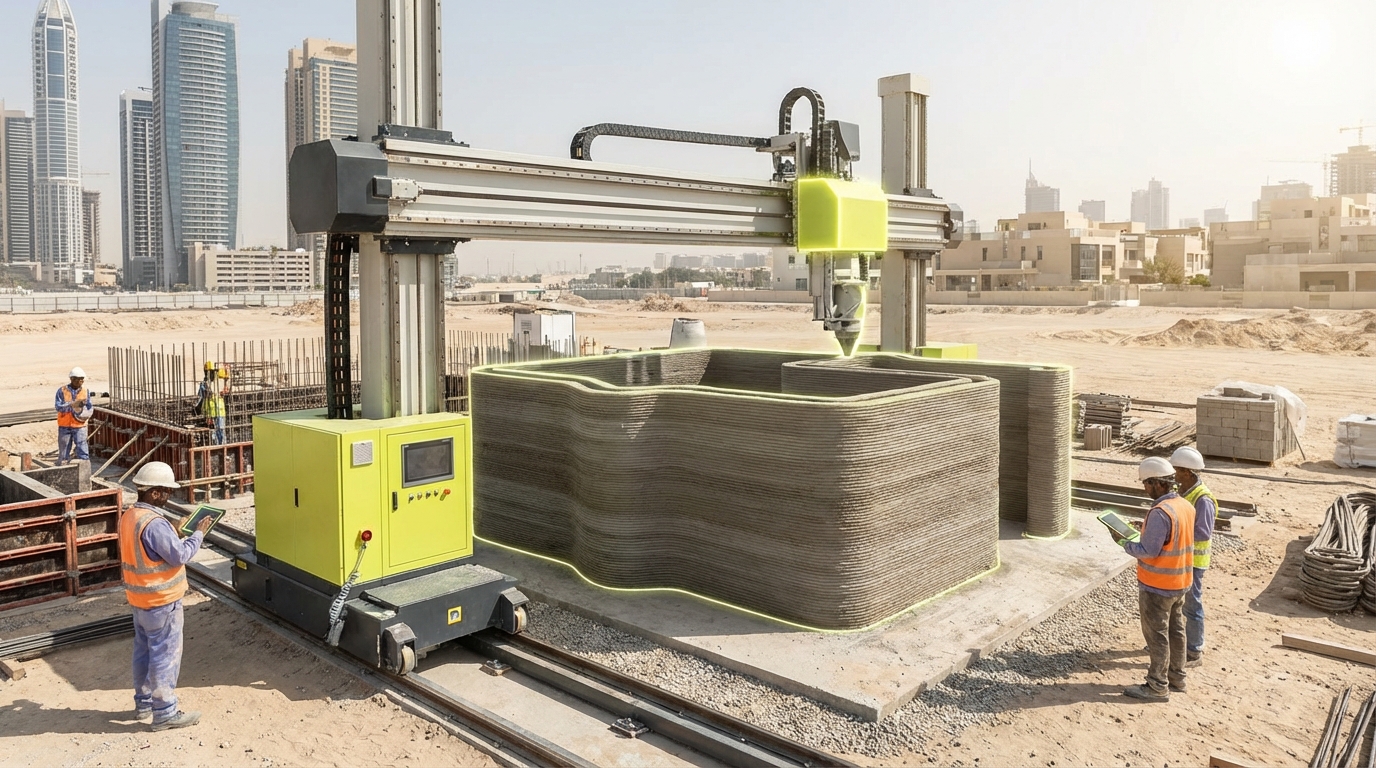
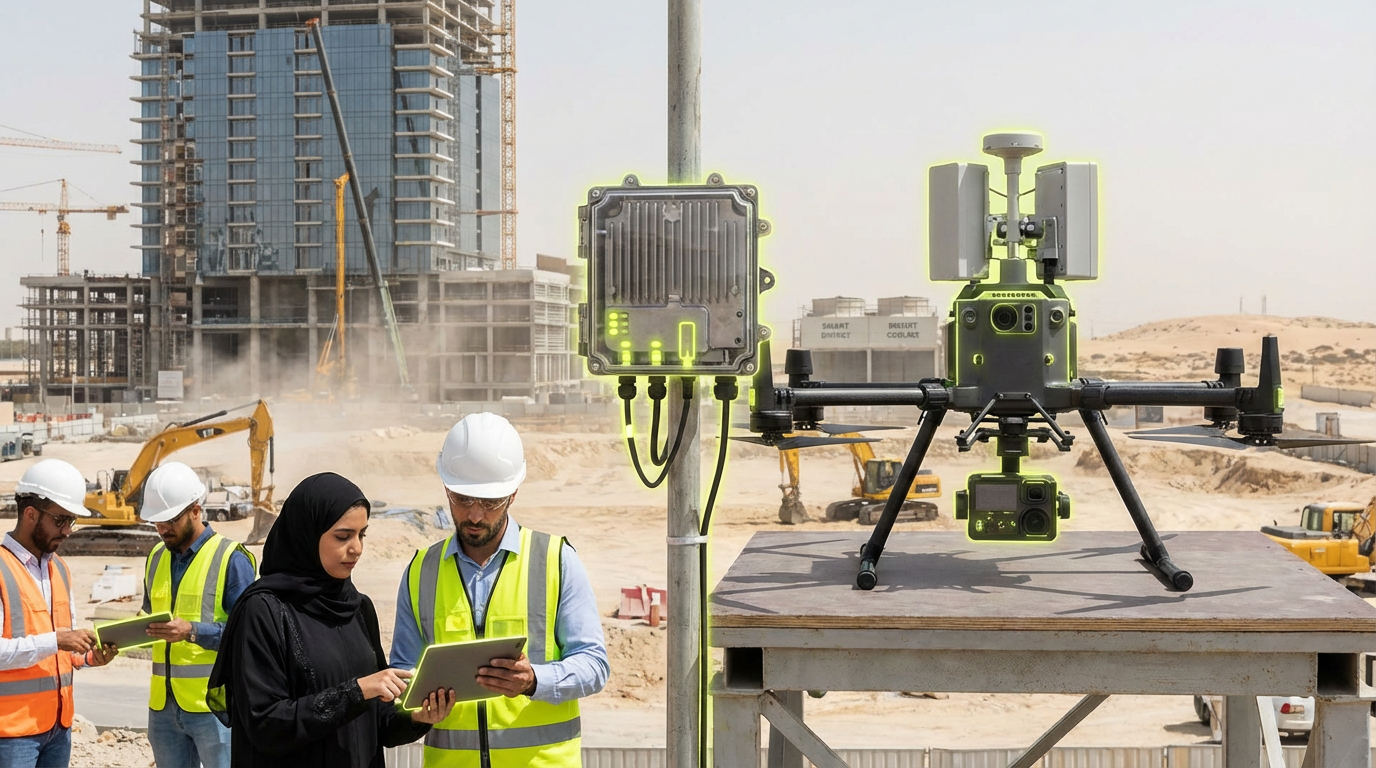
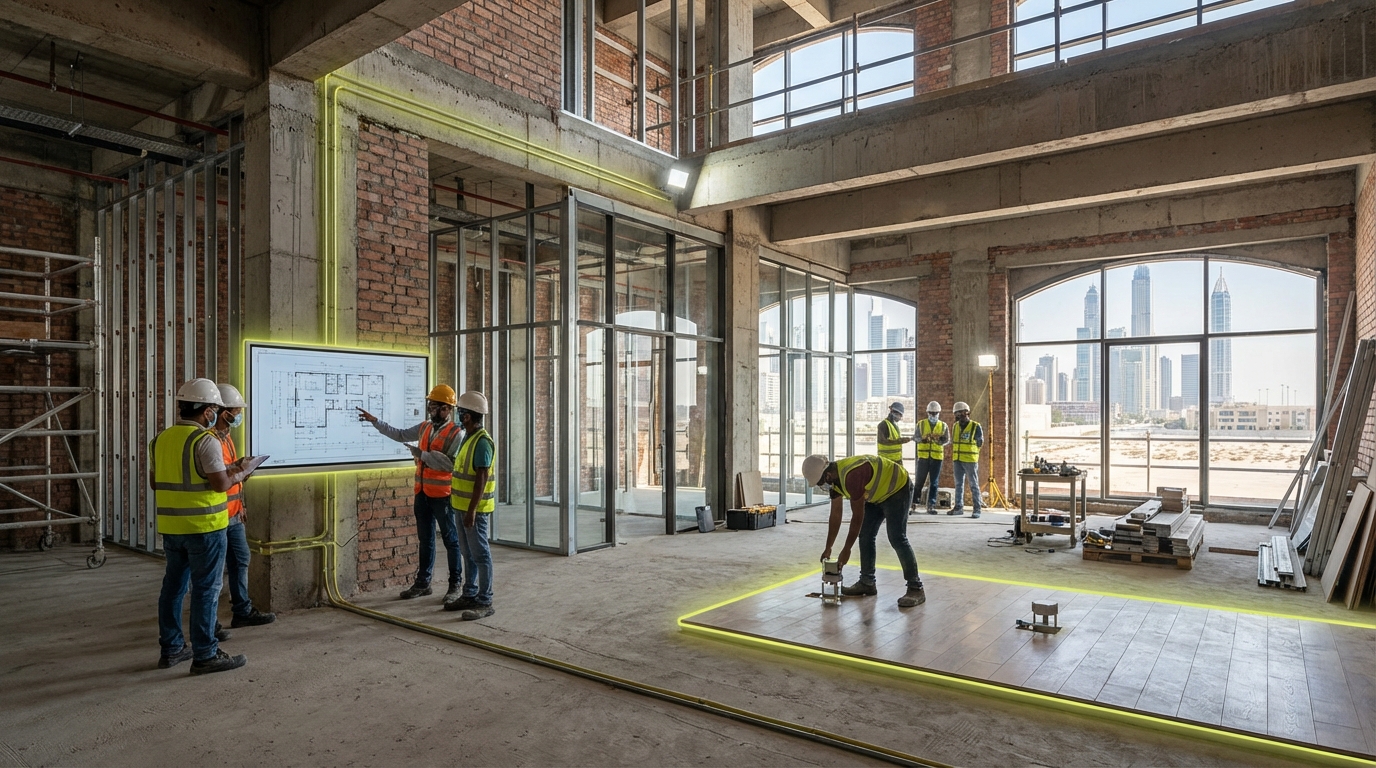
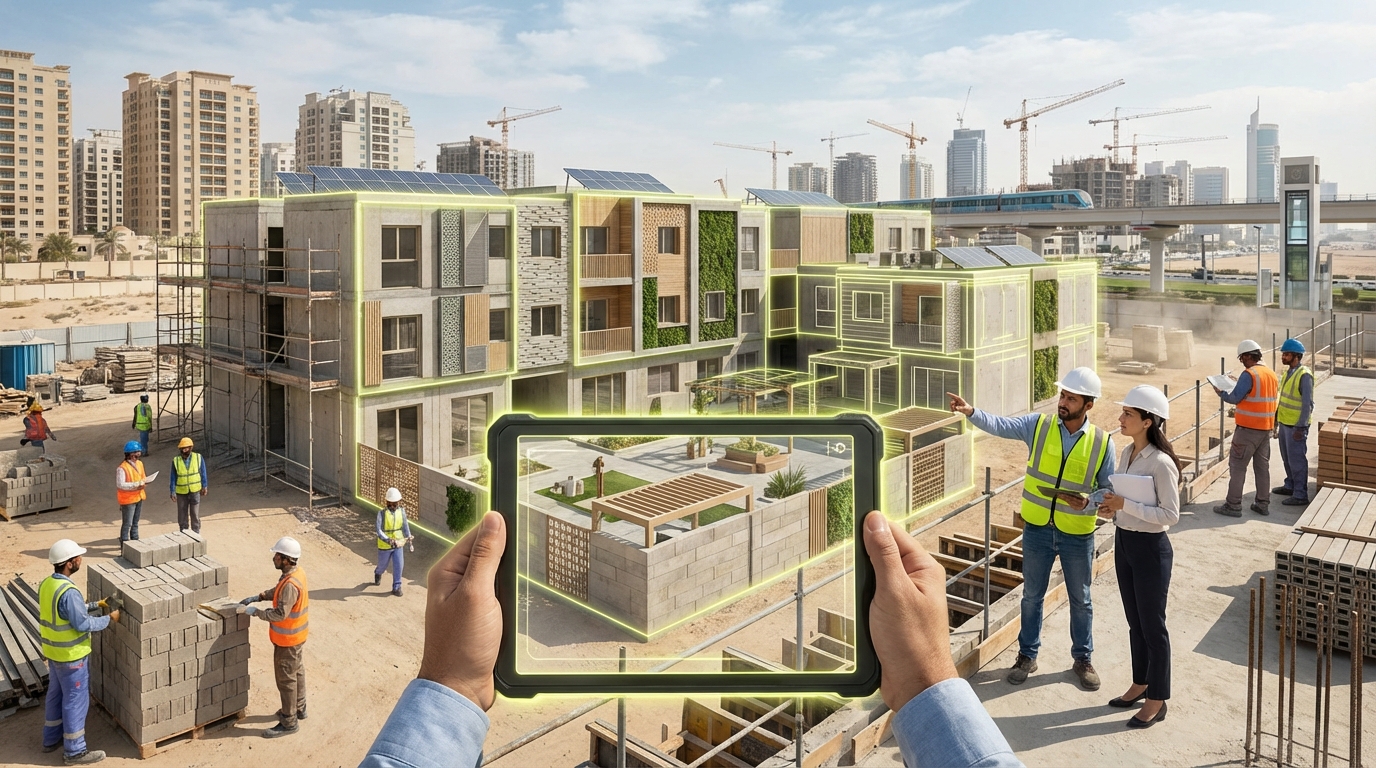
Additive manufacturing for building components and entire structures, reducing material waste and enabling complex geometries.
Next-generation mobile networks enabling real-time urban applications, autonomous systems, and massive IoT deployments.
Conversion of building typologies (commercial to residential, industrial to mixed-use) to repurpose existing structures and reduce embodied carbon.
Quality design as competitive advantage in affordable housing projects, elevating aspiration standards beyond functionality.
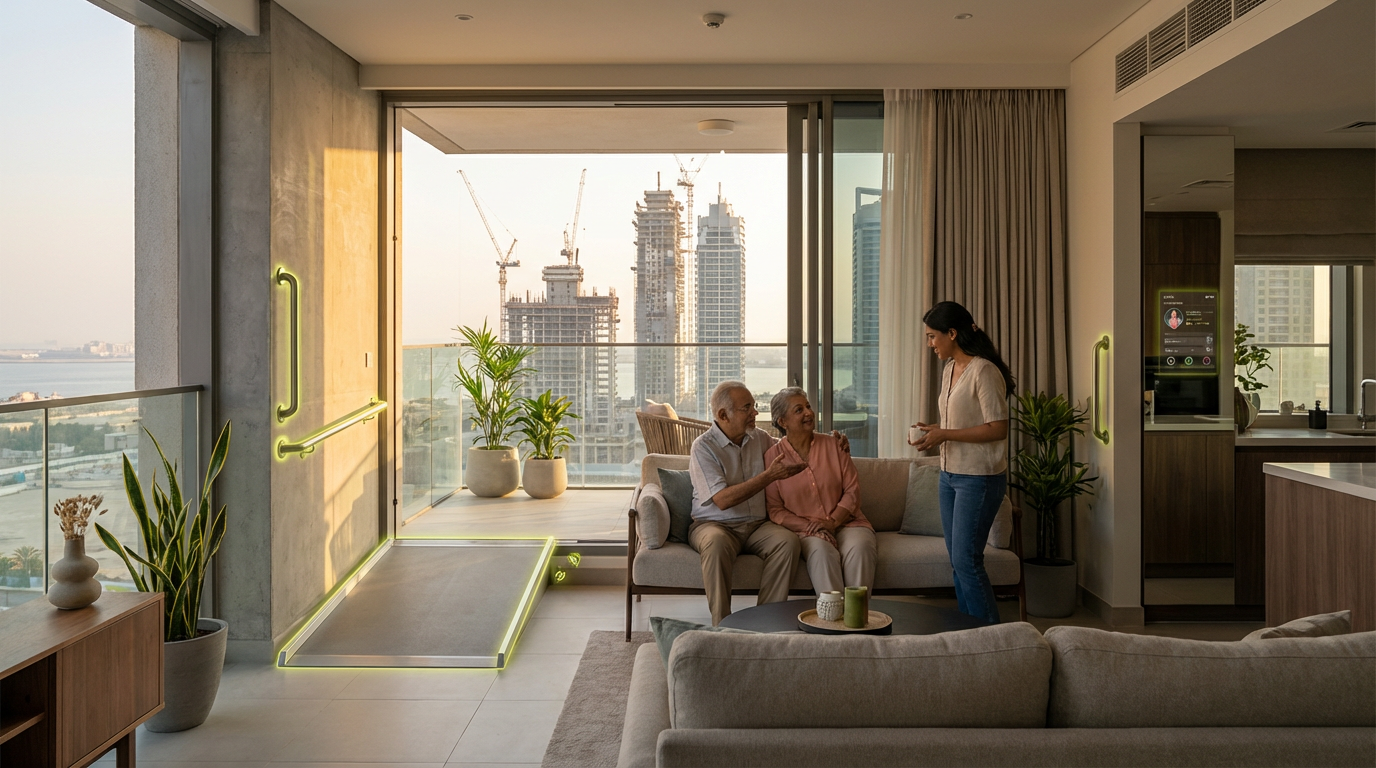
Technologies and design adaptations for aging populations, including health monitoring, accessibility features, and age-friendly housing systems.
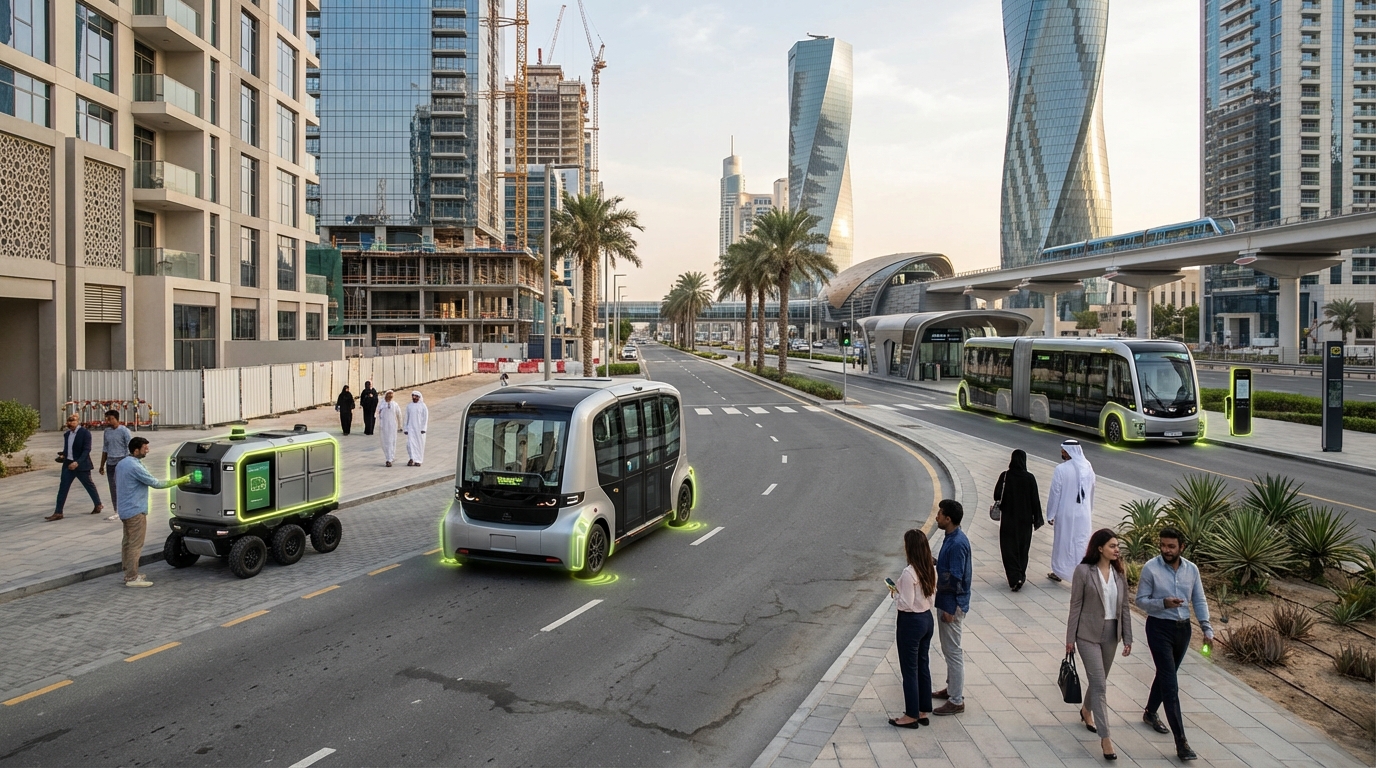
Self-driving vehicles, autonomous pods, and robotic delivery systems transforming urban transport.
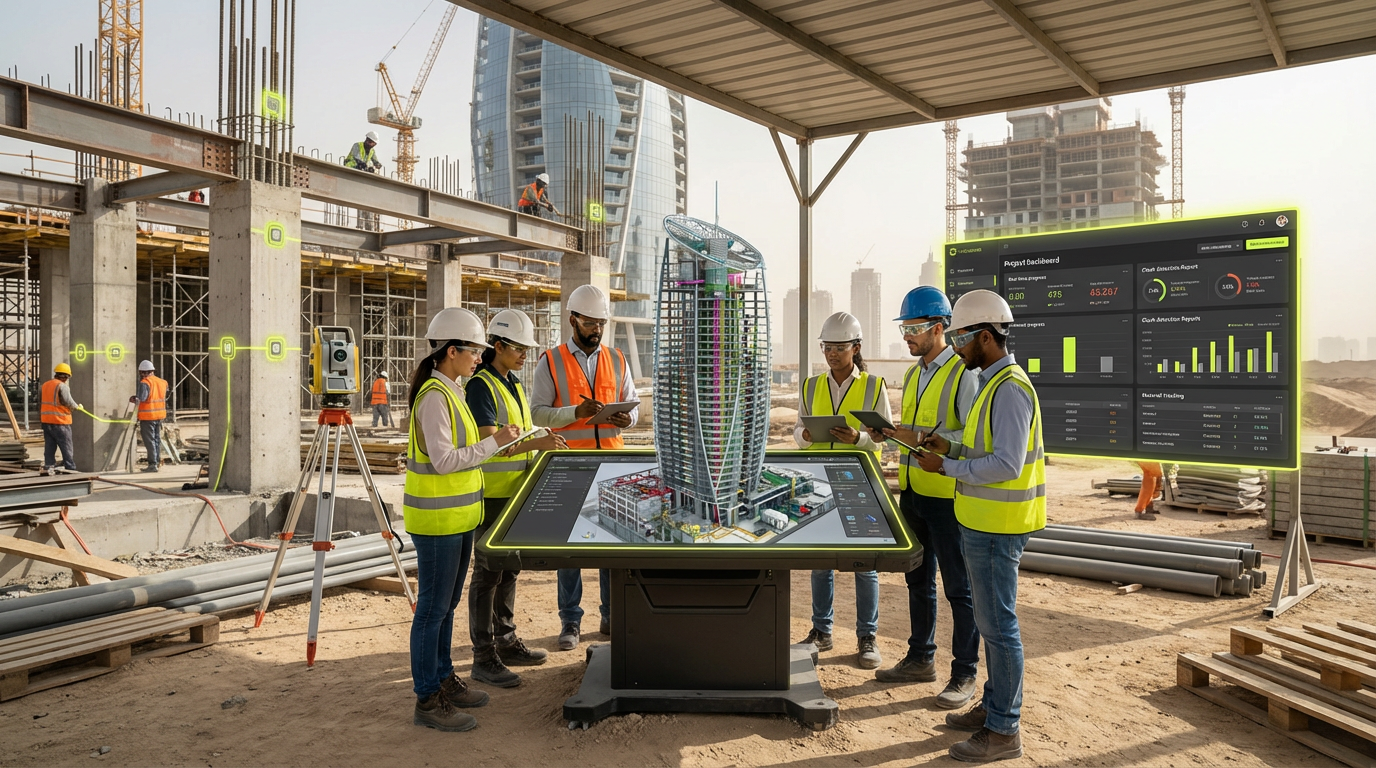
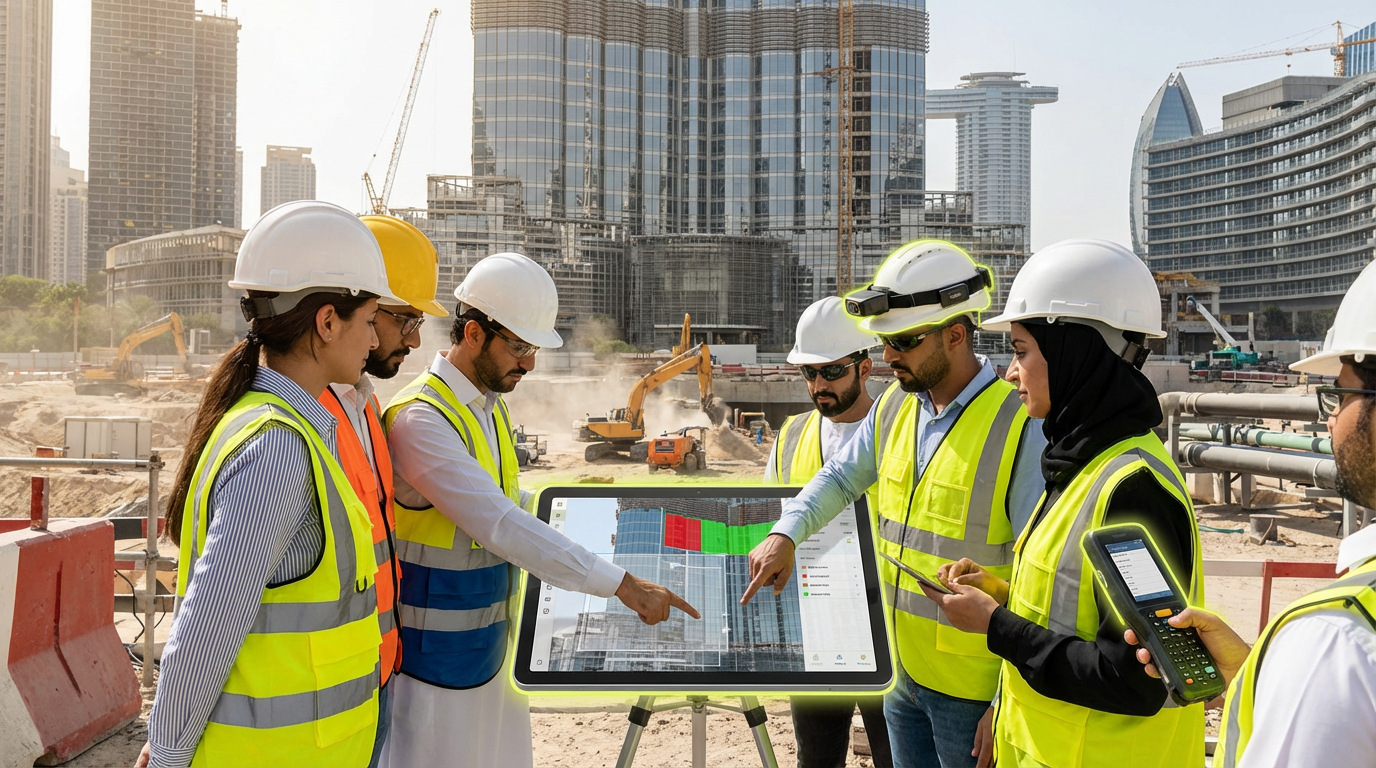
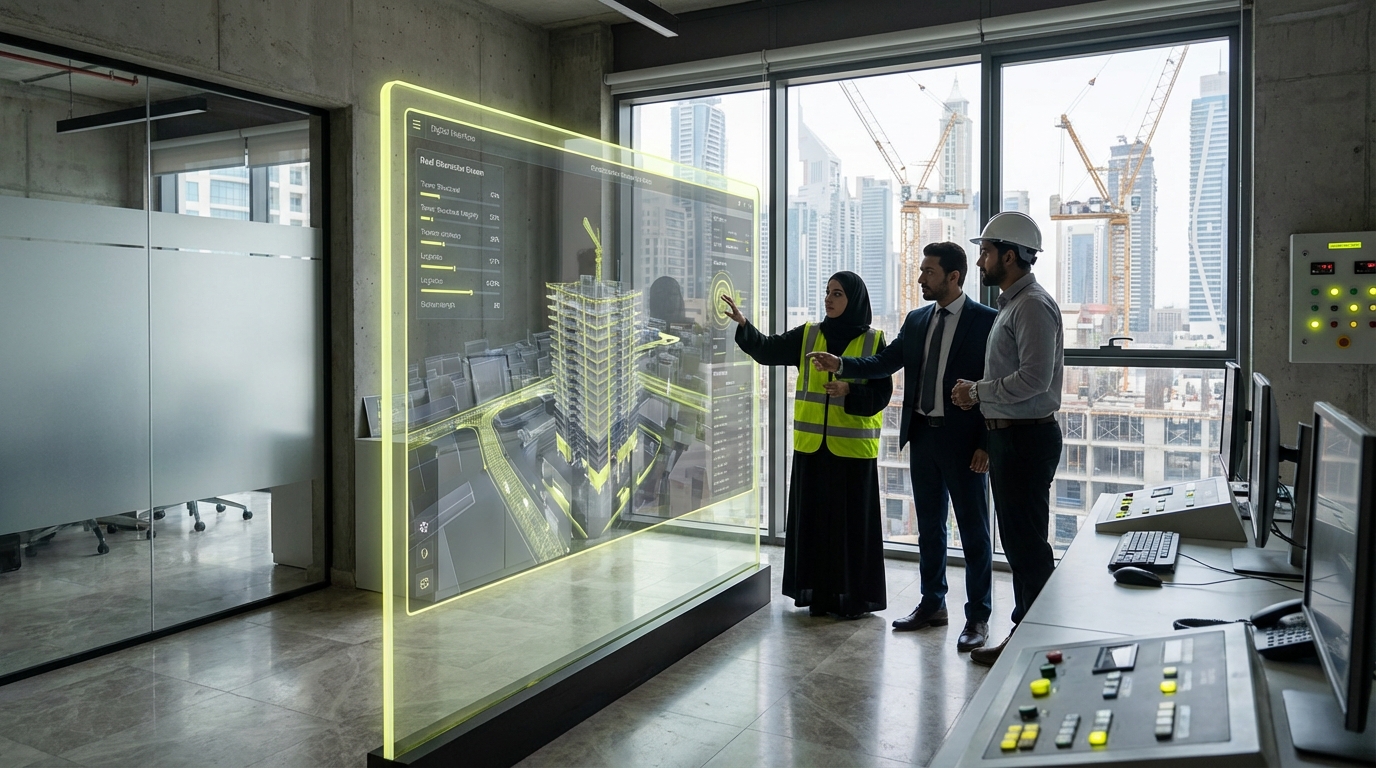
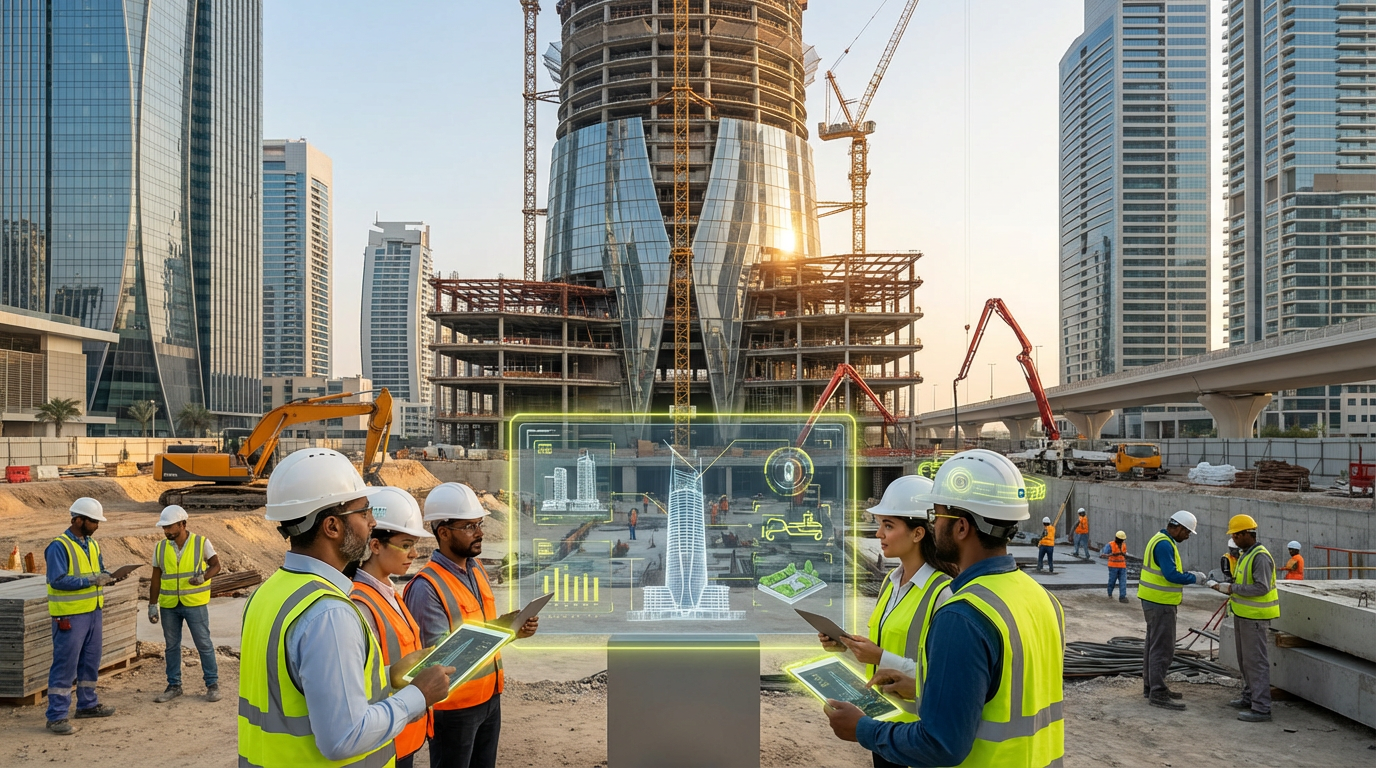
Building Information Modeling enabling integrated design, clash detection, and lifecycle management for complex projects.
Hotel and luxury brand-affiliated residential developments offering premium positioning, professional management, and global brand recognition.
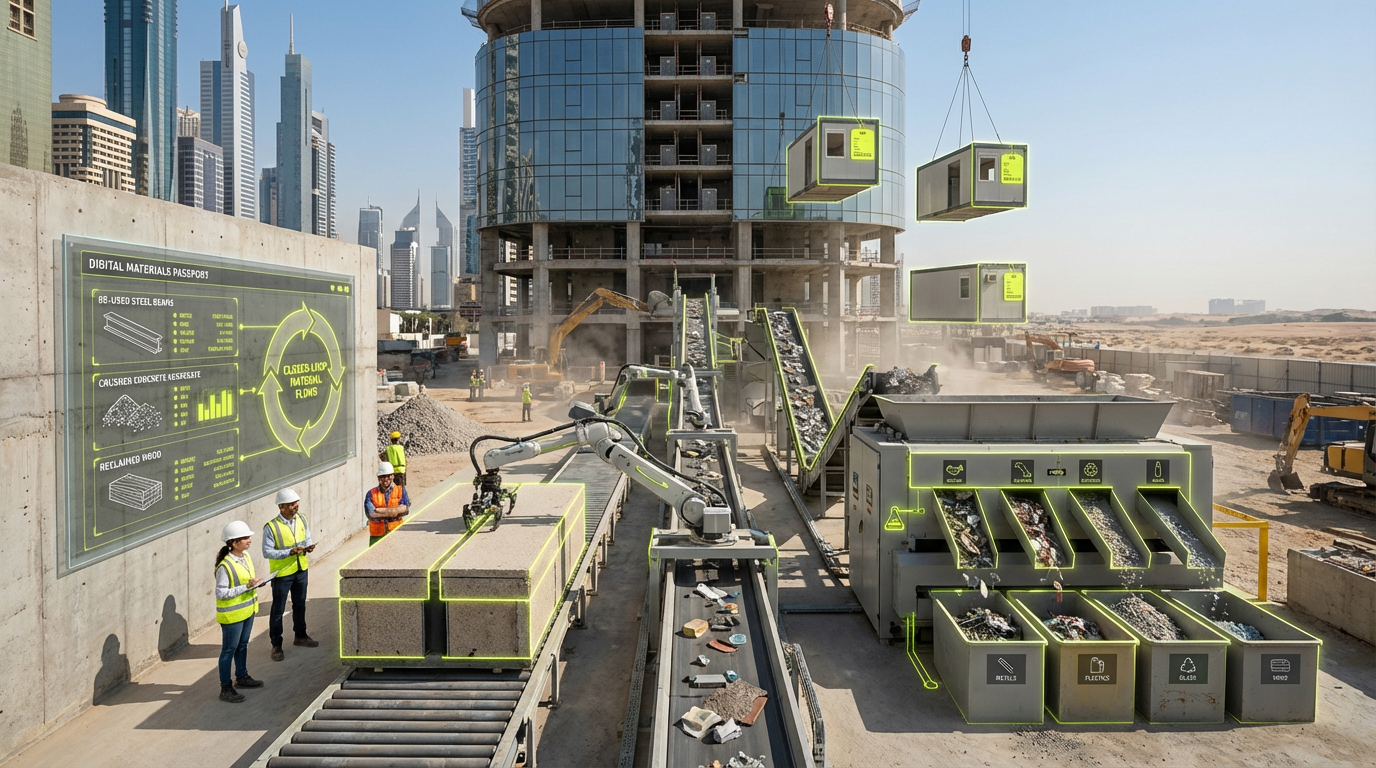
Design for disassembly, materials passports, and construction waste recycling creating closed-loop material flows in building lifecycle.
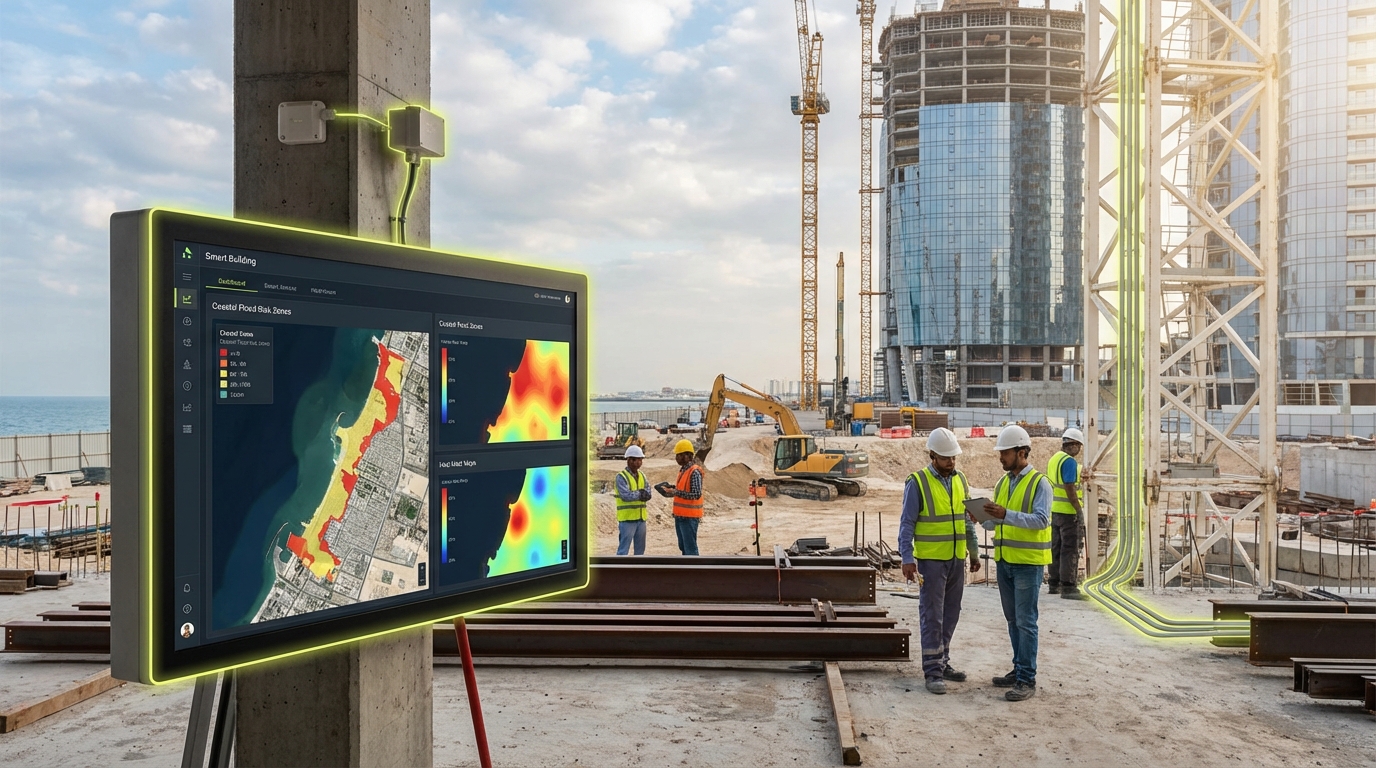
Flood/heat risk moving into underwriting, premiums, and financing terms—plus parametric insurance products that pay out based on measured events.
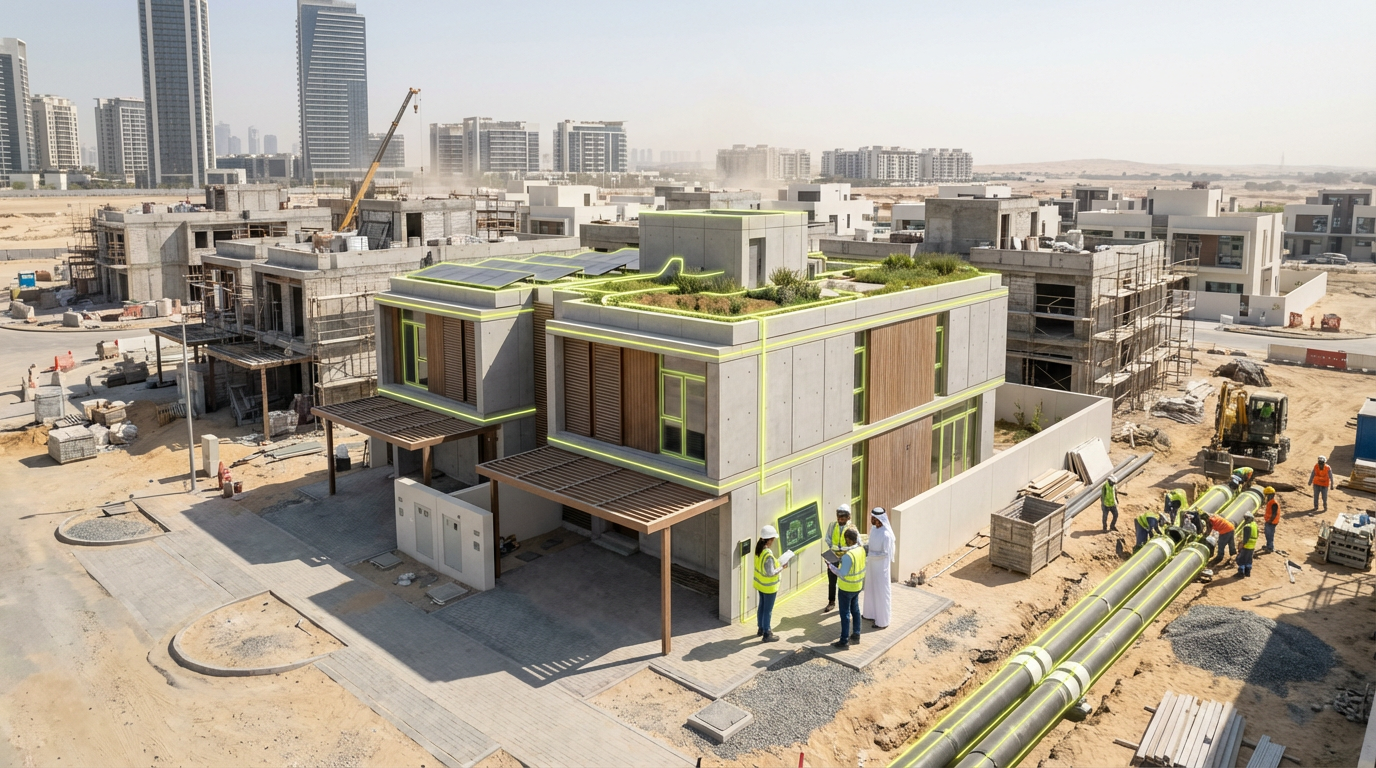
Architectural and engineering strategies optimized for extreme heat, water scarcity, and climate adaptation in GCC housing.
Shared accommodation models with common spaces, amenities, and community features, especially relevant for expatriate communities and young professionals.
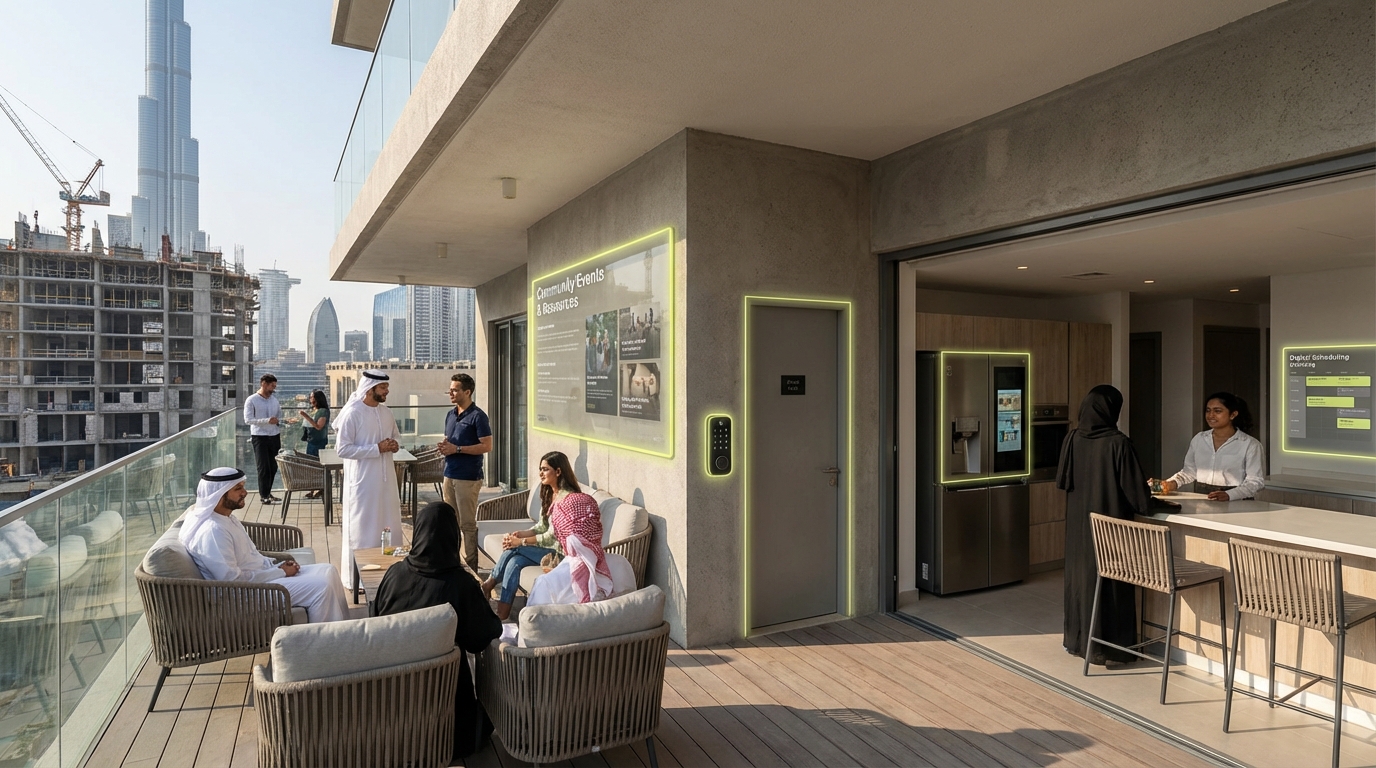
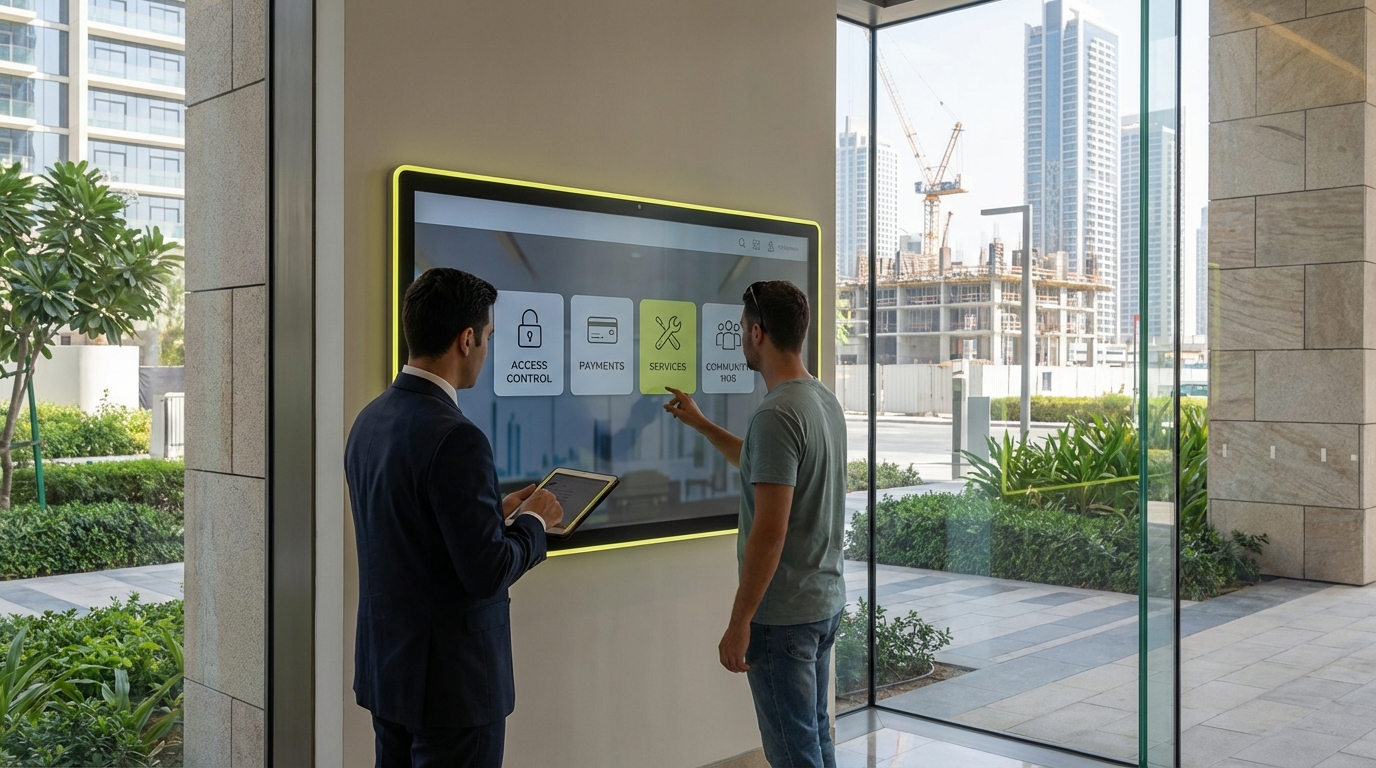
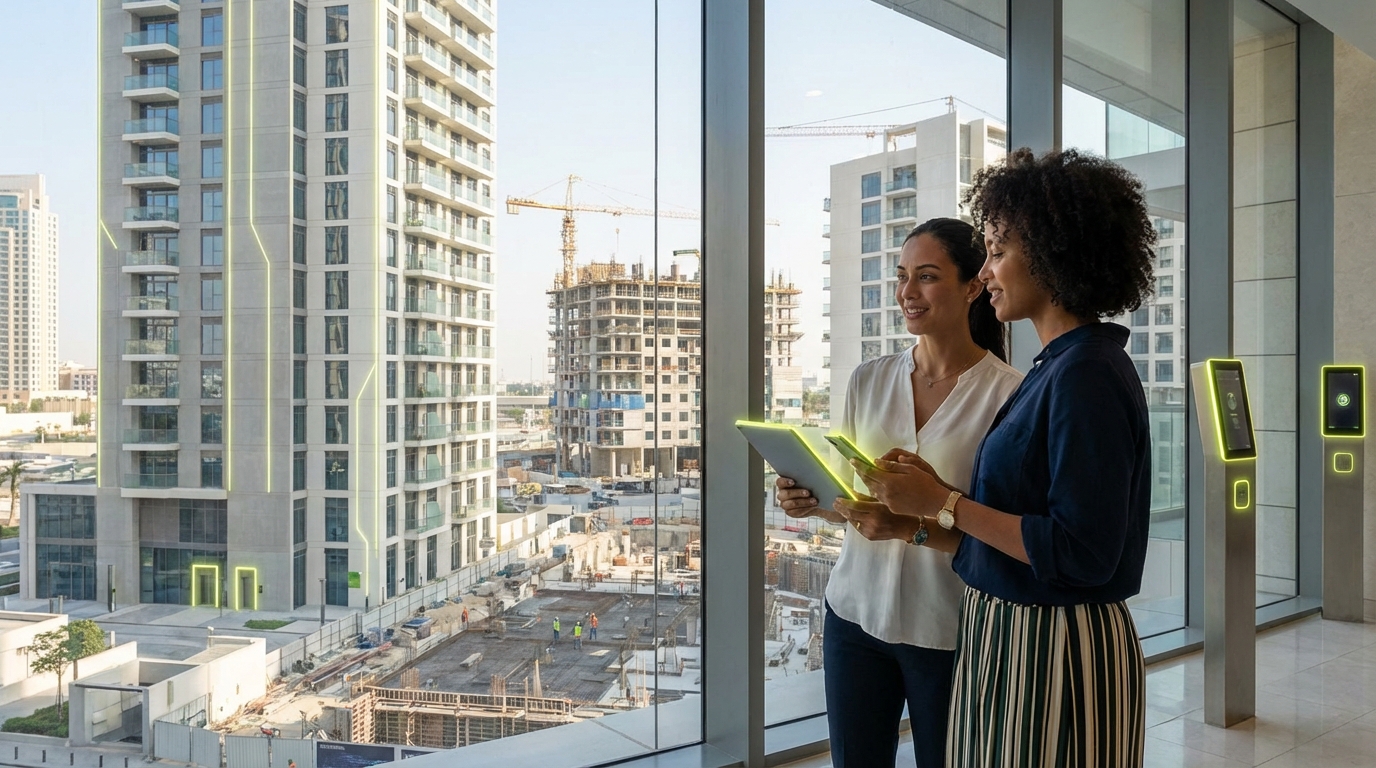
Integrated mobile platforms managing all aspects of community life, from access control and payments to government services and social connection.
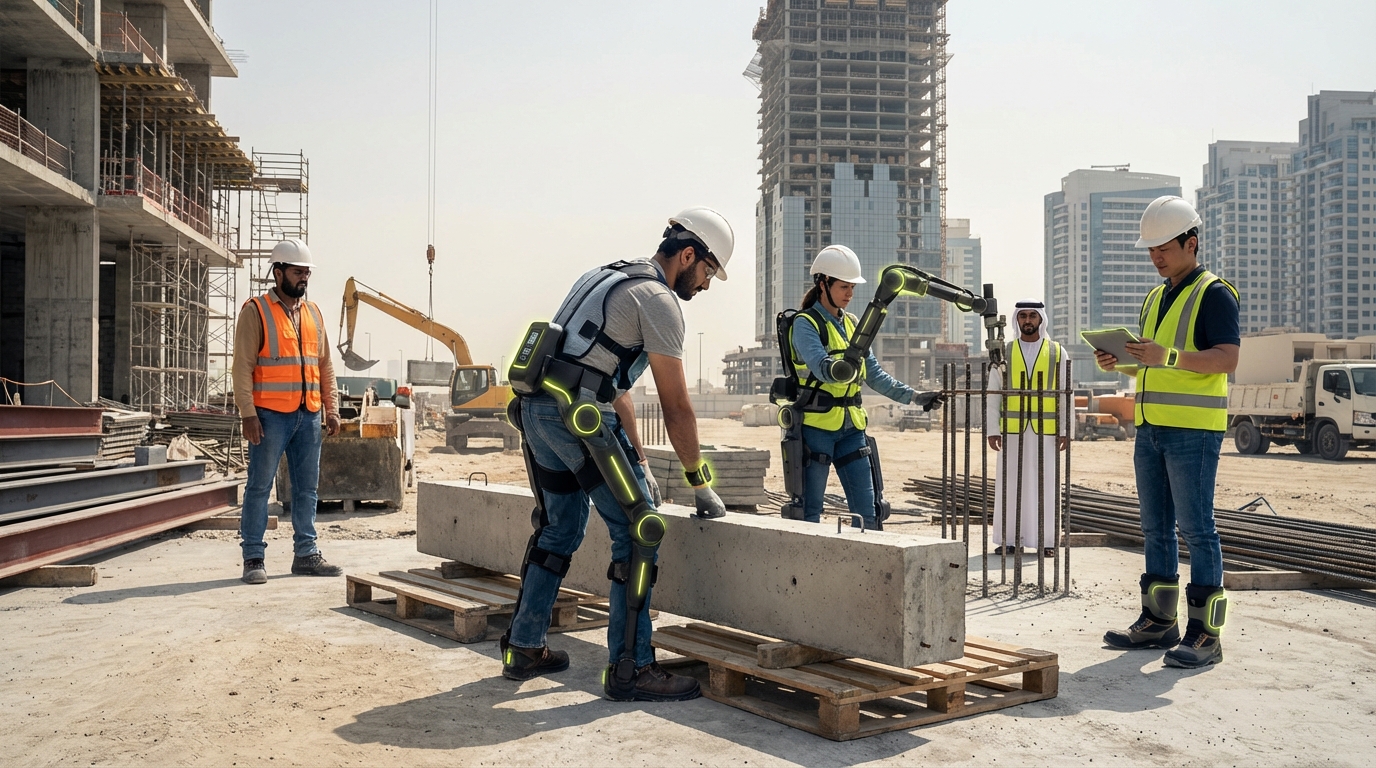
Powered exoskeletons and smart wearables enhancing worker productivity, reducing injuries, and enabling work in extreme heat conditions.
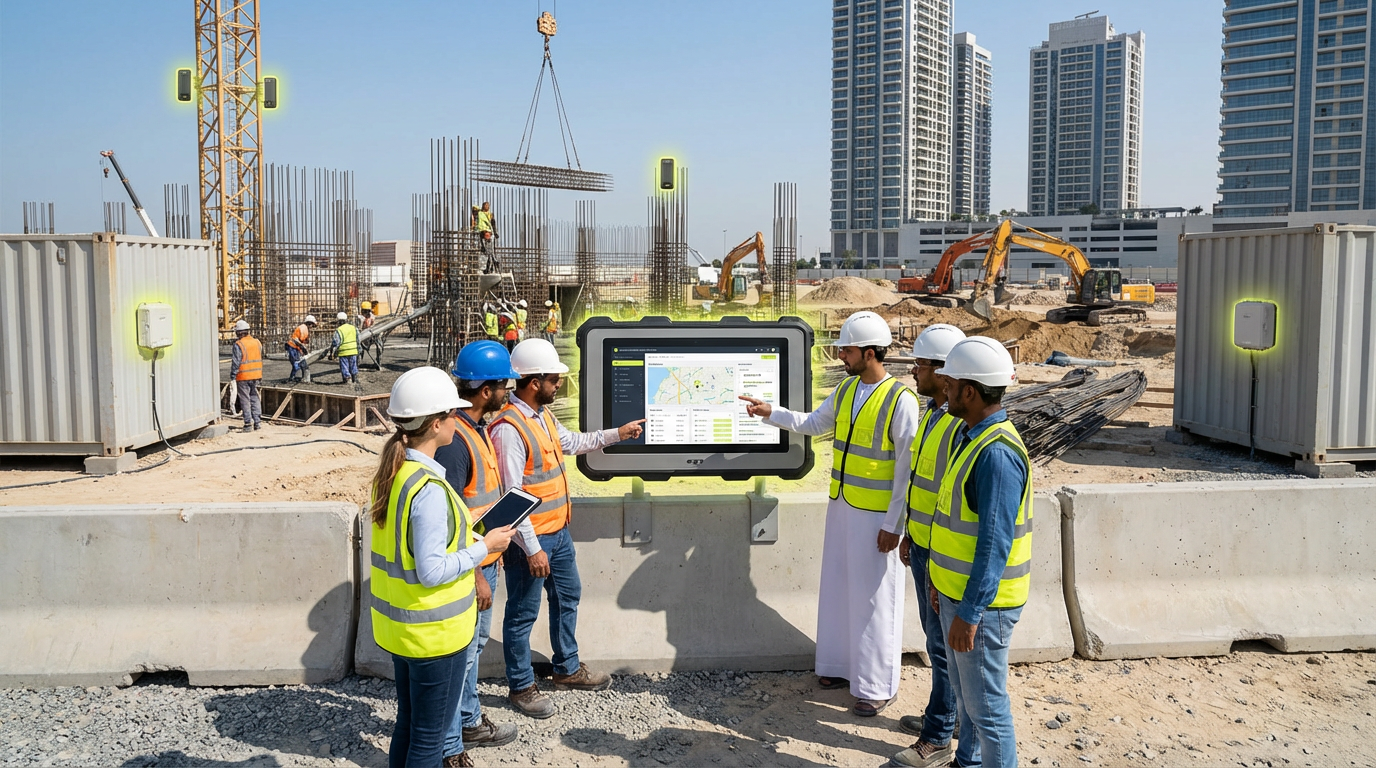
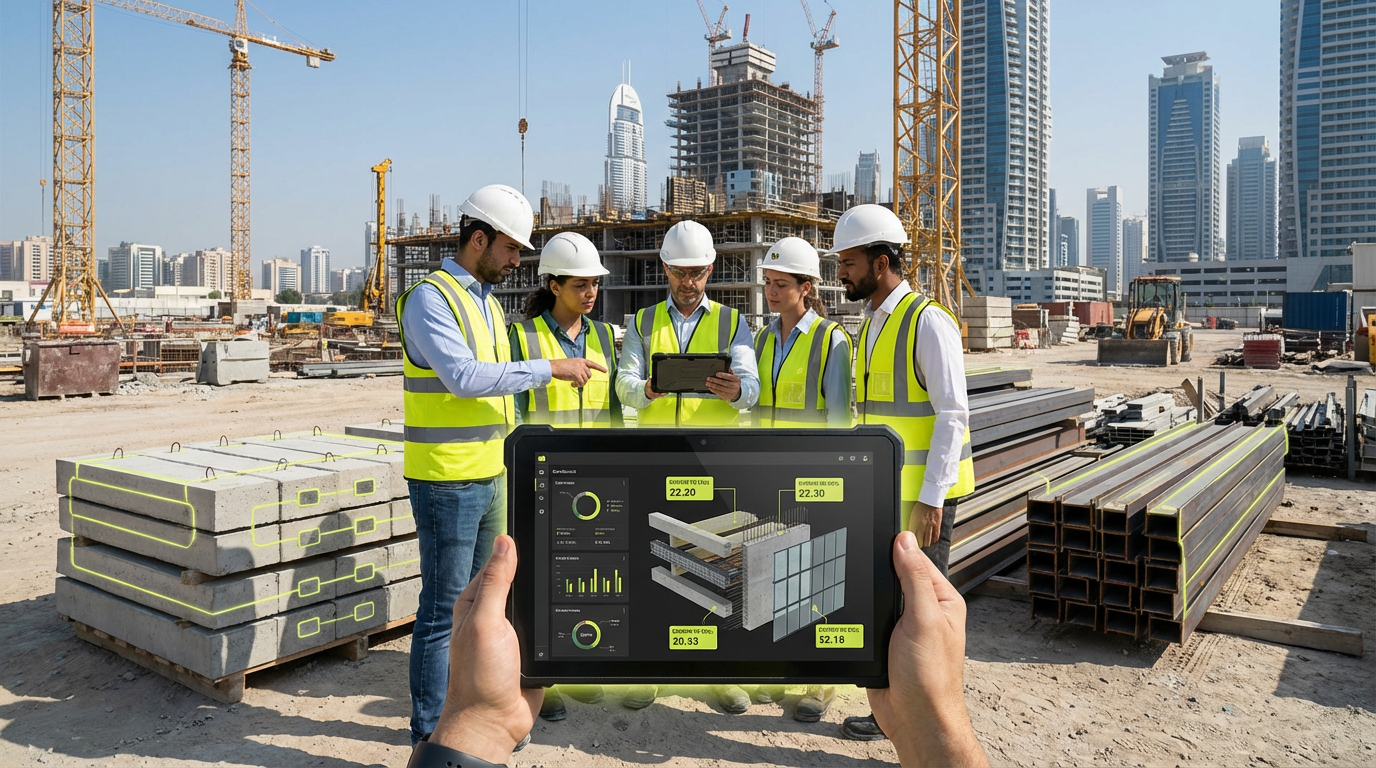
Digital systems coordinating procurement, subcontractor performance, and site logistics—reducing delays and cost overruns on large housing programs.
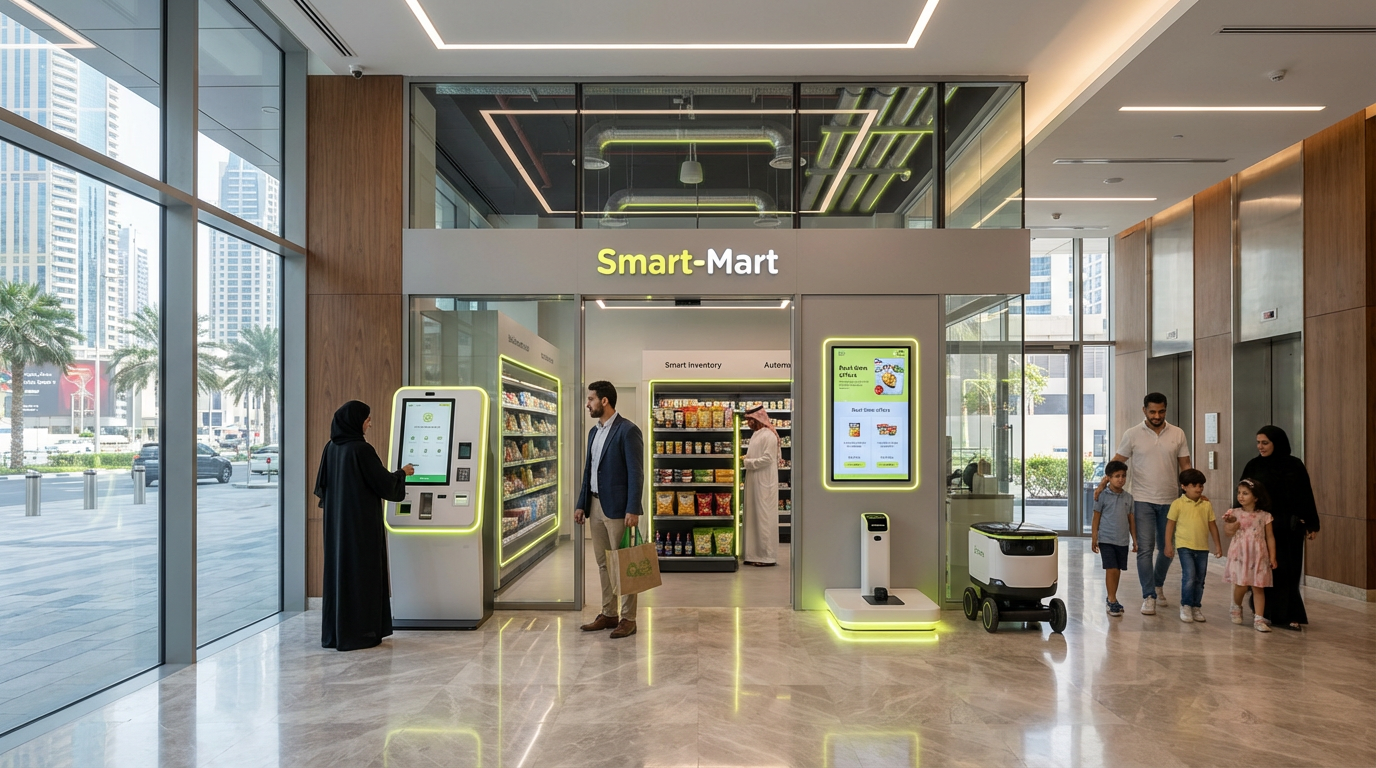
Mini markets, convenience stores, and commercial services integrated into residential buildings, creating micro-ecosystems of services.
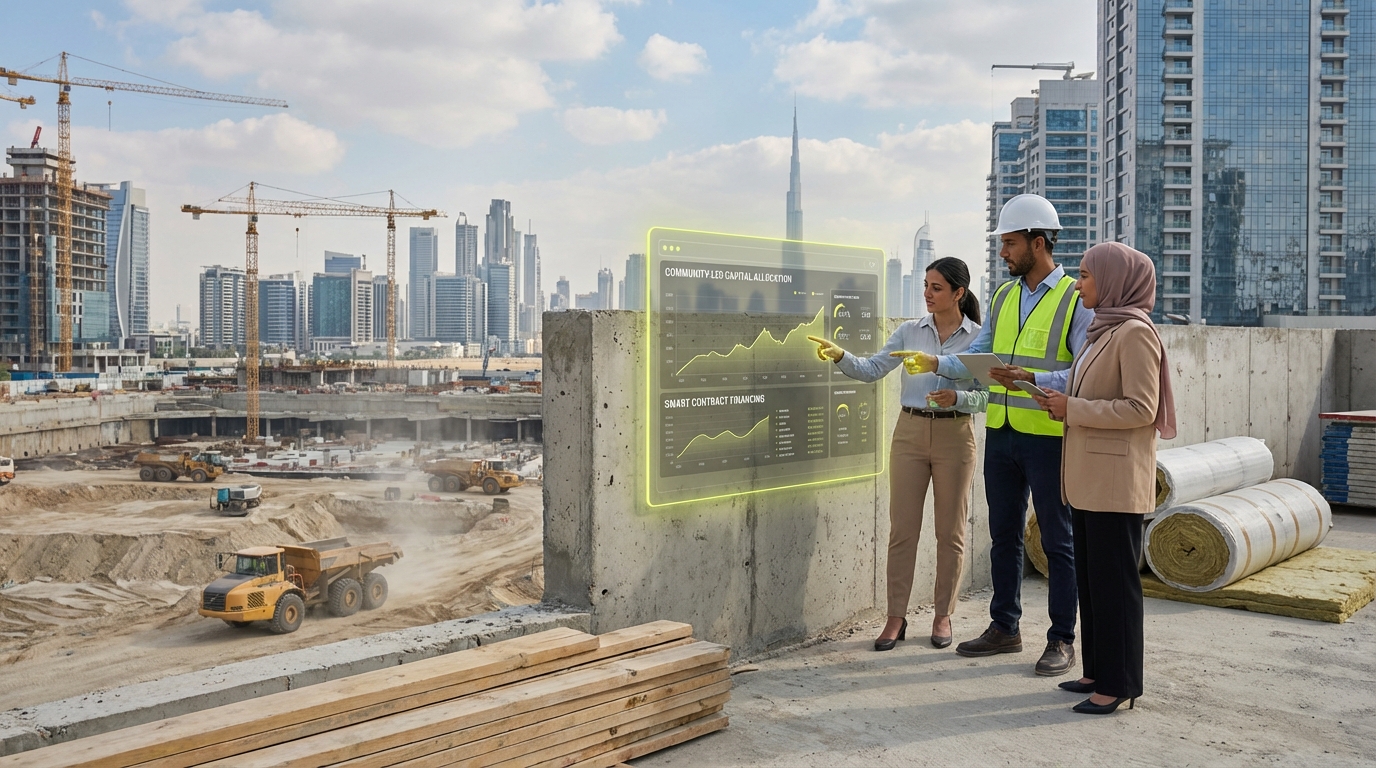
Alternative housing financing systems that bypass traditional banks, including green financing, digital community financing platforms, and blockchain-based models.
Digital snagging, QA/QC workflows, and warranty analytics that reduce rework, predict defect hotspots, and improve handover quality at scale.
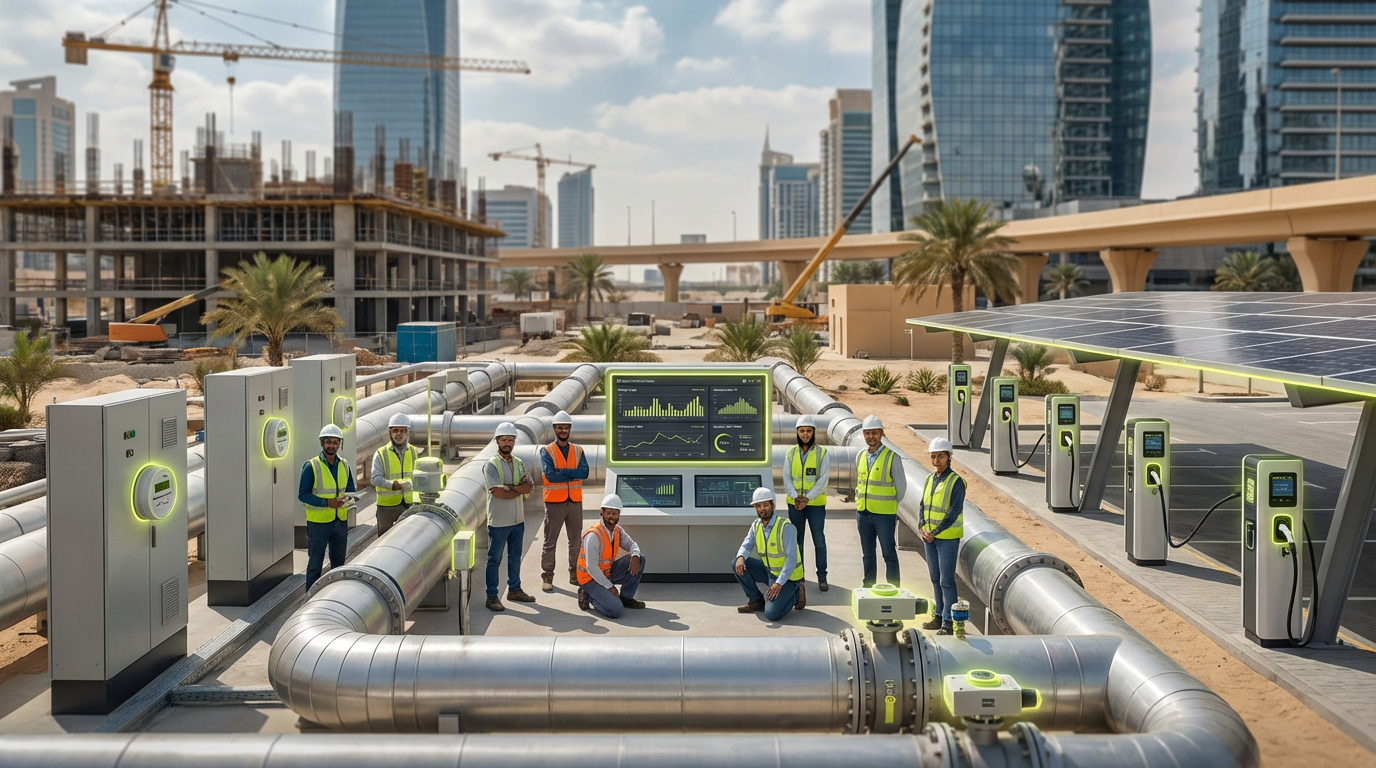
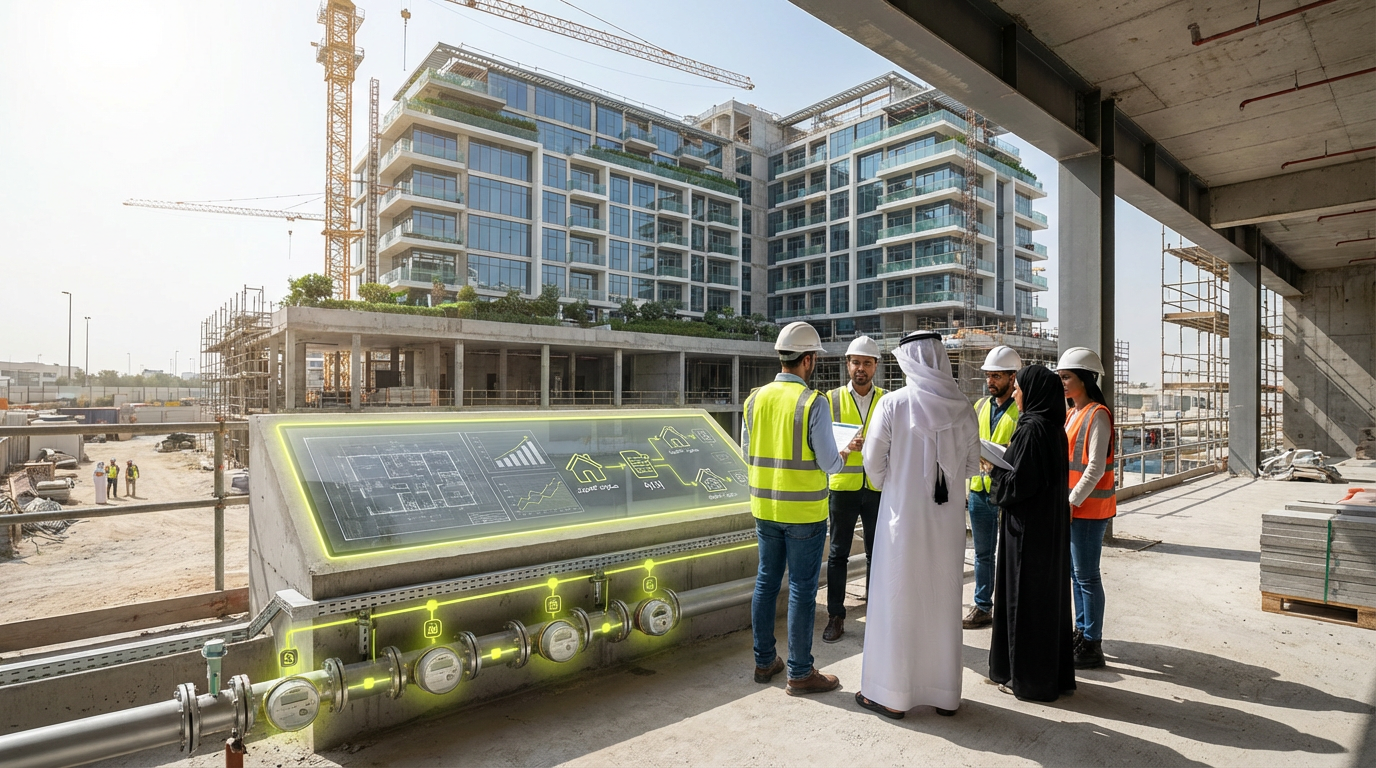
Utility pricing signals and automated controls that shift cooling and EV loads off-peak, reducing grid stress and lowering building operating costs.
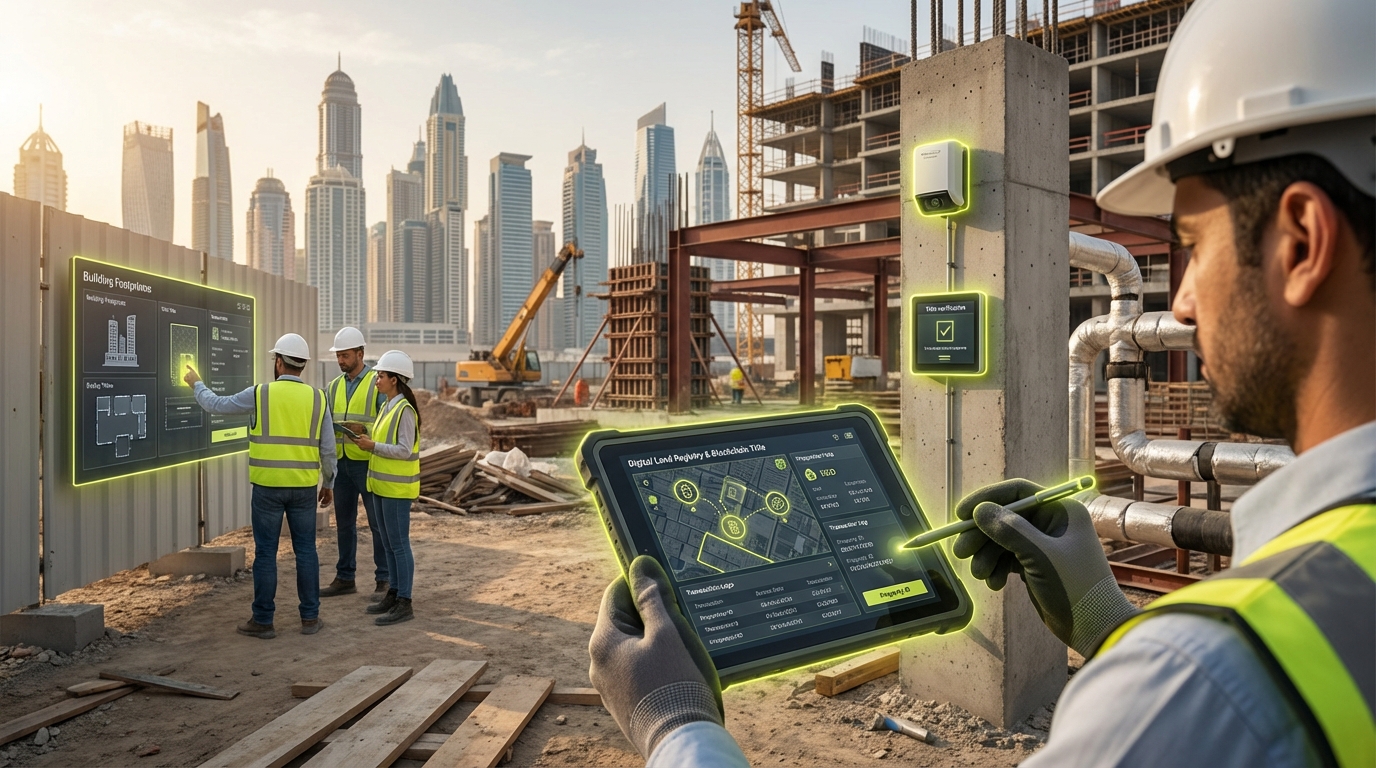
Blockchain-based property registration systems providing immutable ownership records, reducing fraud and enabling instant title verification.
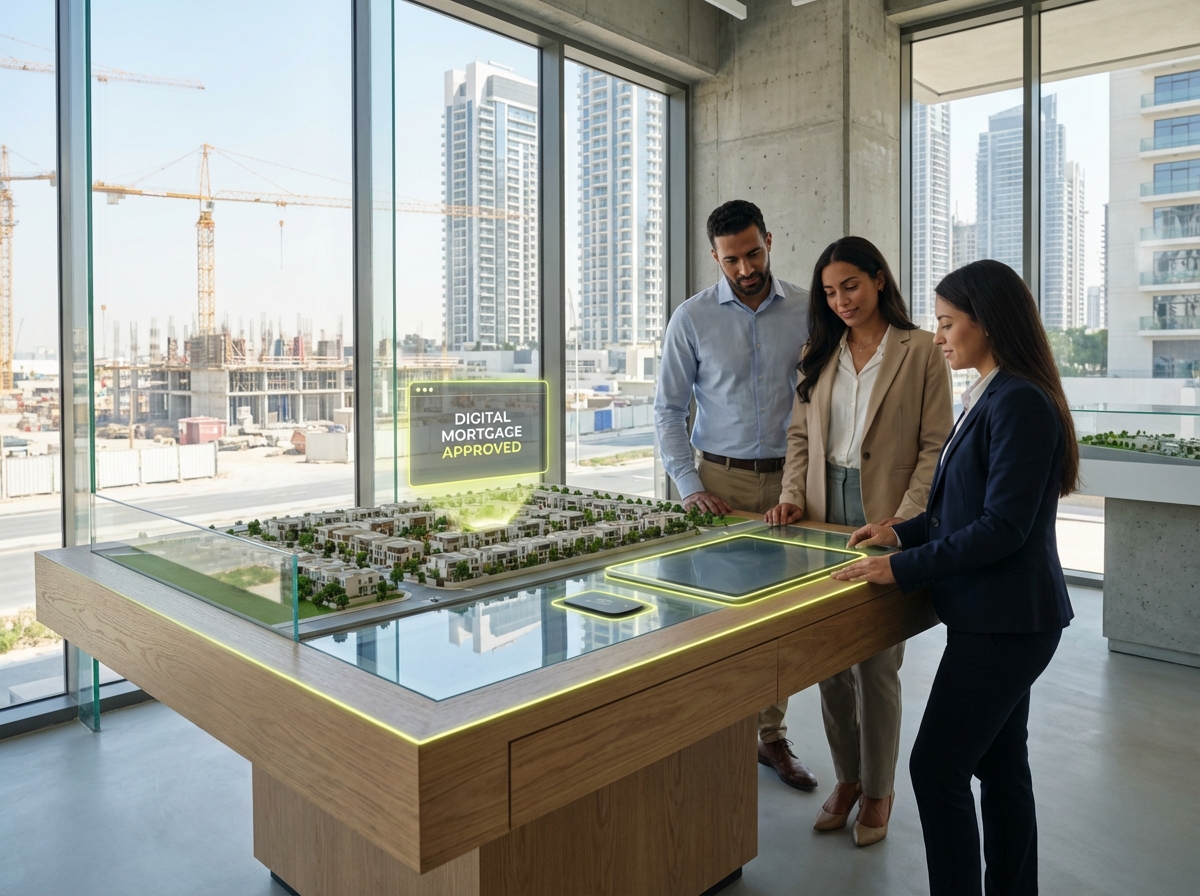
End-to-end digital mortgage origination using eKYC/AML and automated affordability checks—compressing approval timelines and boosting conversion in new-home sales.
Real-time virtual replicas of cities and buildings enabling simulation, optimization, and predictive management.
Centralized cooling infrastructure serving entire districts, critical for GCC's extreme climate and mega-developments.
Regulatory focus shifting from operational energy to materials carbon footprint, requiring lifecycle carbon assessment in building design and procurement.
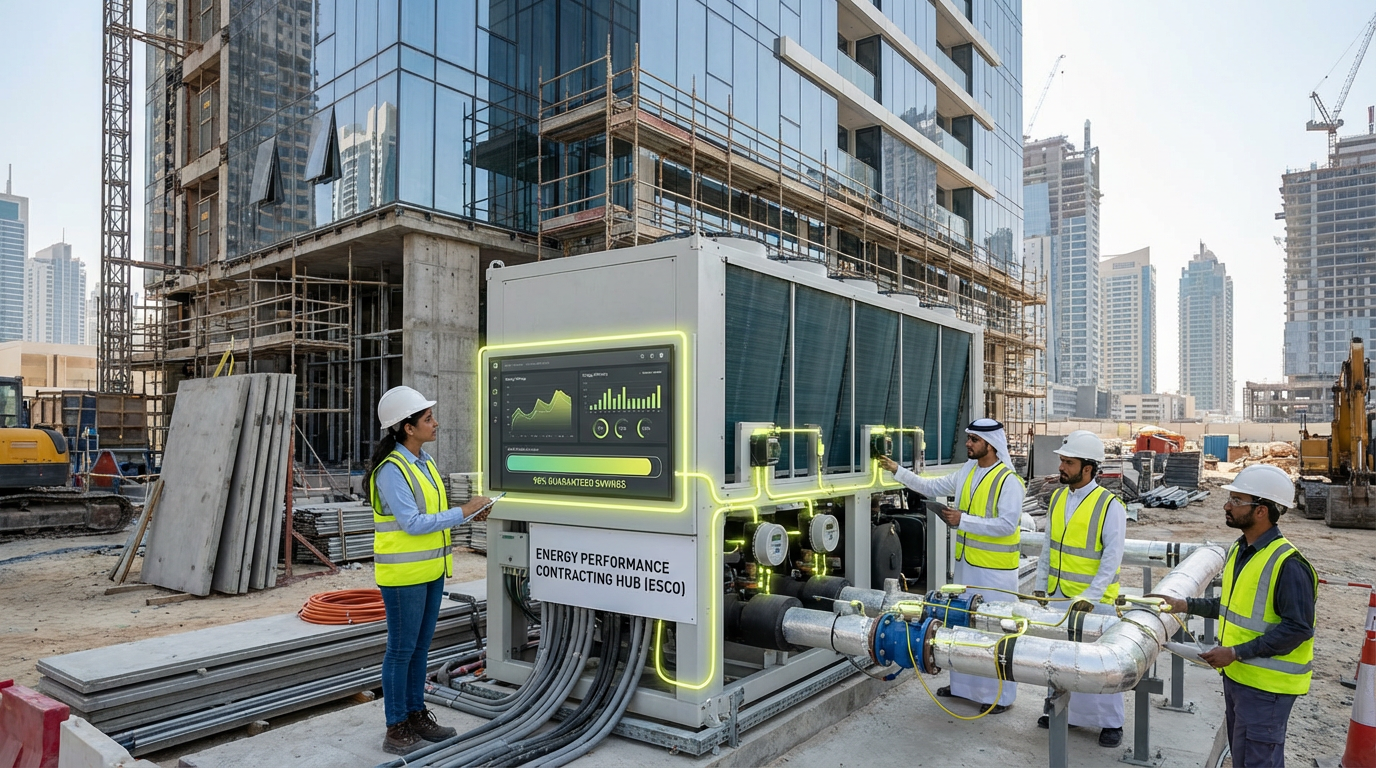
Performance-based contracts where energy service companies finance and implement efficiency improvements, paid through guaranteed savings.
Controlled cashflow mechanisms that release buyer funds by verified construction milestones, strengthening trust and reducing delivery risk in off-plan markets.
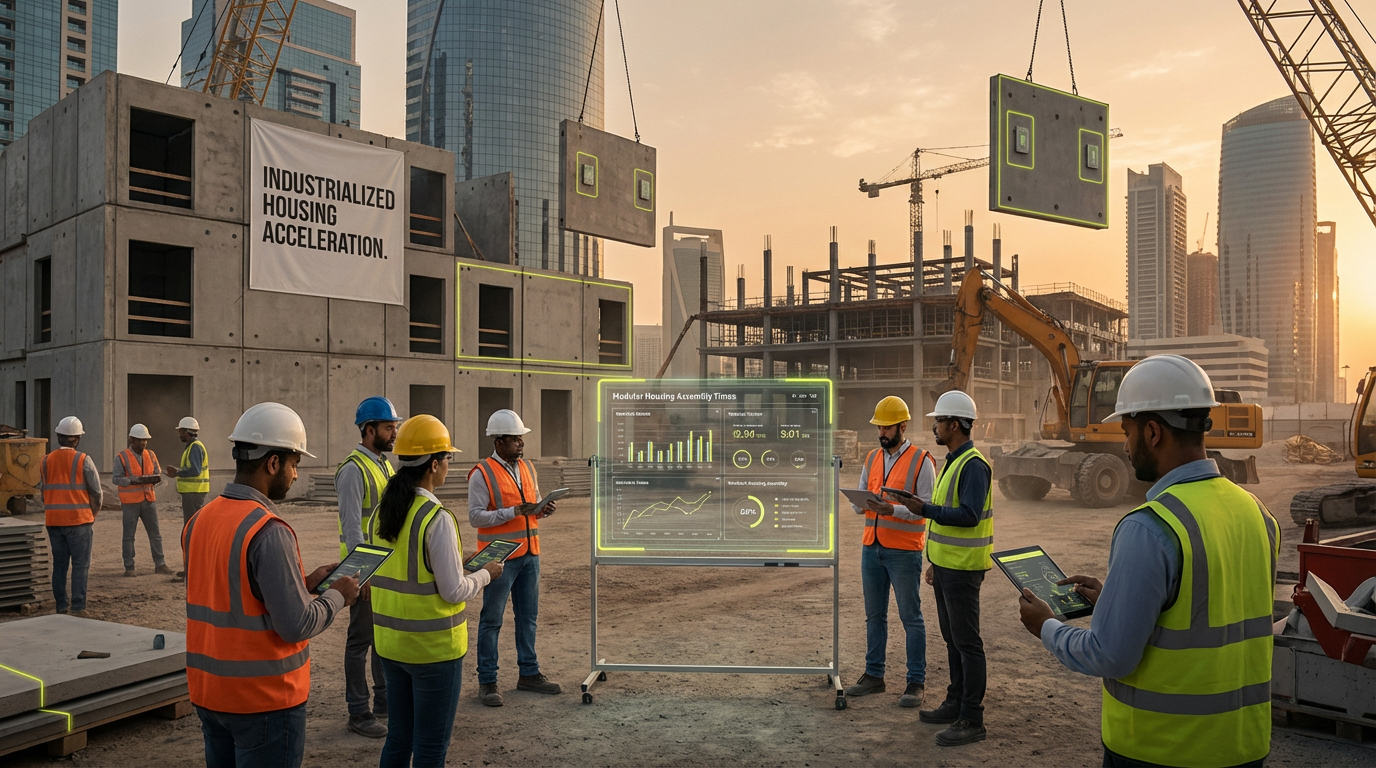
Innovative financial structures (securitization, funds) coupled with industrialized construction to accelerate construction cycles and capital rotation.
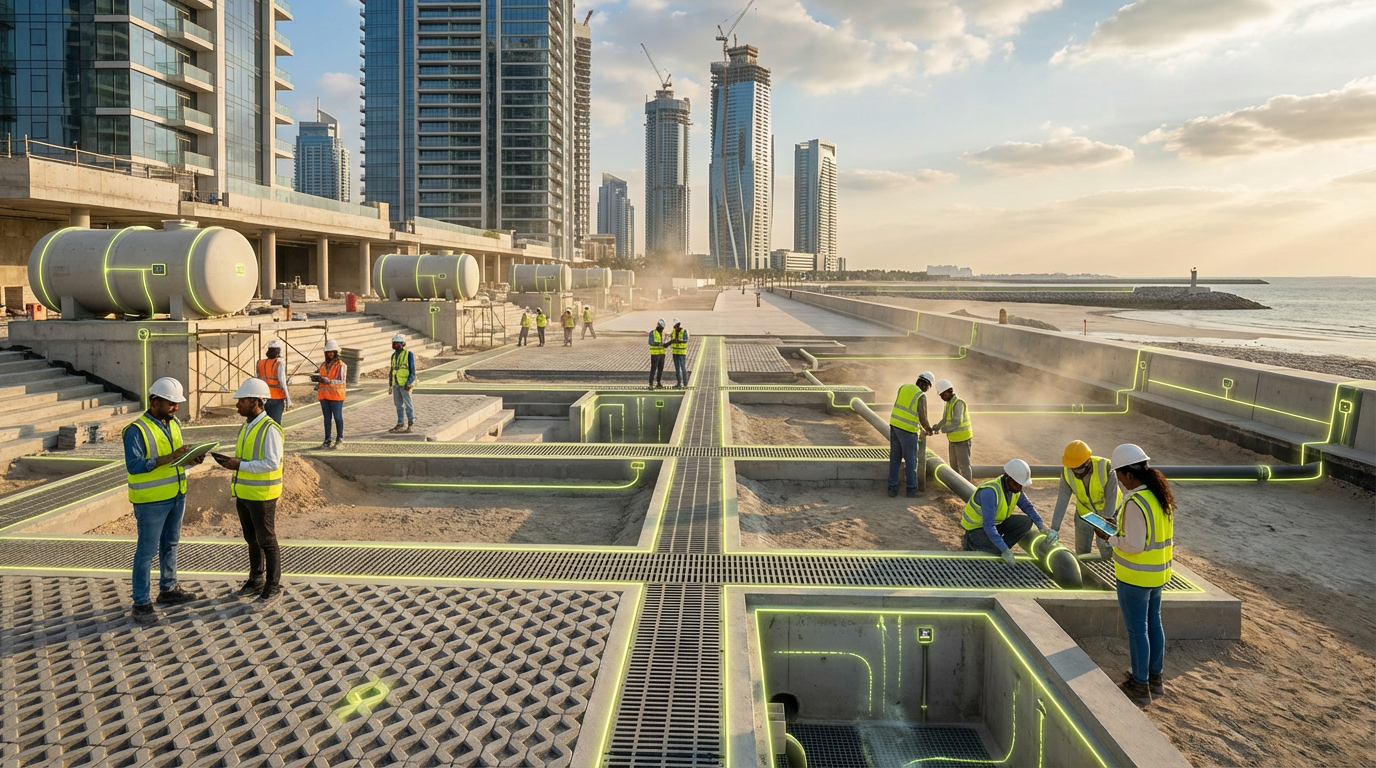
Stormwater management, permeable surfaces, and resilient design addressing increasing extreme weather events in coastal and low-lying developments.
Regulated digital platforms allowing investors to purchase fractional shares of properties, democratizing real estate investment.
Residency and citizenship programs linked to property investment, driving demand from global investors seeking lifestyle, tax, and mobility benefits.
Mandatory sustainability standards (Estidama, Mostadam, GSAS) reshaping building design and operations across GCC.
Envelope technologies that cut cooling loads through reflective surfaces, high-performance glazing, shading, and phase-change materials—especially valuable for retrofits.
Subscription-based housing models with integrated services, amenities, and flexible contracts managed through digital platforms.
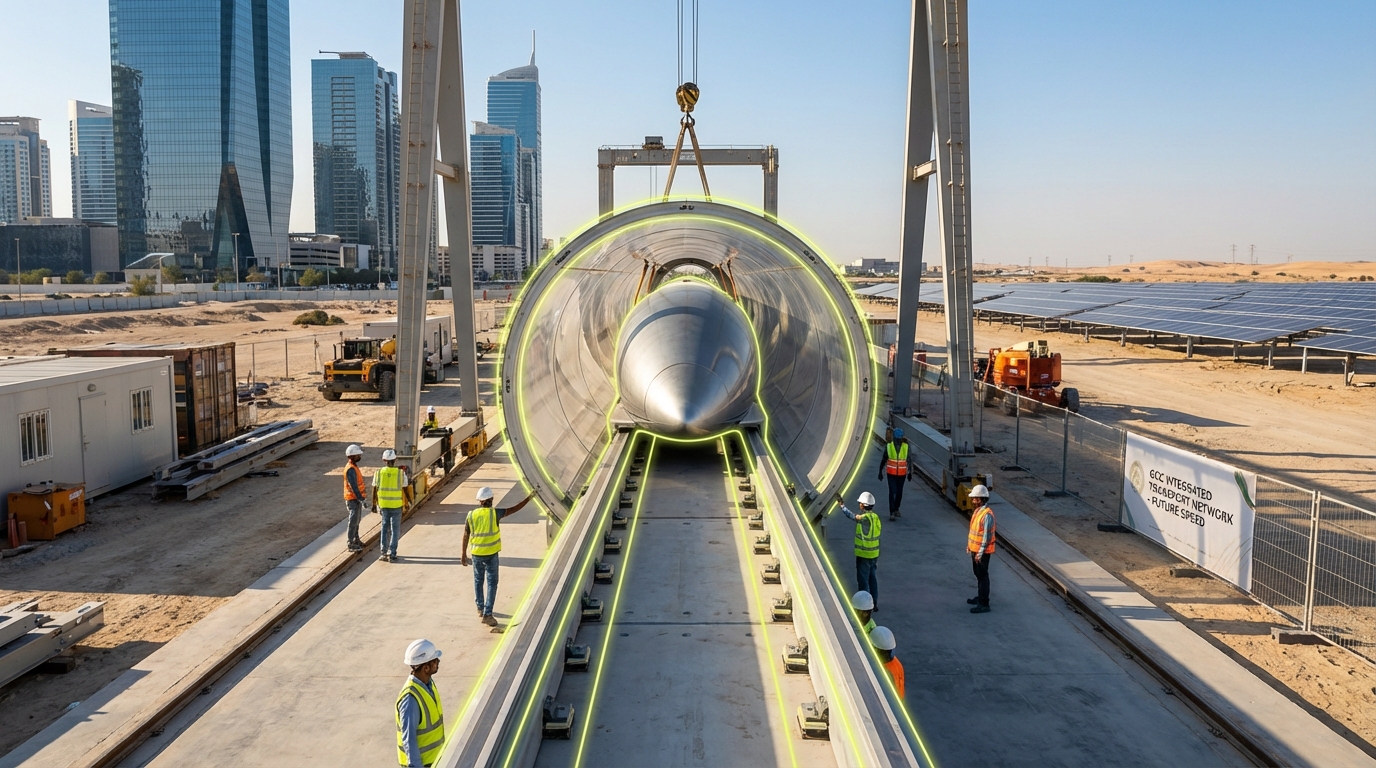
Ultra-fast ground transport connecting GCC cities and enabling new patterns of regional integration.
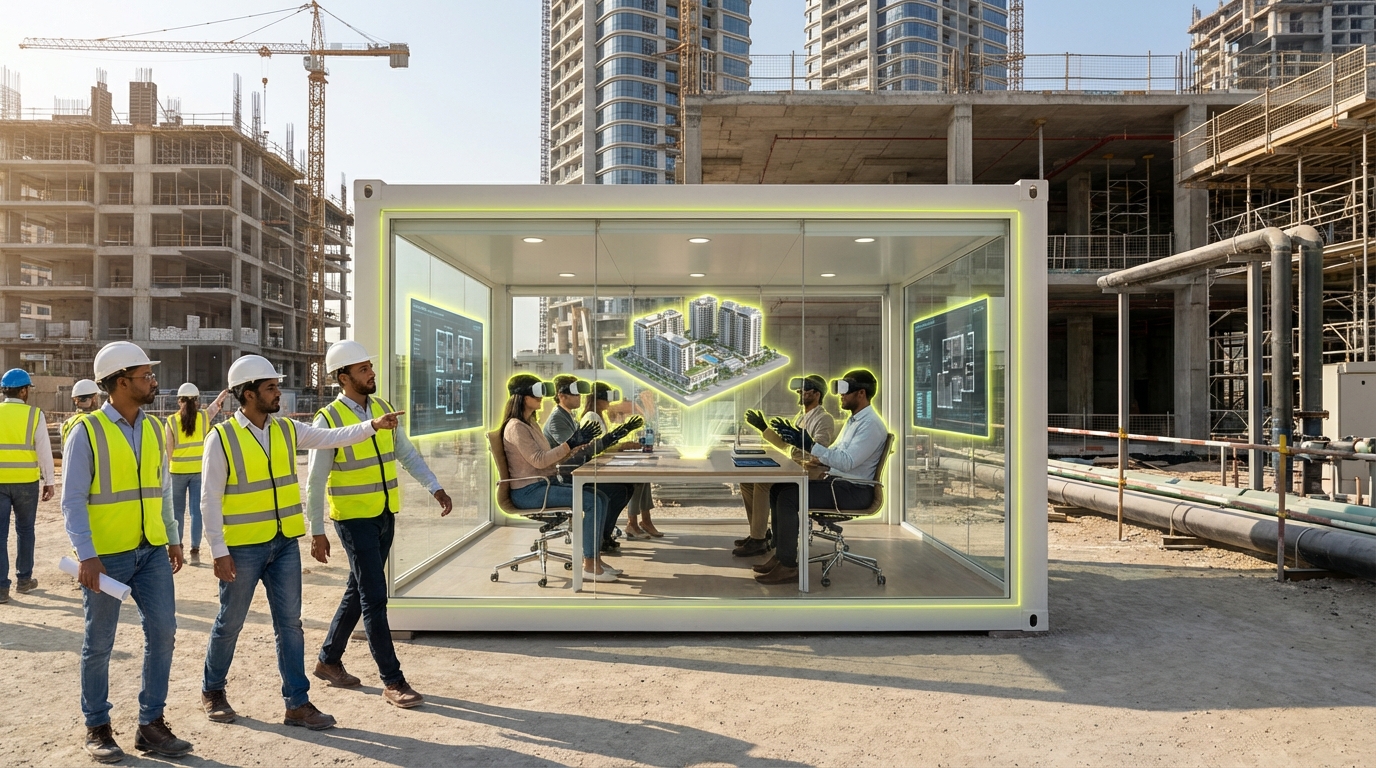
Virtual reality and metaverse environments replacing physical sales centers, allowing global investors to experience off-plan properties remotely.
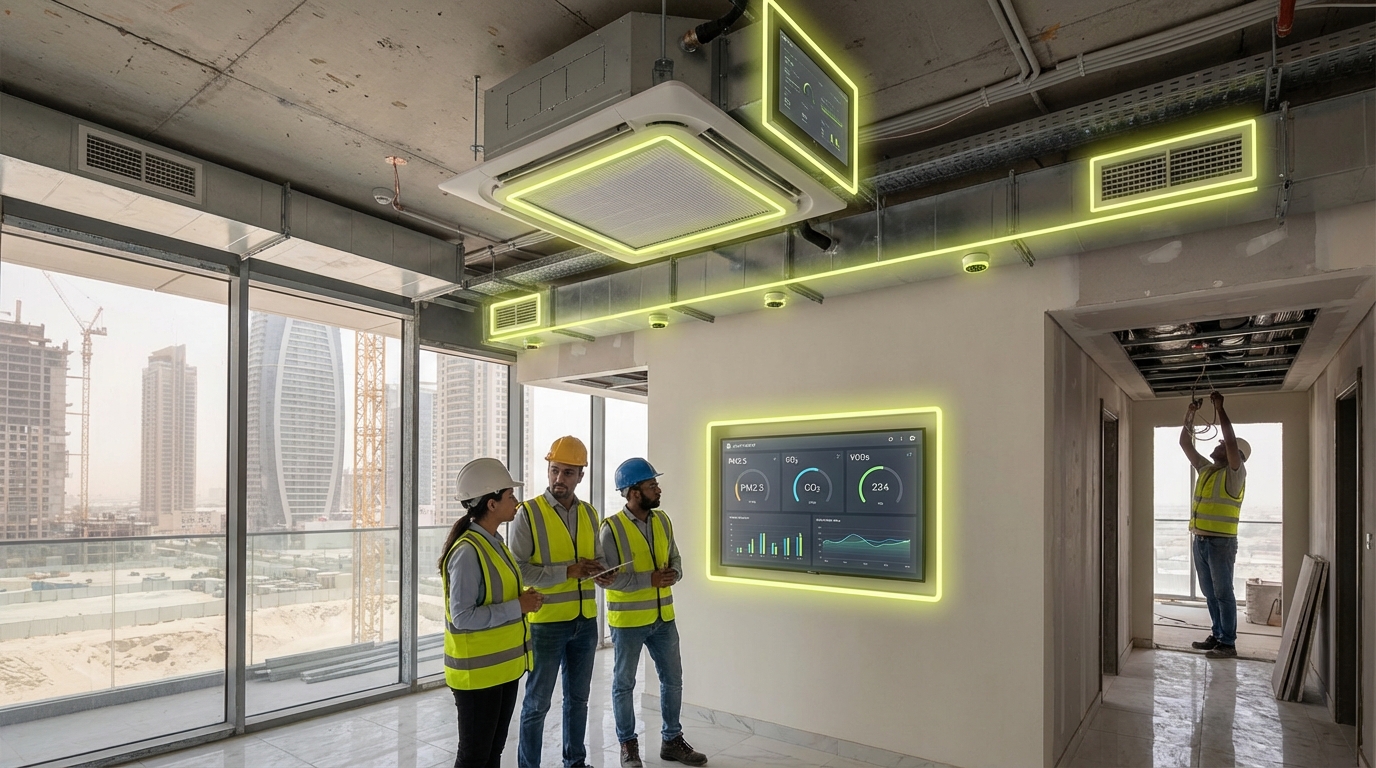
HVAC filtration, ventilation monitoring, and air-quality SLAs becoming baseline requirements—driven by health expectations, dust events, and premium rental markets.
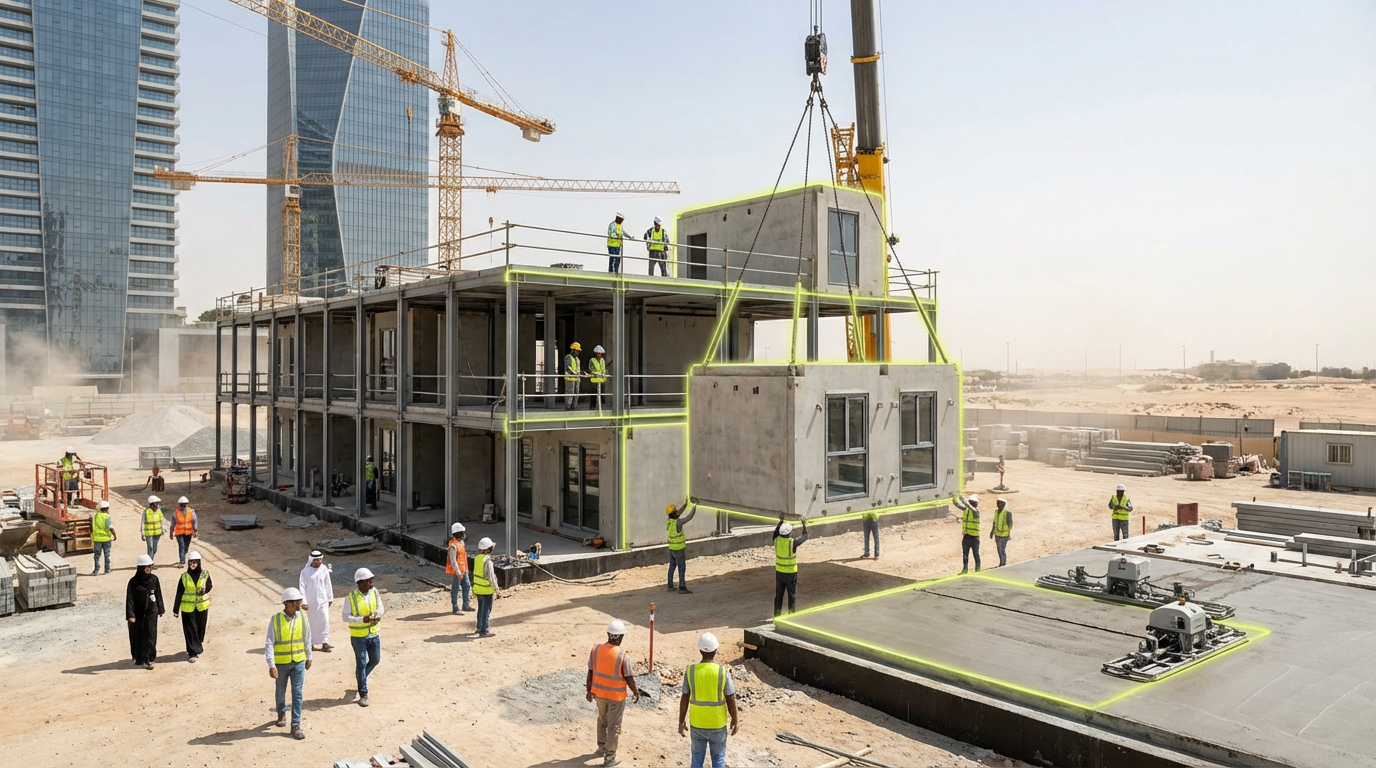
Factory-based production of affordable housing units using prefabricated components and standardized processes for rapid delivery at scale.
Buildings designed and managed exclusively for long-term rental by real estate funds and institutional investors, professionalizing residential rental markets.
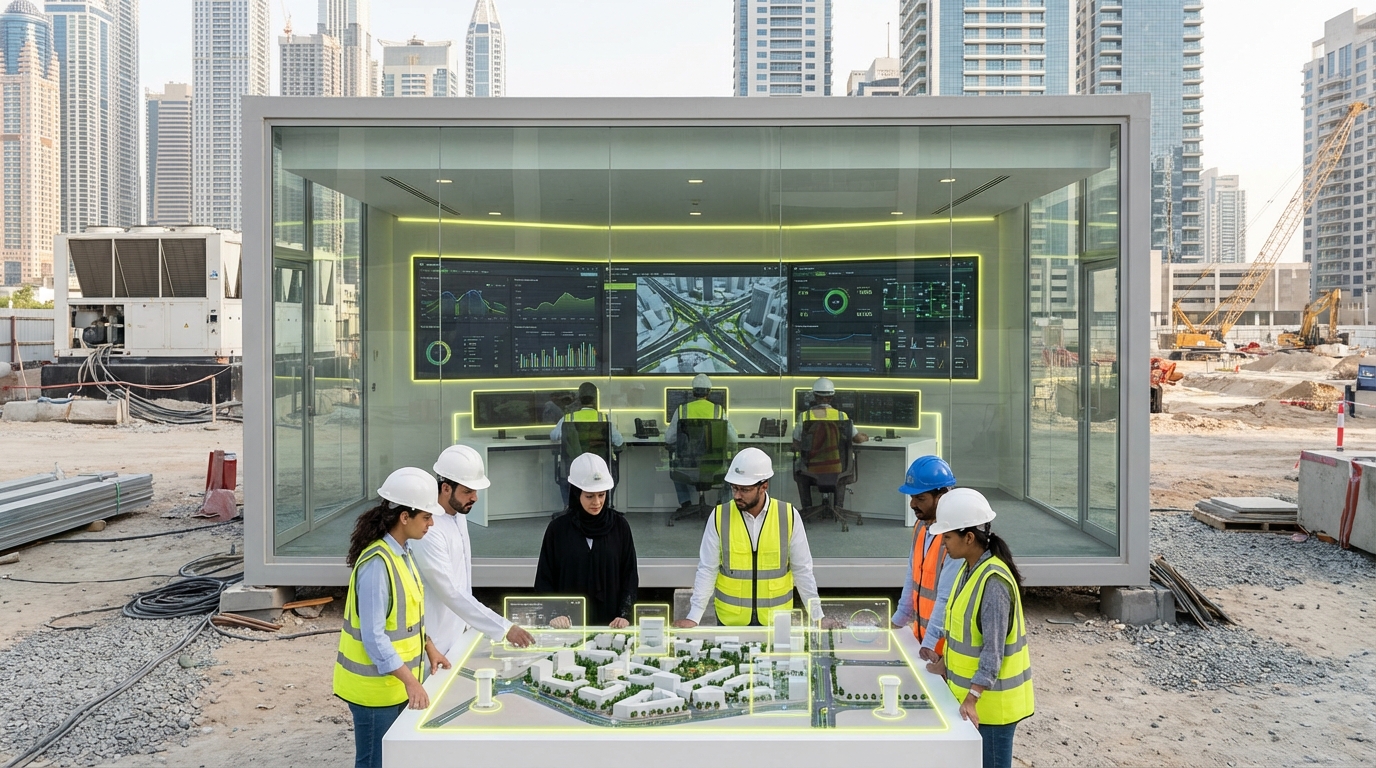
Unified command centers and data platforms orchestrating city services, utilities, and emergency response.
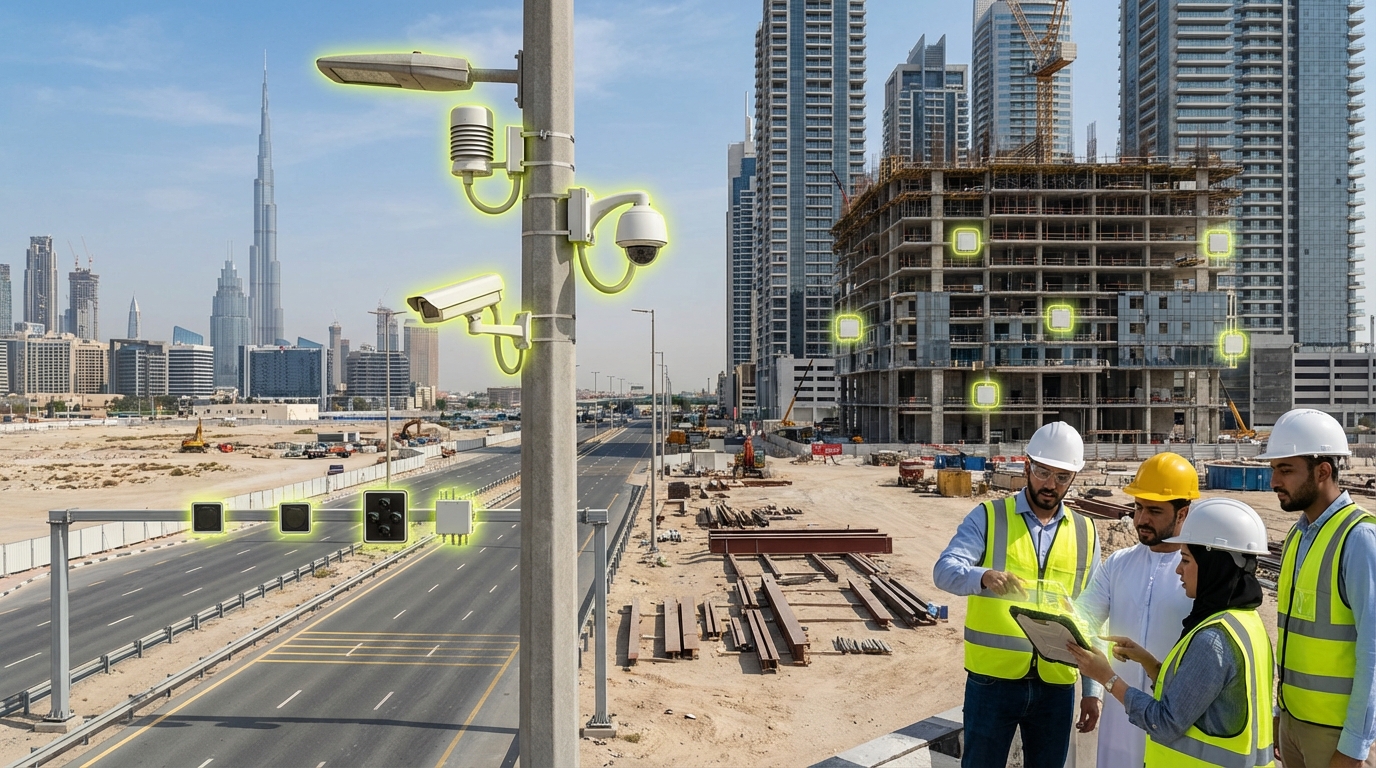
City-wide sensor deployments for environmental monitoring, traffic management, and real-time urban data collection.
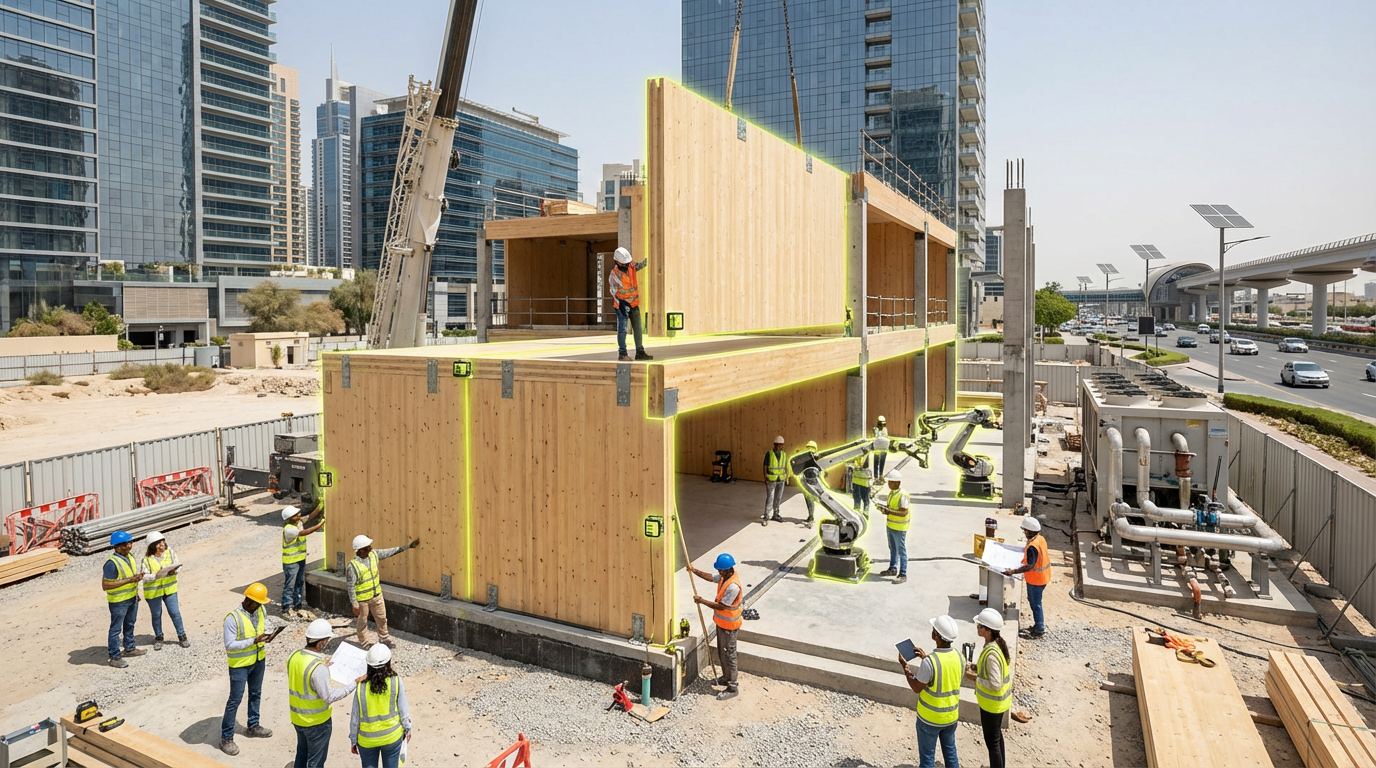
Engineered wood products enabling timber construction at scale, offering carbon sequestration and aesthetic differentiation for sustainable developments.
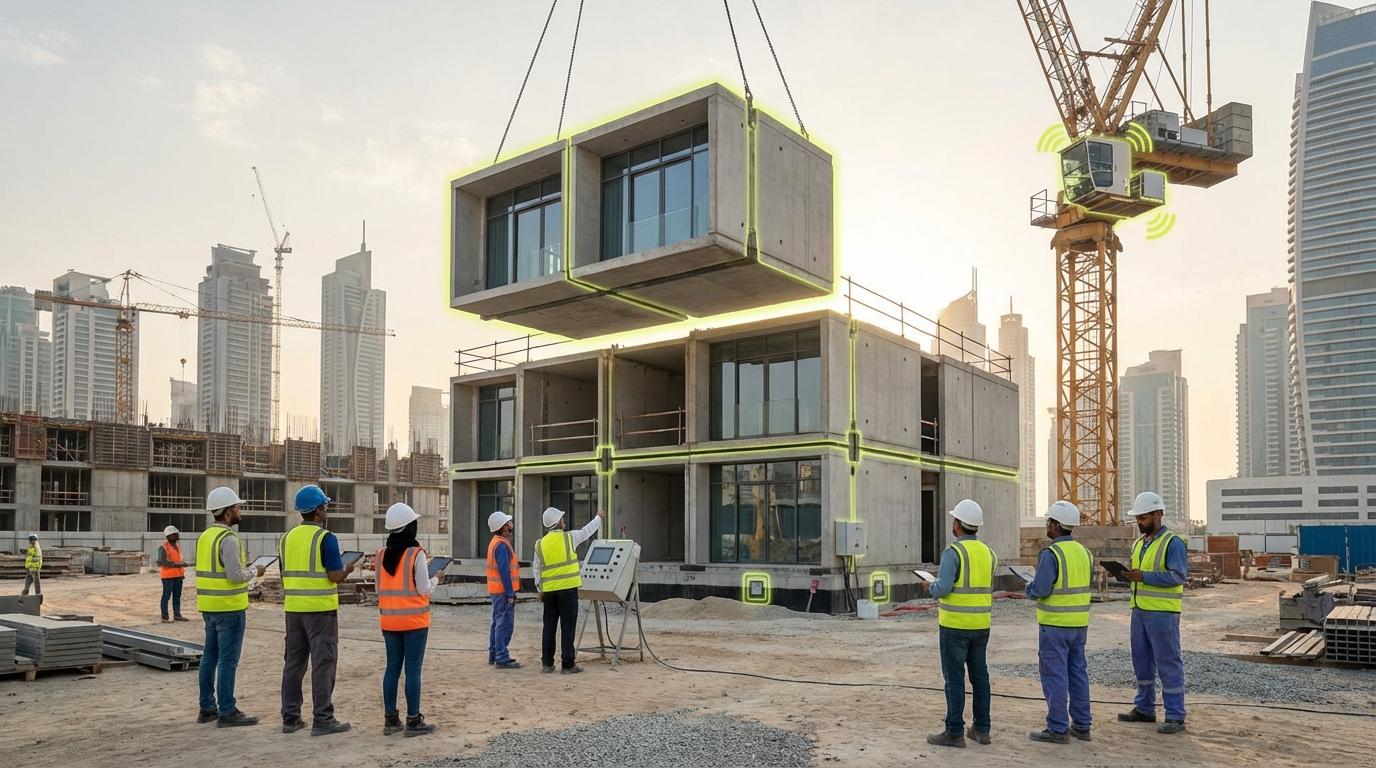
Factory-built modules assembled on-site, accelerating delivery timelines for mega-projects and enabling precision in extreme conditions.
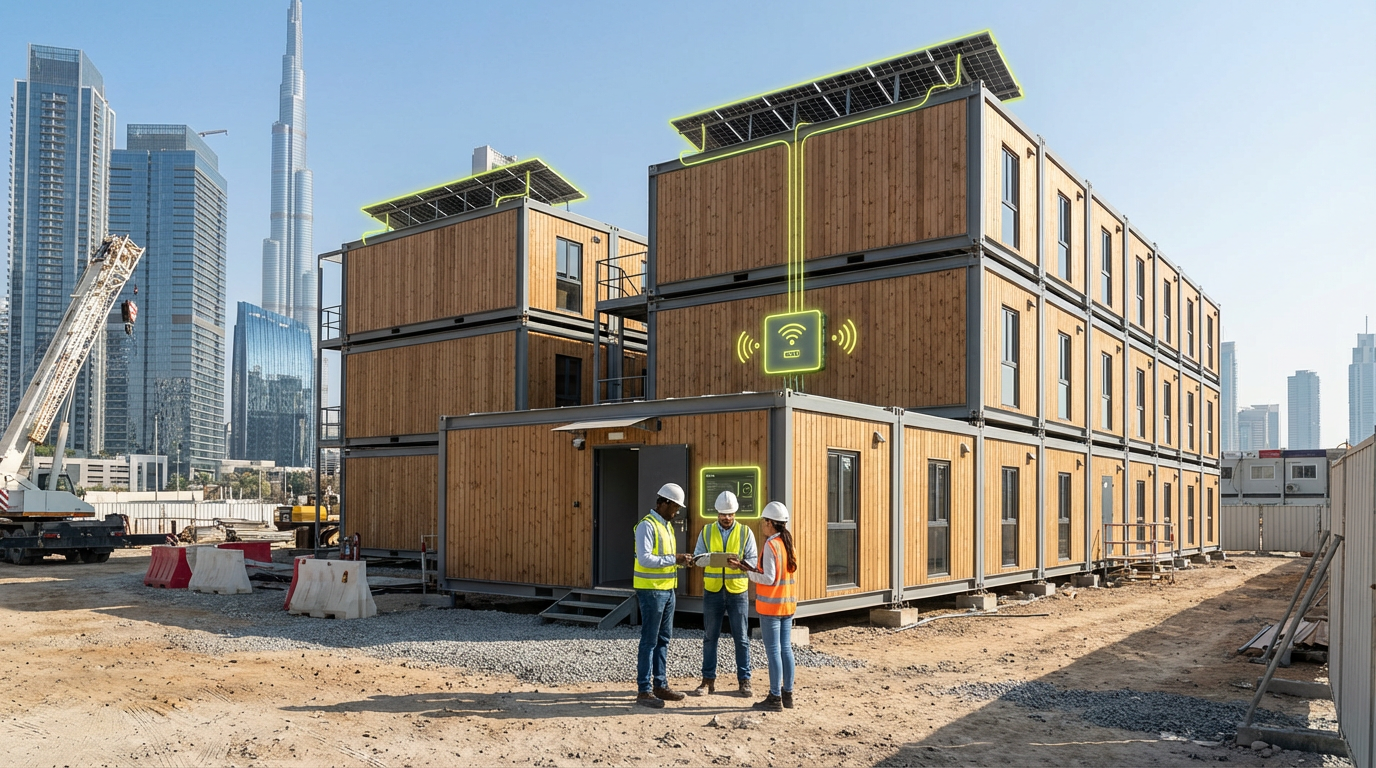
Factory-built modular accommodation for construction and service workers, enabling rapid deployment and improved living standards.
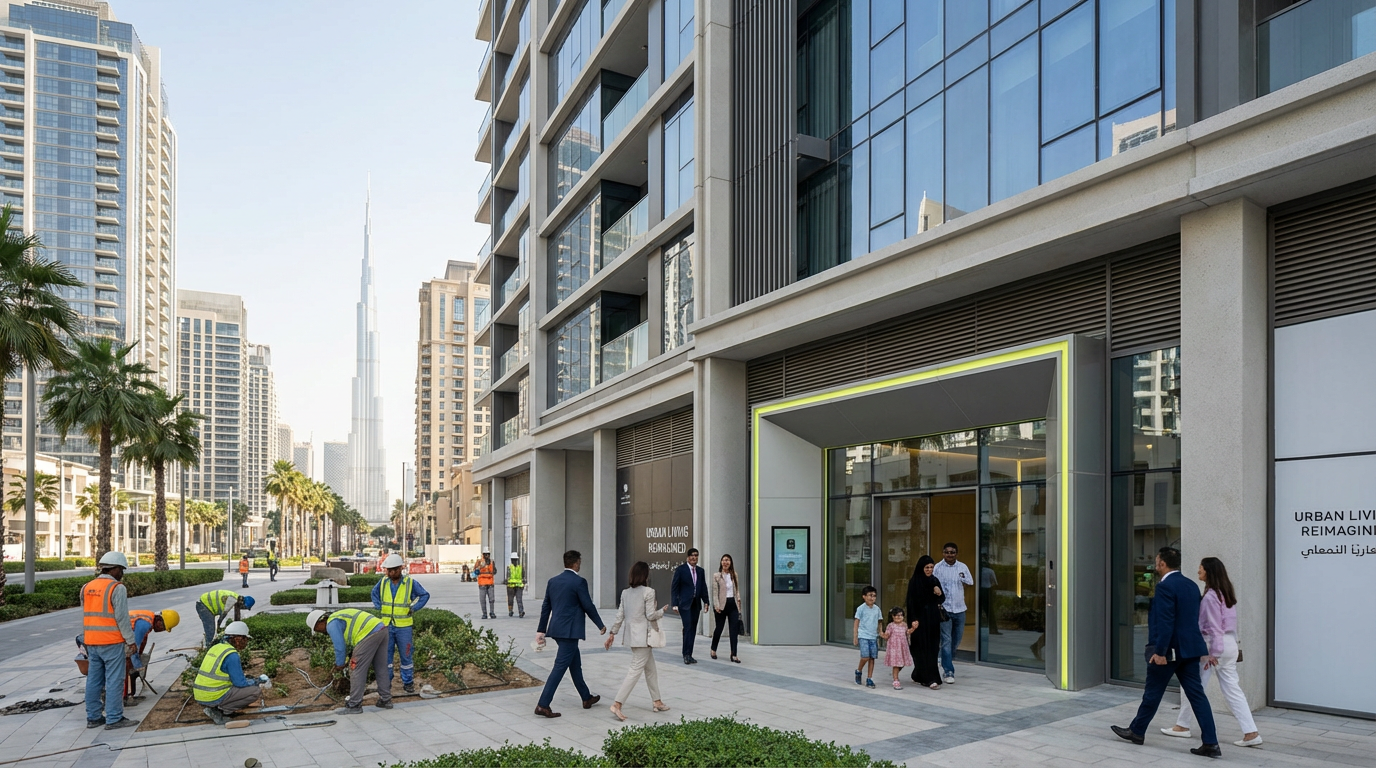
Repositioning of mass housing as something that can be desirable, fast, and well-designed, challenging entrenched assumptions in GCC housing policy.
Comprehensive national transformation strategies (Vision 2030, UAE Centennial 2071) reshaping urban development priorities.
Integrated systems for buildings that produce as much energy as they consume, despite extreme cooling demands.
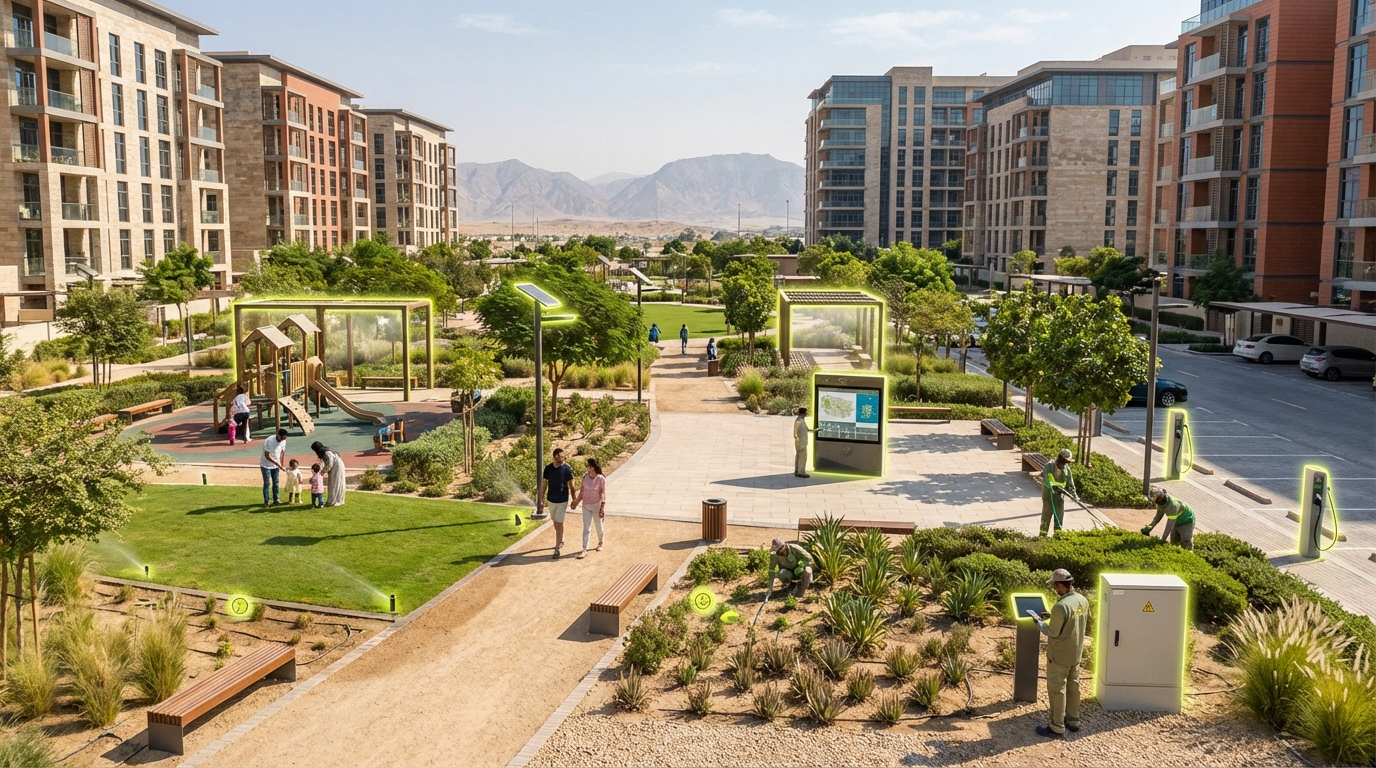
Parks, plazas, and green areas integrated into residential developments as essential quality-of-life infrastructure, especially critical in extreme climates.
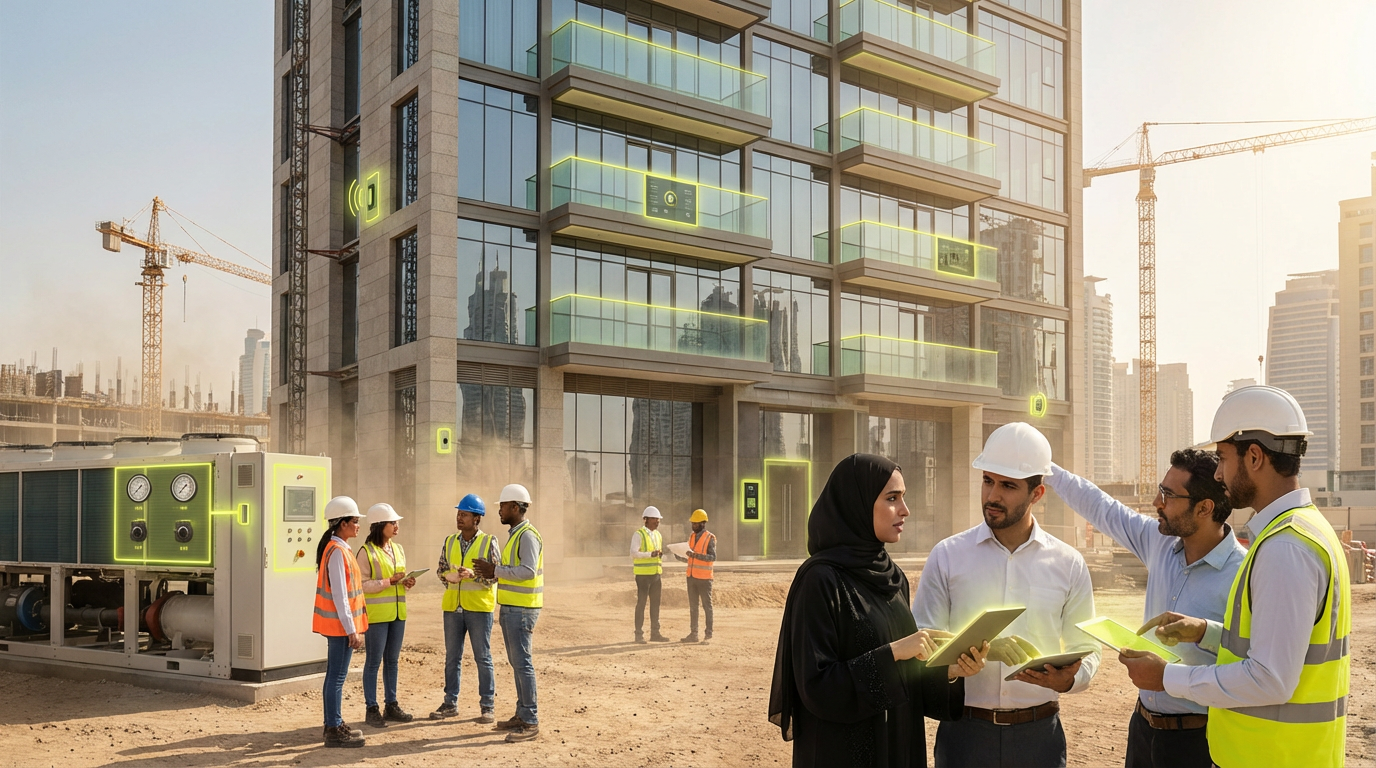
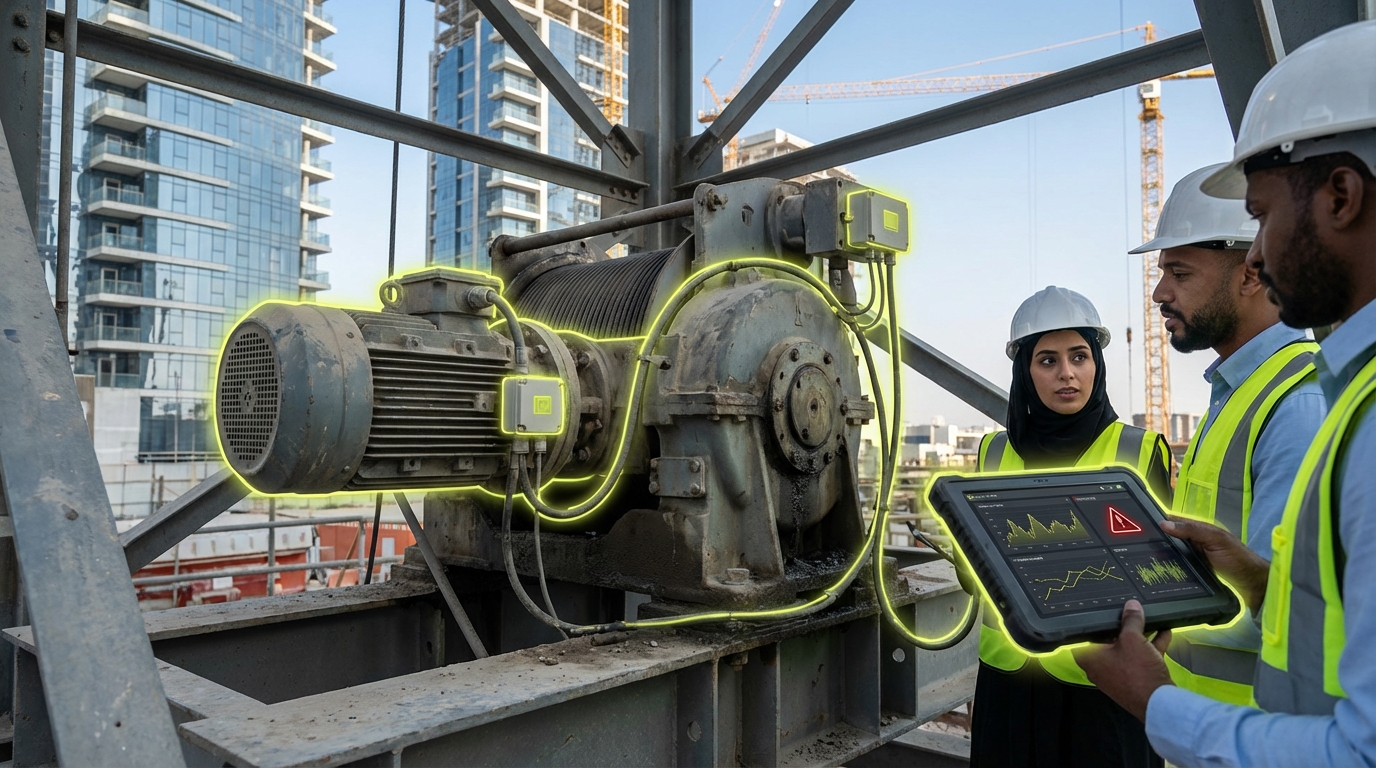
AI-driven systems predicting equipment failures before they occur, optimizing maintenance schedules and reducing operational costs.
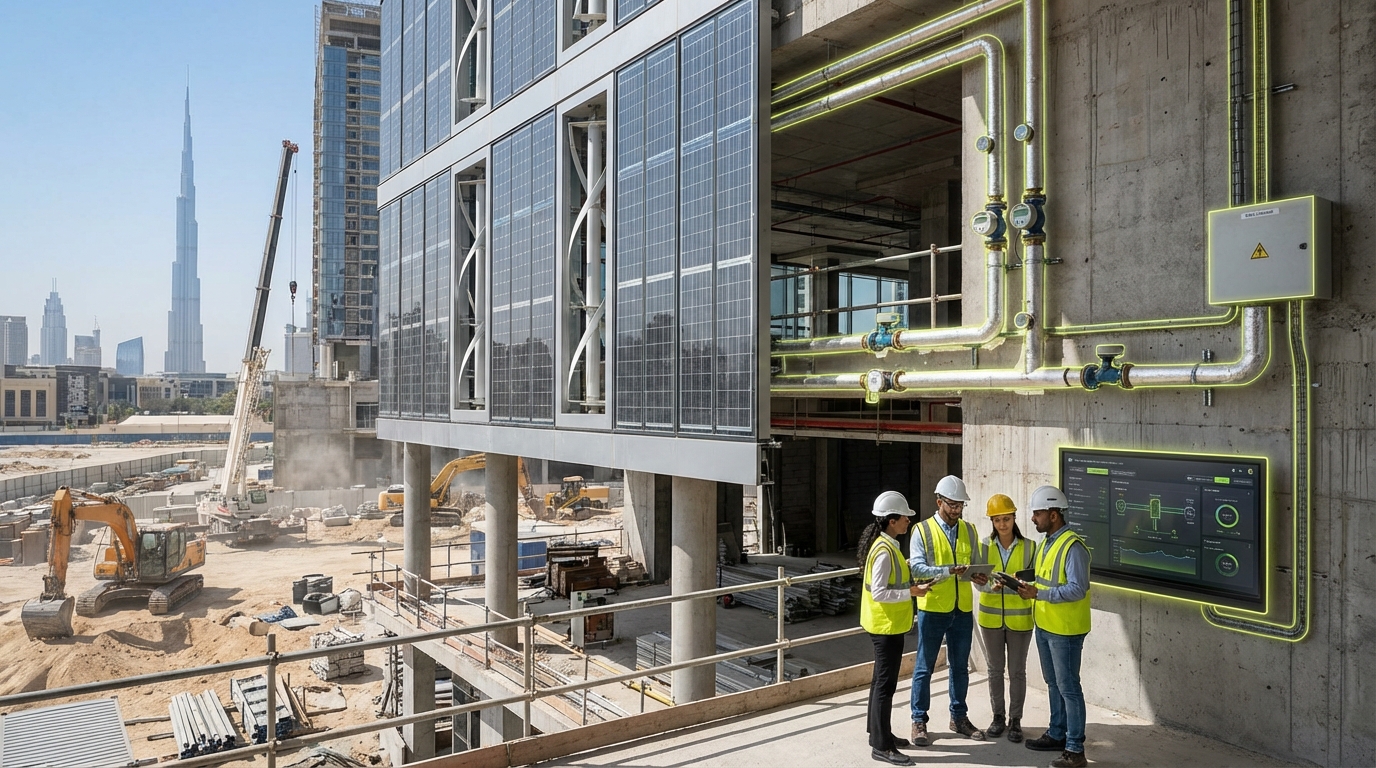
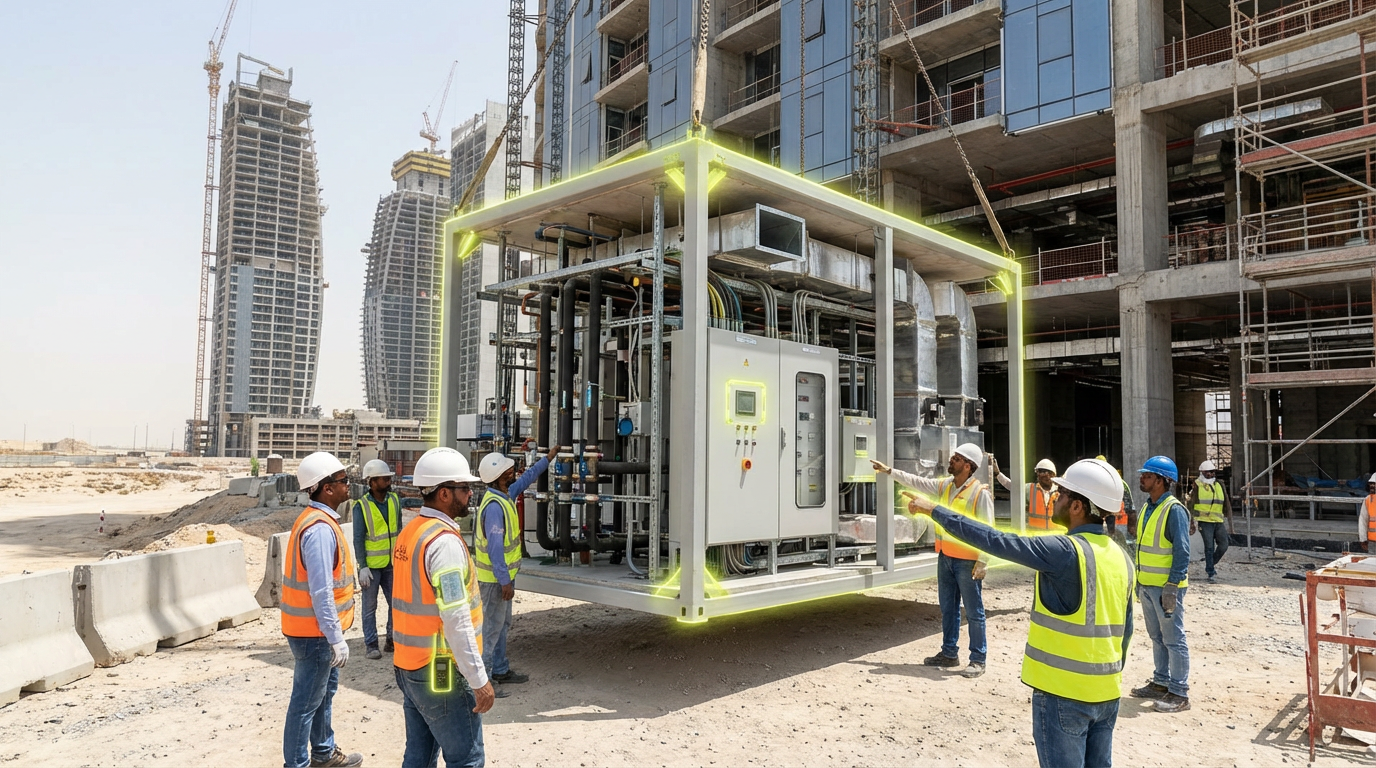
Factory-assembled mechanical, electrical, and plumbing modules reducing on-site installation time and improving quality control.
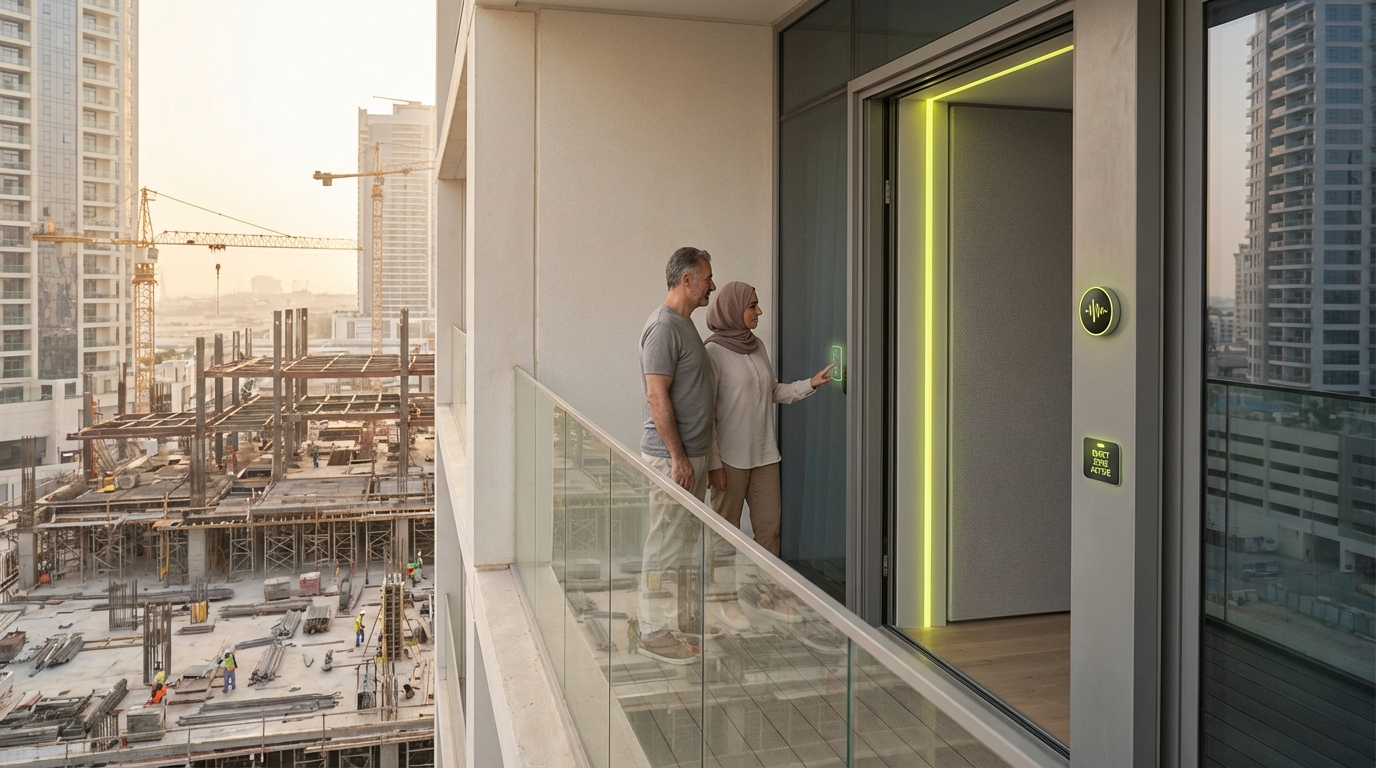
Prioritization of psychological wellbeing (calm, control, mental relief) over material metrics in housing quality assessment, where acoustic isolation and retreat spaces become central indicators.
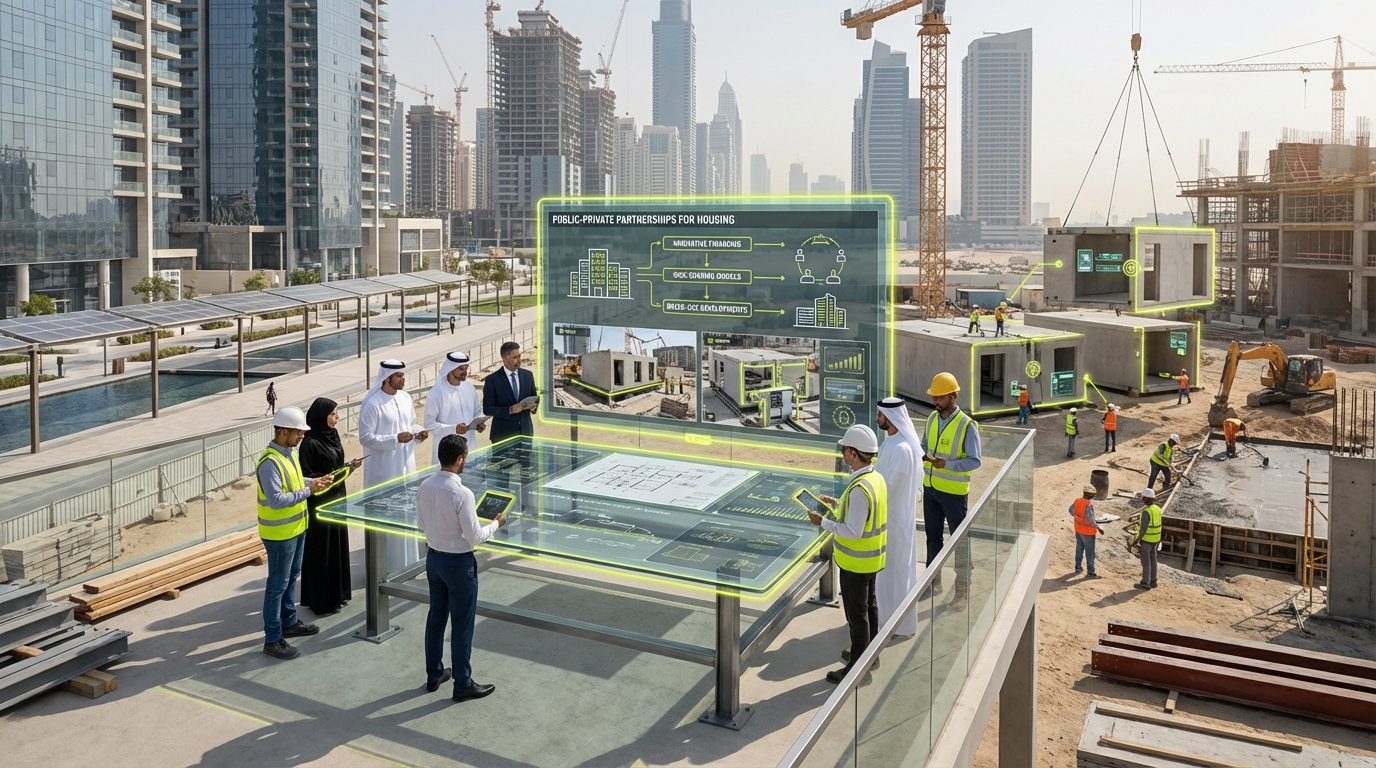
Partnership models combining public and private resources for housing development, offering innovative financing and risk-sharing.
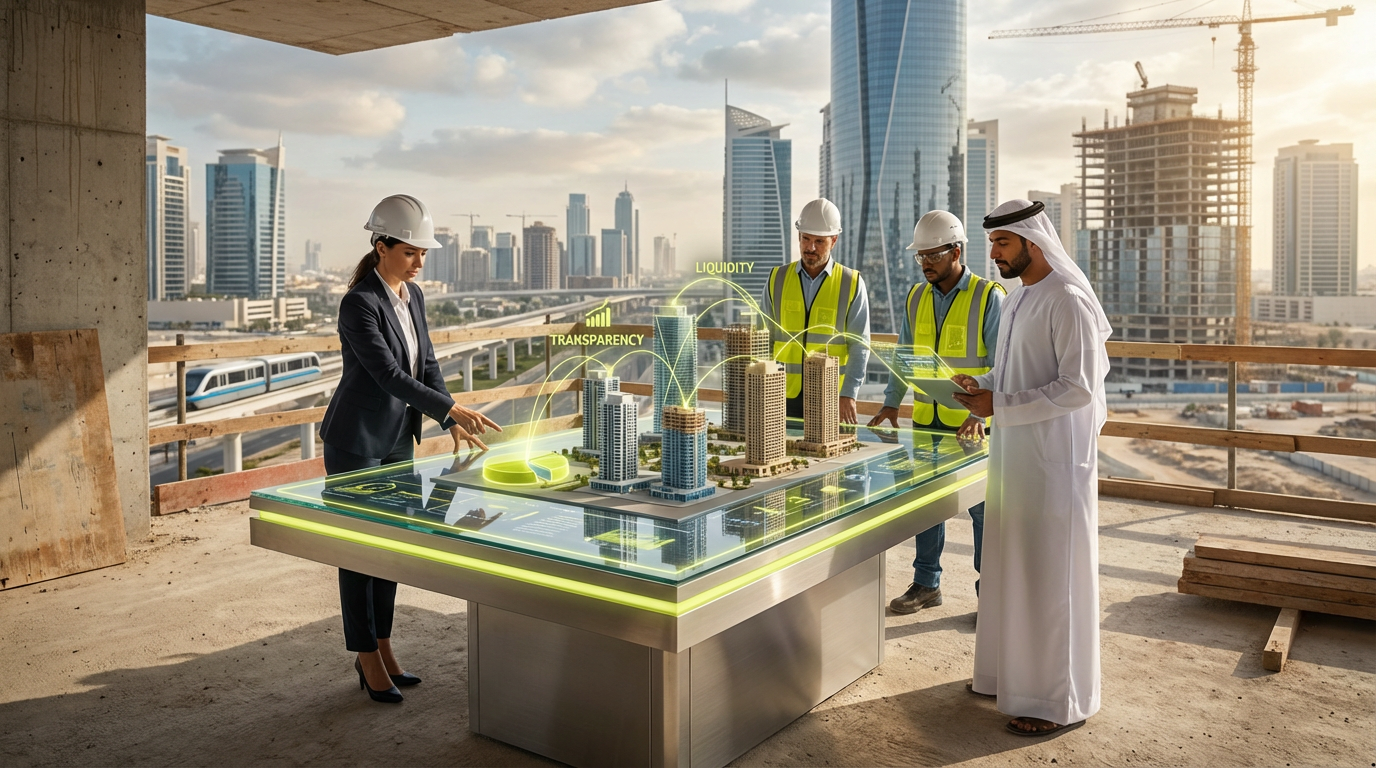
Regulated investment vehicles allowing retail and institutional investors to access diversified residential real estate portfolios with liquidity and transparency.
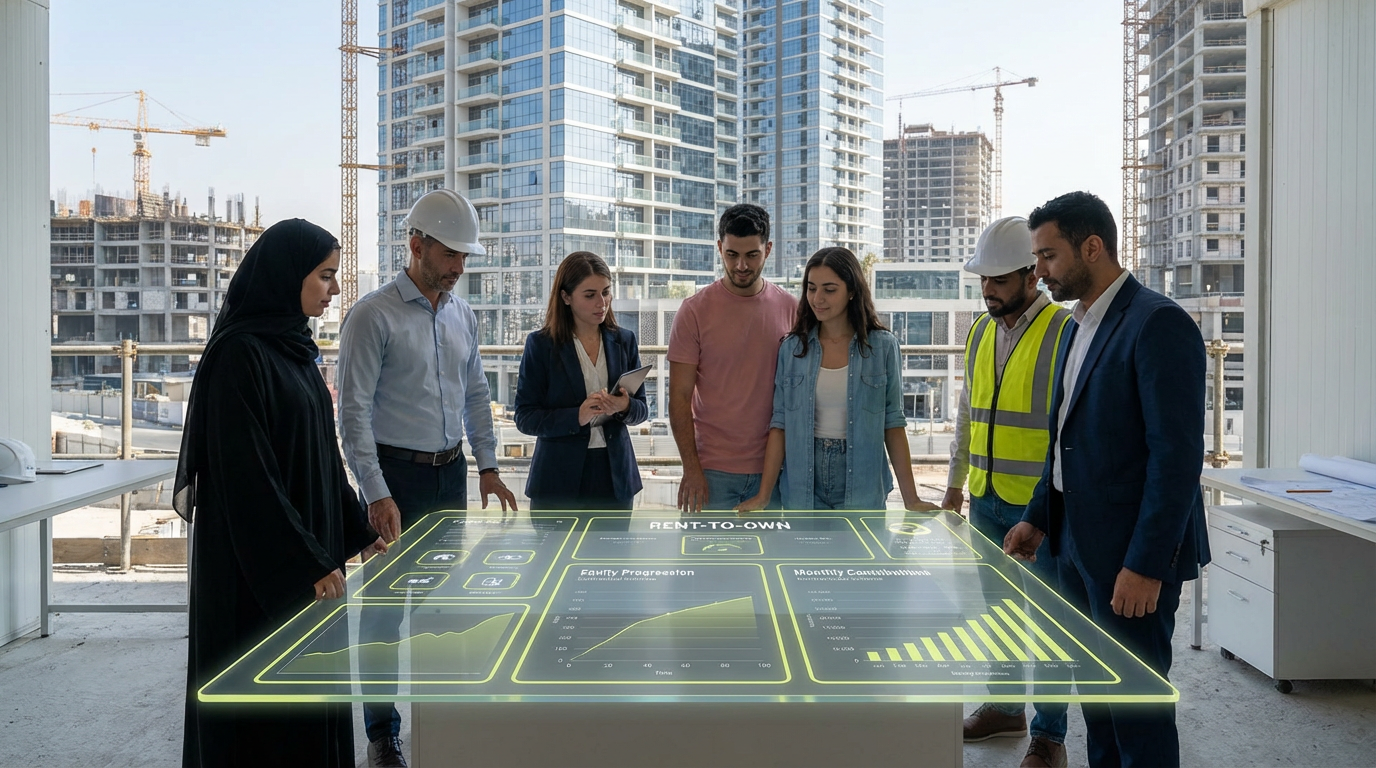
Contractual arrangements allowing tenants to build equity through rental payments, bridging the affordability gap for the mid-income workforce.
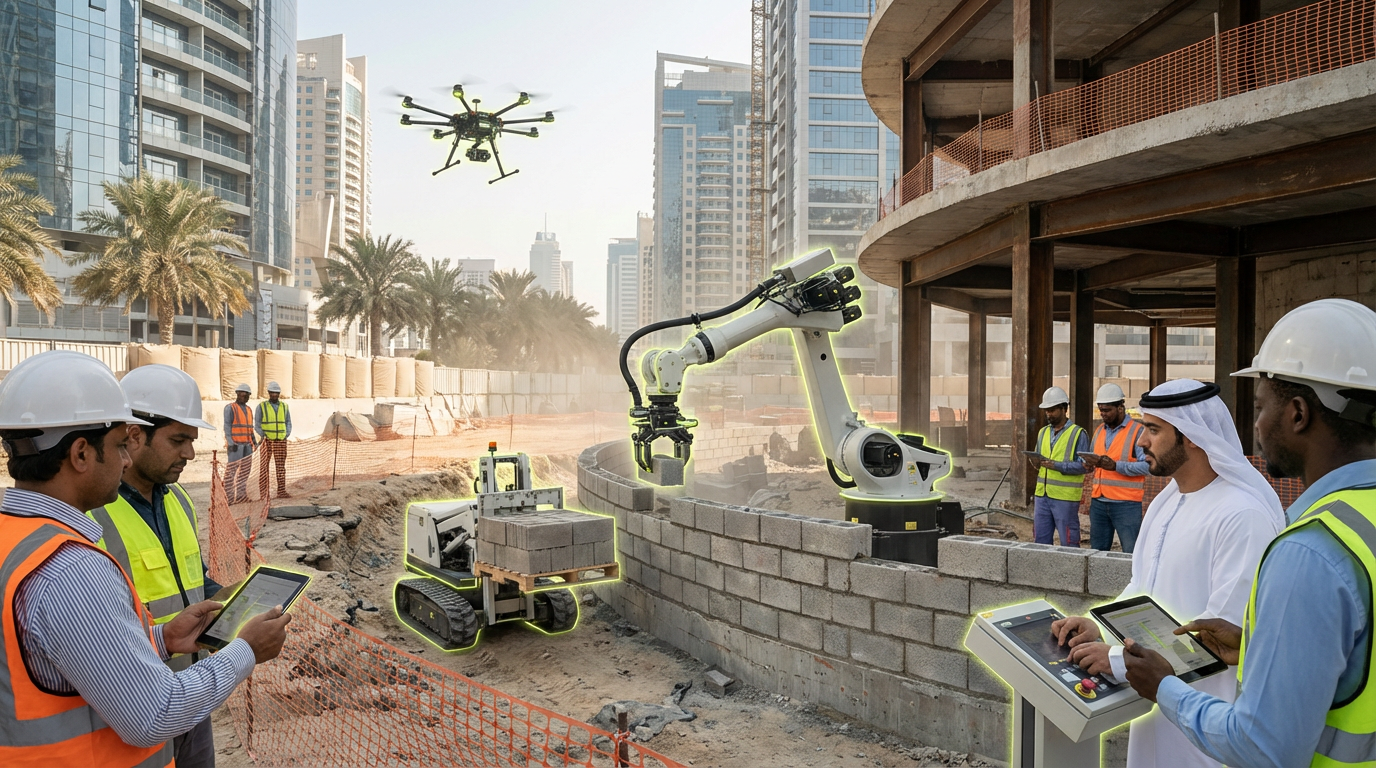
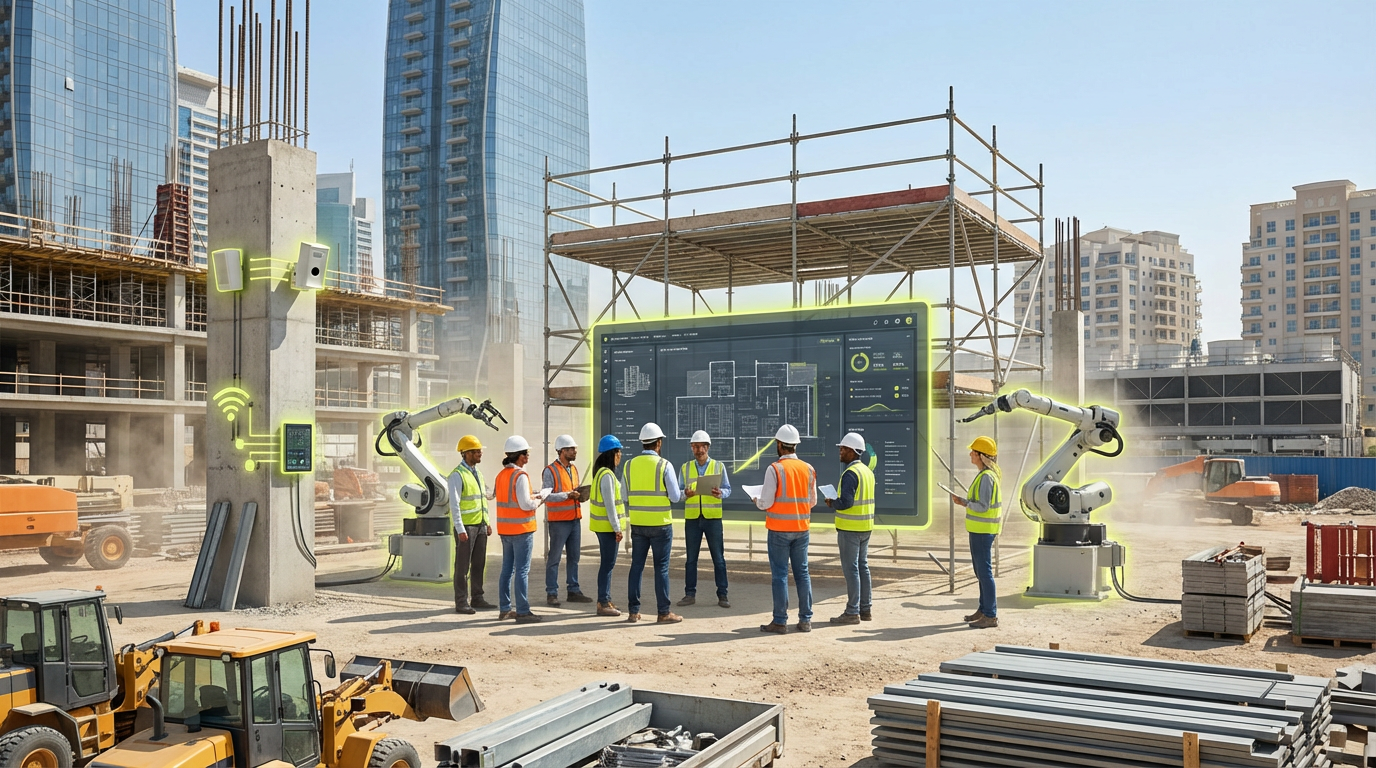
Autonomous robots for brick-laying, site monitoring, and material handling, reducing labor intensity and improving safety in extreme climates.
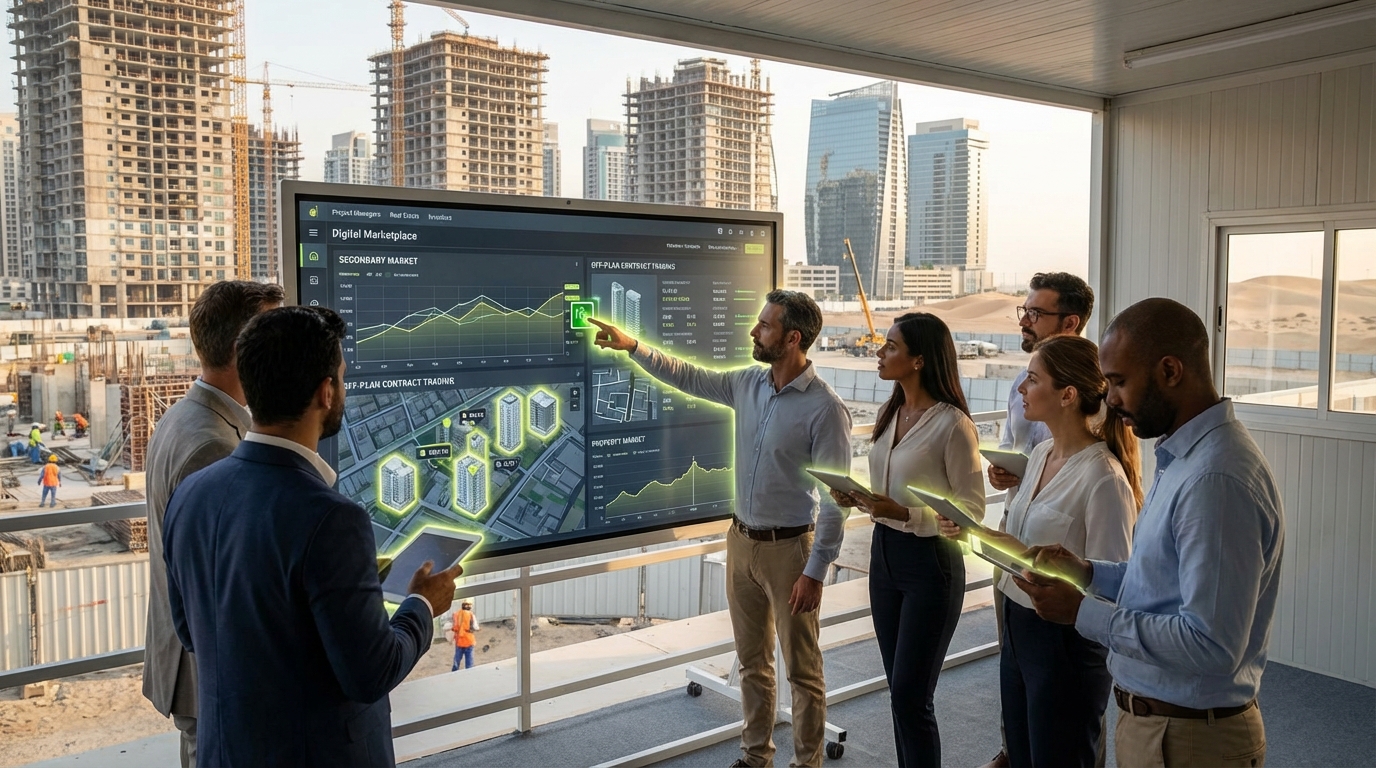
Trading of pre-completion property contracts, creating liquidity and speculation opportunities in off-plan real estate markets.
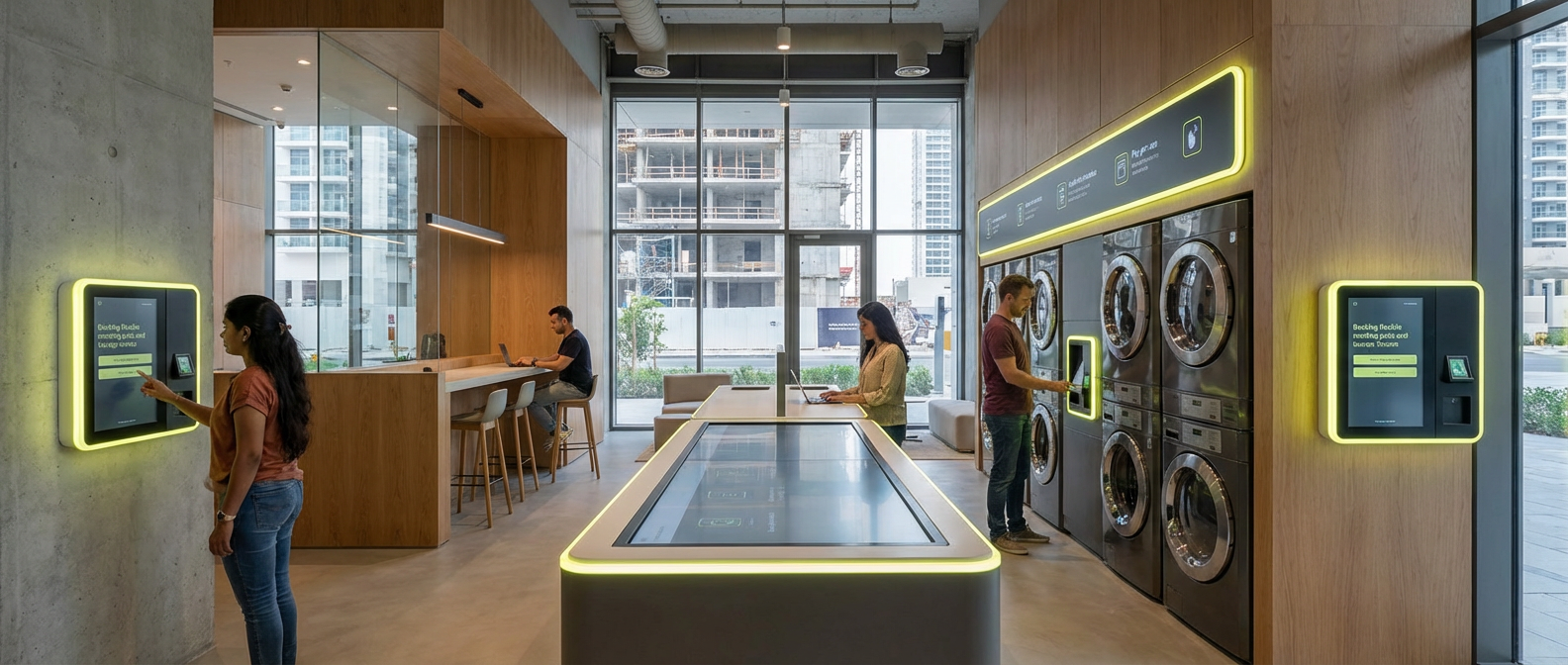
Shared infrastructure (laundries, flexible spaces) as service with pay-per-use in residential buildings, transforming common areas into monetizable assets.
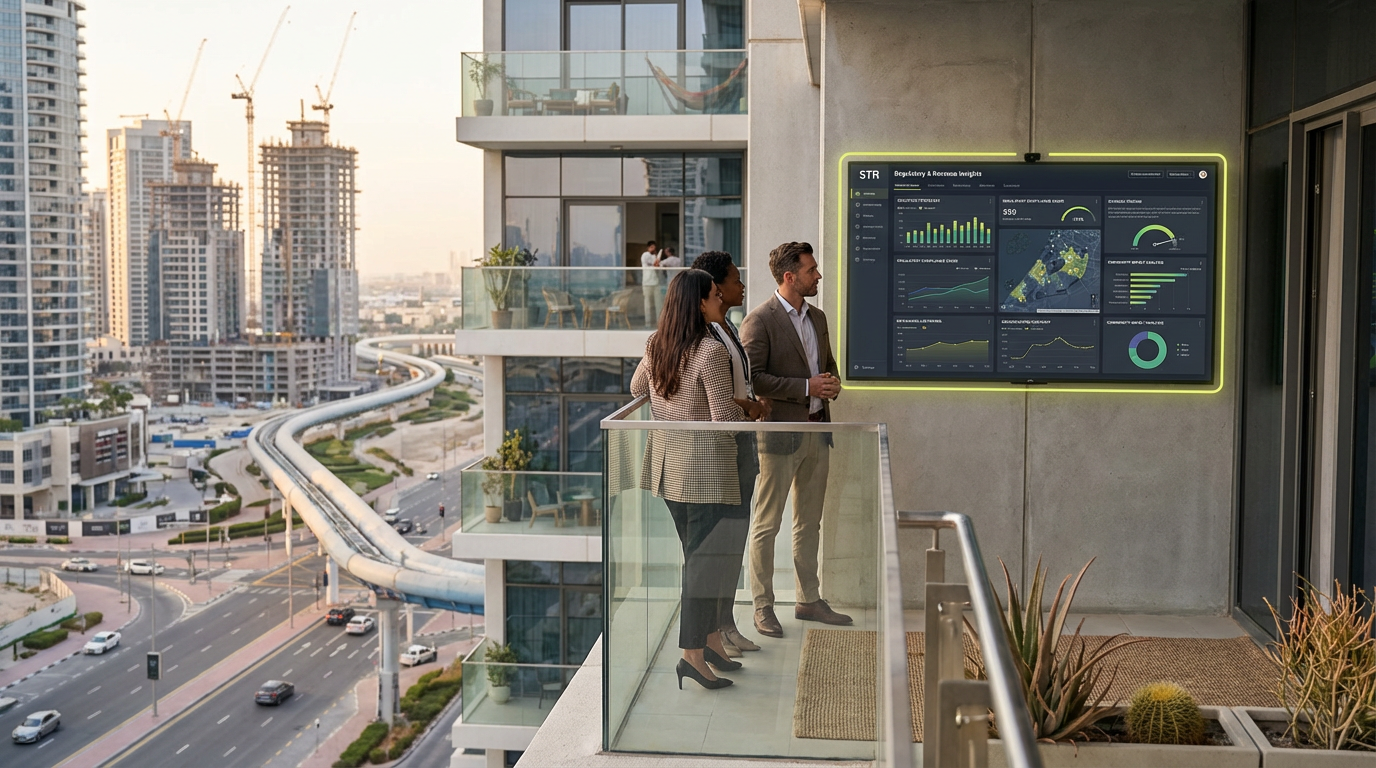
Licensing, enforcement, and operator tooling for short-term rentals shaping residential yields, community dynamics, and underwriting assumptions.
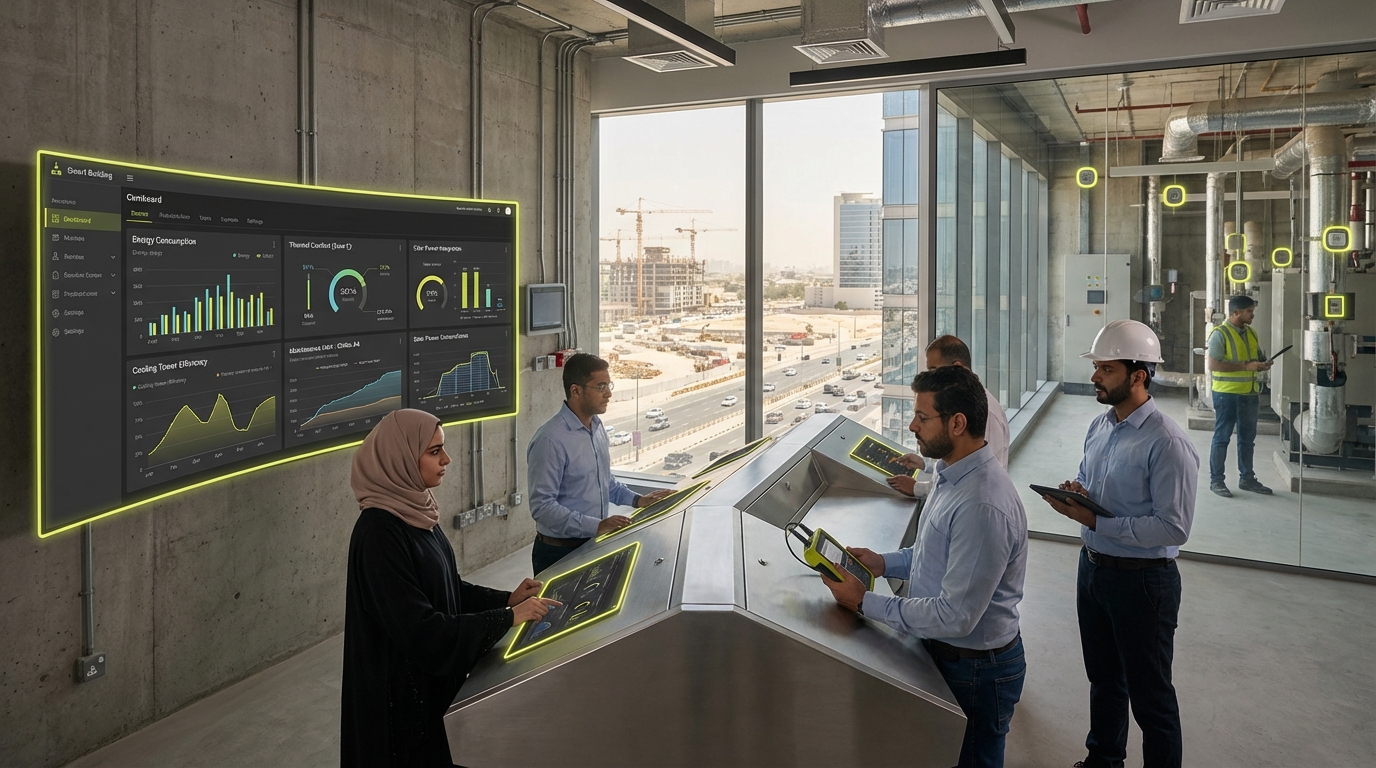
AI-driven BMS platforms optimizing energy, comfort, and maintenance in buildings facing extreme climate conditions.
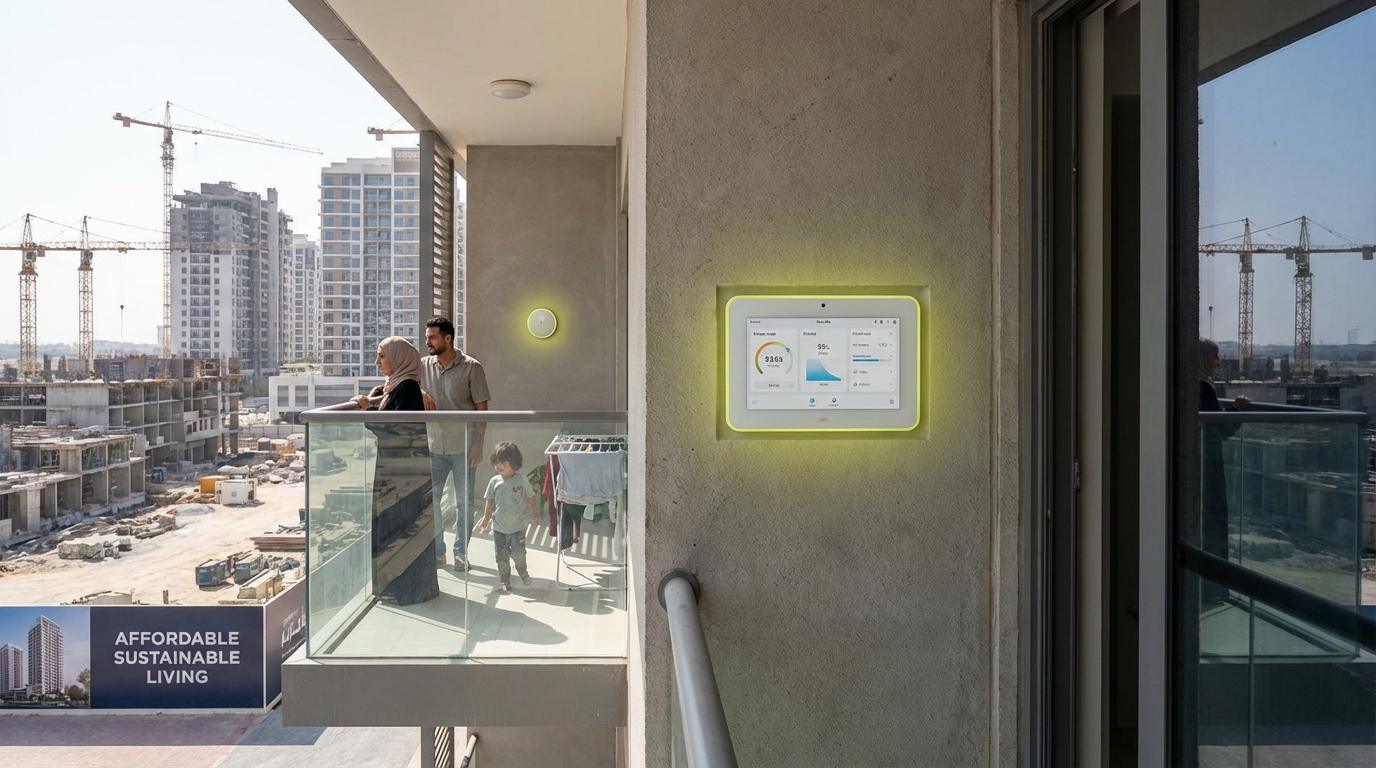
Democratization of smart home technologies in affordable and social housing segments, enabling energy efficiency and convenience at accessible price points.
Public investment vehicles driving mega-projects, urban transformation, and strategic technology adoption.
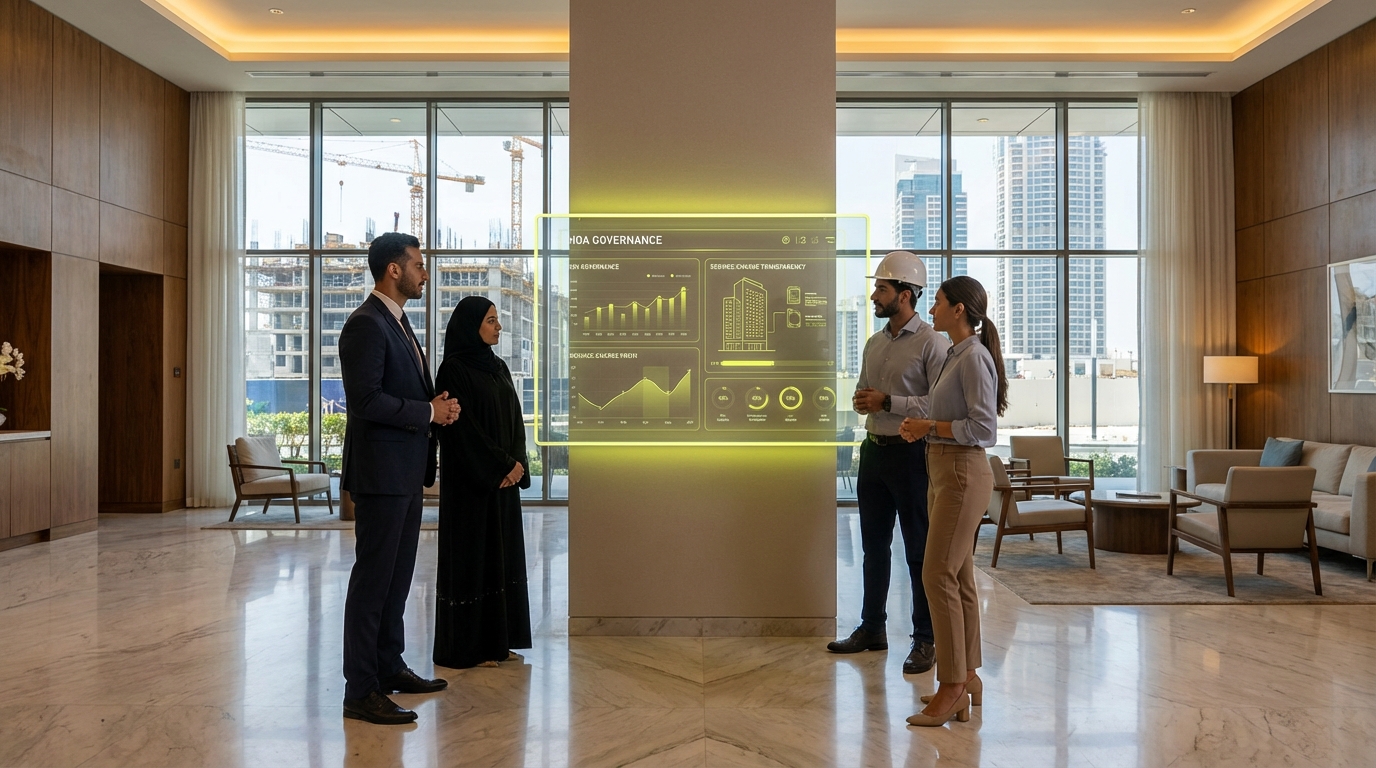
Owner association governance, sinking funds, and service-charge transparency becoming core investment and livability signals for apartment markets.
Sharia-compliant financing instruments (sukuk, ijara, murabaha) enabling housing investment and mortgages aligned with Islamic principles.
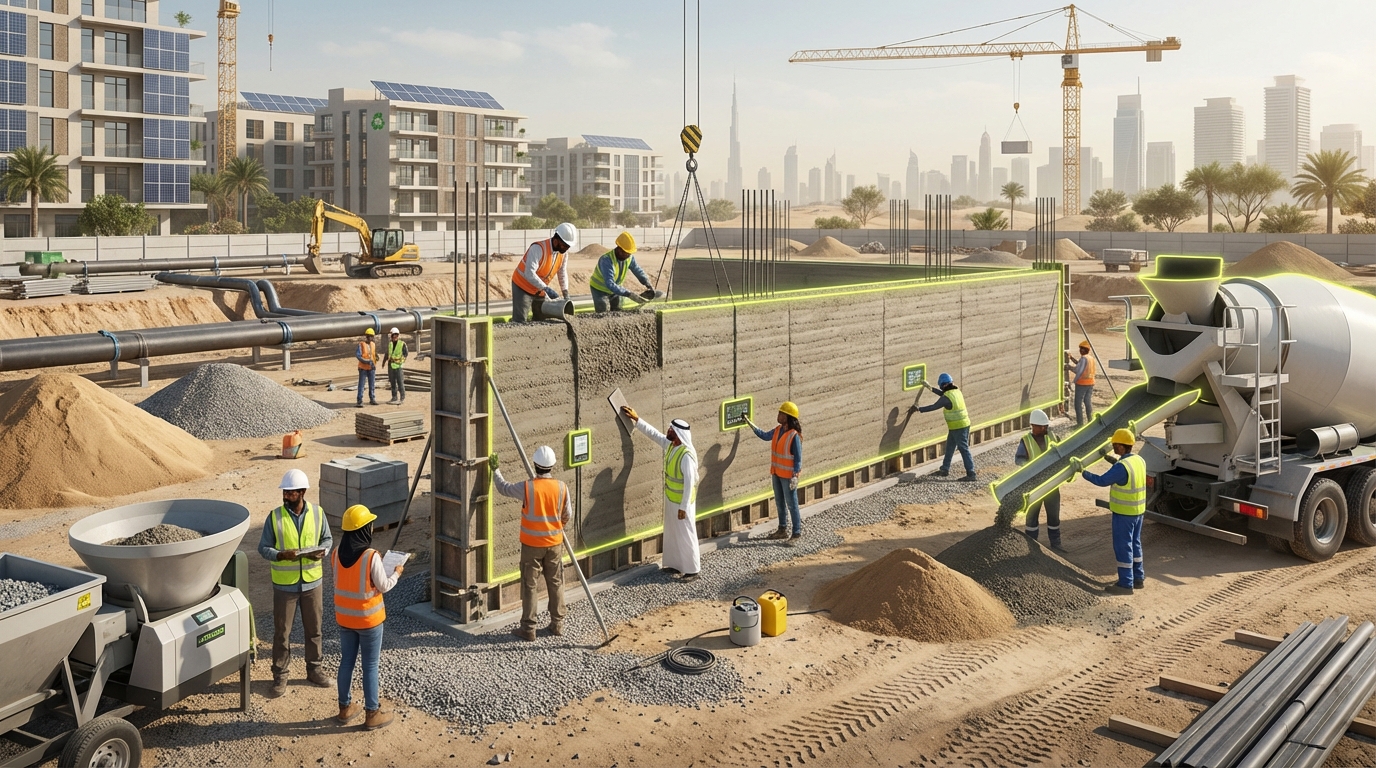
Material science innovations utilizing local desert sand and recycled aggregates to reduce reliance on imported materials and lower carbon footprint.
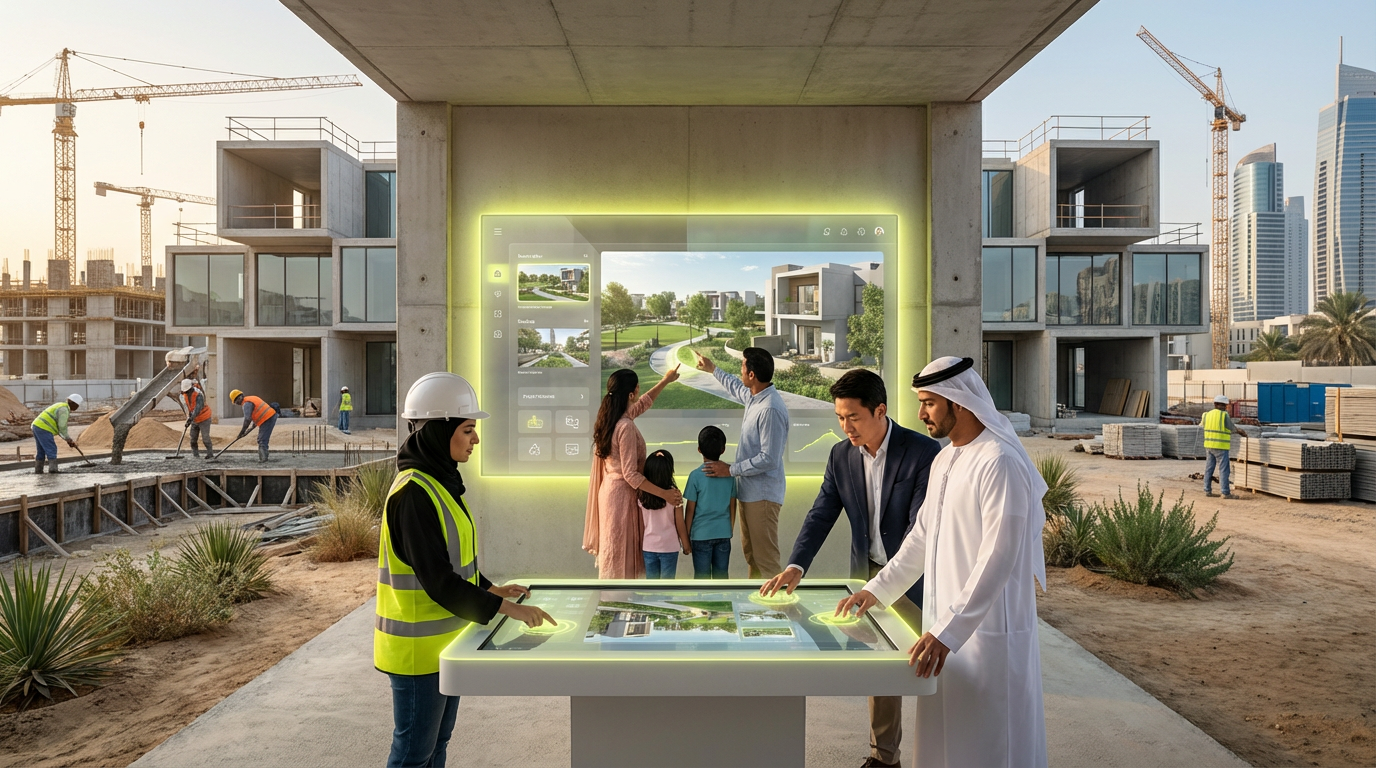
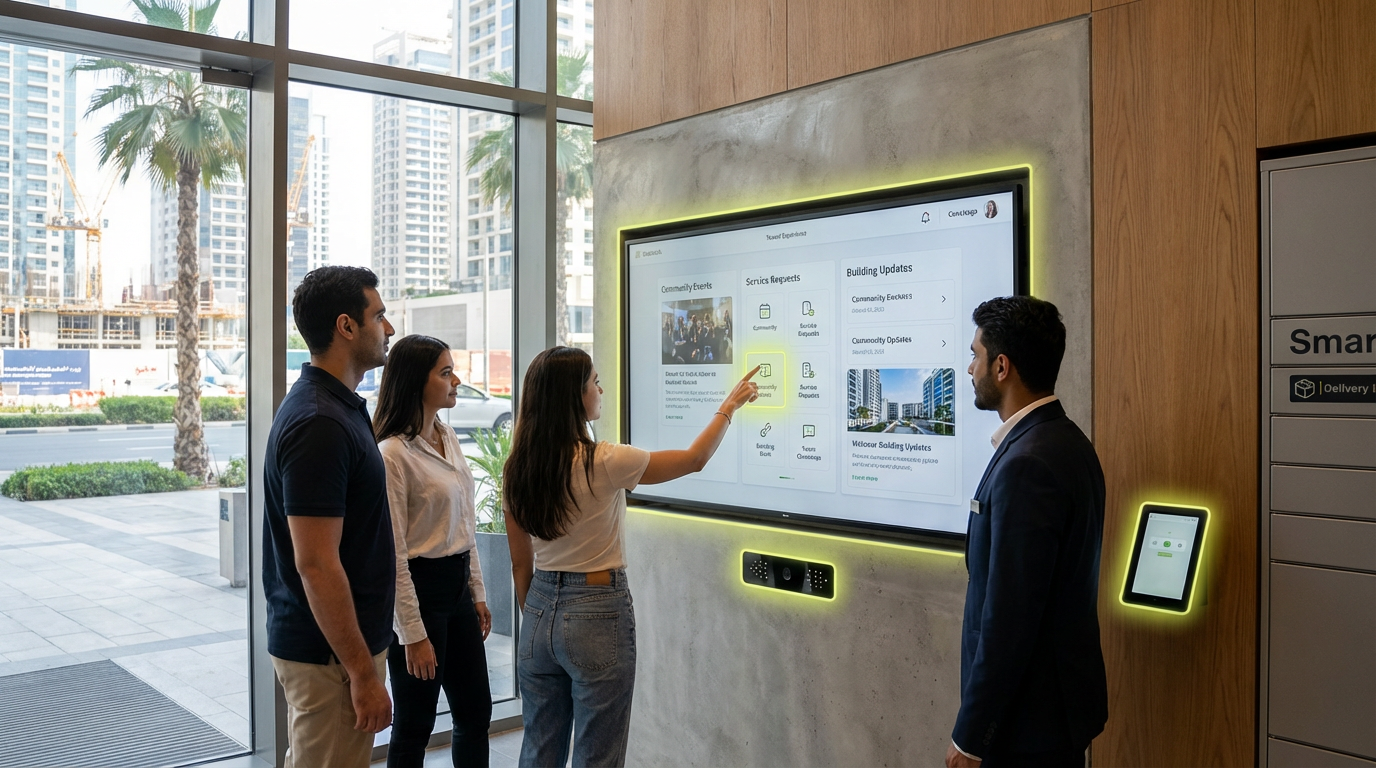
Digital platforms focusing on resident satisfaction, engagement, and retention through service delivery, community features, and feedback systems.
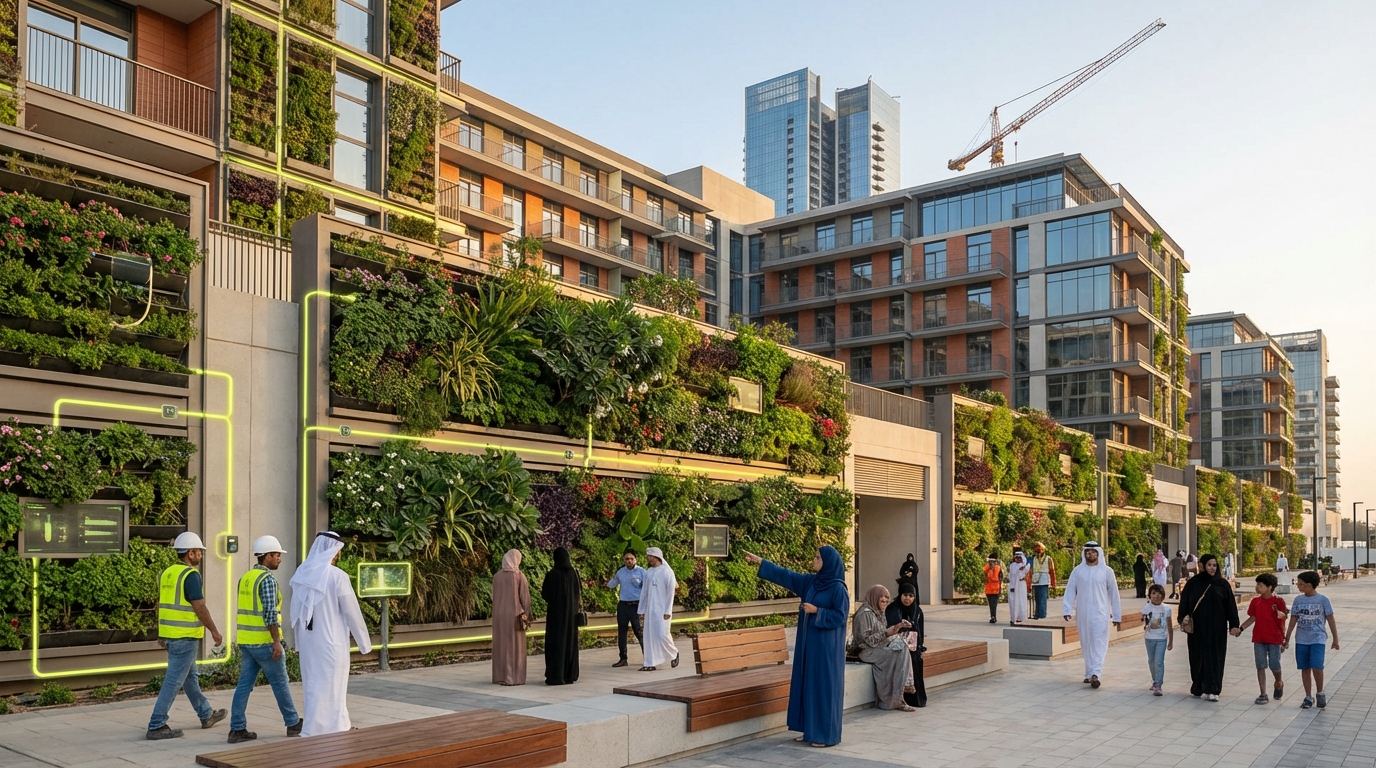
Large-scale vertical gardens and green facades in residential buildings to humanize dense housing, inject cultural identity, and improve perceived quality of life.
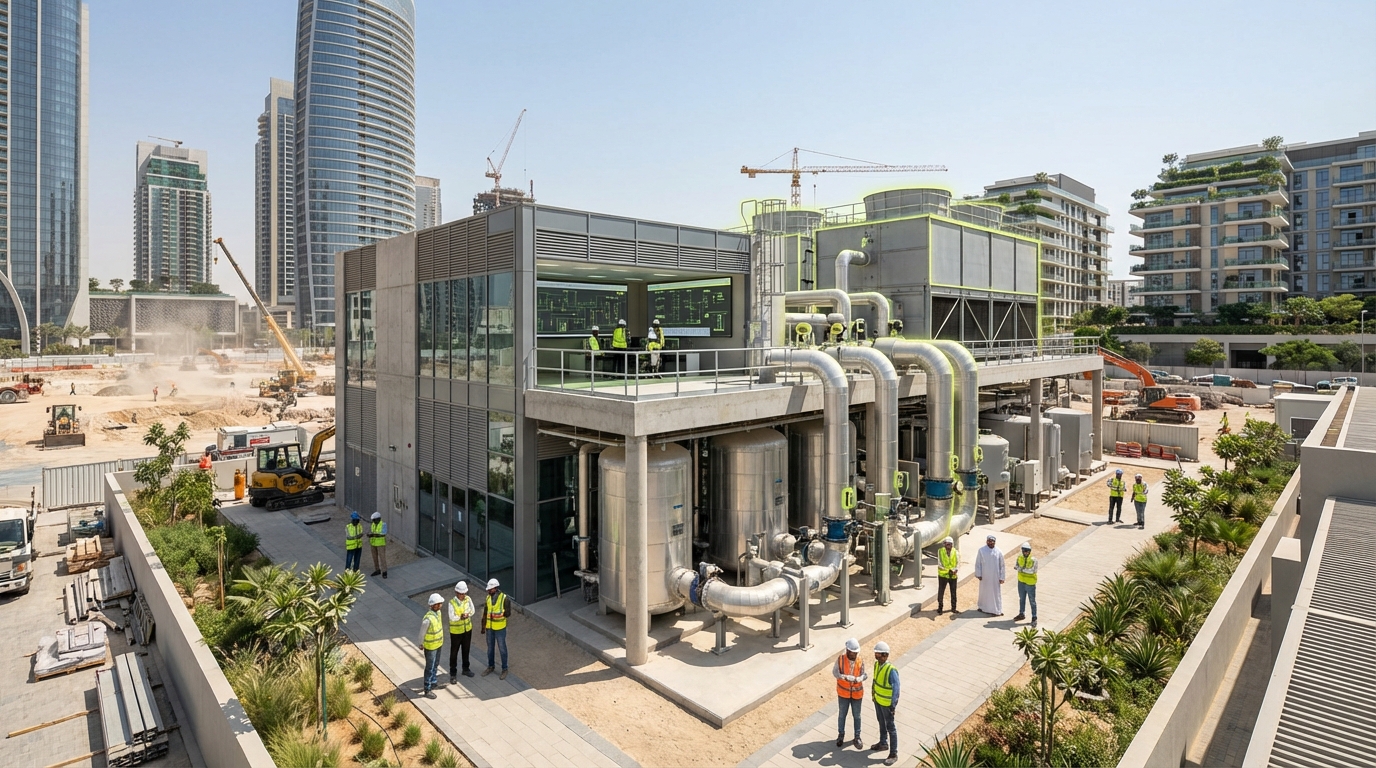
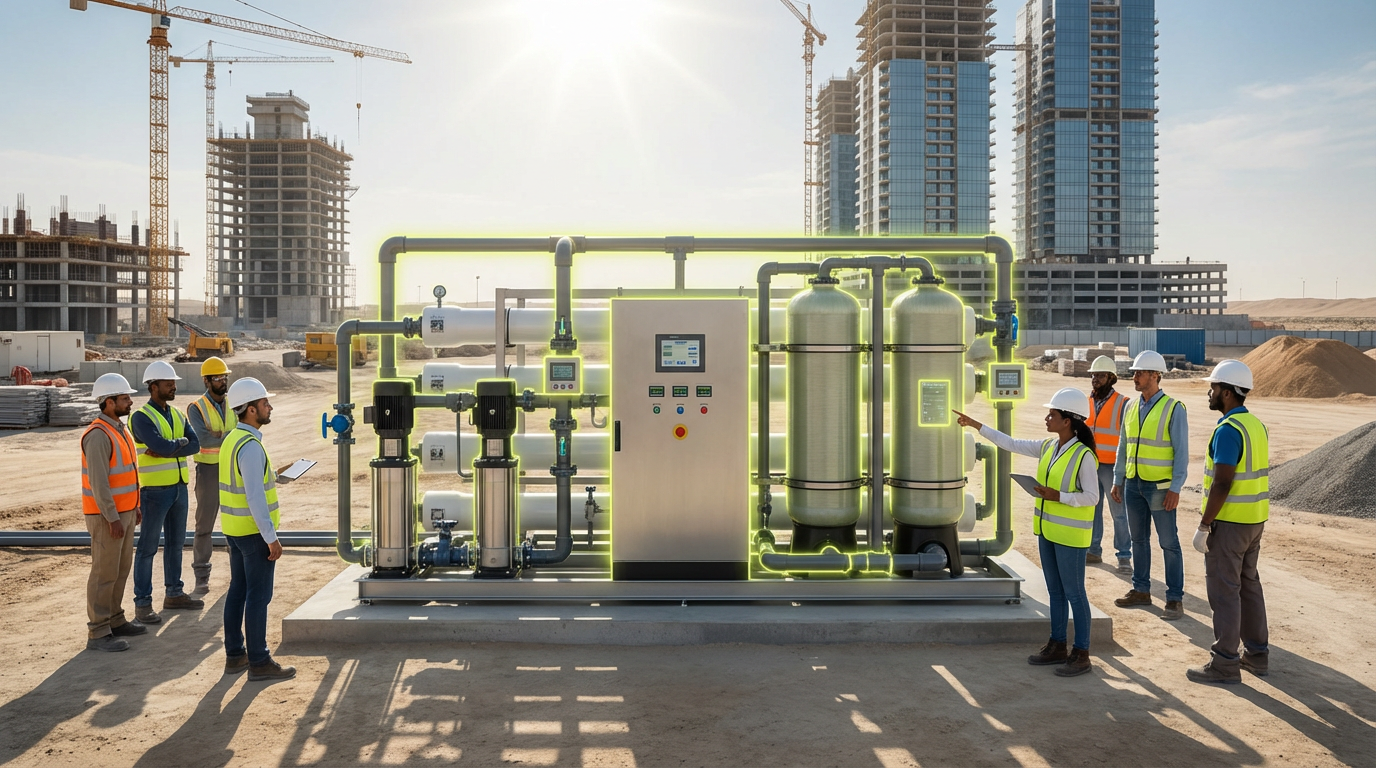
On-site water treatment and recycling systems reducing freshwater consumption and enabling sustainable development in water-scarce regions.
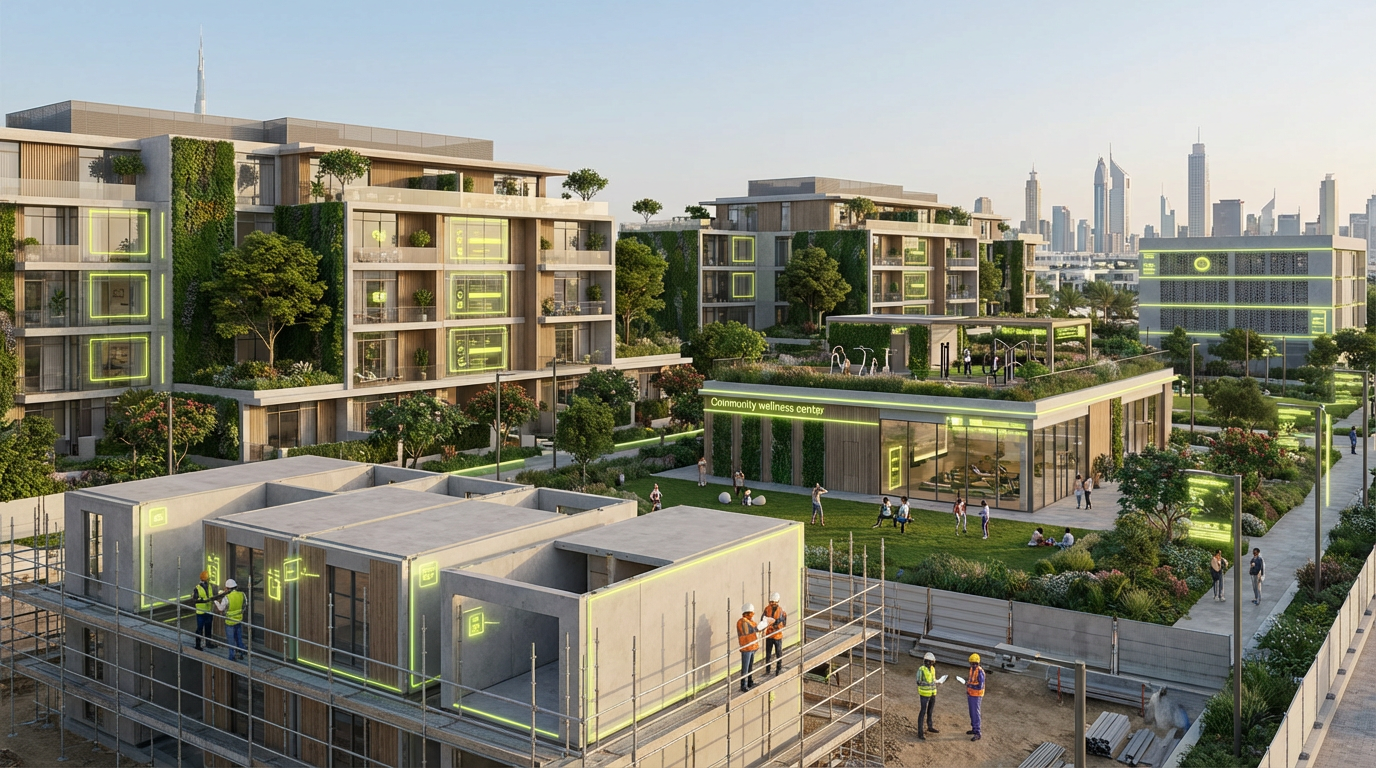
Residential developments designed around health and wellbeing principles, integrating air quality, biophilic design, fitness, and mental health considerations.
Follow us for weekly foresight in your inbox.