Defects, Warranty & Claims Analytics (Digital QA/QC)
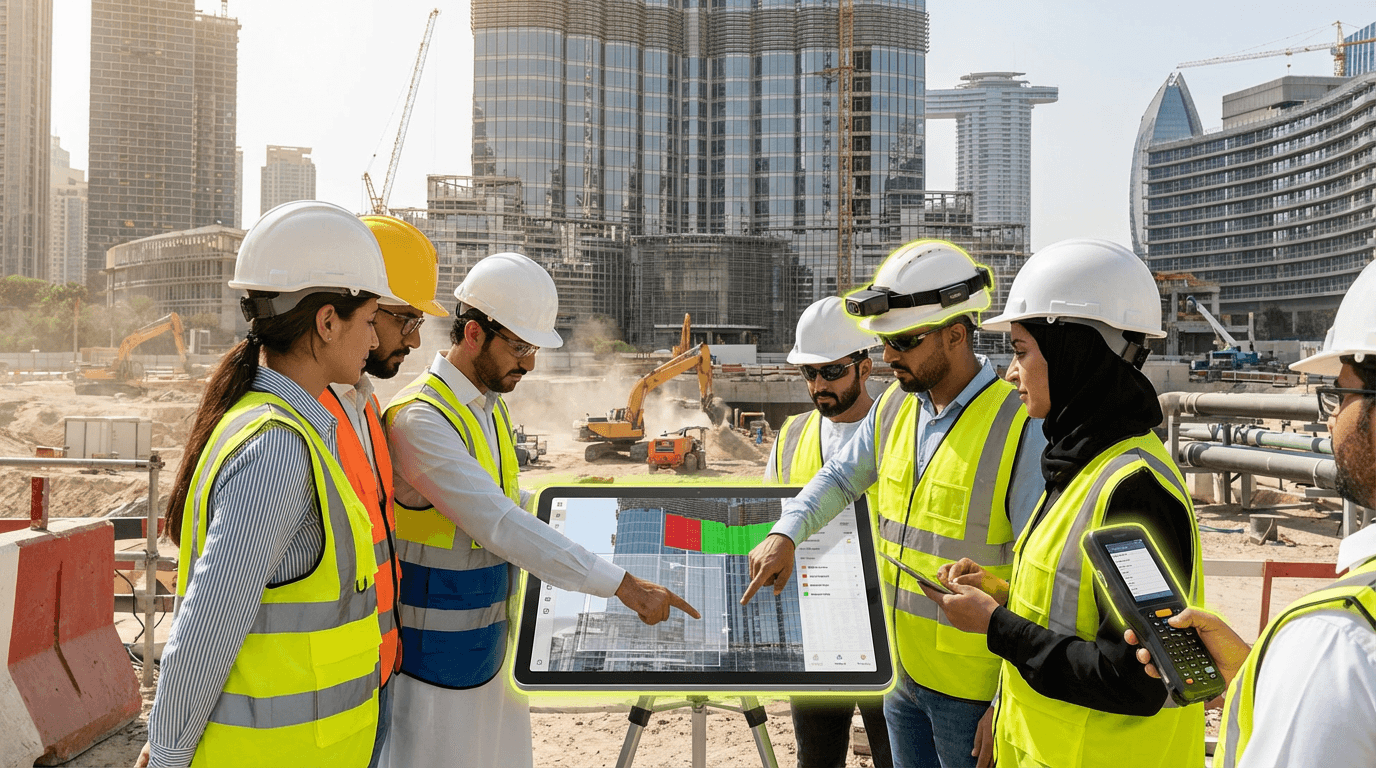
Digital defect and warranty analytics represent a fundamental shift in how the construction industry manages quality assurance, moving from reactive paper trails to predictive, data-driven accountability systems. The core problem these platforms address is the persistent gap between design intent and delivered quality—a gap that manifests as costly rework, delayed handovers, and ongoing maintenance burdens that erode asset value and occupant satisfaction. In the Gulf's high-volume housing programs and mega-developments, where thousands of units are delivered simultaneously, traditional snagging processes struggle to scale. Manual inspections are inconsistent, defect patterns go unrecognized across phases, and accountability diffuses across complex subcontractor networks. This creates a cascading cost structure: rework delays revenue recognition, warranty claims spike in early occupancy, and service-charge budgets absorb problems that should have been caught upstream. For institutional landlords, Build-to-Rent operators, and master developers managing long-term asset performance, these early-life defects directly impact resident experience, operational efficiency, and the credibility of quality commitments made during sales or leasing.
The mechanics of digital QA/QC platforms center on structured data capture at every inspection milestone—from foundation testing through MEP commissioning to final handover. Mobile applications guide inspectors through standardized checklists, capture geotagged photos and test certificates, and route issues to responsible parties with audit trails and deadline tracking. The real value emerges when this granular data is aggregated and analyzed. Machine learning models can identify recurring failure modes—specific facade details that leak, MEP installations prone to commissioning faults, or finishes that fail prematurely under local climate conditions. Predictive analytics highlight which building phases, subcontractors, or material batches are likely to generate defect clusters, enabling preemptive intervention before handover. Early deployments in large-scale developments indicate that such systems can reduce post-handover defect rates by significant margins, though adoption remains uneven. Challenges include ensuring subcontractors upload quality evidence in real time, maintaining data integrity across fragmented supply chains, and aligning contractual incentives so that fixing issues during construction is rewarded rather than penalized.
The strategic implications extend beyond immediate cost savings. For developers, robust defect analytics support reputation management and repeat-buyer confidence in markets where quality perception is fragile. For government housing programs delivering at scale, these systems offer transparency and performance benchmarking across contractors, driving continuous improvement. The shift also pressures the supply chain: subcontractors who generate consistent defect patterns become quantifiably riskier, while those who demonstrate quality earn data-backed differentiation. What to monitor includes adoption rates among Tier-2 and Tier-3 contractors, integration with building information modeling and facilities management systems, and whether warranty insurers begin pricing policies based on digital QA/QC track records. The transition from paper-based handover to predictive quality management is not merely operational—it redefines accountability, making construction performance measurable, comparable, and improvable across the entire development lifecycle.
Related Organizations

A platform for documentation and communication in construction and real estate projects, facilitating defect management and compliance reporting.

Global leader in construction management software, connecting teams and data to improve project efficiency.

Owner of the Arnold renderer, which integrates AI denoising to optimize high-end VFX workflows for film and TV.

Jobsite management platform for construction teams, acquired by Hilti.

Provider of Aconex, a cloud-based collaboration solution for construction project management.

A construction productivity platform using visual data and AI to track project progress and identify anomalies.

AI-powered platform that maps 360° video to floor plans for automated construction documentation.

Construction progress monitoring and production control platform.

A smart field management software digitizing construction processes including quality, safety, and maintenance.