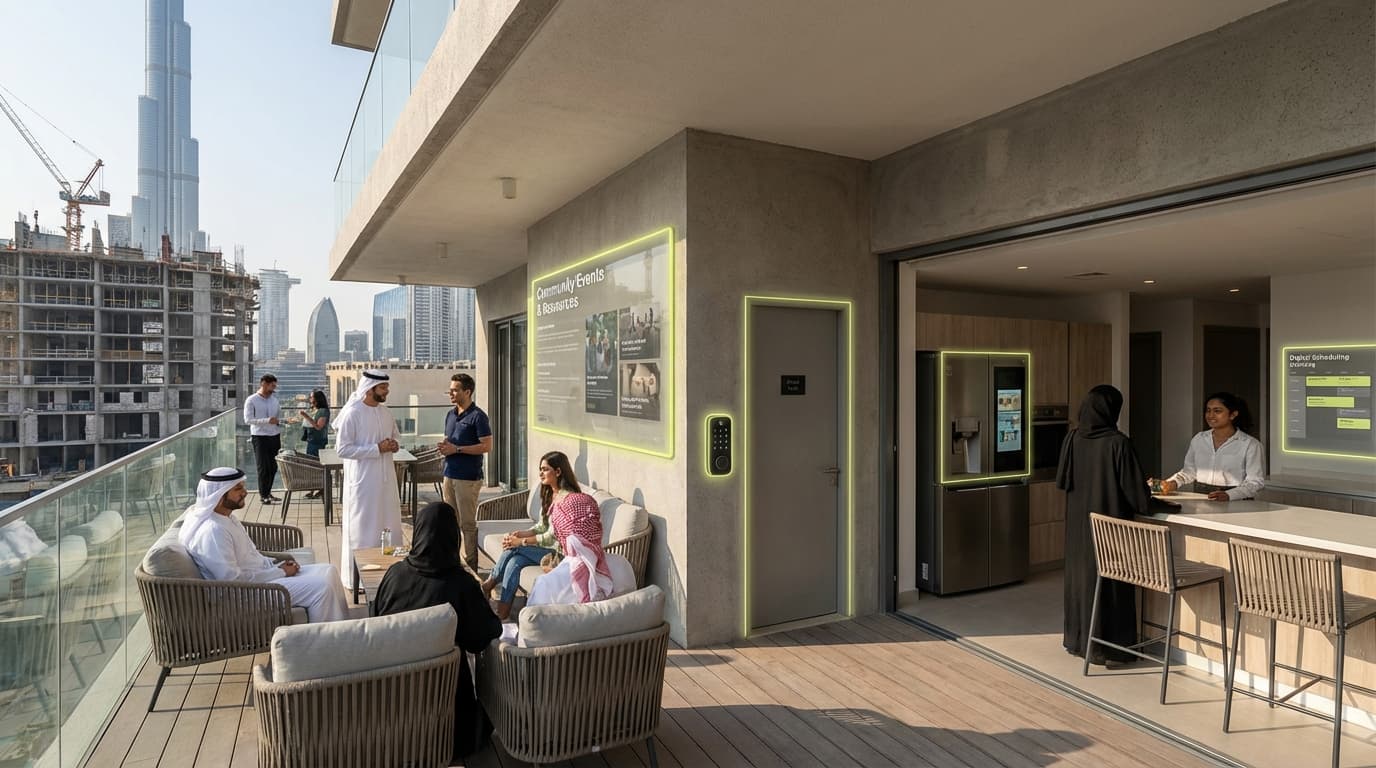
Coliving & Shared Housing Models
Coliving and shared housing models represent a strategic response to several converging pressures in Gulf urban markets: high housing costs relative to entry-level salaries, large transient expatriate populations seeking flexibility, and shifting preferences among younger professionals who prioritize experience and community over ownership. Unlike traditional flatshares or dormitories, contemporary coliving integrates private sleeping quarters with professionally managed common areas—kitchens, lounges, coworking spaces, gyms—and often includes utilities, cleaning, and social programming in a single monthly fee. This bundled approach addresses both economic barriers and social isolation, particularly acute for newcomers navigating unfamiliar cities. The model matters because it challenges the region's dominant housing paradigm of family-oriented ownership or long-term rental, introducing a more fluid, service-oriented alternative that aligns with demographic shifts and labor market realities.
Early evidence in Dubai and Abu Dhabi shows growing operator activity, with several branded coliving developments targeting mid-income expatriates and digital nomads. Industry observers note that these projects typically occupy repurposed office buildings or purpose-built mid-rise structures in transit-accessible neighborhoods, offering lease terms as short as one month. Demand drivers include visa flexibility reforms, remote work normalization, and cost pressures on young professionals in high-rent markets. However, adoption remains concentrated in specific submarkets and demographics; broader uptake depends on regulatory clarity around zoning, fire safety standards for shared occupancy, and landlord willingness to partner with operators. The pattern suggests a niche but expanding segment rather than wholesale market transformation, with success tied to operator ability to maintain community quality and manage turnover without eroding margins.
Implications extend beyond housing supply. If coliving scales, it could influence urban density patterns, supporting infill development and mixed-use corridors over sprawling villa districts. For municipalities, the model raises questions about how to classify and regulate hybrid residential-commercial uses, particularly regarding occupancy limits and tenant protections. Socially, sustained coliving adoption may normalize more transient, community-oriented living arrangements, potentially reducing household formation rates and homeownership demand among younger cohorts. Key monitoring points include regulatory frameworks emerging in Dubai and Abu Dhabi, occupancy rates and tenant retention data from established operators, and whether the model expands beyond expatriate niches into local populations or family segments. The critical threshold will be whether coliving remains a lifestyle product for a narrow demographic or evolves into a mainstream housing typology addressing broader affordability and flexibility needs.
Related Organizations

The GCC's first dedicated co-living developer and operator.

Proptech startup digitizing short-to-medium term rentals for business and leisure travelers.

Tech-enabled hospitality brand offering furnished apartments and villas with digital check-in and services.

The world's largest coliving company (merged with Common), setting global standards for shared living operations.

A lifestyle hotel brand by Emaar and Meraas that offers long-stay rates and coworking spaces, functioning as a coliving proxy.

Asia's largest home services platform, enabling professionals to deliver services at home.

A membership platform that transforms hotels and cafes into coworking spaces.