Envisioning is an emerging technology research institute and advisory.

LinkedInInstagramGitHub

2011 — 2026

research
  • Reports
  • Newsletter
  • Methodology
  • Origins
  • My Collection
services
  • Research Sessions
  • Signals Workspace
  • Bespoke Projects
  • Use Cases
  • Signal Scanfree
  • Readinessfree
impact
  • ANBIMAFuture of Brazilian Capital Markets
  • IEEECharting the Energy Transition
  • Horizon 2045Future of Human and Planetary Security
  • WKOTechnology Scanning for Austria
audiences
  • Innovation
  • Strategy
  • Consultants
  • Foresight
  • Associations
  • Governments
resources
  • Pricing
  • Partners
  • How We Work
  • Data Visualization
  • Multi-Model Method
  • FAQ
  • Security & Privacy
about
  • Manifesto
  • Community
  • Events
  • Support
  • Contact
  • Login
ResearchServicesPricingPartnersAbout
  1. Home
  2. Research
  3. Sakan
  4. Sukuk & Islamic Finance for Housing

Sukuk & Islamic Finance for Housing

Sharia-compliant financing instruments (sukuk, ijara, murabaha) enabling housing investment and mortgages aligned with Islamic principles.
Back to SakanView interactive version

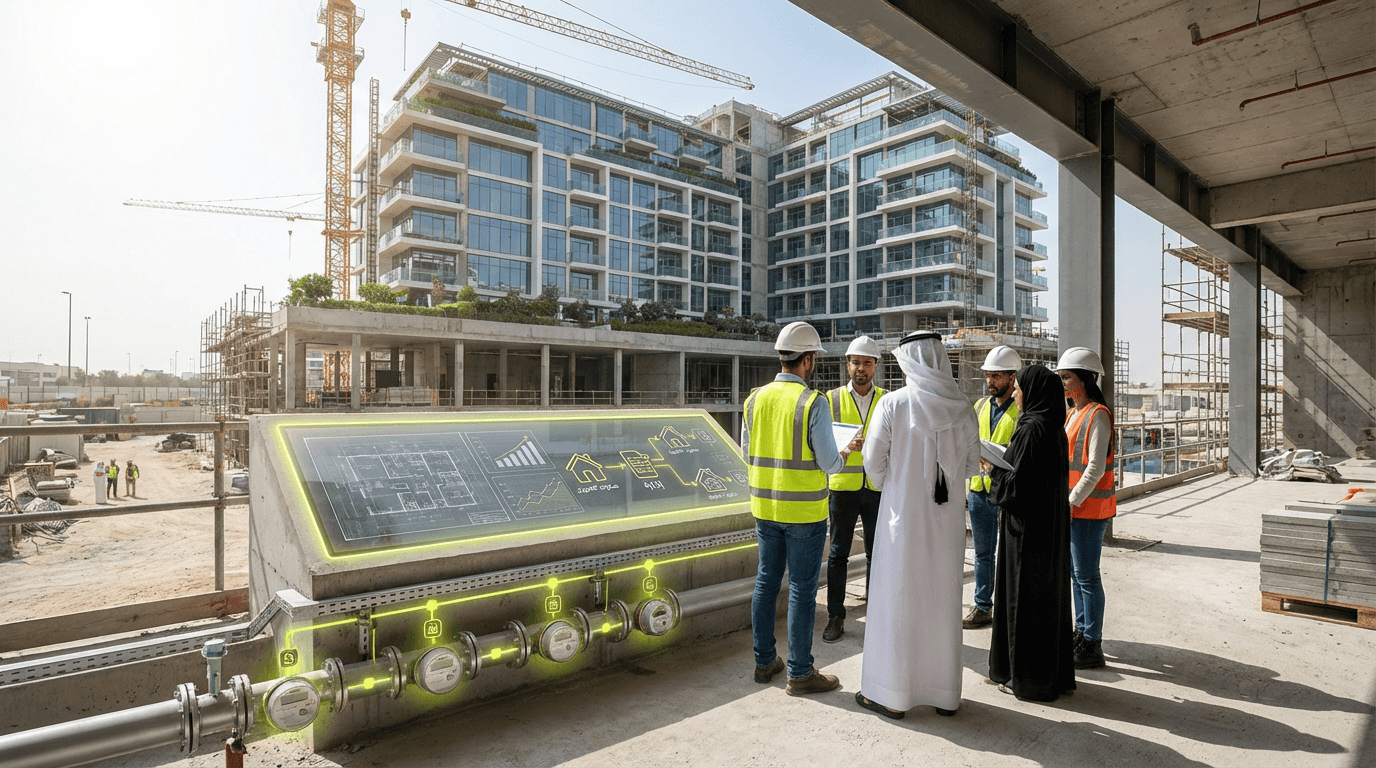
Islamic finance instruments address a fundamental tension in Gulf housing markets: how to enable homeownership and large-scale development in economies where interest-based lending conflicts with religious principles observed by the majority population. Conventional mortgages and bonds rely on interest payments prohibited under Sharia law, creating barriers to housing finance for observant Muslims and limiting capital mobilization in markets where Islamic finance commands significant market share—over 50% of banking assets in Saudi Arabia and substantial portions in UAE, Kuwait, and Bahrain. Sukuk, ijara, murabaha, and musharaka structures solve this by restructuring transactions around asset ownership, leasing, and profit-sharing rather than interest, unlocking both household access to homeownership and institutional capital for development.

These instruments operate through distinct mechanisms that achieve economically similar outcomes to conventional finance while adhering to Sharia principles. Sukuk function as asset-backed certificates where investors hold ownership stakes in underlying real estate rather than debt claims, with returns tied to rental income or sale proceeds rather than interest. Ijara structures enable lease-to-own arrangements where banks purchase properties and lease them to buyers with ownership transferring upon completion of payments. Murabaha involves cost-plus sales where financiers purchase homes and resell to buyers at disclosed markups paid in installments, while musharaka creates partnership structures where banks and buyers co-own properties with the buyer's share increasing over time. Saudi Arabia's housing programs have deployed these structures at scale to deliver affordable units, while major UAE developers routinely issue sukuk to finance large projects, tapping Islamic institutional investors including takaful insurers, Islamic banks, and Sharia-compliant sovereign wealth allocations. Industry observers note growing standardization of documentation and structures, reducing transaction costs that historically made Islamic finance more expensive than conventional alternatives.

The strategic implication extends beyond religious compliance to market structure and capital flows. As GCC nations pursue ambitious housing targets—Saudi Arabia's goal of 70% homeownership, UAE's affordable housing initiatives—the depth and efficiency of Islamic finance markets directly constrains financing capacity. Emerging secondary markets for housing sukuk and increasing integration with conventional capital markets through dual-listed instruments suggest these structures are moving from niche alternatives toward mainstream infrastructure. Key monitoring points include regulatory harmonization across GCC jurisdictions, development of Sharia-compliant mortgage-backed securities, and whether standardization enables institutional investors outside the Islamic finance sector to participate. The signal indicates that housing finance architecture in the Gulf will likely remain hybrid, requiring both Islamic and conventional structures, with competitive dynamics between the two potentially driving innovation in affordability and access.

Market Maturity
5/5Mature Infrastructure
Regional Readiness
5/5Fully Ready
Investment Intensity
5/5Mega-Scale Priority
Category
Investment, Regulation & Vision

Related Organizations

Accounting and Auditing Organization for Islamic Financial Institutions (AAOIFI) logo
Accounting and Auditing Organization for Islamic Financial Institutions (AAOIFI)

Bahrain · Nonprofit

95%

The leading international non-profit organization primarily responsible for development and issuance of standards for the global Islamic finance industry.

Standards Body
Saudi Real Estate Refinance Company (SRC) logo
Saudi Real Estate Refinance Company (SRC)

Saudi Arabia · Company

95%

A PIF subsidiary modeled after Fannie Mae, providing liquidity to the housing finance market to support private lending.

Deployer
Al Rajhi Bank logo
Al Rajhi Bank

Saudi Arabia · Company

90%

One of the largest Islamic banks in the world, providing escrow account services for off-plan projects in Saudi Arabia.
Deployer
Bidaya Home Finance logo
Bidaya Home Finance

Saudi Arabia · Company

90%

A non-bank financial institution in Saudi Arabia focused exclusively on Sharia-compliant home financing.

Deployer
Dubai Islamic Bank (DIB) logo
Dubai Islamic Bank (DIB)

United Arab Emirates · Company

90%

The world's first full-service Islamic bank and a dominant player in the UAE's mortgage market.

Deployer
Dar Al Arkan logo
Dar Al Arkan

Saudi Arabia · Company

85%

One of the largest real estate developers in Saudi Arabia.

Deployer
Islamic Development Bank (IsDB) logo
Islamic Development Bank (IsDB)

Saudi Arabia · Consortium

85%

Multilateral development finance institution focused on Islamic finance, including green sukuk and affordable housing initiatives.

Investor
Kuwait Finance House (KFH) logo
Kuwait Finance House (KFH)

Kuwait · Company

85%

A pioneer in Islamic banking and a major financier in the Kuwaiti and Bahraini real estate markets.

Deployer
Stake logo
Stake

United Arab Emirates · Startup

85%

Dubai-based digital platform allowing users to invest in fractional shares of rental properties from AED 500.

Deployer
Aldar Properties logo
Aldar Properties

United Arab Emirates · Company

80%

Abu Dhabi's leading developer, with a significant recurring income portfolio from investment properties (residential and commercial).

Deployer
S&P Global Ratings logo
S&P Global Ratings

United States · Company

80%

A leading provider of credit ratings, research, and insights.

Researcher

Supporting Evidence

Evidence data is not available for this technology yet.

Connections

Investment, Regulation & Vision
Real Estate Investment Trusts (REITs)

Regulated investment vehicles allowing retail and institutional investors to access diversified residential real estate portfolios with liquidity and transparency.

Market Maturity
4/5
Regional Readiness
4/5
Investment Intensity
4/5
Investment, Regulation & Vision
Decentralized Finance for Housing (DeFi-Housing)

Alternative housing financing systems that bypass traditional banks, including green financing, digital community financing platforms, and blockchain-based models.

Market Maturity
2/5
Regional Readiness
2/5
Investment Intensity
2/5
Investment, Regulation & Vision
Financialization of Industrialized Housing

Innovative financial structures (securitization, funds) coupled with industrialized construction to accelerate construction cycles and capital rotation.

Market Maturity
2/5
Regional Readiness
2/5
Investment Intensity
3/5
Investment, Regulation & Vision
Public-Private Partnerships for Housing

Partnership models combining public and private resources for housing development, offering innovative financing and risk-sharing.

Market Maturity
3/5
Regional Readiness
3/5
Investment Intensity
4/5
Investment, Regulation & Vision
Rent-to-Own (RTO) Schemes

Contractual arrangements allowing tenants to build equity through rental payments, bridging the affordability gap for the mid-income workforce.

Market Maturity
3/5
Regional Readiness
3/5
Investment Intensity
3/5
Construction & Megaprojects
Industrialized Affordable Housing

Factory-based production of affordable housing units using prefabricated components and standardized processes for rapid delivery at scale.

Market Maturity
3/5
Regional Readiness
3/5
Investment Intensity
4/5

Book a research session

Bring this signal into a focused decision sprint with analyst-led framing and synthesis.
Research Sessions