Sovereign Wealth-Led Development
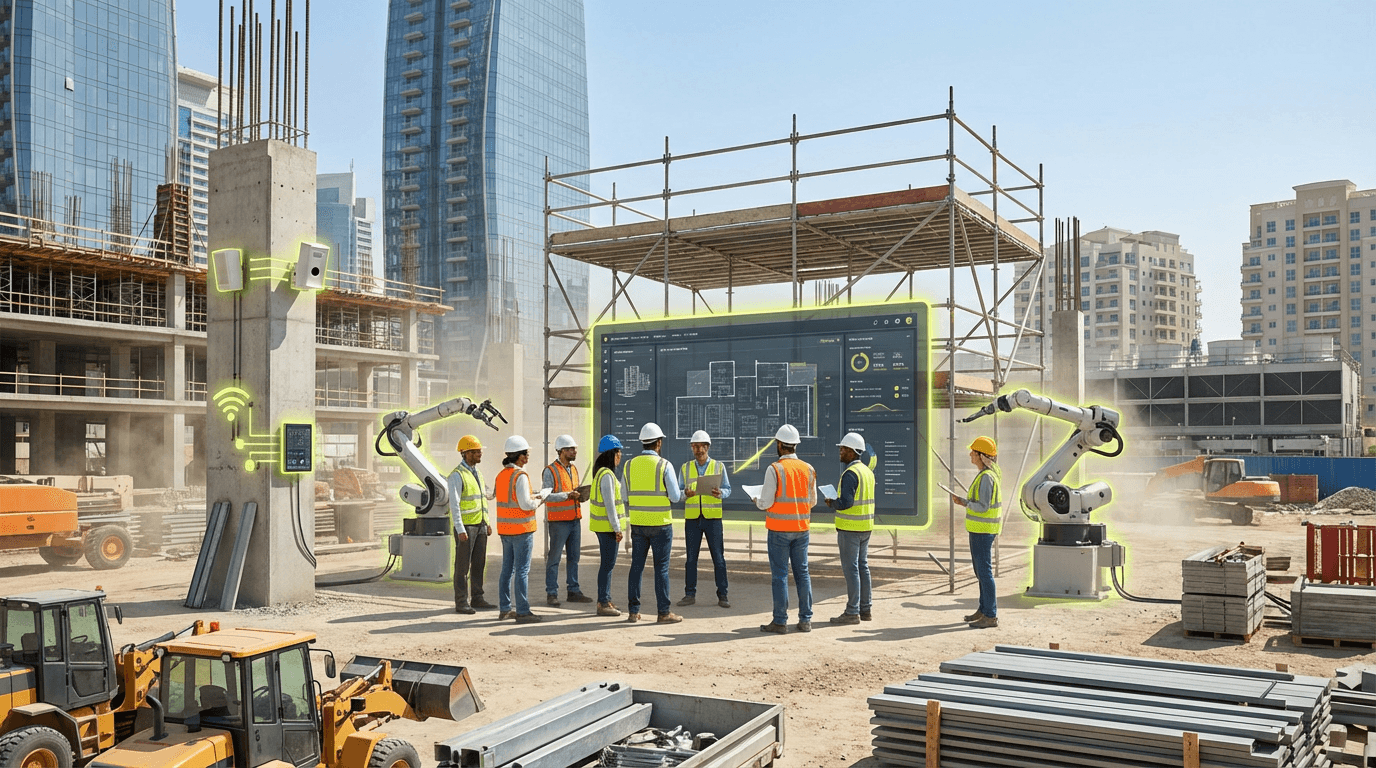
Sovereign wealth-led development represents a distinctive model of urban transformation in which state-controlled investment vehicles function as the primary architects of city-building, infrastructure deployment, and technology adoption. Unlike market-driven development models common in Western economies, where private capital responds to demand signals, Gulf Cooperation Council nations deploy sovereign wealth funds as strategic instruments to shape urban futures before market conditions would naturally support them. This approach addresses a fundamental challenge: how to rapidly modernise economies and urban systems while reducing dependence on hydrocarbon revenues. By concentrating capital, technical expertise, and political will within entities like Saudi Arabia's Public Investment Fund, UAE's Mubadala, and Qatar Investment Authority, these nations can pursue transformative projects that would be impossible under conventional financing models. The signal matters because it demonstrates an alternative pathway to urban development, one that prioritises long-term strategic positioning over short-term returns and enables experimentation at scales that reshape entire regions.
Early evidence of this model's impact appears across multiple domains. Large-scale urban projects like NEOM in Saudi Arabia, Masdar City in Abu Dhabi, and Lusail in Qatar showcase the capacity of sovereign capital to finance decade-long development timelines without conventional market pressures. These funds increasingly function as technology adopters and incubators, investing in autonomous mobility systems, renewable energy infrastructure, and smart city platforms years before commercial viability becomes clear. Industry analysts note that sovereign wealth entities now participate directly in construction technology ventures, proptech platforms, and urban operating systems, effectively subsidising innovation adoption across their development portfolios. The pattern extends beyond physical infrastructure into strategic sectors like artificial intelligence, biotechnology, and advanced manufacturing, where patient capital enables Gulf cities to leapfrog conventional development stages. However, this model also reveals dependencies: project continuity remains vulnerable to shifts in political priorities, oil price volatility, and succession dynamics within ruling families. The strength of the signal varies by nation, with Saudi Arabia's aggressive deployment under Vision 2030 representing a more pronounced bet on sovereign-led transformation than the more diversified approaches in UAE and Qatar.
The implications for global urban development are substantial. As Gulf nations demonstrate that state capital can accelerate technology adoption and infrastructure deployment, other resource-rich economies may adopt similar models, potentially reshaping how cities finance and execute transformation. For technology providers and construction firms, sovereign wealth funds represent concentrated decision-making and reduced procurement friction, but also exposure to political risk and changing national priorities. The sustainability question remains open: whether these projects can generate sufficient economic returns and private sector activity to justify their scale once hydrocarbon revenues decline. Monitoring points include the pace of private capital co-investment in sovereign-led projects, employment generation beyond construction phases, and the ability of these developments to attract knowledge workers and multinational firms. The transition from sovereign-funded to market-sustained urban systems will likely determine whether this model represents a viable development pathway or a temporary artifact of resource wealth.
Related Organizations
Public Investment Fund (PIF)
Saudi Arabia · Government Agency
The sovereign wealth fund of Saudi Arabia, driving Vision 2030 through the creation of giga-projects like NEOM and Red Sea Global.

Mubadala Investment Company
United Arab Emirates · Government Agency
A sovereign investor managing a diverse portfolio of assets for the Government of Abu Dhabi, including Masdar and GlobalFoundries.

A region in northwest Saudi Arabia being built as a living laboratory for future technologies.
An Abu Dhabi-based investment and holding company with a broad portfolio of major enterprises spanning energy, utilities, and transport.

Qatar's sovereign wealth fund, responsible for major domestic and international real estate and infrastructure investments.

Red Sea Global
Saudi Arabia · Company
Developer of The Red Sea and Amaala projects, implementing high-standard modular housing for construction staff.

A global investment holding company that manages an extensive portfolio of companies supporting Dubai's economic diversification.
Diriyah Company
Saudi Arabia · Company
Responsible for the rehabilitation and adaptive reuse of the At-Turaif UNESCO site and surrounding mud-brick structures.
Qiddiya Investment Company
Saudi Arabia · Company
Developer of the Qiddiya entertainment city, which includes massive residential components integrated with parks and nature.
Modon
Saudi Arabia · Government Agency
The Saudi Authority for Industrial Cities and Technology Zones, developing integrated industrial cities.