Wellness Real Estate
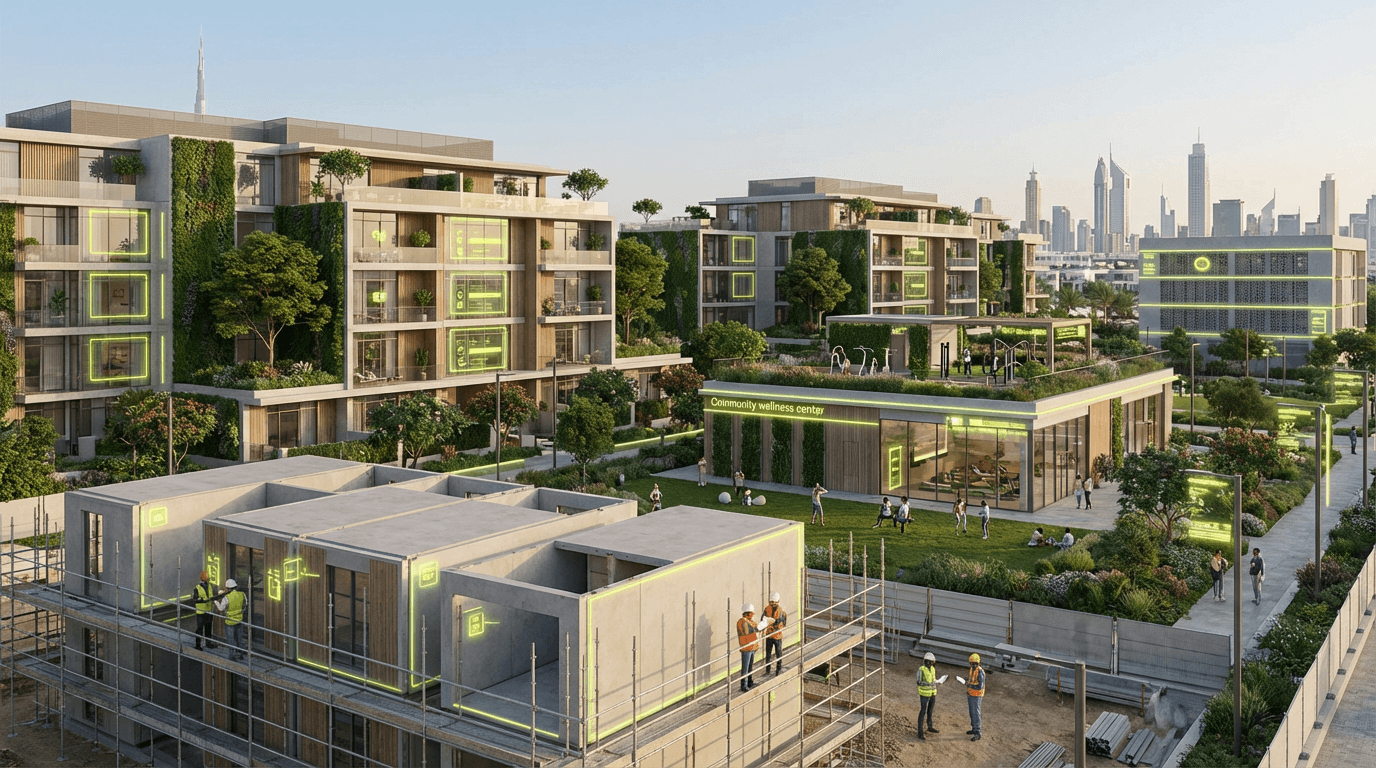
Wellness real estate represents a fundamental shift in how residential developments are conceived—moving beyond shelter to position housing as an active platform for health optimization. This approach responds to mounting evidence linking built environments to chronic health outcomes, from respiratory conditions exacerbated by poor indoor air quality to mental health challenges tied to disconnection from nature and inadequate light exposure. The signal matters because it reflects a broader transition in buyer expectations, particularly among affluent populations and aging demographics who increasingly view their homes as long-term health investments rather than passive assets. Post-pandemic awareness of airborne transmission risks and indoor environmental quality has accelerated this shift, transforming wellness features from niche amenities into mainstream differentiators across premium residential segments.
Early implementations integrate multiple health-focused systems: advanced HVAC with HEPA filtration and UV sterilization, circadian lighting that adjusts color temperature throughout the day, biophilic design incorporating natural materials and living vegetation, dedicated fitness and meditation spaces, and water purification systems. Third-party certification frameworks like the WELL Building Standard provide verification mechanisms, establishing measurable benchmarks for air quality, water purity, light exposure, and acoustic performance. In the GCC context, this trend has manifested particularly strongly in Dubai's luxury residential towers and Saudi Arabia's mega-projects like NEOM and the Red Sea Development, where wellness hospitality concepts are being adapted for permanent residences. Market data suggests wellness-certified properties command price premiums ranging from 10-25% over comparable conventional developments, though these figures vary significantly by location and certification depth. Developers report that wellness features increasingly influence purchasing decisions among health-conscious buyers, particularly those with respiratory sensitivities, young families, and retirees prioritizing preventive health.
The implications extend beyond individual buildings to broader questions about health equity and urban planning standards. As wellness features become expected in premium segments, monitoring their potential trickle-down to mid-market housing will be critical—or conversely, whether they deepen disparities in environmental health exposure. For developers and policymakers, key indicators include adoption rates of wellness certifications in new construction, insurance industry recognition of health-optimized buildings through premium adjustments, and longitudinal health outcome data from certified versus conventional residences. The convergence of real estate and preventive healthcare suggests potential partnerships between developers, health systems, and insurers, particularly as quantified health benefits become more documentable through building sensors and resident health tracking. This transition raises questions about data privacy, the medicalization of domestic space, and whether wellness real estate represents genuine health advancement or primarily lifestyle branding for affluent markets.
Related Organizations


The organization leading the global movement to transform buildings in ways that help people thrive.

UAE-based developer behind the 'Keturah' brand, specifically focused on luxury wellness real estate.

Organization that researches longevity and certifies communities designed for health.

A leading international developer and operator of destination resorts and luxury hotels.

Red Sea Global
Saudi Arabia · Company
Developer of The Red Sea and Amaala projects, implementing high-standard modular housing for construction staff.

Leader in lighting control, owner of Ketra which produces natural light simulation.

Developer of Msheireb Downtown Doha, one of the world's most sustainable and climate-resilient regeneration projects.

Manufactures smart glass that automatically tints to control heat and glare.