Green Building Regulations
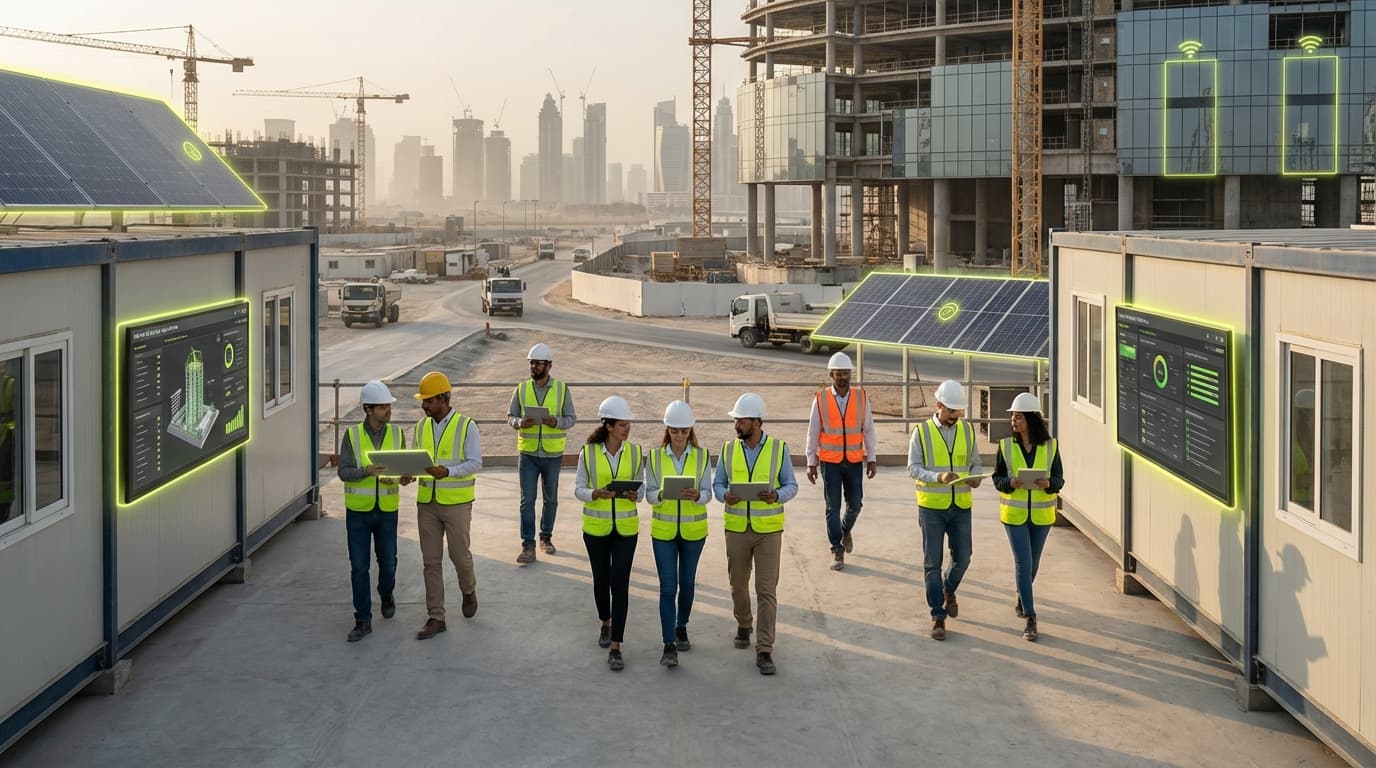
Green building regulations represent a fundamental shift in how the Gulf Cooperation Council nations govern urban development, moving sustainability from voluntary aspiration to mandatory compliance. Frameworks like the UAE's Estidama (Arabic for "sustainability"), Saudi Arabia's Mostadam, and Qatar's Global Sustainability Assessment System (GSAS) establish minimum performance thresholds for energy efficiency, water conservation, materials selection, and indoor environmental quality. This regulatory transition addresses the region's acute environmental pressures—extreme climate conditions, water scarcity, and high per-capita energy consumption—while aligning national development with international climate commitments. Unlike incentive-based approaches, these mandates create baseline expectations that reshape the entire building industry, from design practices to material supply chains. The signal matters because it demonstrates how policy instruments can accelerate market transformation when voluntary measures prove insufficient to meet sustainability targets at the pace and scale required.
Implementation patterns reveal both the ambition and complexity of this regulatory approach. Estidama, introduced in Abu Dhabi in 2010, requires Pearl Rating certification for all new construction and major renovations, with higher ratings mandated for government projects. Saudi Arabia's Mostadam system, launched as part of Vision 2030, similarly ties building permits to sustainability compliance, while Qatar's GSAS has evolved to address the specific challenges of Gulf climates and construction practices. Early evidence suggests these frameworks are driving measurable changes: increased adoption of building management systems, specification of low-embodied-carbon materials, integration of district cooling infrastructure, and deployment of solar photovoltaics on commercial buildings. However, enforcement capacity varies significantly across jurisdictions, with some municipalities struggling to verify compliance claims or audit post-occupancy performance. The regulations are also expanding in scope—recent iterations increasingly address embodied carbon in construction materials, lifecycle assessment requirements, and circular economy principles for material reuse. Industry analysts note growing tension between compliance costs and affordability targets, particularly in residential segments where price sensitivity remains high.
The implications extend beyond individual buildings to reshape entire development ecosystems. As compliance becomes standard practice, the regulatory frameworks create sustained demand for green technologies, specialized consultants, and certified materials, potentially establishing the Gulf as a testing ground for climate-appropriate sustainable building approaches. For developers, the regulations introduce new project risks around certification timelines and cost premiums, while creating competitive advantages for those who exceed minimum standards. The more challenging frontier involves existing building stock—retrofitting older developments to meet evolving standards requires different policy mechanisms and financial incentives than new construction mandates. Key monitoring points include enforcement effectiveness across different emirates and municipalities, the cost differential between compliant and non-compliant construction as supply chains mature, and whether regulations successfully drive performance improvements beyond initial certification. The trajectory suggests these frameworks will continue tightening, potentially incorporating operational carbon budgets and mandatory disclosure requirements, making regulatory literacy an essential capability for anyone operating in Gulf real estate markets.
Related Organizations

United Arab Emirates · Government Agency
Government body managing the 'Estidama' Pearl Rating System, which mandates water and energy efficiency in buildings.

Government body responsible for urban planning and the massive 'Tasreef' rainwater drainage tunnel project.

A non-profit organization leading sustainability R&D in MENA and the creator of the Global Sustainability Assessment System (GSAS).

A global leader in renewable energy and sustainable urban development (Masdar City).

The Saudi ministry responsible for the 'Sakani' program, which has fundamentally rebranded government housing from welfare to a lifestyle choice.

Specialist consultancy in sustainability, energy modeling, and façade engineering optimized for the Middle East climate.

Red Sea Global
Saudi Arabia · Company
Developer of The Red Sea and Amaala projects, implementing high-standard modular housing for construction staff.
The organization best known for the LEED (Leadership in Energy and Environmental Design) green building rating system.

The organization behind BREEAM, a leading sustainability assessment method for masterplanning projects and buildings.
Multidisciplinary firm with a strong sustainability division designing resilient infrastructure across the GCC.