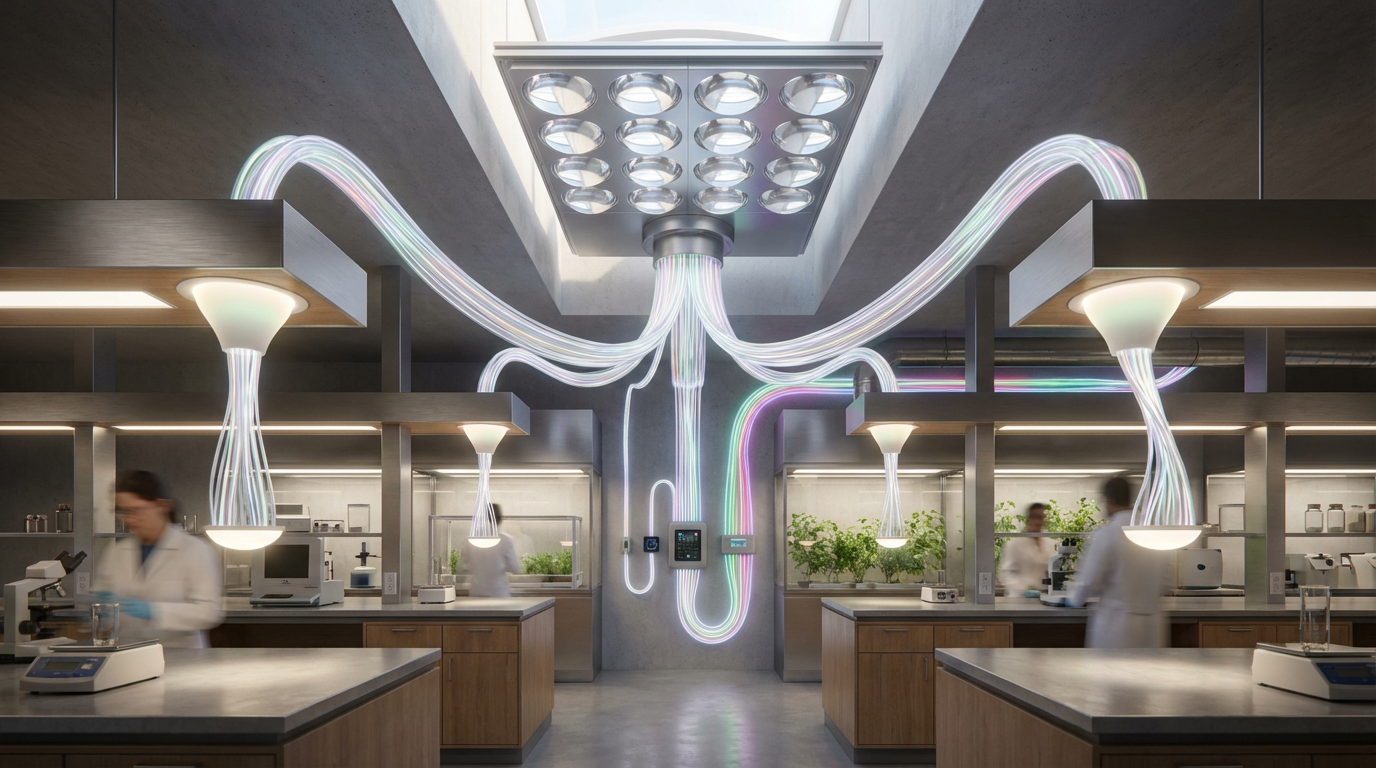
Systems that capture and transport real sunlight deep into subterranean or windowless spaces.
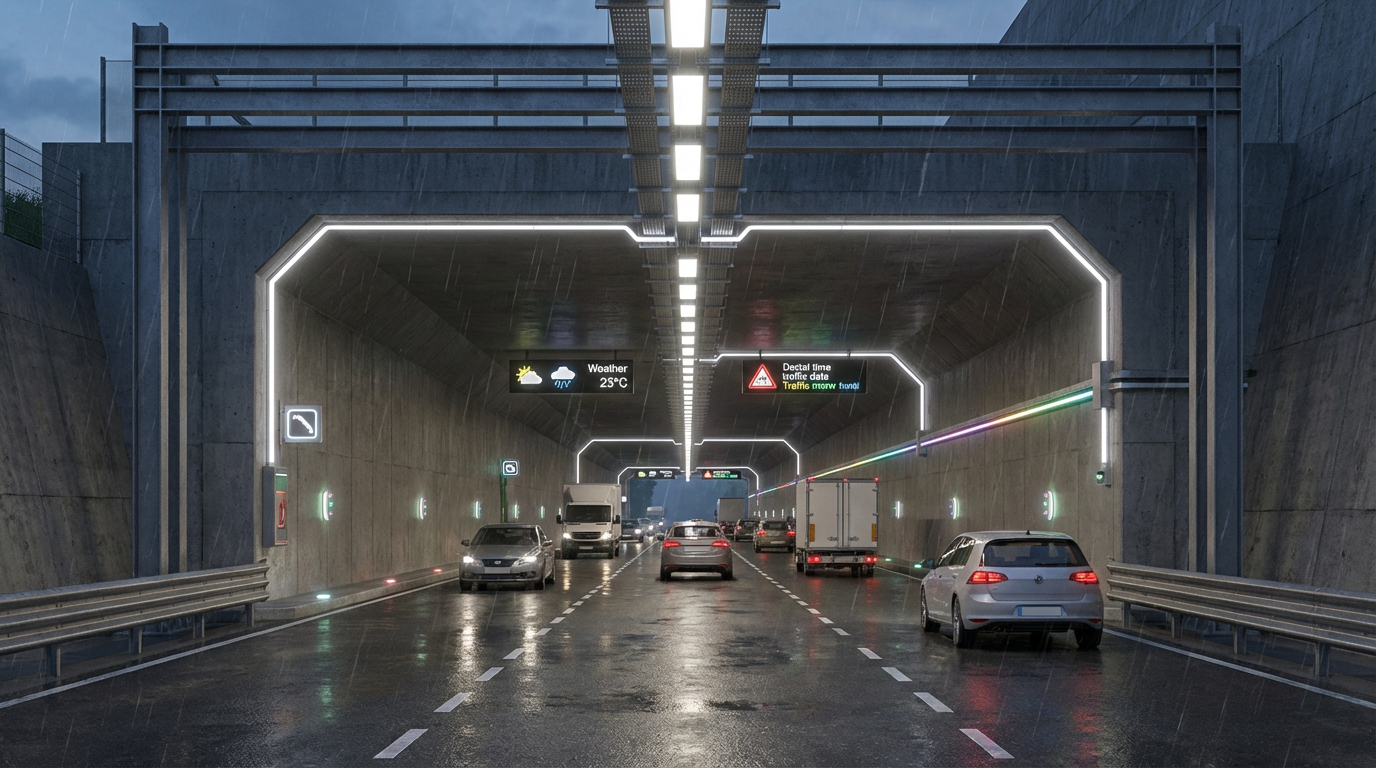
Dynamic illumination that responds to traffic, weather, and visibility to improve safety and cut energy use.
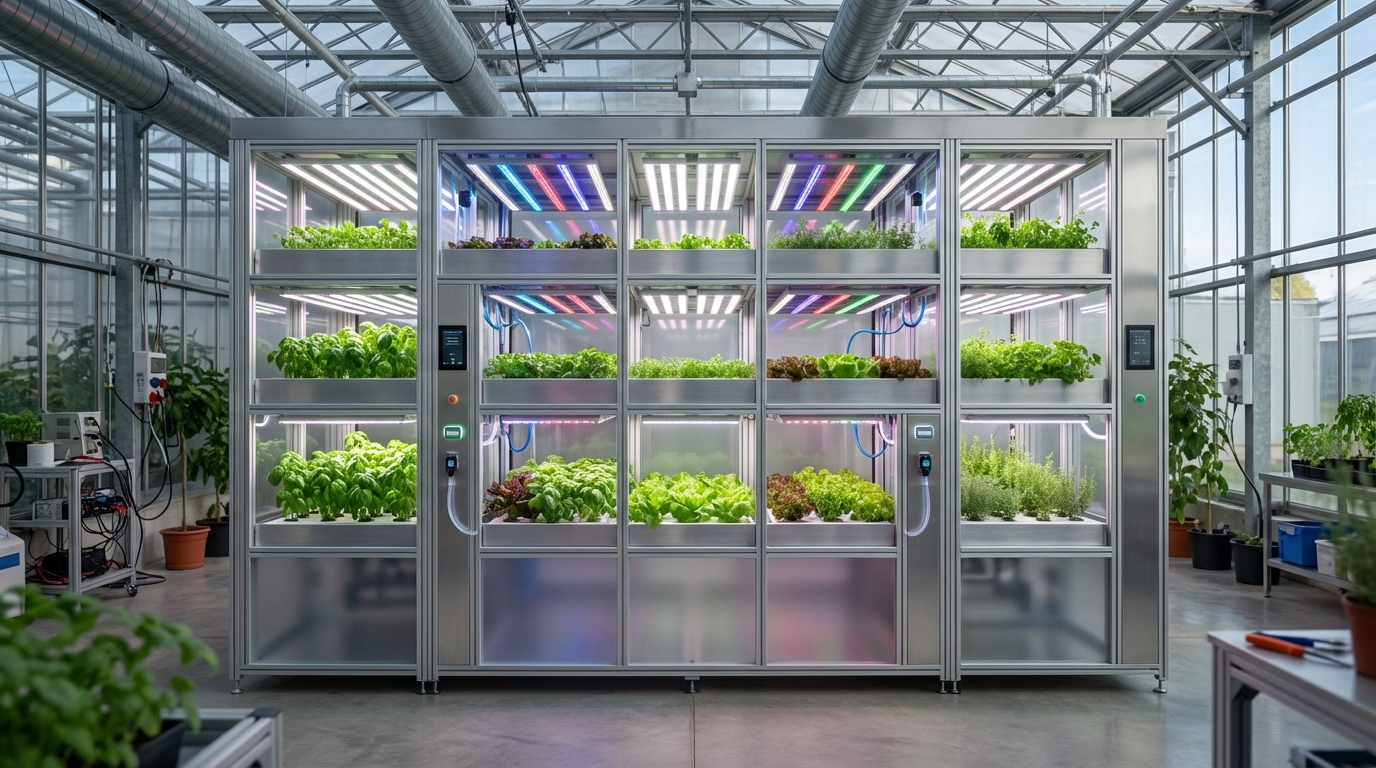
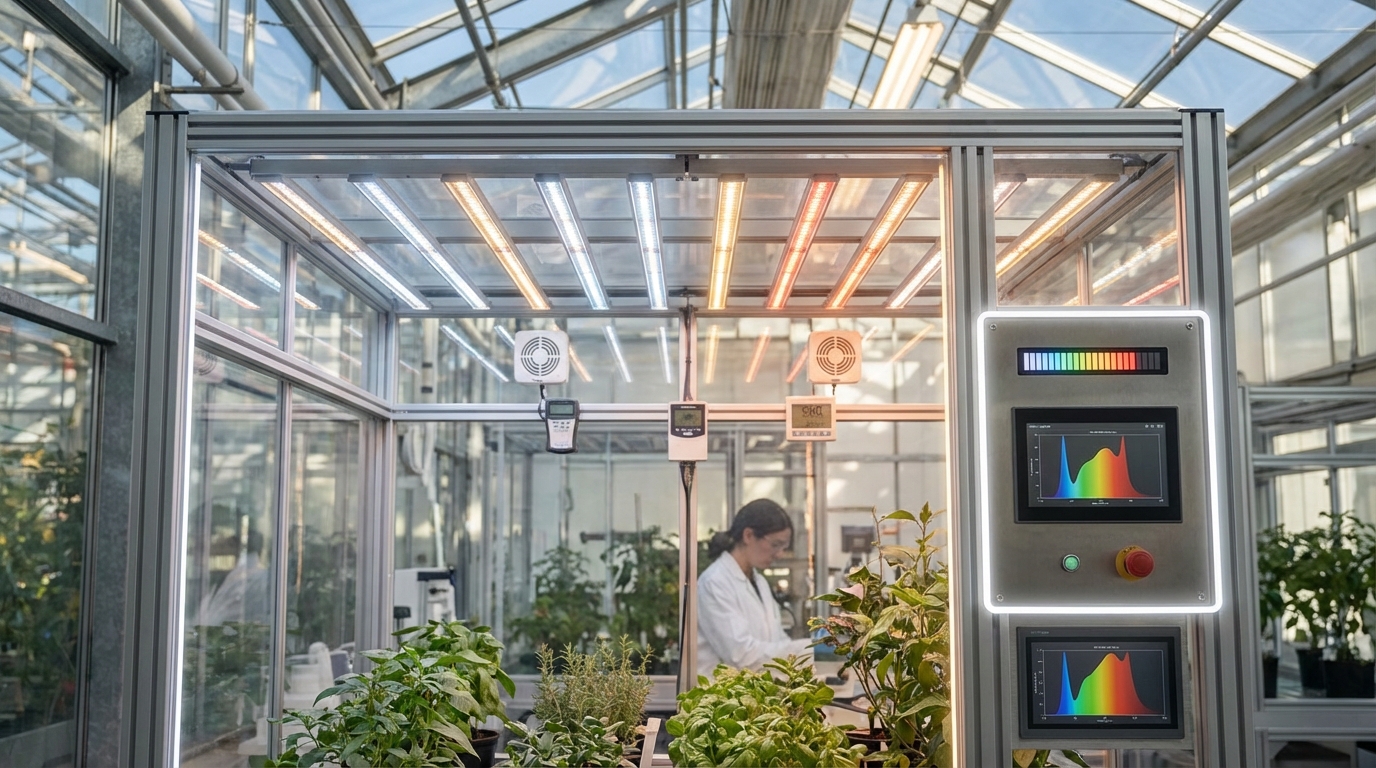
Precision light regimes to optimize plant growth, nutrition, and yield.
Software that auto-discovers devices and harmonizes protocols across building and city lighting.
Light used intentionally or unintentionally to shape mood, attention, and compliance.
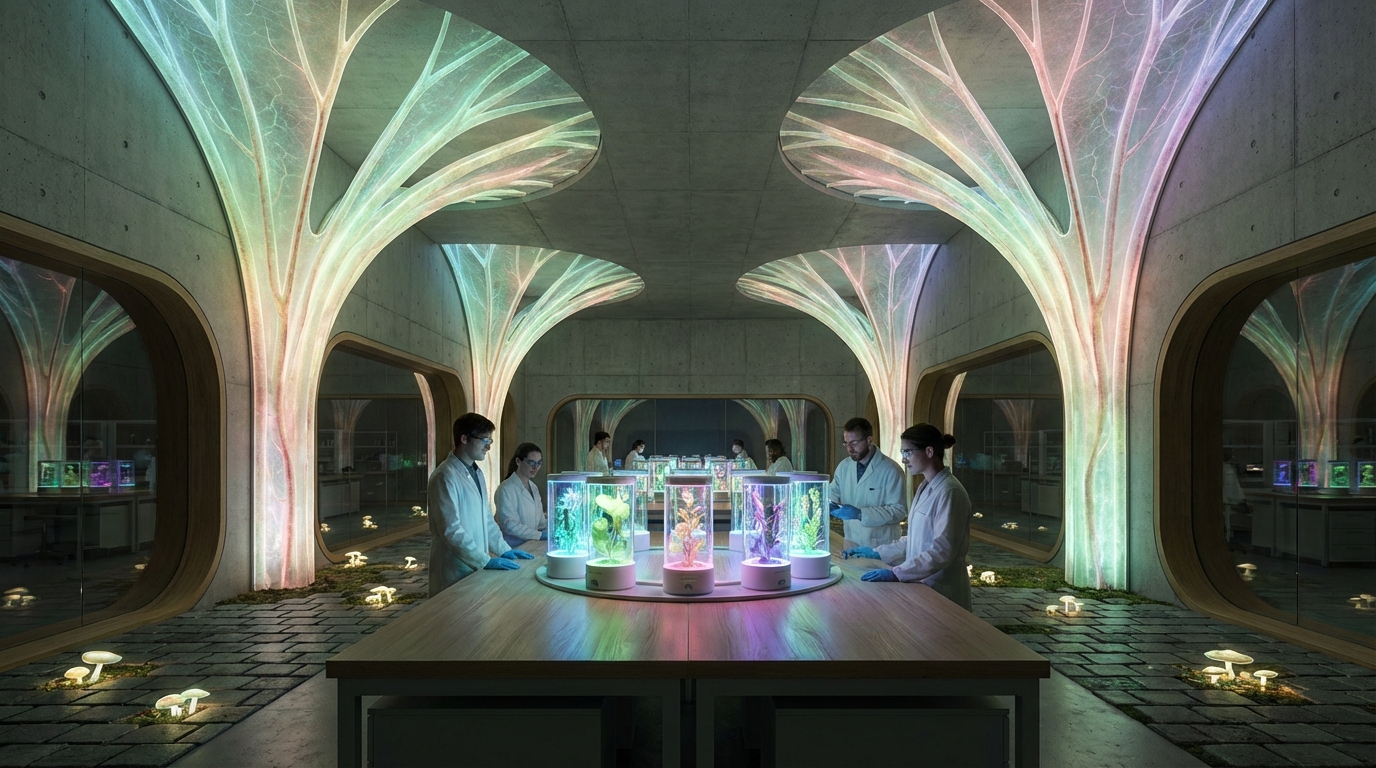
Synthetic biology applications creating self-sustaining, zero-electricity ambient lighting.
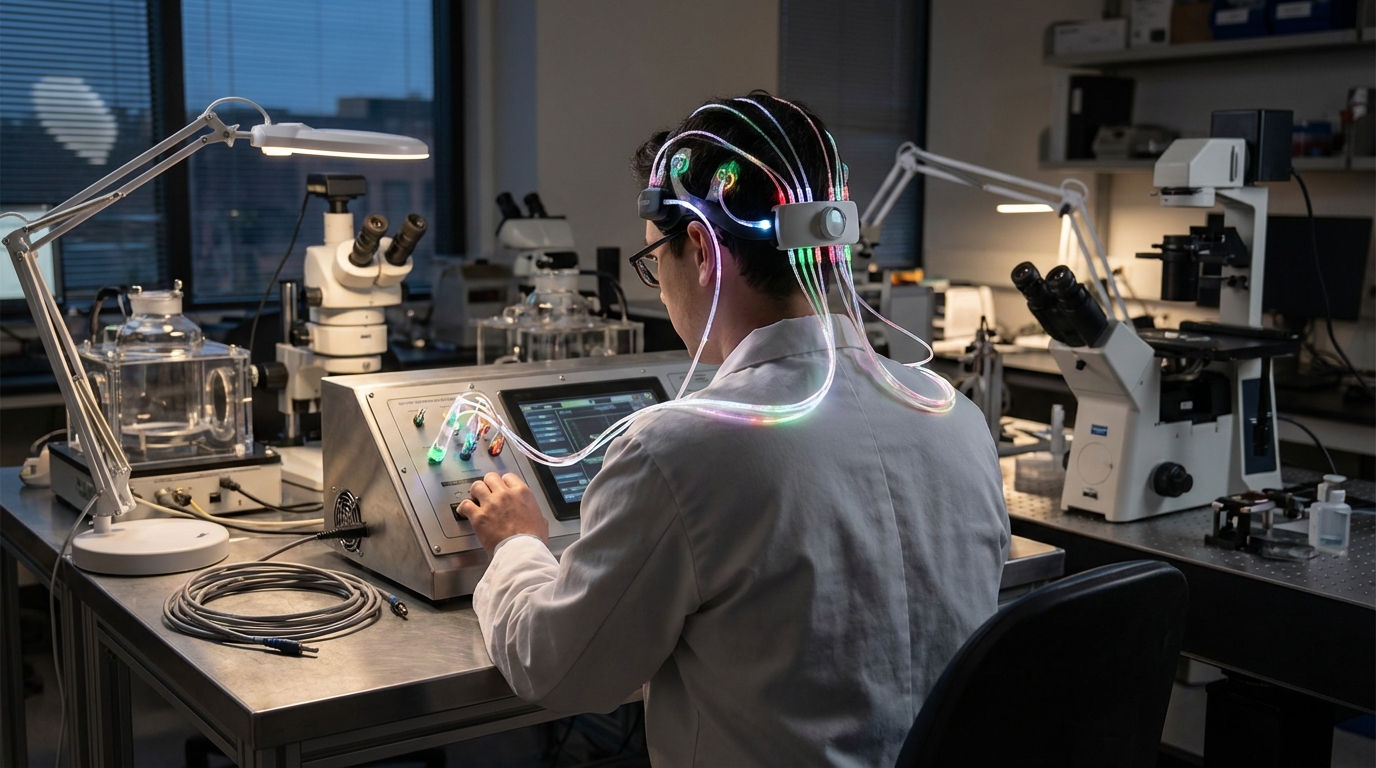
Ethical frameworks for technologies that use light to directly modulate neural activity.
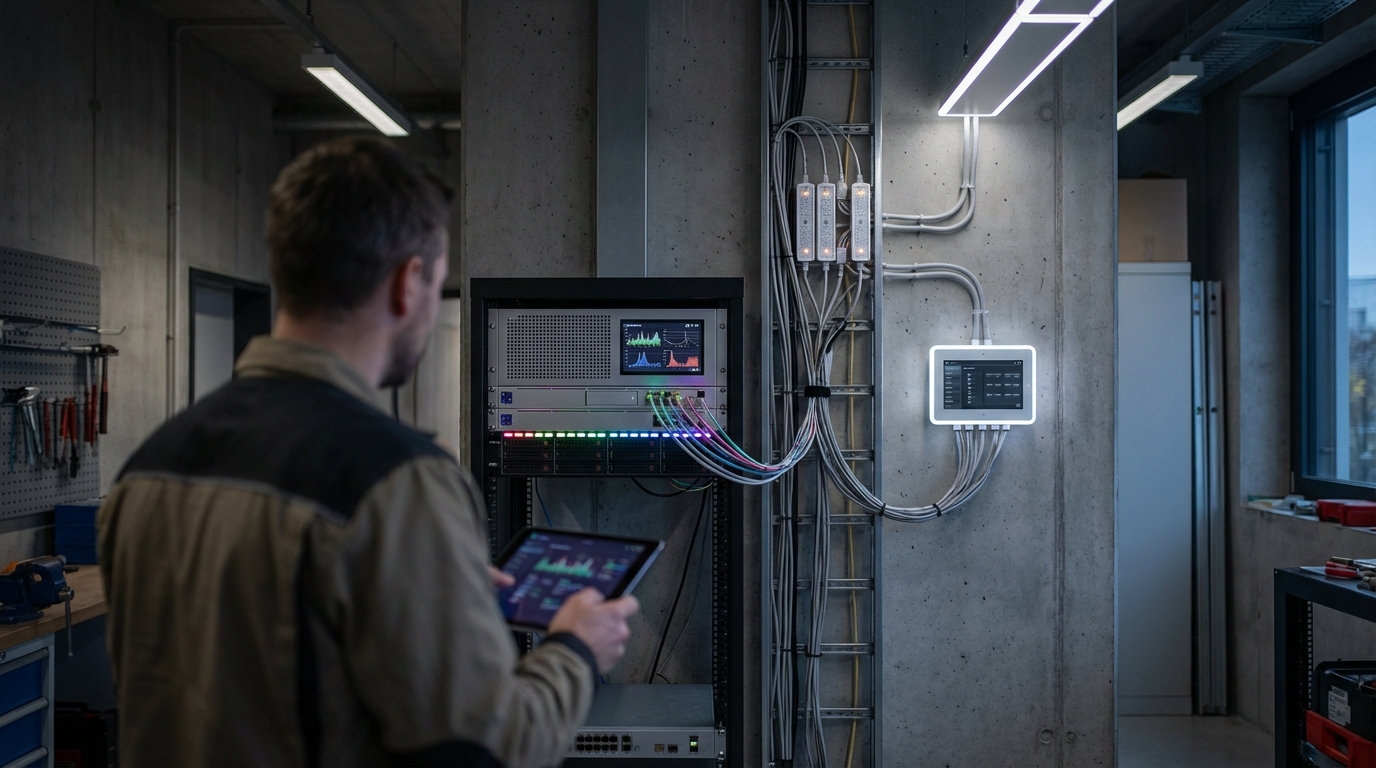
Threat modeling, hardening, and monitoring for networked luminaires and control buses.
Policies for consent, retention, and secondary use of occupancy and behavioral data from luminaires.
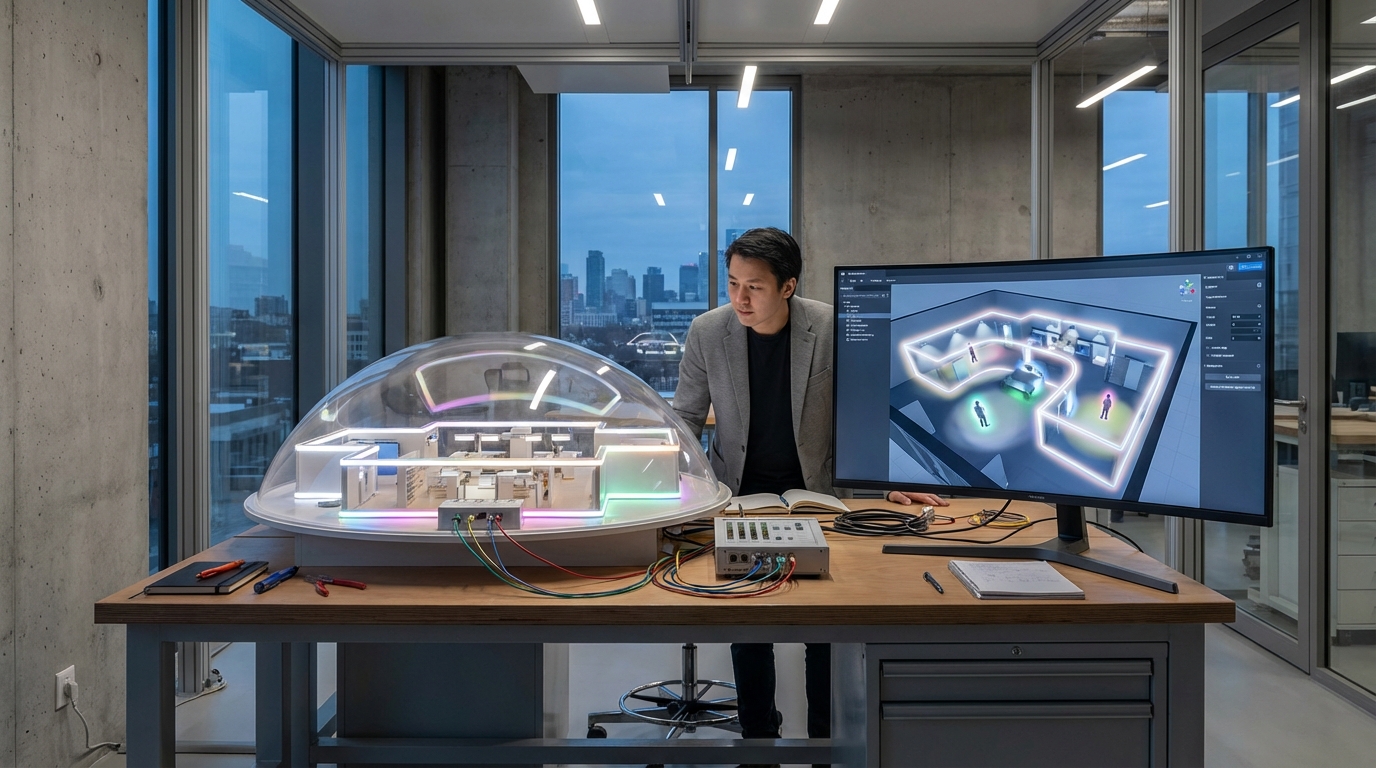
Simulated spaces to test safety, efficiency, and human response before deployment.
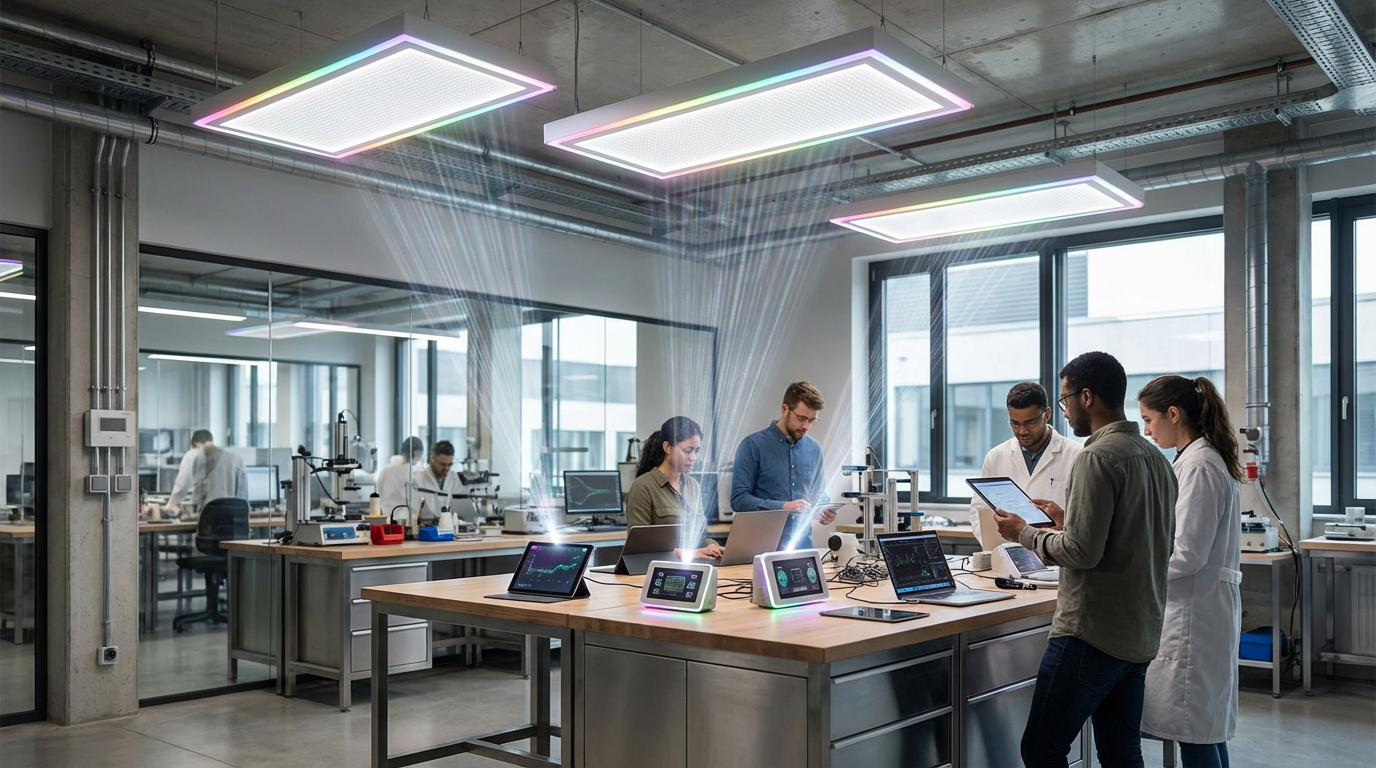
AI-driven optimization that adjusts illumination based on demand, occupancy, and grid conditions.
Ecological disruption and loss of dark skies from pervasive illumination.
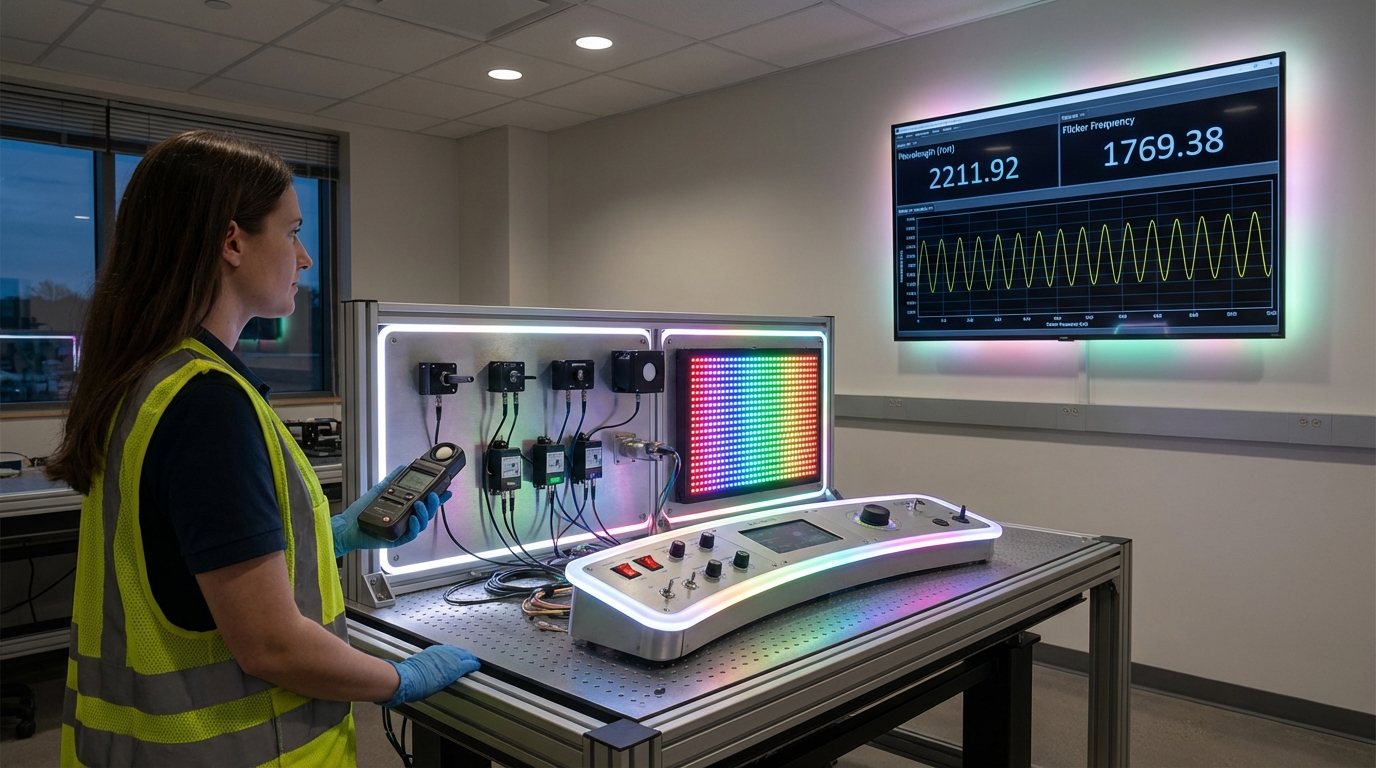
Managing flicker-related risks including headaches, seizures, and safety-critical misperception.
Software protocols modulating light at 40Hz to stimulate cognitive resilience and memory.
AI systems that autonomously generate dynamic, aesthetically complex lighting scenes.
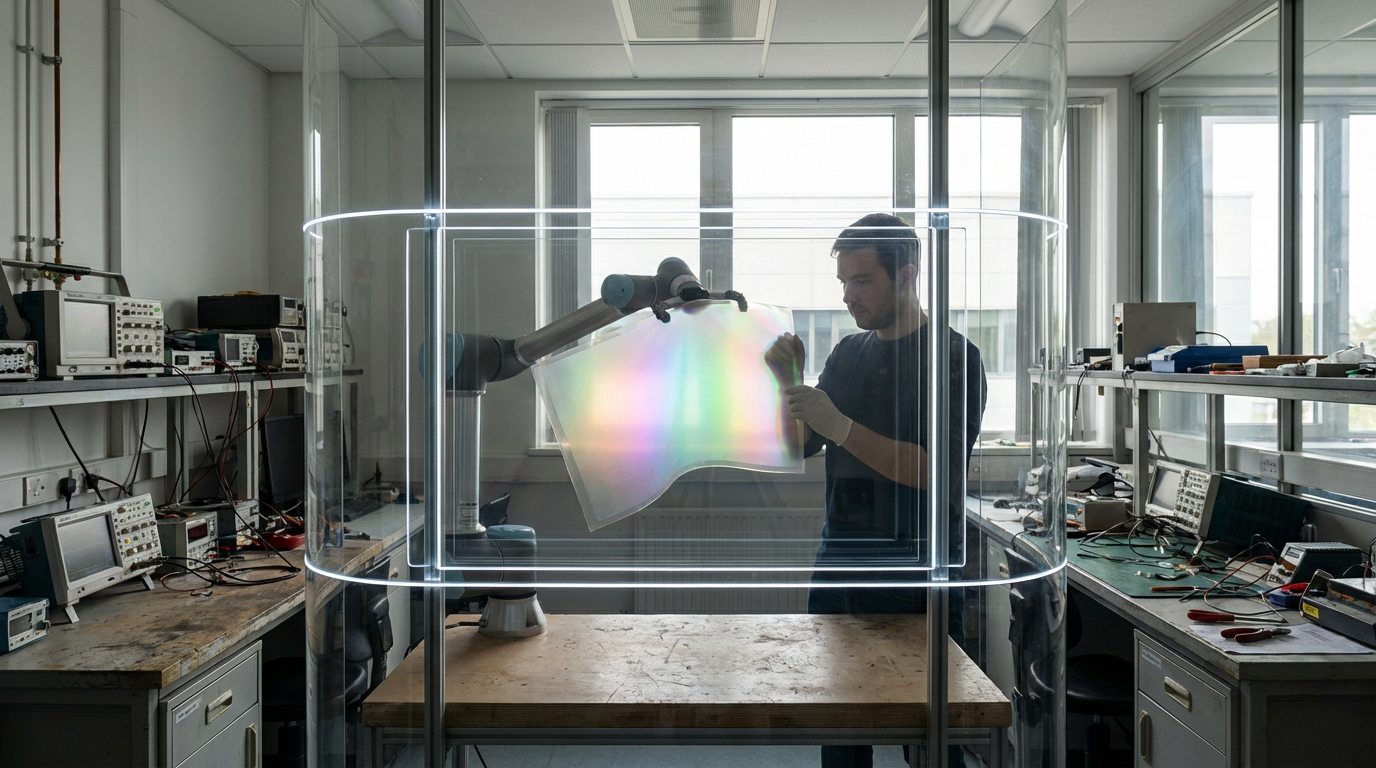
Atomically thin, flexible light sources enabling transparent and ubiquitous display-lighting hybrids.
Long-term effects of artificial light on sleep, cognition, and development.
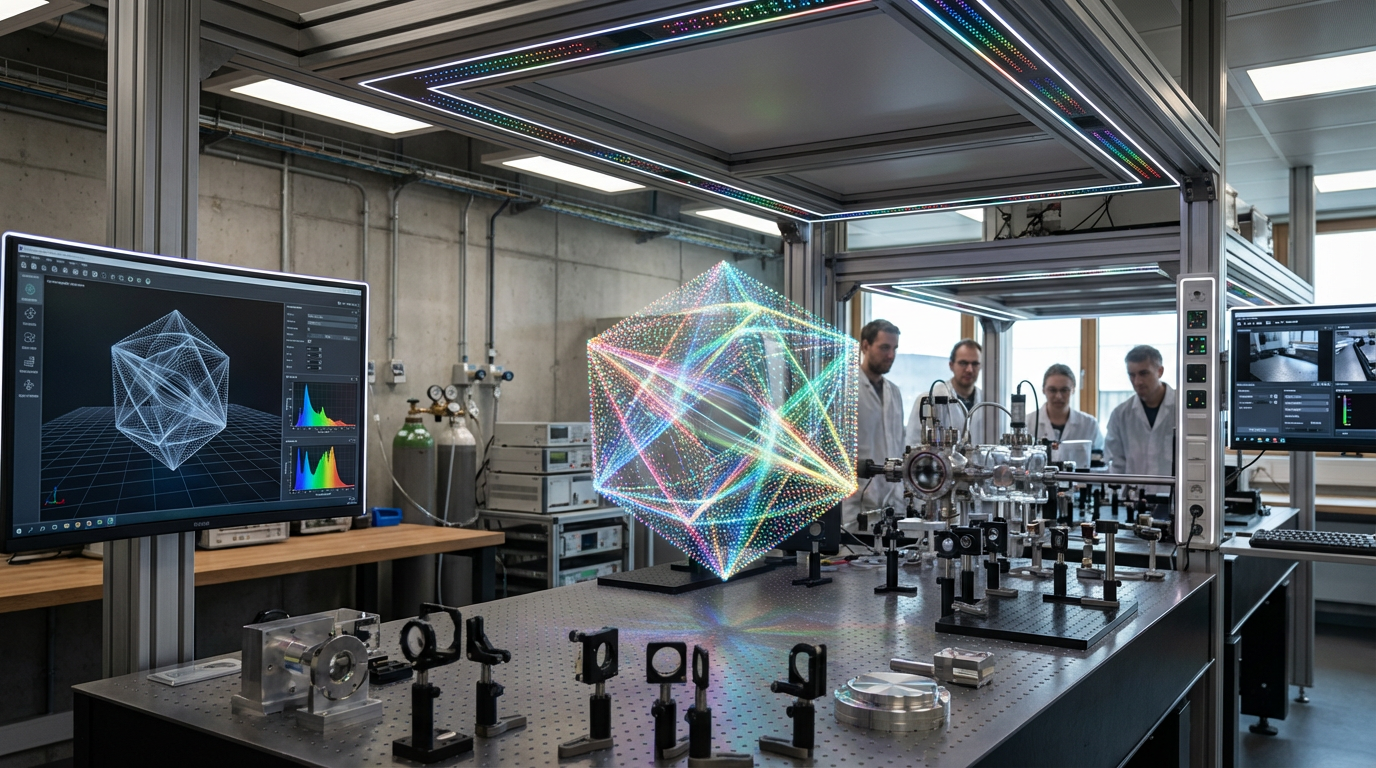
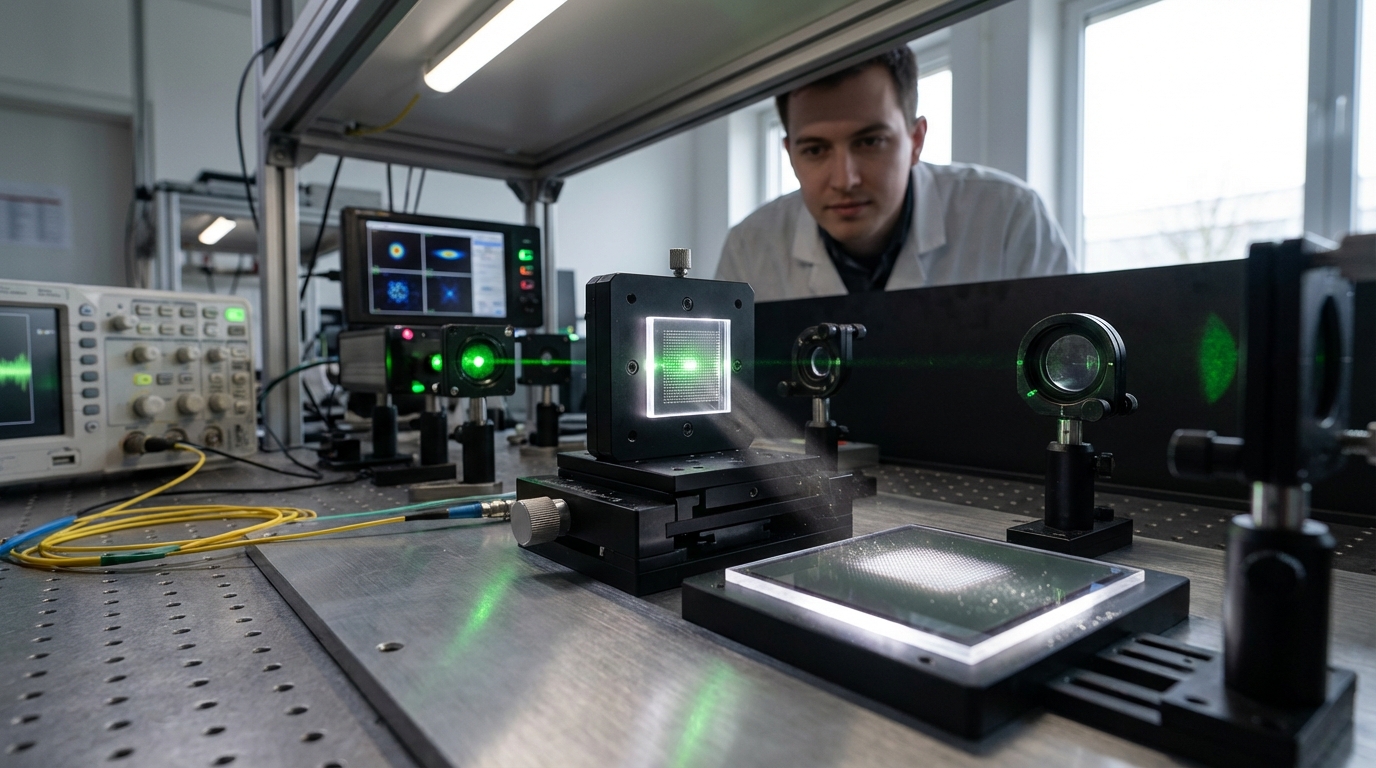
Fixture-free, steerable light that can manifest 3D volumes or targeted spots in mid-air.
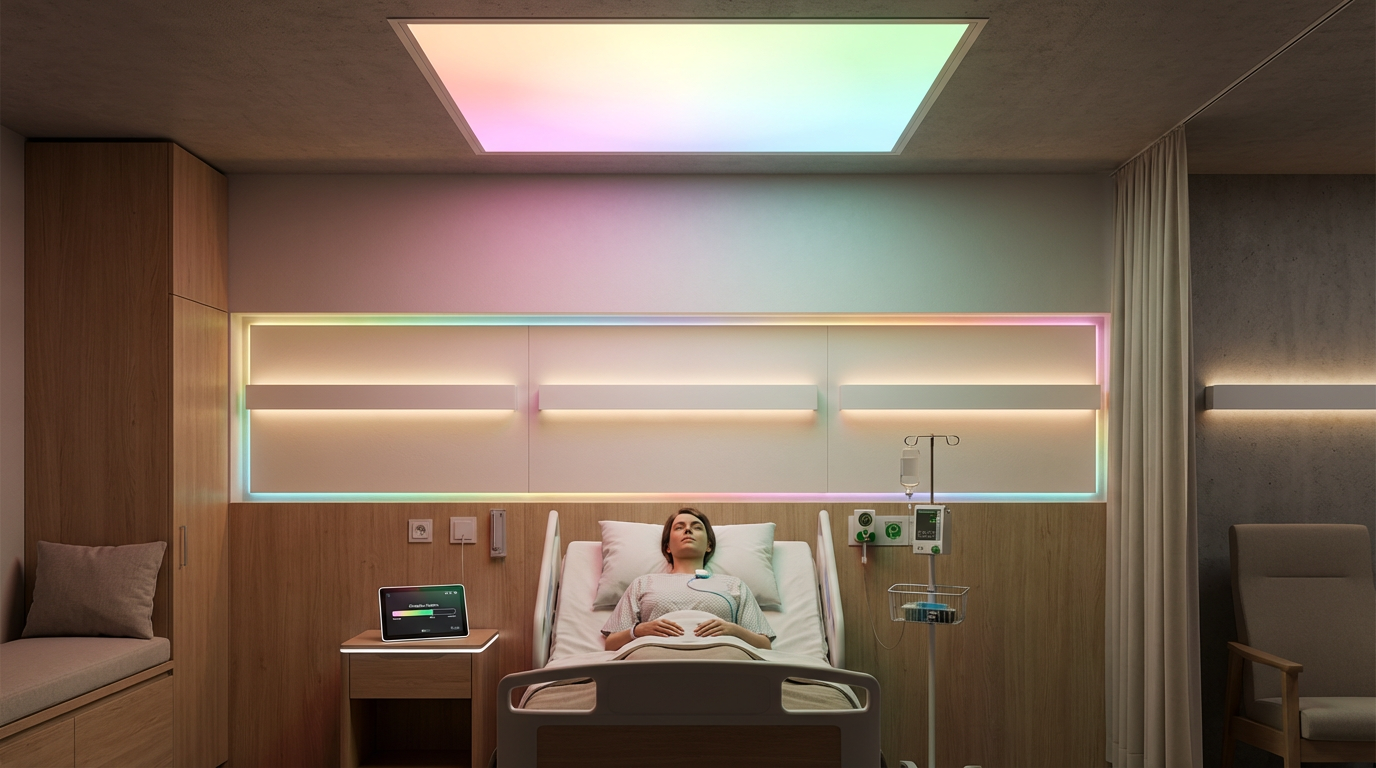
Environments designed to improve sleep, productivity, recovery, and mental health.
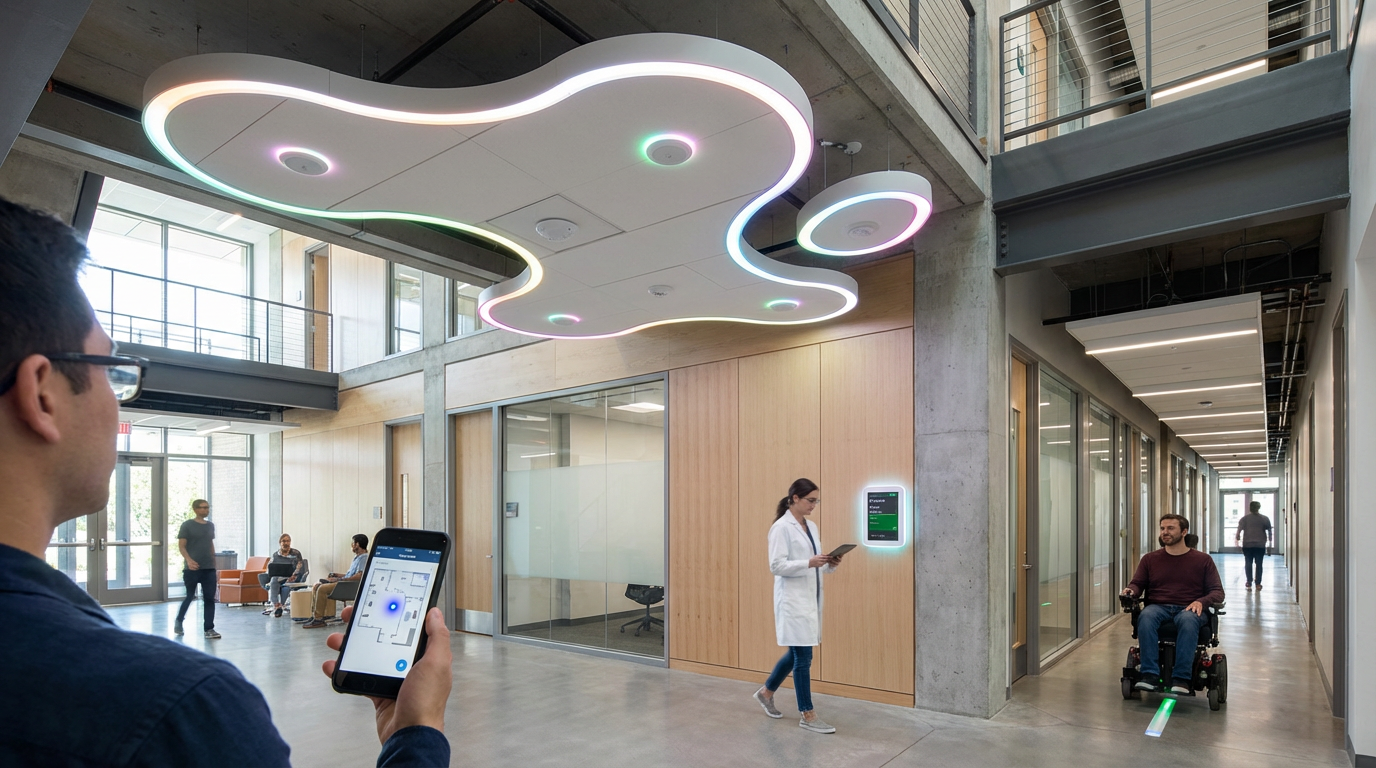
Using luminaires as beacons for navigation, analytics, and accessibility in indoor spaces.
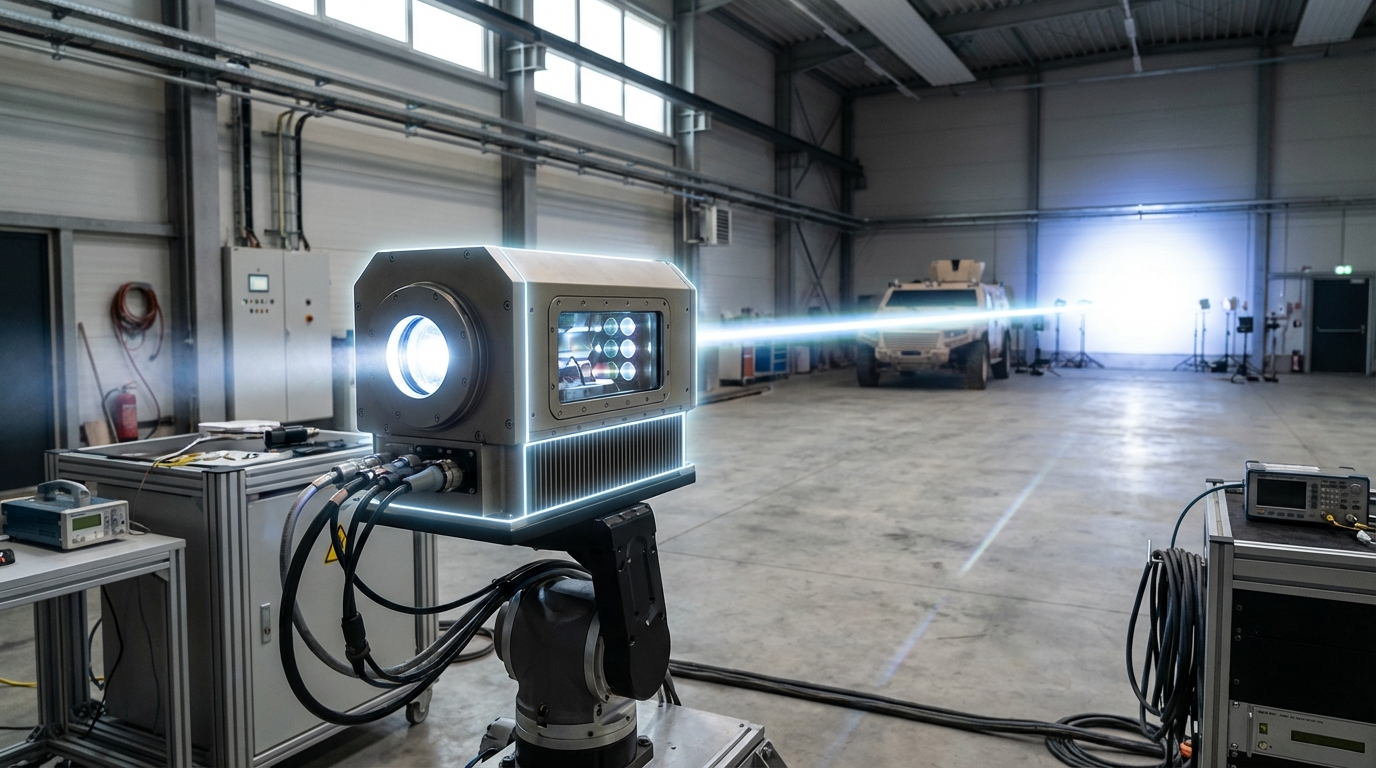
High-intensity, long-range illumination for mobility, infrastructure, and extreme environments.
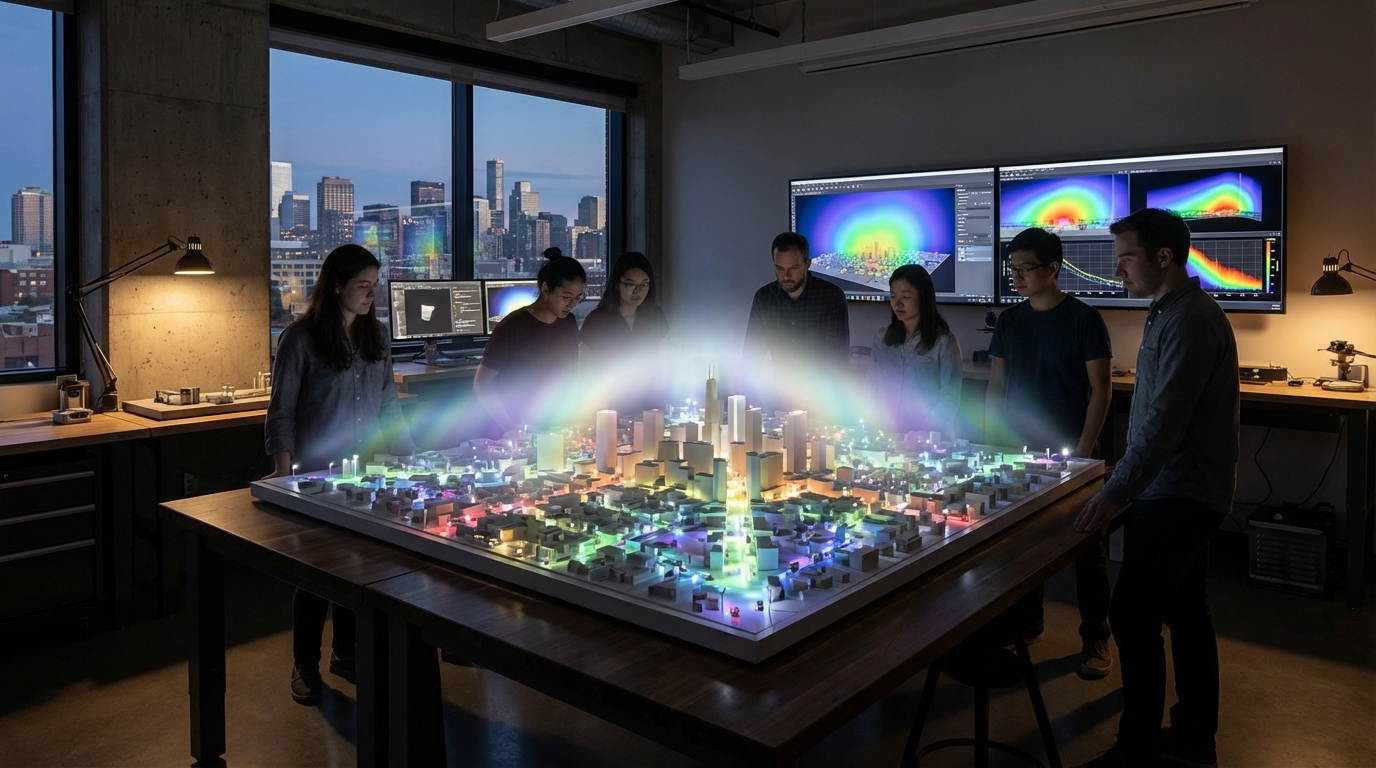
Modeling tools that predict glare, trespass, and skyglow to support dark-sky compliant design.
Equity impacts of glare, over-lighting, and nuisance exposure concentrated in specific communities.
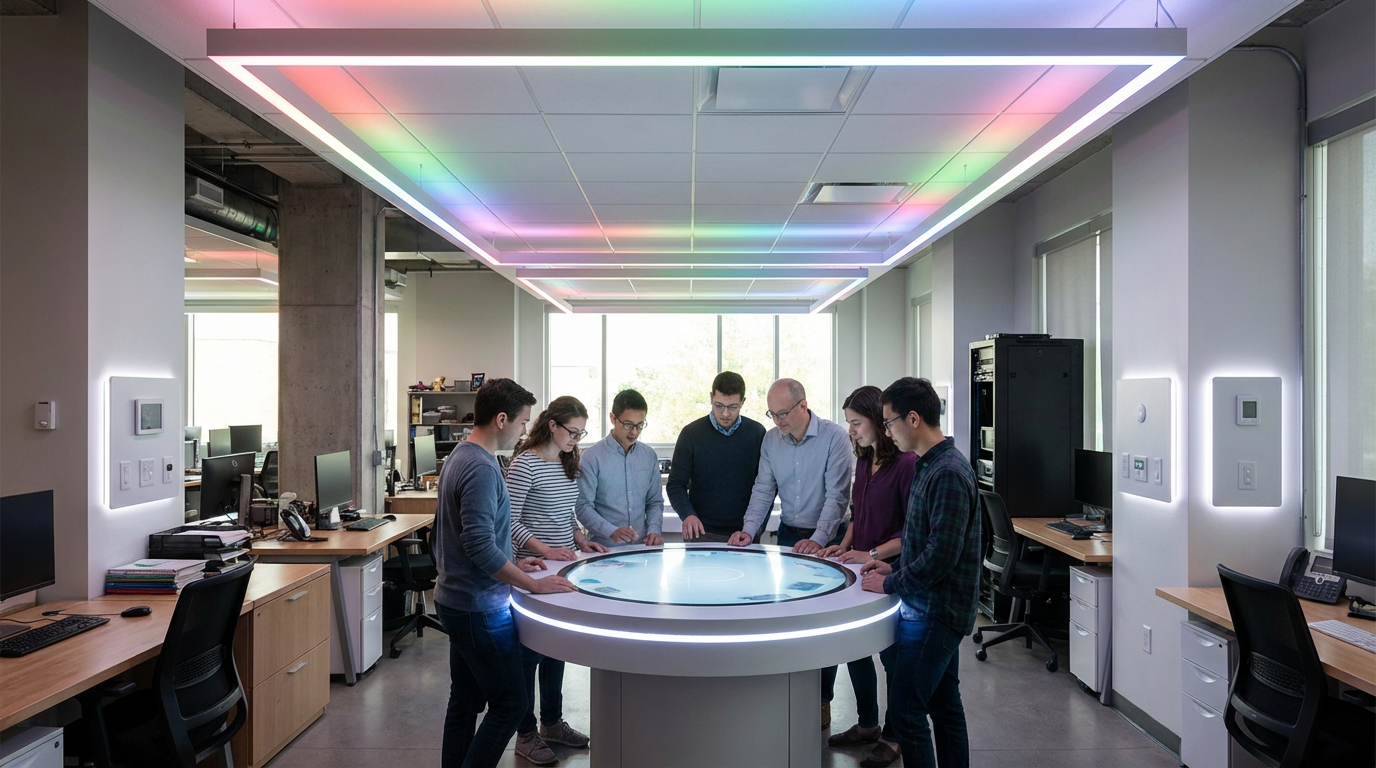
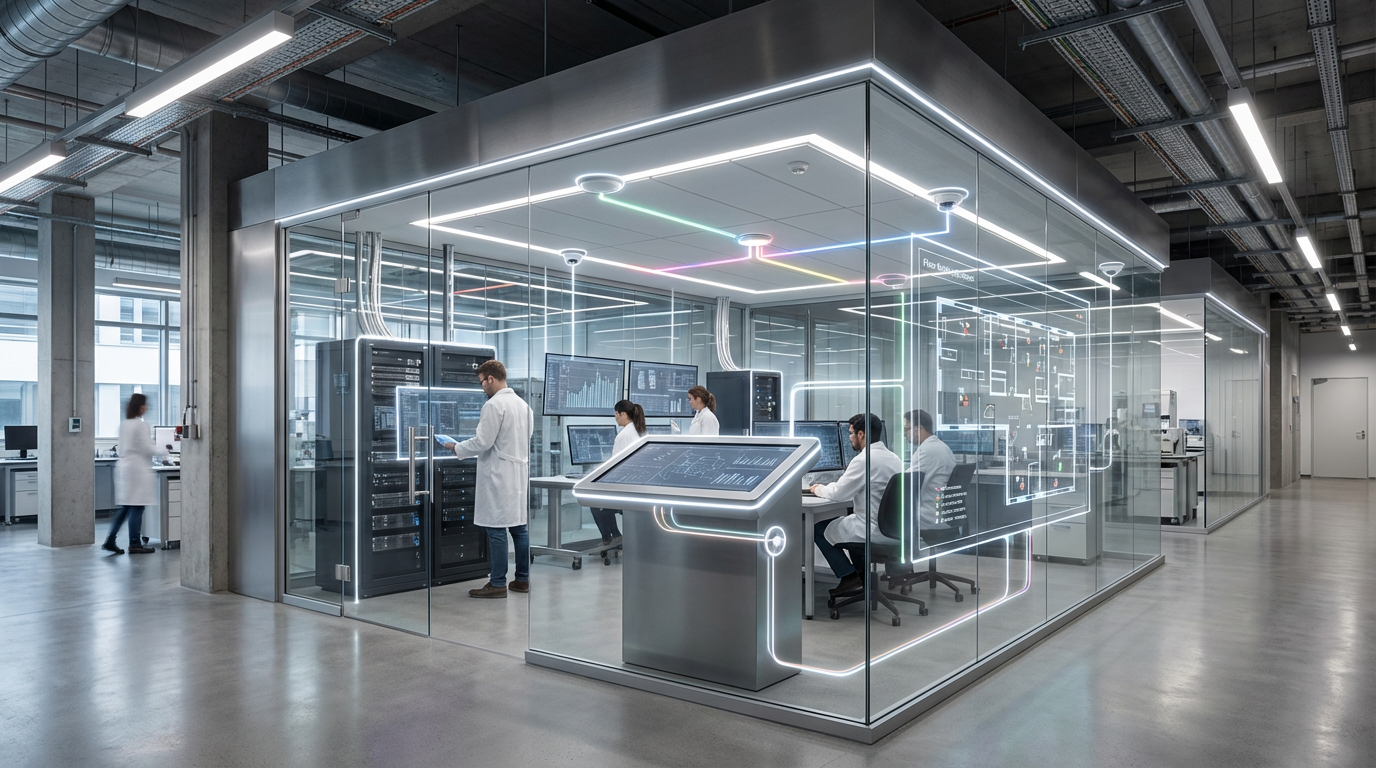
Real-time systems coordinating illumination across buildings, streets, vehicles, and events.
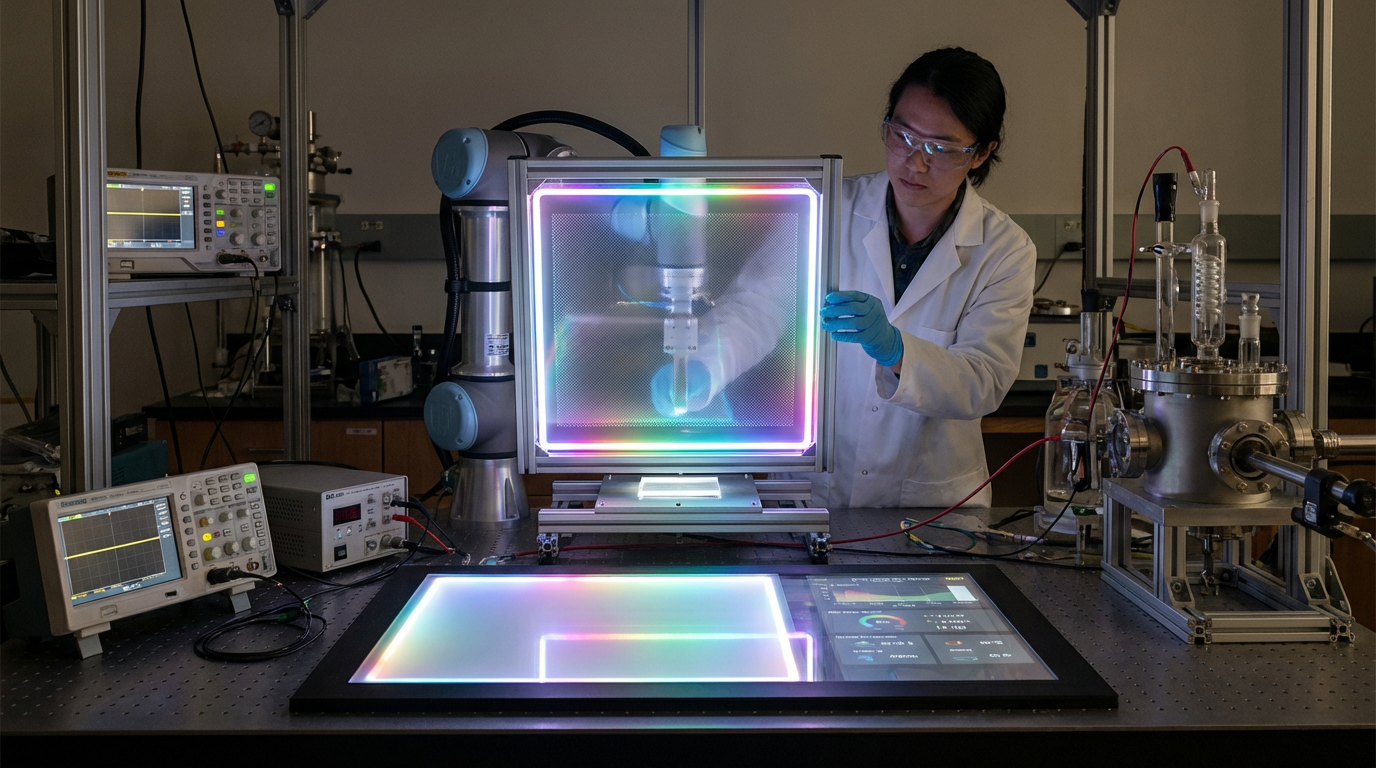
Light-harvesting windows that generate power while illuminating interiors with tinted light.
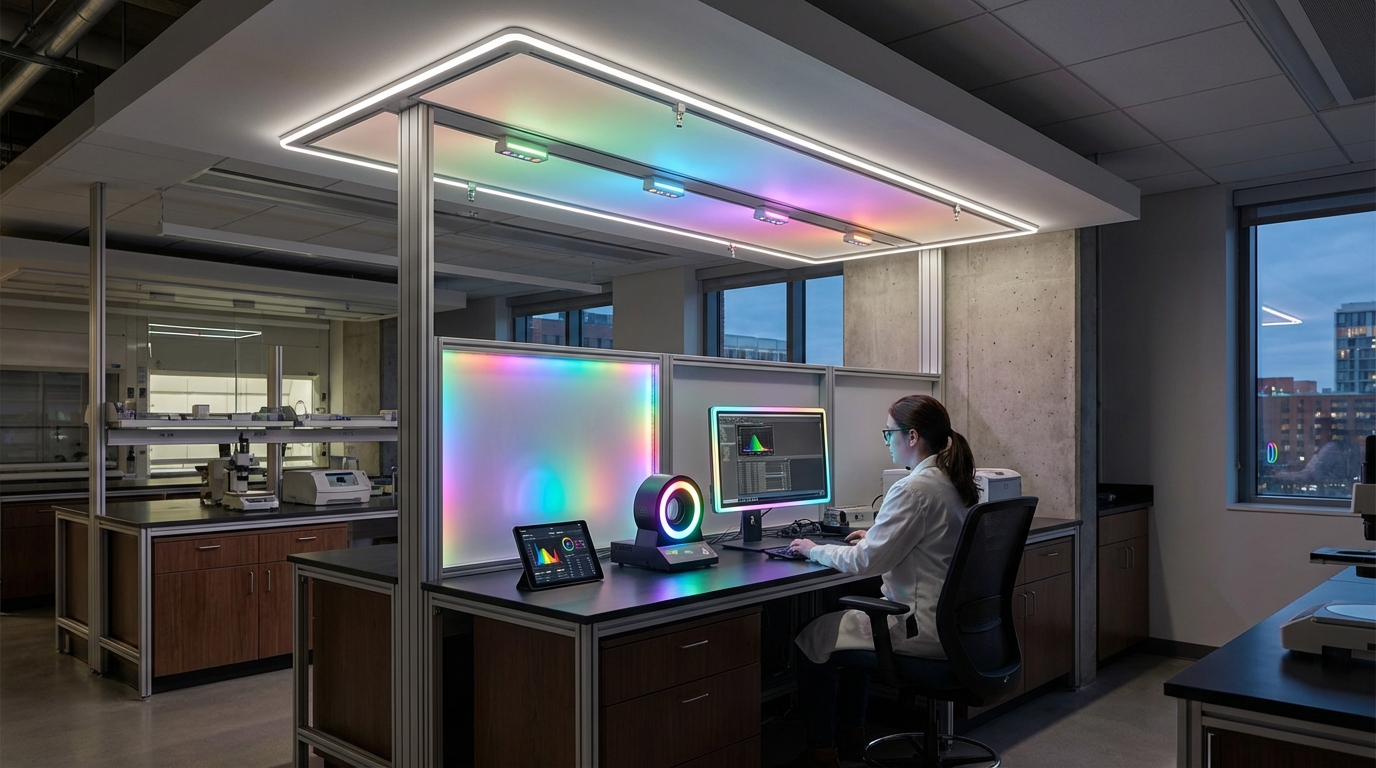
Software optimizing spectra using non-visual metrics (melanopic EDI) alongside visual performance.
Ultra-compact optical elements enabling precise, efficient, glare-aware light distributions.
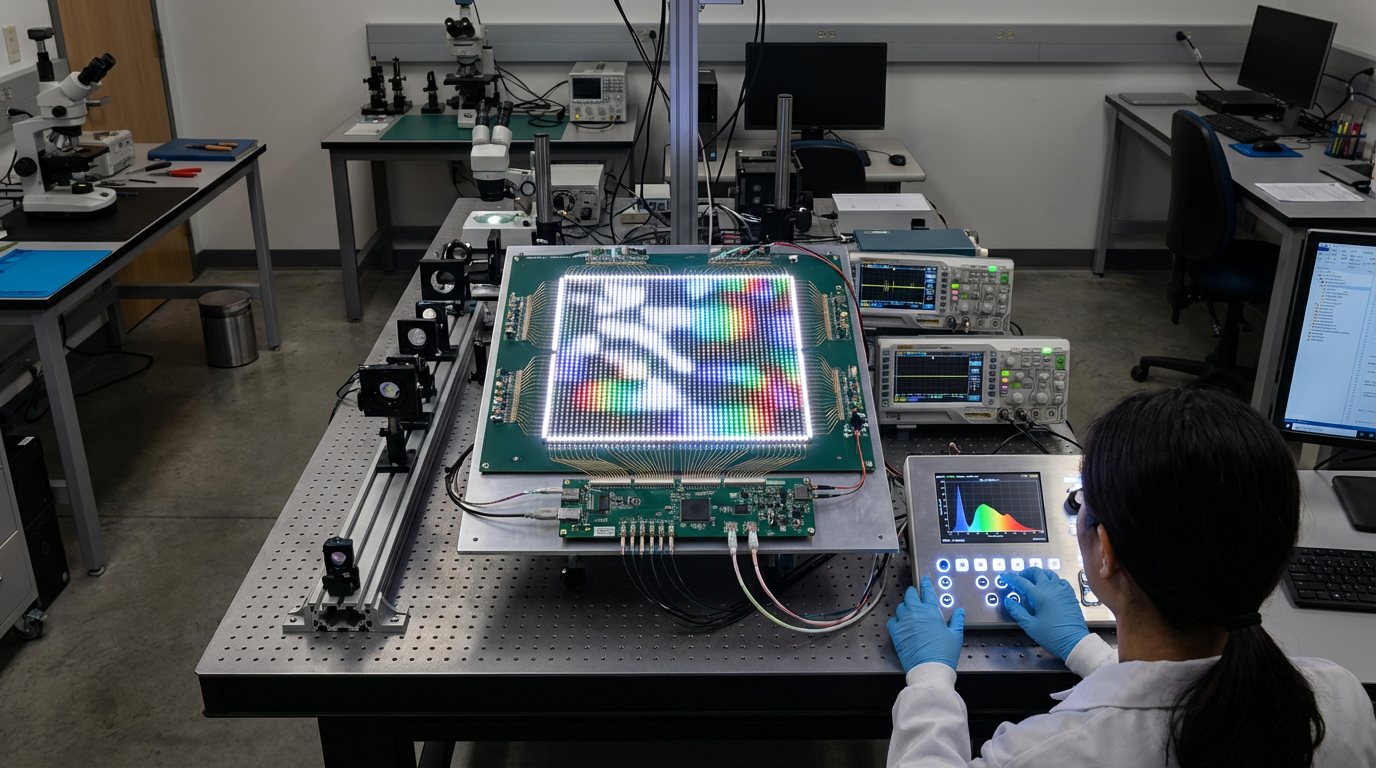
Ultra-dense, energy-efficient emitters enabling adaptive, pixel-level control of light.
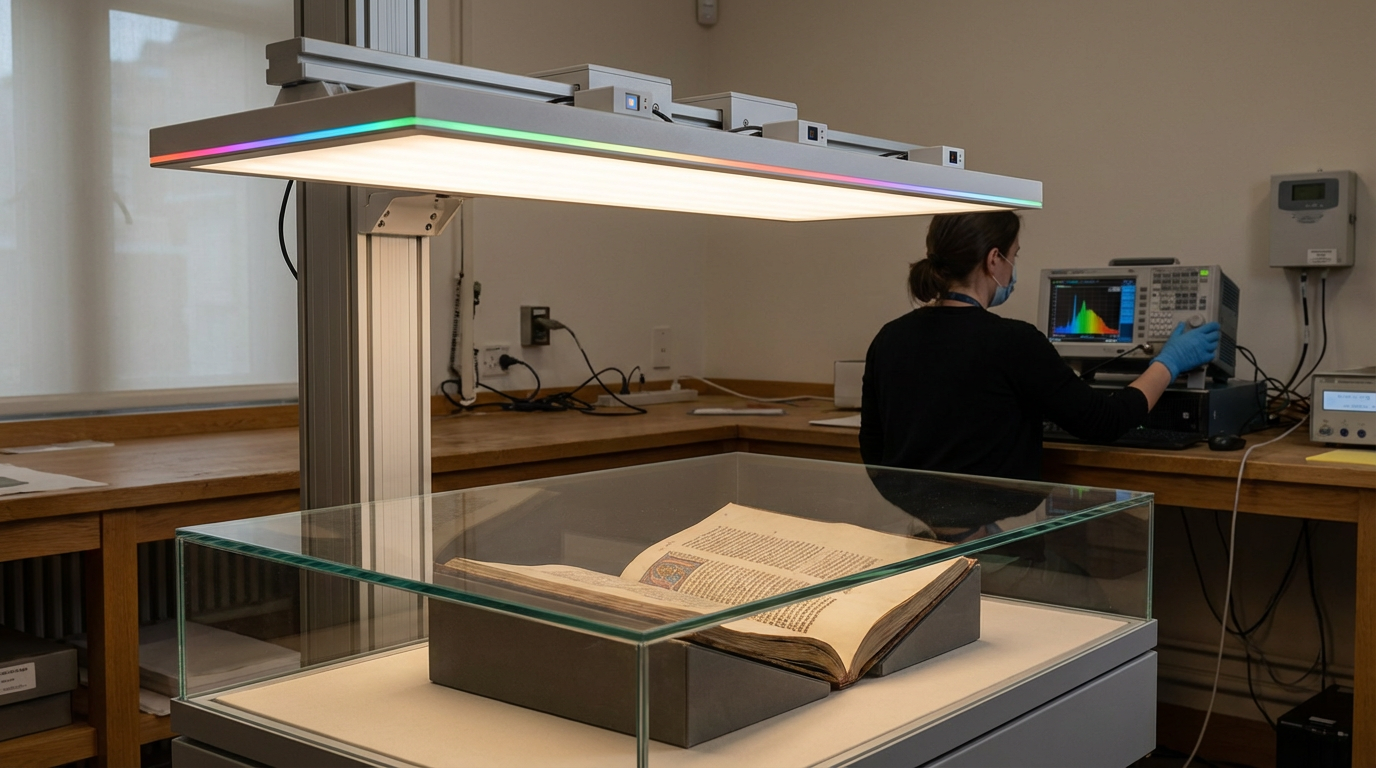
Spectrally controlled lighting that minimizes material degradation while preserving viewing quality.
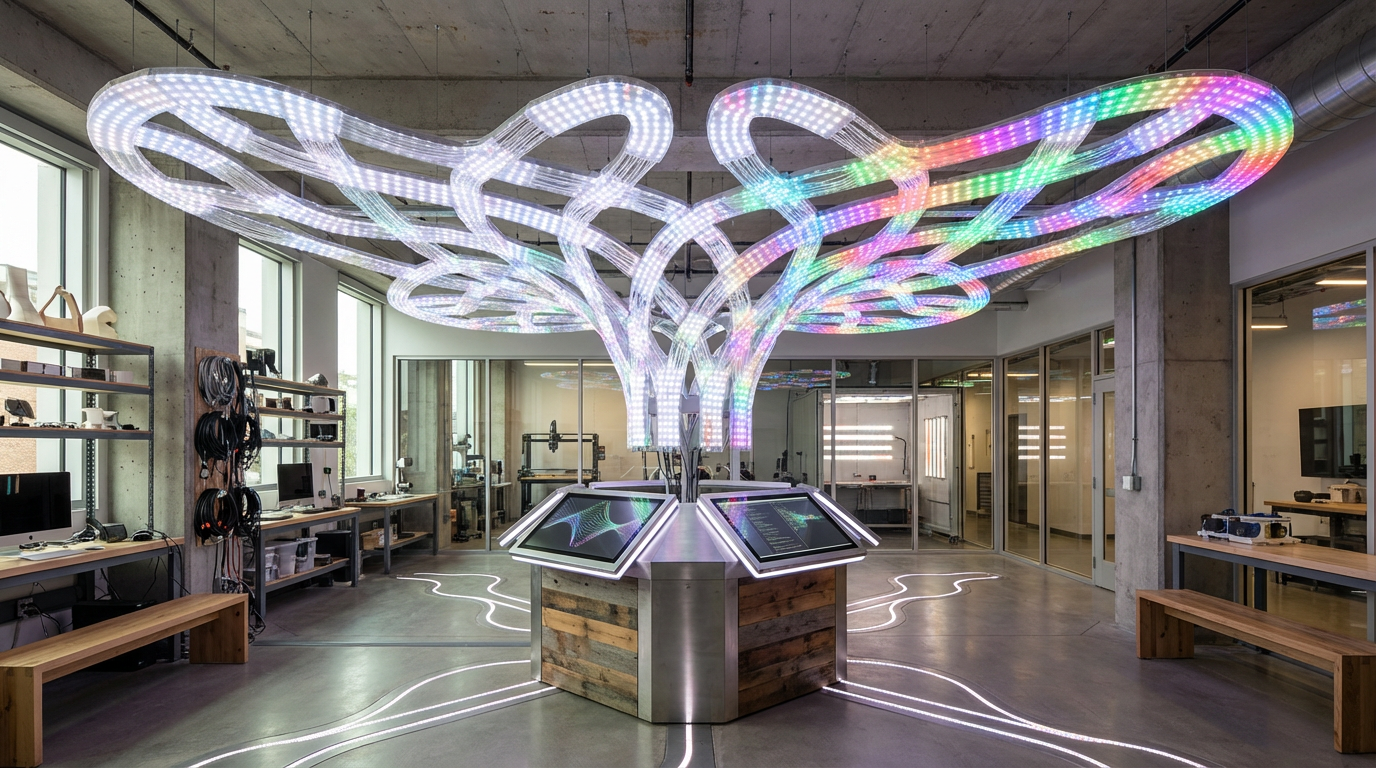
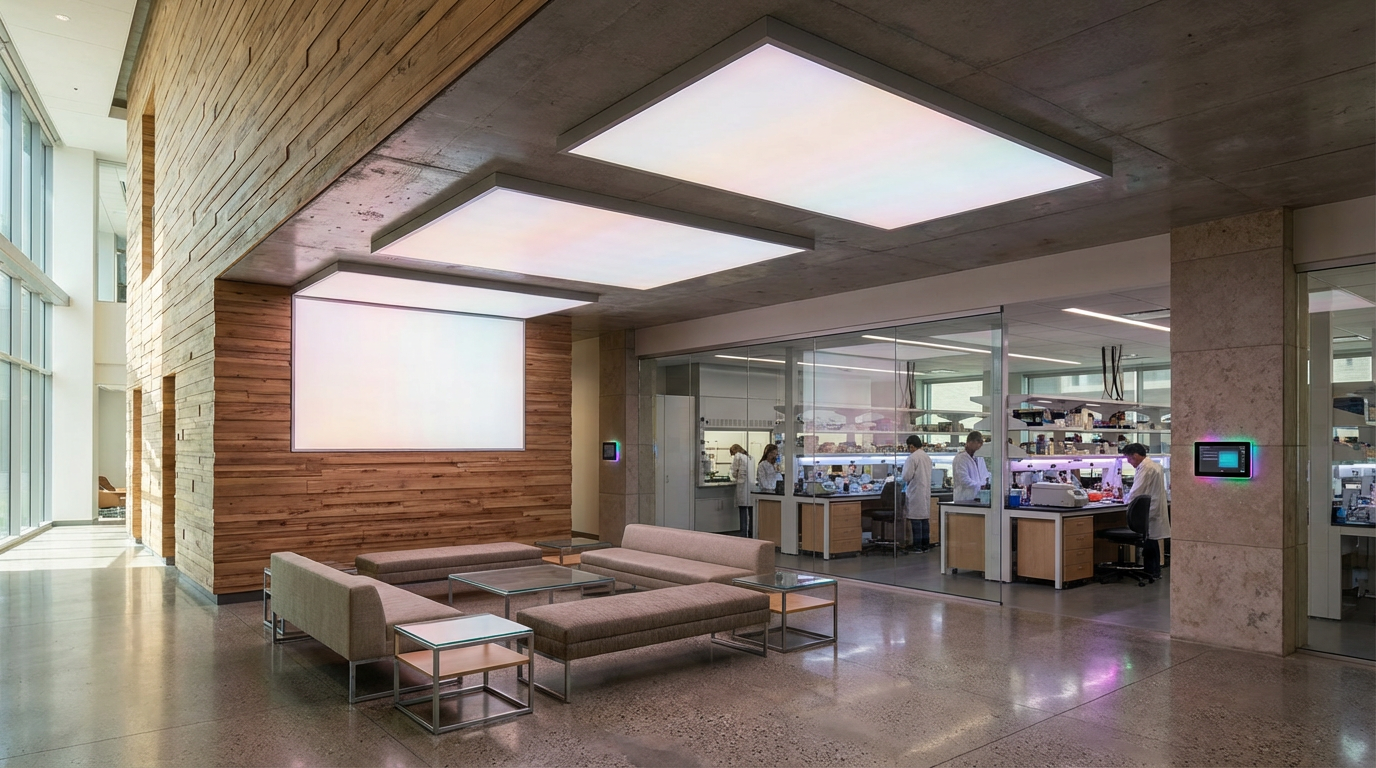
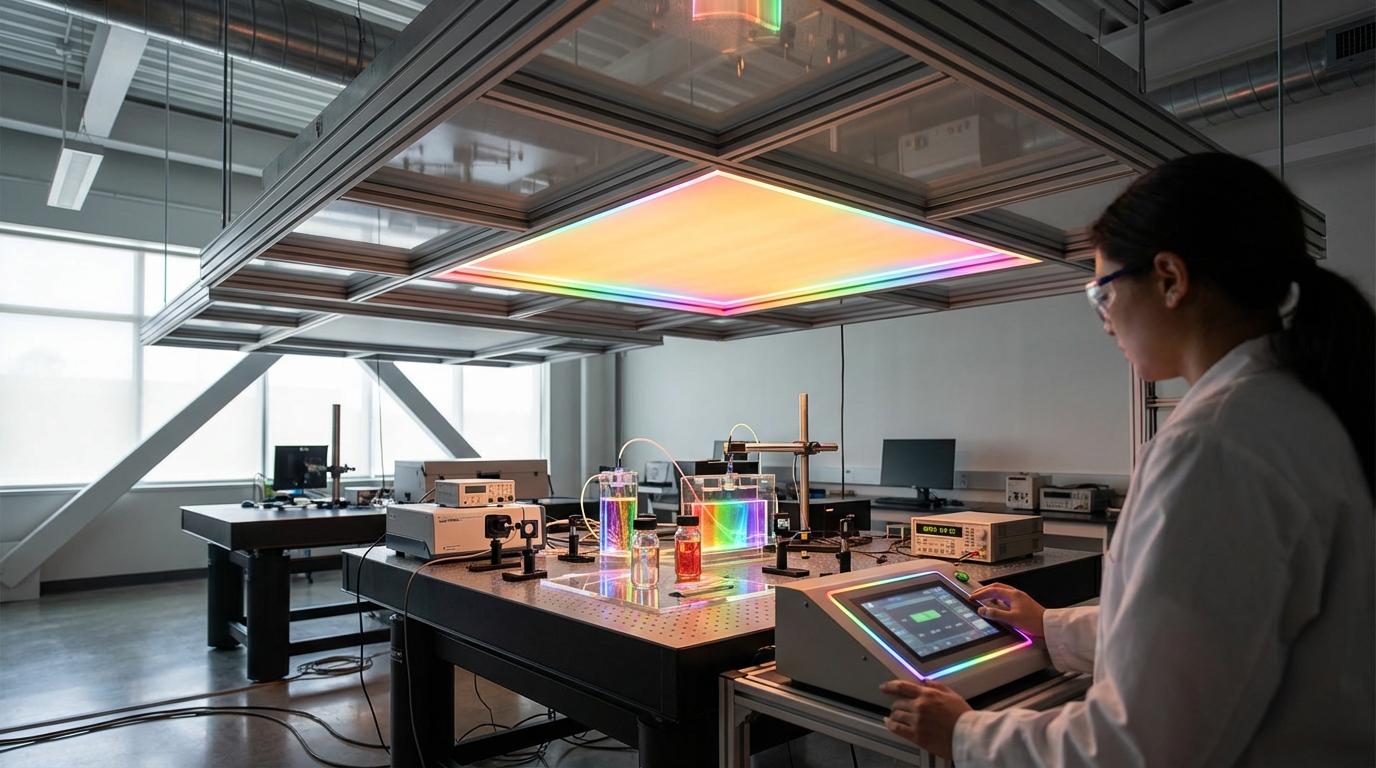
Large-area diffuse light sources enabling ultra-thin, low-glare architectural illumination.
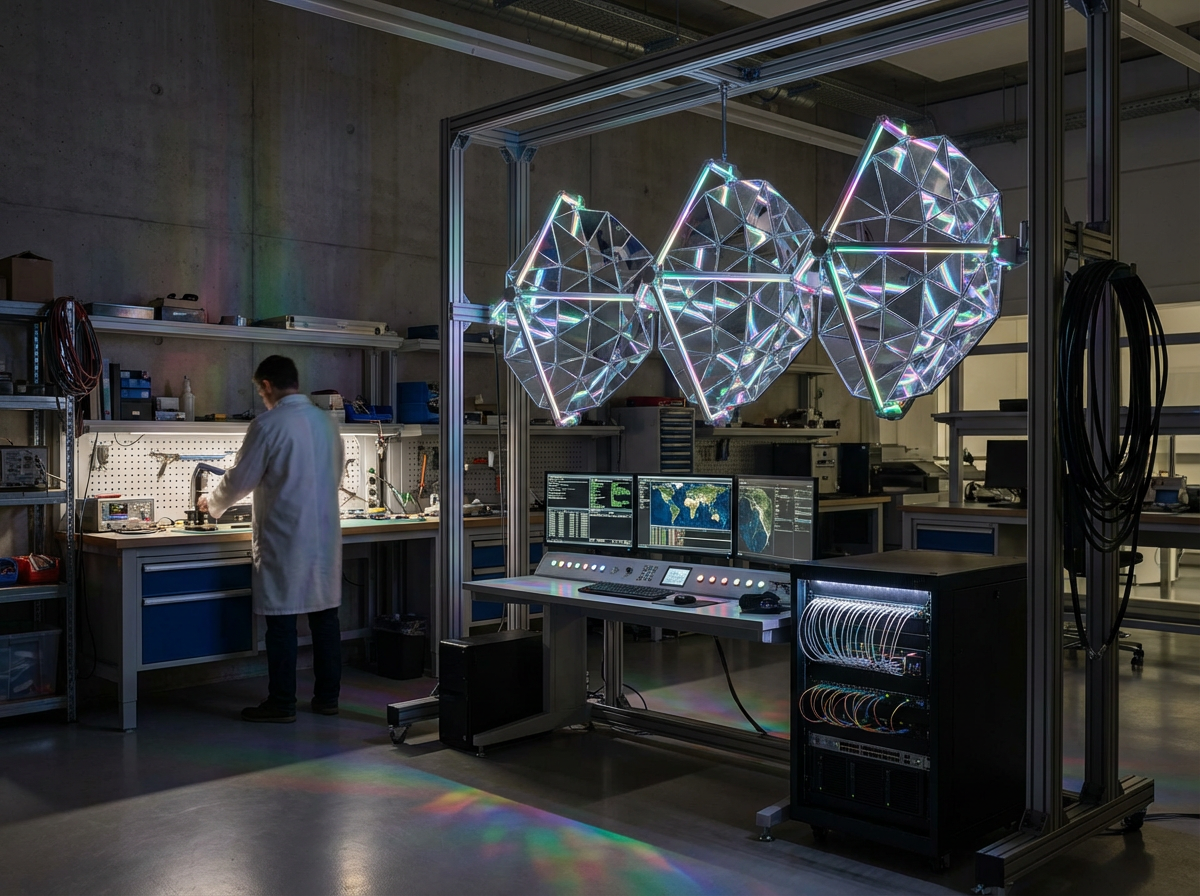
Satellites equipped with steerable mirrors to reflect sunlight onto specific terrestrial regions at night.
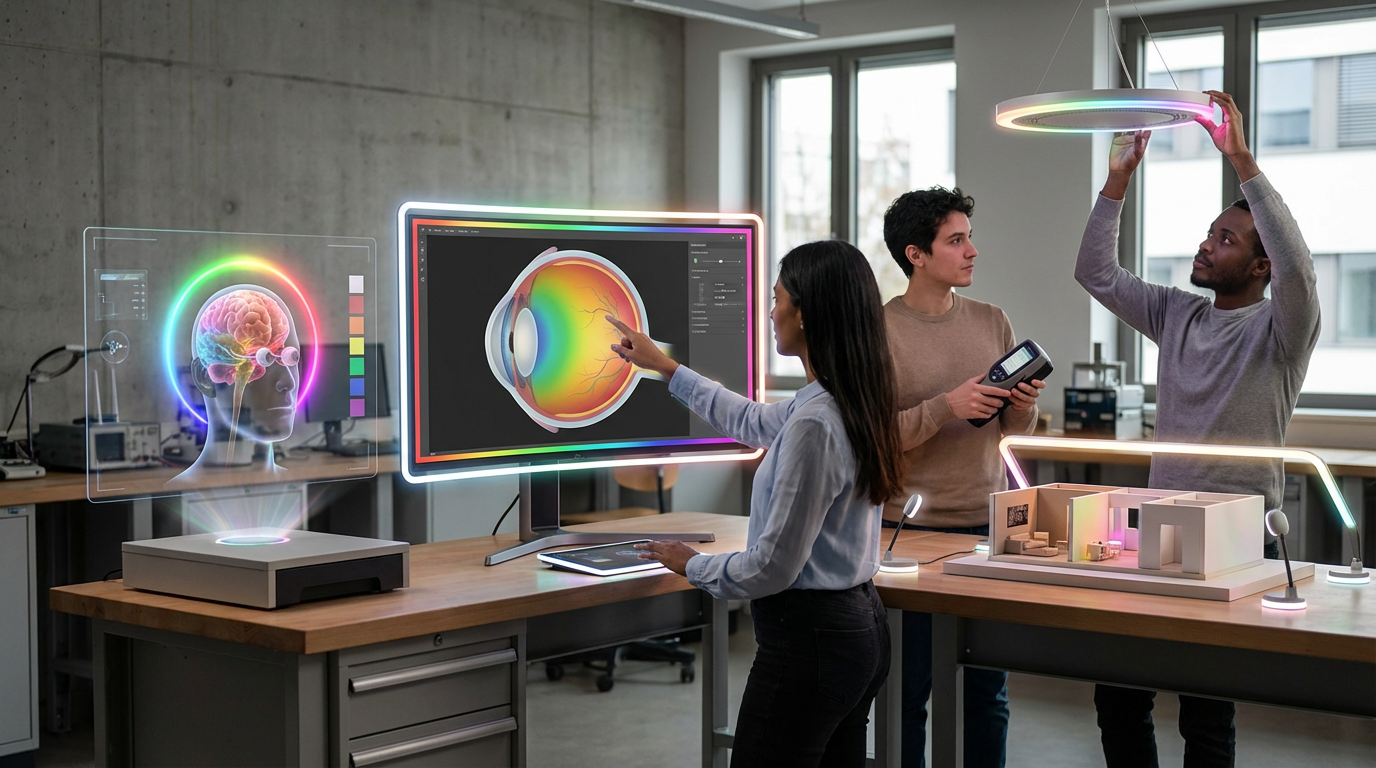
Software simulating how different populations perceive light under varying physiological and cultural conditions.
Next-generation solution-processable emitters with exceptional color purity and tunability.
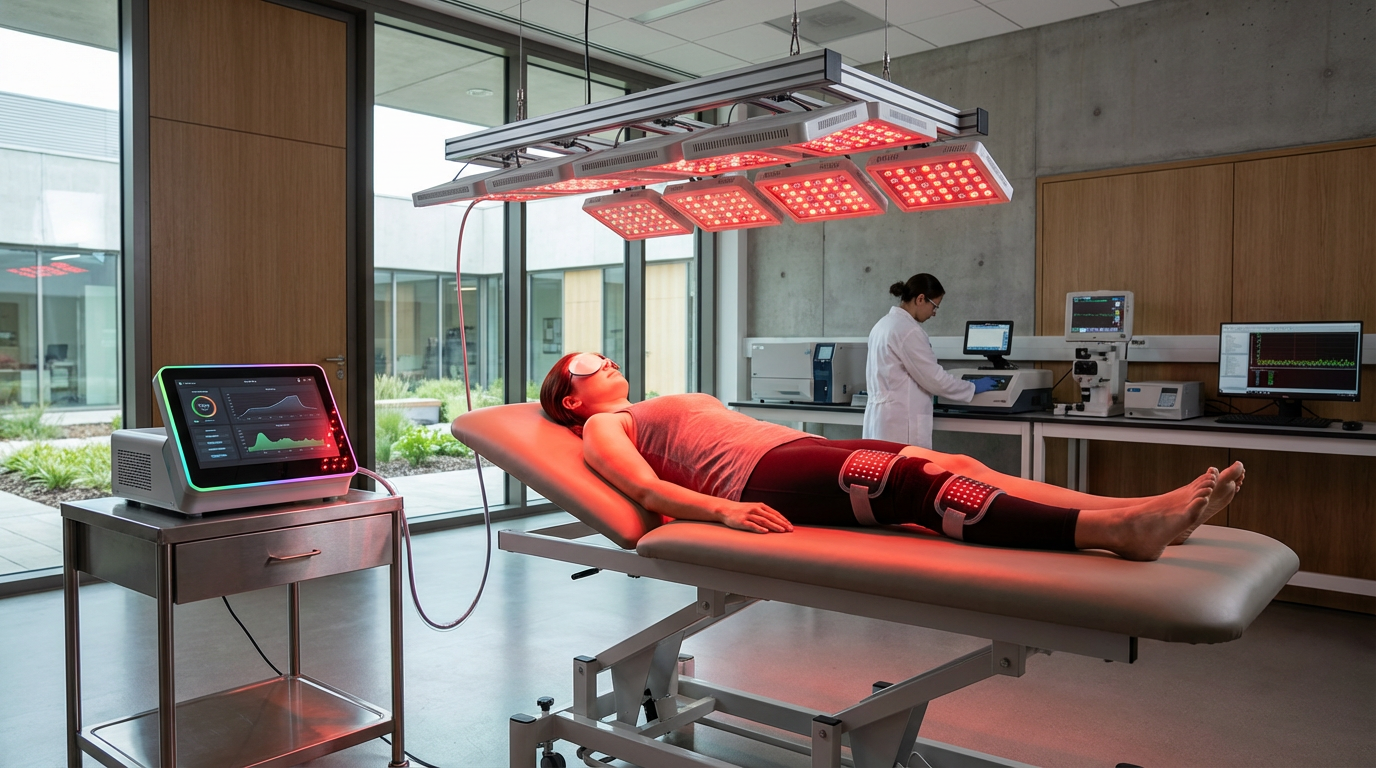
Therapeutic use of red and near‑infrared light for healing, pain reduction, and recovery.
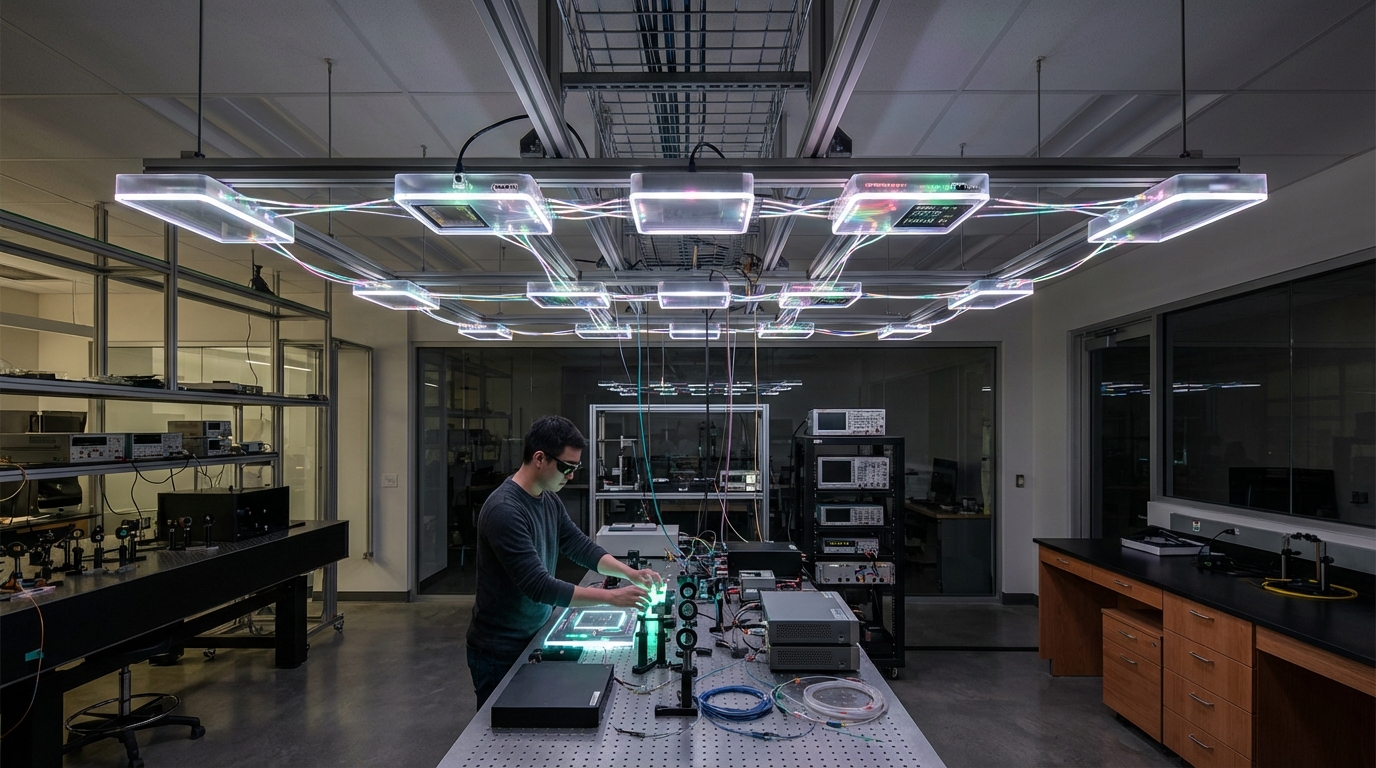
Light-based chips for sensing, communication, and computation embedded into lighting systems.
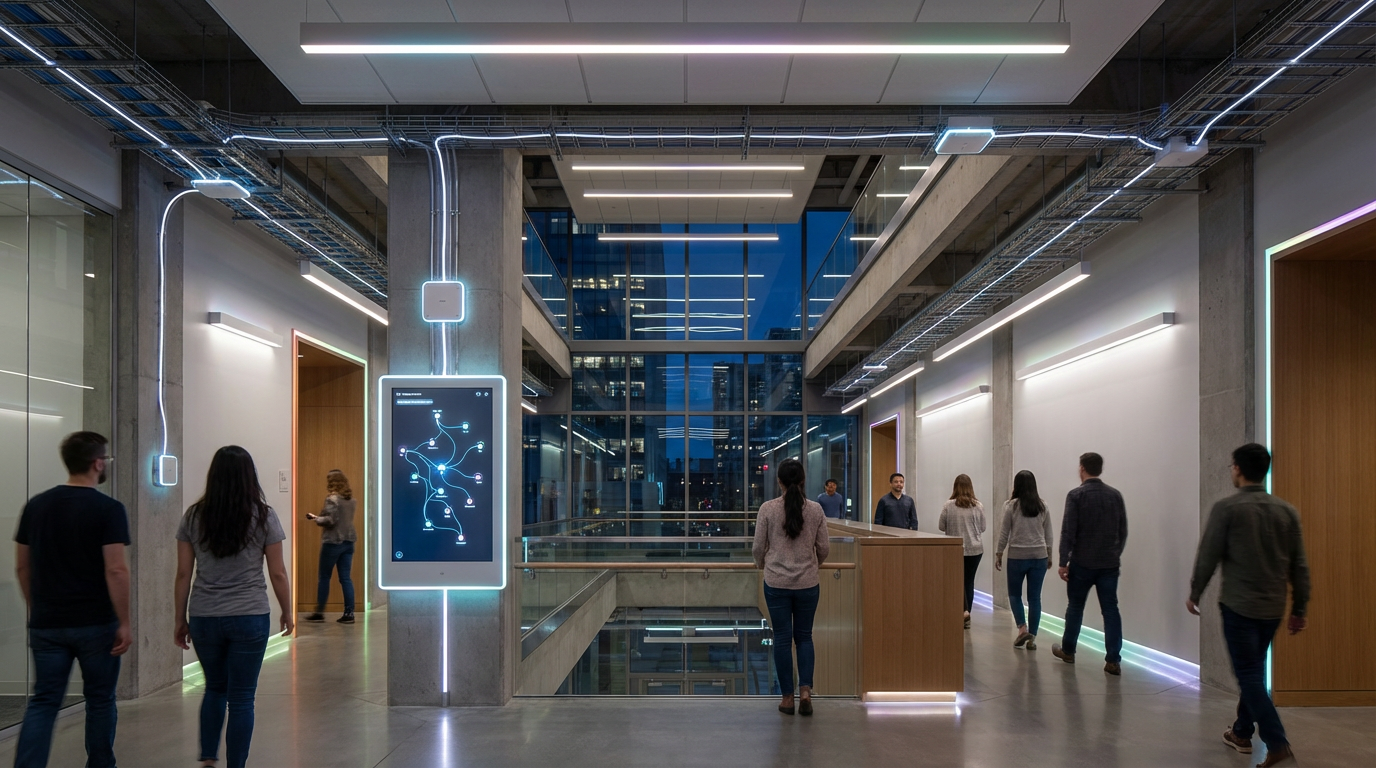
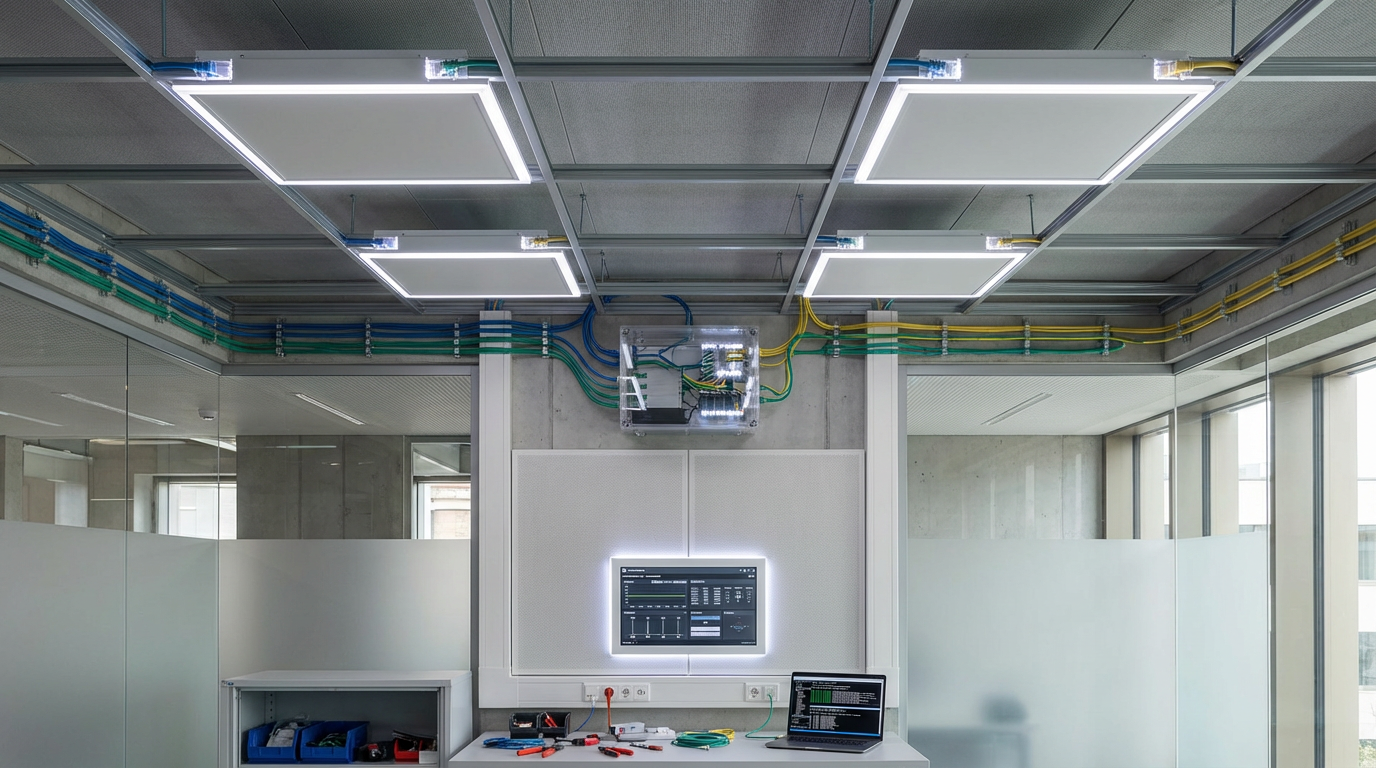
DC-powered, network-native lighting infrastructure enabling fine-grained control and sensing.
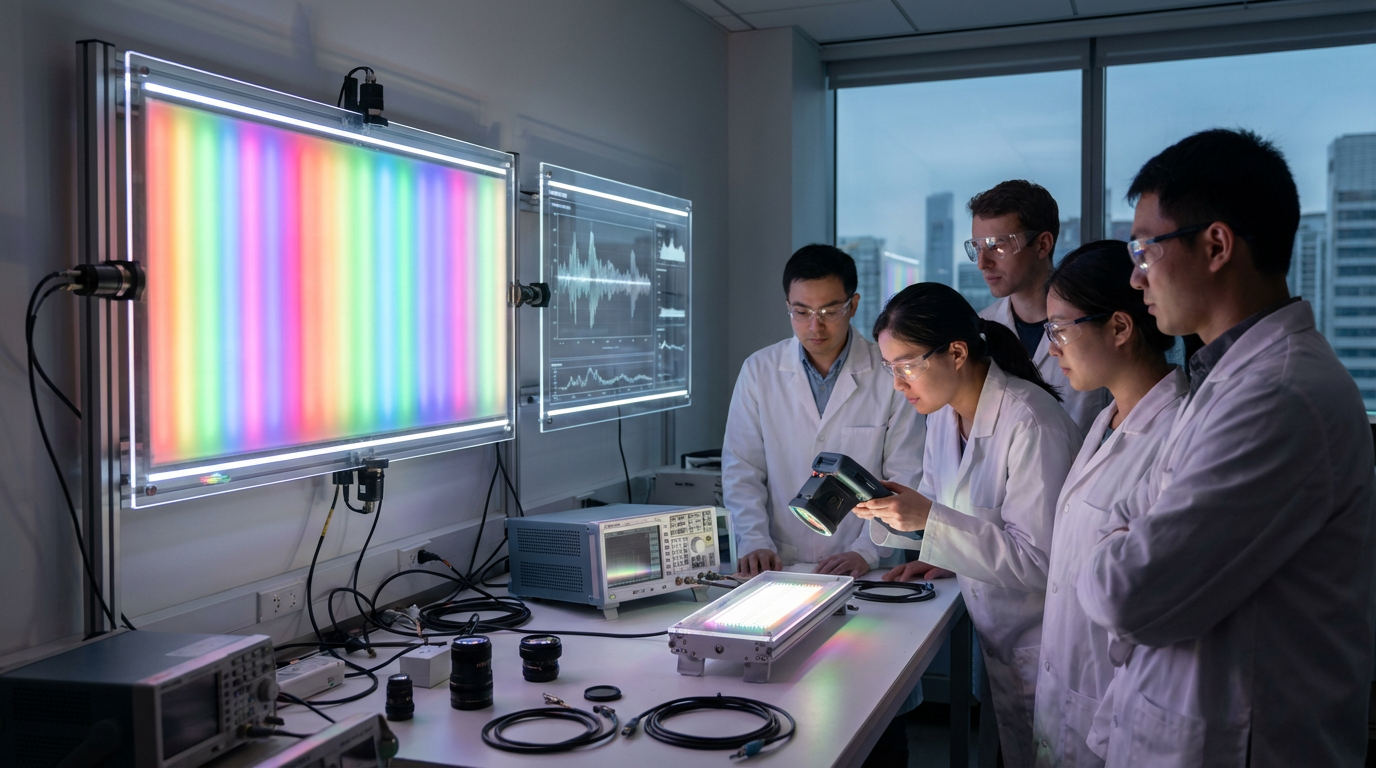
Narrowband spectral engineering for high-CRI, high-gamut, tunable illumination.
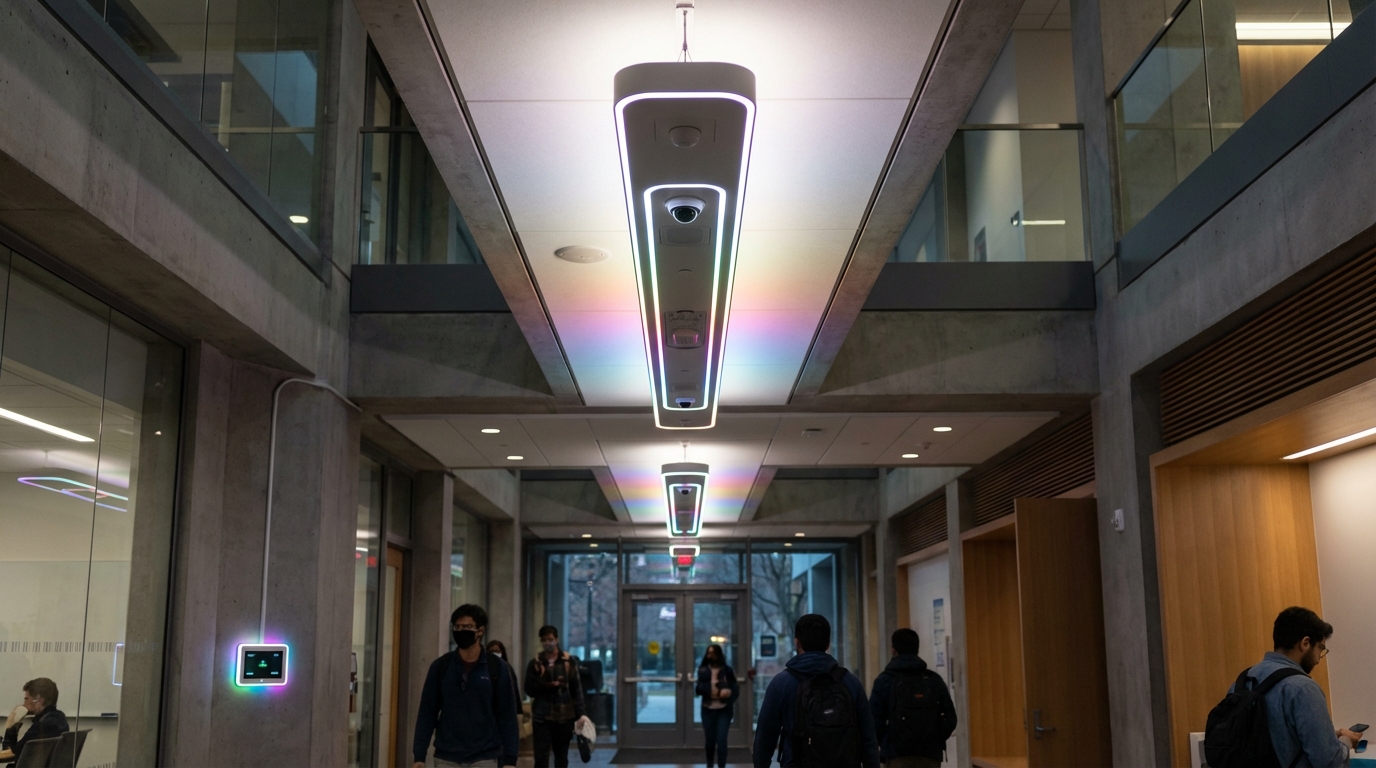
Embedded sensors and data capture hidden inside public illumination systems.
Tools to detect and reduce flicker, stroboscopic effects, and temporal instability in LEDs.
Hardware capable of dynamically shifting wavelength to influence circadian rhythms and perception.
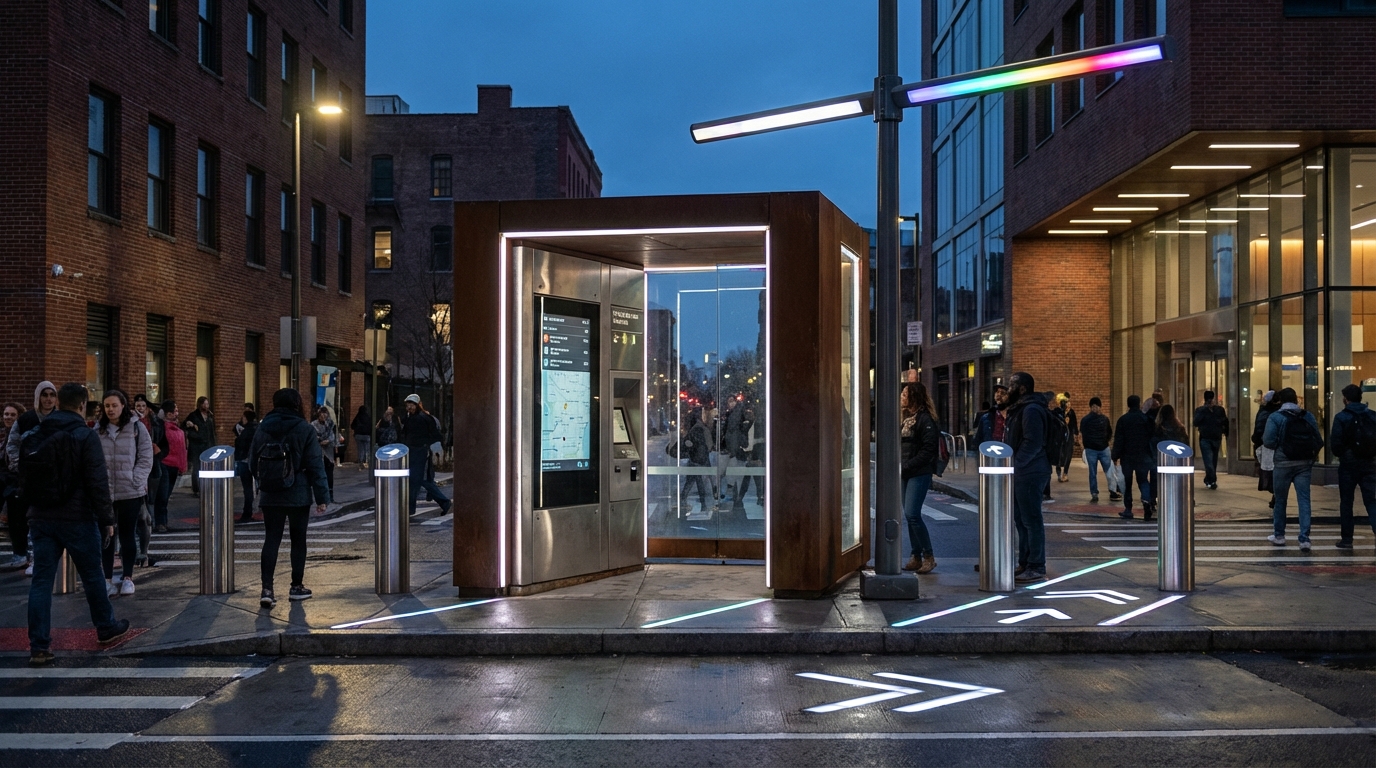
Light used as infrastructure for navigation, alerts, and behavioral nudging in cities.
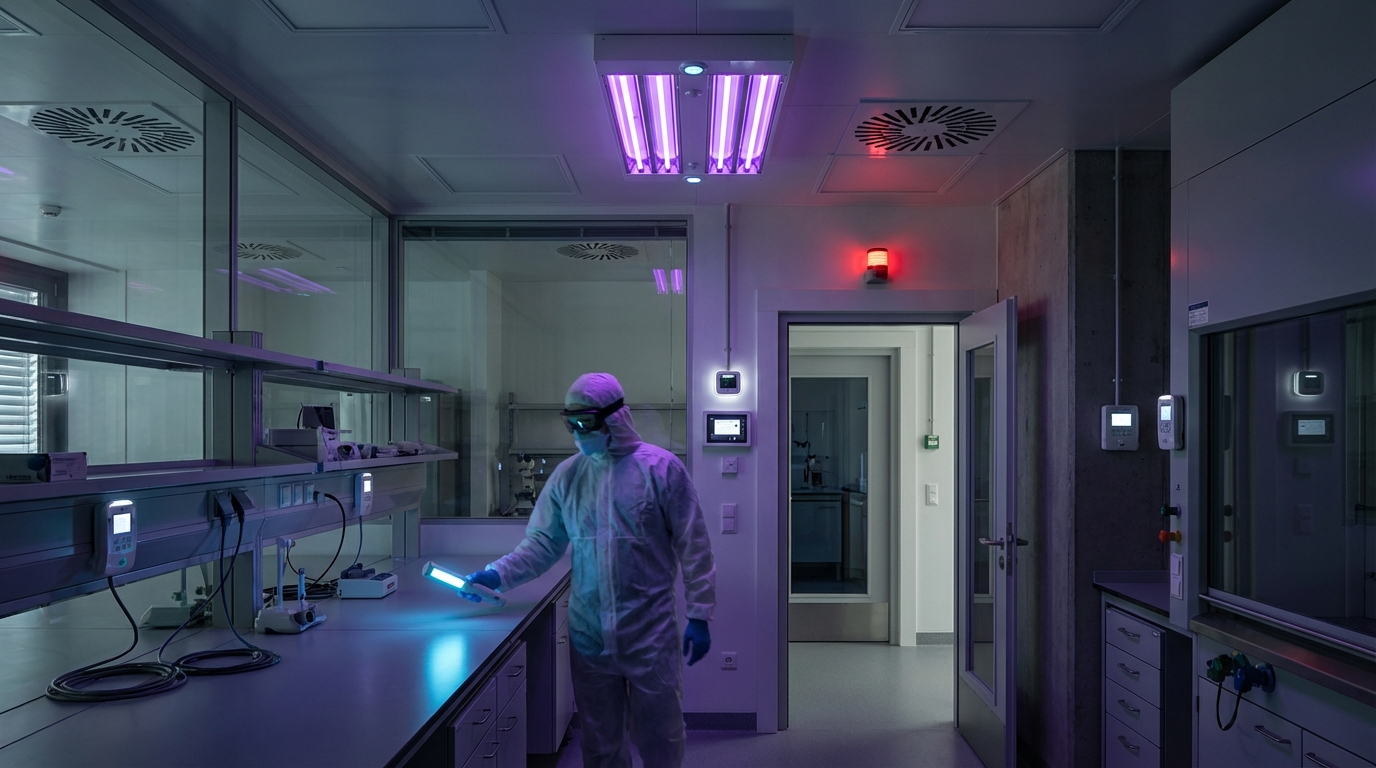
Exposure limits, interlocks, and validation needed to deploy germicidal lighting responsibly.
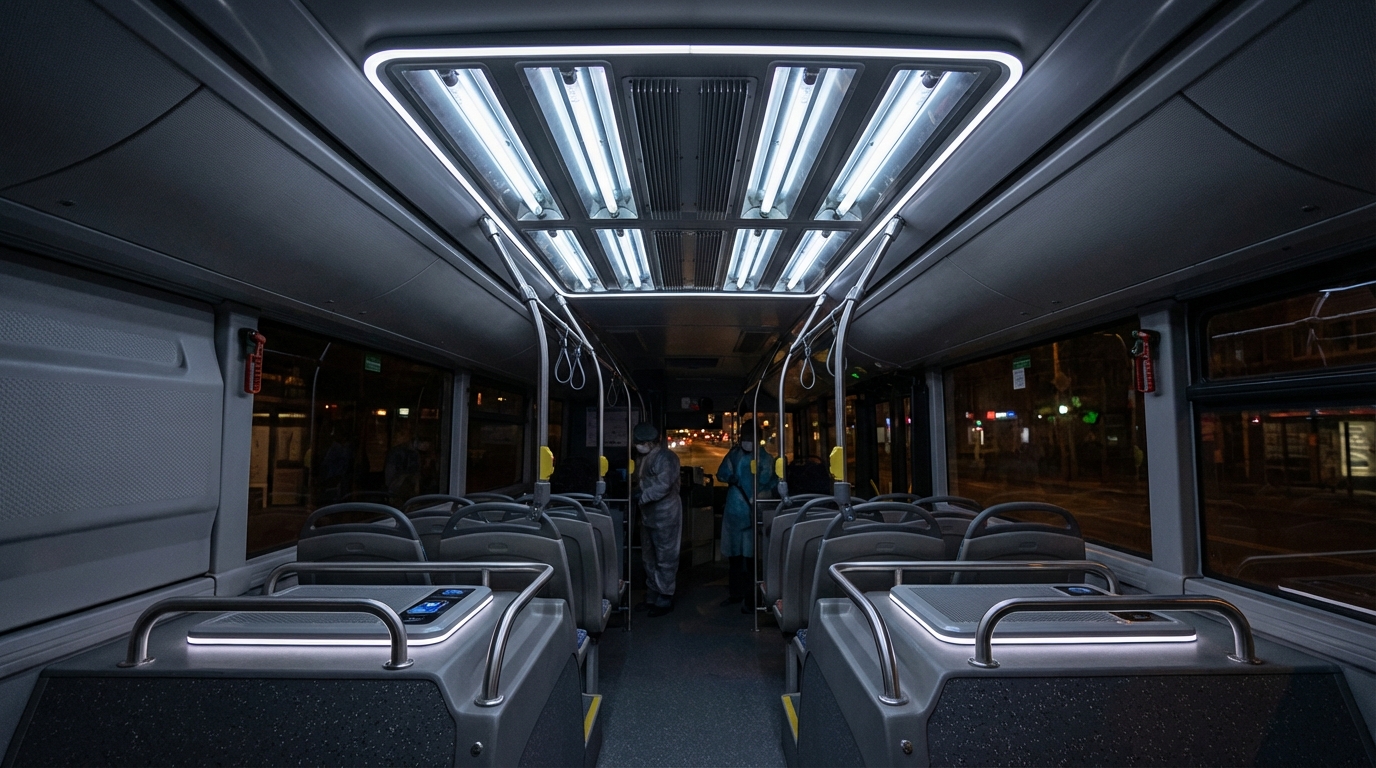
Disinfection lighting for air and surfaces in healthcare, transit, and high-occupancy settings.
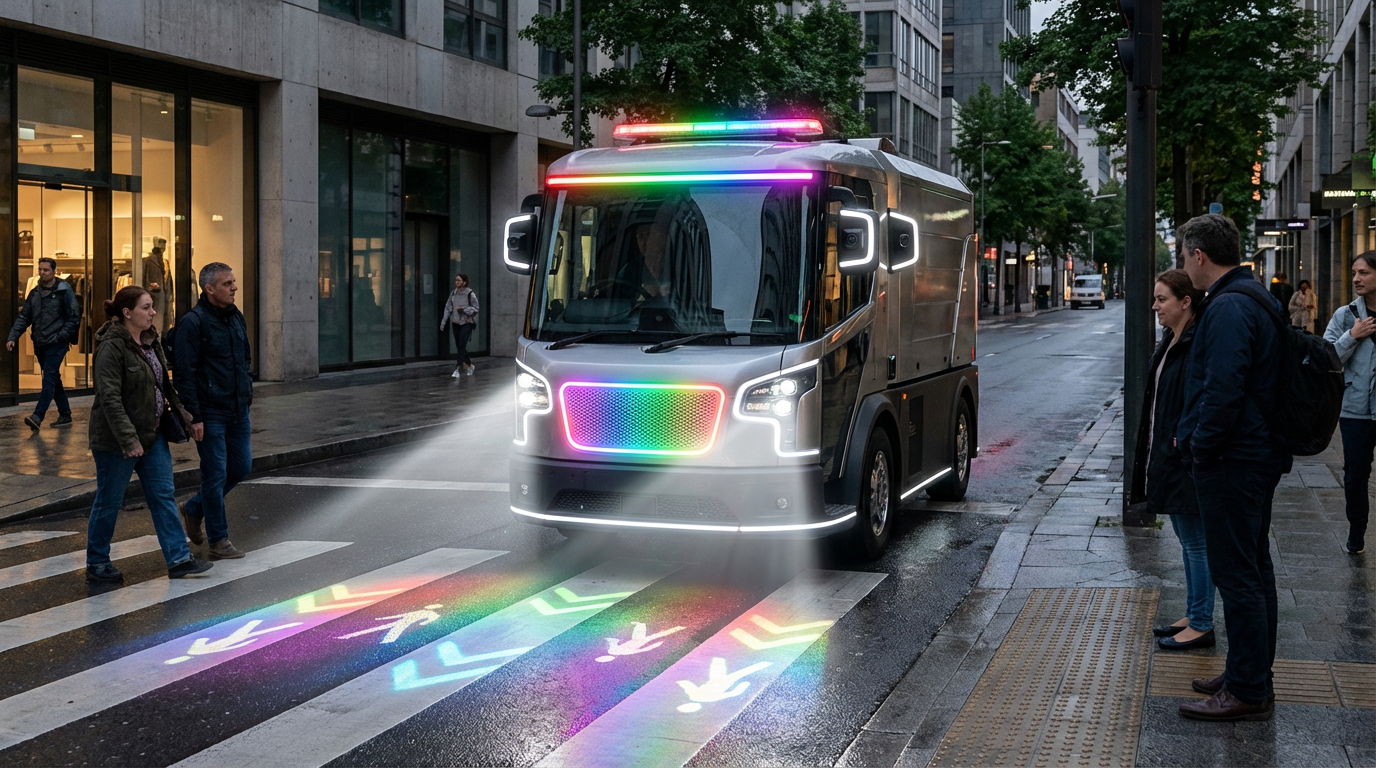
Headlights and external lighting that communicate intent between autonomous systems and humans.
Lighting fixtures that provide both illumination and secure, high-density data links.
Follow us for weekly foresight in your inbox.