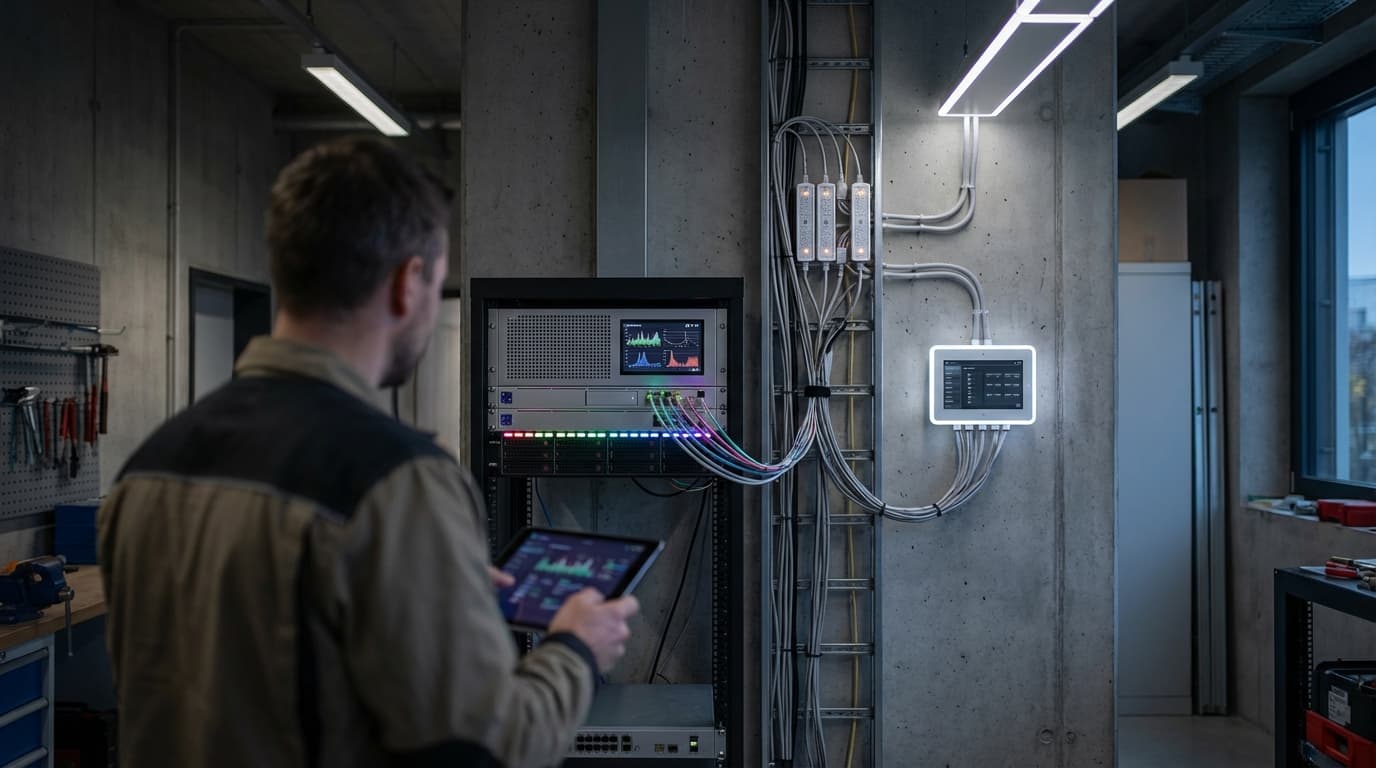
Cybersecurity for Connected Lighting Controls
Connected lighting systems have evolved from simple on-off switches into sophisticated networked infrastructures that communicate over IP networks, integrate with building management systems, and participate in broader Internet of Things ecosystems. This transformation introduces significant cybersecurity challenges that were absent in traditional analog lighting. Modern luminaires and control buses now represent potential entry points for malicious actors seeking to compromise building systems, disrupt operations, or gain lateral access to enterprise networks. The attack surface extends across multiple layers: from individual LED drivers and sensors to wireless mesh networks, cloud-based management platforms, and integration points with HVAC, access control, and other building systems. Threat vectors include unauthorized manipulation of lighting scenes to cause disruption or distraction during physical intrusions, exploitation of poorly secured devices as pivot points for broader network attacks, denial-of-service attacks that disable critical lighting in tunnels or emergency exits, and data exfiltration through compromised sensors that may capture occupancy patterns or visual information.
The cybersecurity framework for connected lighting addresses these vulnerabilities through multiple defensive layers tailored to the unique constraints of lighting infrastructure. Network segmentation isolates lighting control traffic from critical business systems, limiting the potential for lateral movement if a luminaire is compromised. Authenticated commissioning ensures that only authorized devices and personnel can join the lighting network or modify configurations, preventing rogue devices from being introduced during installation or maintenance. Cryptographically signed firmware updates protect against the installation of malicious code, while role-based access controls enforce least-privilege principles, ensuring that maintenance personnel, facility managers, and automated systems can only perform their designated functions. Continuous monitoring solutions track anomalous behavior such as unexpected configuration changes, unusual network traffic patterns, or attempts to access restricted functions, enabling rapid detection and response to potential security incidents.
Municipal streetlight networks and critical infrastructure lighting represent particularly high-value targets where security failures could have cascading consequences beyond simple inconvenience. Early deployments of smart streetlights have revealed vulnerabilities ranging from default credentials on control systems to unencrypted wireless communications, prompting cities and standards bodies to develop more rigorous security requirements. Industry frameworks now emphasize security-by-design principles, requiring manufacturers to implement hardware-based root-of-trust mechanisms, secure boot processes, and regular security patches throughout the product lifecycle. As lighting systems become increasingly integrated with video surveillance, environmental sensors, and emergency communication networks, the imperative for robust cybersecurity grows stronger. The convergence of operational technology and information technology in lighting infrastructure demands that security considerations move from afterthought to foundational requirement, ensuring that the benefits of connected lighting do not come at the cost of creating new vulnerabilities in the built environment.
Related Organizations

The global industry organization for DALI lighting control, managing the DALI-2 and D4i standards which enable interoperability and data exchange.

Organization behind the 'Matter' standard for smart home interoperability.

Offers the AWS Truepower suite, a leading platform for renewable energy project design and operational forecasting.

Armis
United States · Startup
Asset intelligence platform that discovers and secures managed, unmanaged, and IoT/OT devices.

IoT platform for commercial buildings (acquired by Siemens) with sensors for light, heat, and occupancy.

Leader in lighting control, owner of Ketra which produces natural light simulation.

Offers IoT security solutions that prevent cyber attacks on smart building infrastructures, including connected lighting.

Provides testing and certification services for cyber security in industrial and consumer lighting products (IEC 62443).

A global standard for IoT security that certifies smart lighting products against a set of security principles.

Provides key management and security lifecycle services for IoT device manufacturers, including lighting vendors.