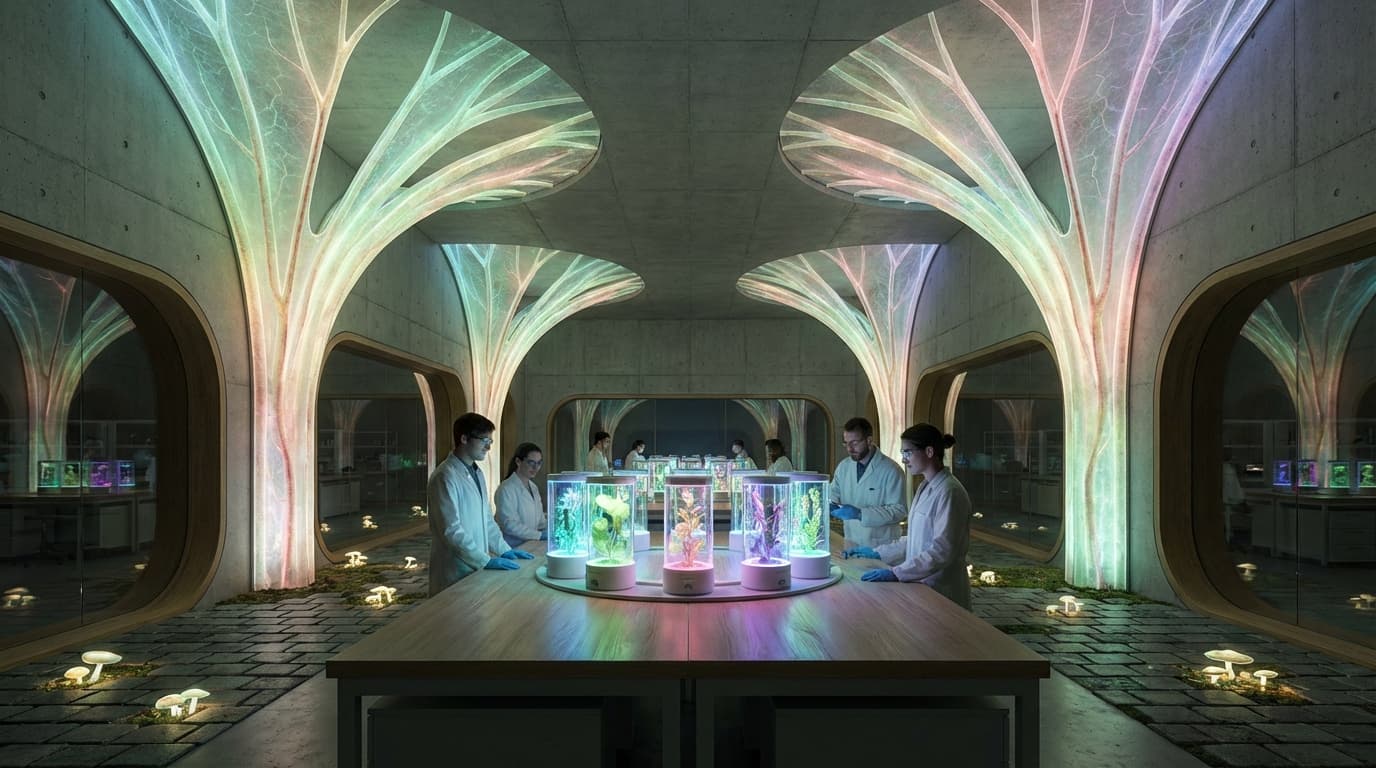
Bioluminescent Infrastructure
Bioluminescent infrastructure represents an emerging frontier in sustainable urban lighting, where genetically engineered organisms produce their own light through natural biochemical processes. At its foundation, this technology harnesses the same mechanisms that allow fireflies, certain deep-sea creatures, and specific fungi to emit light—a chemical reaction involving the enzyme luciferase and the substrate luciferin. Researchers have successfully transferred bioluminescent genes from marine bacteria and fungi into plants like tobacco and ornamental flowers, creating organisms that glow continuously without external power input. The process typically involves inserting DNA sequences responsible for light production into the host organism's genome, where they integrate into the plant's or microbe's metabolic pathways. Current implementations produce a soft, greenish or bluish glow visible in low-light conditions, though the intensity remains considerably lower than conventional LED streetlights. Scientists are exploring various approaches, from coating surfaces with bioluminescent bacteria suspended in protective gels to cultivating entire trees engineered to illuminate pathways and public spaces.
The primary challenge this technology addresses is the substantial energy consumption and environmental impact of conventional urban lighting systems, which account for a significant portion of municipal electricity use and contribute to light pollution that disrupts ecosystems and human circadian rhythms. Traditional street lighting requires extensive electrical infrastructure, ongoing maintenance, and generates heat as a byproduct of energy conversion. Bioluminescent infrastructure offers a fundamentally different paradigm—one where lighting becomes a living system that sustains itself through photosynthesis or nutrient absorption, requiring no electrical grid connection and producing zero operational carbon emissions. This approach also tackles the growing concern over light pollution, as biological light sources emit at lower intensities and specific wavelengths that may be less disruptive to nocturnal wildlife and human sleep patterns. Furthermore, living light systems could potentially self-repair and propagate, reducing the maintenance burden that plagues conventional lighting networks in remote or resource-constrained areas.
Early pilot projects have demonstrated the concept's viability in controlled environments, with bioluminescent plants illuminating laboratory spaces and small outdoor installations in research campuses. Some experimental deployments have explored using engineered bacteria in transparent panels along pedestrian walkways, while botanical gardens have showcased glowing plants as proof-of-concept demonstrations. However, significant technical hurdles remain before widespread adoption becomes feasible, including improving light output intensity, ensuring organism survival in varied climatic conditions, and addressing regulatory frameworks around releasing genetically modified organisms into public spaces. The technology aligns with broader trends toward biomimicry and nature-based solutions in urban design, where cities increasingly seek to integrate living systems that provide services while enhancing biodiversity and ecological connectivity. As synthetic biology tools become more sophisticated and public acceptance of engineered organisms evolves, bioluminescent infrastructure could transition from experimental curiosity to practical supplement for conventional lighting in parks, campuses, and low-traffic areas where ambient illumination suffices, ultimately contributing to more sustainable and ecologically harmonious urban environments.
Related Organizations

A French startup developing bioluminescent raw materials (using marine bacteria) for urban lighting, signage, and relaxation spaces.

Pioneers in 'Plant Nanobionics', successfully creating watercress plants that emit light by embedding nanoparticles into leaves.

Creates genetically modified bioluminescent plants (e.g., Firefly Petunia) using fungal bioluminescence pathways.

Develops biodegradable, non-toxic bioluminescent lighting alternatives (like eco-friendly glow sticks) using cell-free enzymes.

A horizontal platform for cell programming that enables other companies to develop precision fermentation strains.

Researchers here have worked on 'Biohybrid' lighting, merging bioluminescence with other materials.

A major supplier of luciferase assays and reagents, the fundamental chemistry used in bioluminescence research.

Conducts extensive research on bioluminescent bacteria (Vibrio fischeri) and their symbiotic relationships.

Develops mycelium-based materials for interior design and is researching 'smart' fungal materials that respond to the environment.