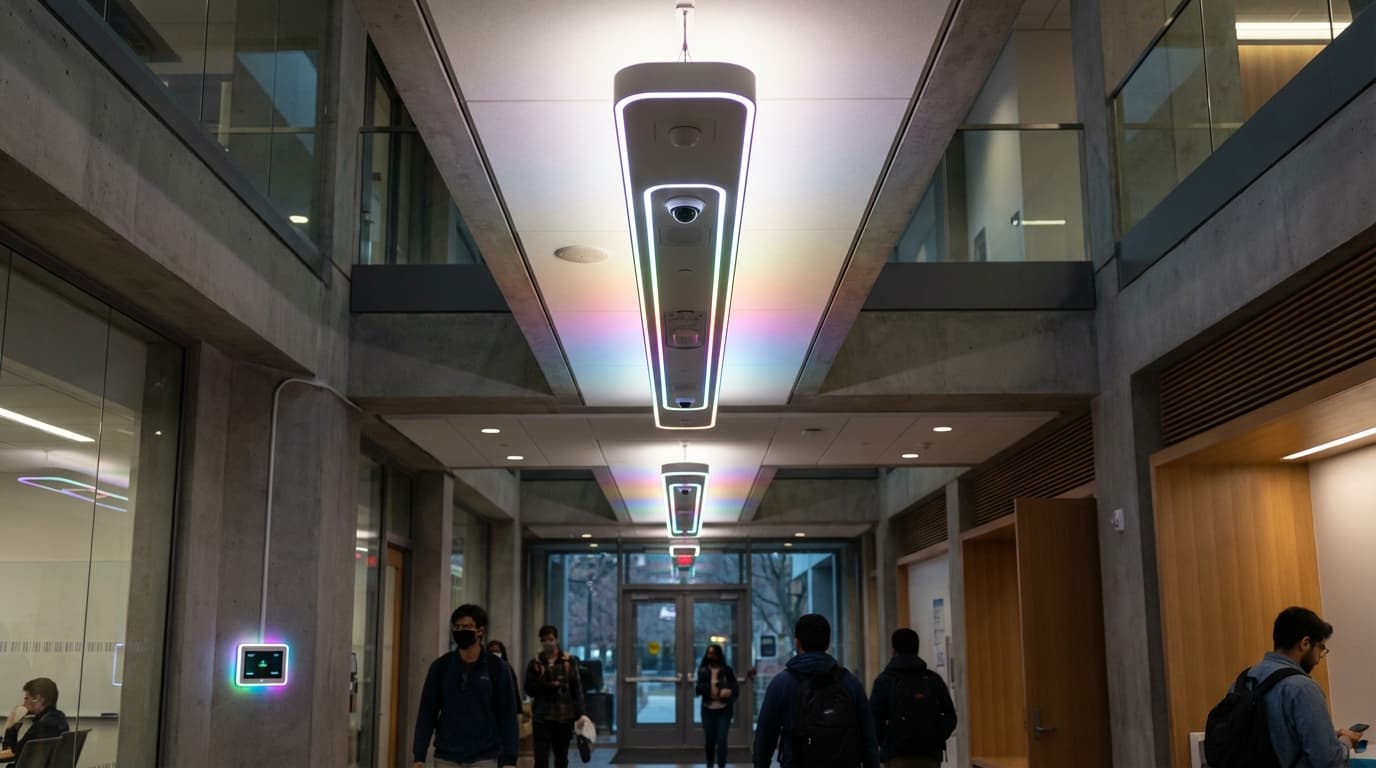
Surveillance via Lighting Infrastructure
The integration of surveillance capabilities into public lighting infrastructure represents a convergence of two traditionally separate urban systems: illumination and security monitoring. Modern smart streetlights increasingly incorporate advanced sensors, high-resolution cameras, microphones, environmental monitors, and wireless communication modules within their housings. These devices leverage the ubiquitous distribution of streetlights throughout urban environments, transforming what was once purely functional infrastructure into a networked data collection system. The technical architecture typically involves edge computing capabilities that process data locally before transmitting selected information to central management systems, while power-over-Ethernet or dedicated power supplies support the additional energy demands of surveillance equipment. This dual-purpose infrastructure operates continuously, capturing visual, audio, and environmental data across entire city blocks with minimal additional physical footprint beyond existing lighting poles.
Municipal governments and urban planners have embraced this technology as a solution to multiple challenges facing modern cities. Traditional surveillance systems require dedicated infrastructure, significant installation costs, and ongoing maintenance of separate pole networks. By embedding sensors within lighting infrastructure, cities can monitor traffic patterns, detect gunshots, measure air quality, identify parking availability, and respond to public safety incidents without deploying standalone surveillance systems. This approach addresses budget constraints while promising improved emergency response times and enhanced urban management capabilities. The technology also enables dynamic lighting adjustments based on pedestrian presence, potentially reducing energy consumption while maintaining safety. However, this efficiency comes with significant trade-offs regarding civil liberties and data governance. The persistent collection of biometric data, movement patterns, and audio recordings in public spaces raises fundamental questions about the balance between security and privacy, particularly when data retention policies remain unclear and oversight mechanisms are underdeveloped.
Several major cities have already deployed lighting-based surveillance networks, though public awareness and acceptance vary considerably. Some municipalities have faced significant community pushback, leading to moratoriums or removal of certain sensor capabilities, particularly audio recording features. The technology's future trajectory will likely depend on the establishment of robust regulatory frameworks that address data ownership, retention limits, access controls, and transparency requirements. Industry observers note growing tension between the operational benefits of integrated urban sensing and the erosion of anonymous movement through public spaces. As facial recognition capabilities improve and data analytics become more sophisticated, the potential for this infrastructure to enable mass surveillance increases substantially. The challenge facing cities is developing governance models that preserve the legitimate benefits of smart lighting systems while preventing the normalisation of pervasive monitoring that could fundamentally alter the nature of public space and civic life.
Related Organizations

Worldwide leader in outdoor lighting solutions with a strong focus on smart city applications.

Offers smart city platforms that plug into existing streetlights to monitor traffic, air quality, and safety.

Deployed thousands of smart streetlights with cameras, sparking significant public debate regarding privacy and surveillance policies.

Manufactures wind-and-solar-powered smart lamp posts that house edge-computing surveillance cameras and sensors.

Network camera manufacturer that integrates deep learning processing units (DLPU) directly into cameras for edge analytics.

Unified security platform blending IP security, video surveillance, and access control.

Provider of connected street lighting and smart city data applications.

A global leader in IoT and smart metering solutions, providing the hardware and software backbone for AMI deployments worldwide.

Multinational telecommunications, information technology, and consumer electronics company.

Nonprofit legal organization defending civil rights.