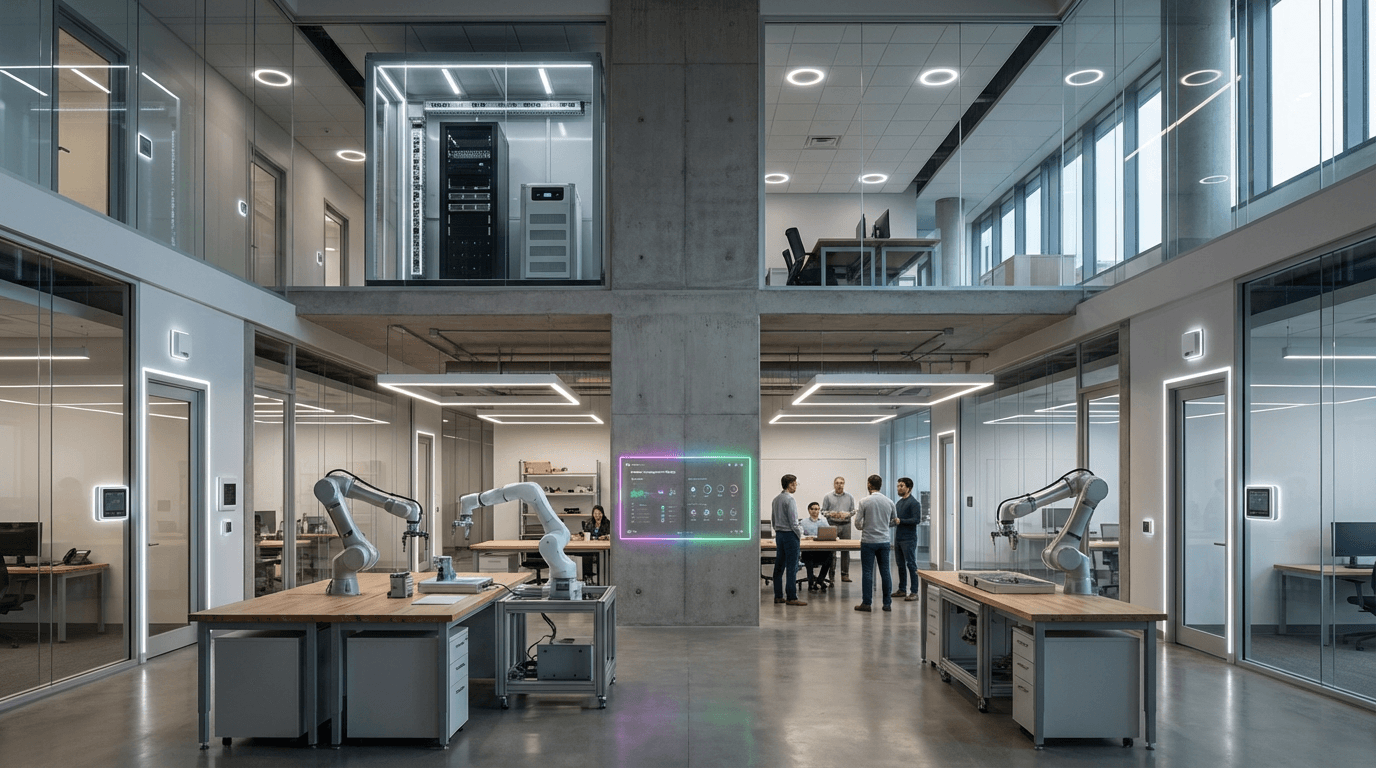
Energy-adaptive Control Systems
Energy-adaptive control systems represent a sophisticated convergence of artificial intelligence, sensor networks, and lighting infrastructure designed to revolutionize how buildings consume electrical power for illumination. These systems employ machine learning algorithms that continuously process streams of data from multiple sources—occupancy sensors tracking human presence and movement patterns, photosensors measuring natural daylight penetration, weather forecasting APIs, and real-time energy grid pricing signals. The core technical mechanism involves predictive modeling that learns from historical usage patterns while responding dynamically to current conditions. Rather than operating on fixed schedules or simple motion detection, these systems develop nuanced understandings of space utilization, anticipating when areas will be occupied and pre-adjusting lighting levels accordingly. The algorithms also factor in circadian rhythm considerations, color temperature preferences, and task-specific illumination requirements, creating a multi-dimensional optimization problem that balances energy efficiency with human comfort and productivity.
The commercial building sector faces mounting pressure to reduce energy consumption, with lighting typically accounting for a substantial portion of total electrical load. Traditional lighting controls, even those with basic automation, often operate inefficiently due to their inability to adapt to complex, changing conditions or to respond to economic signals from the power grid. Energy-adaptive systems address these limitations by enabling demand response capabilities—automatically dimming or shifting lighting loads during peak pricing periods or grid stress events without compromising occupant experience. This creates new opportunities for building operators to participate in energy markets, potentially generating revenue through demand response programs while simultaneously reducing operational costs. The technology also supports the integration of renewable energy sources by adjusting consumption patterns to align with solar generation curves or wind availability, effectively using lighting as a flexible load that can help balance intermittent clean energy production.
Early implementations in commercial office buildings and industrial facilities have demonstrated the practical viability of this approach, with pilot programs showing significant reductions in lighting energy use compared to conventional automated systems. Retail environments are exploring these systems to maintain optimal product presentation while minimizing energy waste during low-traffic periods. Educational institutions are deploying energy-adaptive controls to manage the complex scheduling patterns of classrooms, laboratories, and common areas. As building codes increasingly mandate net-zero energy performance and utilities expand time-of-use pricing structures, these intelligent systems are transitioning from innovative experiments to essential infrastructure components. The technology aligns with broader trends toward building automation systems that treat energy as a dynamic resource to be actively managed rather than passively consumed, positioning energy-adaptive lighting controls as a foundational element in the evolution toward truly intelligent, responsive built environments that can adapt to both human needs and environmental imperatives.