UV‑C Germicidal Illumination
UV-C germicidal illumination harnesses ultraviolet light in the 200–280 nanometer wavelength range to disrupt the DNA and RNA of bacteria, viruses, and other microorganisms, rendering them unable to replicate or cause infection. Traditional UV-C systems operate at 254 nanometers, a wavelength that effectively inactivates a broad spectrum of pathogens but poses risks to human skin and eyes with direct exposure. The technology works by installing specialized mercury vapor lamps or, increasingly, solid-state UV-C LEDs in strategic locations—upper-room fixtures that irradiate air above occupied zones, in-duct units within HVAC systems, or mobile robots for terminal room disinfection. Emerging far-UV-C systems, operating around 207–222 nanometers, represent a significant technical advancement because research suggests these shorter wavelengths cannot penetrate the outer layers of human skin or the tear layer of the eye, potentially allowing for continuous disinfection even in occupied spaces. The effectiveness of any UV-C installation depends on precise dosimetry—the product of light intensity and exposure time—as well as line-of-sight access to target surfaces, since UV-C cannot penetrate opaque materials or navigate around obstacles.
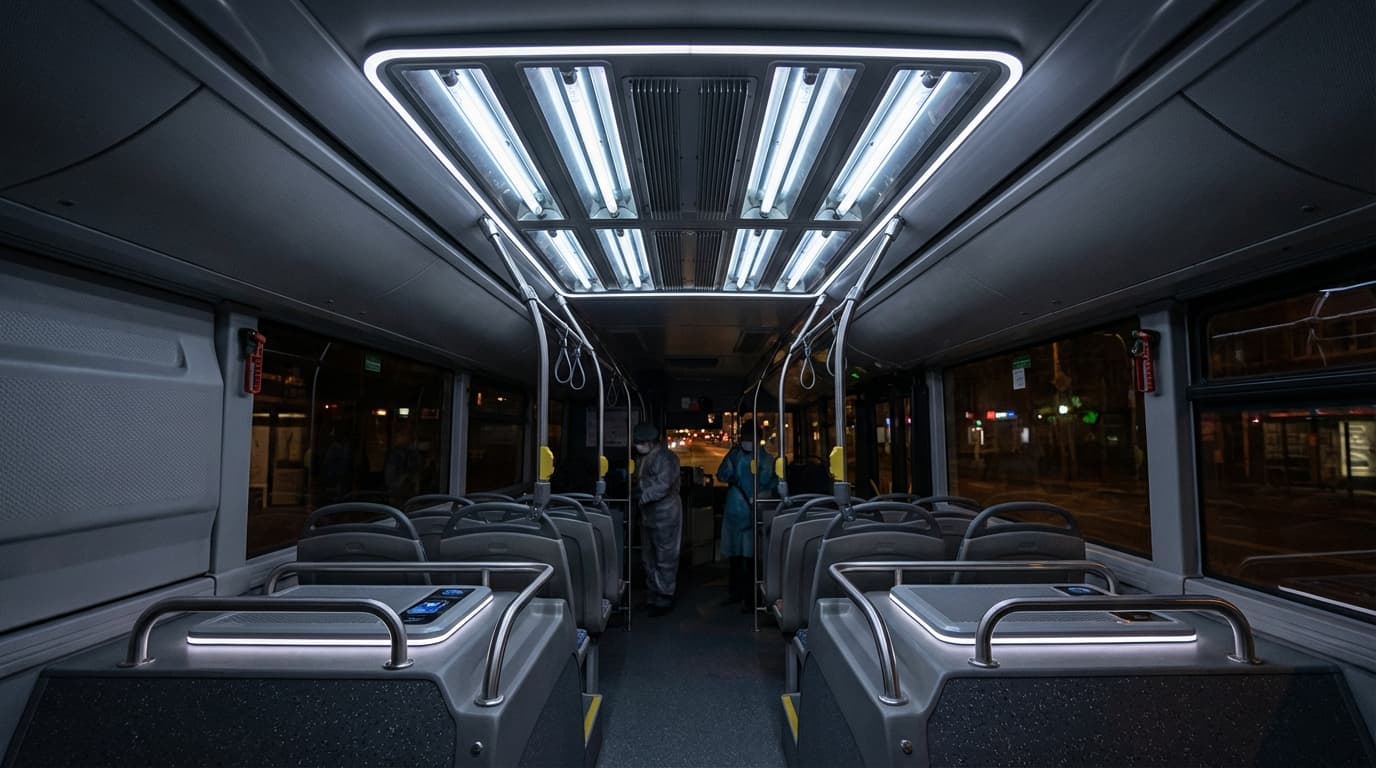
Healthcare facilities, public transit systems, and commercial buildings face persistent challenges in controlling airborne and surface-borne pathogens, particularly in the wake of respiratory disease outbreaks that have underscored the limitations of chemical disinfectants and manual cleaning protocols. UV-C germicidal illumination addresses these gaps by providing continuous or automated disinfection that requires no consumable chemicals, leaves no residue, and can operate on predictable cycles without human intervention. In hospitals, upper-room UV-C fixtures supplement ventilation systems by continuously treating air in corridors and waiting areas, reducing the concentration of airborne pathogens between air changes. Transit agencies have deployed UV-C in subway cars and buses during overnight maintenance windows, achieving rapid surface disinfection across large fleets. The technology also solves the problem of hard-to-reach surfaces and air volumes that manual cleaning cannot reliably address, offering a complementary layer of protection in schools, airports, and office buildings where occupancy density and turnover rates make traditional disinfection labor-intensive and incomplete.
Commercial UV-C systems are now widely available from lighting manufacturers and specialized disinfection equipment providers, with installations accelerating in healthcare and institutional settings over the past several years. Hospitals use fixed upper-room units in tuberculosis wards and emergency departments, while mobile UV-C robots perform terminal disinfection in patient rooms between occupants. Transit authorities in major metropolitan areas have piloted in-vehicle systems, and some commercial office buildings have integrated UV-C into return-air plenums. The field is advancing toward safer, more intelligent deployments through occupancy sensors that automatically shut off fixtures when people enter a space, real-time UV intensity monitoring to ensure effective dosing, and material compatibility testing to prevent degradation of plastics and fabrics. Far-UV-C technology, while still undergoing validation studies for continuous occupied-space use, represents the next frontier, potentially enabling always-on disinfection in crowded indoor environments. As building codes and health standards increasingly recognize germicidal lighting as a viable infection control measure, UV-C illumination is poised to become a standard component of healthy building strategies, complementing ventilation, filtration, and surface hygiene protocols in the ongoing effort to create safer indoor environments.