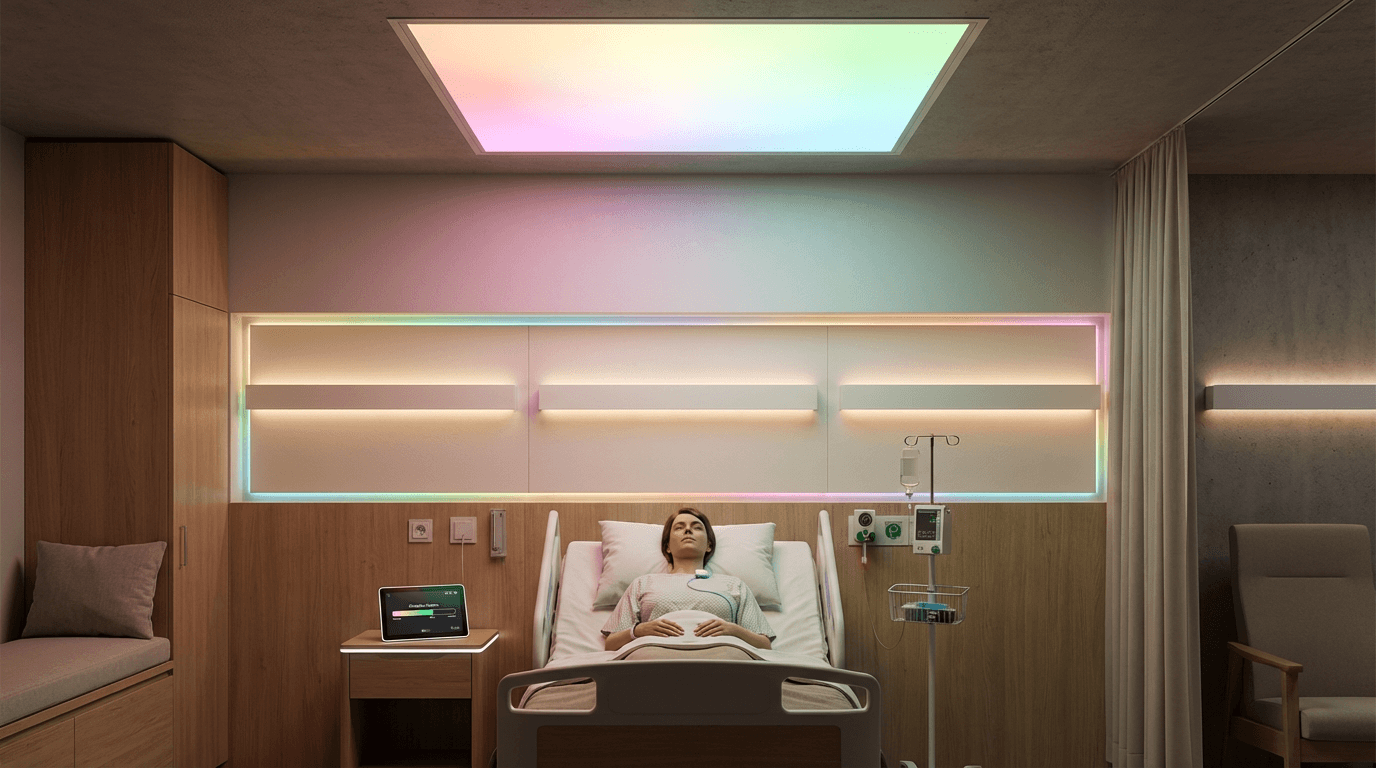
Human-centric Lighting (HCL)
Human-centric lighting represents a paradigm shift from traditional illumination design, which historically prioritized visibility and energy efficiency, to systems that actively support human biological and psychological well-being. At its core, HCL leverages our growing understanding of how light influences non-visual biological processes, particularly through specialized photoreceptors in the retina called intrinsically photosensitive retinal ganglion cells (ipRGCs). These cells are especially sensitive to blue-wavelength light and communicate directly with the brain's circadian control center, the suprachiasmatic nucleus. HCL systems utilize tunable LED technology capable of dynamically adjusting both color temperature (measured in Kelvin) and intensity throughout the day. Morning and midday lighting typically delivers cooler, blue-enriched light at higher intensities to suppress melatonin production and enhance alertness, while evening settings shift toward warmer, amber-toned spectra that minimize circadian disruption and facilitate the natural onset of sleep. Advanced implementations incorporate sensors and algorithms that respond to occupancy patterns, time of day, and even individual preferences to create personalized lighting environments.
The adoption of human-centric lighting addresses critical challenges across multiple sectors where lighting quality directly impacts human performance and health outcomes. In healthcare settings, conventional lighting has long been recognized as a contributor to patient disorientation, disrupted recovery, and staff fatigue, particularly in environments with limited natural light exposure. HCL systems in hospitals and care facilities help regulate patients' circadian rhythms, which research suggests can accelerate healing, reduce medication needs, and improve sleep quality among both patients and night-shift staff. Educational institutions face similar challenges, where poorly designed lighting contributes to student fatigue, reduced concentration, and seasonal affective symptoms during darker months. Office environments represent another significant application area, as knowledge workers spend the majority of daylight hours indoors under artificial lighting that often conflicts with natural circadian cues. By implementing HCL, organizations can potentially reduce absenteeism, enhance cognitive performance during critical work hours, and support employee well-being—factors that translate into measurable productivity gains and reduced healthcare costs.
Commercial HCL systems are increasingly available from major lighting manufacturers, with deployments expanding beyond early pilot programs into mainstream adoption across Europe, North America, and Asia. Schools in Scandinavia have implemented classroom HCL installations that adjust lighting throughout the school day, while several hospital systems have retrofitted patient rooms and intensive care units with circadian-supportive lighting. Corporate offices, particularly in the technology and finance sectors, have begun specifying HCL as part of wellness-oriented workplace design strategies. The technology aligns with broader trends in building design that prioritize occupant health and environmental quality, including WELL Building Standard certification and biophilic design principles. As the global workforce continues to spend more time in artificial environments, and as evidence mounts regarding the health consequences of circadian disruption—including links to metabolic disorders, mood disturbances, and compromised immune function—HCL is positioned to transition from a premium feature to a standard consideration in architectural lighting design. Future developments may integrate HCL with wearable technology and personal health data, enabling even more precise calibration to individual chronotypes and real-time physiological states.