Where technologies cluster around the world
Regions
86 technologies in South Korea

SK Hynix achieved the world-first 321-layer 3D NAND flash in 2024, stacking more layers than any competitor and pushing storage density to new limits.
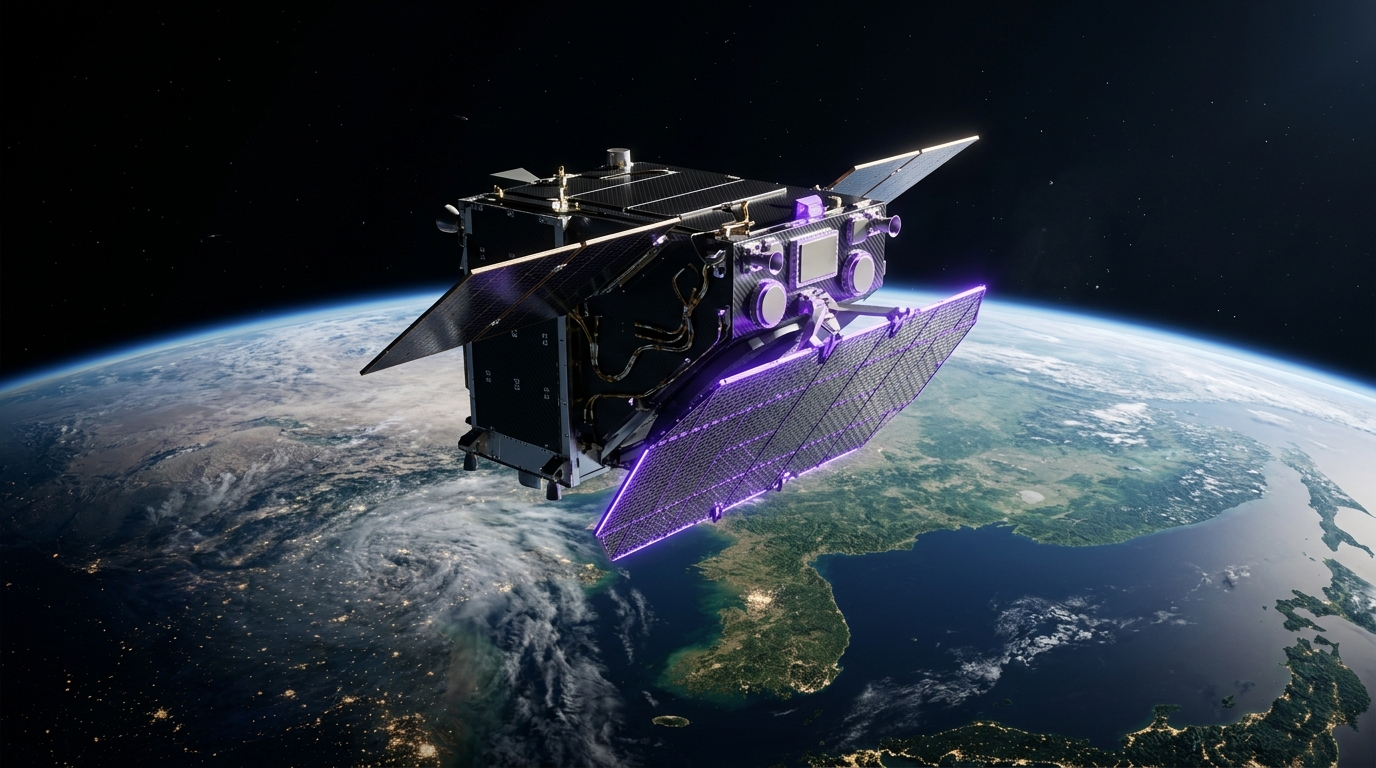
South Korea completed its 5-satellite military ISR constellation in 2025: 1 EO/IR + 4 SAR satellites enabling 24/7 all-weather North Korea monitoring.

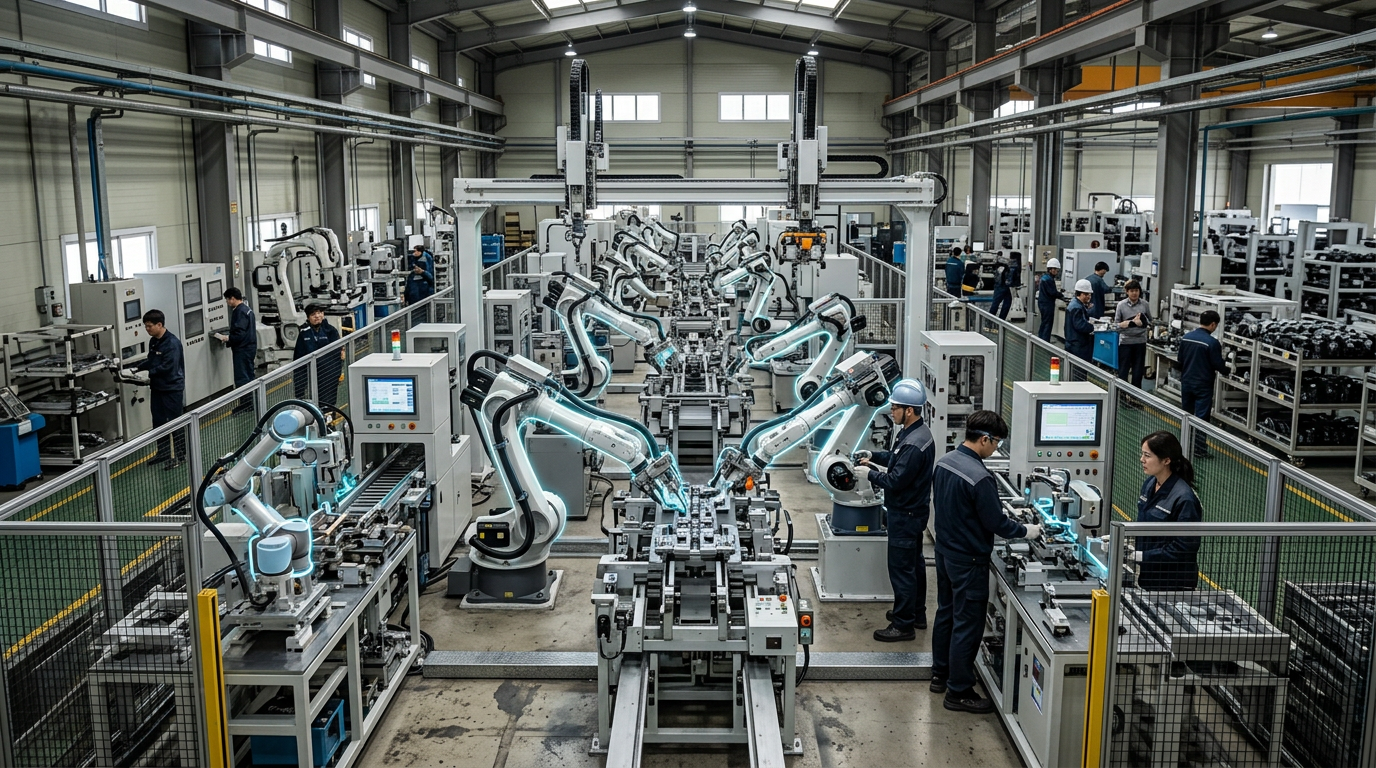
Korea deployed 1,000+ 5G+AI smart factories and 100 'K-Smart Lighthouse Factories' by 2025, the world's densest network of connected manufacturing facilities using private 5G for real-time quality control, predictive maintenance, and digital twins.

Korea launched the world's first commercial 5G network in 2019 and now leads 6G research with Samsung, SK Telecom, and KAIST targeting 2030 commercialization and terahertz frequency bands.

Samsung and SK Hynix together hold approximately 70% of the global DRAM market, manufacturing at process nodes below 15nm that no other country has matched at scale.

Samsung and SK Hynix are scaling 3D chip stacking, chiplet integration, and hybrid bonding to assemble multi-die processors that rival TSMC's advanced packaging.
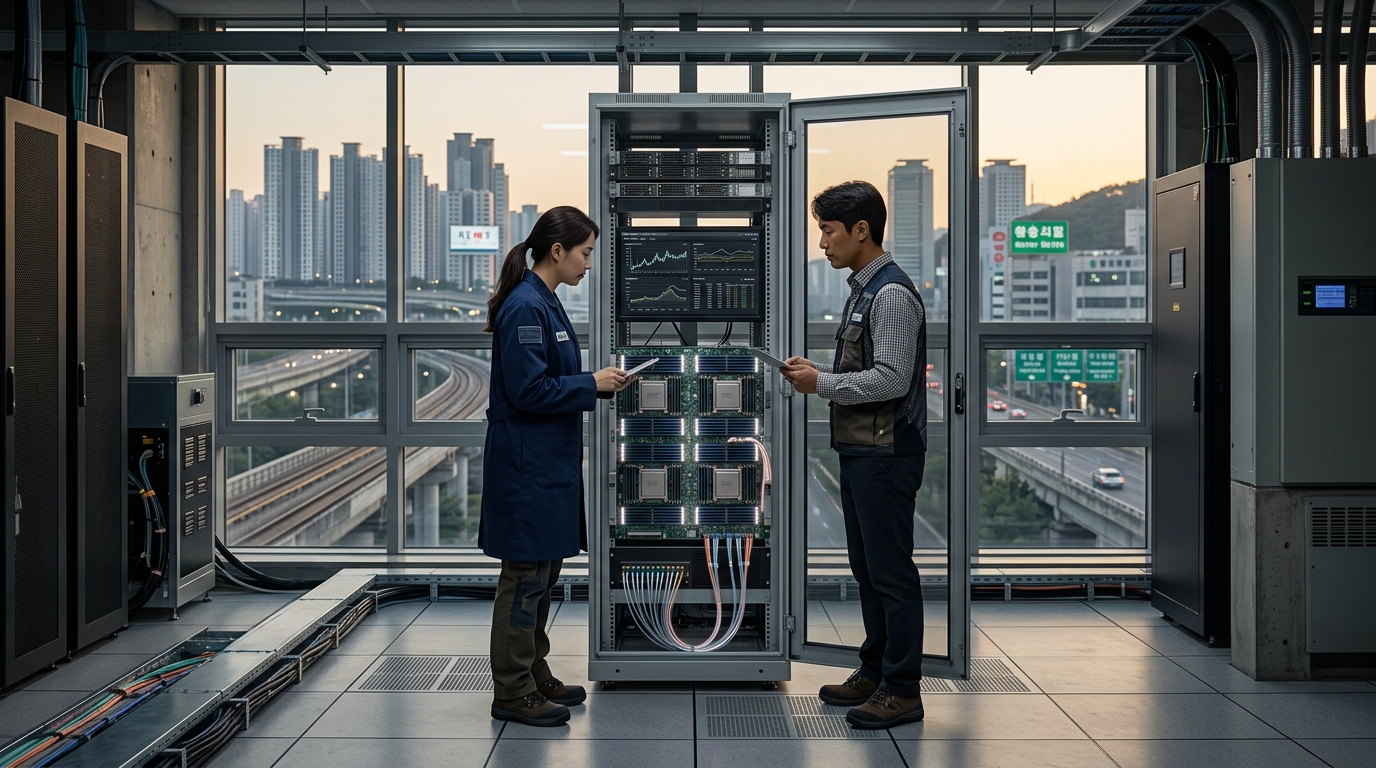
Korean companies including Samsung, Rebellions, Sapeon, and FuriosaAI are developing custom AI accelerator chips to reduce dependence on Nvidia GPUs for domestic AI workloads.
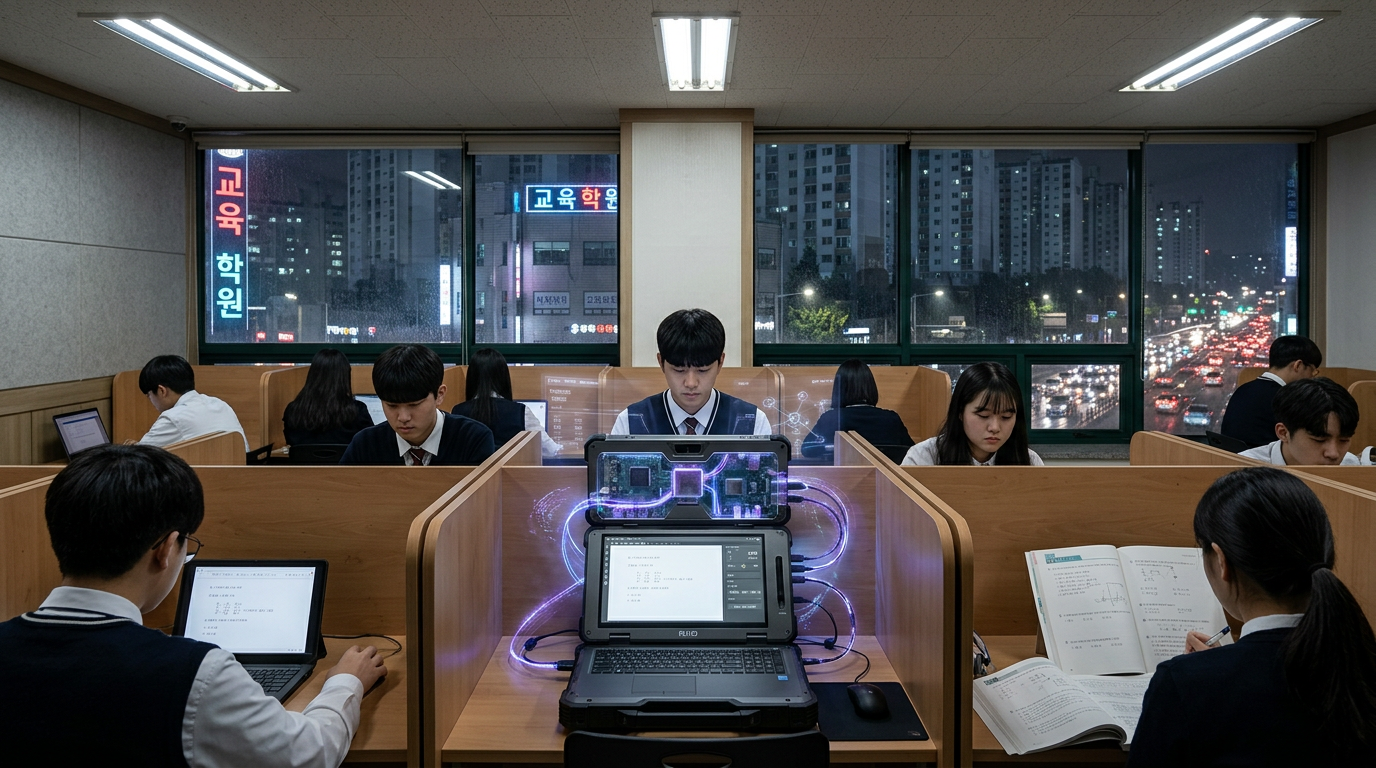
Korea's $20B private education (hagwon) industry is being disrupted by AI tutoring platforms — Riiid, Mathpresso (Qanda), and Elice — that use adaptive learning algorithms trained on the world's most test-obsessed student population.
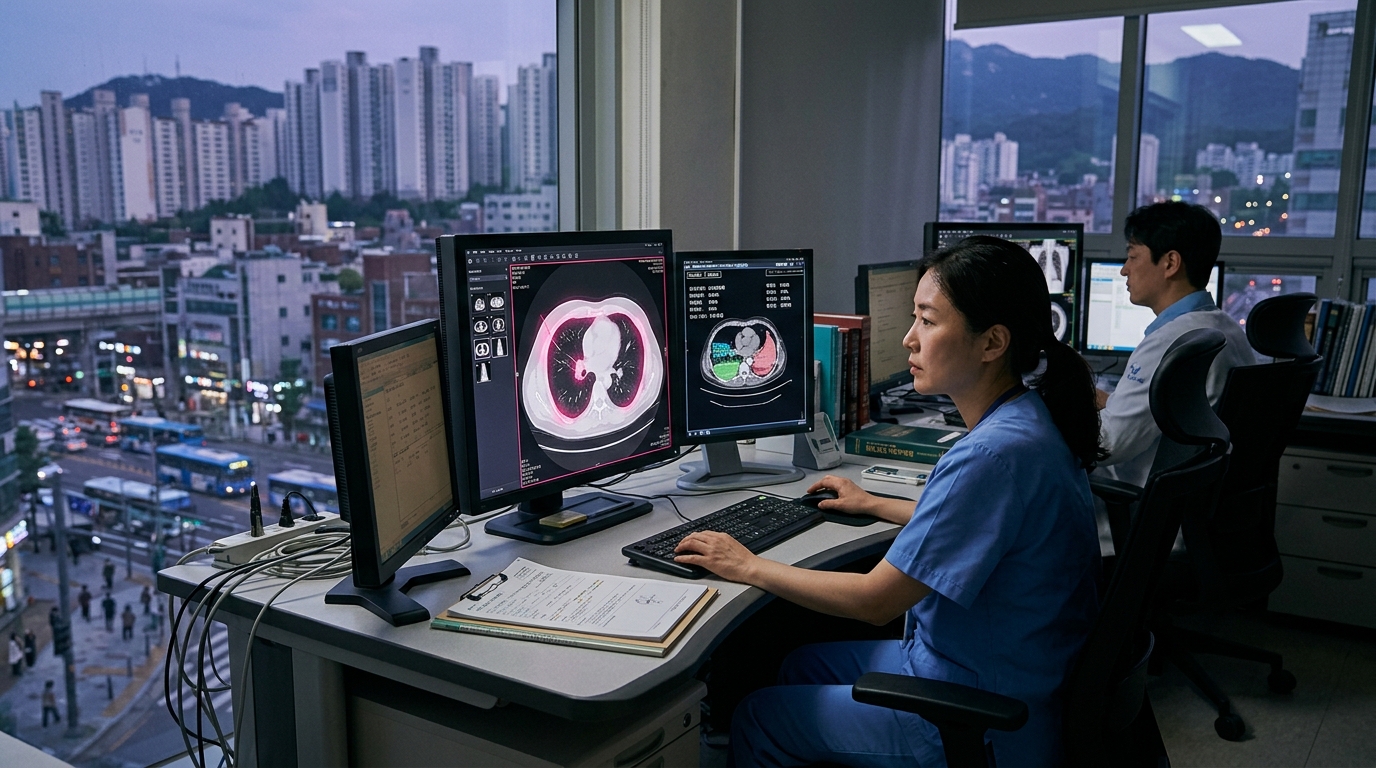
Korean companies Lunit, Vuno, and Coreline Soft lead in AI-powered medical imaging diagnostics, with FDA-cleared products deployed in 4,000+ hospitals across 50 countries.
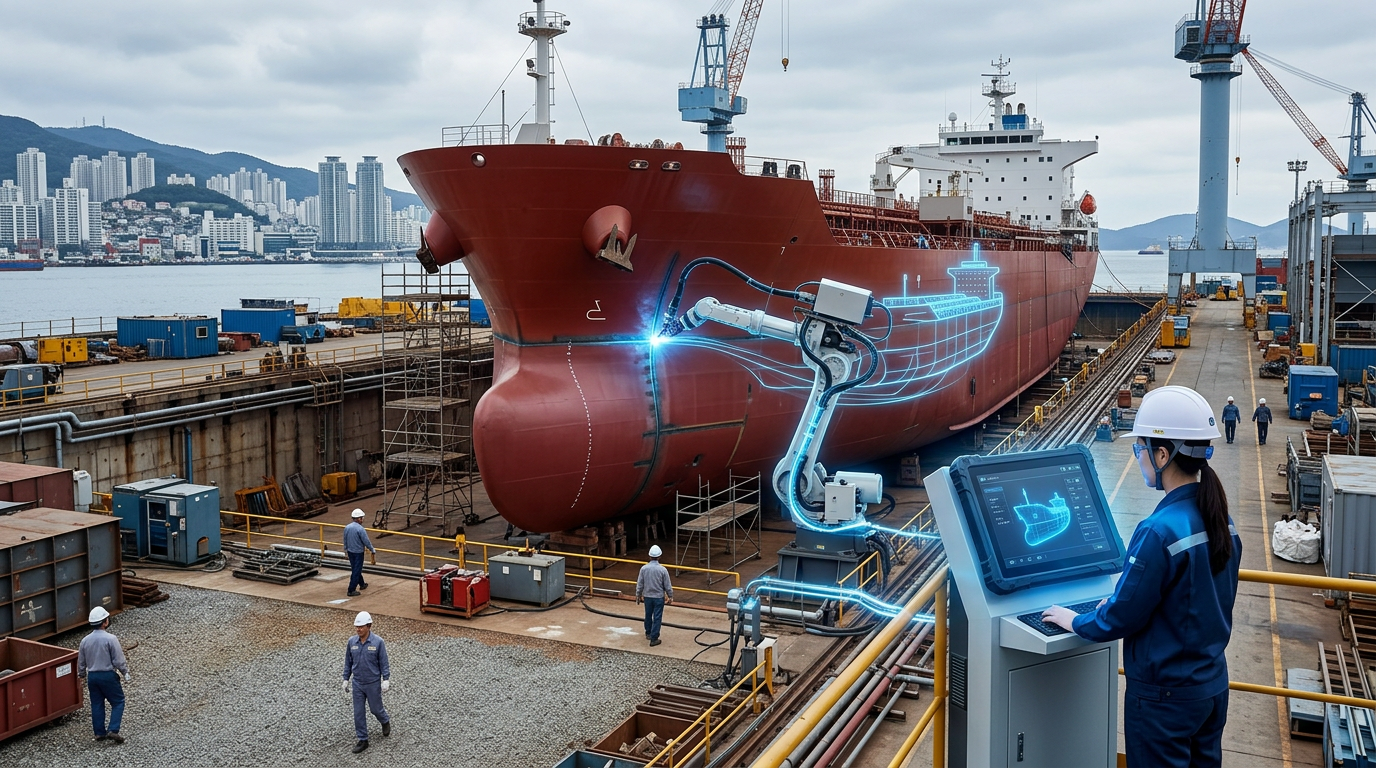
HD Hyundai, Samsung Heavy Industries, and Hanwha Ocean are deploying AI, digital twins, and robotic welding across Korean shipyards, which build 40%+ of global commercial vessels by tonnage.
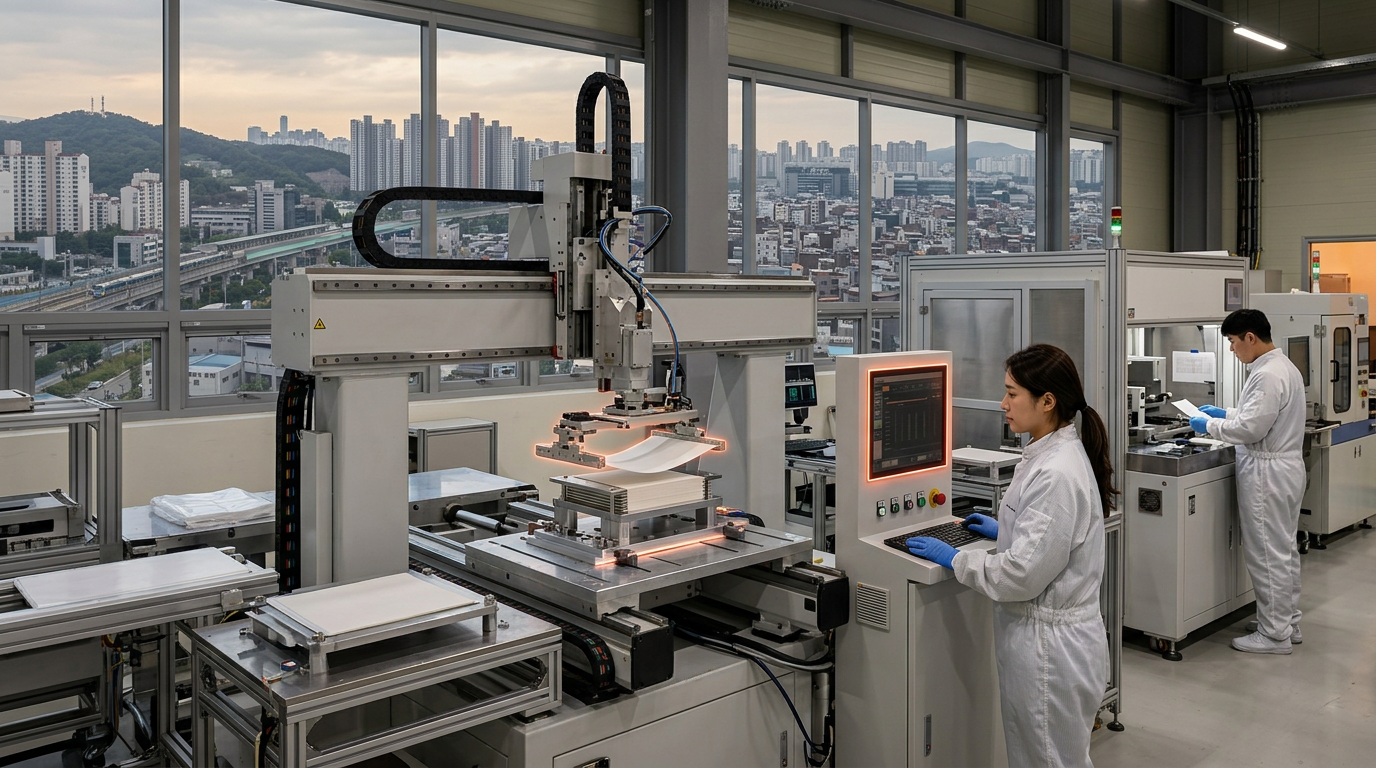
Samsung SDI and LG Energy Solution are racing to commercialize all-solid-state batteries by 2027-2028, with Samsung demonstrating a cell lasting 20+ years with 900 Wh/L energy density.
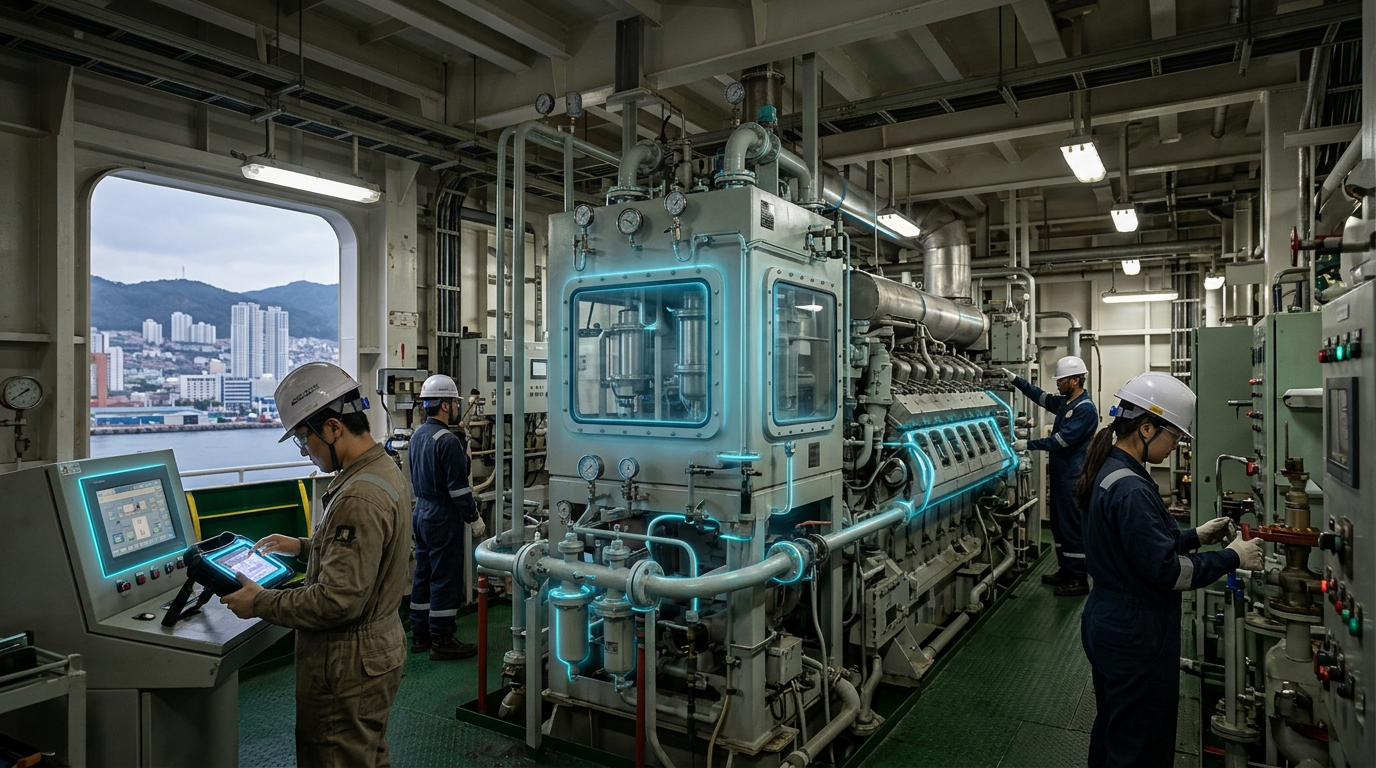
HD KSOE is building the world's first commercial ammonia-powered vessels, with $534M in government R&D backing alternative marine fuels as Korean yards pivot from LNG to zero-carbon propulsion.

Korean biotech companies LigaChem, AimedBio, and others are developing next-generation ADC platforms, with Boehringer Ingelheim licensing AimedBio's technology in a deal worth up to $991M.
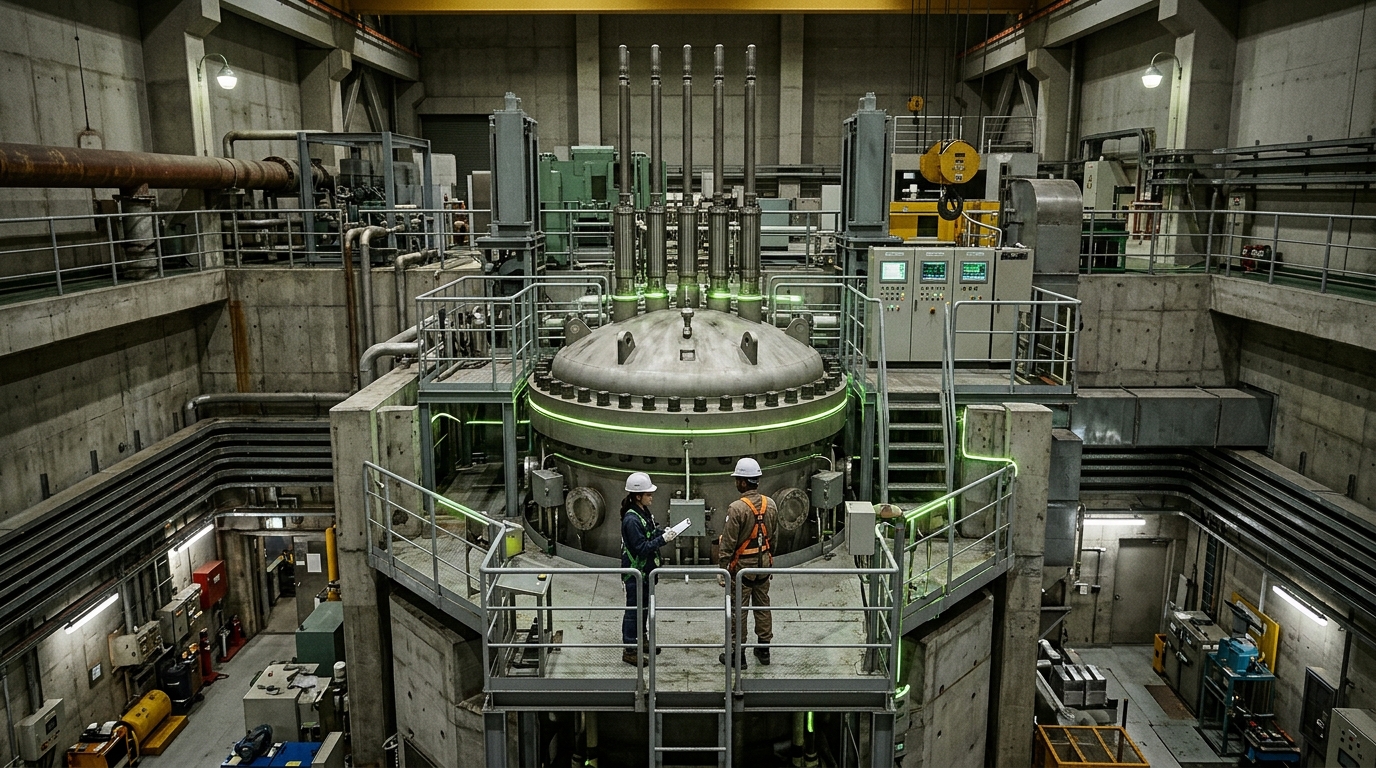
Korea's APR-1400 reactor powers the UAE's Barakah plant (5.6 GW) and won the Czech Republic's $17B new-build contract in June 2025, establishing Korea as a major nuclear exporter.
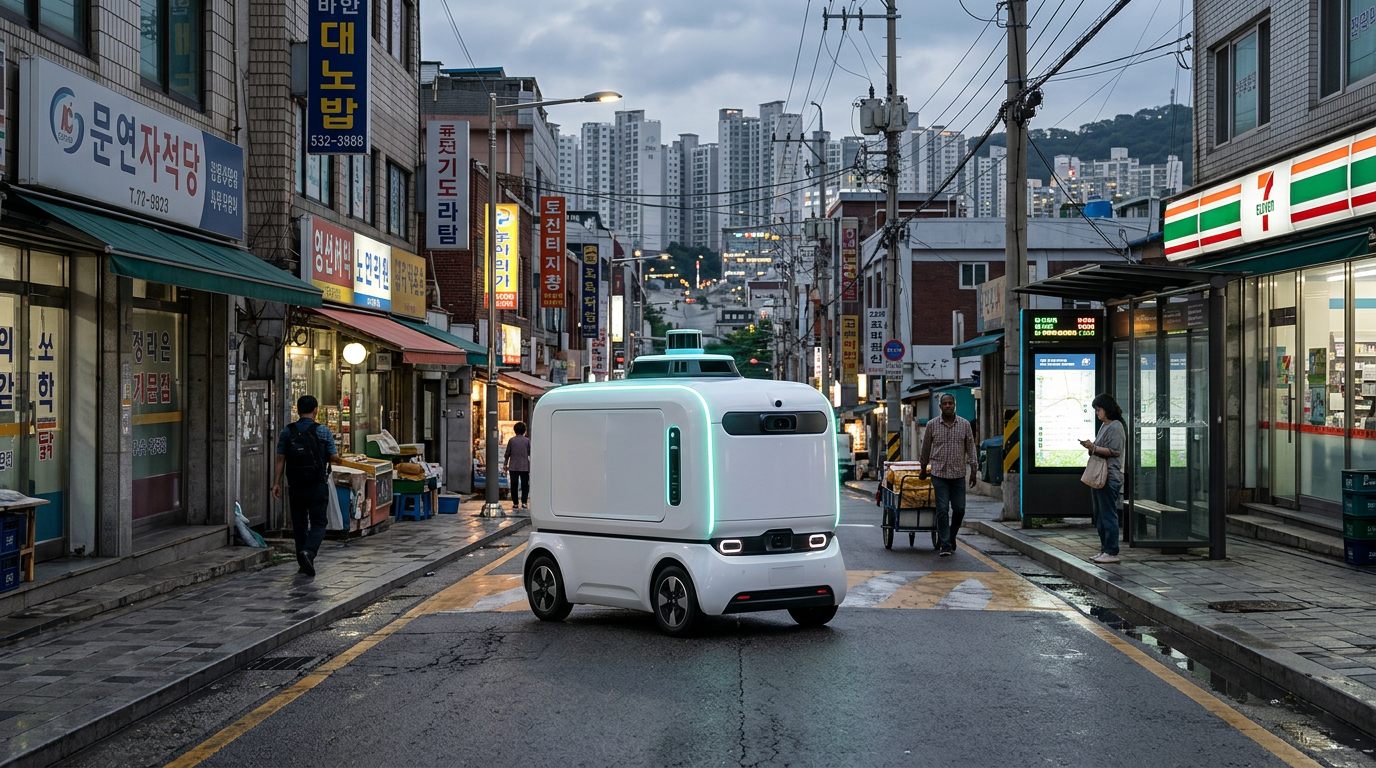
Korean autonomous driving startups including 42dot (acquired by Hyundai), Seoul Robotics, and RideFlux are developing Level 4 autonomy for urban, logistics, and industrial applications.
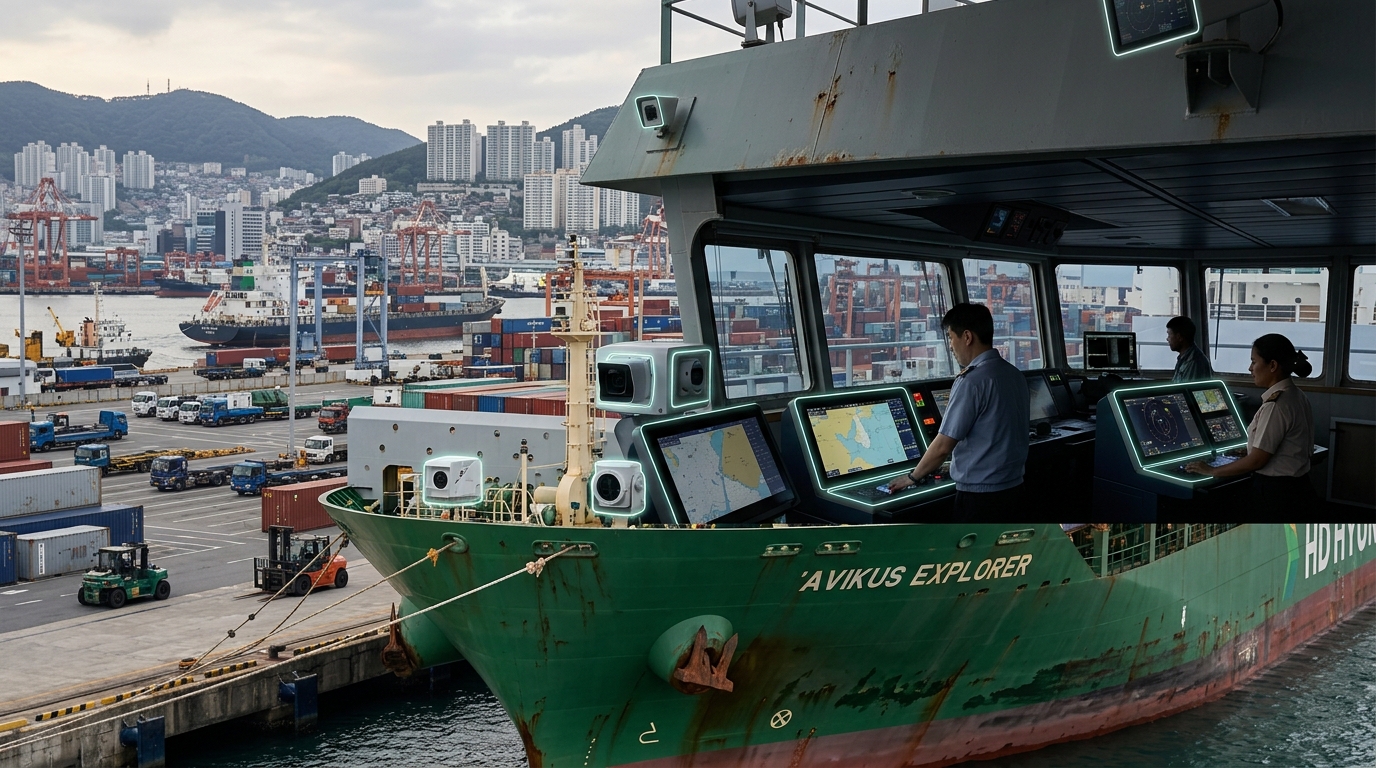
HD Hyundai's Avikus subsidiary completed the first transoceanic autonomous voyage in 2022 and is now deploying AI navigation systems across HD Hyundai's commercial fleet.
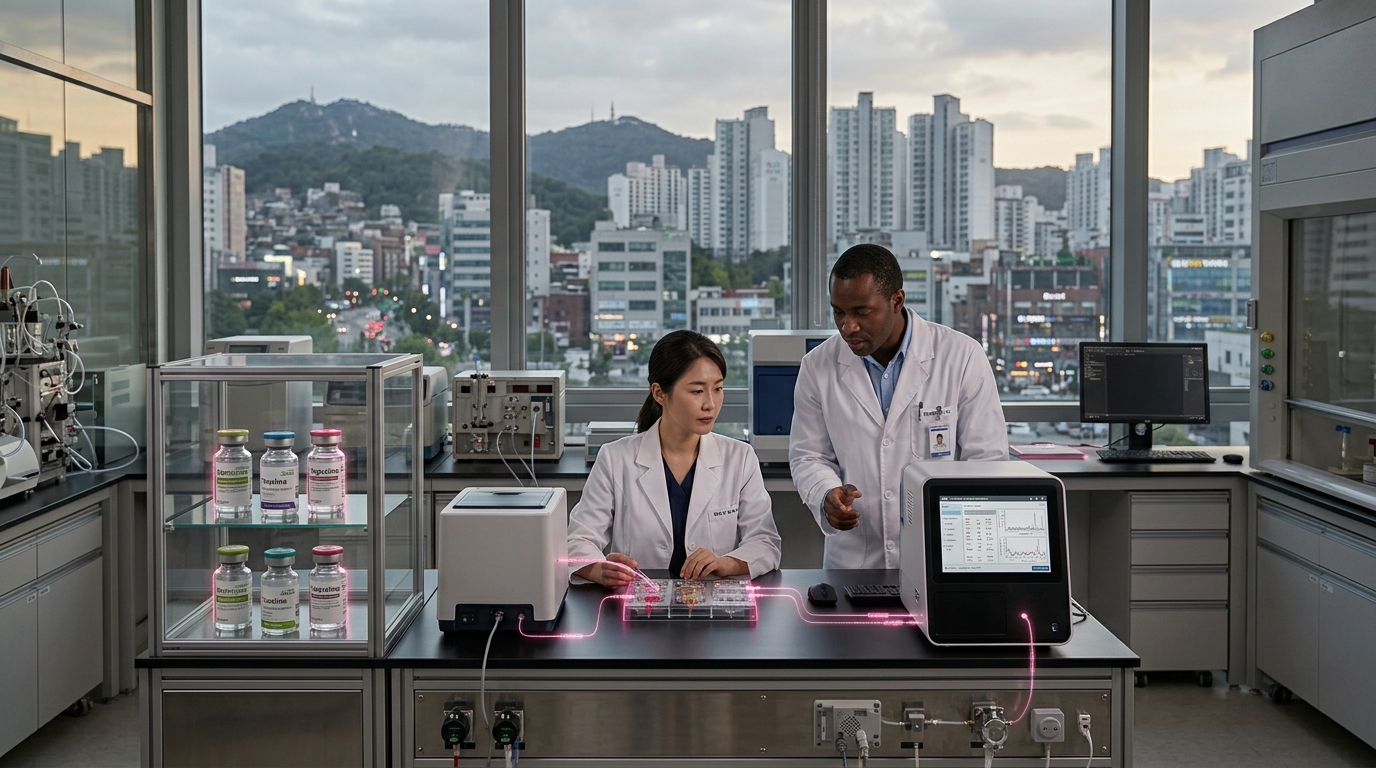
Celltrion is a global leader in biosimilar biologics with Remsima (infliximab), Truxima (rituximab), and Vegzelma (bevacizumab) approved in 100+ countries, dramatically reducing costs of biologic drugs.
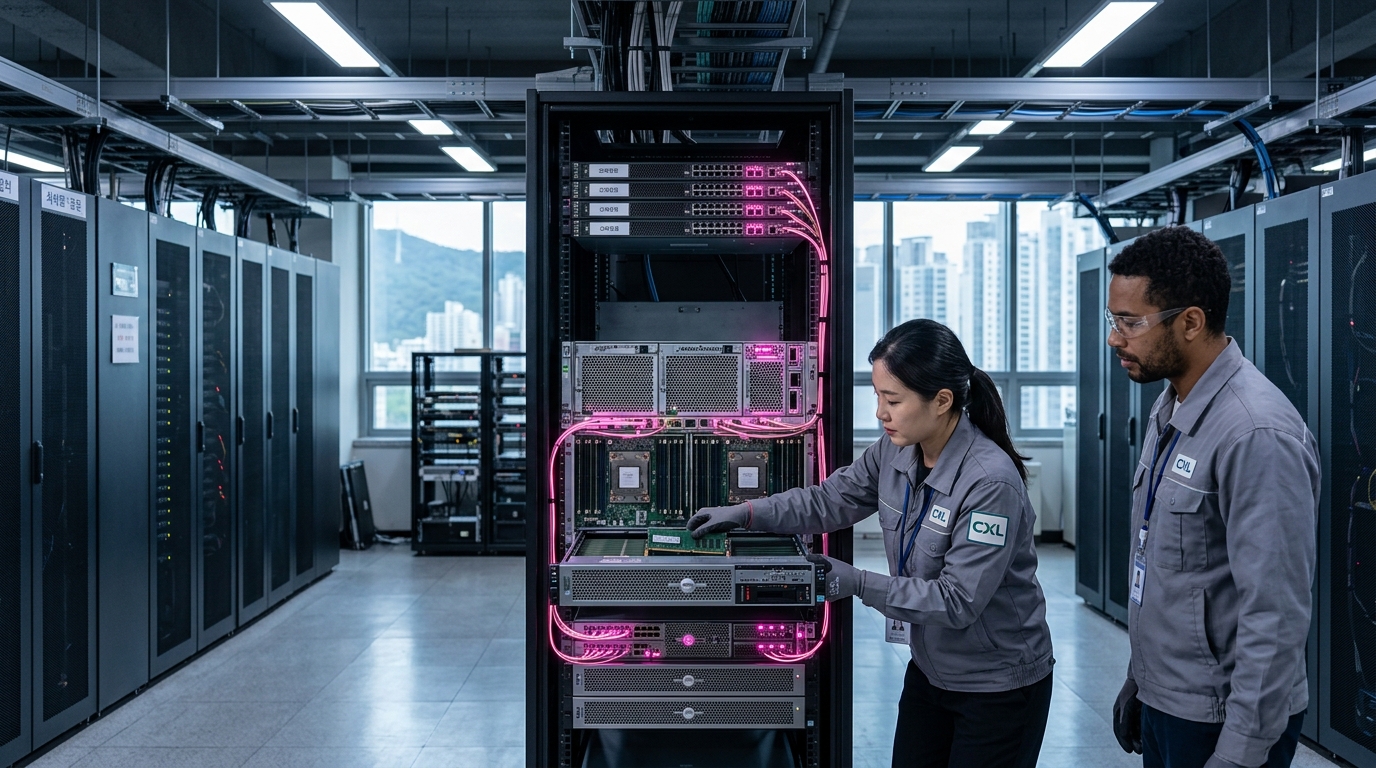
Samsung and SK Hynix are leading development of CXL (Compute Express Link) memory expansion technology that enables data center servers to pool and share memory across disaggregated architectures.
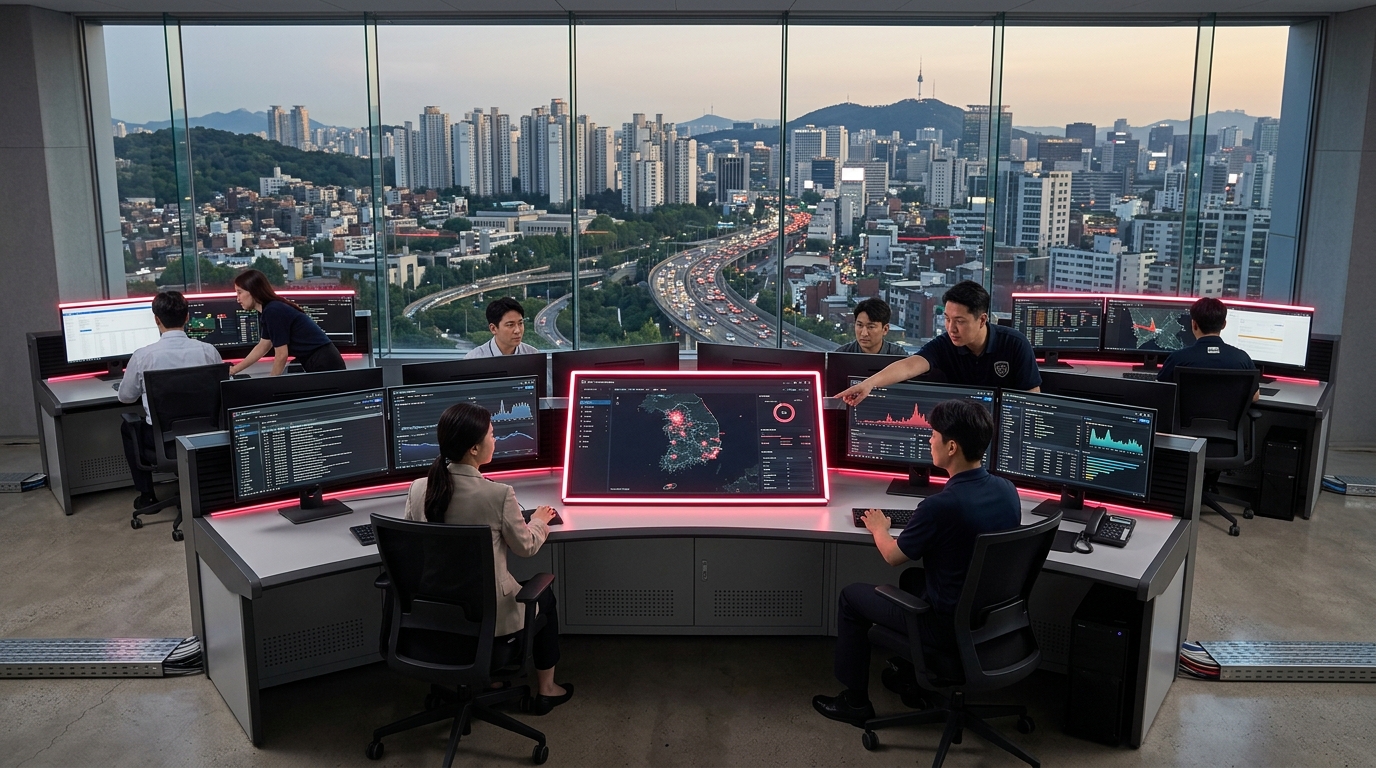
Korea built one of the world's most sophisticated cybersecurity ecosystems — battle-hardened by constant North Korean cyberattacks — with companies like AhnLab, Penta Security, and SK Shieldus, plus the world's most regulated cryptocurrency exchange framework.
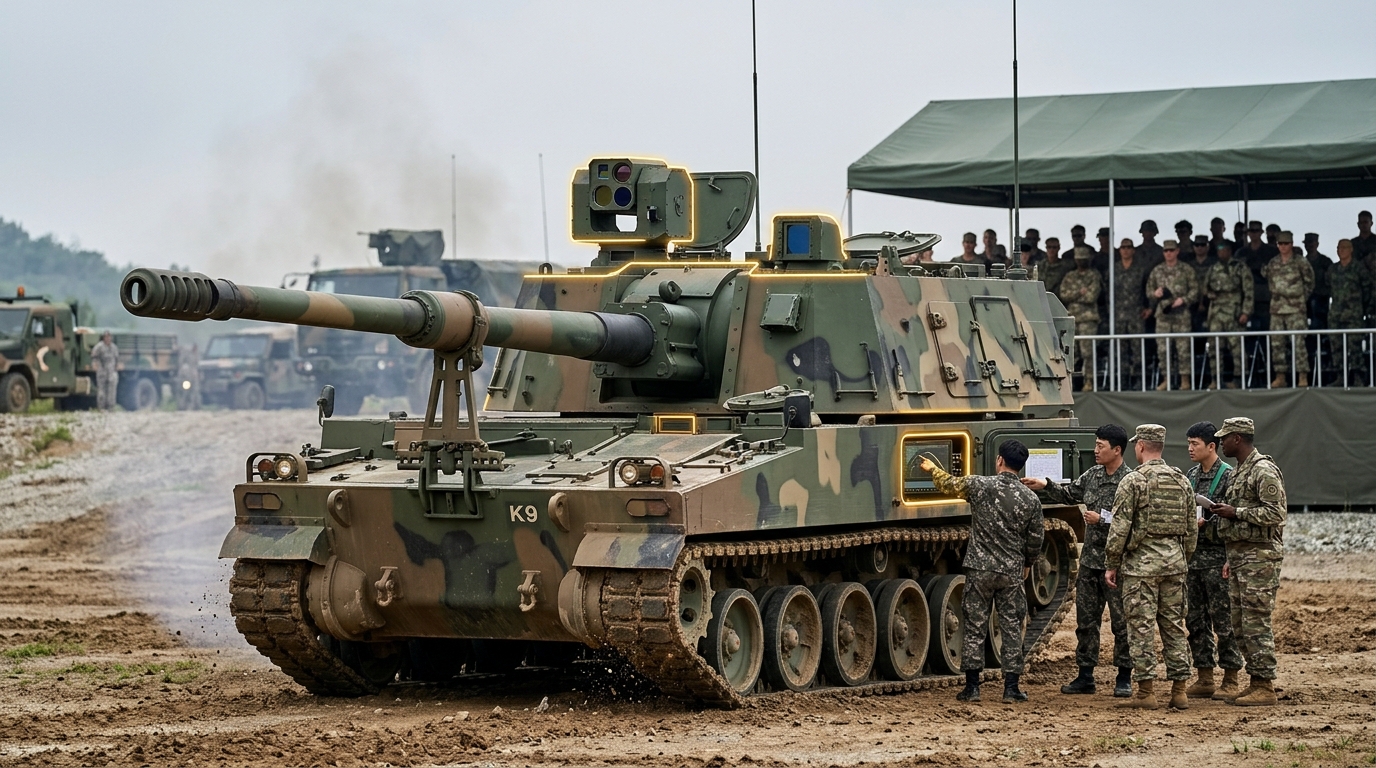
Korean defense exports grew from $7B to $17B+ in cumulative orders between 2022-2025, driven by the Hanwha-led consolidation and post-Ukraine demand for affordable, available military equipment.
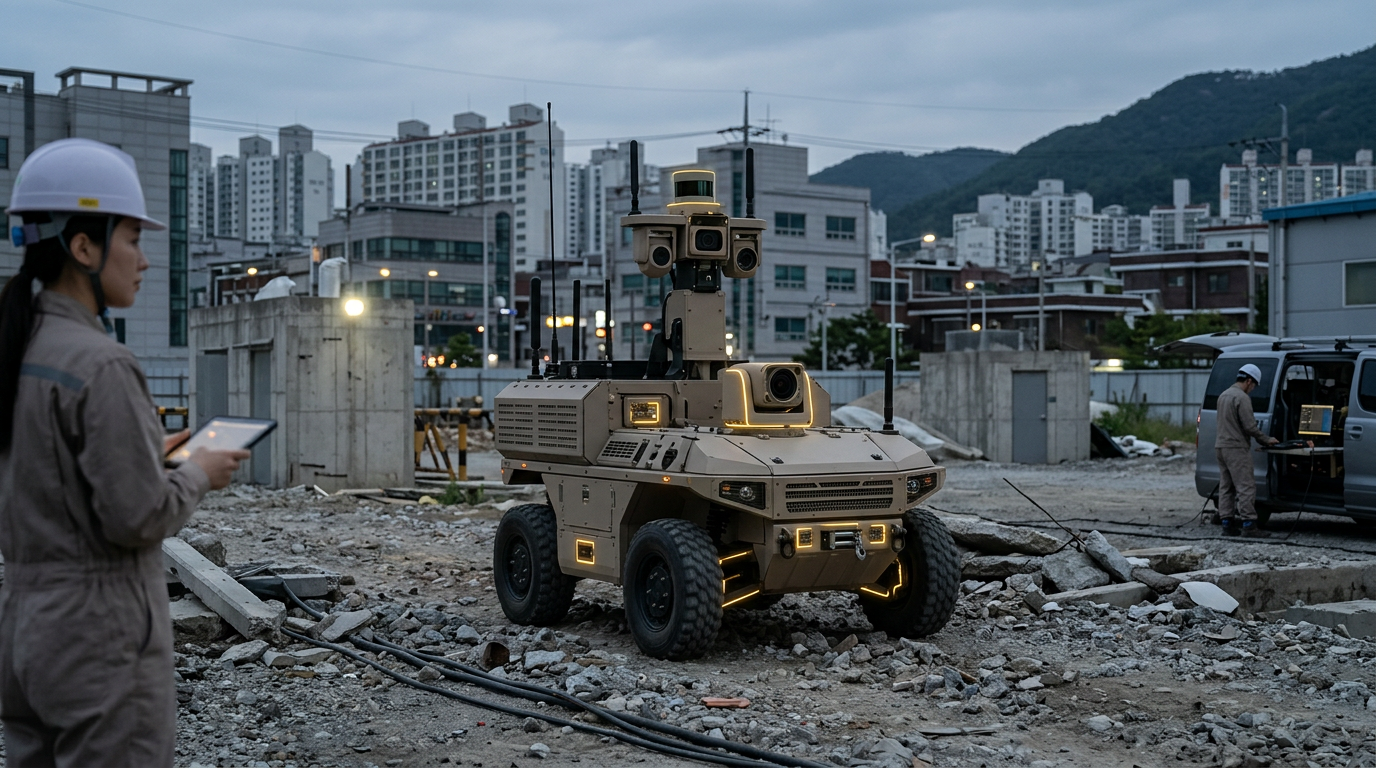
Bone AI raised $12M to build autonomous ground robots for military reconnaissance and logistics, part of Korea's growing defense robotics ecosystem.
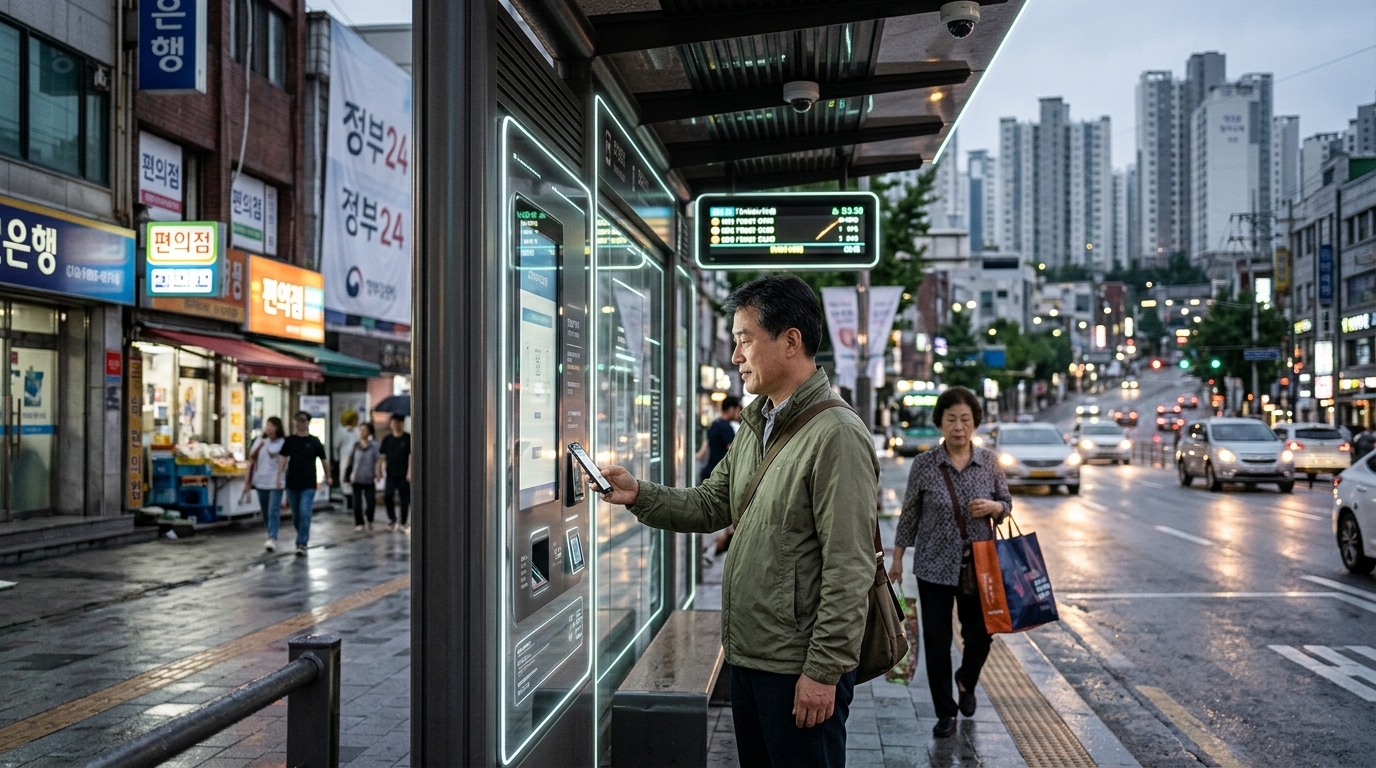
Korea ranks #1 in the UN E-Government Development Index, with 95%+ of government services available online and a national digital ID system used by 45 million citizens.
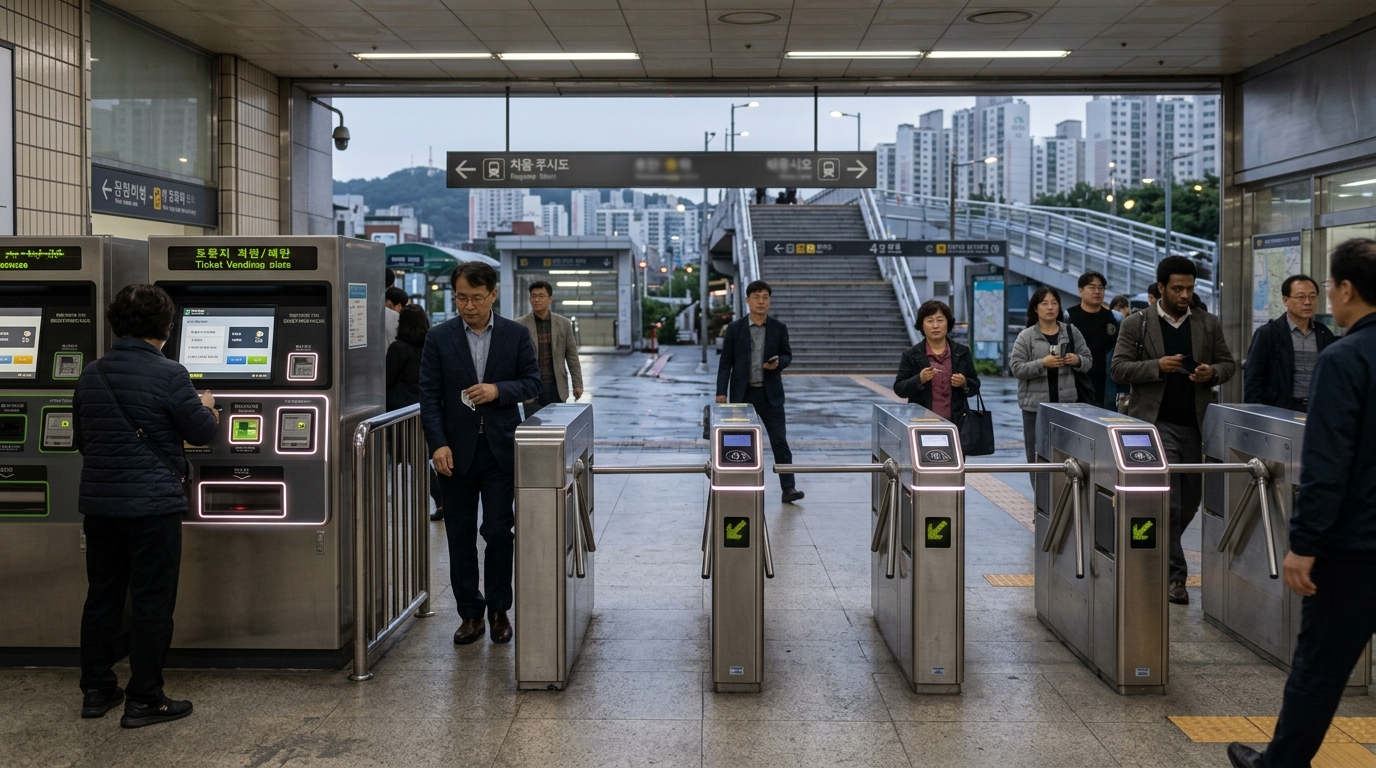
BC Card operates Korea's largest domestic payment processing network, handling billions of transactions annually independent of Visa/Mastercard for local commerce.
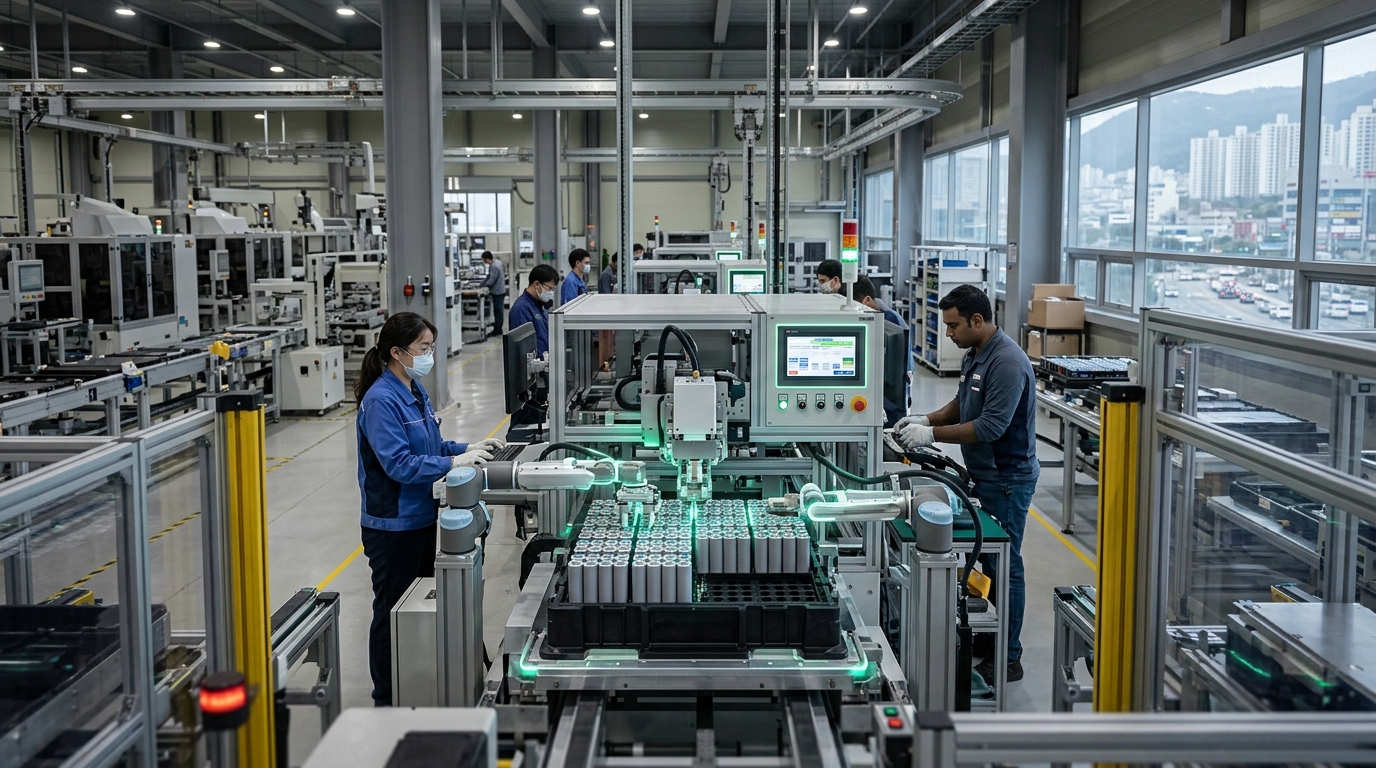
Samsung SDI, LG Energy Solution, and SK On collectively supply ~25% of global EV batteries, with major factories in Korea, Hungary, Poland, and the US serving BMW, GM, Ford, Volkswagen, and Hyundai.
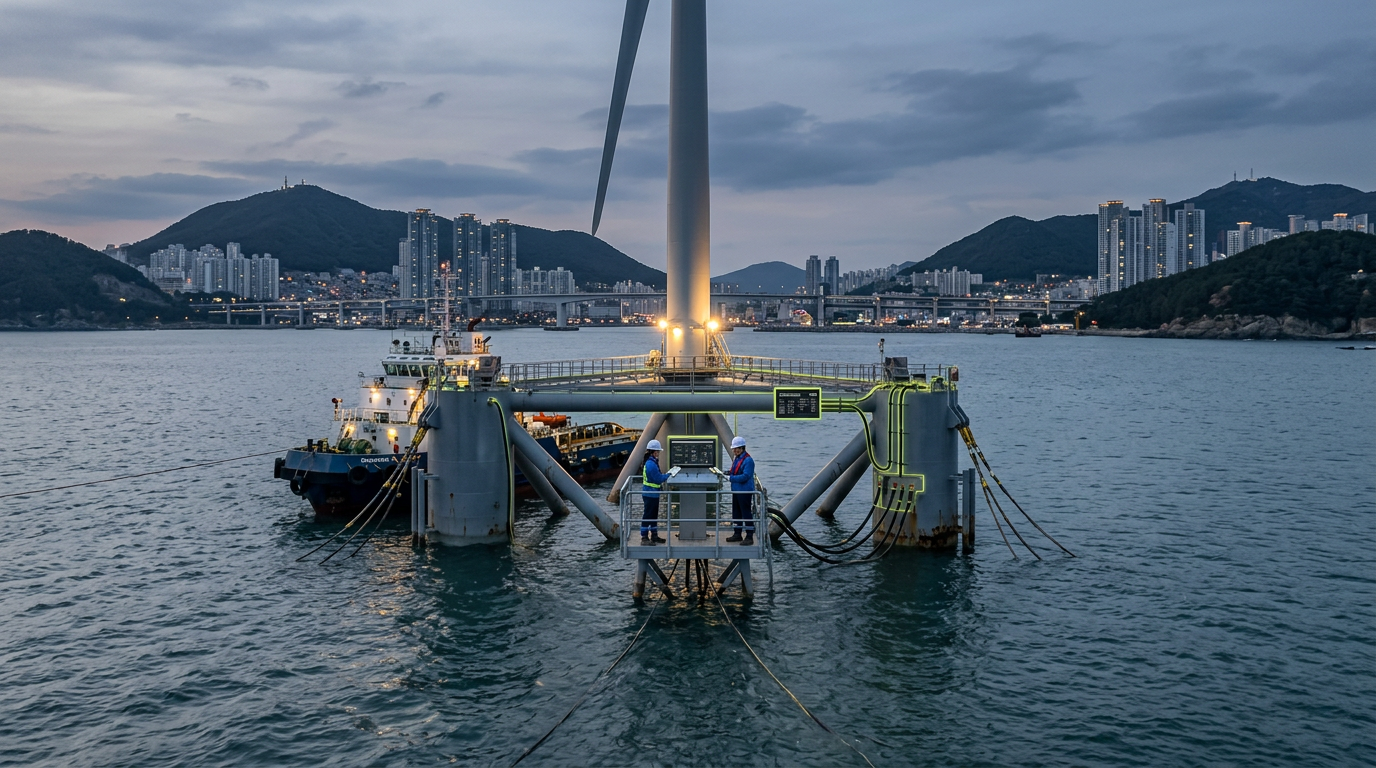
Korea plans 14.3 GW of offshore wind by 2030, with HD Hyundai and Korean shipyards developing floating wind turbine foundations that leverage their deepwater vessel construction expertise.
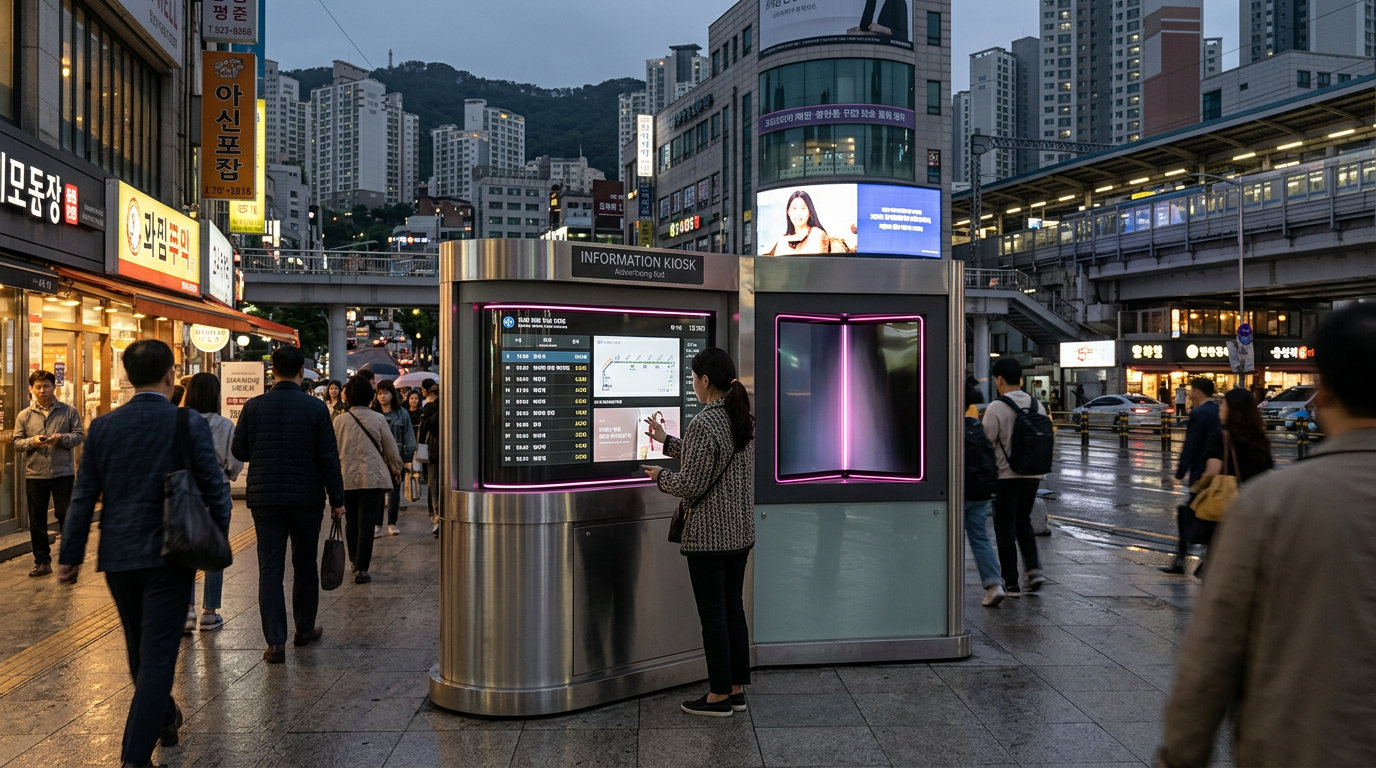
Samsung pioneered the foldable smartphone category with Galaxy Z Fold/Flip, shipping over 10 million foldable units annually, while LG has demonstrated rollable OLED for TVs and laptops.
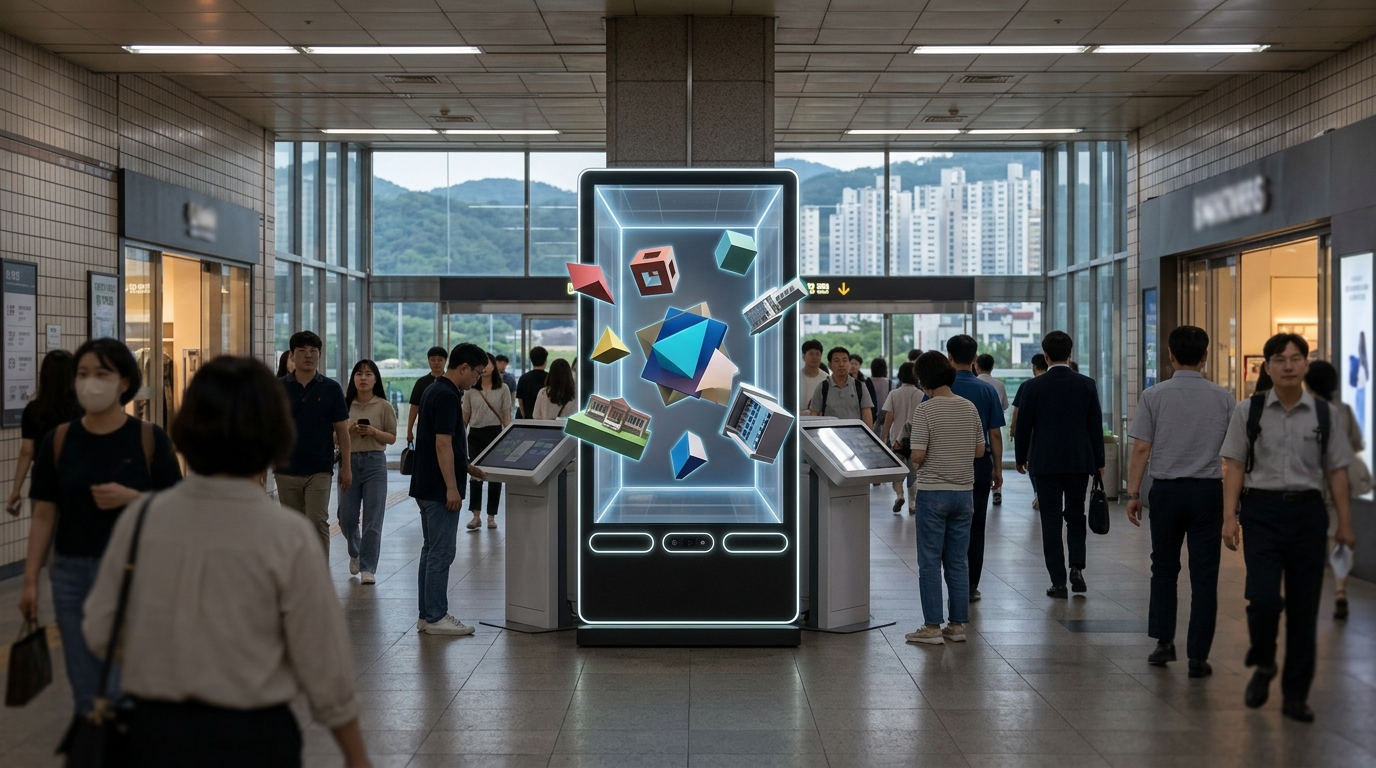
Samsung's Spatial Signage uses proprietary 3D Plate optics to create glasses-free 3D displays that won Best of Show at ISE 2026, launching commercially in 85-inch format with 32-inch and 55-inch following.
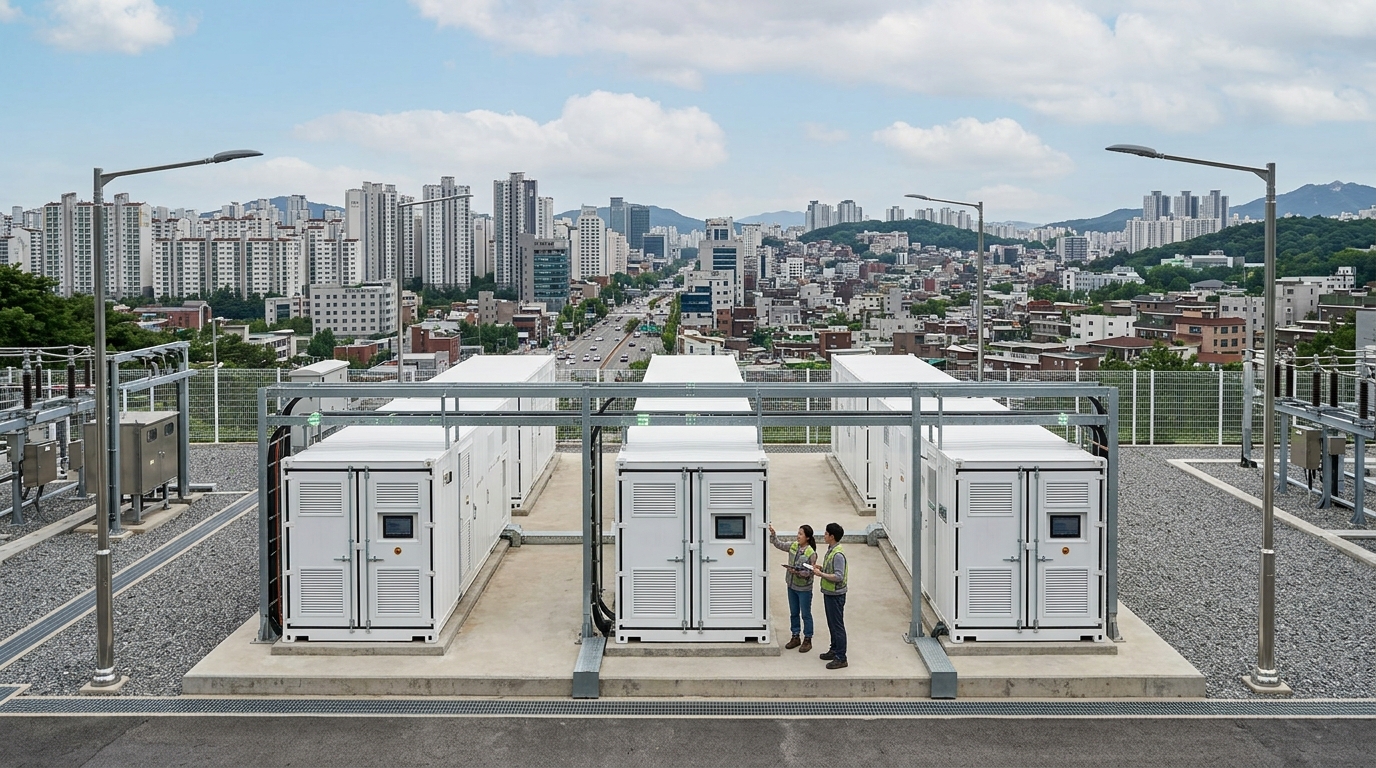
LG Energy Solution and Samsung SDI are global leaders in grid-scale ESS, with LG deploying LFP-based battery systems for utility storage across North America, Europe, and Australia.
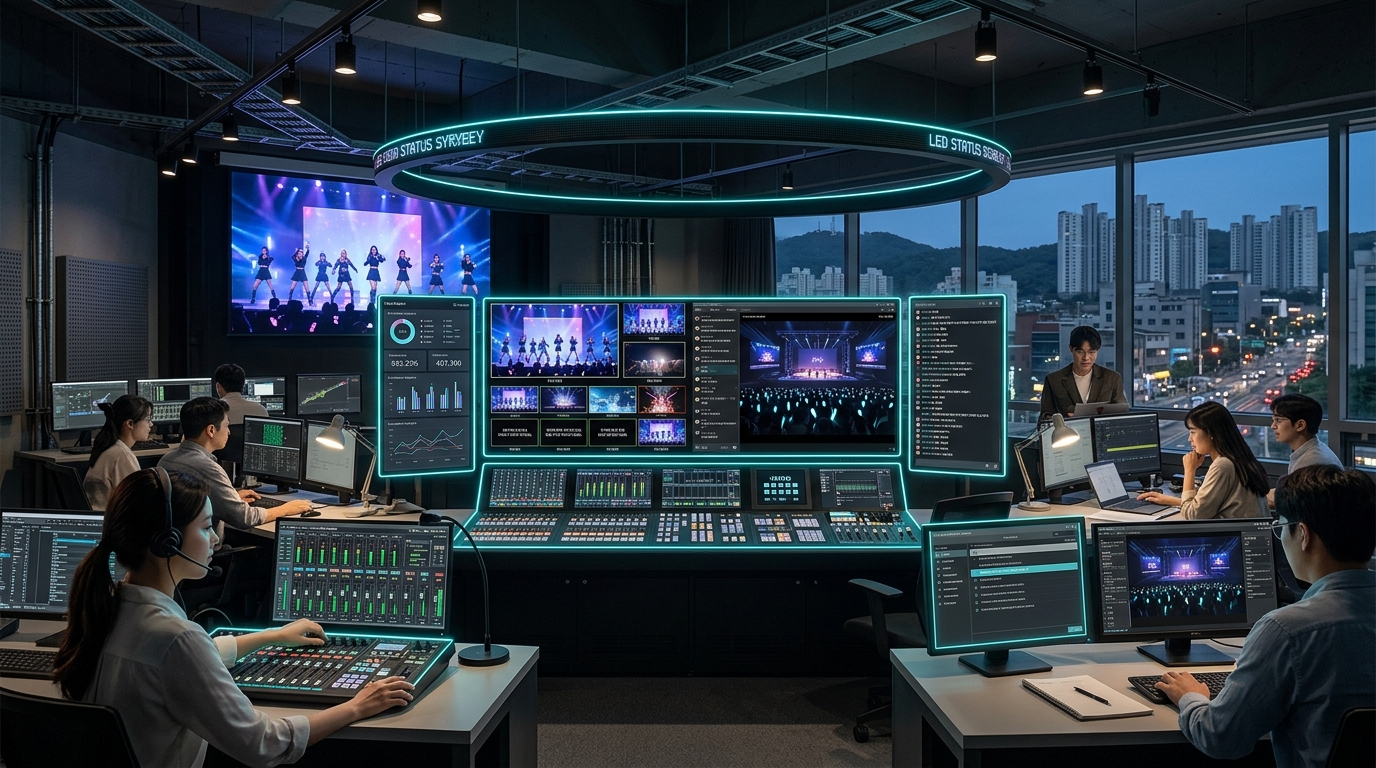
Korea built a technology-enabled cultural export system — HYBE's Weverse platform (100M+ cumulative users), AI-powered talent training pipelines, virtual concert infrastructure, and real-time multilingual fan engagement — that turns K-pop into a platform business, not just content.
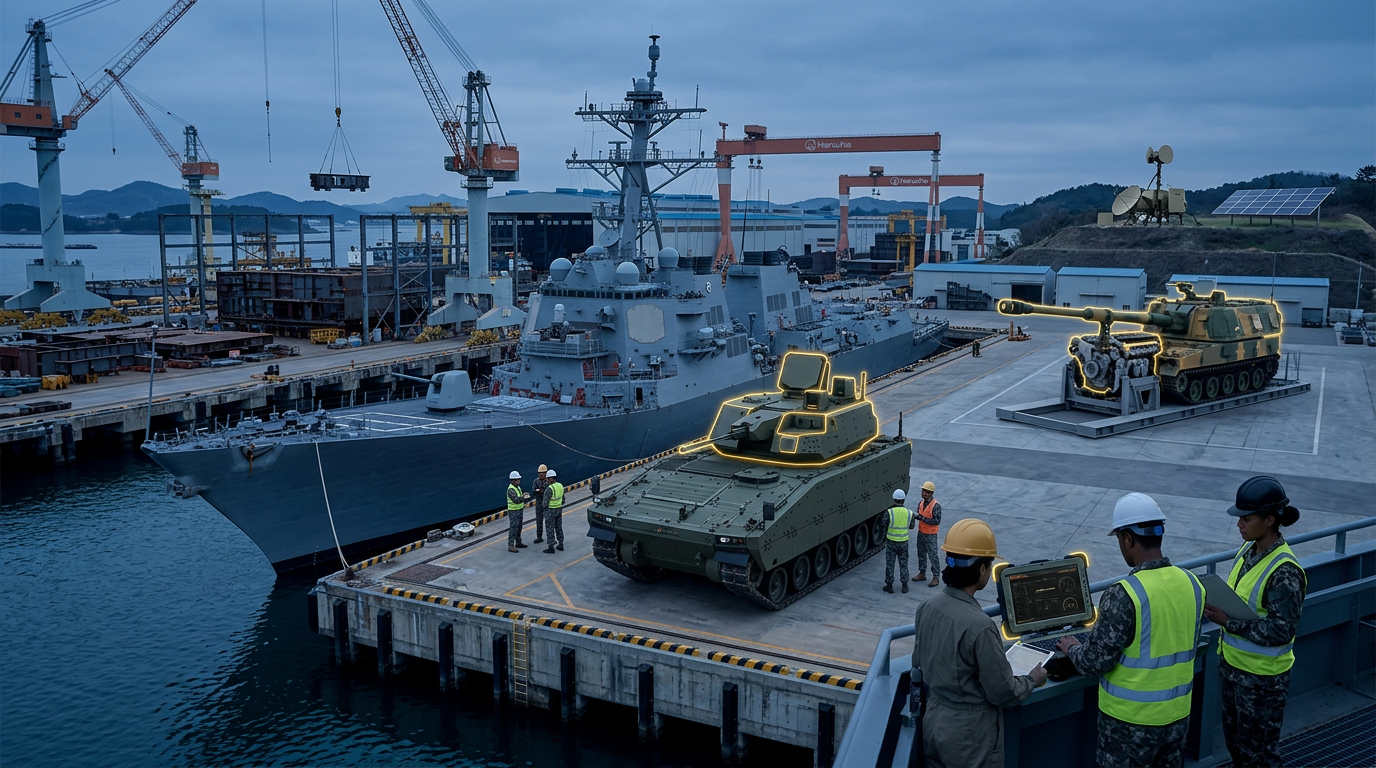
Hanwha transformed from a traditional explosives and chemicals conglomerate into Korea's defense-space-energy champion, with Hanwha Aerospace becoming one of the world's most valuable defense stocks through acquisitions spanning shipyards, satellites, and solar energy.
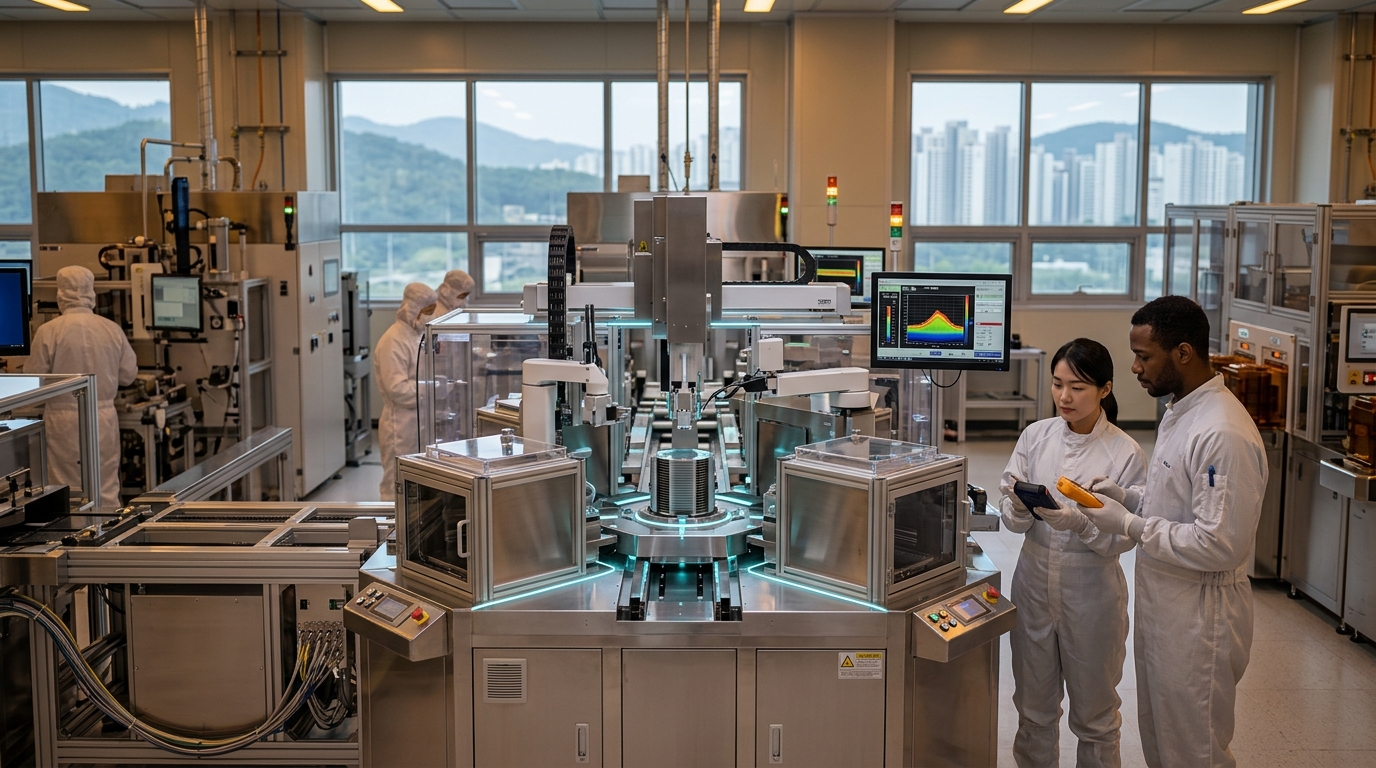
SK Hynix and Samsung control over 90% of the global HBM market, with HBM4 chips shipping to every major AI accelerator vendor including Nvidia and AMD.
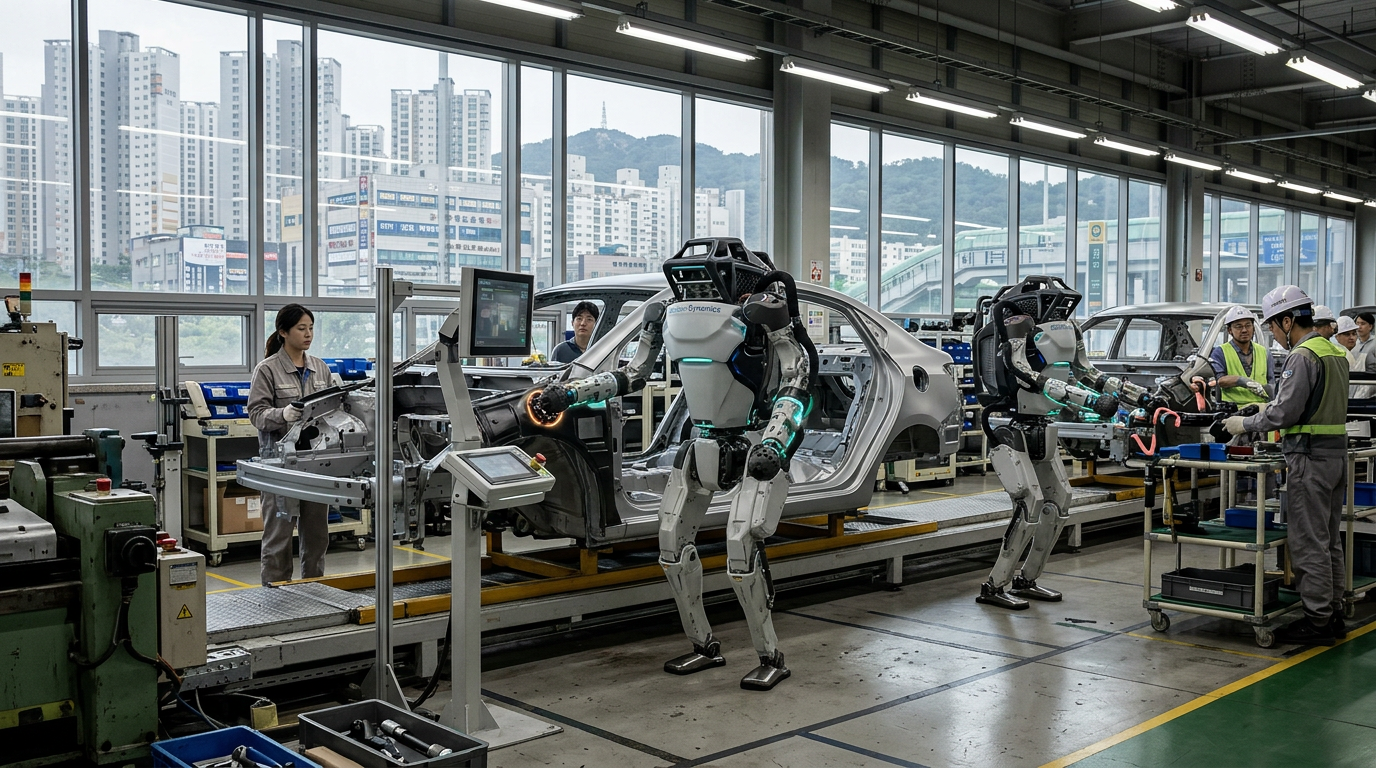
Hyundai's Boston Dynamics is deploying Atlas humanoid robots in Hyundai and Kia manufacturing plants, backed by a $6.3B investment in an AI, robotics, and hydrogen hub.
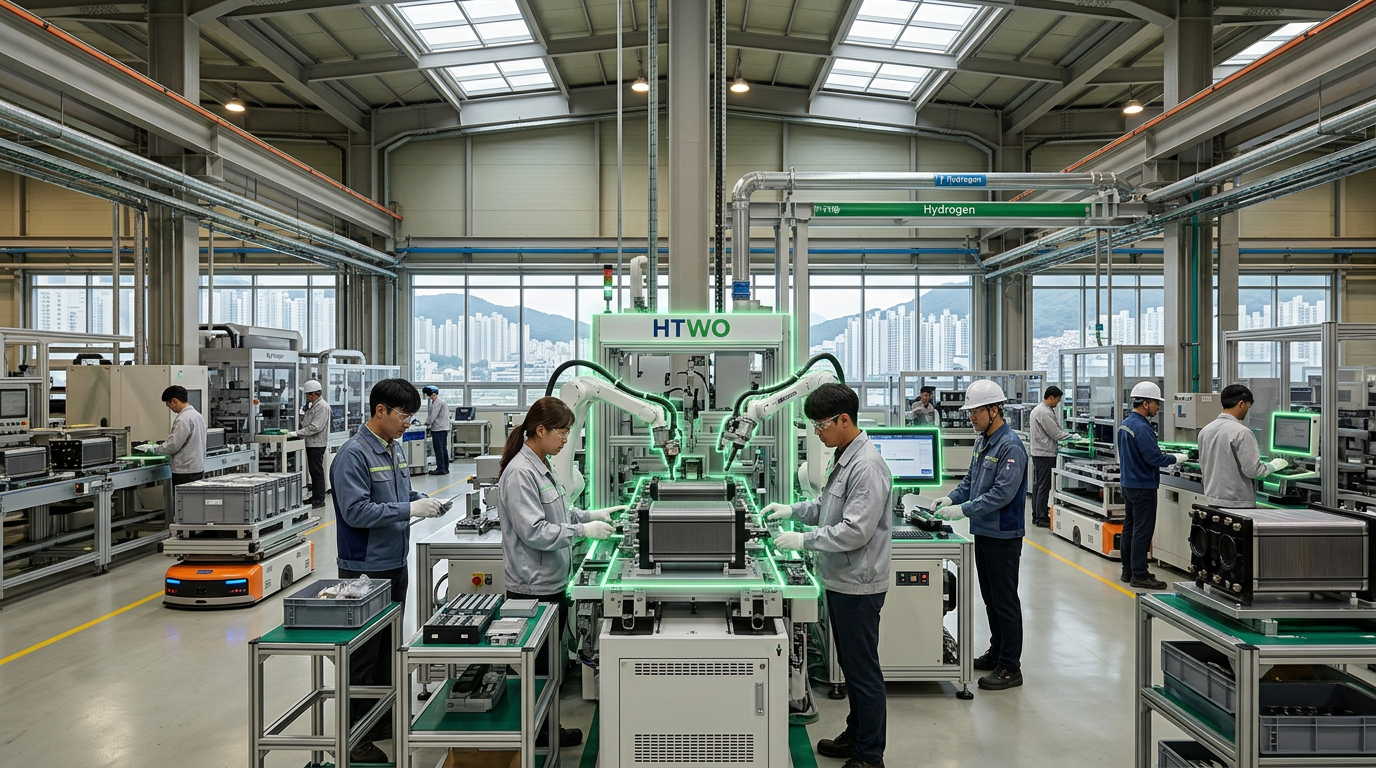
Hyundai operates the world's only mass-production hydrogen fuel cell system factory, producing HTWO-branded fuel cells for vehicles, ships, power generation, and construction equipment.
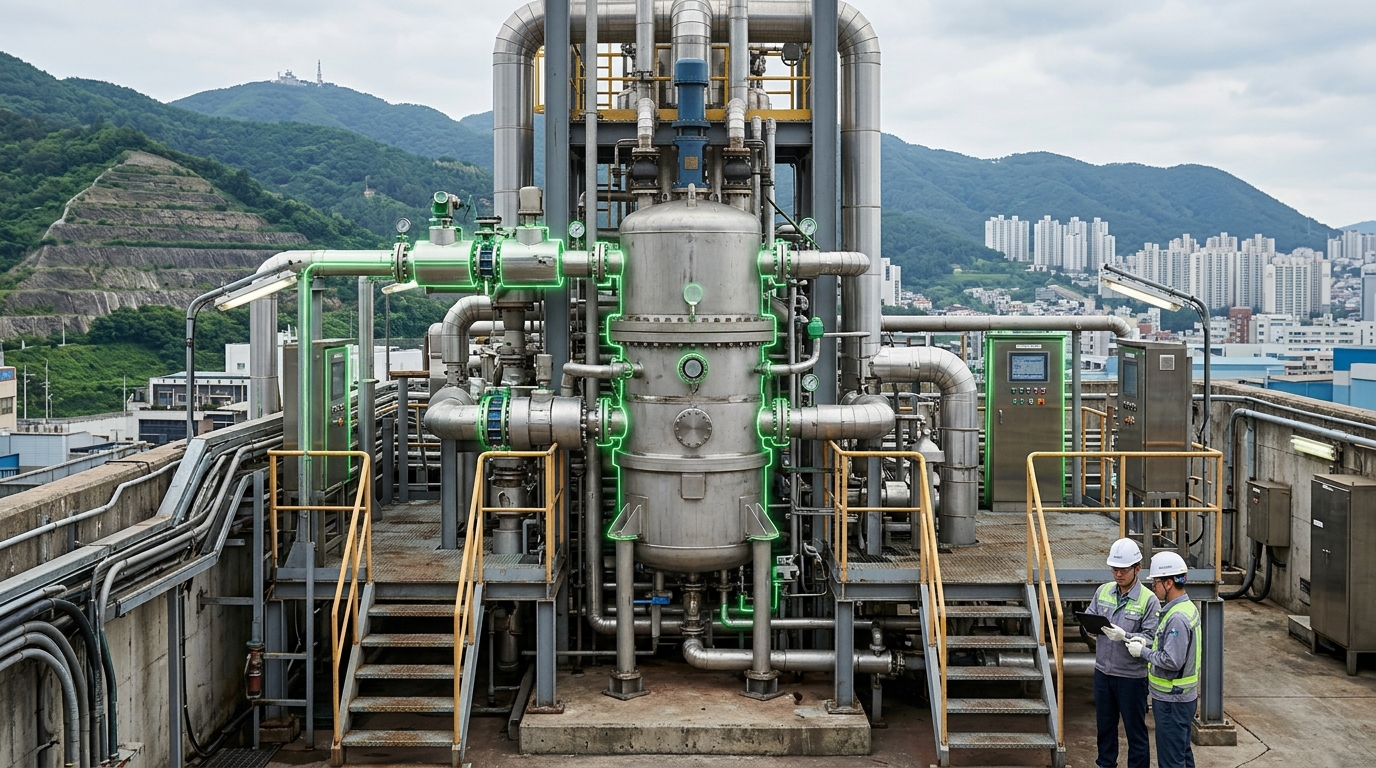
POSCO's proprietary HyREX process uses hydrogen instead of coal to reduce iron ore in fluidized bed reactors, targeting full-scale demonstration by 2030 and conversion of all Korean steelmaking by 2050.
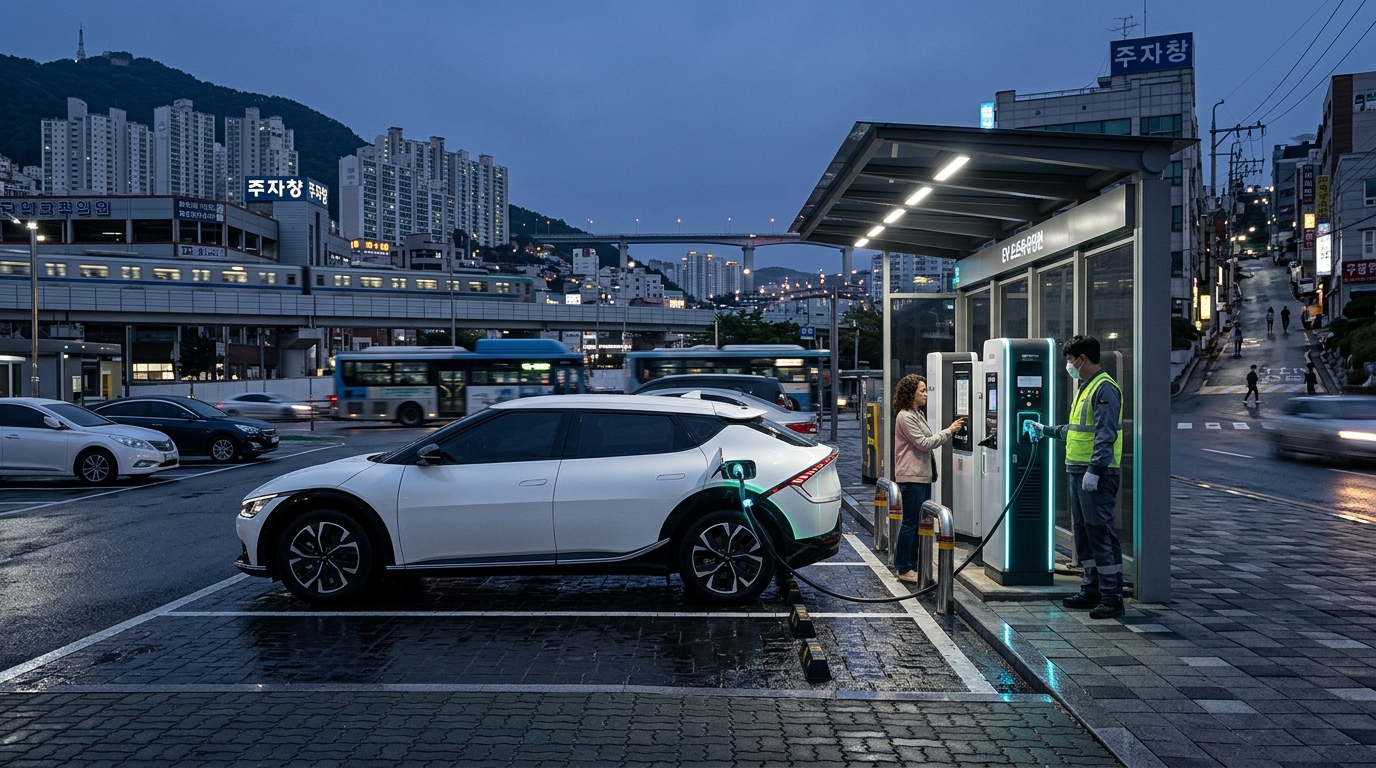
Hyundai and Kia's E-GMP and new IMA platforms underpin vehicles like the Ioniq 5, Ioniq 6, EV6, and EV9, with 800V architecture enabling 10-80% charging in 18 minutes.
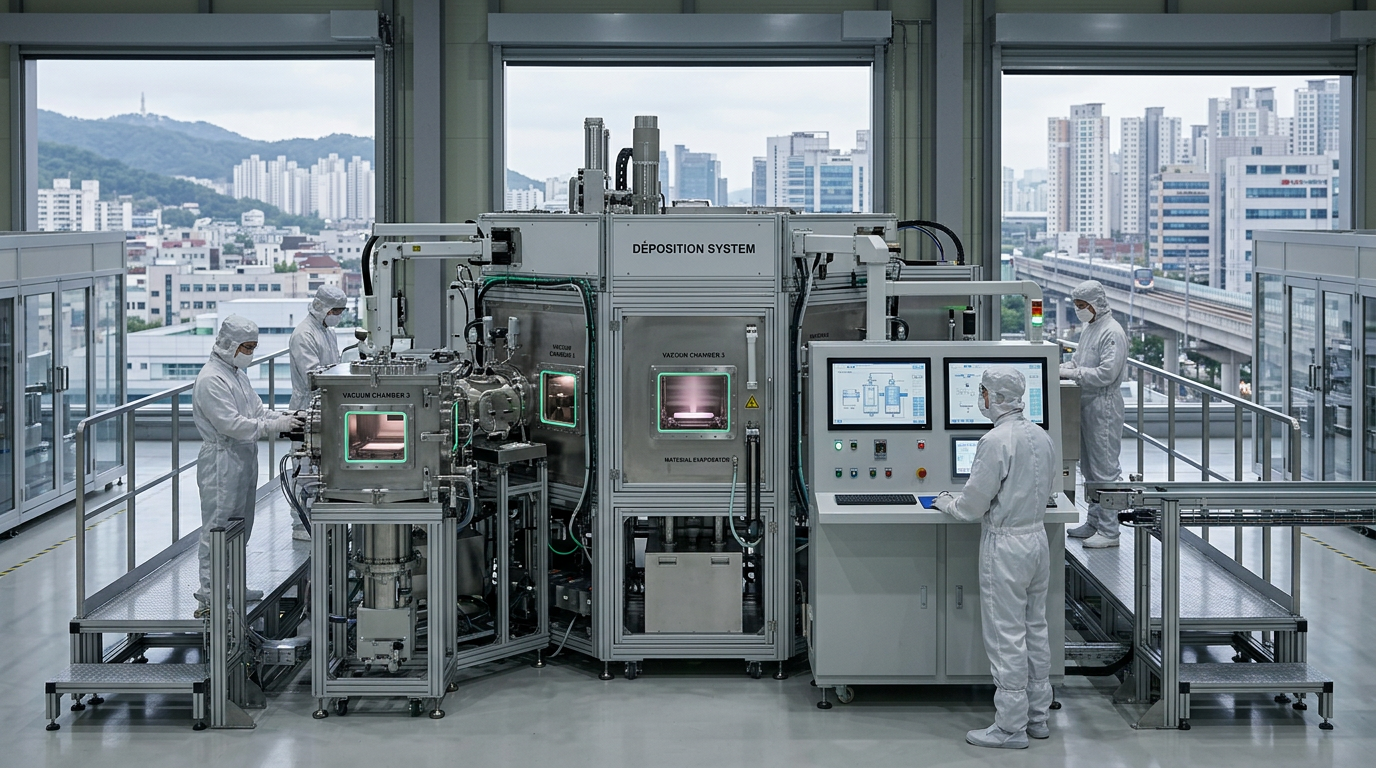
Sunic System's OLED evaporation machines challenge Japan's Canon Tokki monopoly, securing Korea's display supply chain with over $300M in orders from BOE alone.
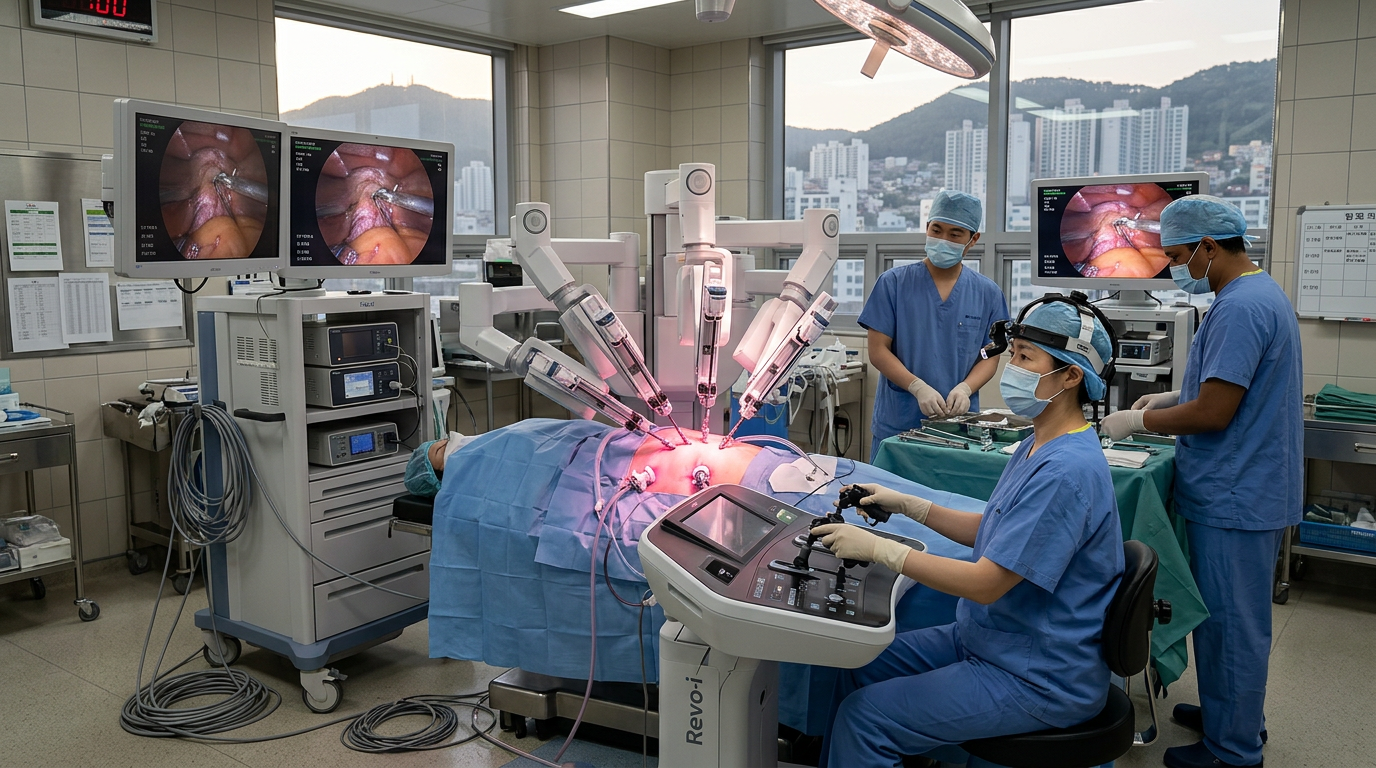
Korea's Revo-i is the world's second regulatory-approved robotic surgery system after da Vinci, offering comparable performance at significantly lower cost and challenging Intuitive Surgical's global monopoly.
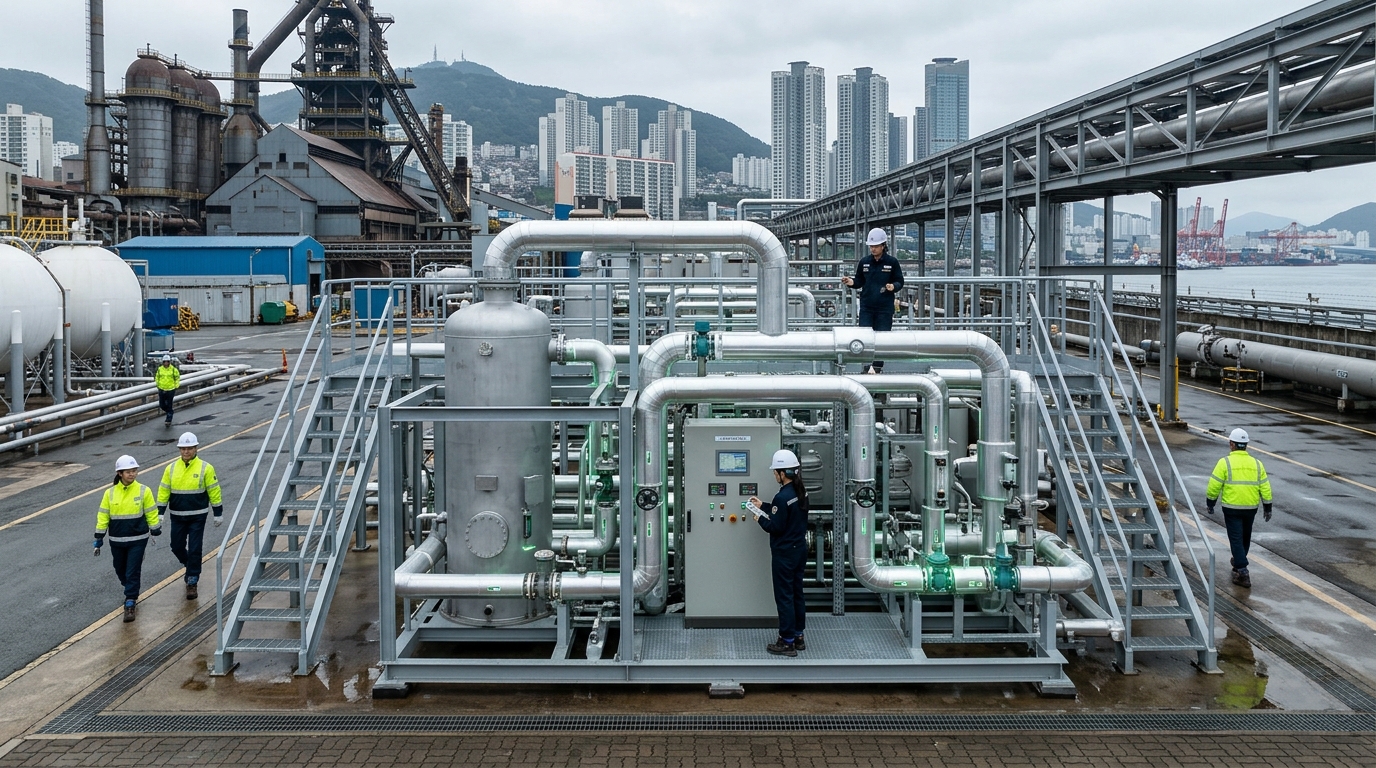
POSCO, KNOC, and Hyundai are building Korea's CCUS infrastructure to capture CO2 from steel, cement, and petrochemical operations, with five new demonstration sites under feasibility review and the K-ETS carbon market driving adoption.
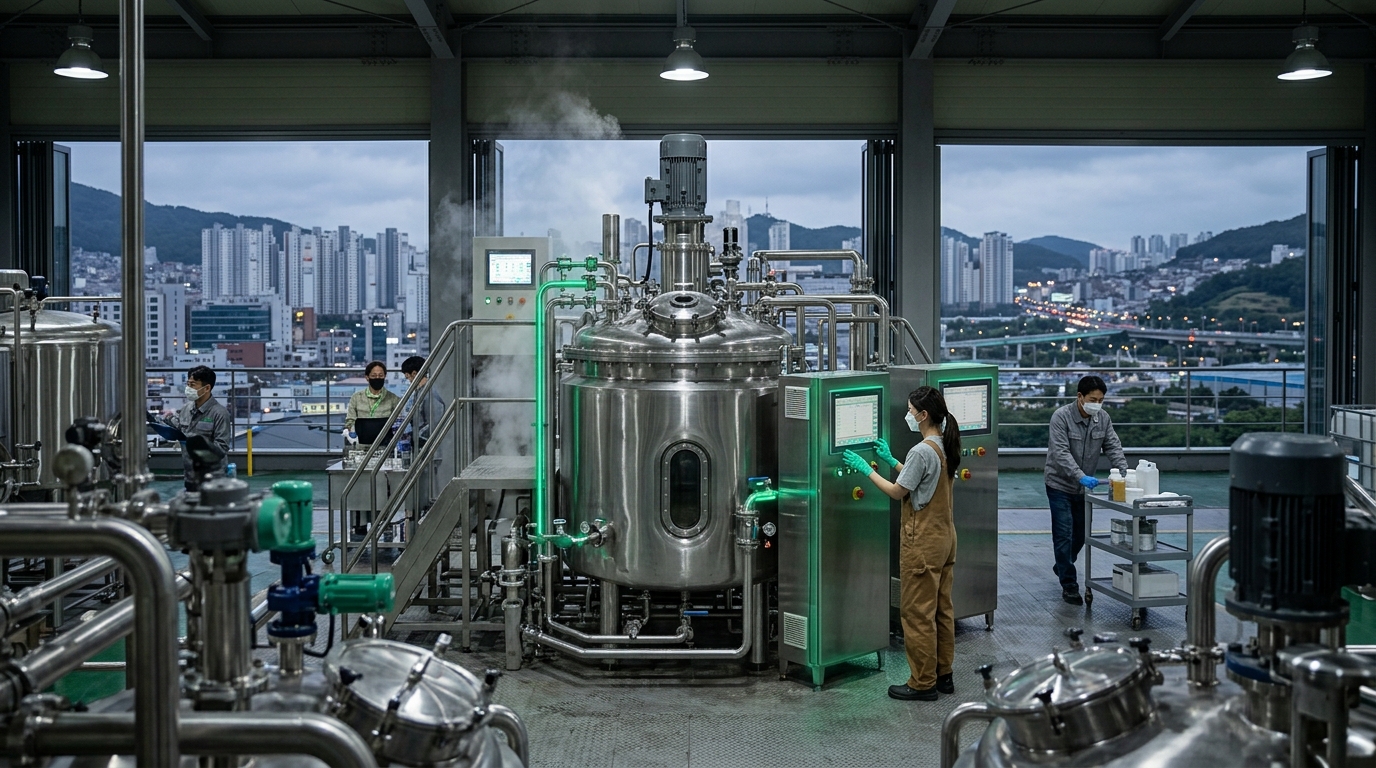
Korea transformed traditional fermentation knowledge (kimchi, gochujang, doenjang) into a $4.5B+ food technology export industry led by CJ CheilJedang's Bibigo brand, backed by world-leading R&D in lactic acid bacteria, probiotics, and amino acid production.
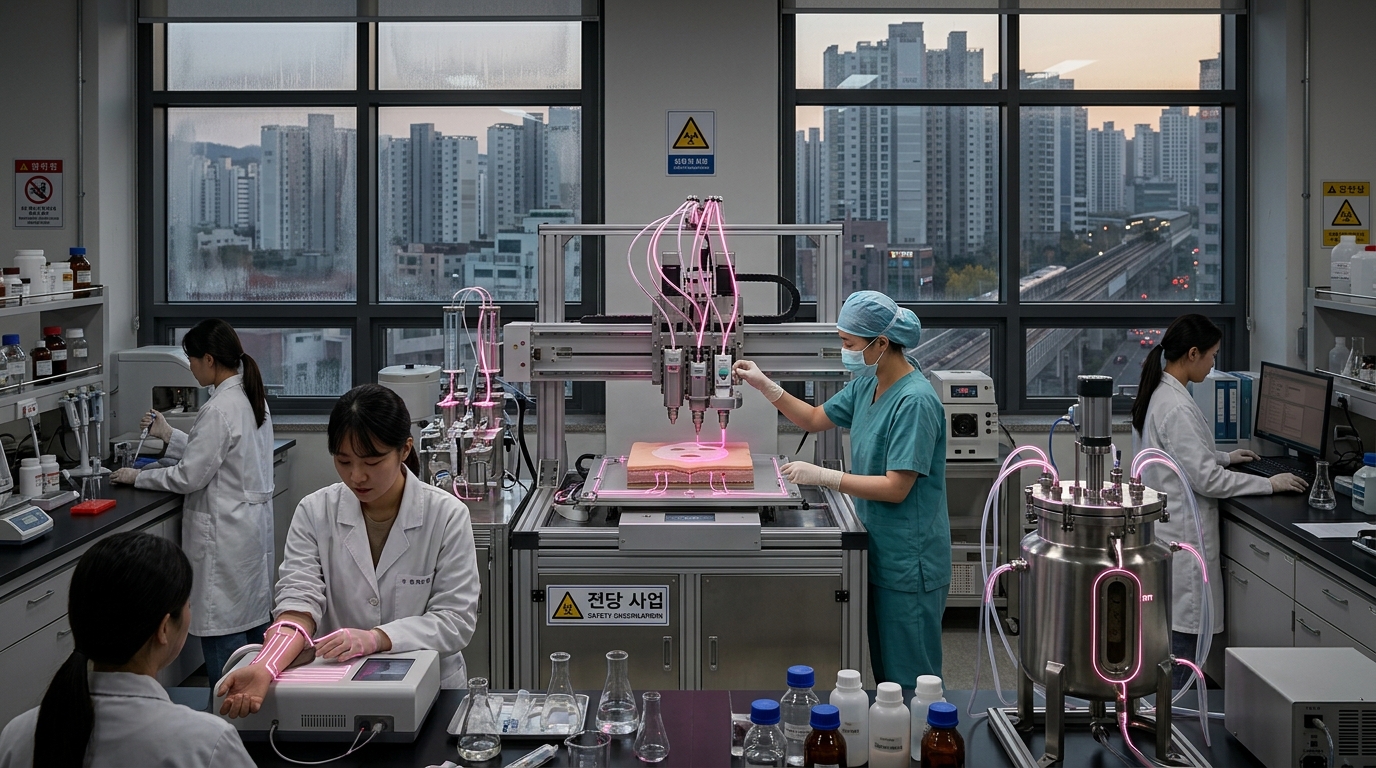
Korea's cosmetics industry files 40%+ of global beauty ingredient patents, pioneered product formats adopted worldwide (sheet masks, cushion compacts, essences), and uses AI skin analysis, microbiome research, and 3D-printed face masks to stay 2-3 years ahead of global beauty trends.
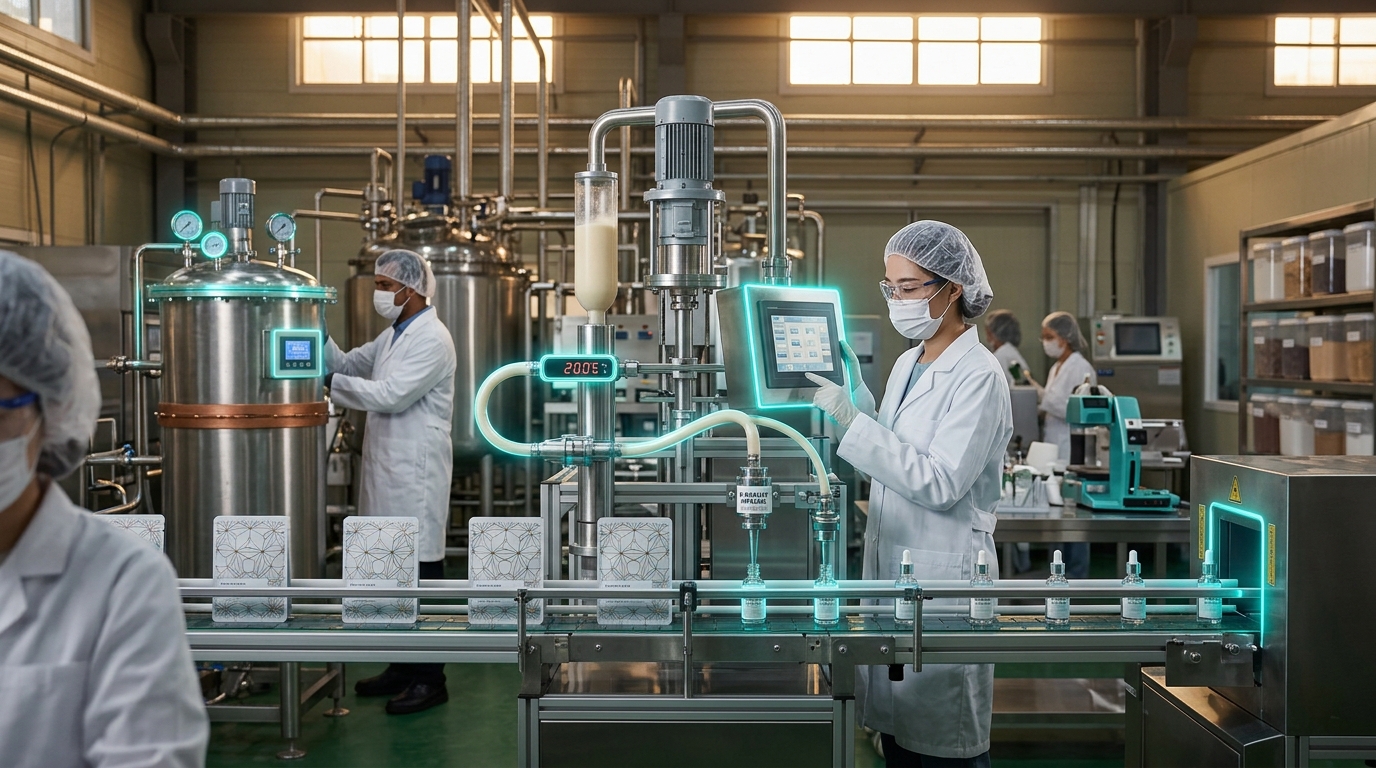
Korean cosmetics companies lead global skincare innovation with 40%+ of new beauty ingredient patents, pioneering formats like sheet masks, essences, and AI skin analysis tools.
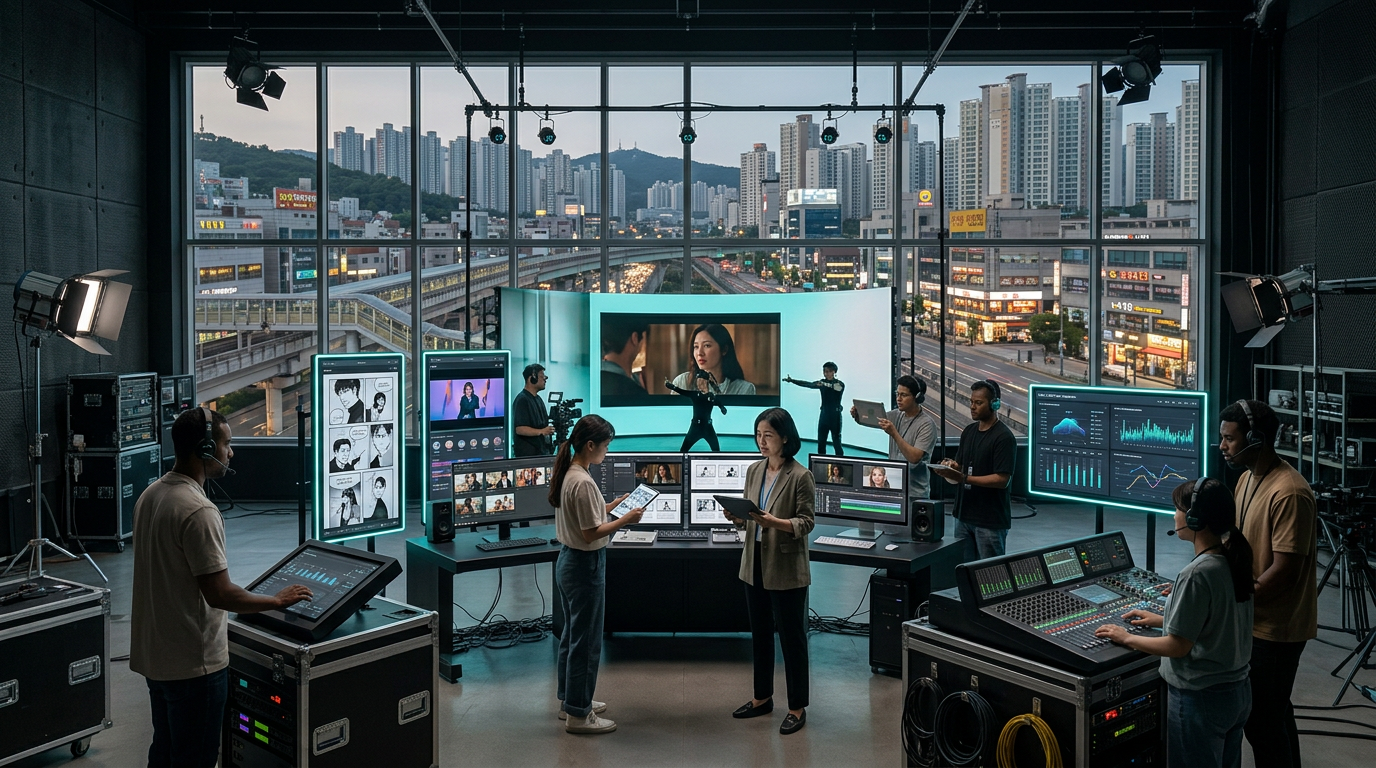
K-pop, K-drama, and webtoons generate $12B+ in annual exports, powered by a technology stack of AI talent scouting, algorithmic music production, vertical video platforms, and global distribution through Weverse, KOCOWA, and Naver Webtoon.
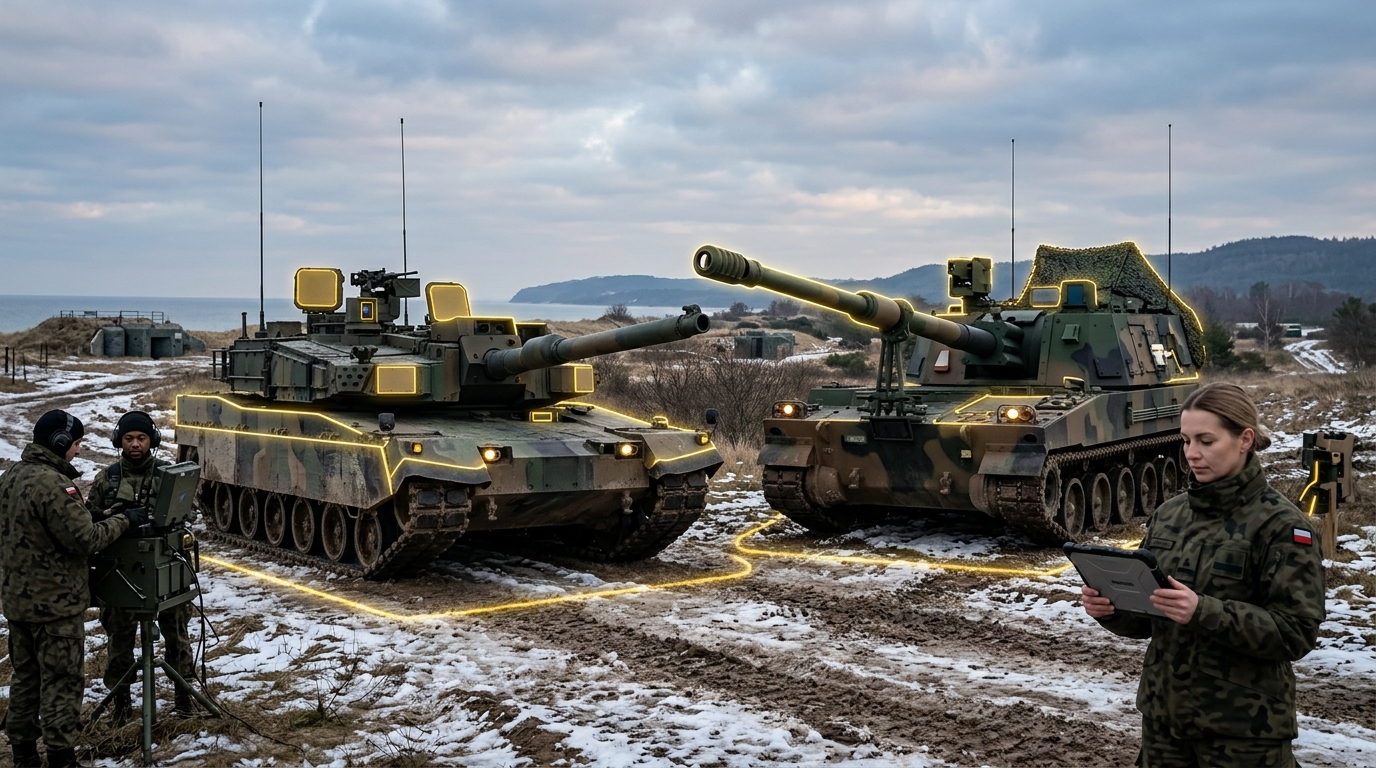
Korea's K2 Black Panther tank and K9 Thunder howitzer have secured over $17B in export orders from Poland, Australia, Norway, and others, making Korea a top-5 global arms exporter.
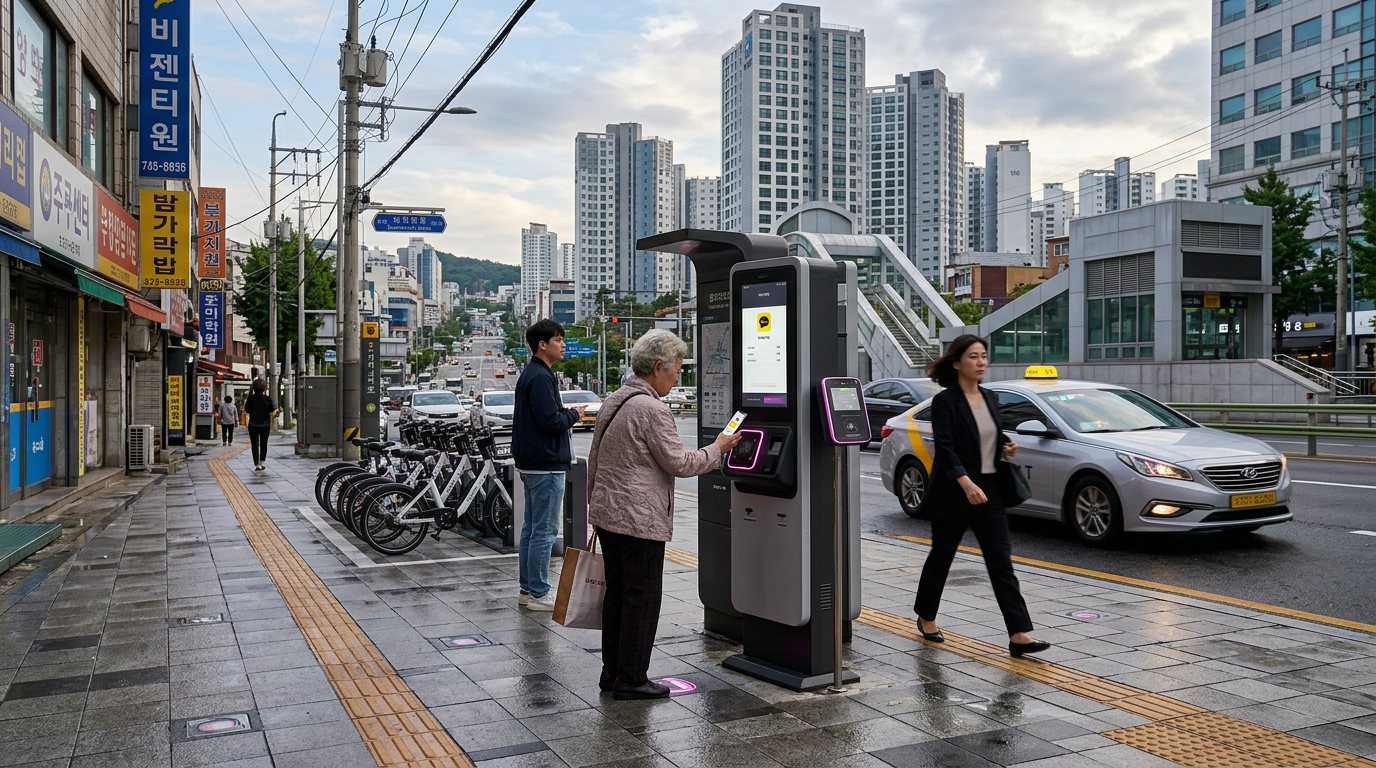
KakaoTalk is used by 96% of Korean smartphone users, and Kakao's ecosystem spans payments, mobility, entertainment, and AI — functioning as Korea's de facto digital infrastructure.
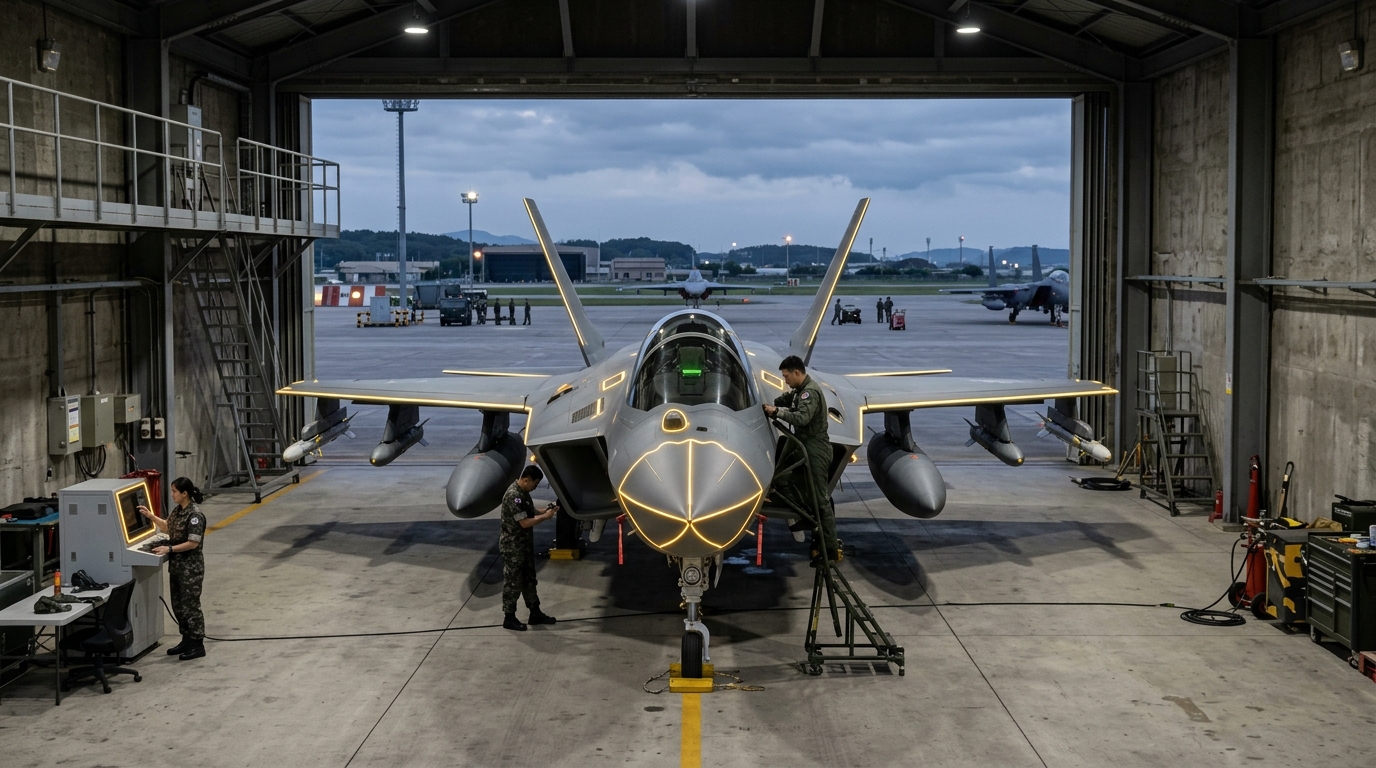
Korea's indigenous KF-21 Boramae 4.5-generation fighter completed flight testing in 2024 and enters serial production in 2026, making Korea one of fewer than ten countries to develop an advanced fighter jet.
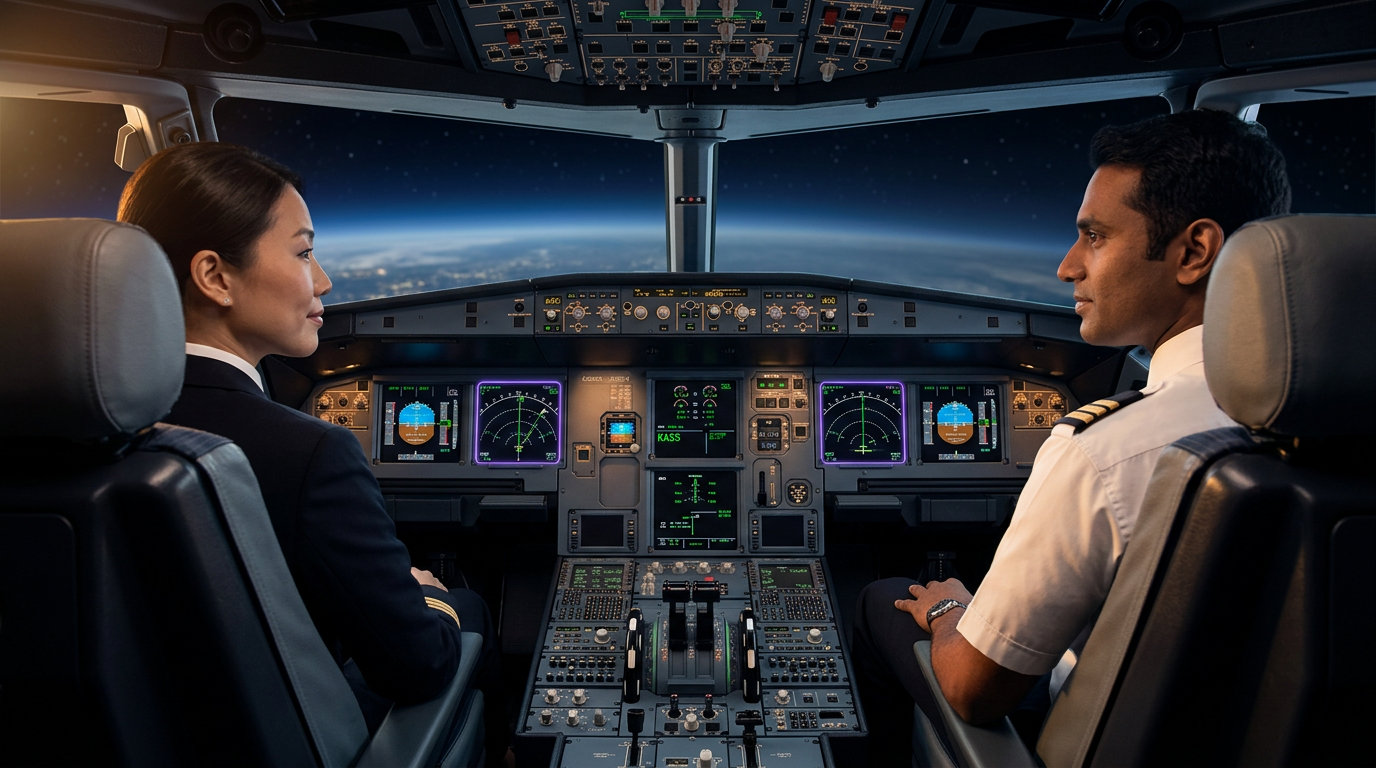
KASS reduces GPS positioning errors to within 3 meters using geostationary relay, becoming Korea's first certified SBAS for aviation precision approaches.
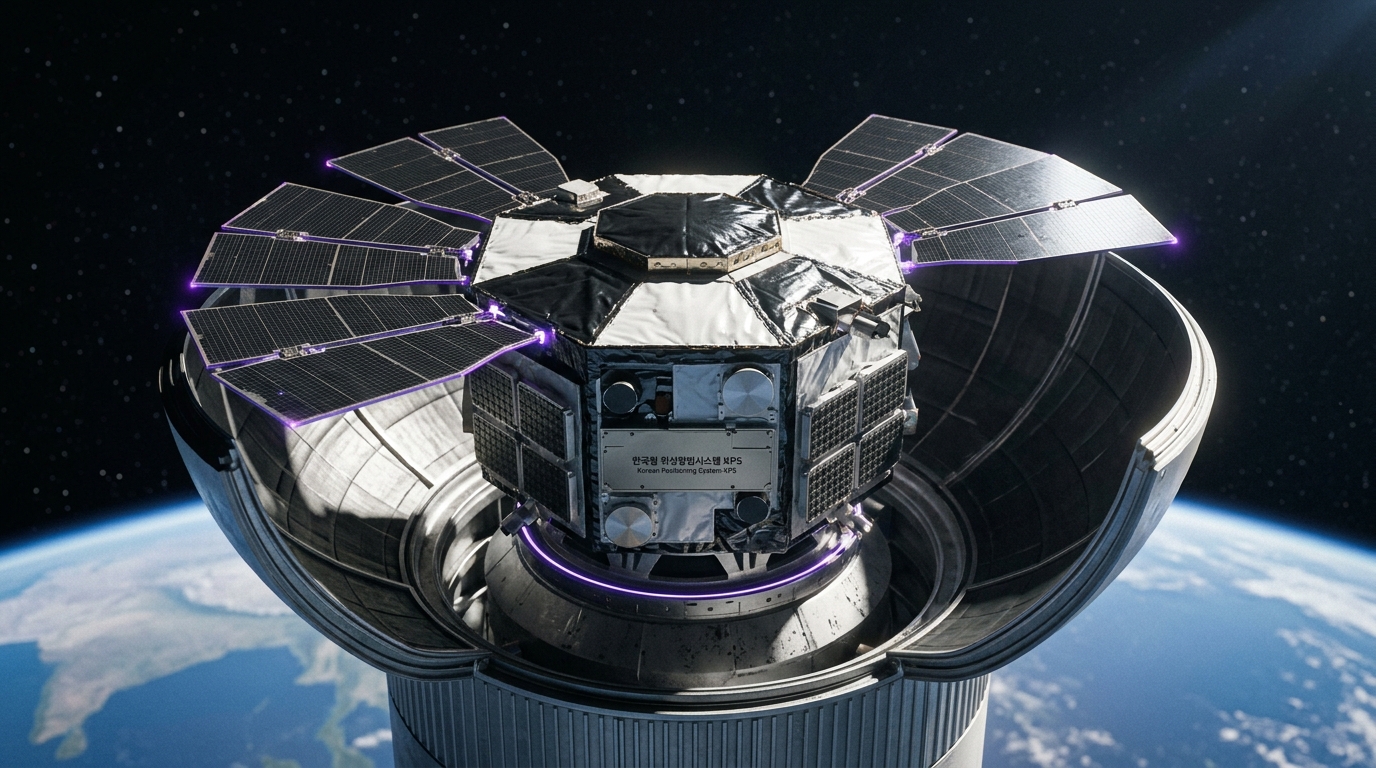
South Korea's $3.3B indigenous satellite navigation system will deploy 8 satellites by 2035 for sub-meter positioning across the Asia-Oceania region.
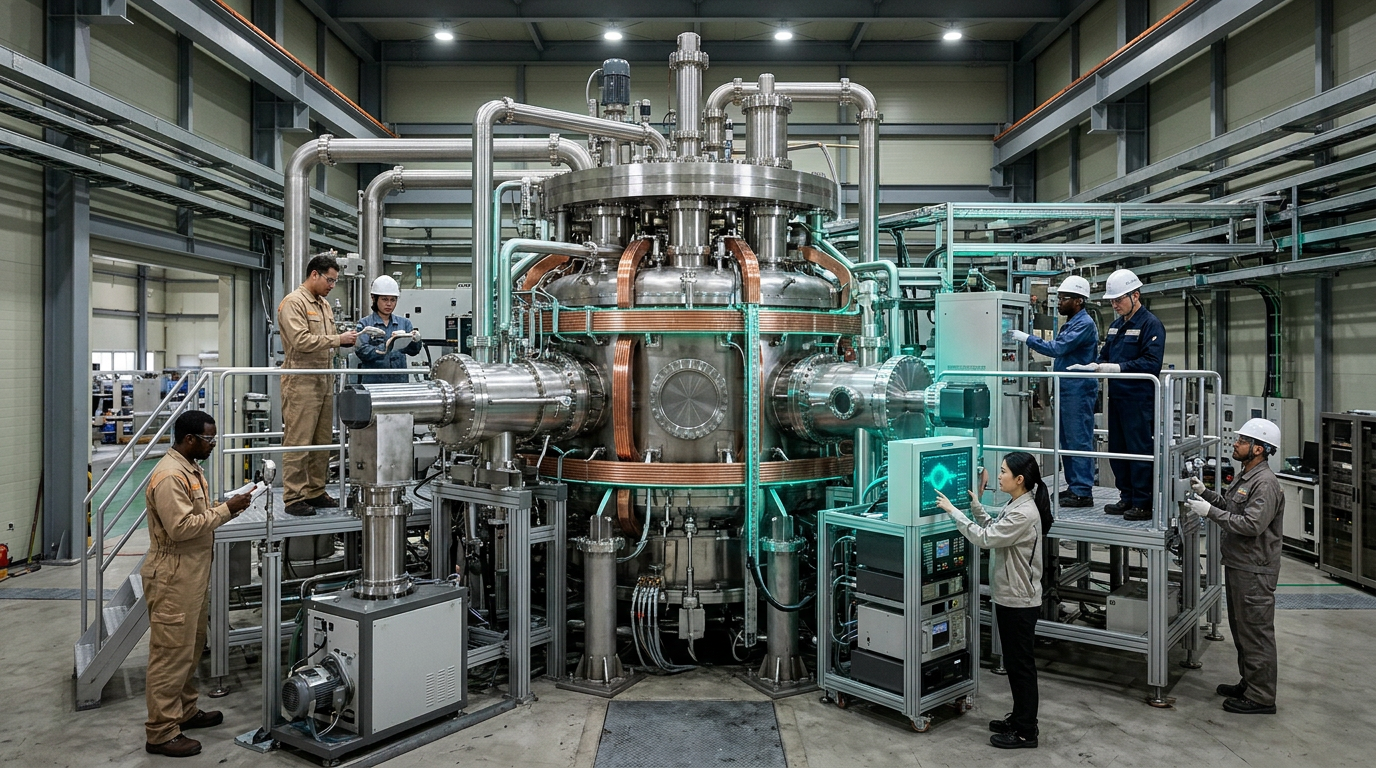
Korea's 'artificial sun' KSTAR sustained plasma at 100 million degrees Celsius for 48 seconds in 2024, setting a world record and positioning Korea as a tier-one fusion research nation.
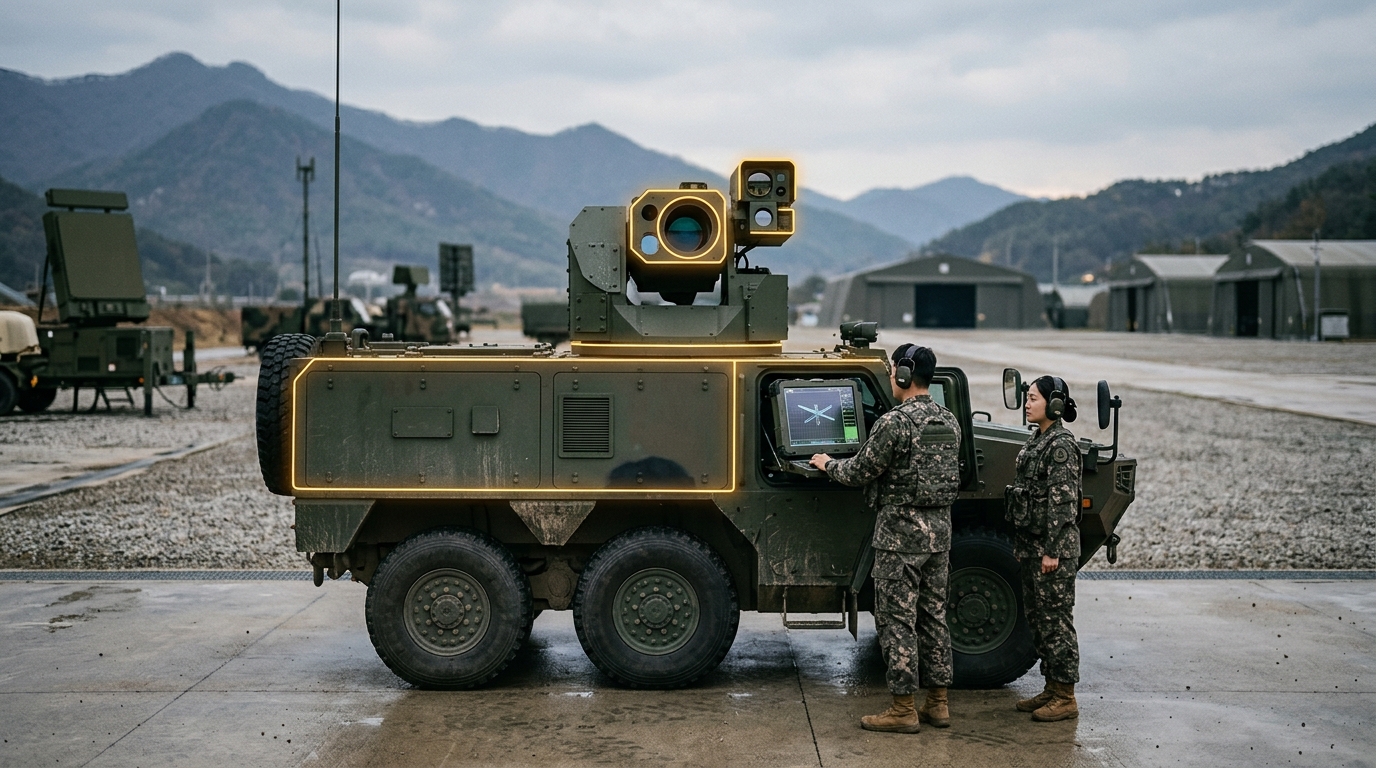
South Korea became the world's first country to deploy operational laser weapons in 2024, with the 20kW Cheongwang system shooting down drones at $1.50 per shot and 100kW systems now under contract.

Korean shipyards build over 70% of the world's LNG carriers, the most technologically complex commercial vessels, with order backlogs extending past 2028.
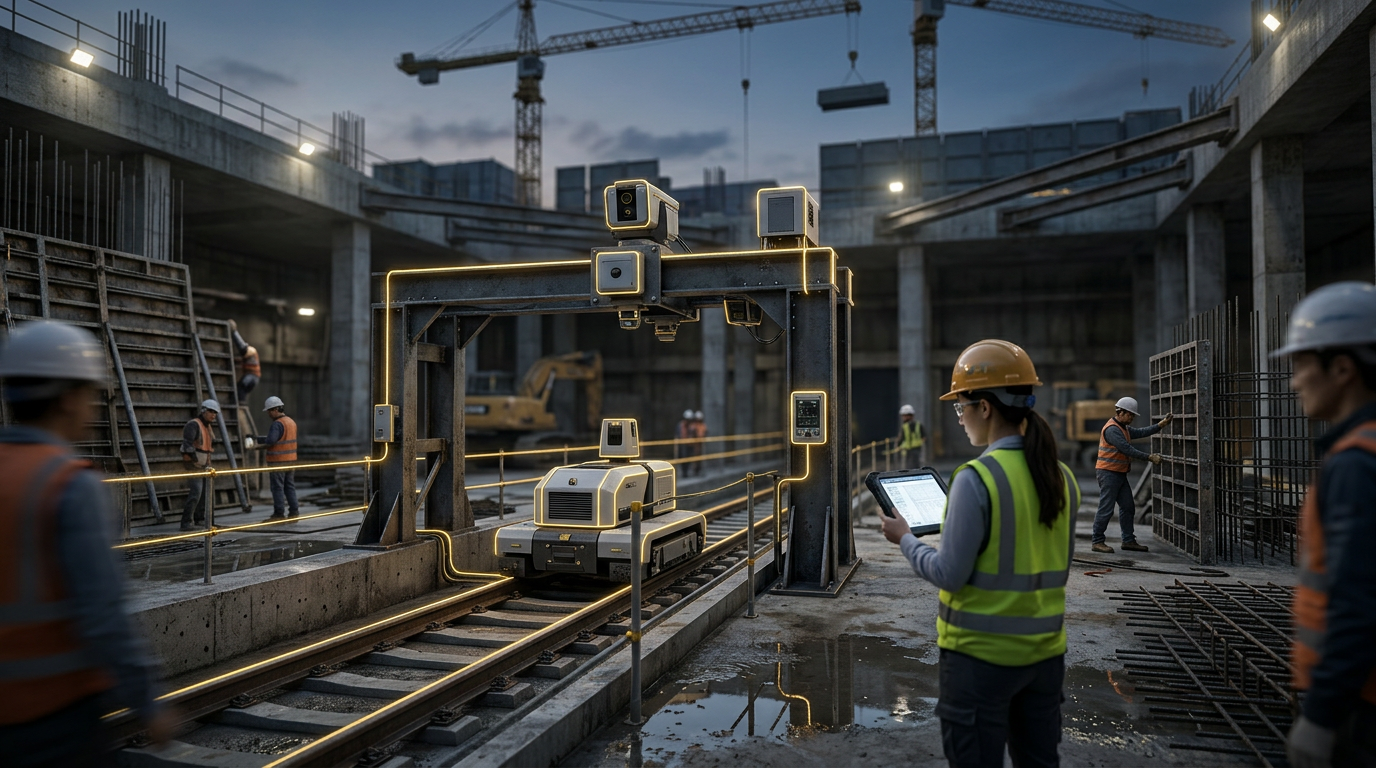
Korean construction firms (Samsung C&T, Hyundai E&C, POSCO E&C, Daewoo E&C) are among the world's largest builders of nuclear plants, LNG terminals, petrochemical complexes, and smart cities, with $30B+ in annual overseas contracts.
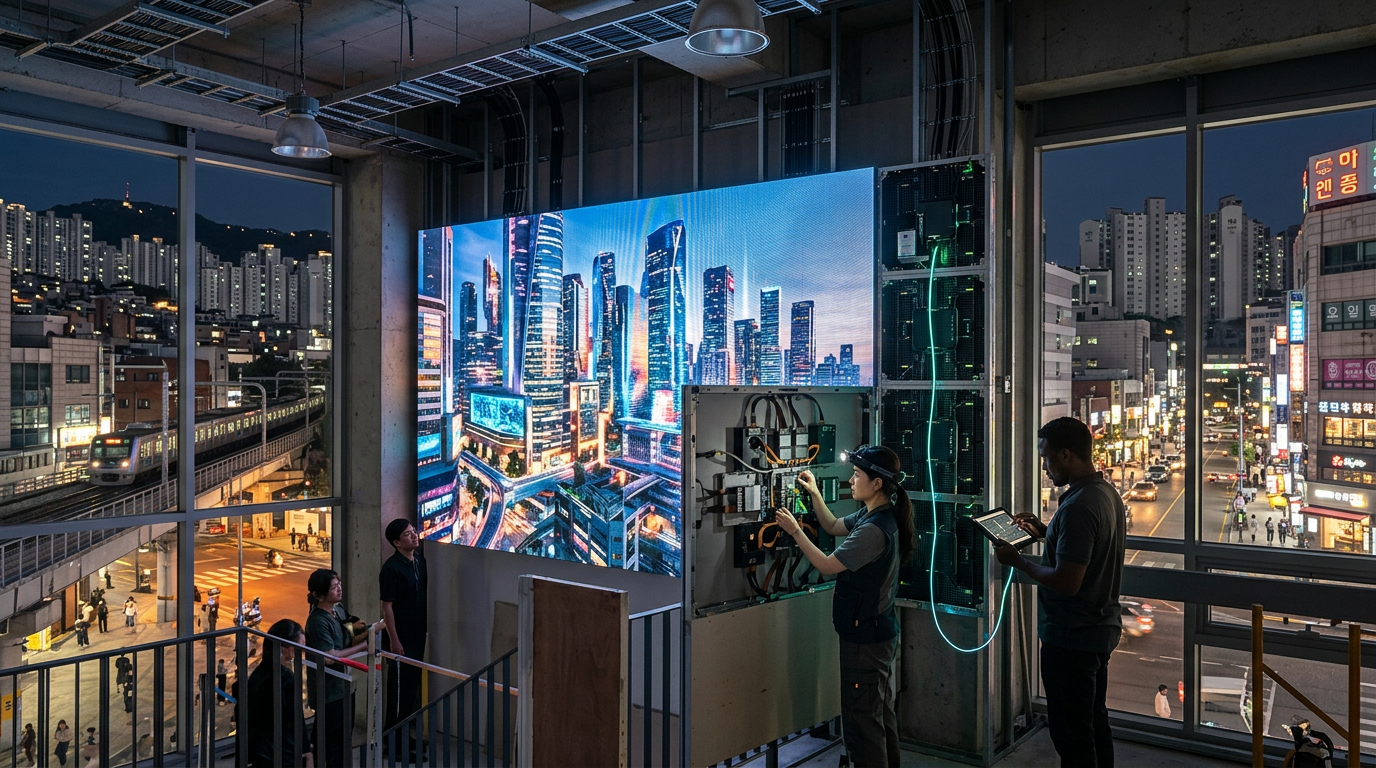
Samsung leads global Micro-LED development with 'The Wall' commercial displays and ongoing R&D to bring mass-transfer manufacturing costs down for consumer products.
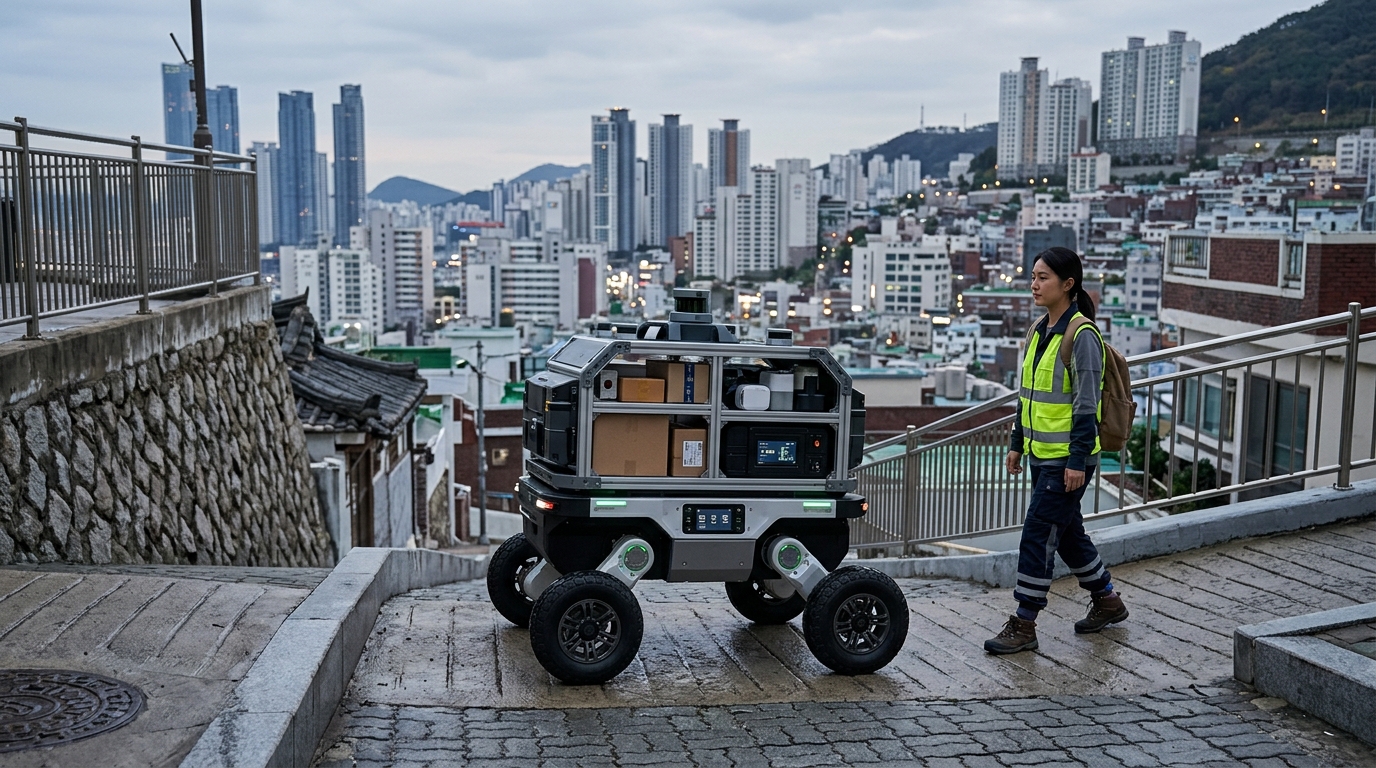
Hyundai's MobED modular eccentric droid won CES 2026 Best of Innovation for its four-wheel independent steering platform that adapts to any terrain or payload.

Motional, the Hyundai-Aptiv joint venture, operates autonomous robotaxi service using Ioniq 5-based vehicles in Las Vegas and Los Angeles, targeting commercial launch through Uber and Lyft partnerships.
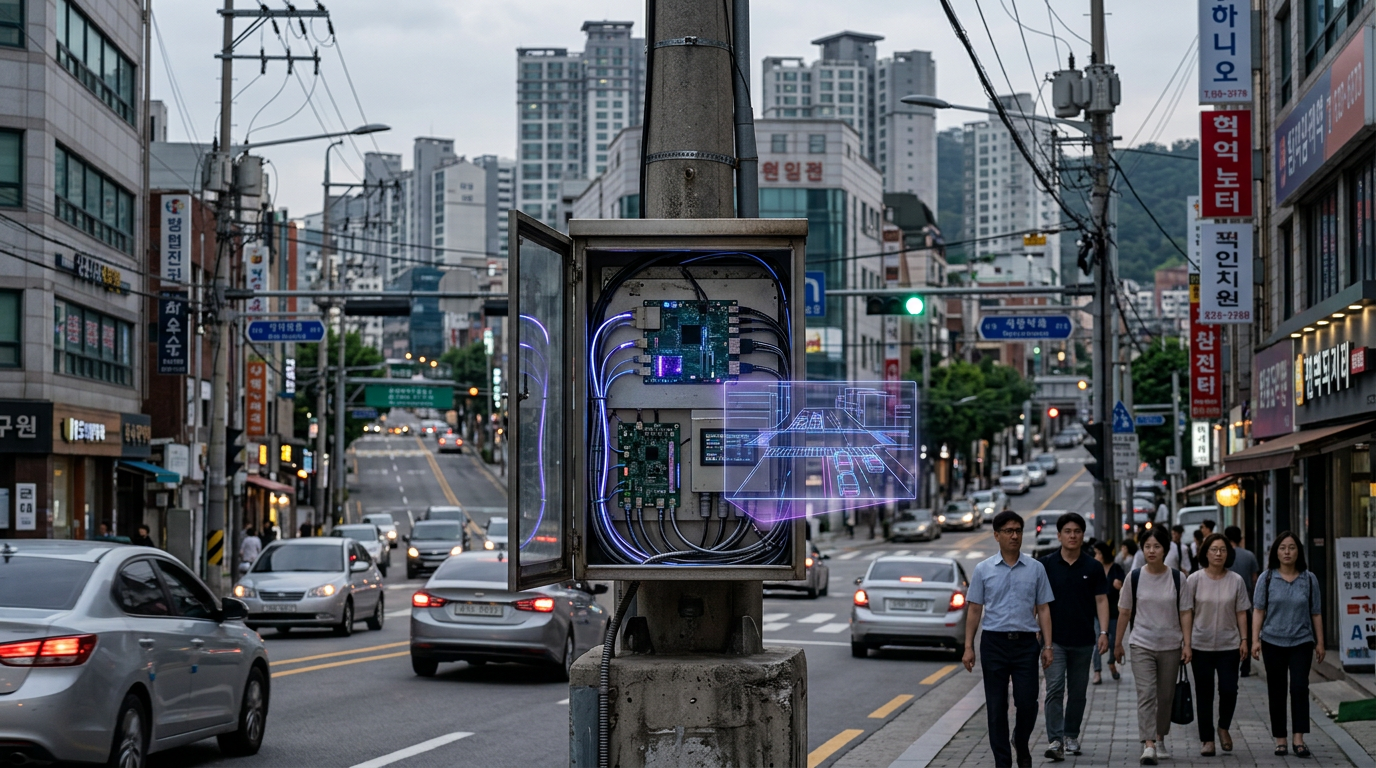
The Korean government committed $349M in 2025 AI investment including compute subsidies, AI talent programs, and the Digital Platform Government initiative integrating AI across all public services.
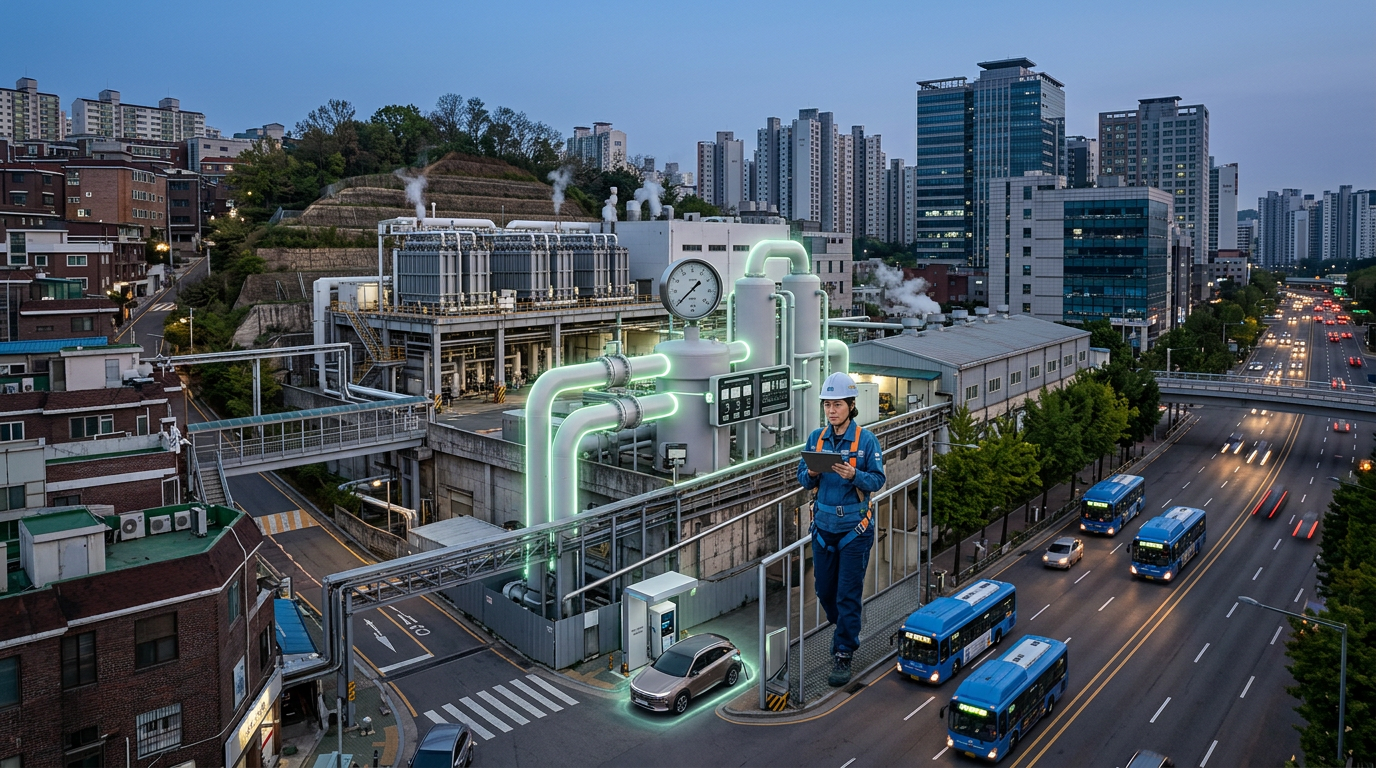
South Korea operates the world's most ambitious hydrogen strategy, with Hyundai NEXO fuel cell vehicles in production, plans for 40,000 hydrogen buses, and a target of 15 GW hydrogen capacity by 2040.
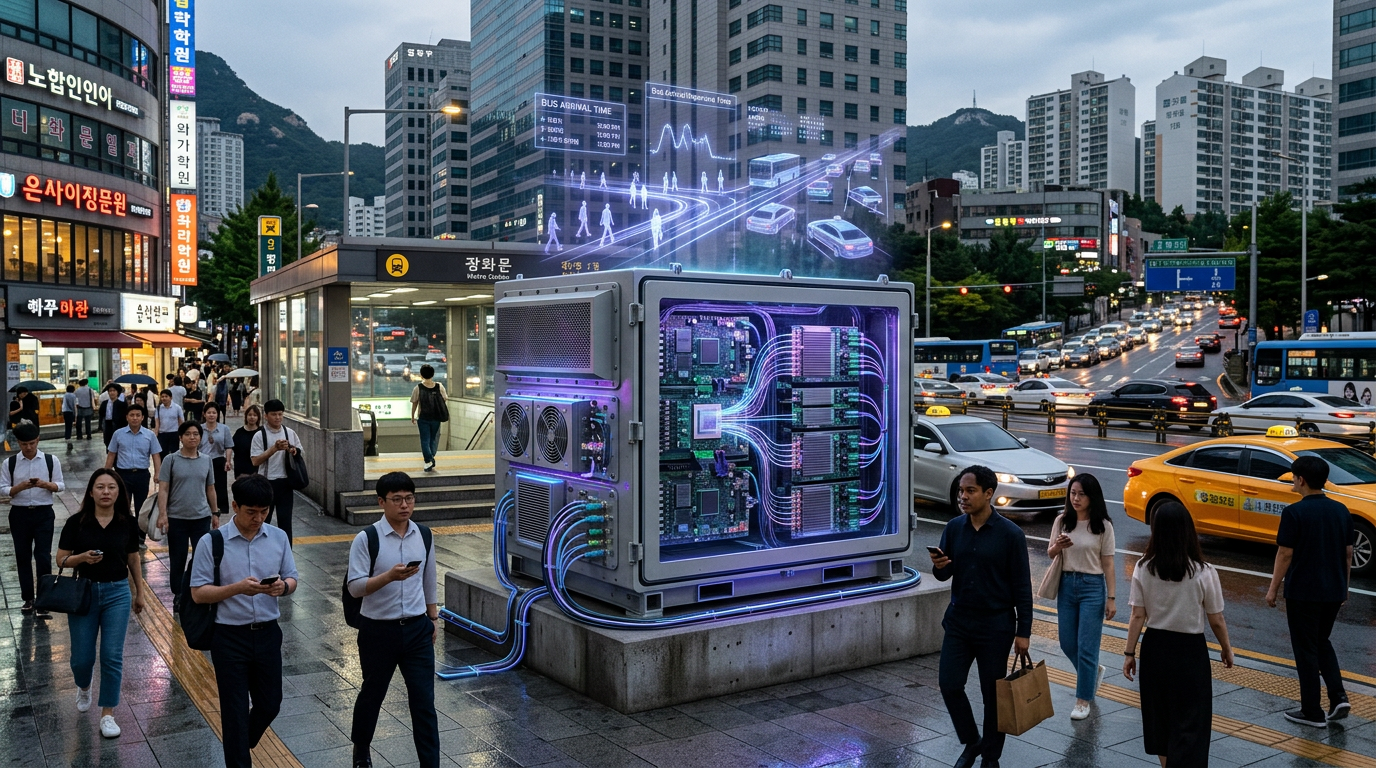
Naver operates 60,000+ GPUs and is the only Korean company with complete AI infrastructure from custom data centers to foundation models to consumer-facing search and commerce products.
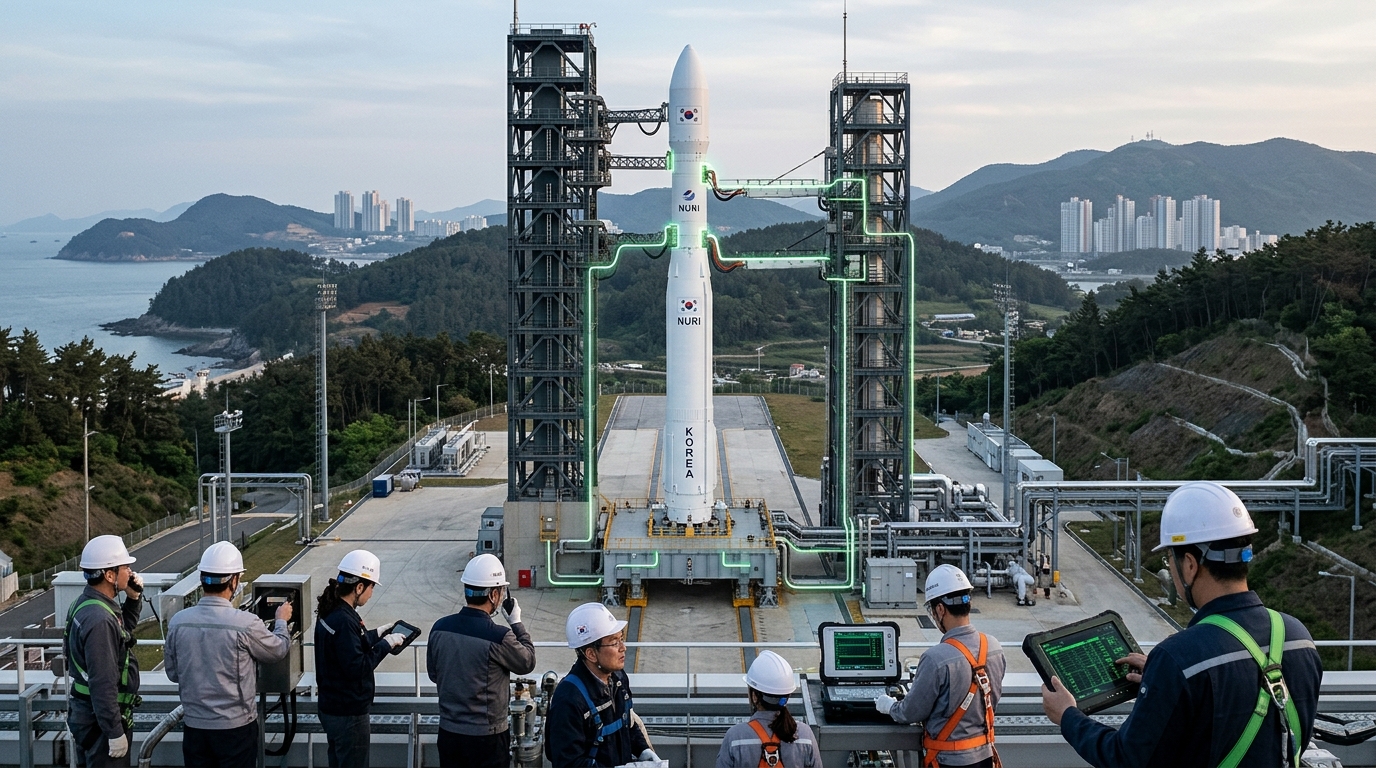
Korea's domestically developed Nuri (KSLV-II) rocket successfully placed satellites in orbit in 2023 and 2024, making Korea the 7th country to launch a satellite on a domestically built rocket.
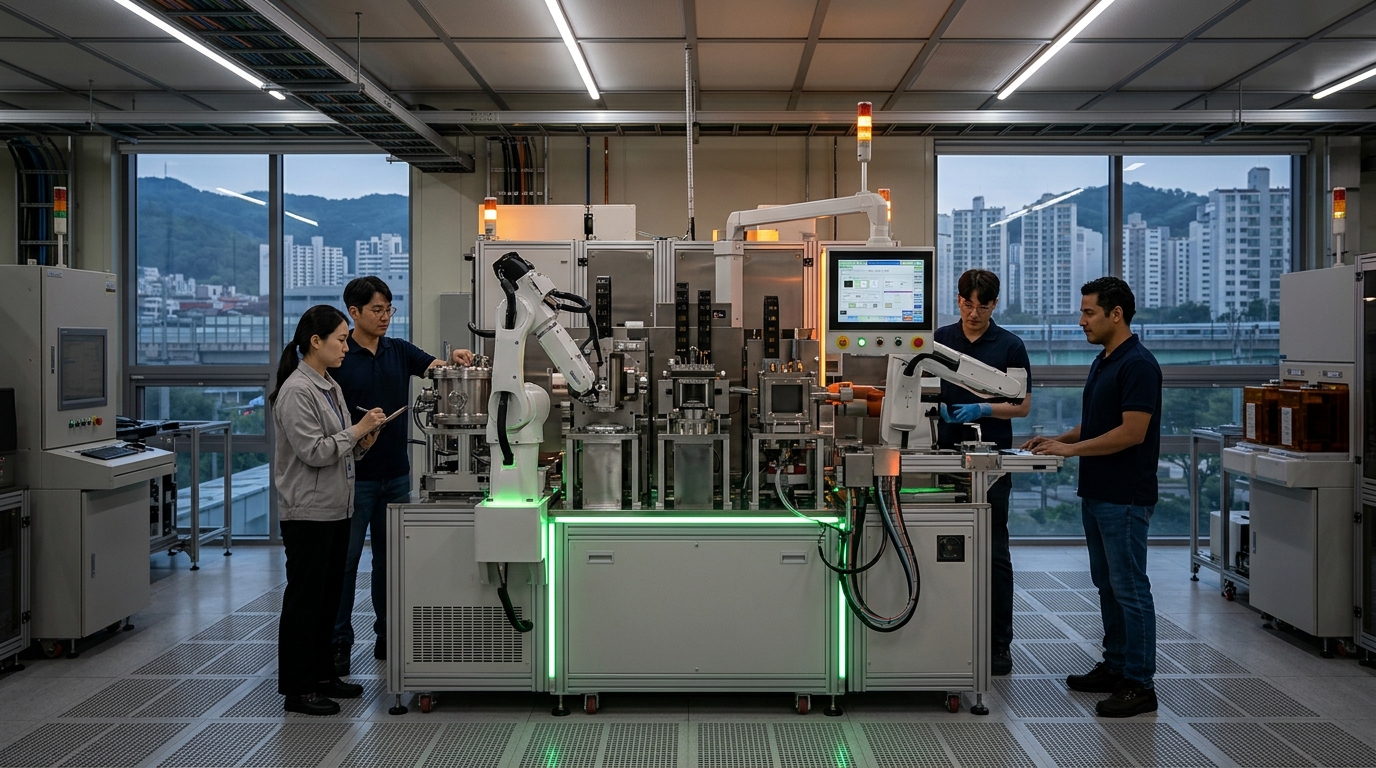
Samsung Display and LG Display control over 70% of global OLED panel production, supplying Apple, every major smartphone maker, and the premium TV market.
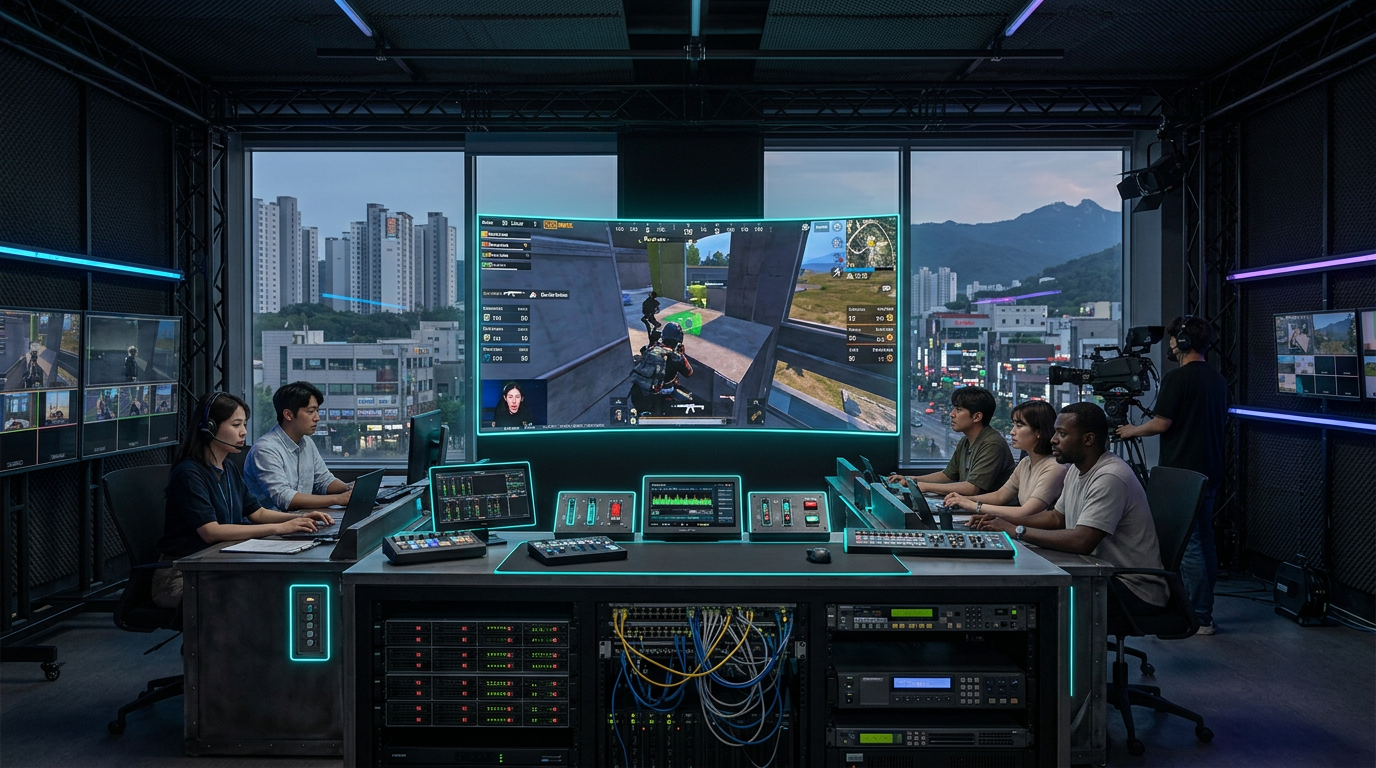
Korea invented professional esports, built the PC bang culture that defined online gaming, and its game companies — Krafton (PUBG, 1.3B+ downloads), Nexon, NCSoft, Netmarble — generate $15B+ in combined annual revenue with global reach.
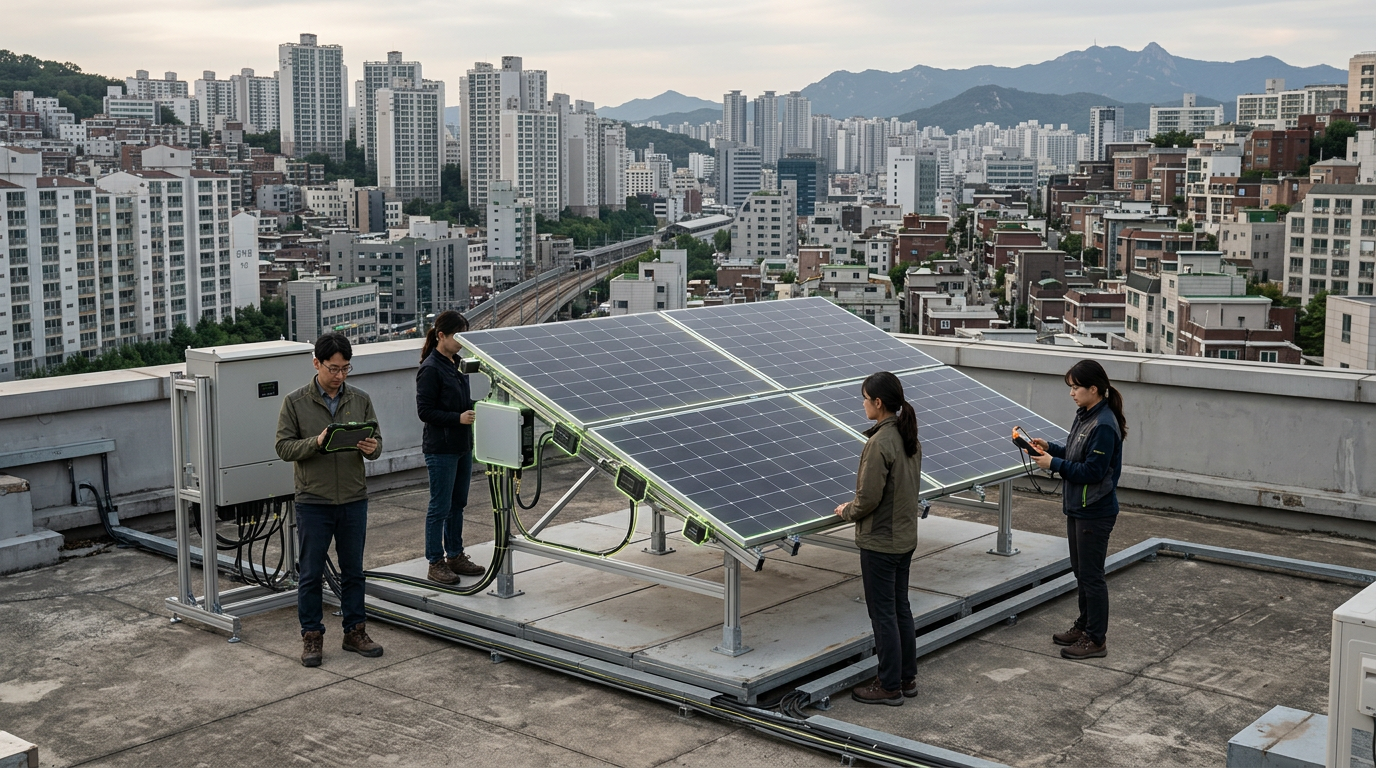
Hanwha Qcells achieved a world-record 28.6% efficiency on commercially-sized perovskite-silicon tandem cells, while UNIST leads in fundamental perovskite research, with Korea targeting 2030 commercialization.
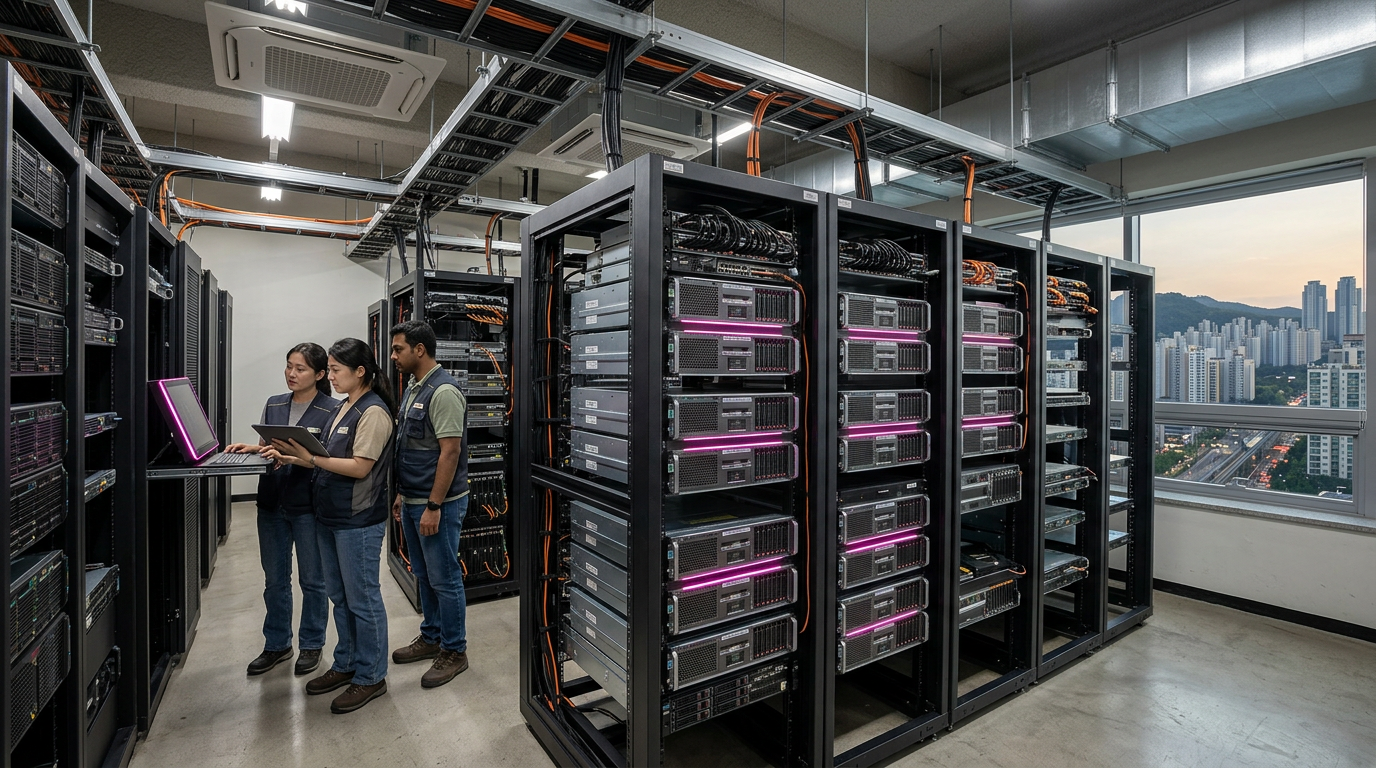
SK Hynix is embedding compute logic directly inside DRAM chips, reducing the data movement bottleneck that wastes up to 60% of energy in conventional AI systems.
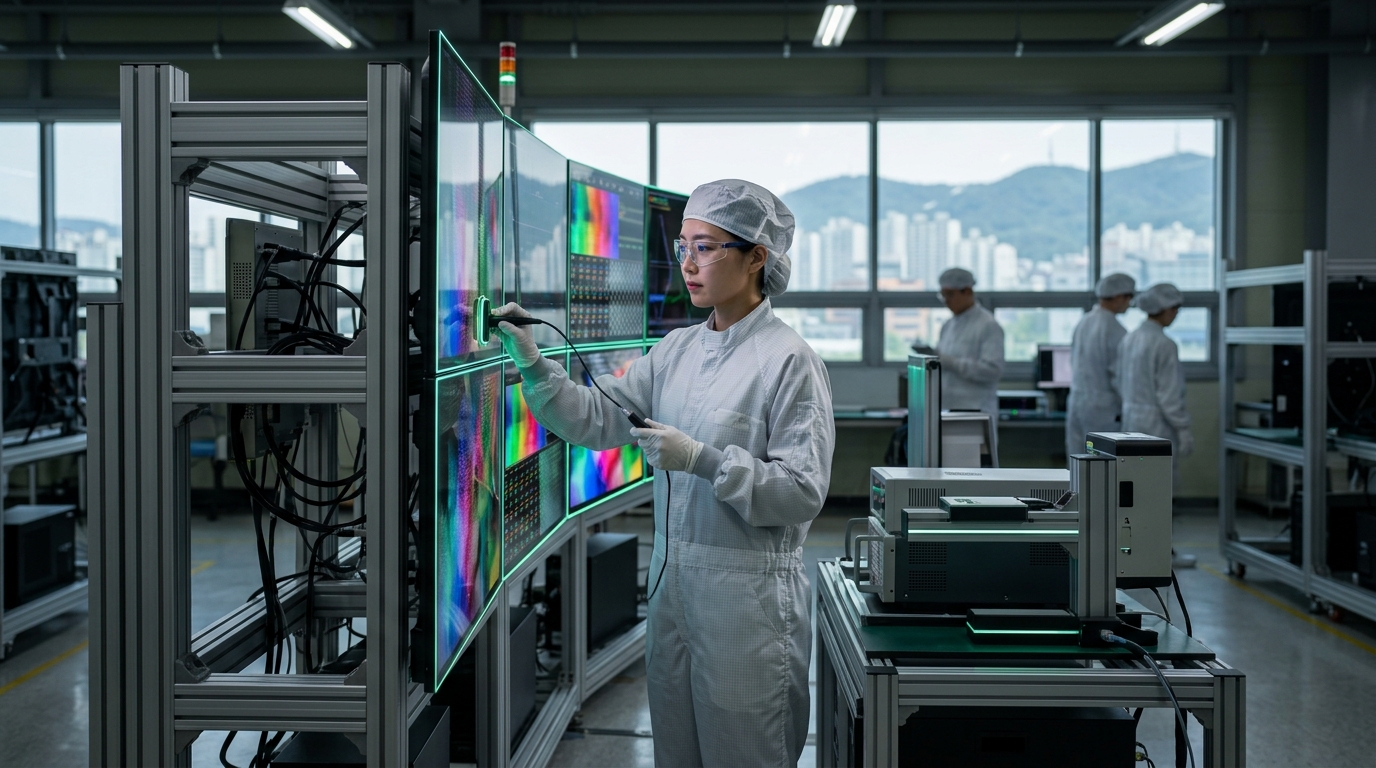
Samsung's QD-OLED technology combines quantum dot color conversion with blue OLED emitters, achieving wider color gamut and higher brightness than conventional OLED or LCD.
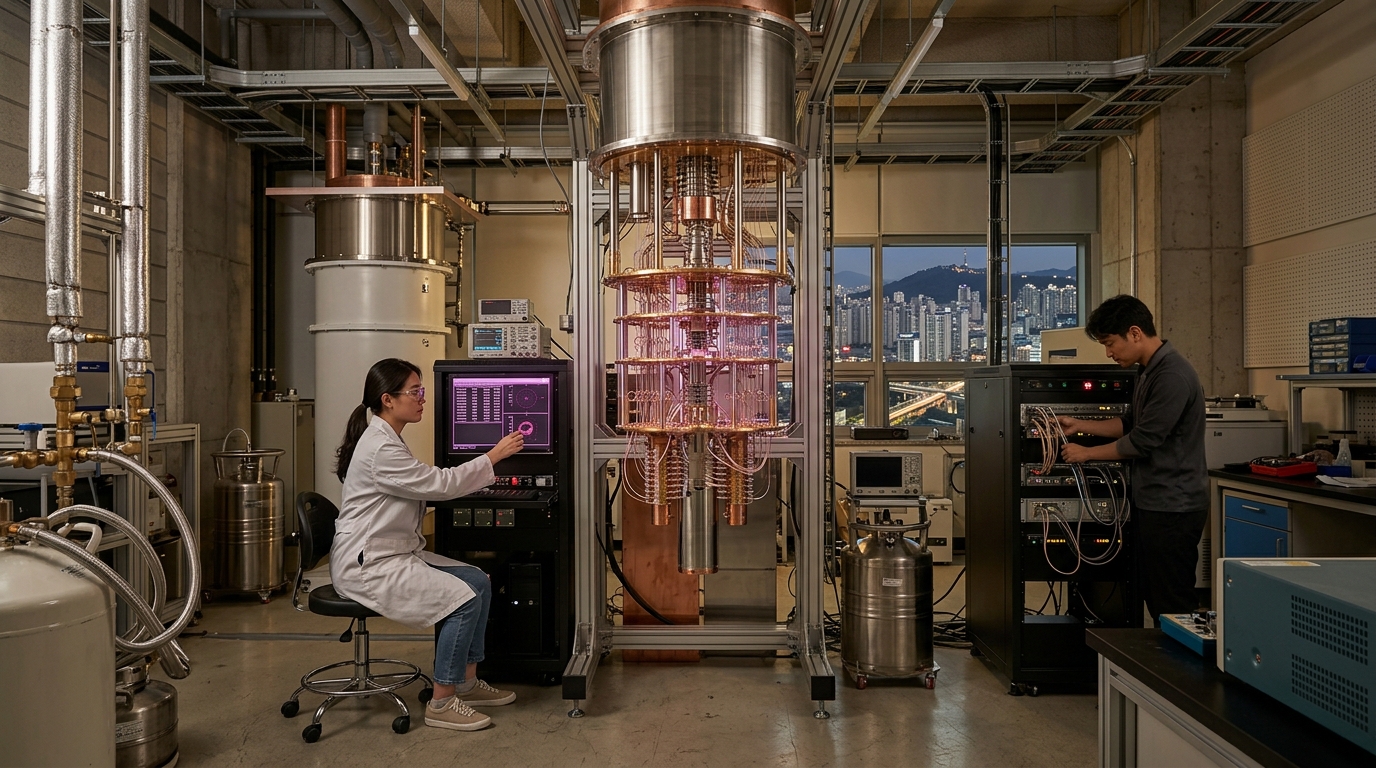
Samsung, SK Telecom, and KIST are developing superconducting and ion-trap quantum processors, with the government committing $2B to quantum technology R&D through 2030.
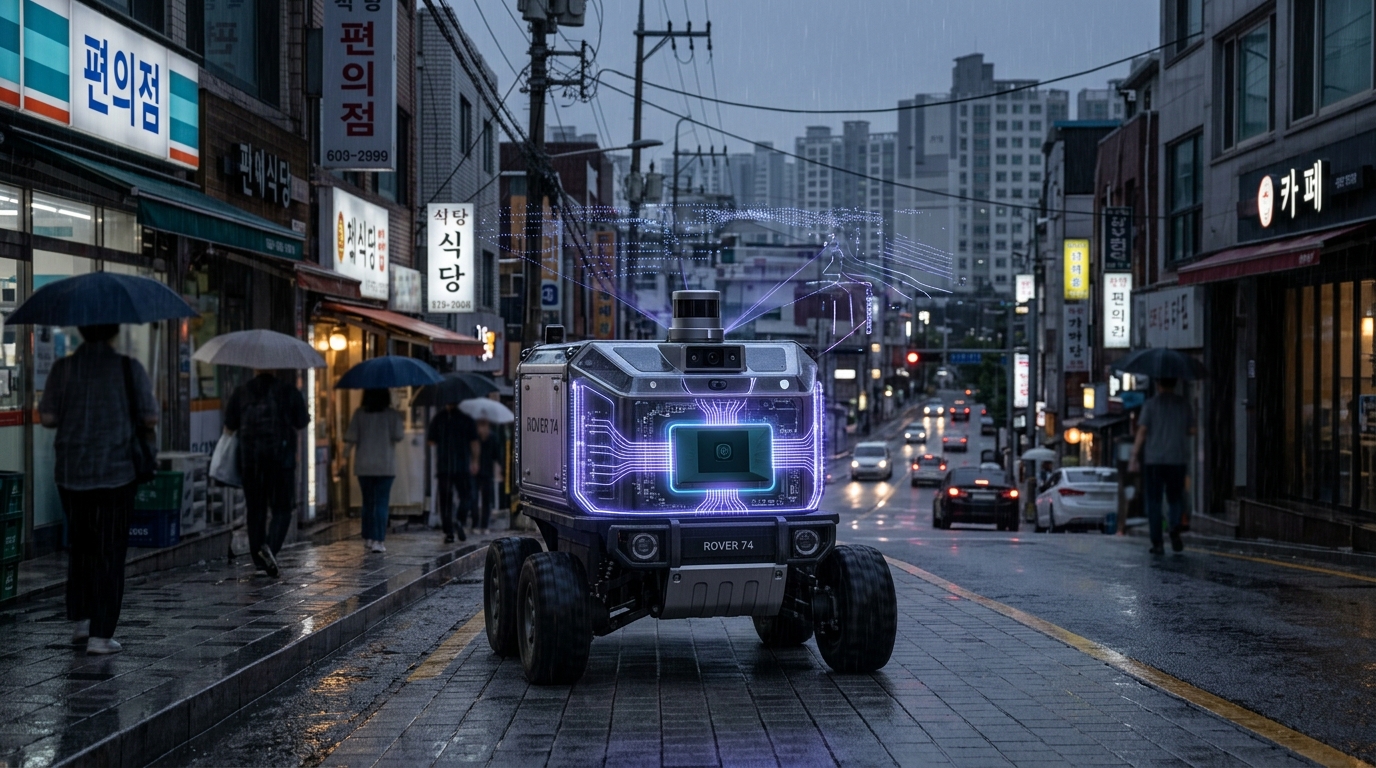
Deep Fusion AI won CES 2026 Best of Innovation for 4D imaging radar perception that works in rain, fog, and darkness where cameras and lidar fail.
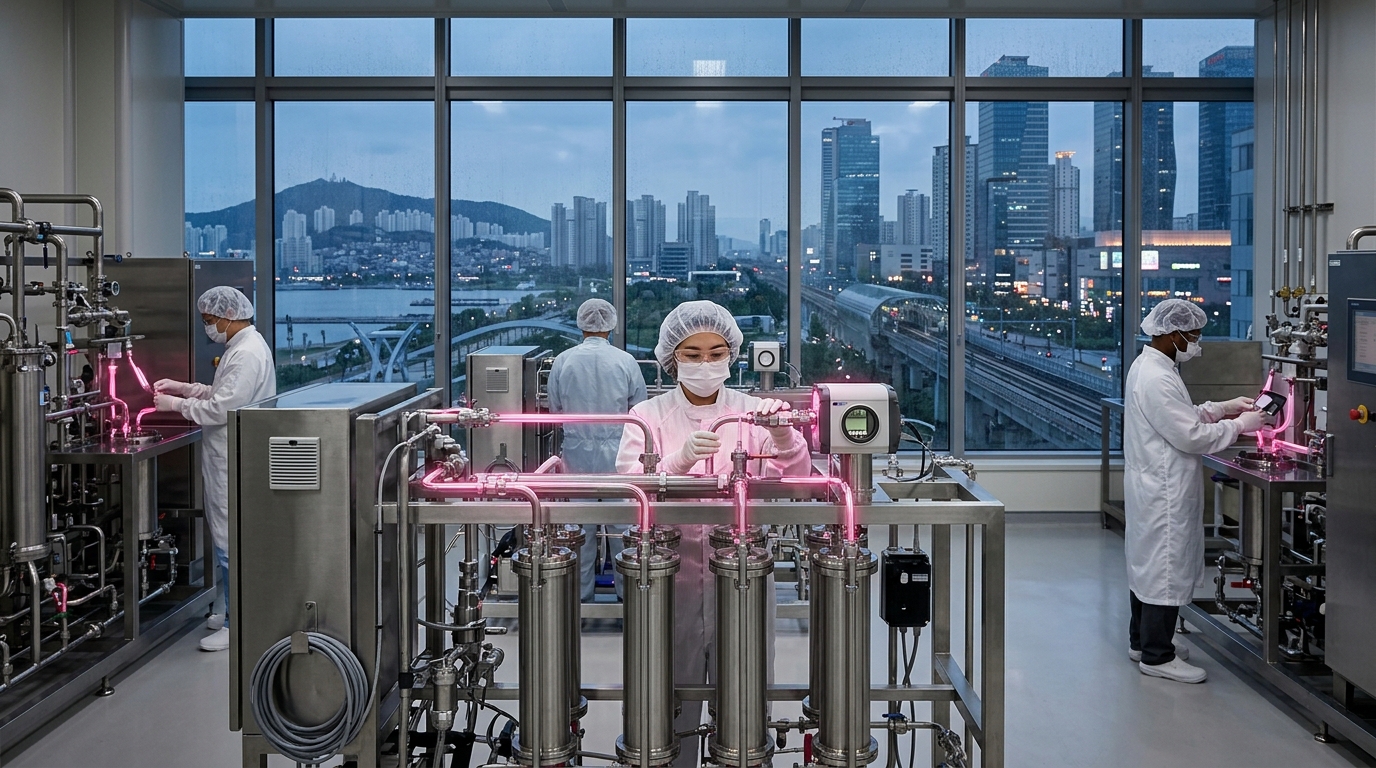
Samsung Biologics is the world's largest contract biopharmaceutical manufacturer (CDMO) with 604,000L total capacity, $1.88B revenue in H1 2025, and a $897M deal with Pfizer.
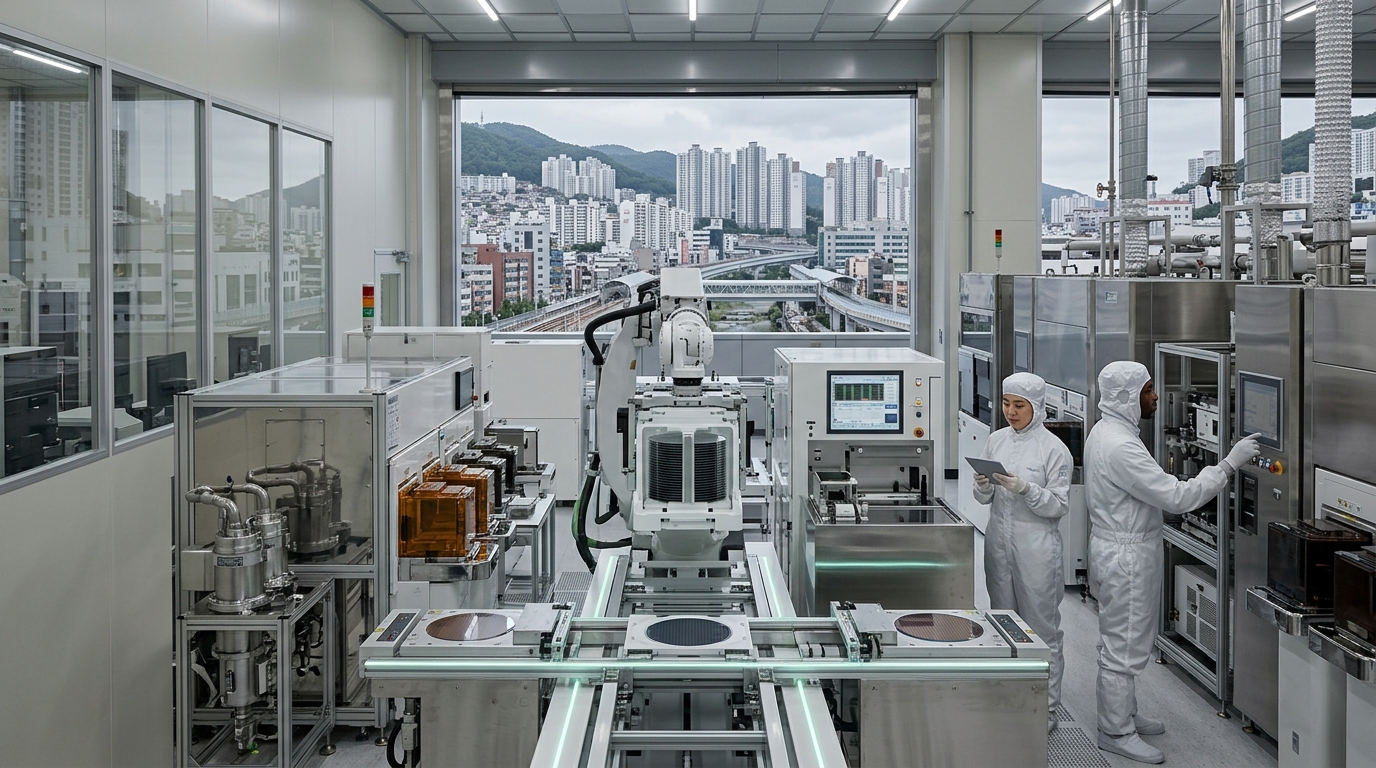
Samsung was the first chipmaker to mass-produce 3nm Gate-All-Around (GAA) transistors in 2022 and began ramping 2nm GAA production in late 2025, positioning itself as the only alternative to TSMC for cutting-edge logic fabrication.
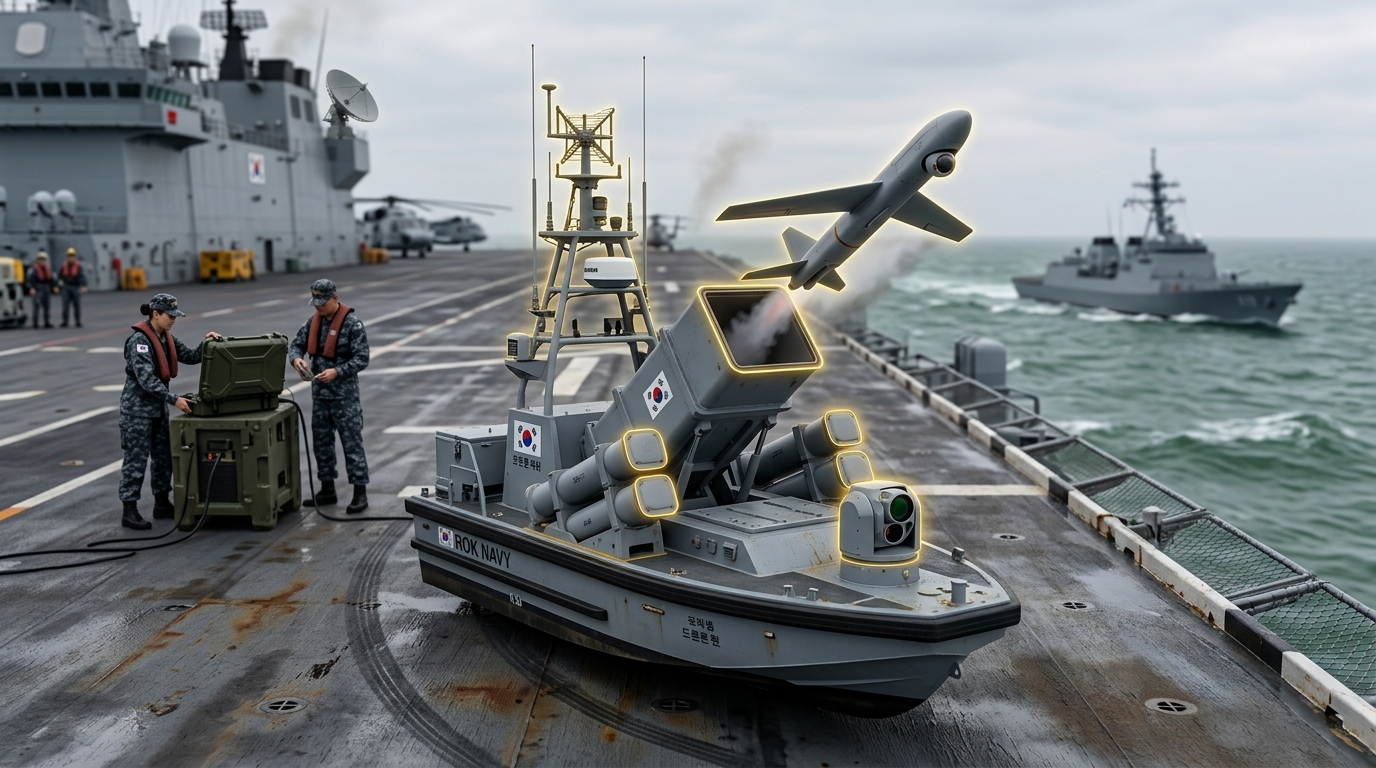
Korea is developing medium-range loitering munitions with LEO satellite data links, planning 500,000 war drones by 2026, and building a drone-enabled naval fleet with unmanned surface vessels carrying anti-ship missiles.
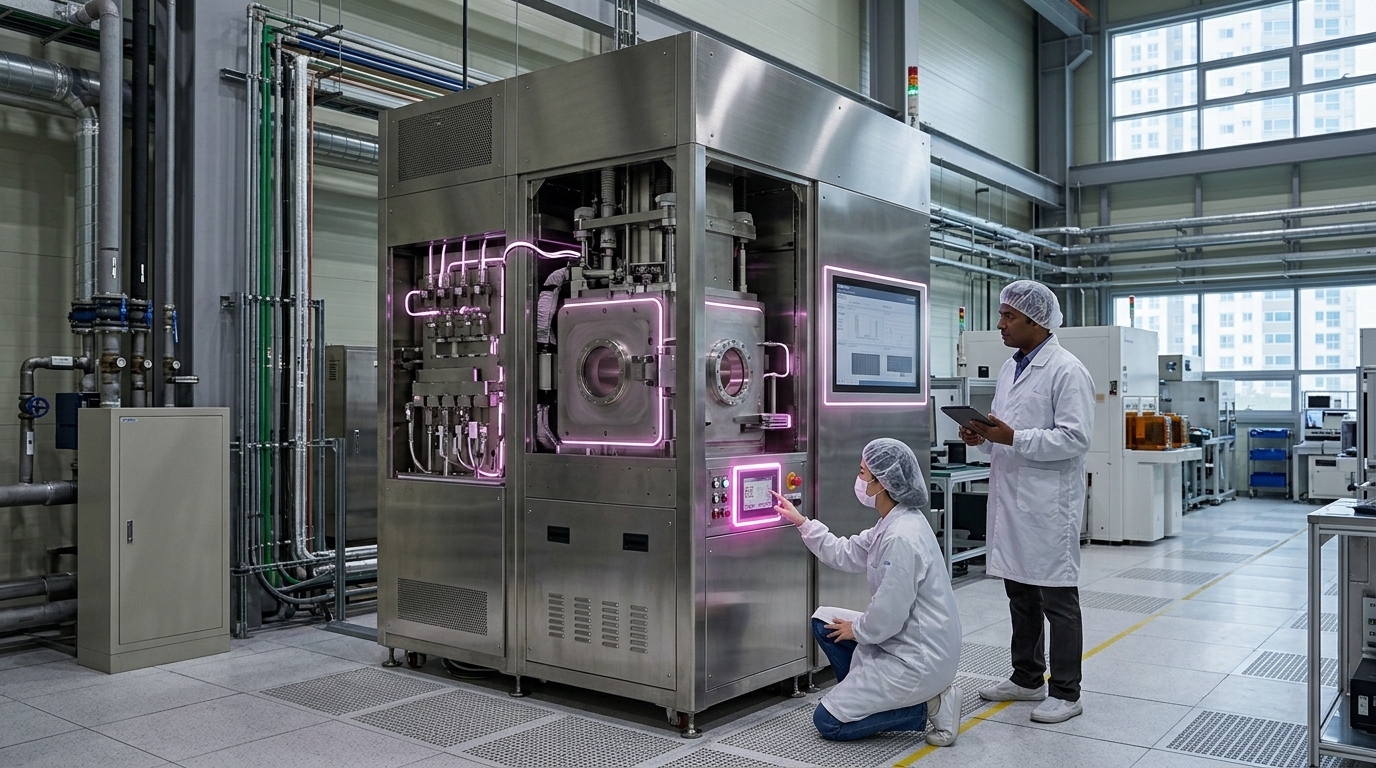
Korea is investing heavily in domestic semiconductor equipment manufacturing to reduce dependence on ASML, Applied Materials, and Tokyo Electron, with companies like Semes, WONIK, and TES targeting critical etch and deposition tools.
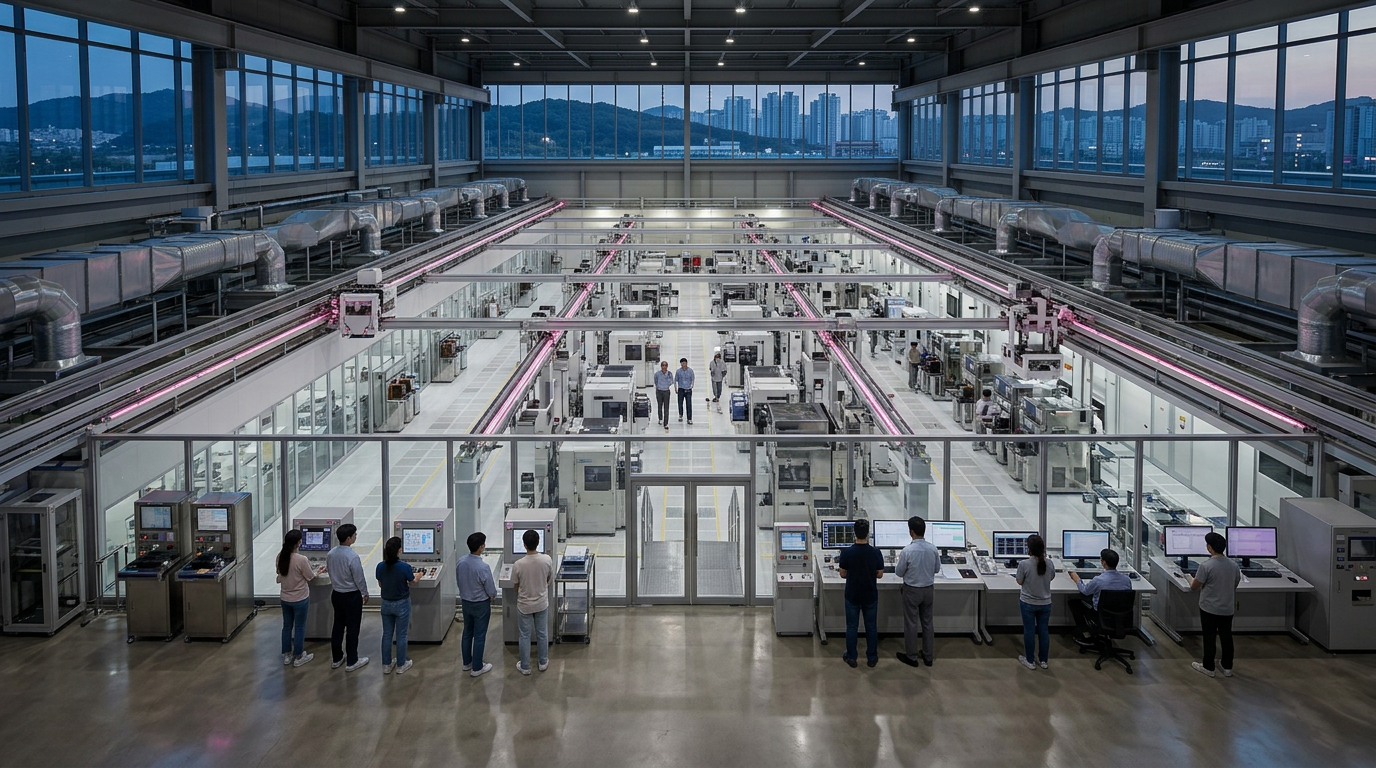
Samsung's Pyeongtaek P5 campus and SK Hynix's 4.15 million sqm Yongin complex represent the largest semiconductor manufacturing clusters ever built, with combined investment exceeding $300B.
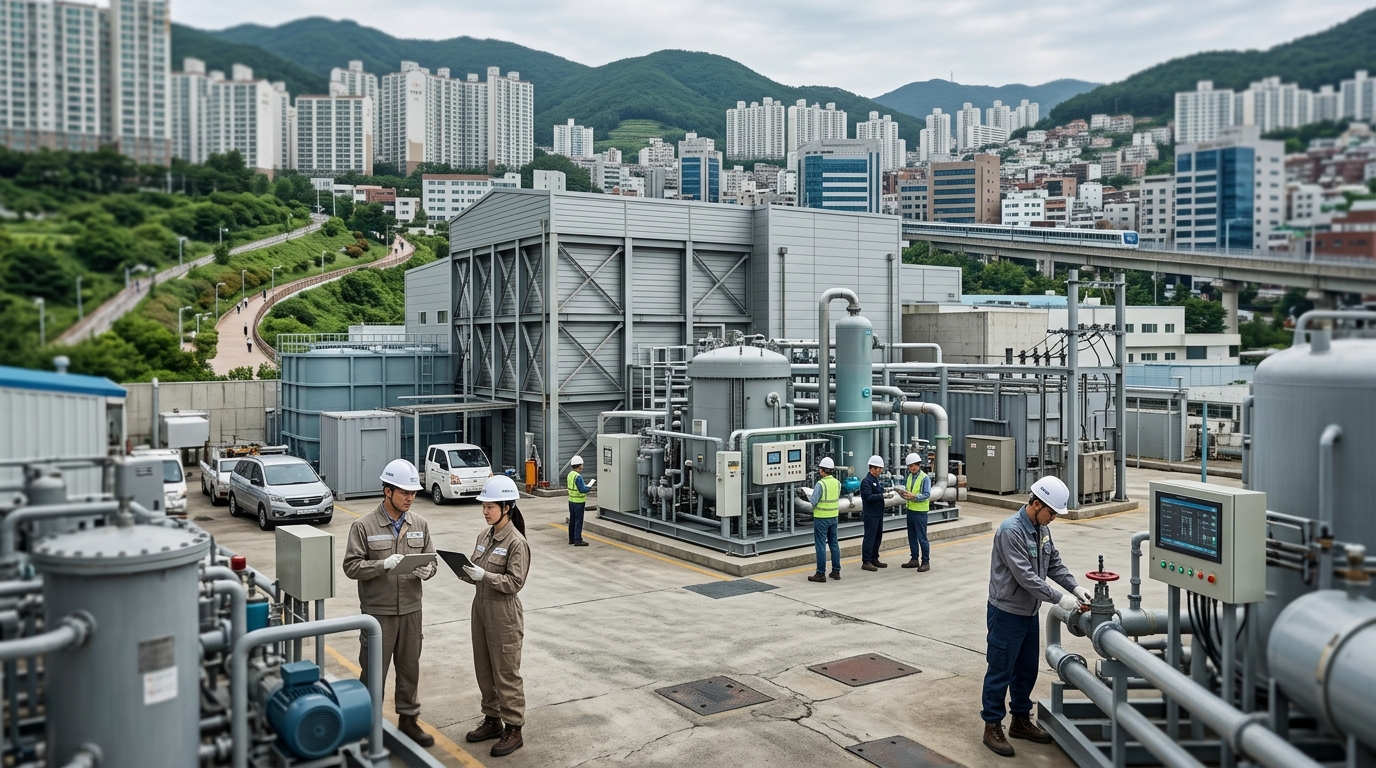
KAERI is developing the SMART (System-integrated Modular Advanced ReacTor) small modular reactor and next-generation sodium-cooled fast reactor technology for export and domestic use.

Korean companies are deploying AI-controlled vertical farms, agricultural drones, and robotic harvesters to address food security for a country that imports 75%+ of its grain.
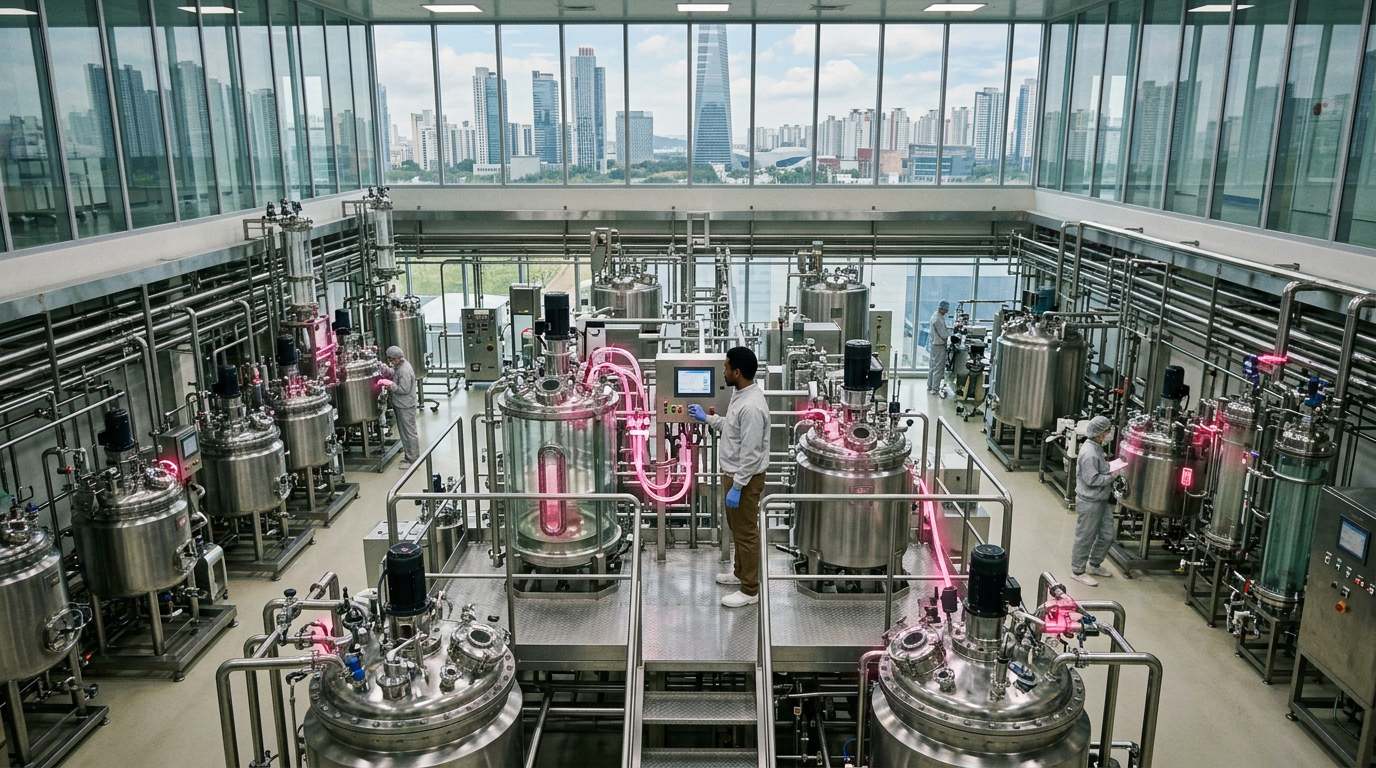
Incheon's Songdo district has become Asia's largest biopharmaceutical manufacturing hub, hosting Samsung Biologics, Celltrion, and growing clusters of global biotech companies.
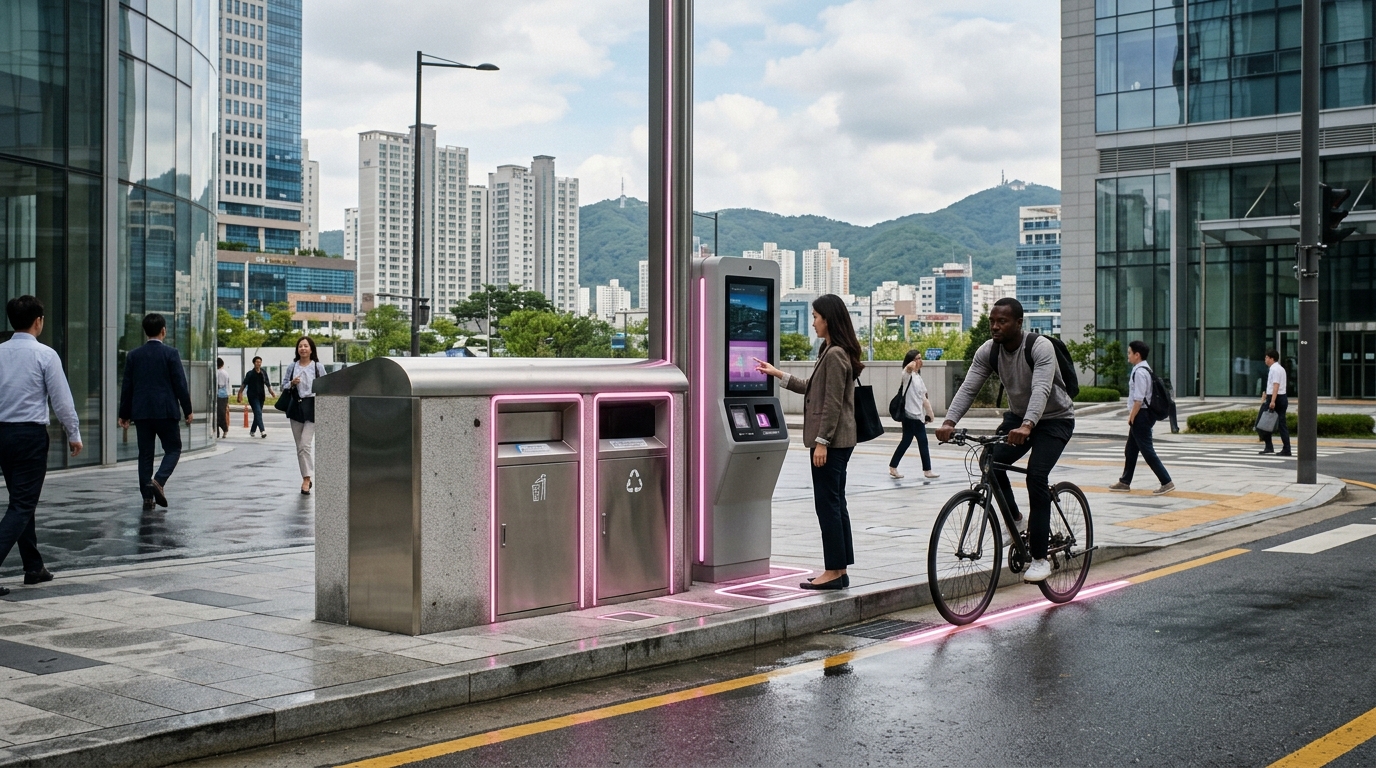
Songdo International Business District is the world's first greenfield smart city — built from scratch on reclaimed land with citywide sensor networks, pneumatic waste collection, centralized building controls, and ubiquitous computing infrastructure.
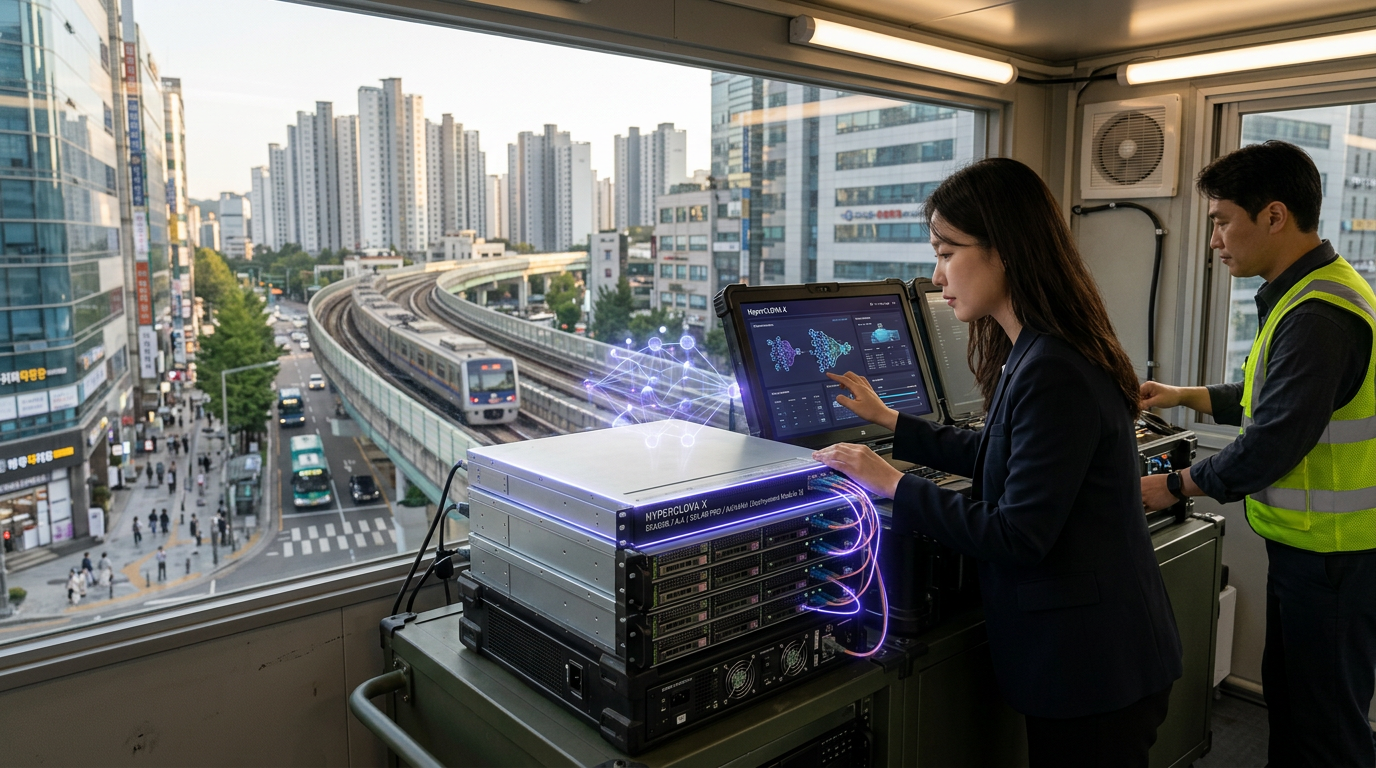
Korea has five independent large language model programs — Naver HyperCLOVA X, LG Exaone, SK Telecom A.X, Upstage Solar Pro, and Kakao Kanana — more sovereign AI efforts per capita than any other country.
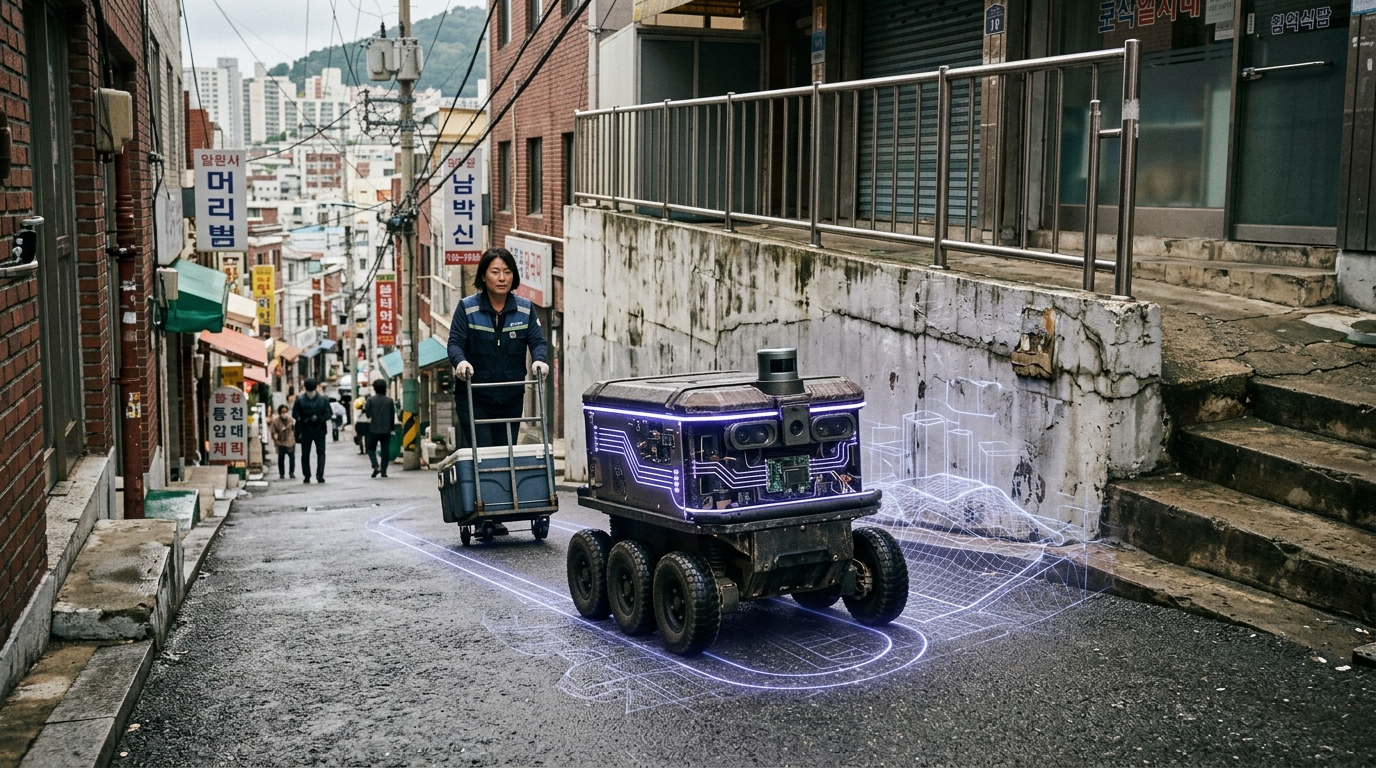
LBS Tech develops spatial AI that enables robots and drones to build real-time 3D maps and navigate complex environments without GPS, targeting logistics and defense applications.
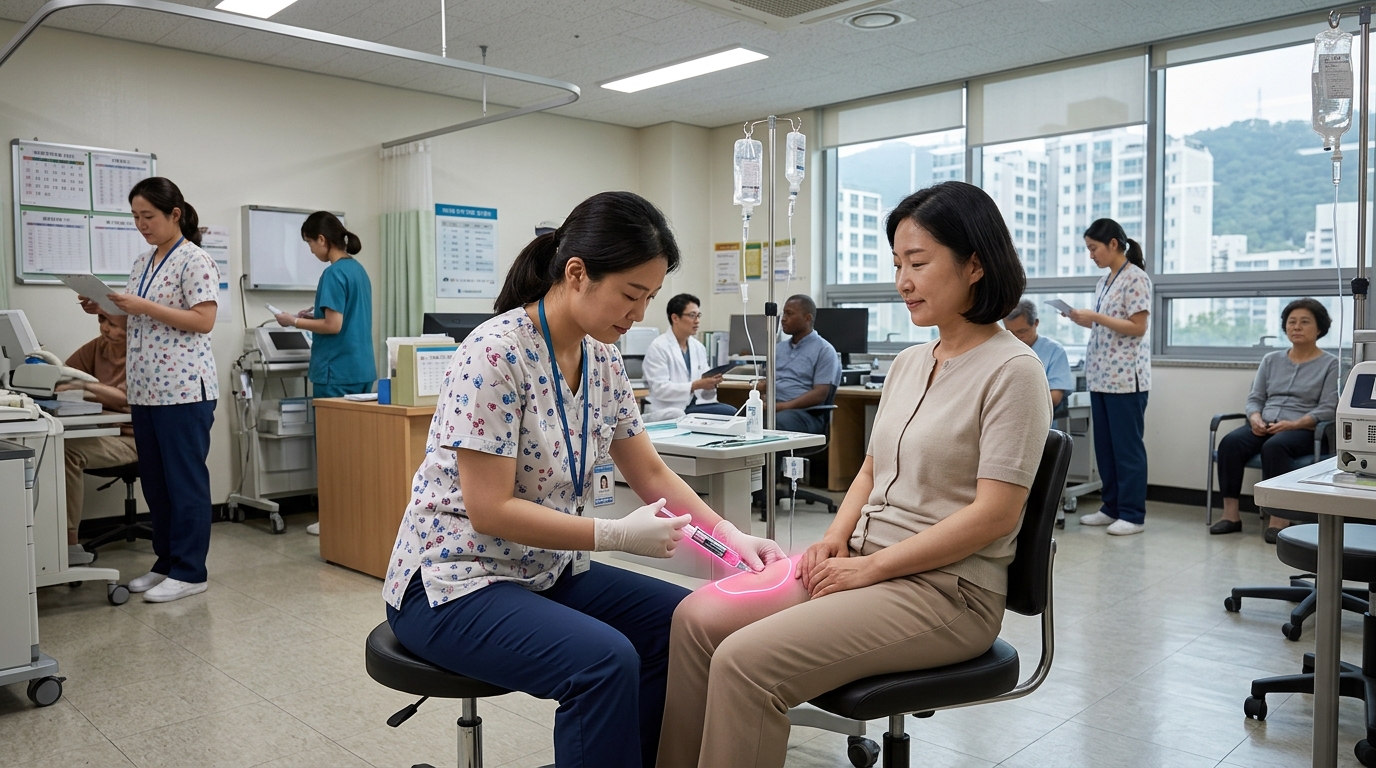
Alteogen's Hybrozyme hyaluronidase platform converts IV-only biologic drugs to simple subcutaneous injections — licensed by Merck for Keytruda (FDA-approved September 2025), with deals worth billions across multiple pharma partners.
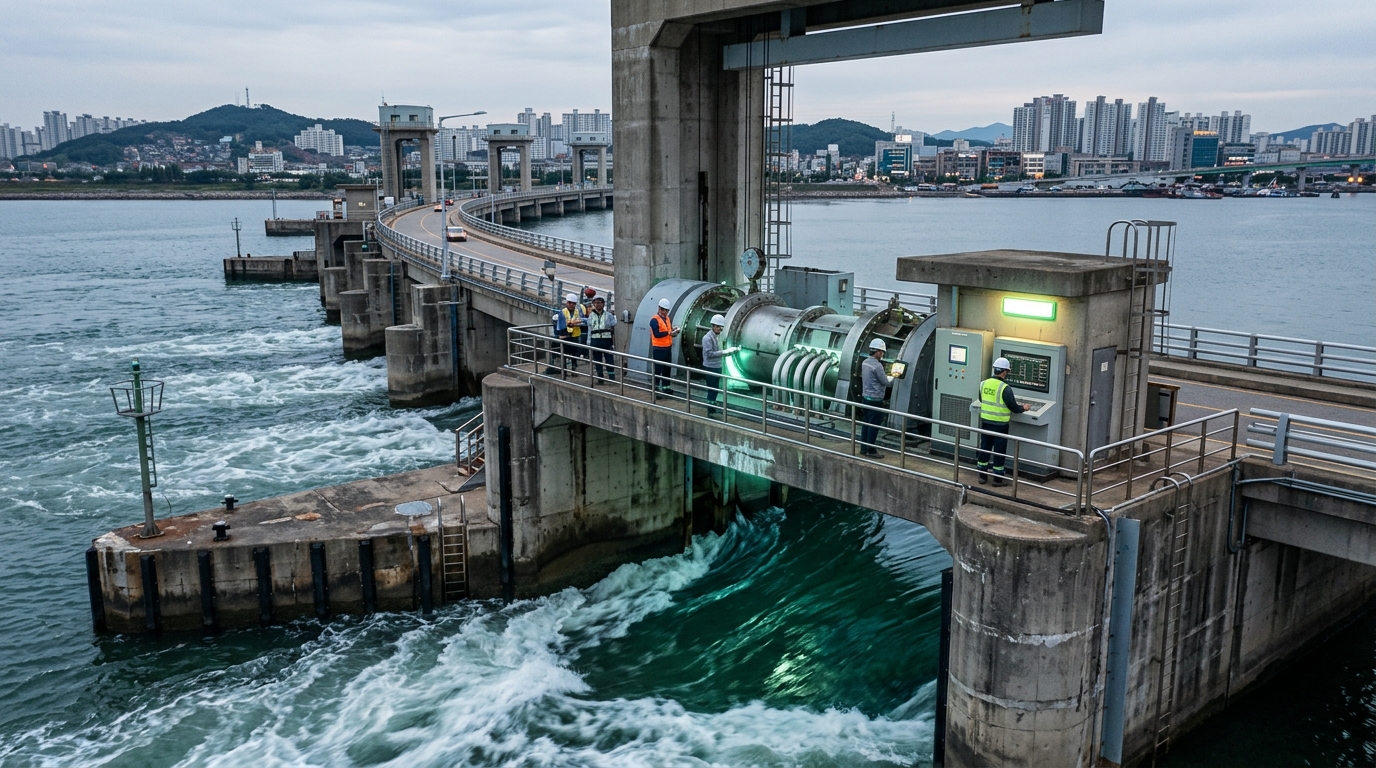
Korea operates the world's largest tidal power station — the 254 MW Sihwa Lake facility — and is developing next-generation tidal current and wave energy farms leveraging its unique west coast tidal geography.
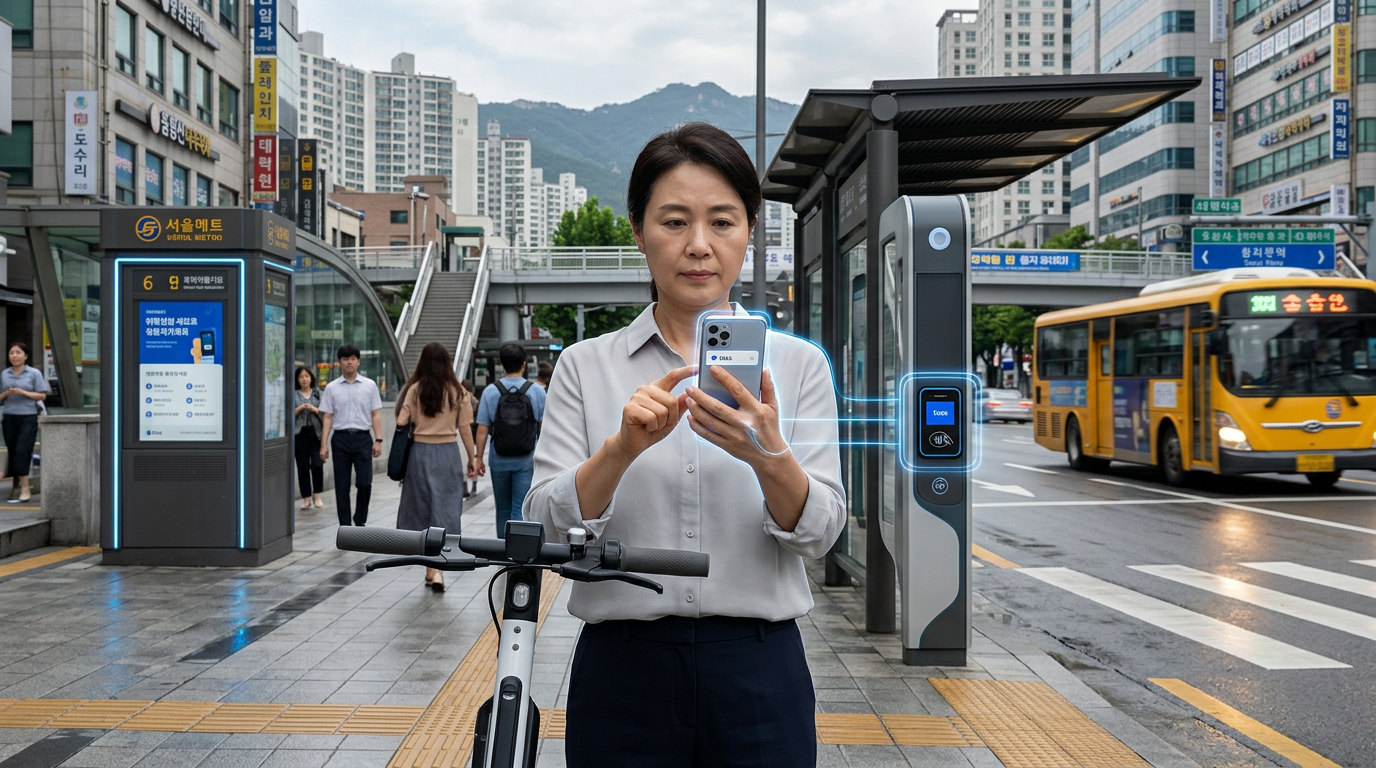
Toss has 23 million+ monthly active users (nearly half Korea's population) and offers banking, investing, insurance, payments, and credit scoring in a single app, becoming Korea's most-used financial platform.
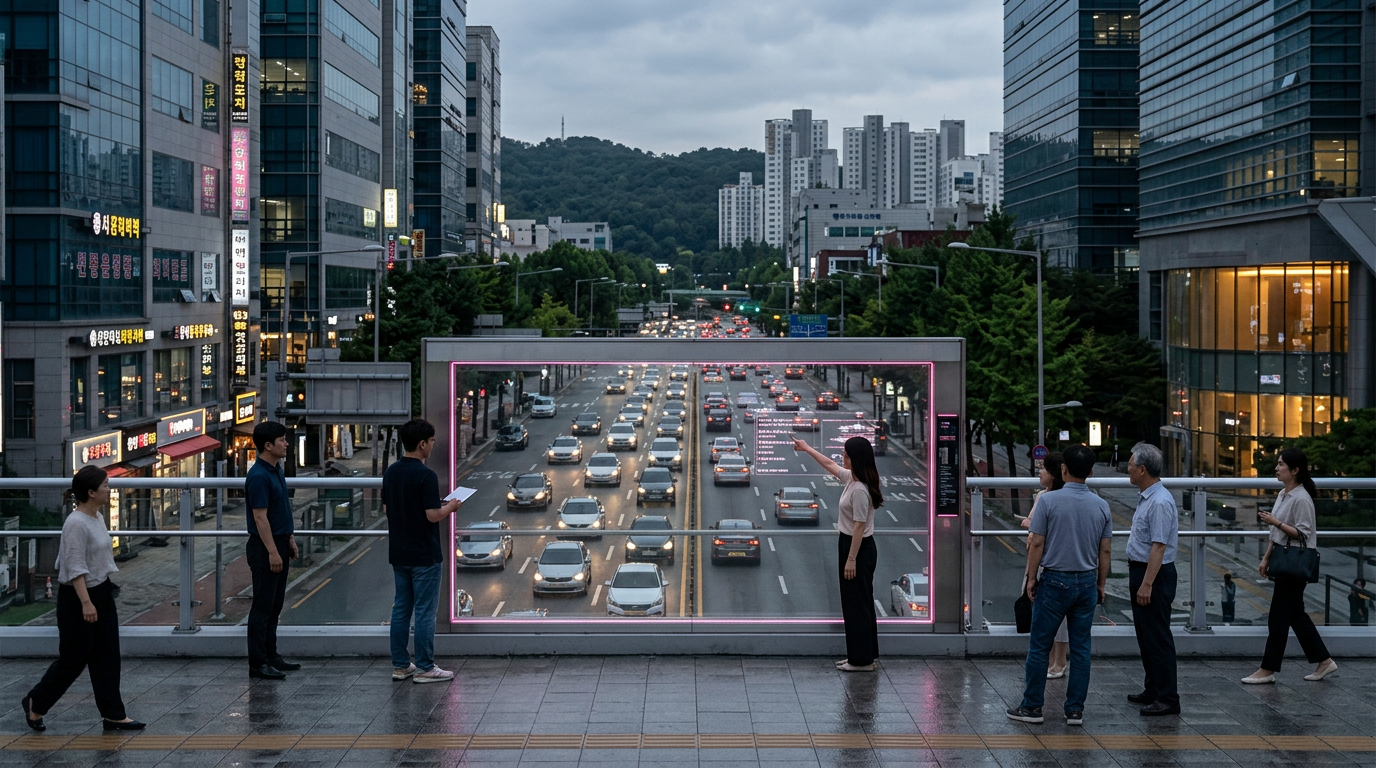
Samsung demonstrated transparent Micro-LED screens at CES 2026, moving beyond exhibition concepts to near-commercial technology that combines self-emissive micro-LED chips with see-through substrates for retail, automotive, and architectural applications.
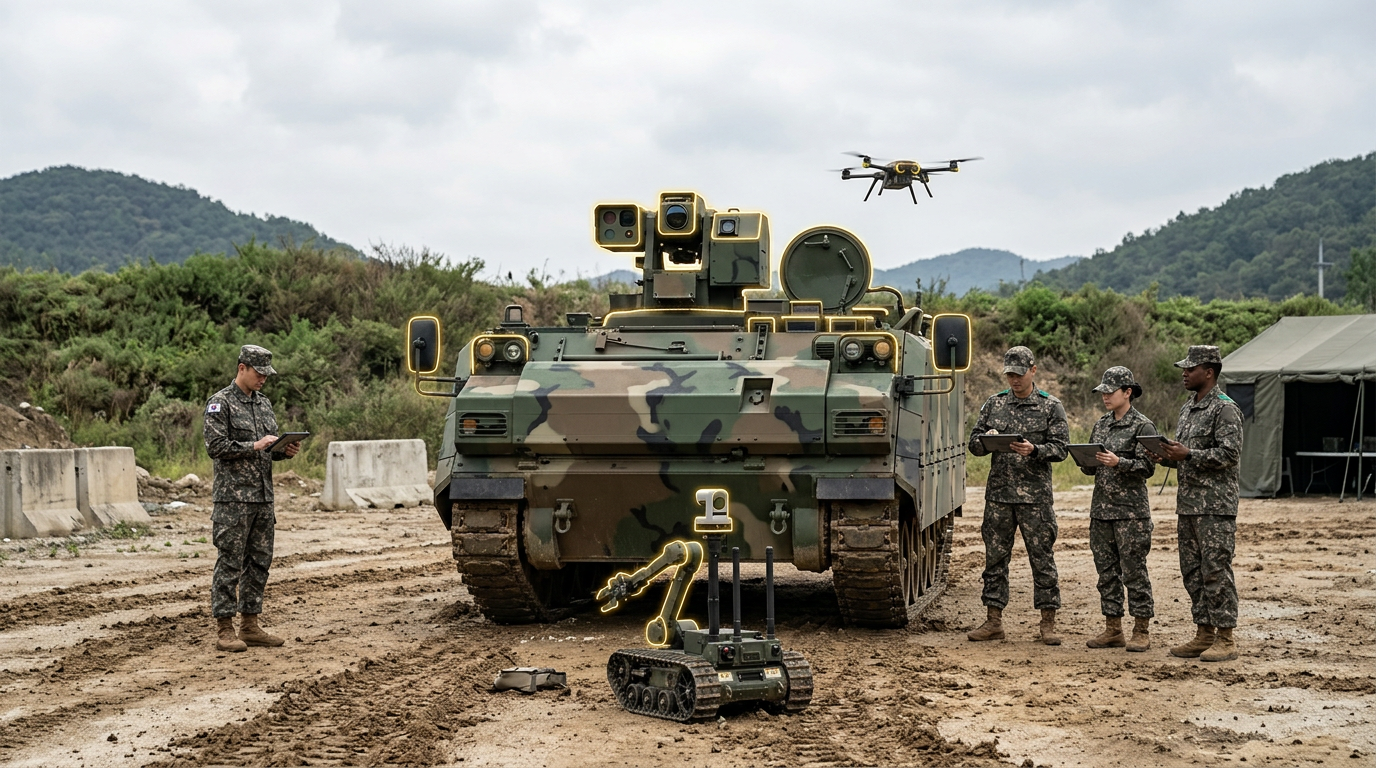
Korea deployed the K-CEV optionally unmanned combat engineering vehicle in its first combat exercise in 2026, featuring AI target detection, integrated reconnaissance drones, and an explosive ordnance disposal robot with 3D mapping.
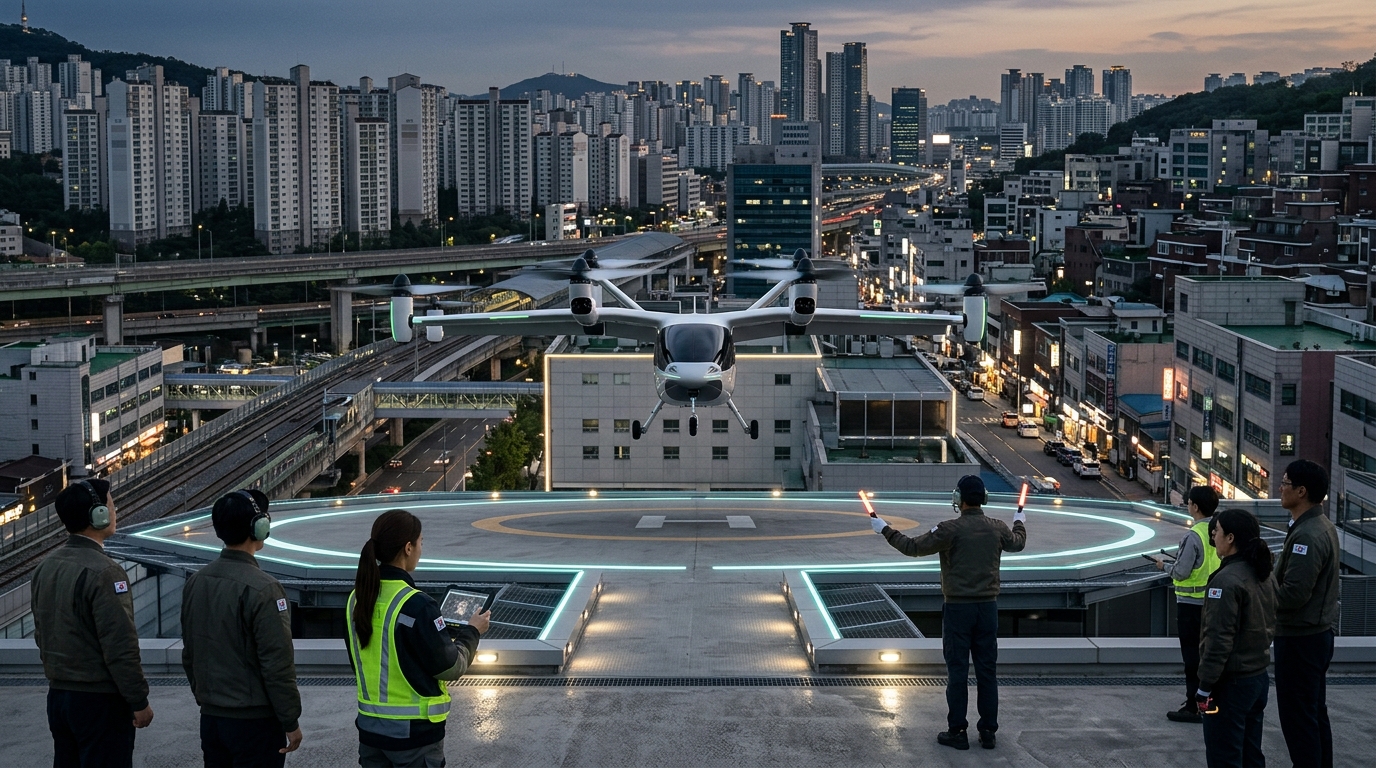
Hyundai's Supernal subsidiary is developing an eVTOL air taxi targeting 2028 commercial launch, while Korea designated UAM corridors in Seoul, Incheon, and Jeju for testing.
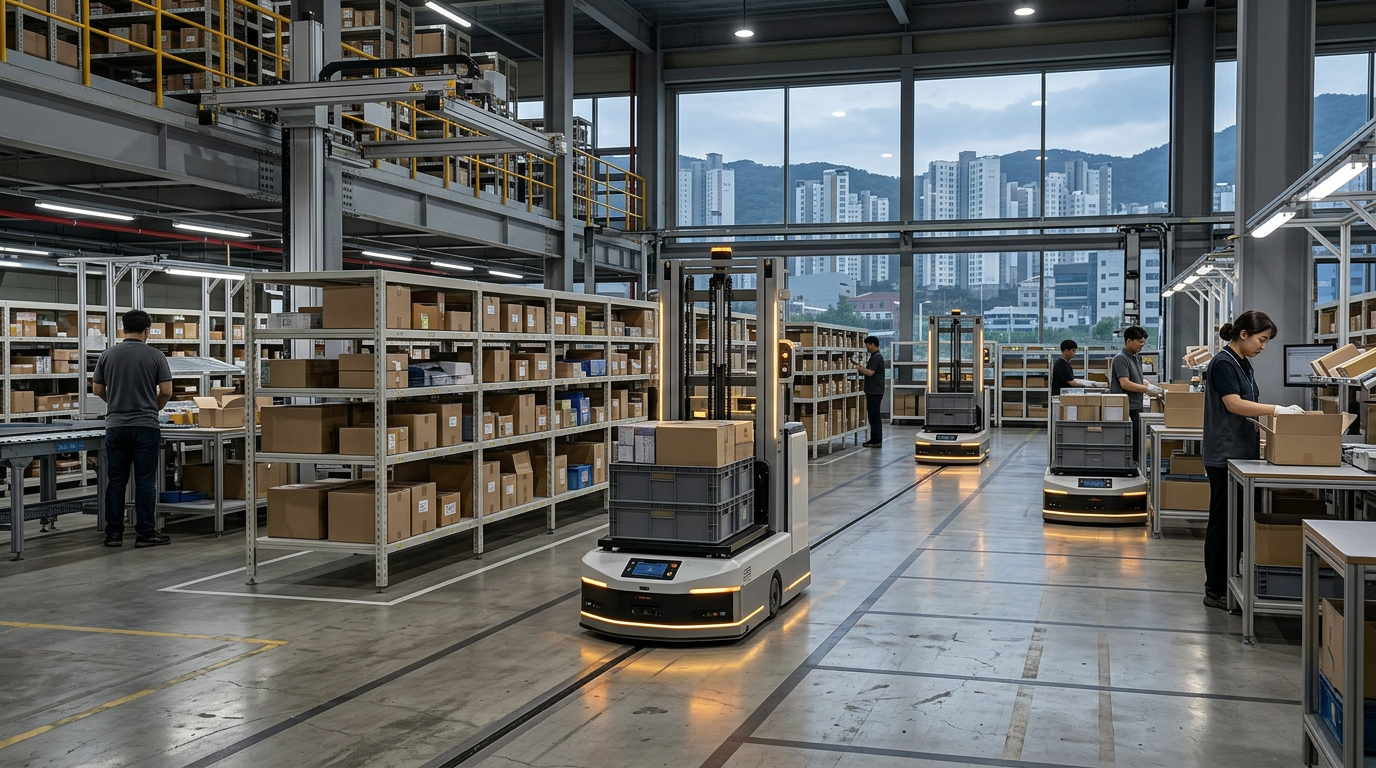
Korean companies including Coupang, Naver Labs, and Doosan Robotics deploy autonomous mobile robots for warehouse fulfillment, last-mile delivery, and indoor navigation at rapidly growing scale.
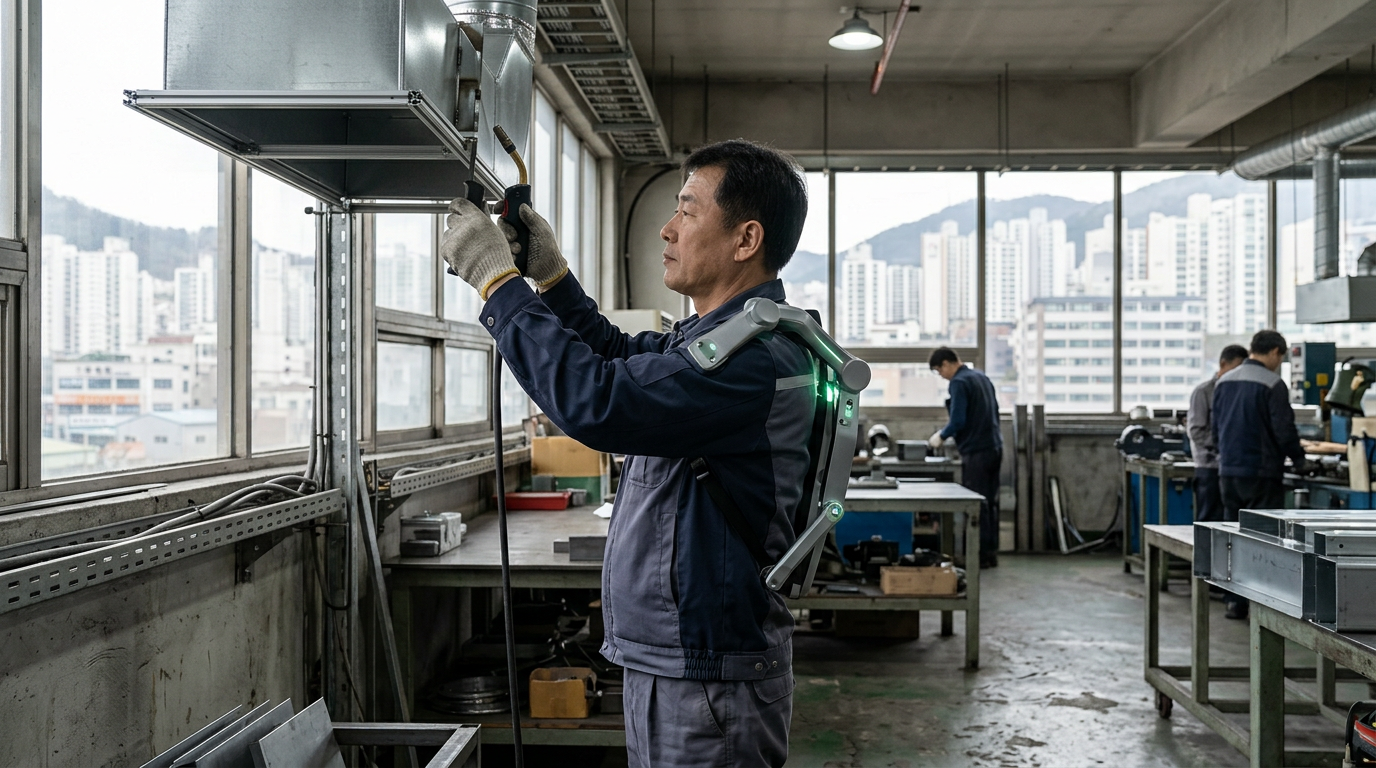
Hyundai's X-ble Shoulder and VEX exoskeletons are deployed in factories, shipyards, and farms, reducing upper-body strain for overhead work by up to 60%.
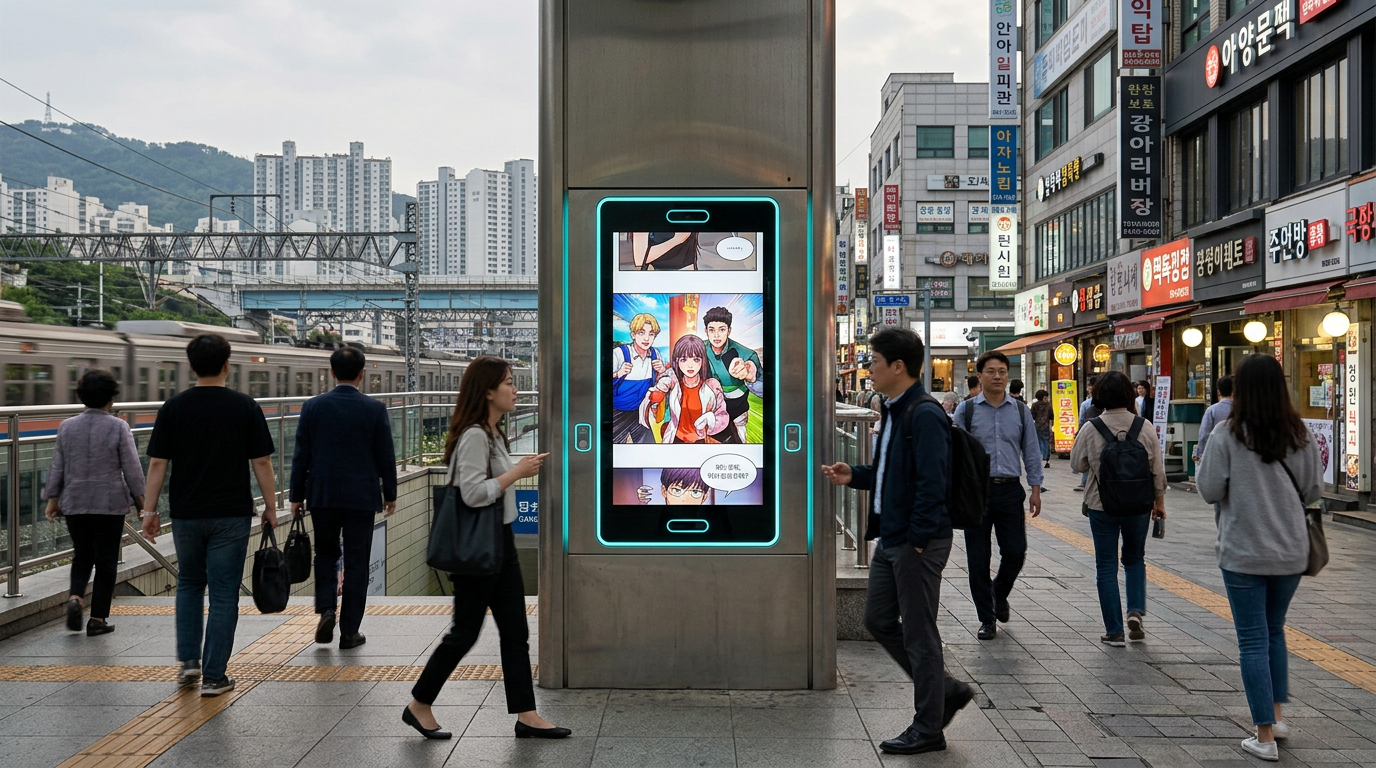
Naver Webtoon invented the vertical-scroll digital comic format, operates the world's largest digital comics platform with 170M+ monthly users across 150+ countries, and partnered with Disney to create a new digital comics platform in 2025.