Subcutaneous Biologic Drug Delivery Platform
Geography: Asia Pacific · East Asia · South Korea
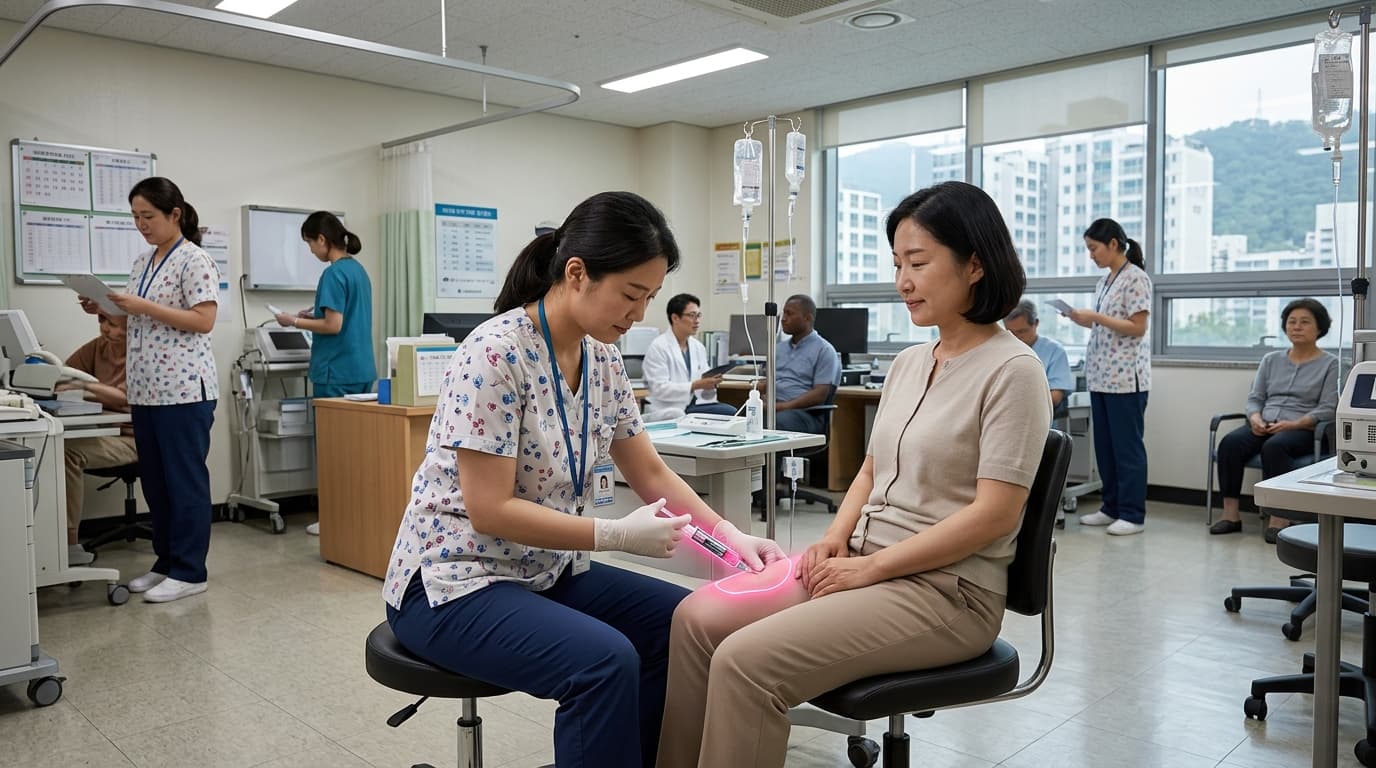
Alteogen, a Daejeon-based biotech, developed ALT-B4 (berahyaluronidase alfa), a recombinant hyaluronidase enzyme that temporarily breaks down hyaluronic acid in skin tissue, enabling large volumes of biologic drugs to be administered via subcutaneous injection rather than intravenous infusion. The technology was licensed to Merck & Co. and used to develop Keytruda Qlex — a subcutaneous version of the world's best-selling drug (pembrolizumab, $25B+ annual revenue) — which received FDA approval in September 2025. The conversion from a 30-minute IV infusion to a quick subcutaneous shot transforms patient experience and hospital economics.
The platform's significance extends far beyond a single drug. Alteogen has signed licensing deals with multiple undisclosed global pharmaceutical companies for applying ALT-B4 to their IV-only biologic portfolios. The company is building a dedicated manufacturing plant in Korea to produce ALT-B4 at scale. Every blockbuster biologic drug currently administered intravenously — cancer immunotherapies, autoimmune treatments, rare disease therapies — is a potential candidate for subcutaneous conversion using this platform.
Alteogen became the largest company on Korea's tech-heavy KOSDAQ exchange on the strength of this single platform technology, reaching a market cap exceeding $15B before a correction. The competitive landscape includes Halozyme (US), which has a similar hyaluronidase platform (ENHANZE), but Alteogen's ALT-B4 claims superior enzymatic activity and dosing flexibility. This is a rare case of a Korean biotech creating a platform technology that sits at the center of global pharmaceutical reformulation — not manufacturing drugs, but enabling every pharma company to make their drugs easier to deliver.
Research this in Signals
Signals turns a topic into a sourced research record you can inspect and rerun. Your first scan is free, and this one starts with Subcutaneous Biologic Drug Delivery Platform already loaded, so edit it or scan as is.