Hallyu Fan Technology System
Geography: Asia Pacific · East Asia · South Korea
The Korean Wave (Hallyu) is not just a cultural phenomenon — it's a technology system. HYBE Corporation (parent of BTS) operates Weverse, a proprietary fan engagement platform with over 100 million cumulative users and 11.6 million monthly active users as of Q3 2025. Weverse provides real-time AI translation across 16 languages, fan-to-artist messaging, virtual concert streaming, merchandise commerce, and community features. It's effectively a social network purpose-built for parasocial engagement at scale — a product category no Western company has replicated.
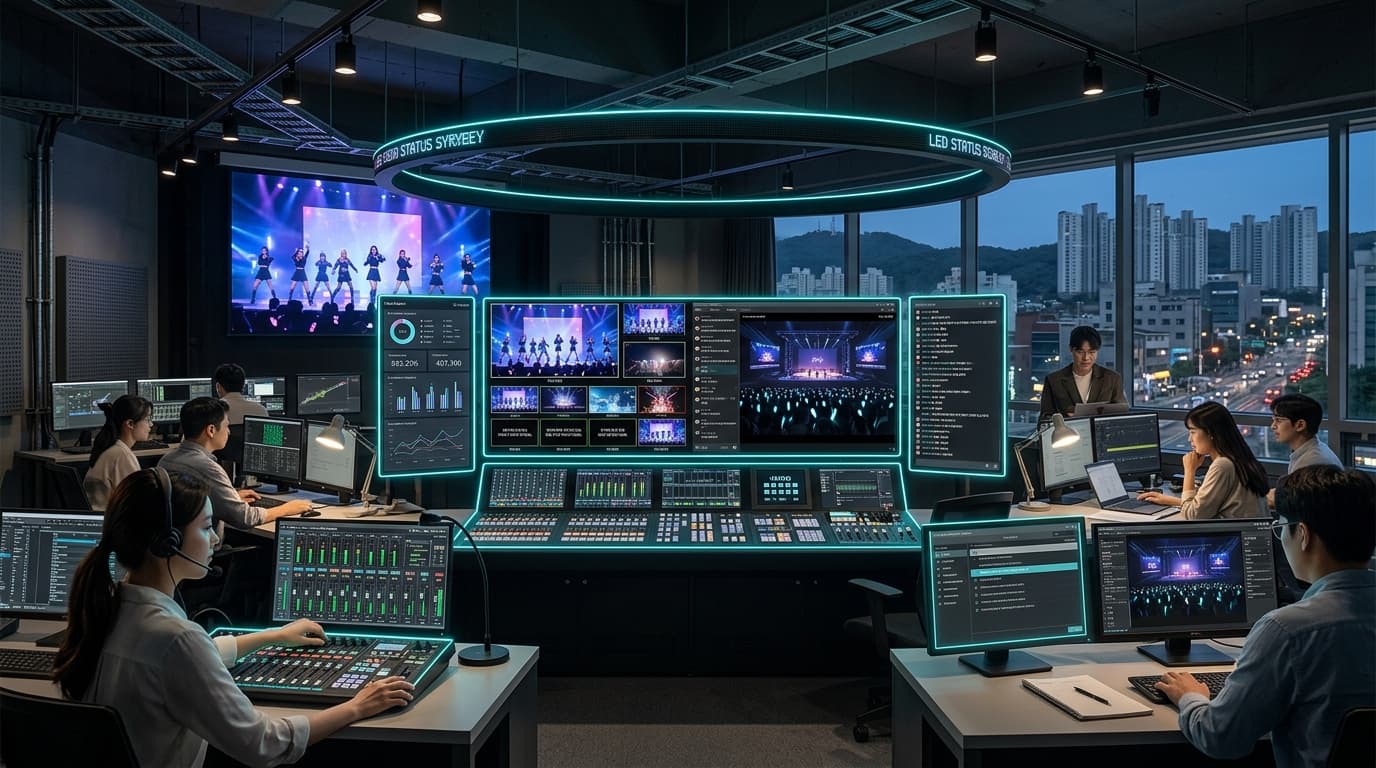
The technology layer extends across the entire K-pop value chain. SM Entertainment uses AI for talent scouting — analyzing voice, dance ability, and visual characteristics of trainees. JYP Entertainment deploys data analytics to optimize release timing, concept selection, and market-specific promotional strategies. Virtual production studios built by CJ ENM and HYBE use Unreal Engine-powered LED volume stages (the same technology behind The Mandalorian) for music videos and virtual concerts. Beyond (formerly known as KISWE) provides multi-angle interactive streaming technology used for paid virtual concerts that generate $20-50M per event.
The strategic insight is that Korea's entertainment companies operate as technology companies with content output, not the reverse. The training pipeline (3-7 years of systematized vocal, dance, language, and media training), the fan engagement platform (Weverse, Bubble, Universe), the AI localization (real-time subtitle generation, dubbing), and the data-driven production process constitute a replicable system that no other country has assembled. This system is why K-pop consistently produces global hits while other countries' music industries remain largely domestic.
Research this in Signals
Signals turns a topic into a sourced research record you can inspect and rerun. Your first scan is free, and this one starts with Hallyu Fan Technology System already loaded, so edit it or scan as is.