Processing-in-Memory Technology
This page is a narrower case of it.
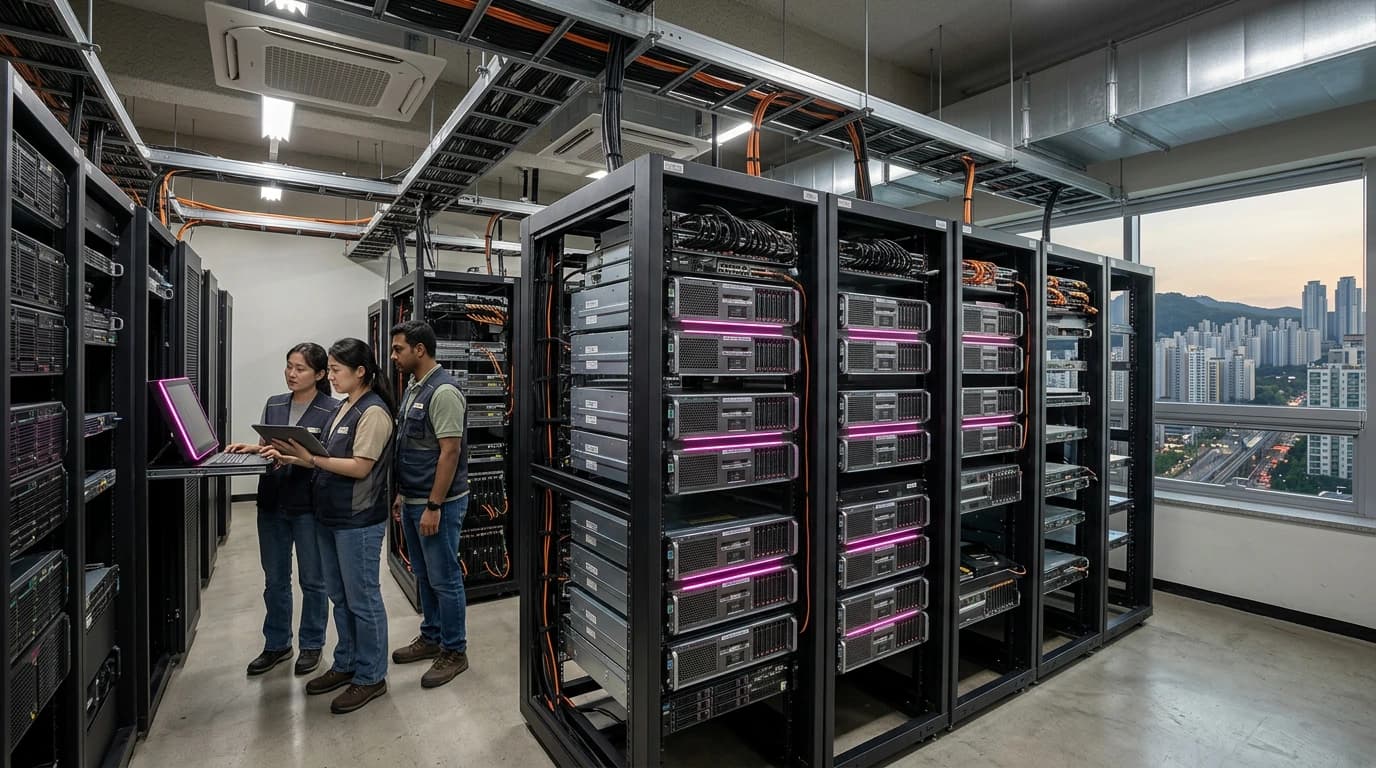
Geography: Asia Pacific · East Asia · South Korea
SK Hynix's AiM (Accelerator-in-Memory) technology embeds processing units within HBM and GDDR memory chips, allowing basic compute operations to happen where data already resides rather than shuttling it to a separate CPU or GPU. The first-generation AiM chips target AI inference workloads like recommendation systems and natural language processing.
The data movement problem is the dominant energy cost in modern computing — moving a byte of data from DRAM to a processor consumes 100-1000x more energy than the computation itself. PIM architectures attack this directly by putting simple multiply-accumulate units inside the memory array. Samsung has parallel PIM research (HBM-PIM), making Korea the only country with two companies simultaneously developing production-grade processing-in-memory.
PIM is unlikely to replace GPUs for large-scale AI training, but for inference at the edge and in data centers, it promises 2-5x energy efficiency improvements. As AI inference costs begin to dwarf training costs, PIM could become a critical technology for sustainable AI deployment.
Published forecasts about this technology, graded against what happened in Hindsight.
Processing-in-Memory Technology
This page is a narrower case of it.
Signals turns a topic into a sourced research record you can inspect and rerun. Your first scan is free, and this one starts with Processing-in-Memory (PIM) already loaded, so edit it or scan as is.