Glasses-Free 3D Display Technology
Geography: Asia Pacific · East Asia · South Korea
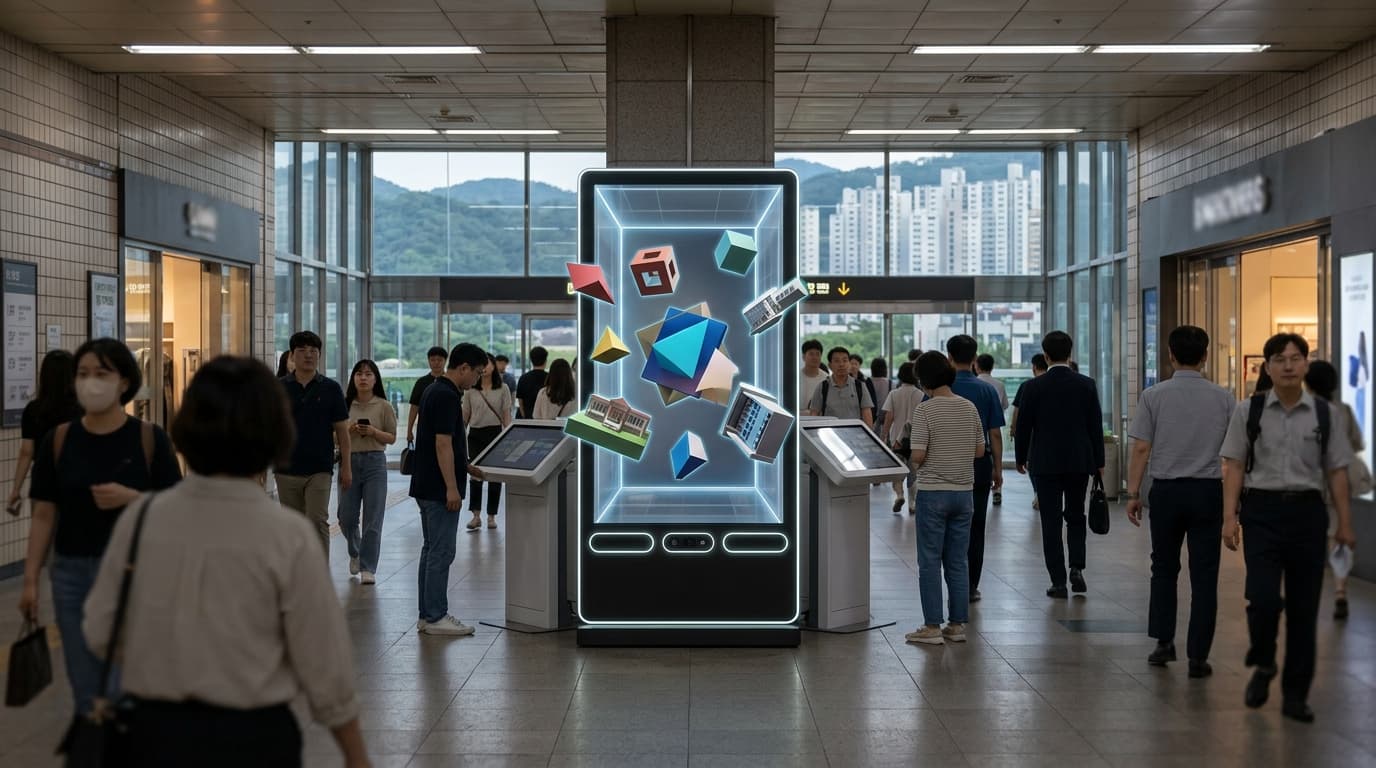
Samsung launched Spatial Signage at ISE 2026 — a glasses-free 3D display system using proprietary '3D Plate' optical technology layered behind an LCD panel to create natural-looking depth without special eyewear, headsets, or bulky enclosures. The system manages how light is directed toward each eye independently, avoiding the vergence-accommodation conflict that makes conventional 3D displays fatiguing. The 85-inch model is commercially available globally as of early 2026, with 32-inch and 55-inch models following. The product won six awards at ISE 2026 including Best of Show.
Glasses-free 3D displays have been attempted for decades but always failed commercially due to narrow viewing angles, low resolution, or eye fatigue. Samsung's approach uses AI-driven content rendering (via Samsung VXT platform's AI Studio) combined with precision optical layers that create stable depth perception across a wide viewing cone. The technology is positioned for retail, hospitality, and corporate signage — environments where immersive visual impact drives commercial value.
This represents a new display category that leverages Samsung's vertical integration in panel manufacturing, optical engineering, and AI processing. Unlike VR/AR headsets that isolate viewers, glasses-free 3D serves groups of people simultaneously in shared physical spaces. The technology could extend to automotive heads-up displays, medical imaging, and gaming monitors. Samsung's ability to manufacture the optical components at scale — using the same display fabrication infrastructure that produces OLED and QLED panels — gives it a cost advantage that niche 3D display companies cannot match.
Research this in Signals
Signals turns a topic into a sourced research record you can inspect and rerun. Your first scan is free, and this one starts with Glasses-Free 3D Display Technology already loaded, so edit it or scan as is.