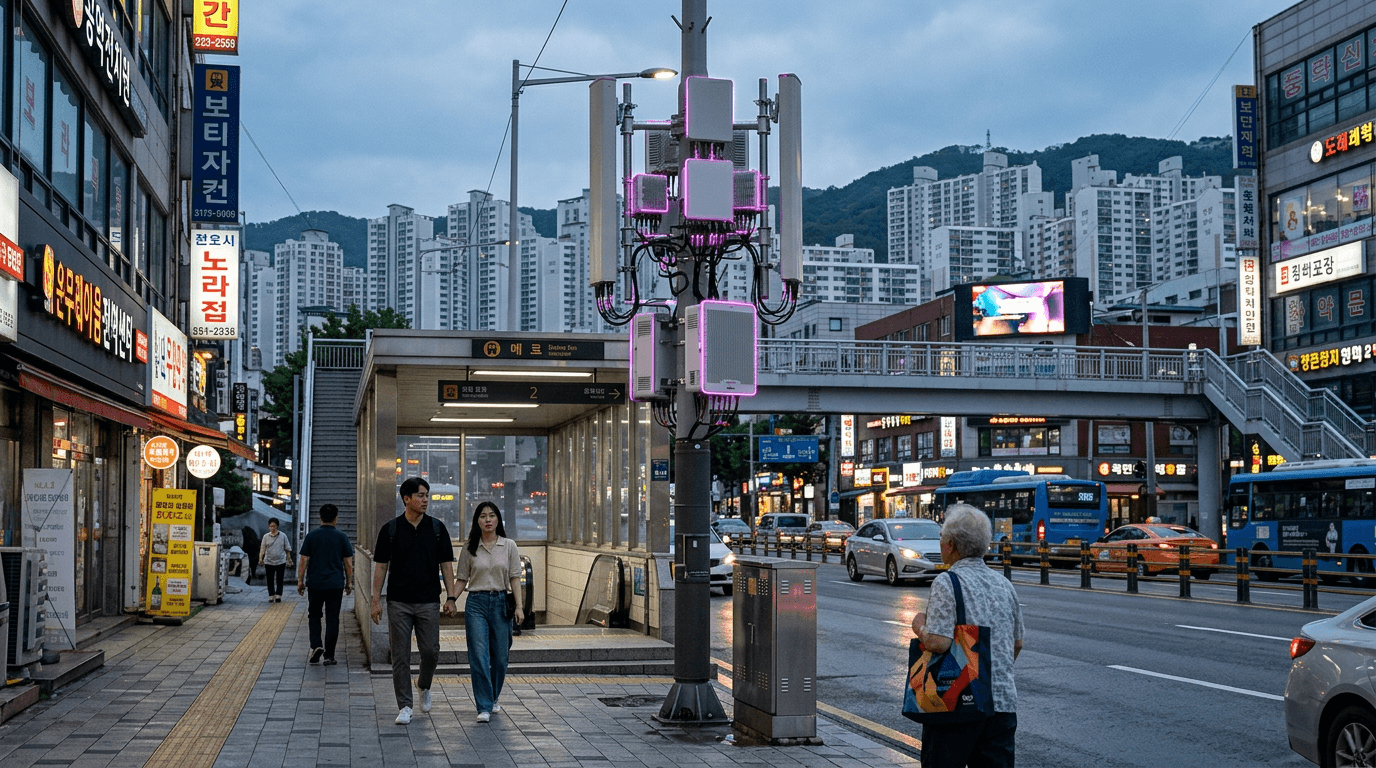
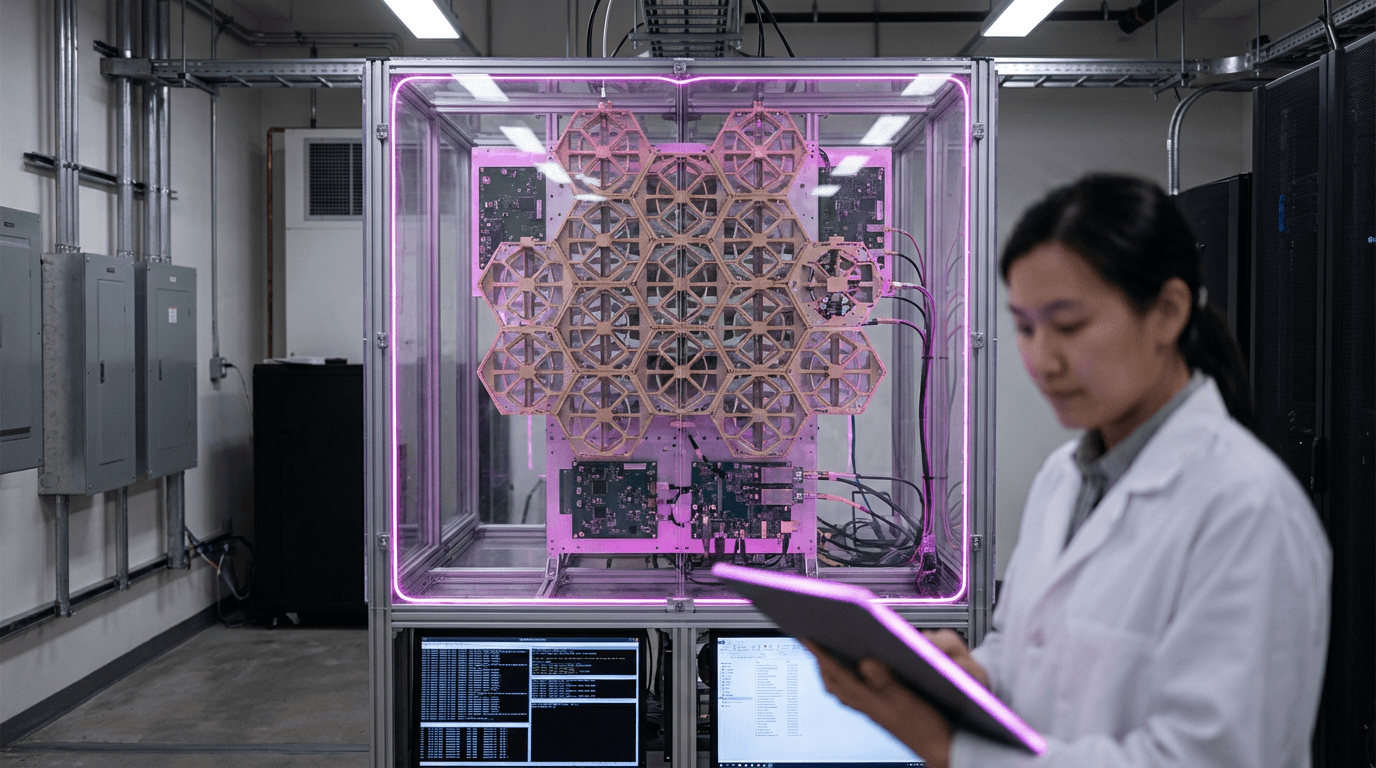
Ultra-high-speed wireless using the terahertz spectrum.
Self-optimizing radio networks that learn and adapt in real time.
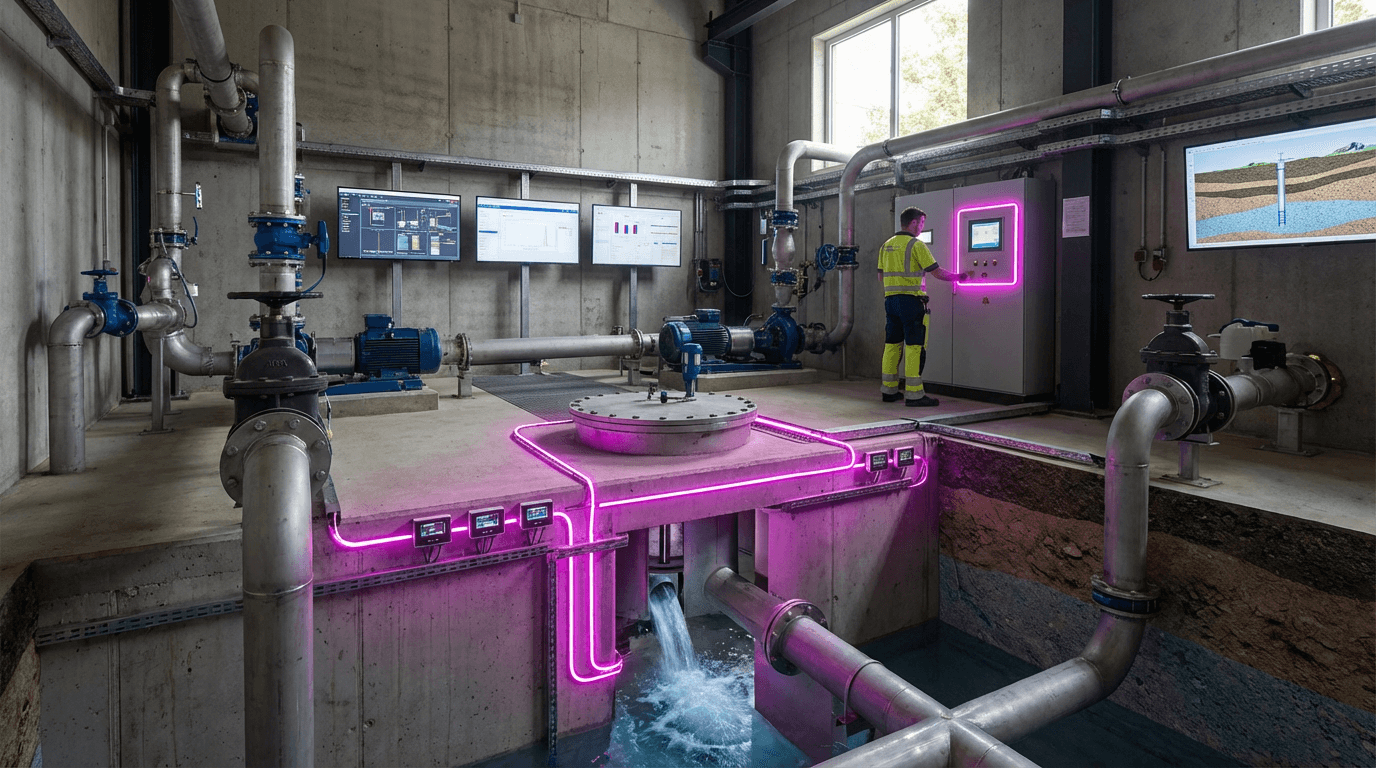
Underground reservoirs for storing treated water during surplus periods.
Robotic prospecting and processing of water, metals, and rare elements from asteroids.
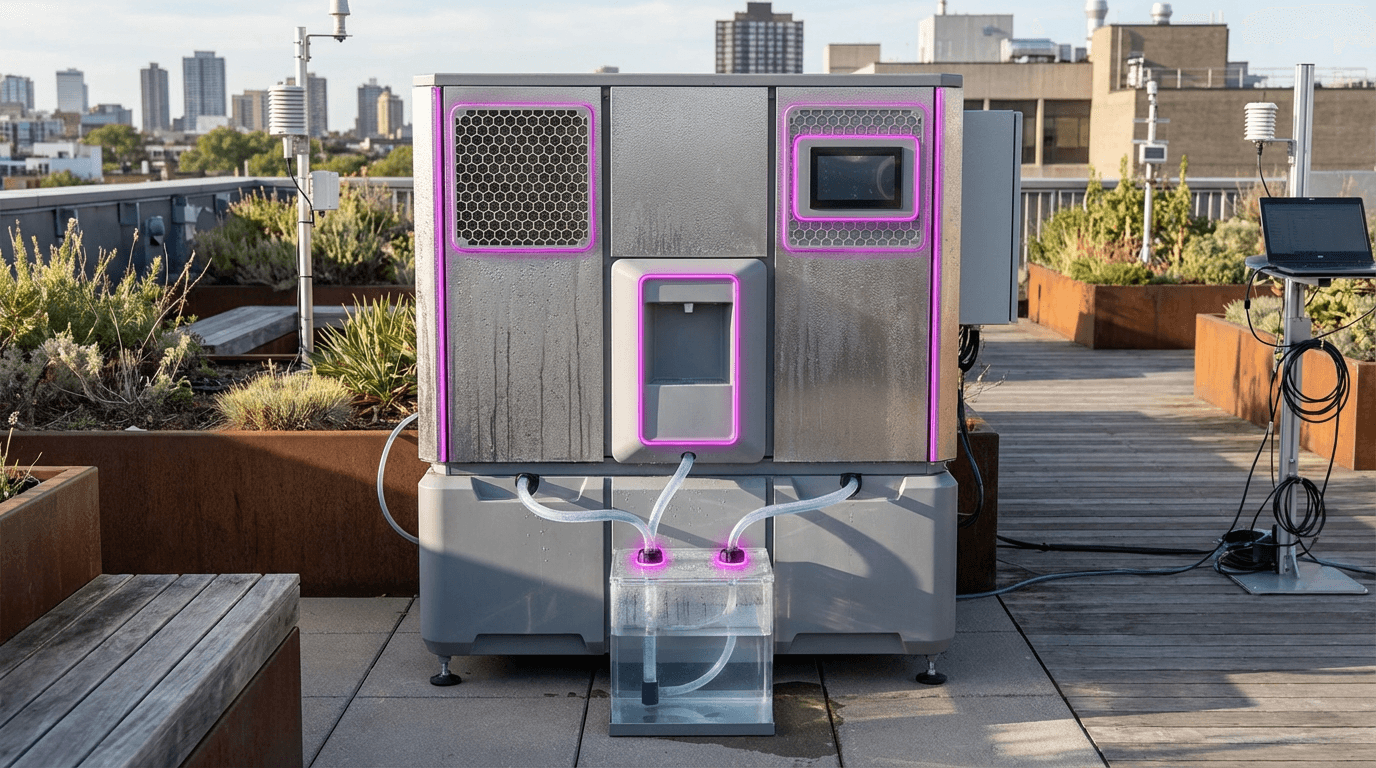
Extracting drinkable water from air using advanced materials and sorbents.
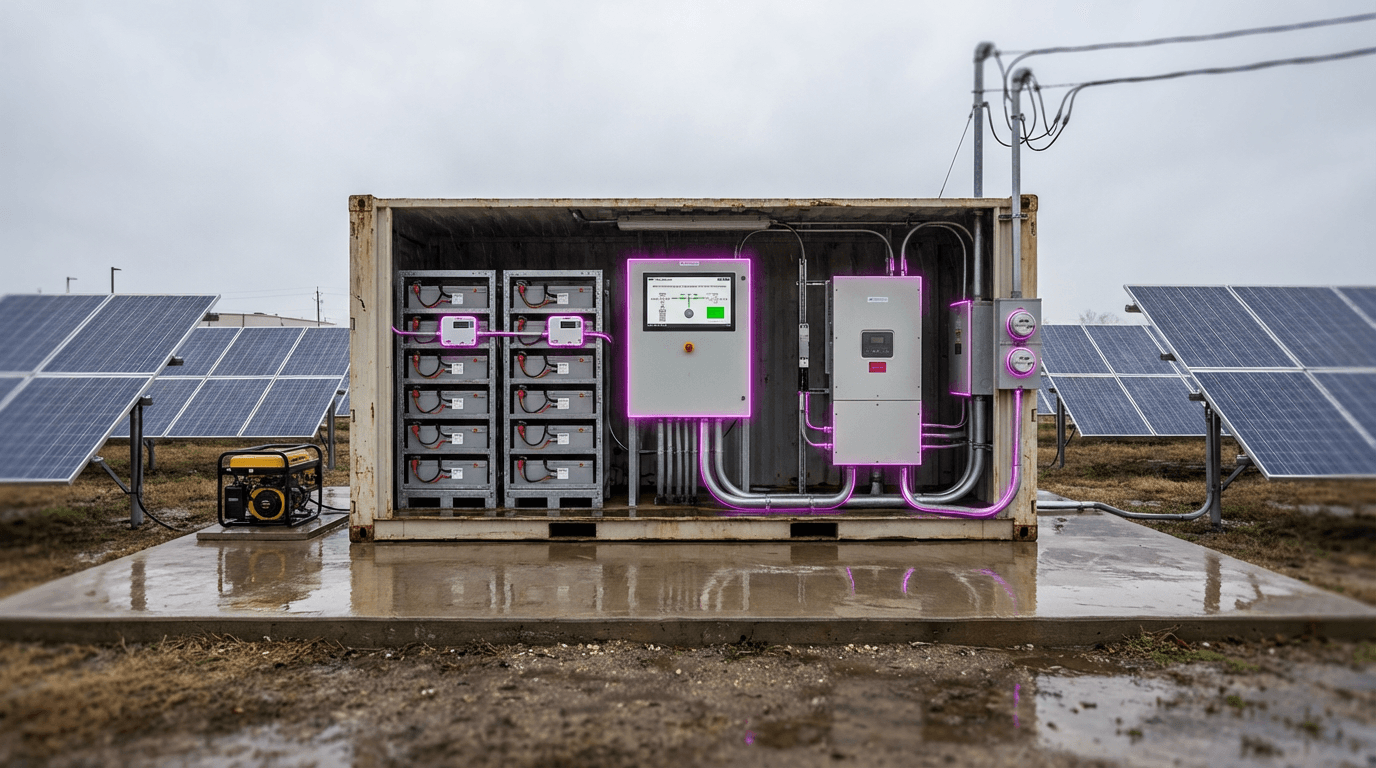
Self-managing local grids capable of islanding from the main network.
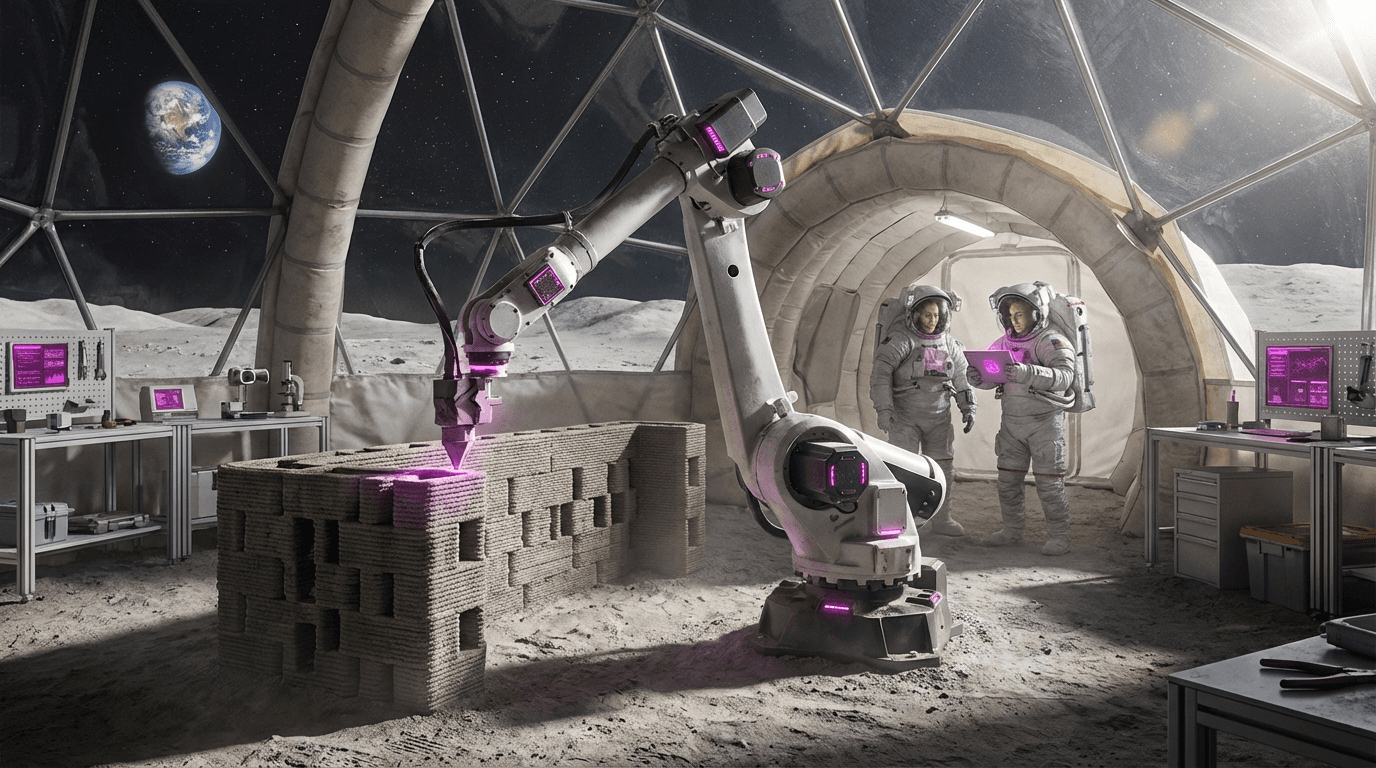
Robotic 3D-printing of habitats and infrastructure using local soil.
Positioning, navigation, and timing infrastructure for the Earth–Moon system.
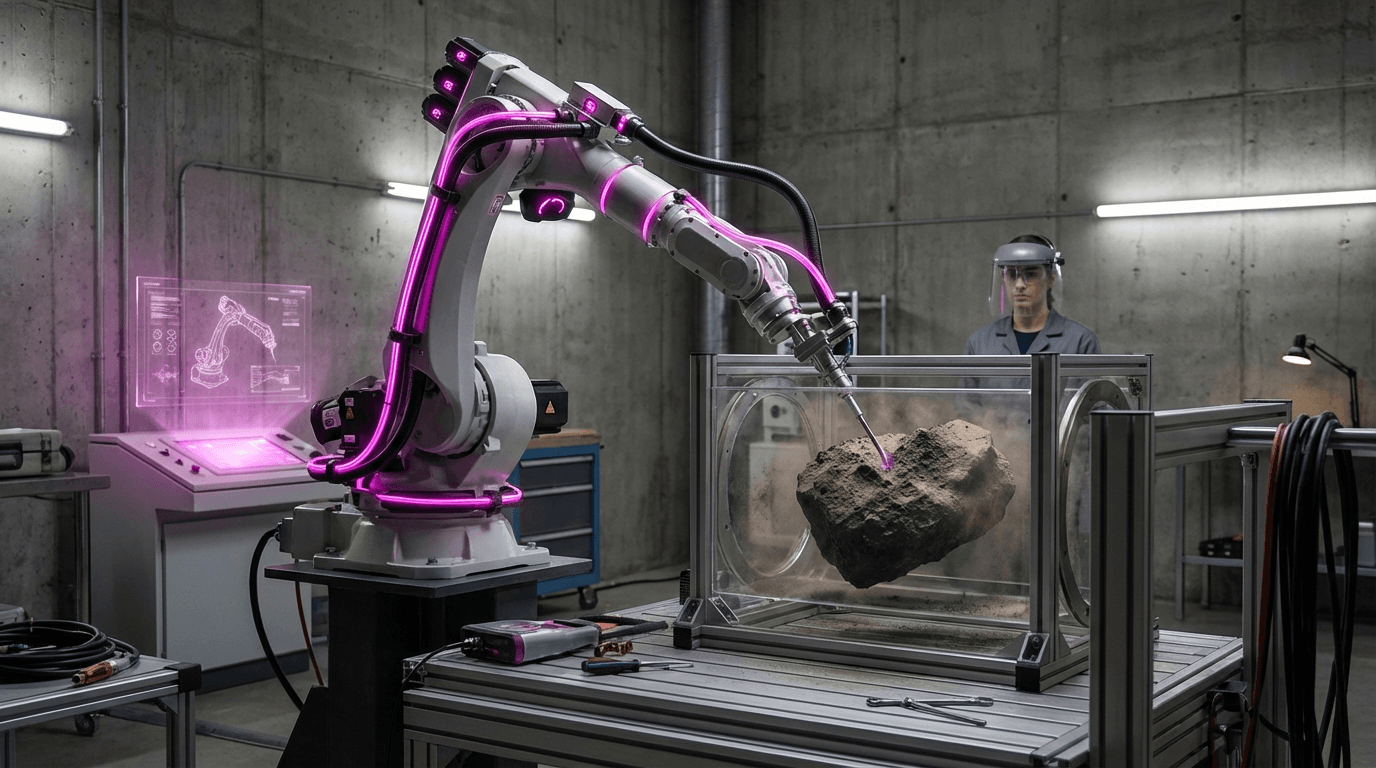
Vaporizing rock with directed energy to access supercritical heat anywhere.
Real-time virtual replicas of physical water infrastructure.
Closed-loop systems that reclaim and recycle water within urban districts.
Encoding exabytes of digital data into synthetic biological molecules.
Low-energy membrane processes using natural osmotic gradients.
Atomic-scale sieves for highly efficient water purification.
Dedicated pipelines and storage hubs for renewable hydrogen transport.
Inverters that establish voltage and frequency independently, mimicking synchronous generators.
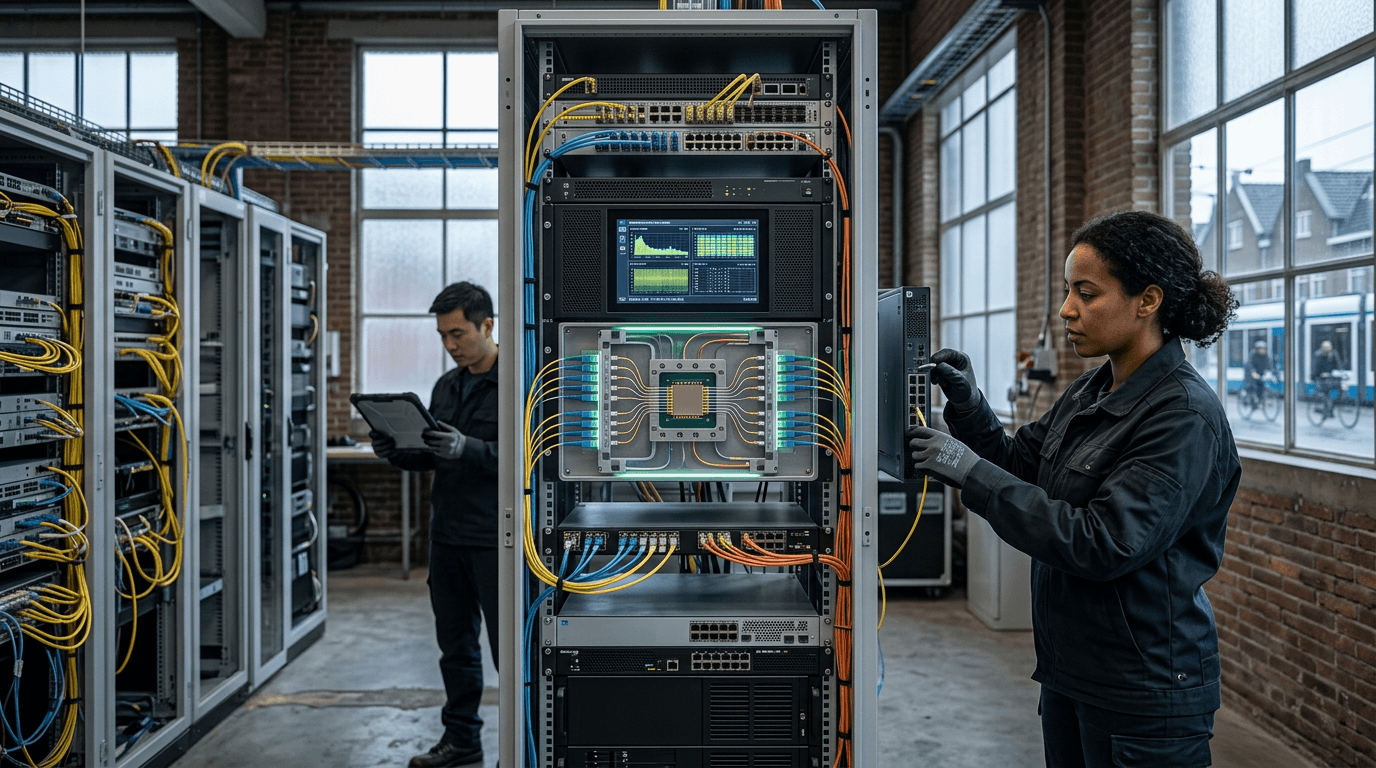
Optical cables that transmit light through air channels for ultra-low latency.
Continental-scale high-voltage direct current backbones for bulk power transfer.
Space-based computing infrastructure leveraging cold vacuum environments.
Robotic systems for building and repairing infrastructure in space.
Extracting and processing local materials on the Moon and Mars.
Networks that double as high-fidelity environmental sensors.
Permanent outposts at gravitationally stable orbital locations.
Using visible light, infrared, and ultraviolet for high-speed data links.
Infrastructure materials embedded with bacteria to autonomously repair cracks.
Multi-hour and multi-day storage for renewable-heavy grids.
Electromagnetic catapults for launching materials from the Moon to orbit.
Containerized, plug-and-play water and wastewater treatment systems.
Integrated satellite, aerial, and terrestrial networks for truly global coverage.
High-efficiency engines using nuclear reactors for deep space missions.
Open, interoperable radio networks built from multi-vendor components.
Active capture and de-orbiting of space junk to protect infrastructure.
Harvesting energy from the salinity difference between fresh and salt water.
Dense networks of Earth-observing satellites for infrastructure-aware climate intelligence.
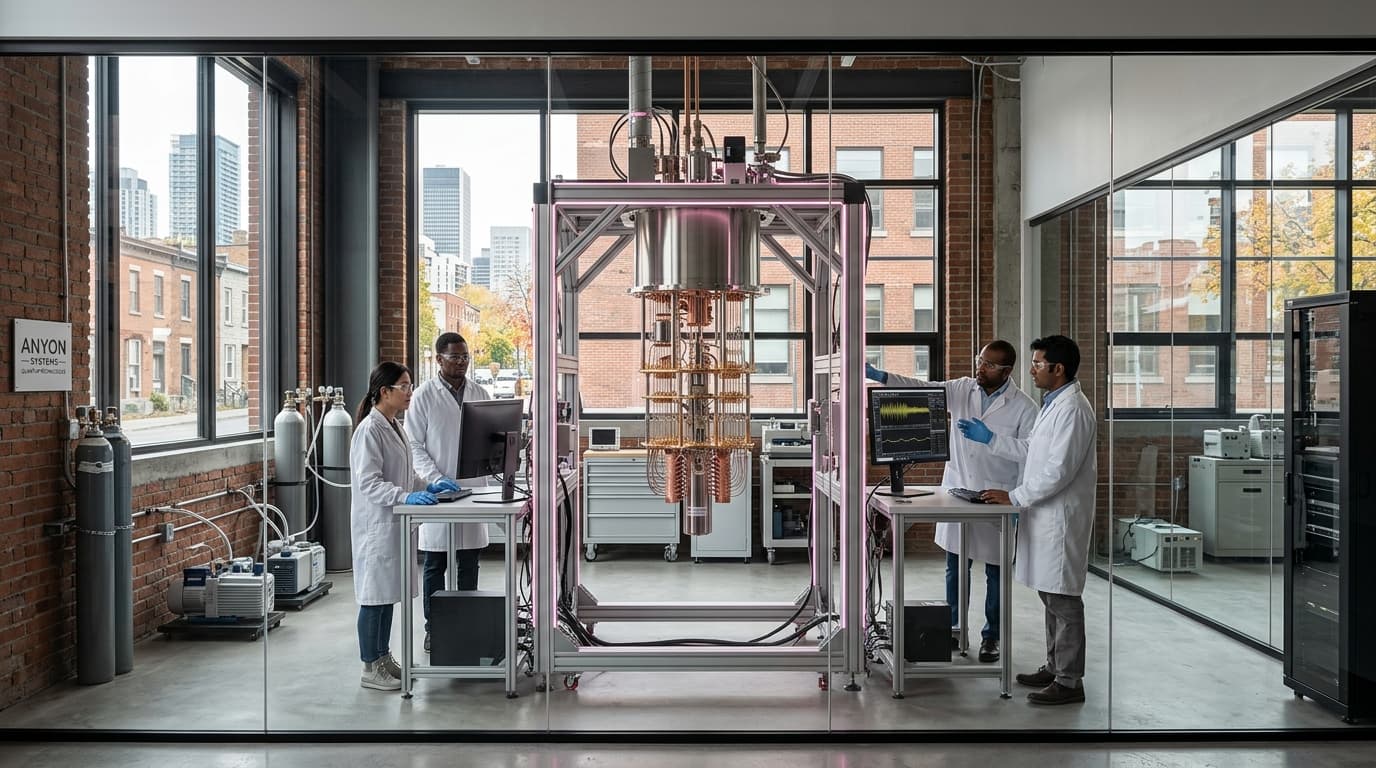
Using quantum and quantum-inspired algorithms to manage ultra-complex power systems.
Backhaul networks hardened with quantum key distribution.
In-situ biosensors monitoring contaminants and pathogens at high frequency.
Programmable radio surfaces that steer and shape wireless signals.
Autonomous protection and restoration systems that reconfigure the grid in real time.
Factory-built nuclear reactors with simplified designs and enhanced safety.
Continuous sensing of distribution networks to detect leaks and bursts.
Intelligent power electronics replacing traditional magnetic transformers.
Momentum-exchange cables that fling payloads without expending fuel.
Orbital solar arrays beaming clean energy wirelessly to Earth.
Next-generation transoceanic fiber cables with integrated sensing and robotics.
Price-based coordination of millions of devices at the grid edge.
Using electric vehicles as flexible, mobile storage for grid services.
Cloud-based aggregation of distributed energy resources.
Inductive, resonant, and RF systems eliminating cables for robotics and IoT.