







Small modular nuclear reactors
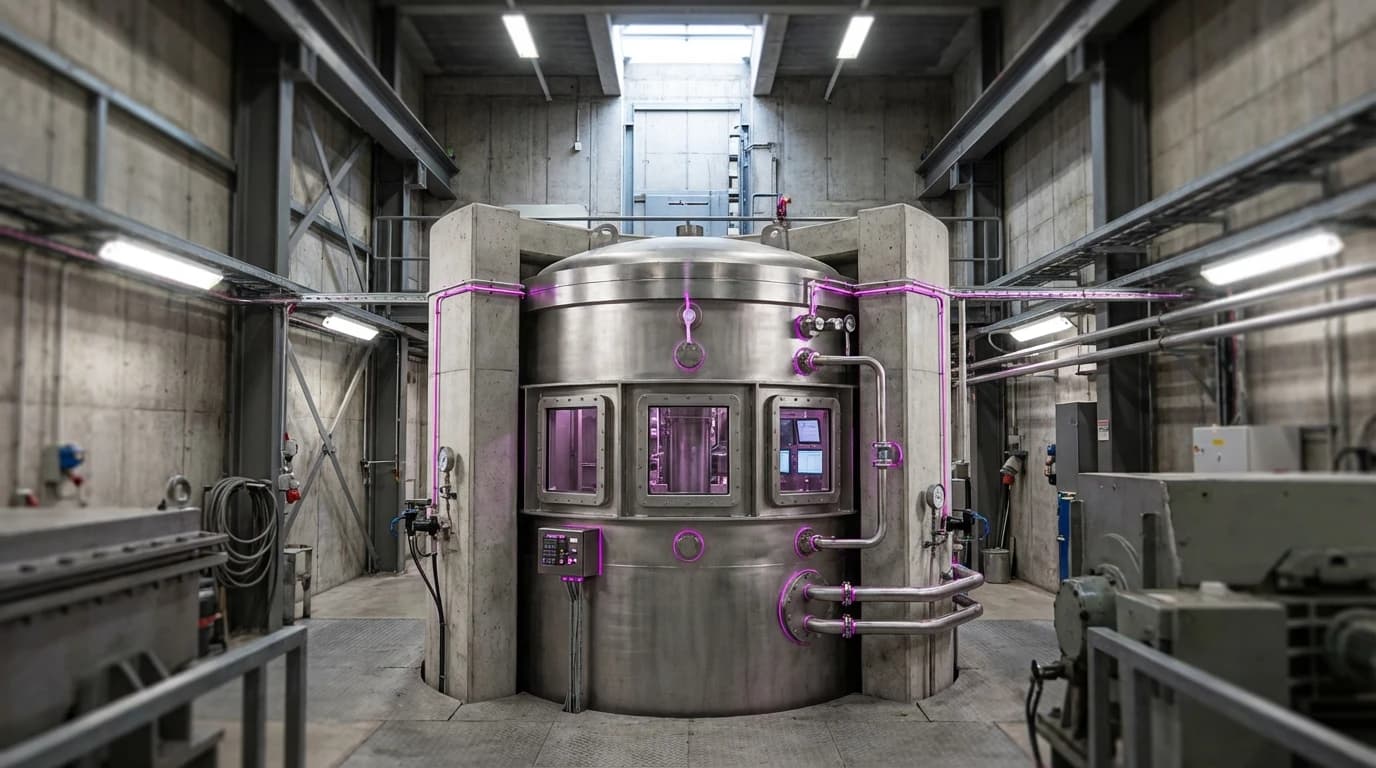
Small Modular Reactors (SMRs)
Factory-built nuclear reactors designed for modular deployment and scalable power generation
Small Modular Reactors represent a fundamental shift in nuclear power plant design, moving away from large, custom-built facilities toward standardised, factory-manufactured units. These compact fission systems typically generate between 50 and 300 megawatts of electricity, roughly one-tenth the output of conventional nuclear plants. The core innovation lies in their modular construction: major components are fabricated in controlled factory environments and transported to installation sites, where multiple units can be combined to scale power output as needed. Unlike traditional reactors that rely on active safety systems requiring external power and operator intervention, SMRs incorporate passive safety mechanisms that use natural physical principles—gravity, convection, and evaporation—to maintain safe operating conditions even during power failures. This simplified architecture reduces the complexity of safety systems while maintaining rigorous containment standards, addressing long-standing public concerns about nuclear safety.
The energy infrastructure sector faces mounting pressure to retire aging coal-fired power plants while maintaining reliable baseload generation that can support grid stability. SMRs directly address this challenge by offering a carbon-free alternative with a physical footprint compatible with existing coal plant sites, potentially reusing transmission infrastructure and trained workforces. Their factory construction model promises to overcome the cost overruns and decade-long timelines that have plagued conventional nuclear projects, with manufacturers targeting construction periods of three to five years. The modular approach also enables incremental capacity additions, allowing utilities to match investment with demand growth rather than committing to massive upfront capital expenditures. For industries requiring constant, high-density power—such as data centers supporting artificial intelligence workloads or energy-intensive manufacturing—SMRs offer an alternative to fossil fuel dependency without the intermittency challenges of renewable sources.
Several designs have progressed through regulatory review processes in North America and Europe, with early deployments anticipated at industrial sites and remote mining operations where diesel generation currently dominates. The technology shows particular promise for decarbonising heavy industry, with chemical plants and steel manufacturers exploring SMRs as replacements for natural gas-fired process heat. Remote communities in northern regions, currently dependent on expensive fuel shipments, represent another application where the long refueling cycles of SMRs—some designs operate for decades without requiring new fuel—could transform energy economics. As global commitments to net-zero emissions intensify, SMRs are positioned as a complementary technology to renewables, providing the dispatchable, weather-independent generation that enables deeper grid decarbonisation. The convergence of climate policy, advances in manufacturing techniques, and evolving regulatory frameworks suggests that these systems may finally deliver on nuclear power's long-promised potential for safe, scalable, low-carbon baseload generation.
TRL
6/9Demonstrated
Impact
5/5
Investment
5/5
Category
Hardware
Related Organizations
Developer of a small modular reactor (SMR) technology designed to provide scalable, safe, and reliable carbon-free nuclear energy.
Developer
Rolls-Royce SMR
United Kingdom · Company
A dedicated business established to deploy a fleet of Small Modular Reactors (SMRs) in the UK and globally.
Developer
Nuclear innovation company developing the Natrium reactor, a sodium-fast reactor combined with a molten salt energy storage system.
Developer
Focuses on the delivery of a clean, affordable, and safe energy solution using fluoride salt-cooled high-temperature reactor technology.
Developer

Ontario Power Generation
Canada · Company
One of the largest power generators in North America, currently executing the first commercial SMR deployment in the G7.
Deployer
Developer of the Xe-100 high-temperature gas-cooled small modular reactor and TRISO-X fuel.
Developer
Energy technology company developing the SMR-160, a pressurized water small modular reactor.
Developer
Spin-off from the Energy Impact Center developing a 20 MWe micro-modular nuclear power plant.
Developer
Danish startup developing Compact Molten Salt Reactors (CMSR) designed to be installed on floating power barges.
Developer
What was expected
Published forecasts about this technology, graded against what happened in Hindsight.
Small Modular Reactors
Micro-nuclear reactors
This page is broader than it.
Supporting Evidence
Evidence data is not available for this technology yet.
Research this in Signals
Scan Small Modular Reactors (SMRs) for yourself.
Signals turns a topic into a sourced research record you can inspect and rerun. Your first scan is free, and this one starts with Small Modular Reactors (SMRs) already loaded, so edit it or scan as is.