Wireless Power Transfer Infrastructure
Wireless power transfer infrastructure represents a fundamental shift in how we deliver electrical energy across physical spaces, eliminating the need for physical cables and charging ports through electromagnetic coupling. The technology operates through three primary mechanisms: inductive coupling, which transfers energy over short distances using magnetic fields between aligned coils; resonant coupling, which extends this range by tuning transmitter and receiver circuits to the same frequency; and radio frequency (RF) transmission, which can deliver smaller amounts of power over greater distances through directed electromagnetic waves. These systems embed transmitting coils or antennas directly into surfaces—roads, floors, walls, or even open air—creating invisible power grids that energise devices simply through proximity. The infrastructure typically consists of power management units that regulate energy flow, communication protocols that coordinate charging between multiple devices, and safety systems that detect foreign objects and prevent energy waste or hazards.
The industrial imperative for wireless power infrastructure stems from the fundamental limitations of traditional charging systems, which create operational bottlenecks and maintenance burdens across multiple sectors. For electric vehicle fleets, the need to return to fixed charging stations reduces vehicle utilisation and requires significant real estate for charging infrastructure. In warehouse automation, robot swarms must periodically dock at charging stations, limiting productivity and requiring complex scheduling algorithms to prevent operational gaps. Similarly, distributed sensor networks in smart cities face the costly challenge of battery replacement across thousands of devices, often in difficult-to-access locations. Wireless power transfer addresses these constraints by enabling continuous or opportunistic charging during normal operation—vehicles charge while driving or parked, robots power themselves while working, and sensors draw energy from their mounting surfaces. This transformation eliminates the wear and tear of physical connectors, reduces the labour costs associated with manual charging or battery replacement, and enables new business models where devices can operate indefinitely without human intervention.
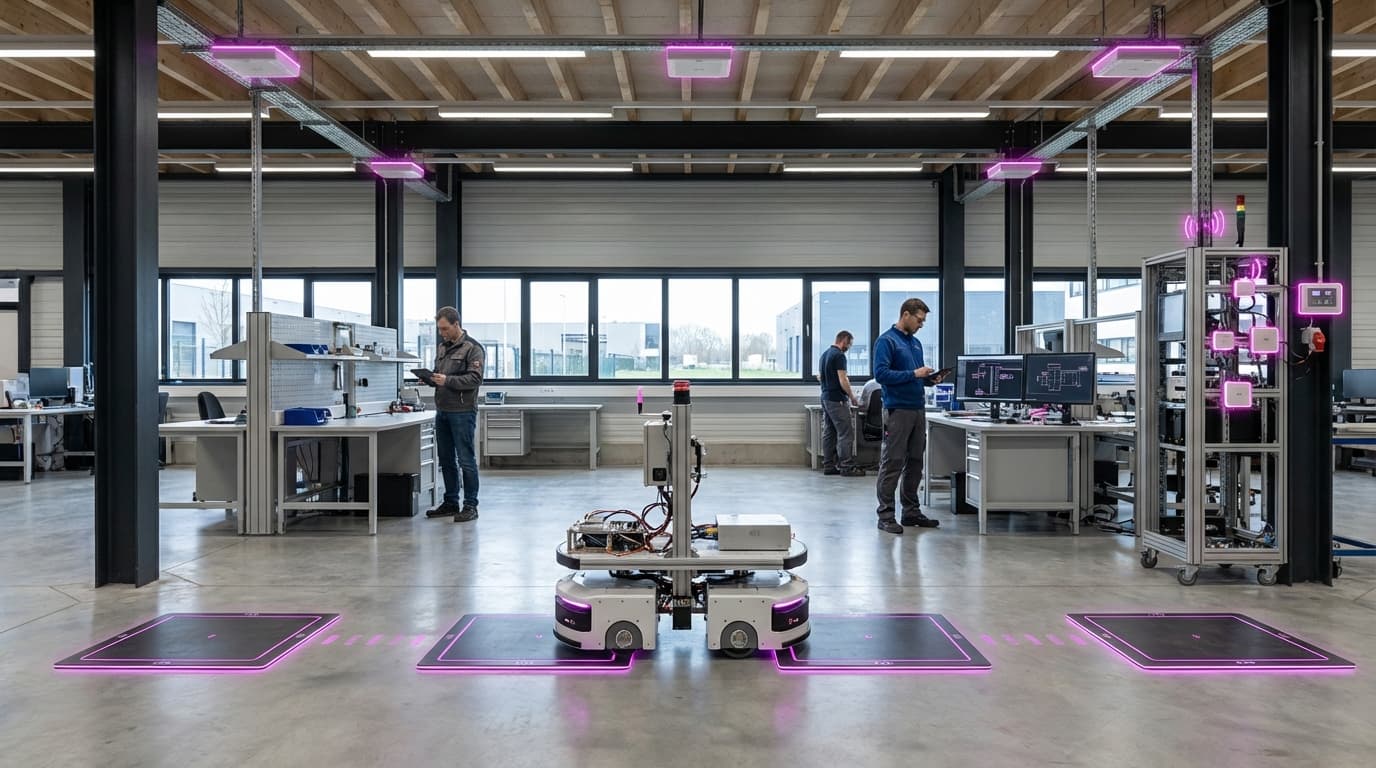
Early deployments of wireless power infrastructure are already demonstrating practical viability across several domains. Dynamic charging systems embedded in roadways have been piloted in several countries, allowing electric buses and trucks to receive power while in motion, effectively extending their range without larger batteries. Industrial facilities are increasingly installing wireless charging zones in factory floors, where automated guided vehicles and collaborative robots can recharge simply by entering designated areas during their work cycles. Urban planners are exploring wireless power networks for street furniture and IoT devices, potentially eliminating the need for battery replacement in traffic sensors, environmental monitors, and public information displays. As the technology matures, research suggests that standardisation efforts and economies of scale will reduce installation costs, while improvements in power transfer efficiency and range will expand the viable applications. The convergence of wireless power with autonomous systems, edge computing, and smart city initiatives positions this infrastructure as a critical enabler of truly self-sufficient urban ecosystems, where the friction of energy delivery no longer constrains the deployment and operation of intelligent devices.
Related Organizations

Creator of Cota, a technology that delivers power over air at a distance, primarily for indoor IoT and smart city devices.

The standards body behind Qi and Qi2, the dominant global standards for inductive wireless charging.

Pioneer in magnetic resonance wireless power transfer, focusing heavily on automotive EV charging and aftermarket solutions.

Provides wireless charging solutions for electric vehicles (EVs) through dynamic in-road inductive technology.

Develops WattUp, an RF-based wireless charging technology for near-field and far-field applications.

High-power wireless charging systems for commercial fleets (formerly Momentum Dynamics).


Develops wireless power technology that harvests radio frequency (RF) energy to power devices remotely.

Wireless charging and fleet energy management for robotics.
Supporting Evidence
Research this in Signals
Signals turns a topic into a sourced research record you can inspect and rerun. Your first scan is free, and this one starts with Wireless Power Transfer Infrastructure already loaded, so edit it or scan as is.