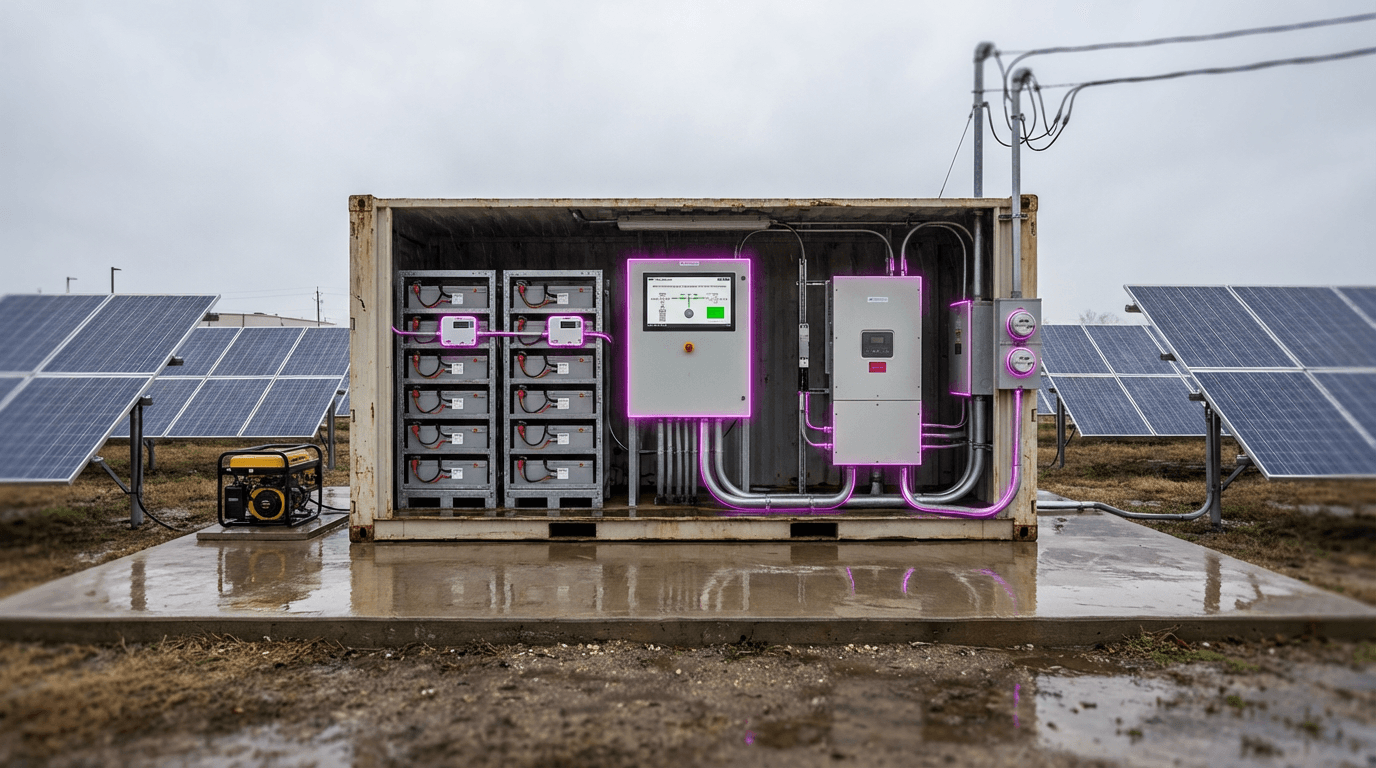
Autonomous Microgrids
Autonomous microgrids represent a fundamental shift in how electrical power is distributed and managed, moving away from the traditional centralized grid model toward decentralized, intelligent energy systems. These localized power networks integrate distributed energy resources—such as solar panels, wind turbines, battery storage systems, and backup generators—with advanced control systems that can operate independently or in coordination with the main electrical grid. At their technical core, autonomous microgrids employ sophisticated algorithms and machine learning models to continuously monitor energy generation, consumption patterns, and storage levels across all connected assets. This real-time analysis enables the system to make split-second decisions about power routing, load balancing, and resource allocation without human intervention. The "islanding" capability—the ability to disconnect from the main grid and operate independently—relies on rapid detection systems that can identify grid disturbances in milliseconds and seamlessly transition to self-sufficient operation, maintaining power quality and stability throughout the process.
The challenges these systems address are becoming increasingly critical as climate change intensifies weather-related grid disruptions and as energy demand continues to rise. Traditional centralized grids face significant vulnerabilities: a single point of failure can cascade across vast regions, leaving millions without power for extended periods. Autonomous microgrids solve this problem by creating resilient energy islands that can maintain operations during main grid outages, making them particularly valuable for hospitals, emergency response centers, military installations, and data centers where power interruptions can have catastrophic consequences. Beyond resilience, these systems enable more efficient integration of renewable energy sources, which are inherently variable and difficult to manage within conventional grid architectures. By balancing local generation and consumption at the community or facility level, autonomous microgrids reduce transmission losses, defer costly infrastructure upgrades, and create opportunities for peer-to-peer energy trading. Emerging interoperability standards are enabling multiple microgrids to coordinate with each other and the main grid, forming a more flexible and adaptive energy ecosystem.
Early deployments indicate strong potential across diverse settings, from remote communities seeking energy independence to urban districts pursuing sustainability goals. University campuses and industrial parks have been among the first adopters, using autonomous microgrids to reduce energy costs while improving reliability. In regions prone to natural disasters, these systems are increasingly viewed as essential infrastructure, with some utilities actively supporting microgrid development as a complement to traditional grid hardening efforts. The technology is also enabling new business models, where building owners can monetize excess generation capacity or provide grid services during peak demand periods. As battery storage costs continue to decline and renewable energy becomes more economical, industry analysts note that autonomous microgrids are transitioning from niche applications to mainstream infrastructure solutions. This trajectory suggests a future energy landscape characterized by distributed intelligence and localized resilience, where communities and facilities gain greater control over their energy destiny while contributing to overall grid stability and sustainability.
Related Organizations

Designs and manufactures digital products and systems that protect power grids.

Develops decentralized microgrid control hardware and software that mimics the way nature organizes complex systems.

Provides containerized solar microgrids for rural, off-grid, and disaster relief applications.

Operates one of the largest fleets of community solar microgrids in India and Africa.

Designs, builds, and finances microgrids for commercial and industrial facilities.

Provides dual-purpose microgrids that ensure resiliency for customers while selling services back to the grid.

Develops advanced grid control software enabling utilities to manage distributed energy resources (DERs) and microgrids autonomously.

Develops and operates solar microgrids in Kenya, using proprietary technology for metering and control.

A US Department of Energy lab actively researching adiabatic logic circuits and reversible computing to overcome thermodynamic limits in microelectronics.

Global specialist in energy management and automation that integrates cybersecurity into its industrial hardware and software.
Supporting Evidence
Research this in Signals
Signals turns a topic into a sourced research record you can inspect and rerun. Your first scan is free, and this one starts with Autonomous Microgrids already loaded, so edit it or scan as is.