Green Hydrogen Distribution Networks
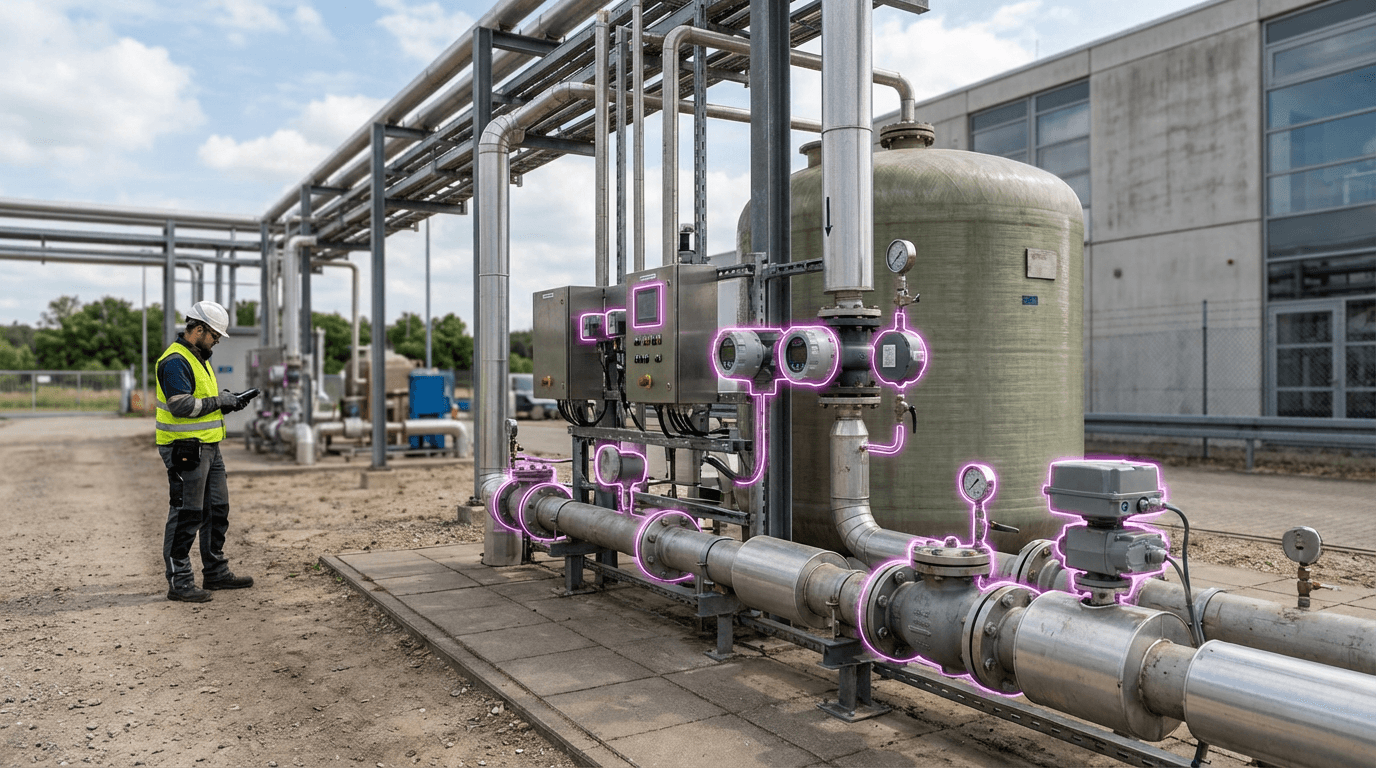
Green hydrogen distribution networks represent a critical infrastructure layer designed to transport hydrogen produced through renewable energy-powered electrolysis from generation sites to end users. Unlike conventional natural gas networks, these systems must address hydrogen's unique physical properties, including its small molecular size, which can cause embrittlement in certain pipeline materials, and its lower energy density per unit volume. The infrastructure typically consists of either newly constructed pipelines using hydrogen-compatible materials such as specialized steel alloys or polymer composites, or existing natural gas pipelines that have been retrofitted and tested for hydrogen service. At the heart of these networks are large-scale electrolyzers positioned near renewable energy installations—solar farms, wind parks, or hydroelectric facilities—where excess electricity can be converted into hydrogen through water splitting. The hydrogen is then compressed and injected into the distribution system, which may span hundreds of kilometers to connect production zones with demand centers. Advanced monitoring systems track pressure, flow rates, and gas purity throughout the network, ensuring safe operation and maintaining the hydrogen quality required for industrial processes.
The fundamental challenge these networks address is the temporal and spatial mismatch between renewable energy generation and industrial energy demand. Many energy-intensive industries—including steel production, ammonia synthesis for fertilizers, petroleum refining, and chemical manufacturing—currently rely on fossil fuels and face significant barriers to electrification due to the high-temperature processes involved. Green hydrogen distribution networks enable these sectors to access carbon-free energy while maintaining their existing process architectures with minimal modification. The integration of underground storage facilities, particularly salt caverns that can hold vast quantities of compressed hydrogen, adds a crucial dimension of flexibility to the system. This storage capacity allows surplus renewable energy generated during periods of high wind or solar output to be preserved as hydrogen and retrieved during seasonal demand peaks or renewable generation lulls, effectively solving one of renewable energy's most persistent challenges. Furthermore, these networks create new possibilities for grid balancing, as hydrogen can be reconverted to electricity through fuel cells or turbines when needed, providing a form of long-duration energy storage that batteries cannot economically match at scale.
Several European nations and industrial regions have initiated pilot projects and early-stage commercial deployments of hydrogen distribution infrastructure, with particular focus on industrial clusters where multiple heavy emitters can share pipeline access. Port facilities are emerging as strategic nodes in these networks, serving both as hydrogen import terminals for international trade and as refueling hubs for maritime vessels and heavy-duty trucks transitioning away from diesel. Research indicates that repurposing existing natural gas infrastructure could significantly reduce deployment costs and timelines, though this approach requires careful assessment of pipeline integrity and compatibility. The development of these networks is closely tied to broader decarbonization commitments and policy frameworks that incentivize clean hydrogen production and consumption. As renewable energy capacity continues to expand globally and electrolyzer costs decline through manufacturing scale-up, hydrogen distribution networks are positioned to become essential arteries in a future energy system where renewable electricity, direct electrification, and hydrogen-based solutions work in concert to eliminate fossil fuel dependence across the economy.
Related Organizations

An initiative of over 30 European energy infrastructure operators planning a pan-European hydrogen transport network.

Dutch natural gas infrastructure and transportation company leading the development of the national hydrogen backbone.
Spain's Transmission System Operator (TSO) developing the H2Med pipeline project.

Germany's largest gas transmission network operator, actively planning the national hydrogen core network.

Italian energy infrastructure operator retrofitting high-pressure gas pipelines for hydrogen transport.

Air Products
United States · Company
Industrial gas supplier investing billions in green hydrogen production and global supply chains.

Industrial platform delivering 100% green hydrogen across Europe at competitive prices via new infrastructure.


Green energy company building a hub in Wilhelmshaven to import green gas/hydrogen.

British multinational electricity and gas utility company.
SoCalGas
United States · Company
The primary provider of natural gas to Southern California.
Supporting Evidence
Research this in Signals
Signals turns a topic into a sourced research record you can inspect and rerun. Your first scan is free, and this one starts with Green Hydrogen Distribution Networks already loaded, so edit it or scan as is.