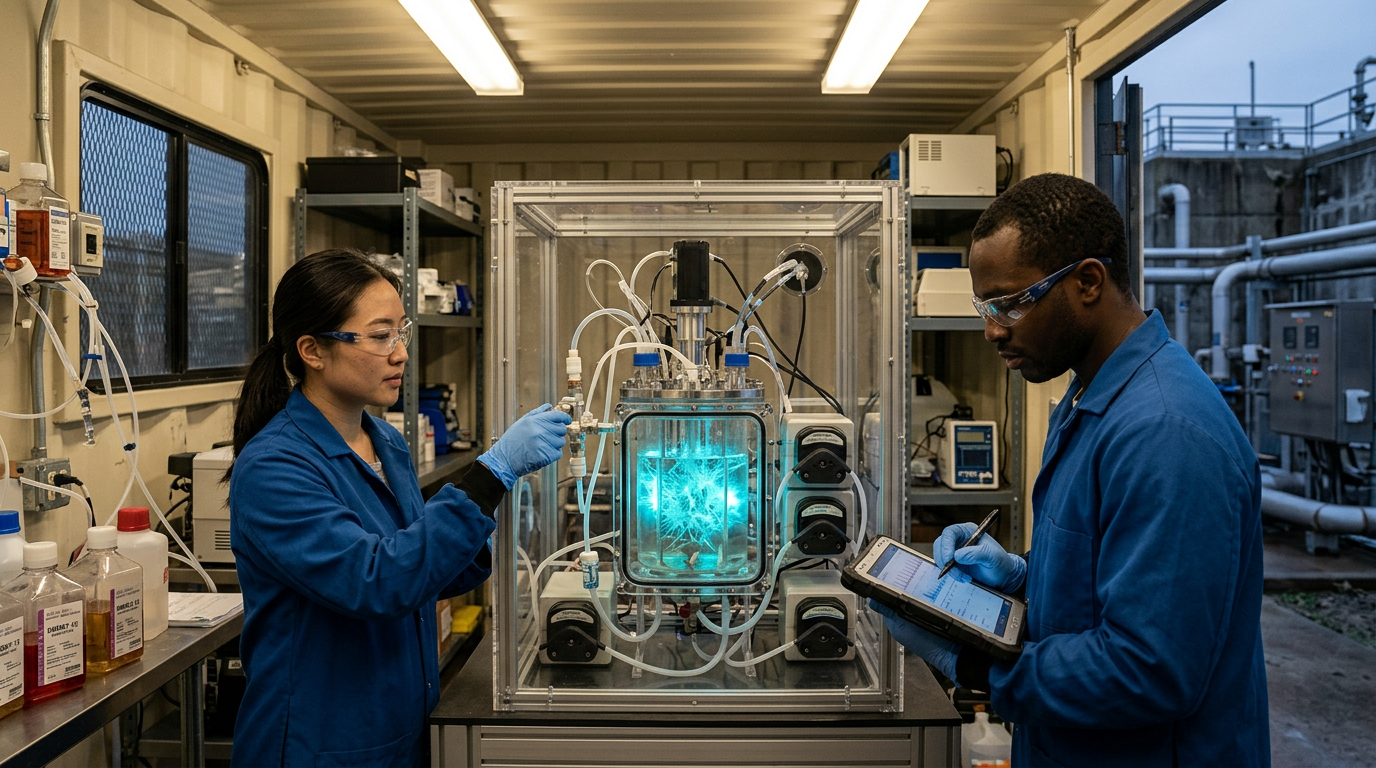
Tracking signals shaping the future of neurotechnology — cognitive interfaces, neural engineering, brain-machine systems, and human augmentation.
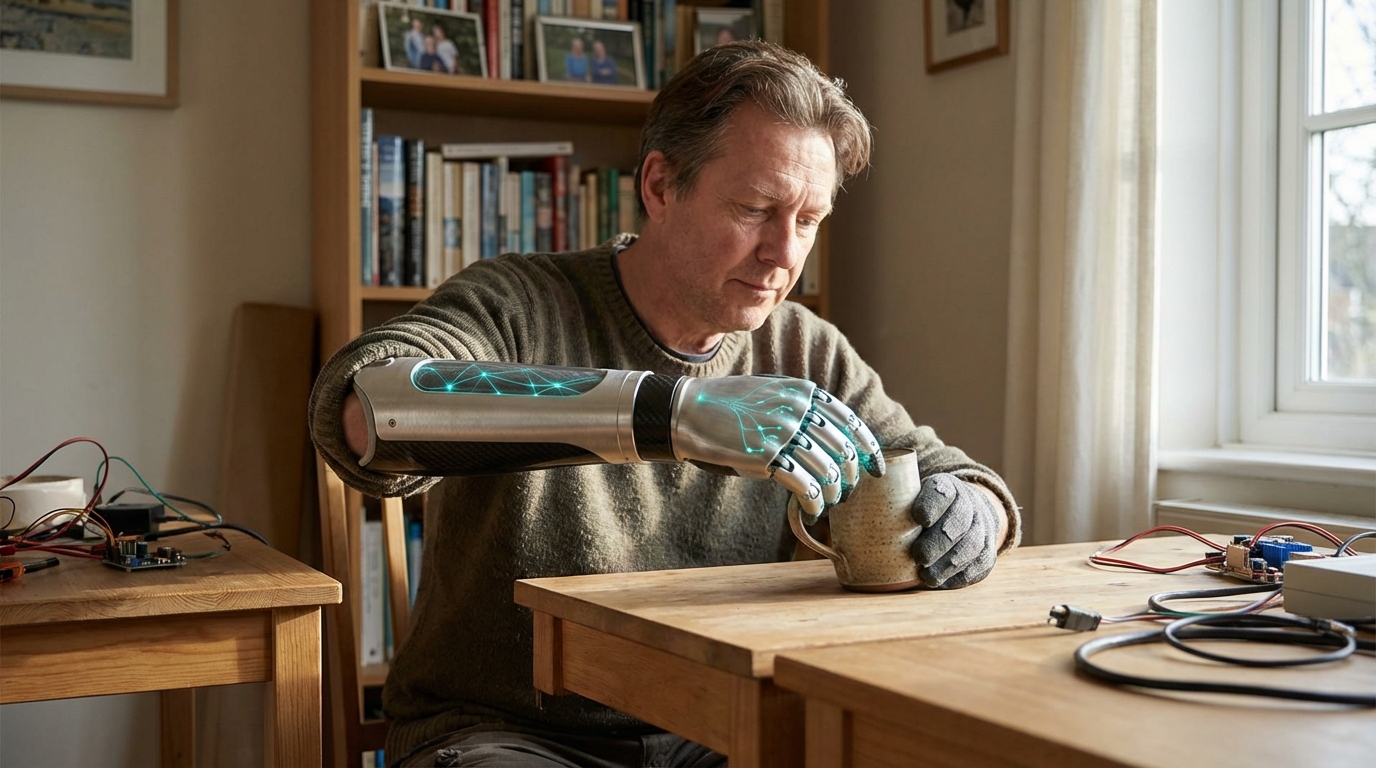
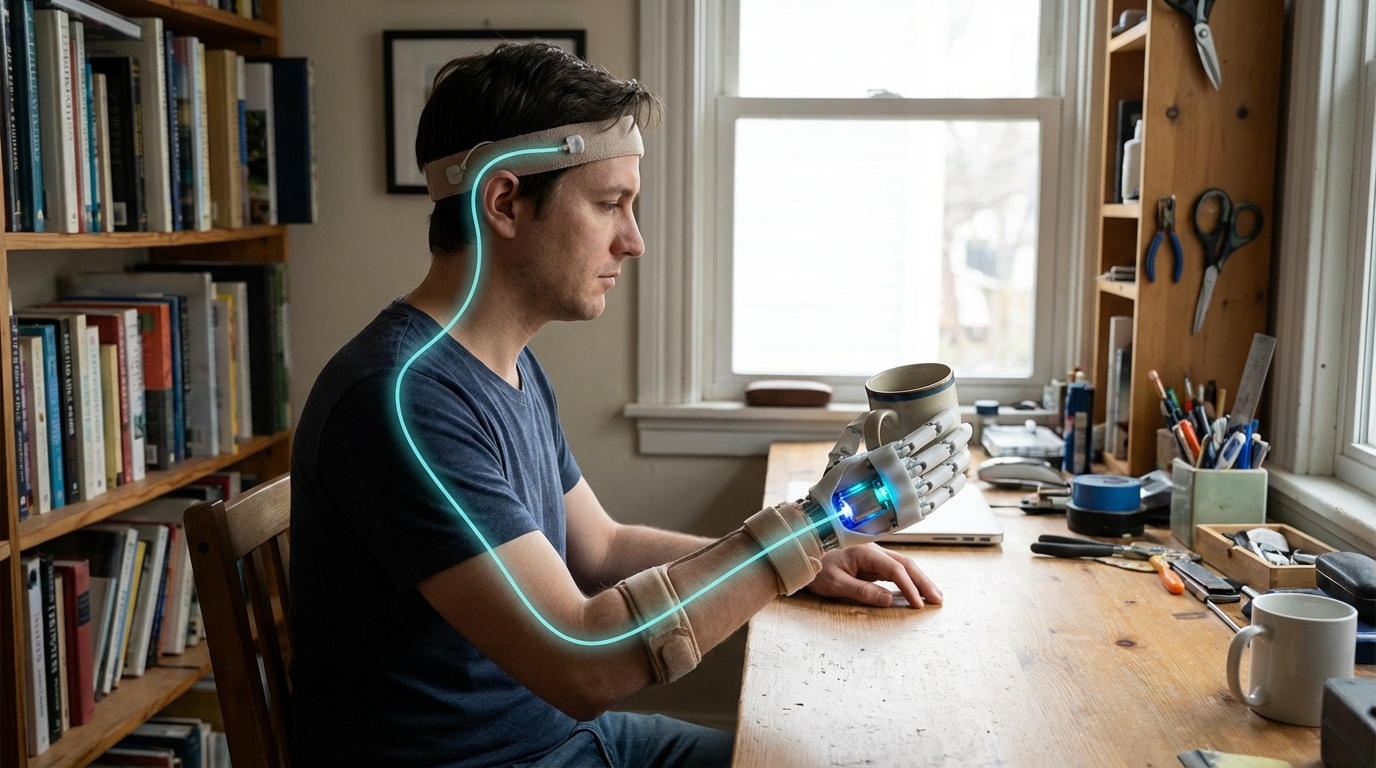
Prosthetic limbs that respond to thought and transmit touch, pressure, and temperature back to the user
Design principles that keep users in control when AI assists with prosthetics or medical devices
Computational models simulating neural circuits and brain function
Policies to prevent unequal access to cognitive enhancement technologies
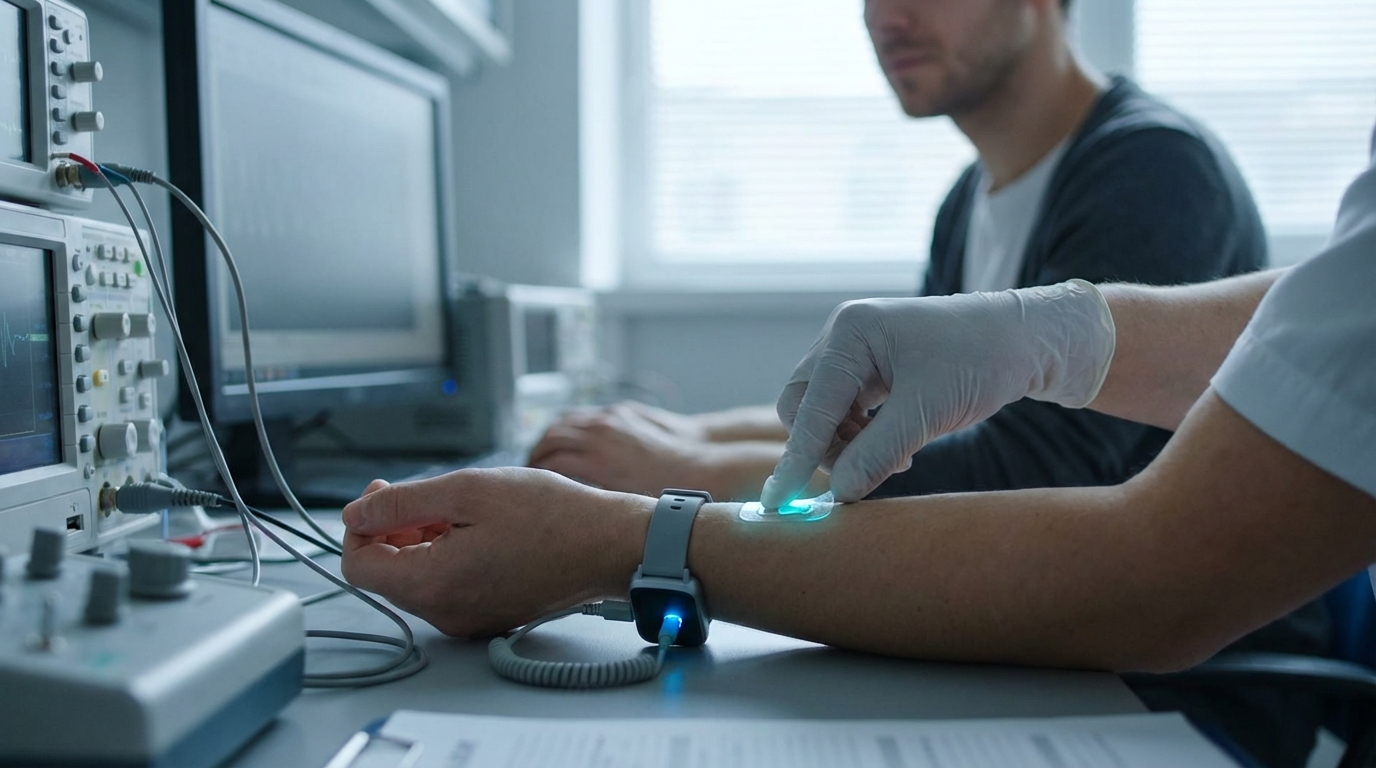
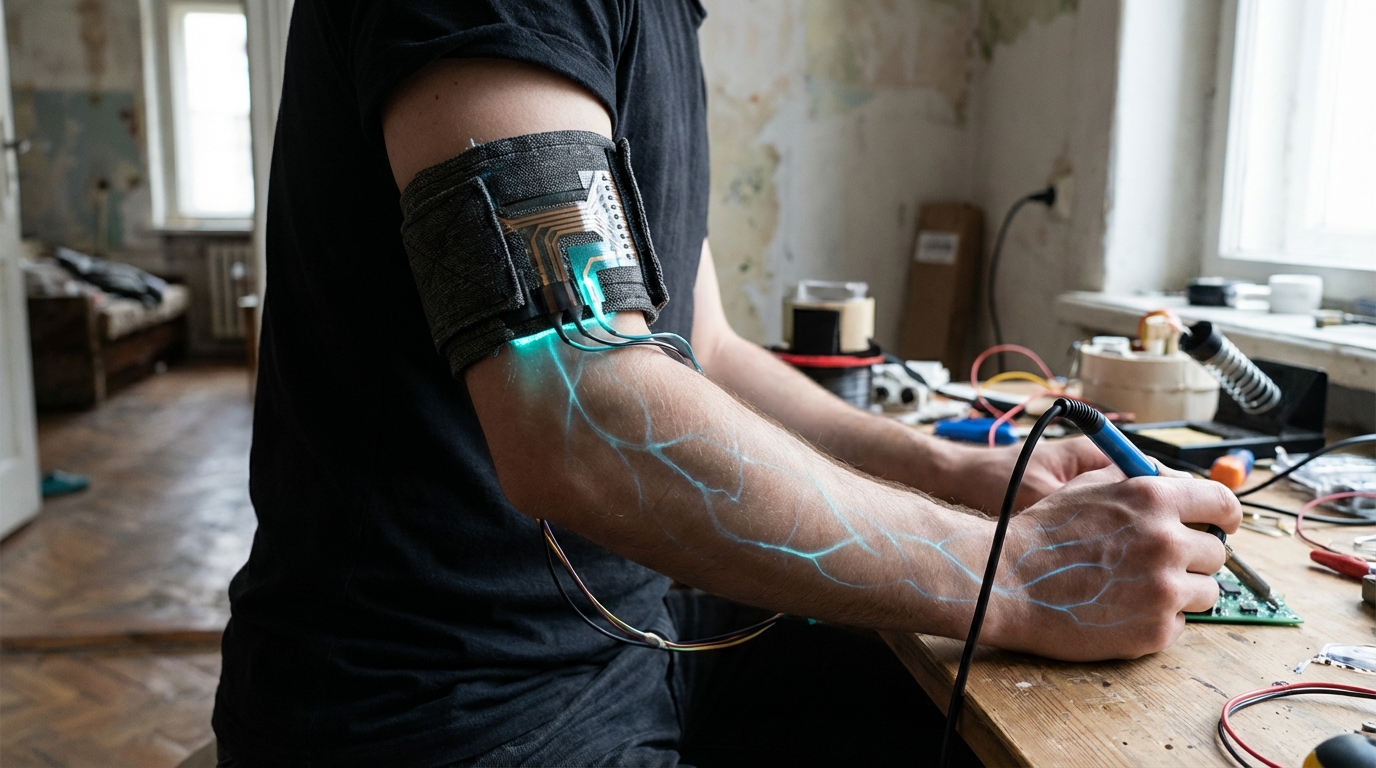
Neural cuffs that read motor commands and deliver sensory feedback through peripheral nerves
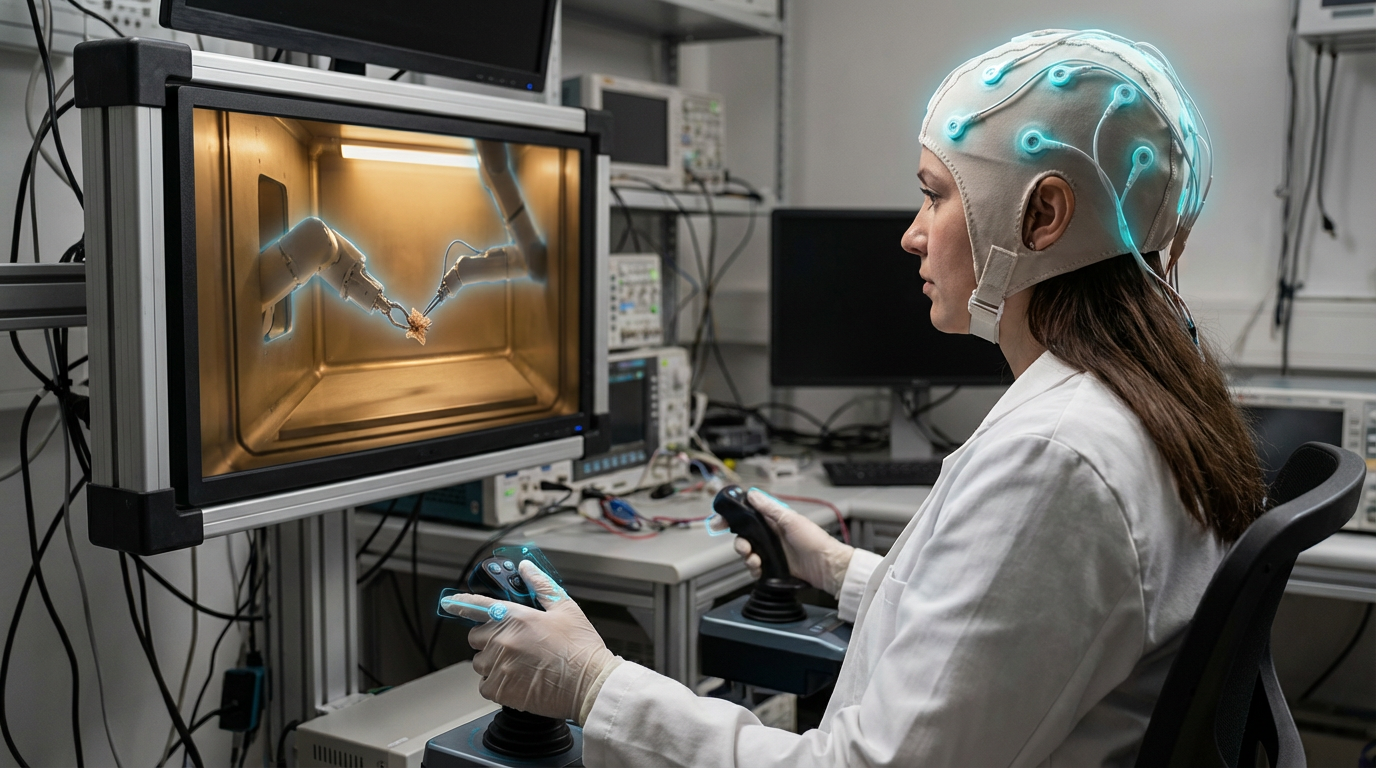
Robotic systems controlled by brain signals for surgery, hazardous work, or remote operations
Decoding neural signals to infer mental states and enable brain-computer interfaces
Machine learning models that classify cognitive states like attention or fatigue from neural signals
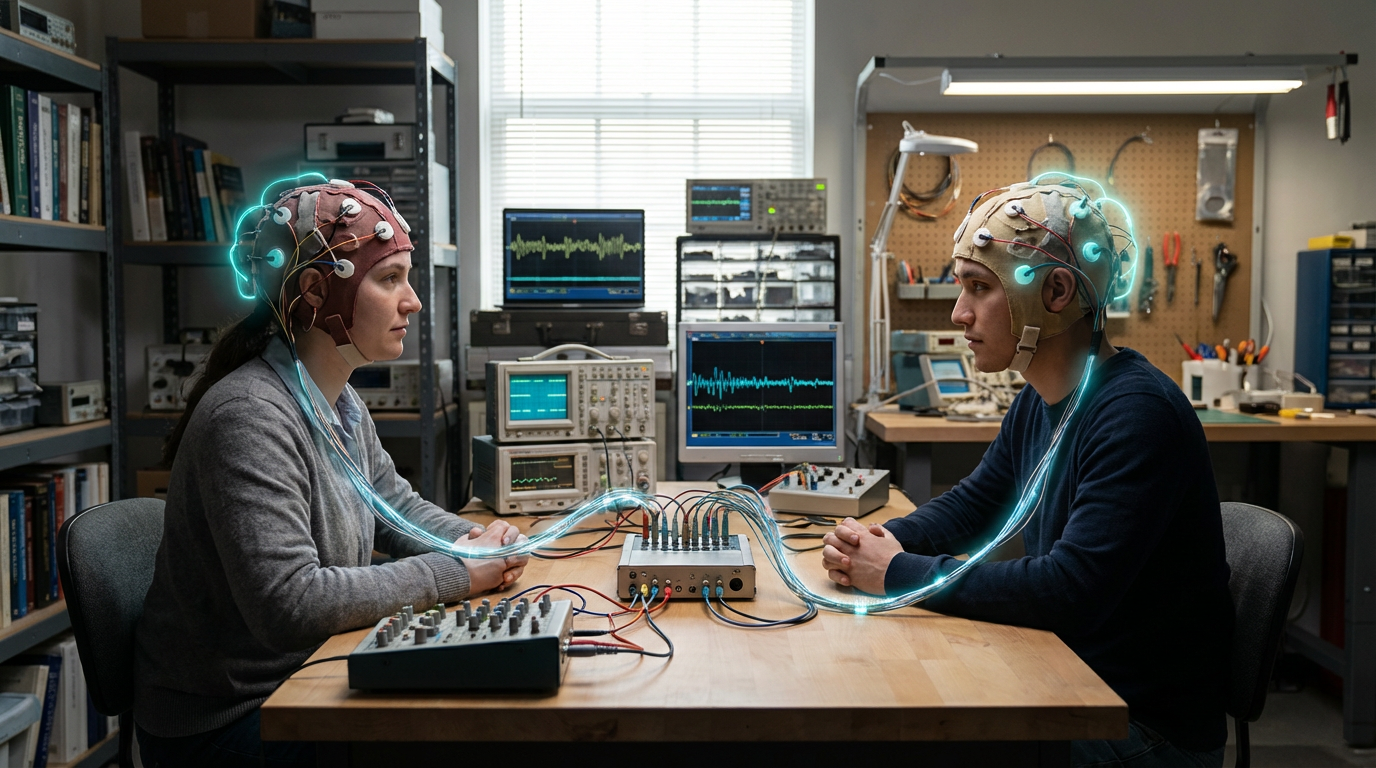
Direct neural transmission of thoughts or commands between brains via networked interfaces
Real-time neural monitoring that triggers stimulation only when pathological activity is detected
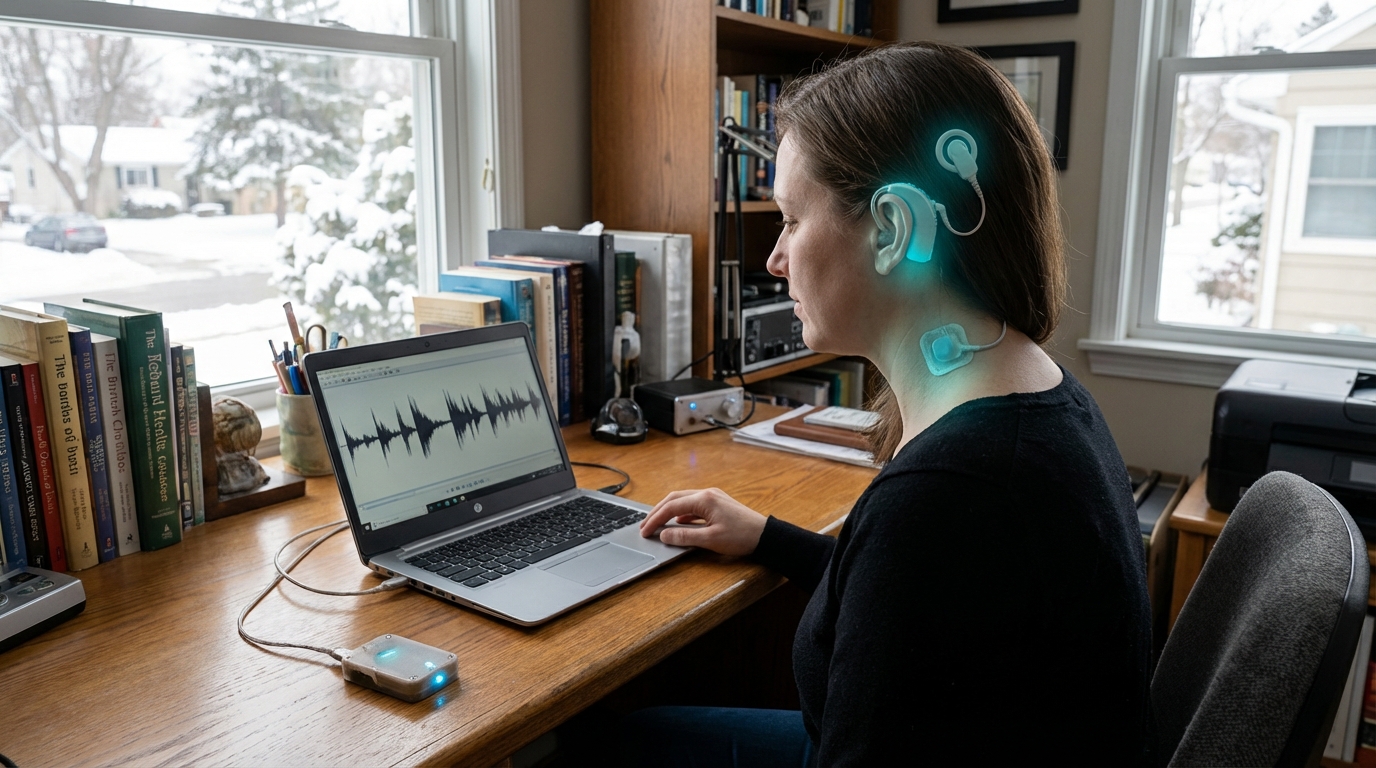
AI-powered cochlear implants with fully internalized hardware for natural hearing restoration
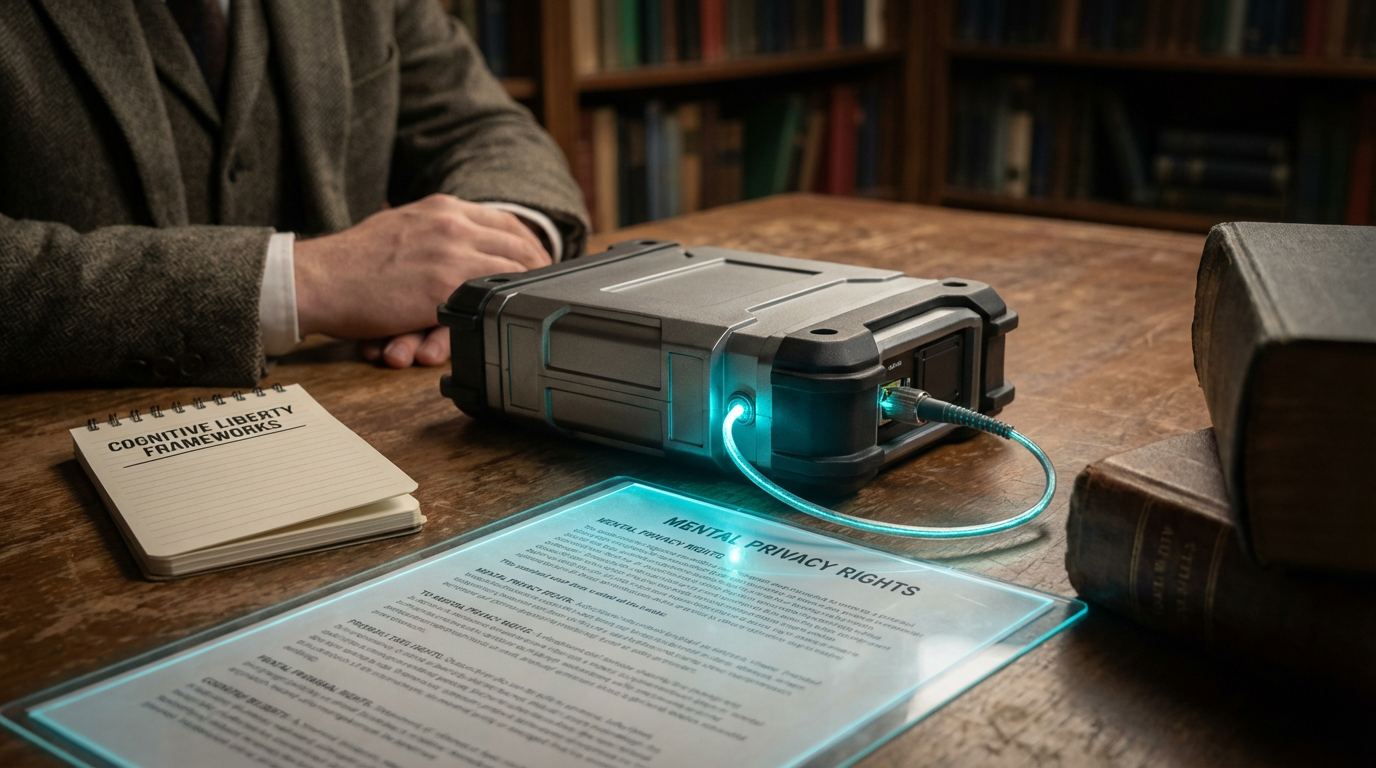
Legal protections for mental privacy and freedom from neural interference
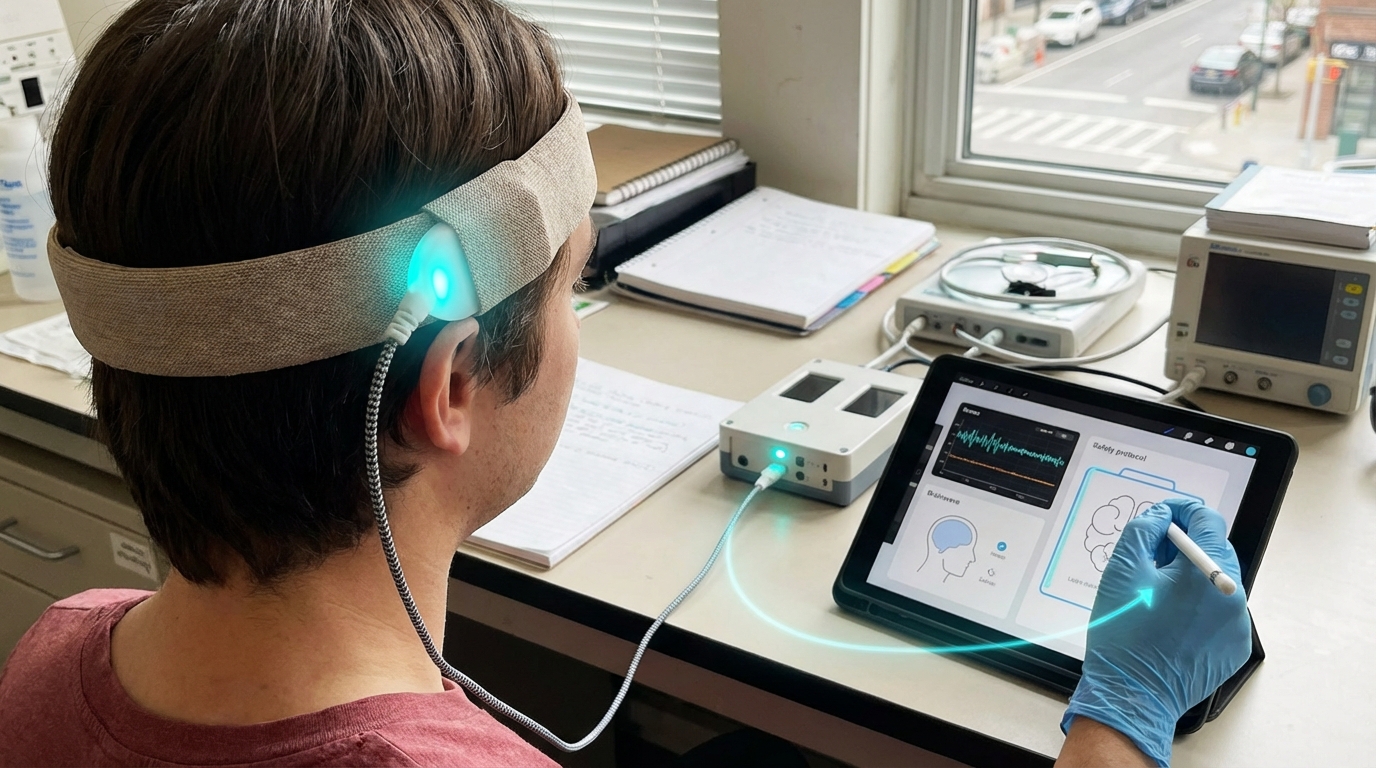
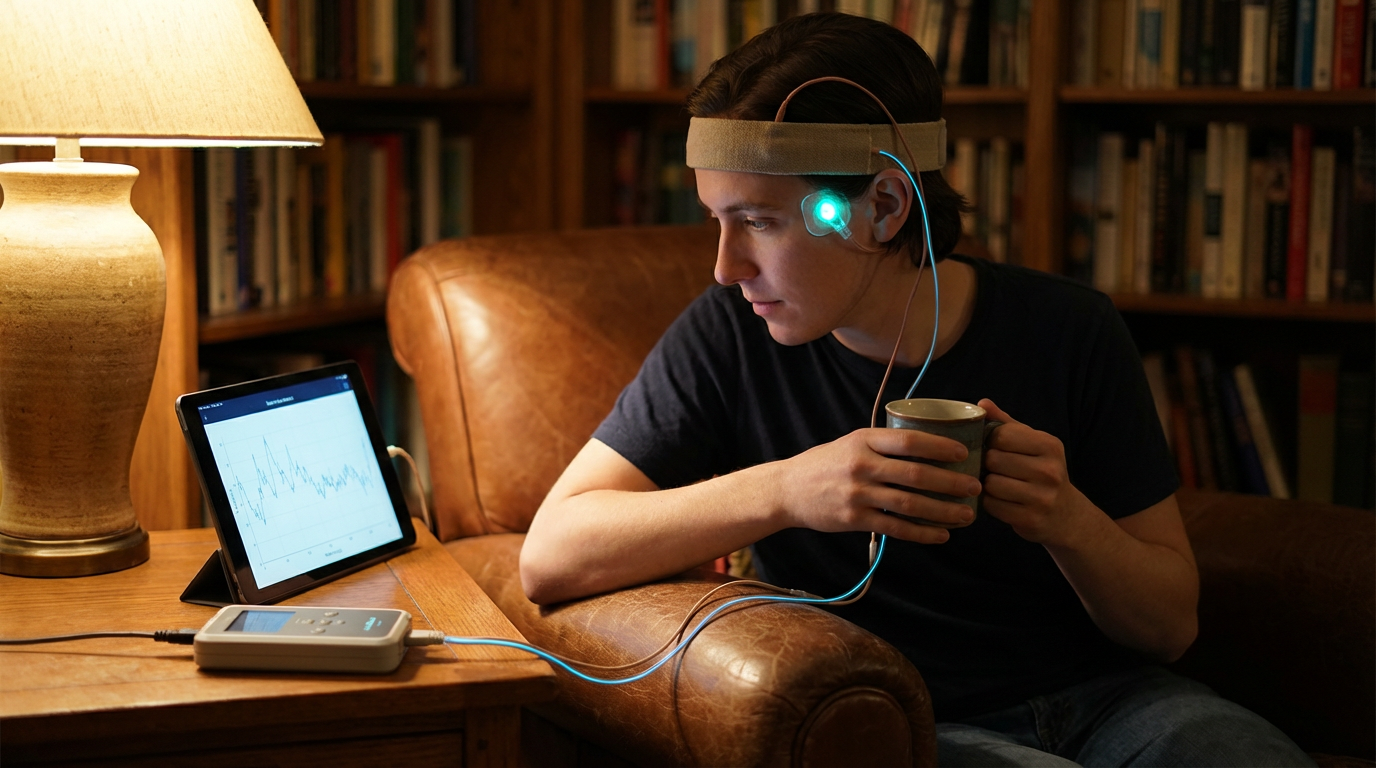
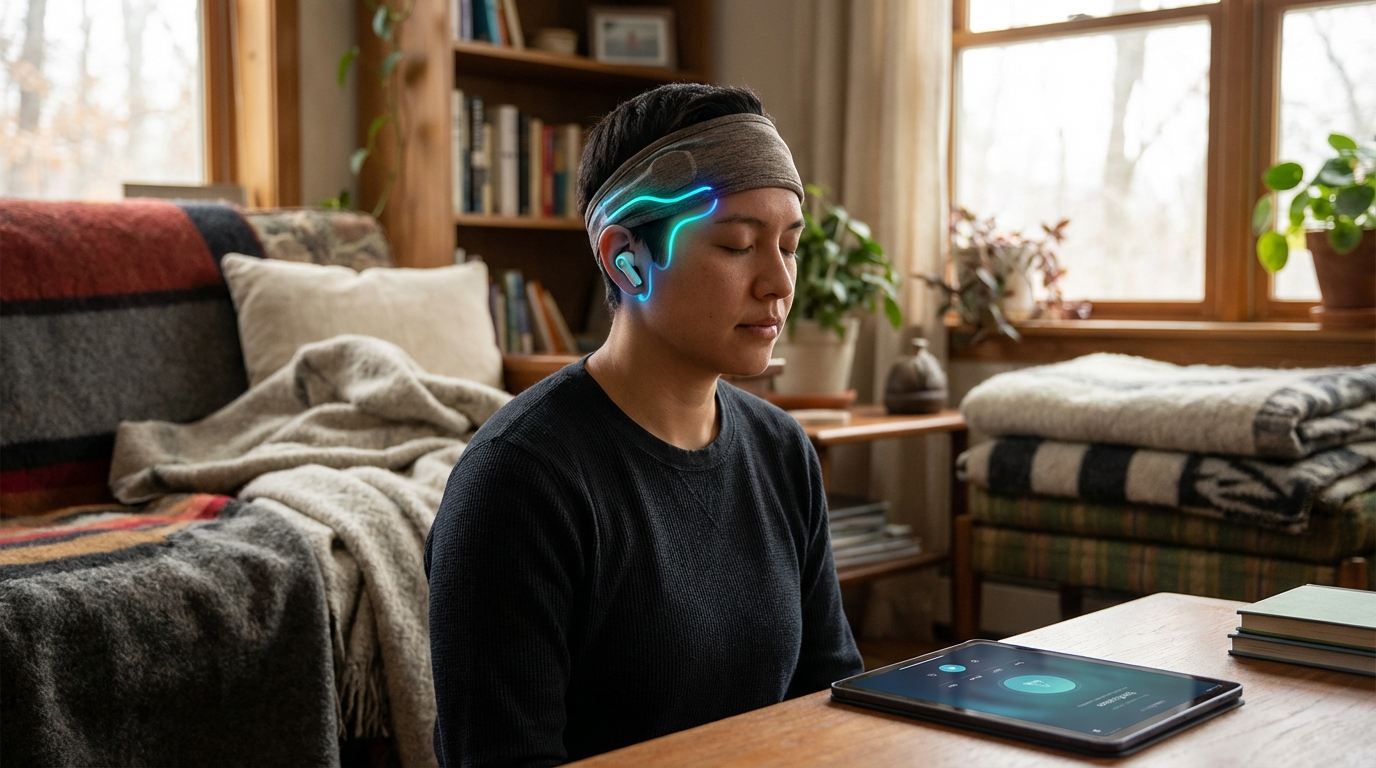
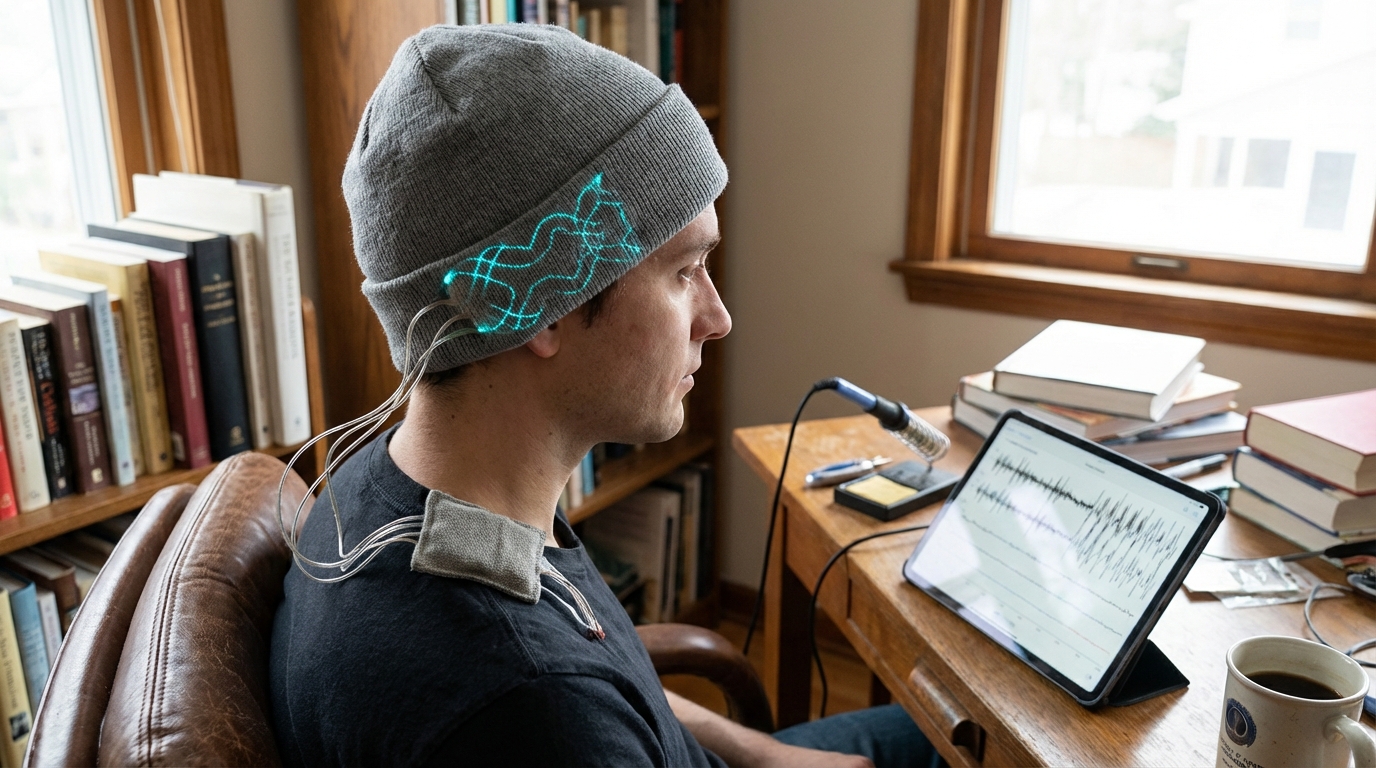
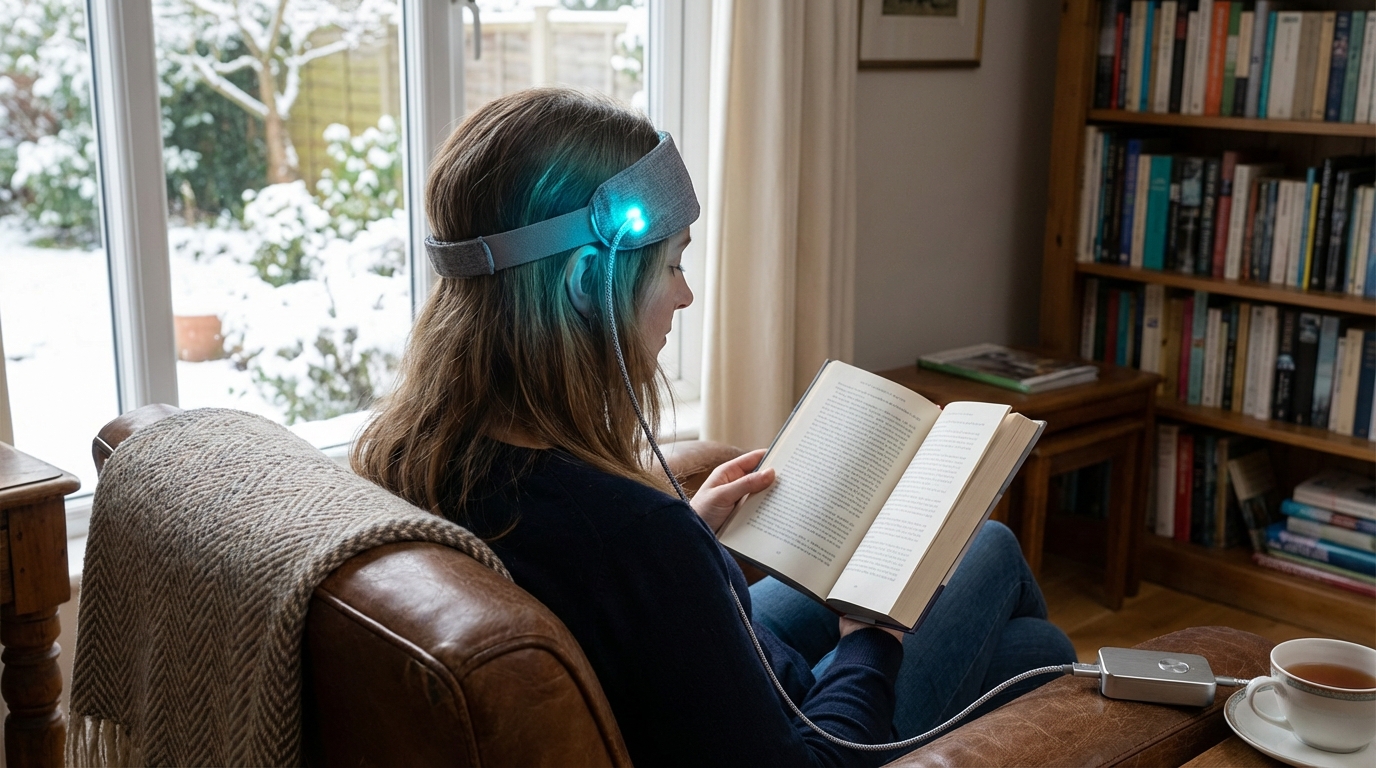
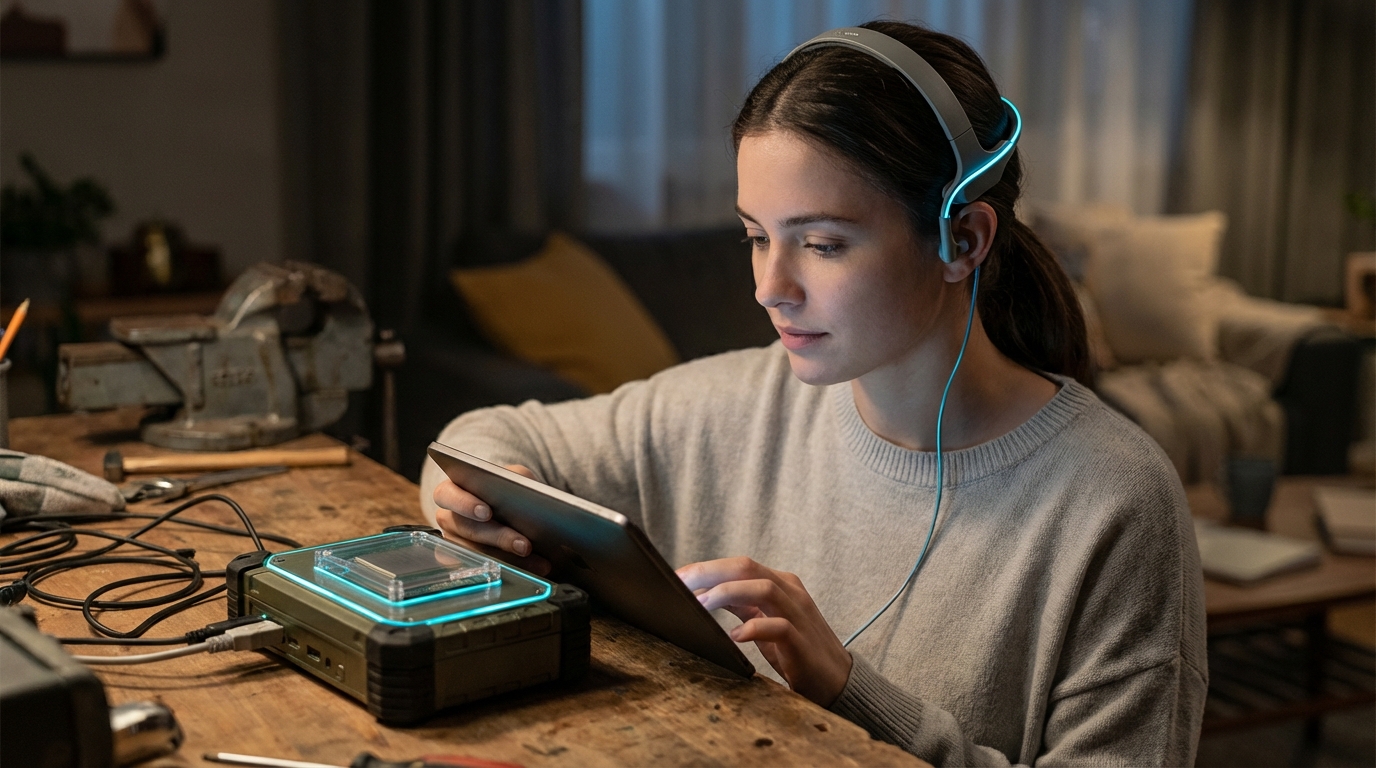
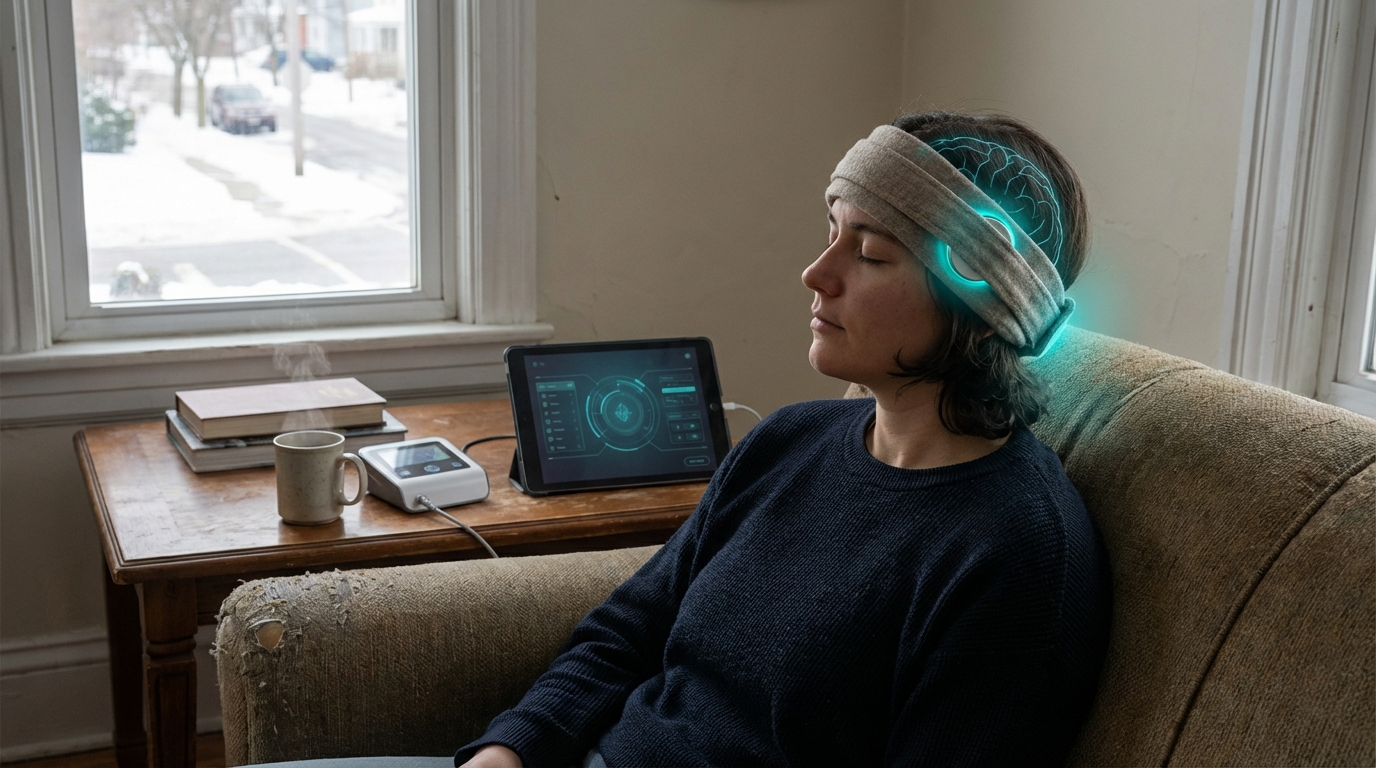
Headbands and earbuds using dry-EEG sensors to track brain activity for meditation, focus, and sleep
Adaptive brain stimulation that adjusts in real-time to reduce Parkinson's motor symptoms
Personalized brain simulations for testing treatments before applying them to patients
Machine learning systems that reconstruct dream imagery from brain activity during sleep
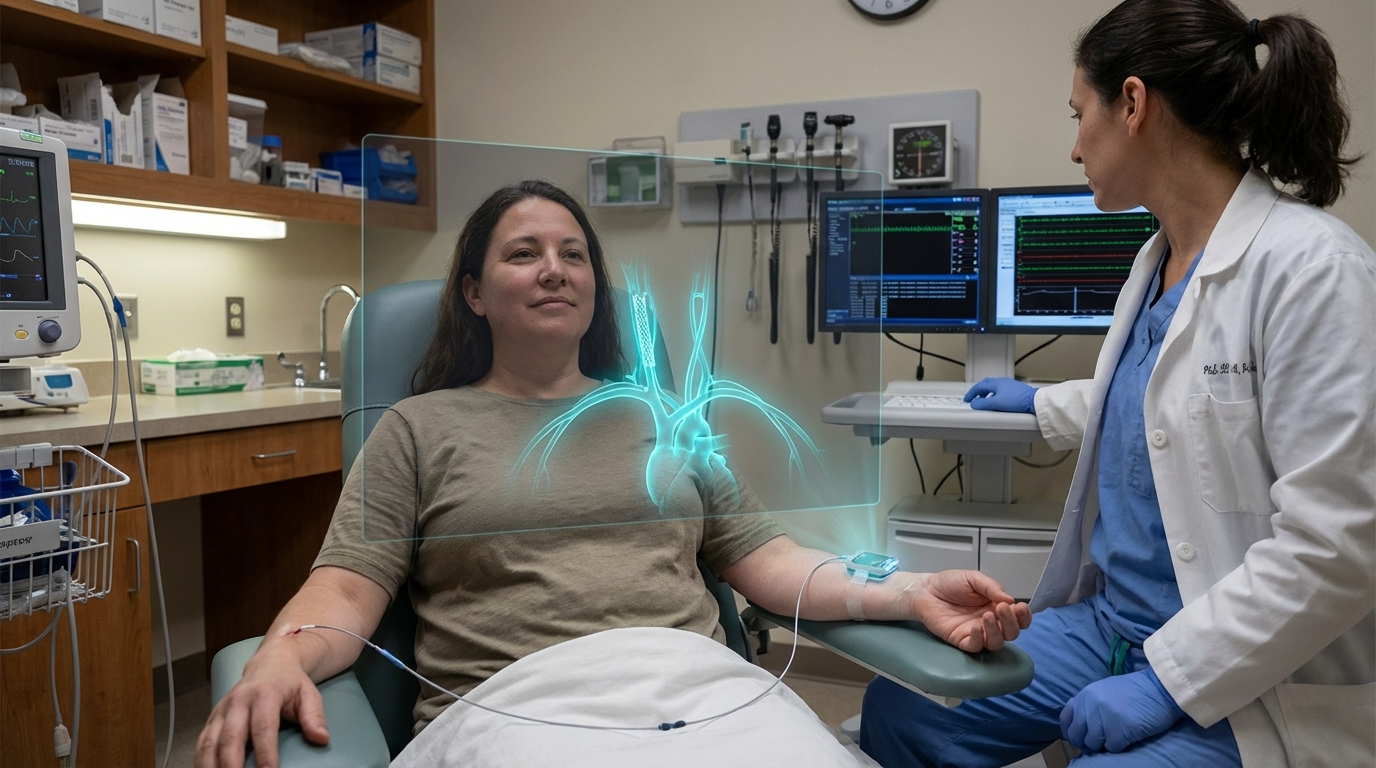
Stent-based electrodes implanted through blood vessels to record brain activity without open-skull surgery
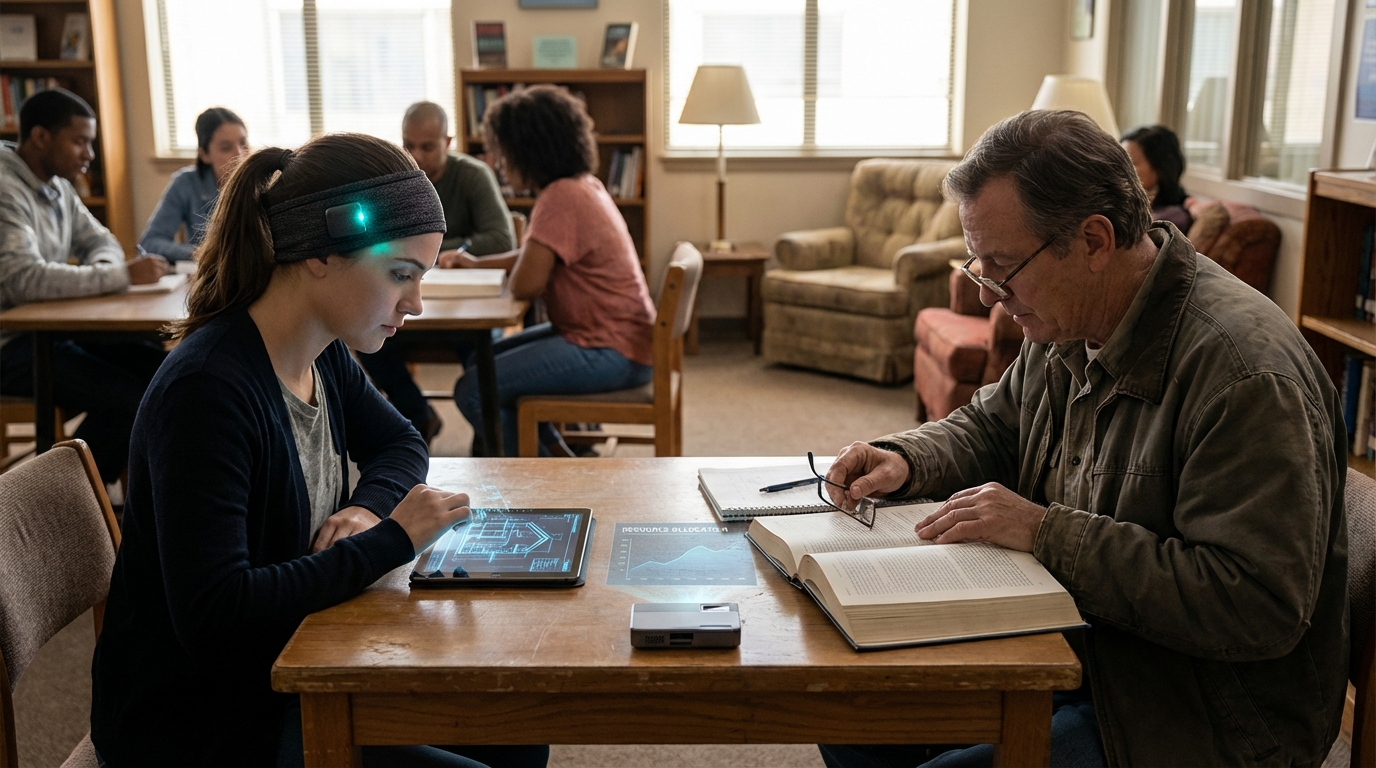
External systems that extend memory, reasoning, and cognitive capacity beyond the brain
Polymer-based neural electrodes that flex with brain tissue to maintain stable contact
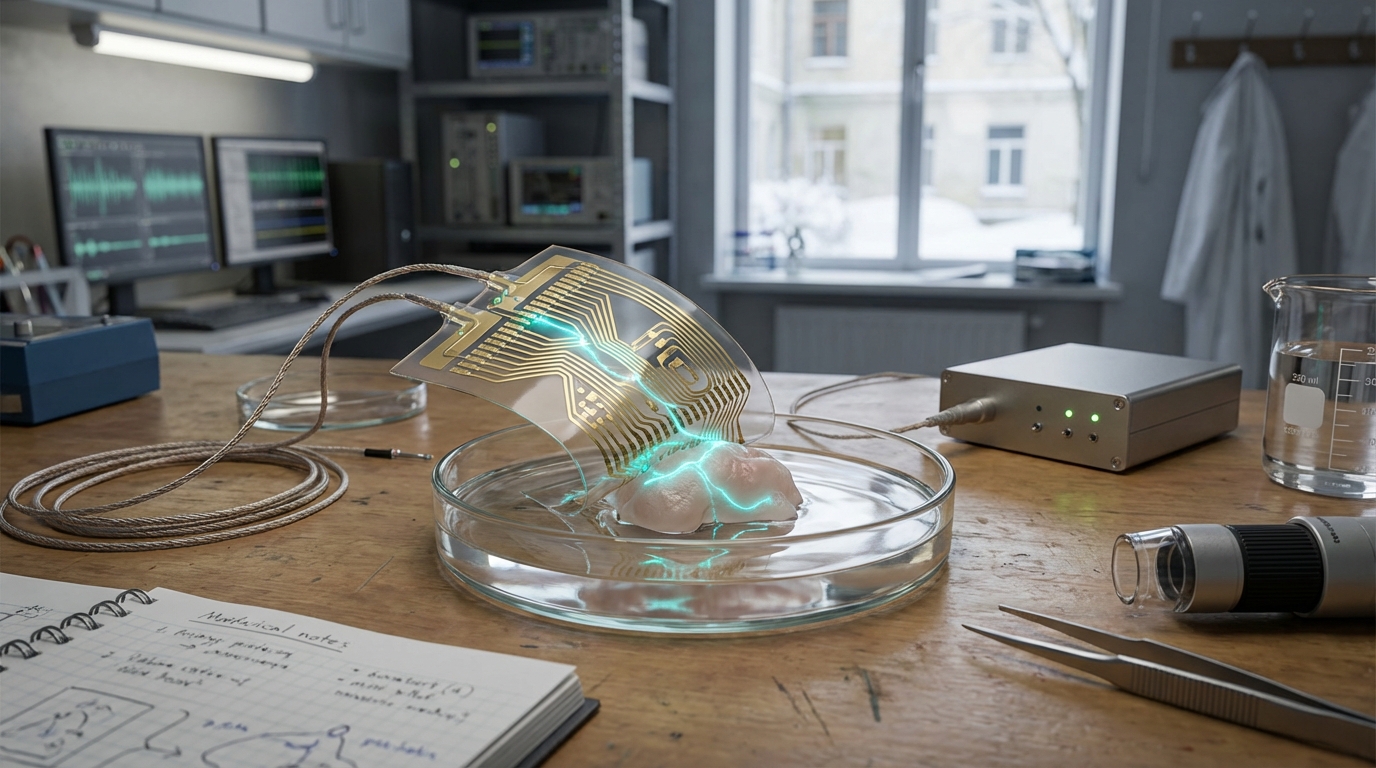
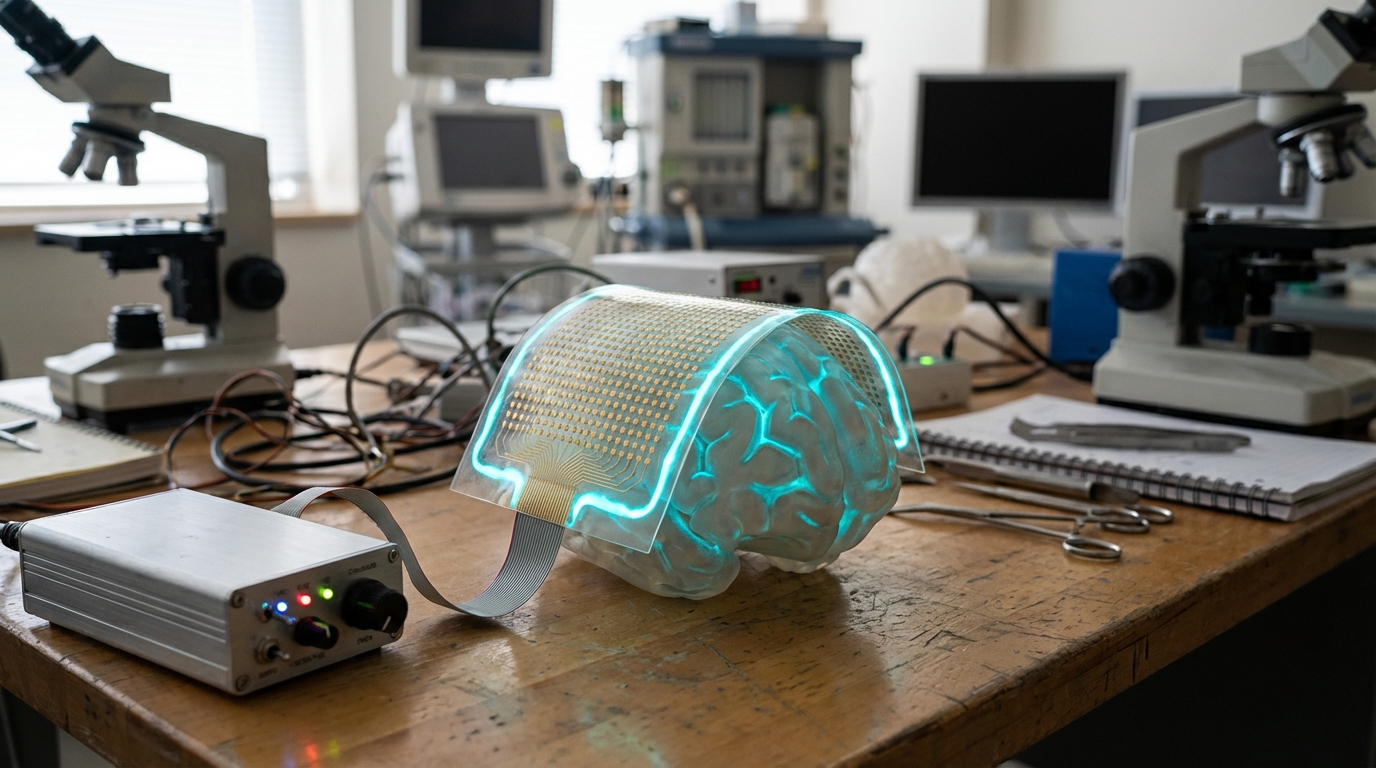
Ultrathin electrode arrays that conform to the brain's surface for high-resolution neural recording
Electrode arrays recording thousands of neurons simultaneously for brain–machine interfaces
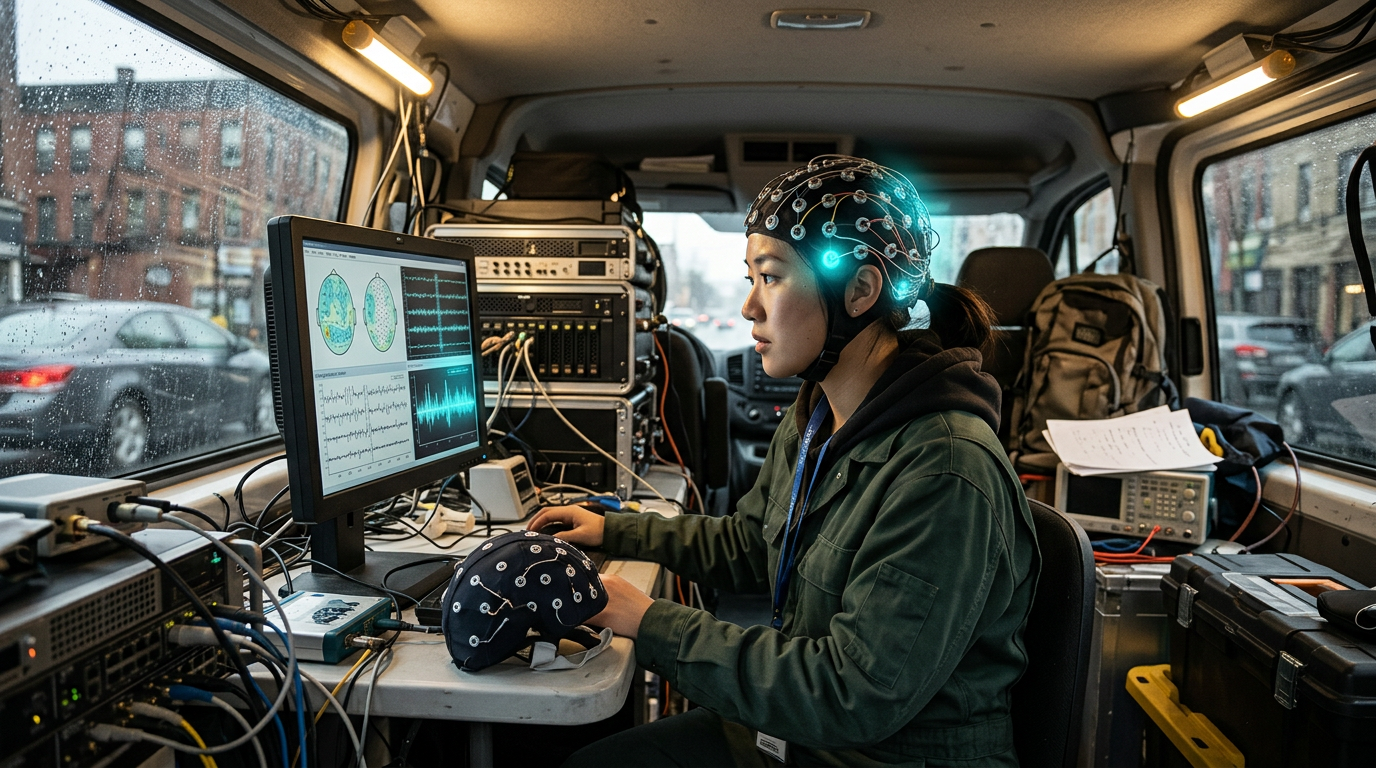
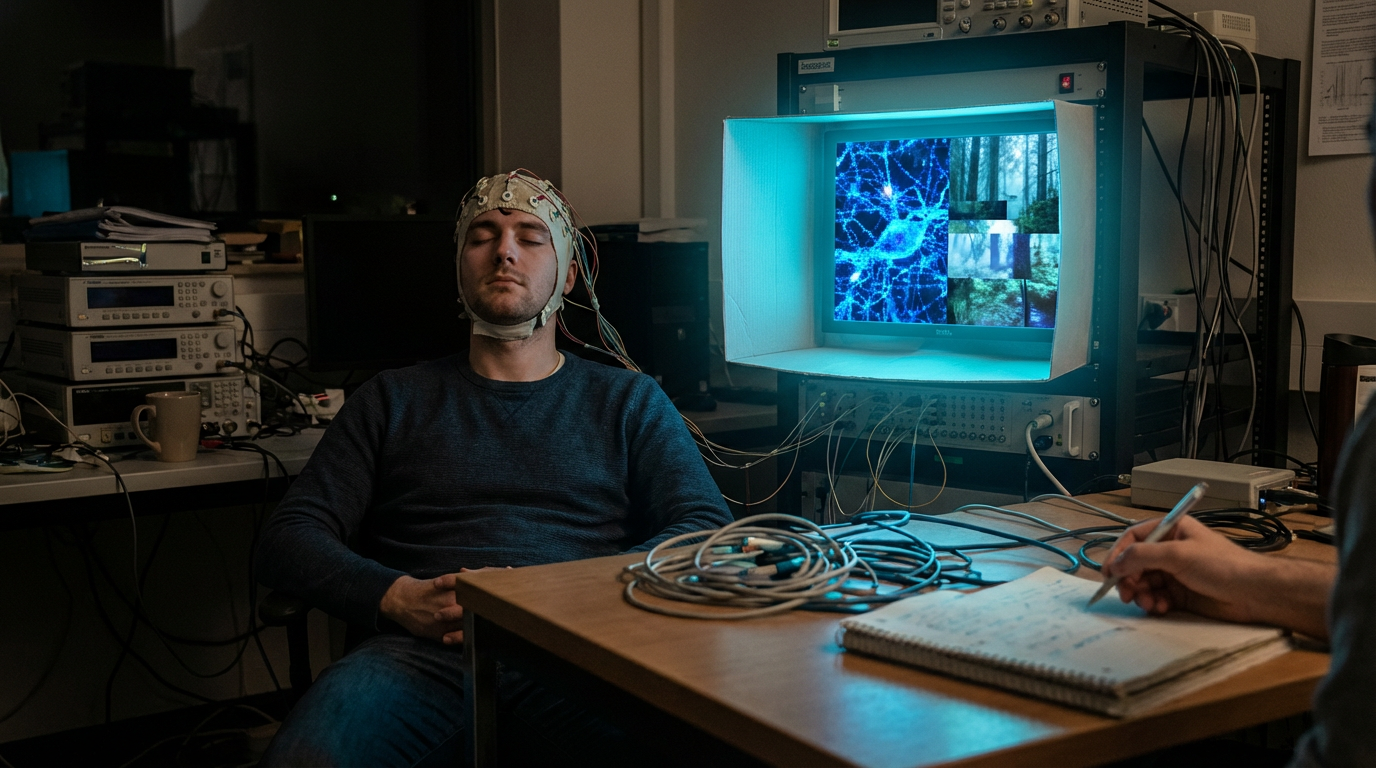
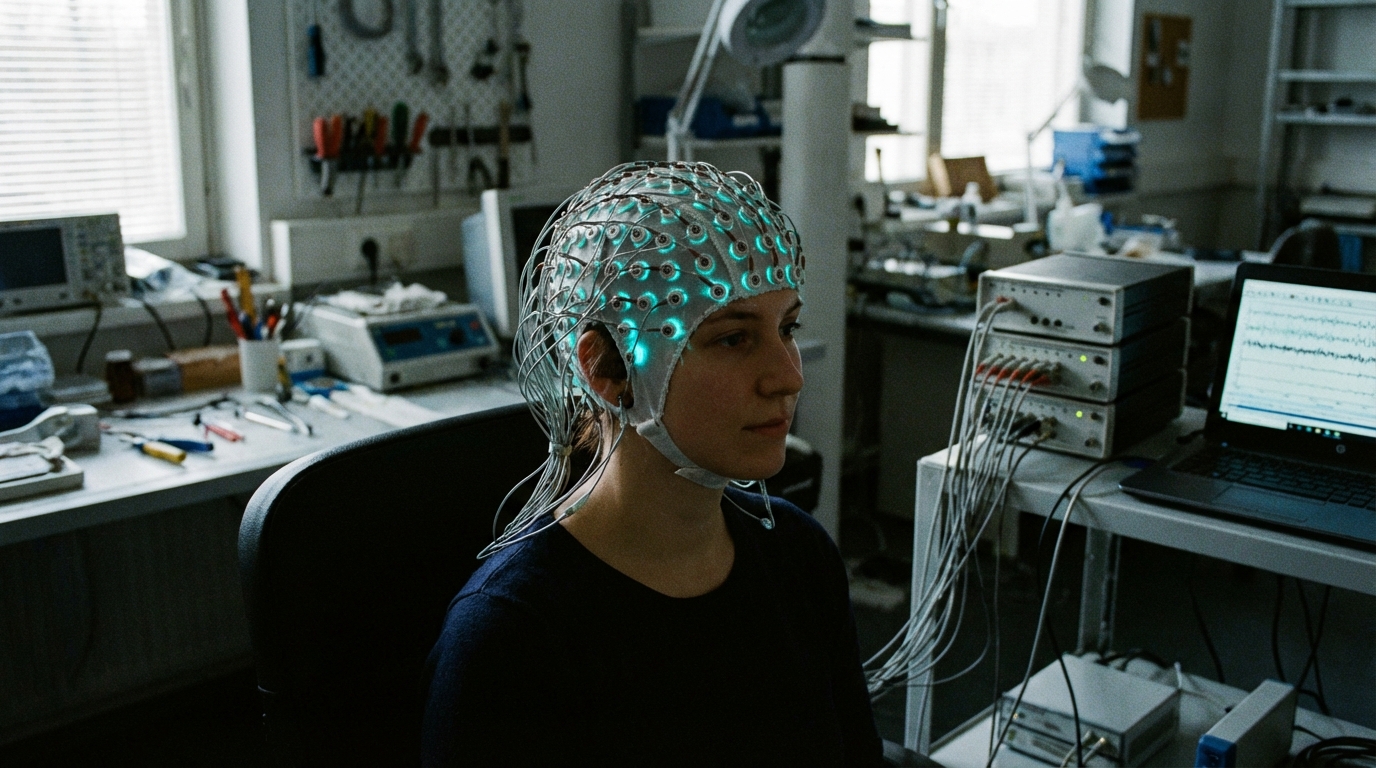
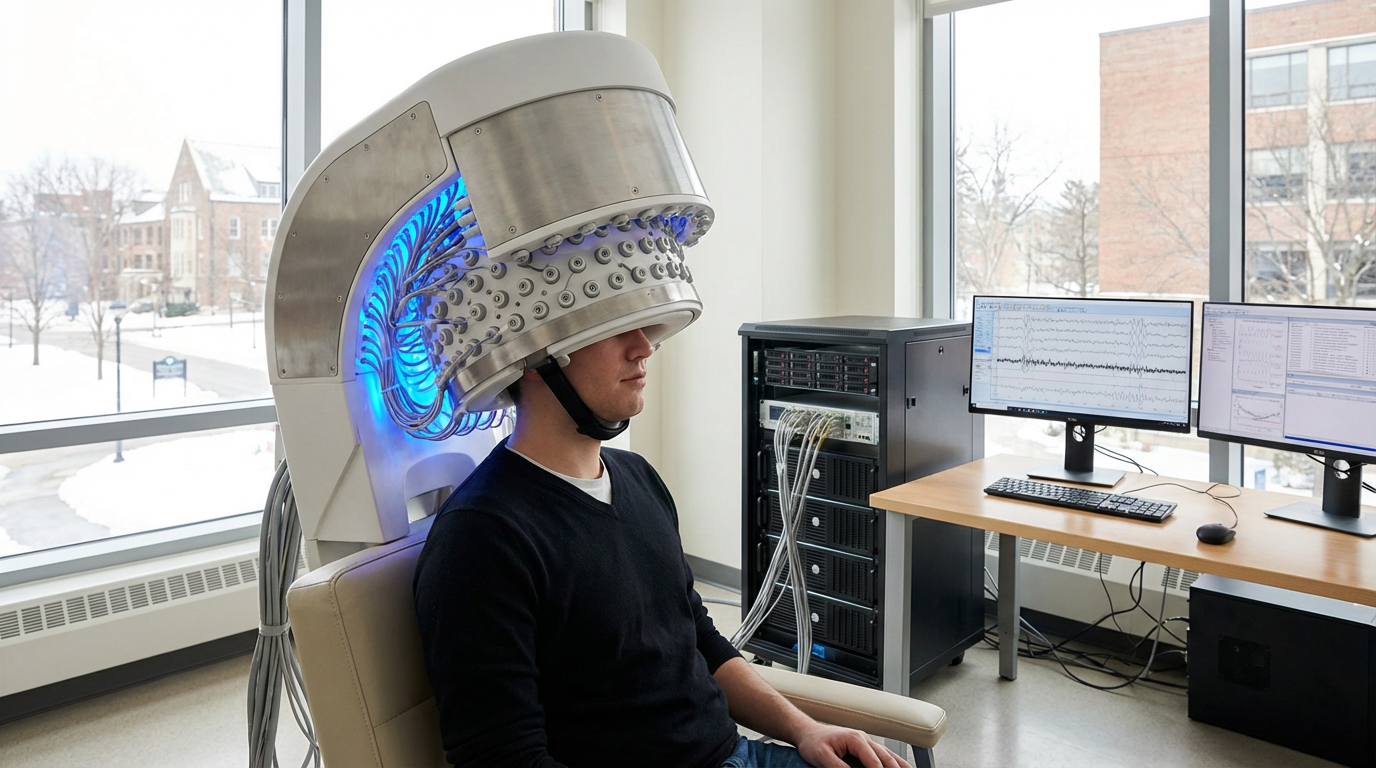
EEG systems with 256+ electrodes for detailed, non-invasive brain activity mapping
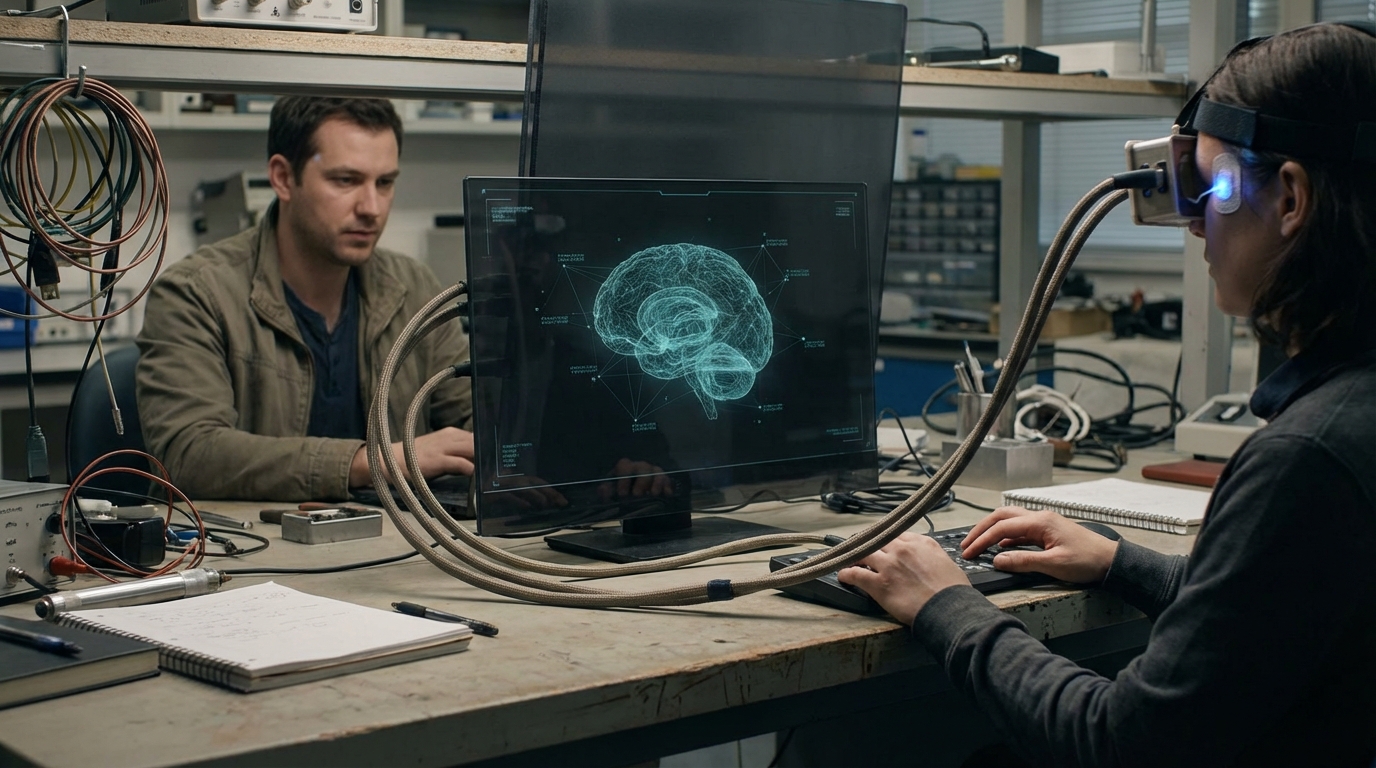
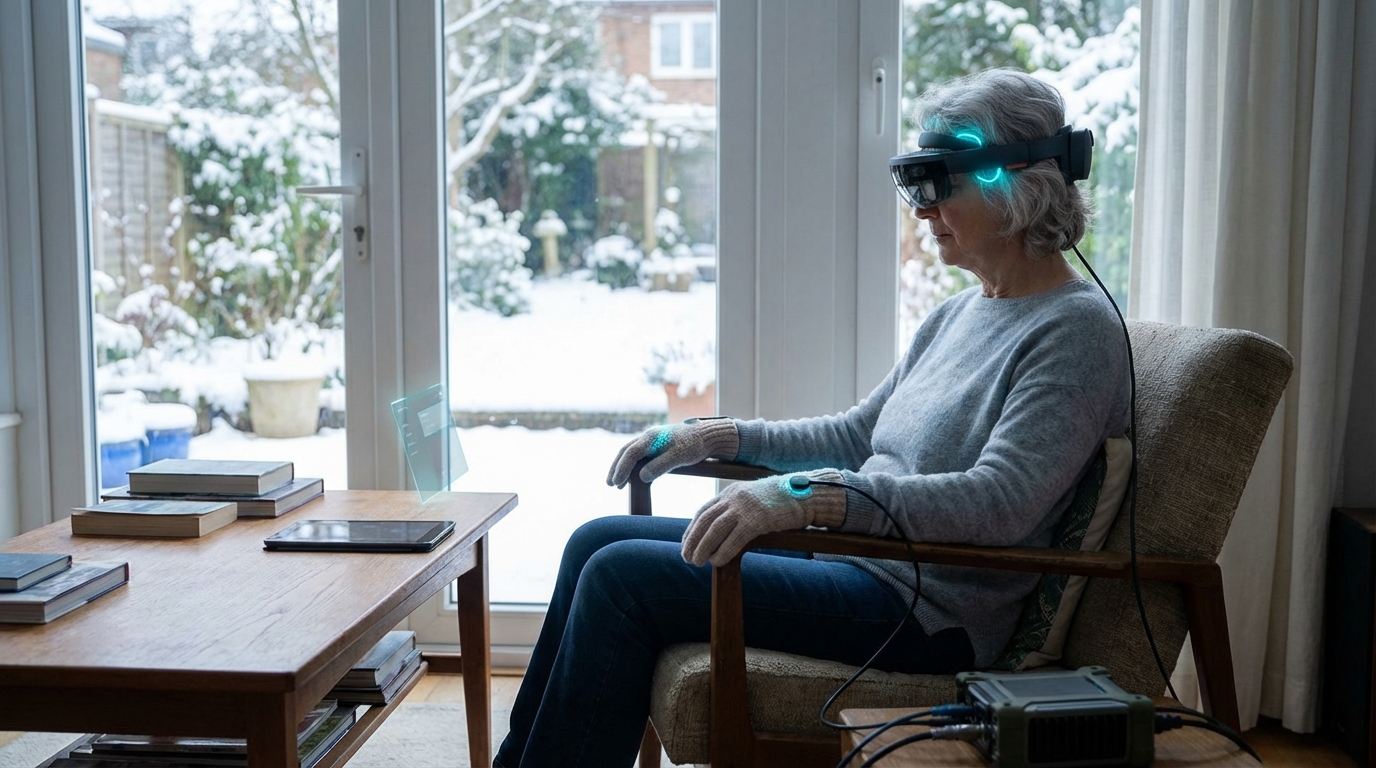
XR environments controlled directly by brain signals for hands-free interaction
Wireless grain-sized sensors injected into neural tissue to record brain activity
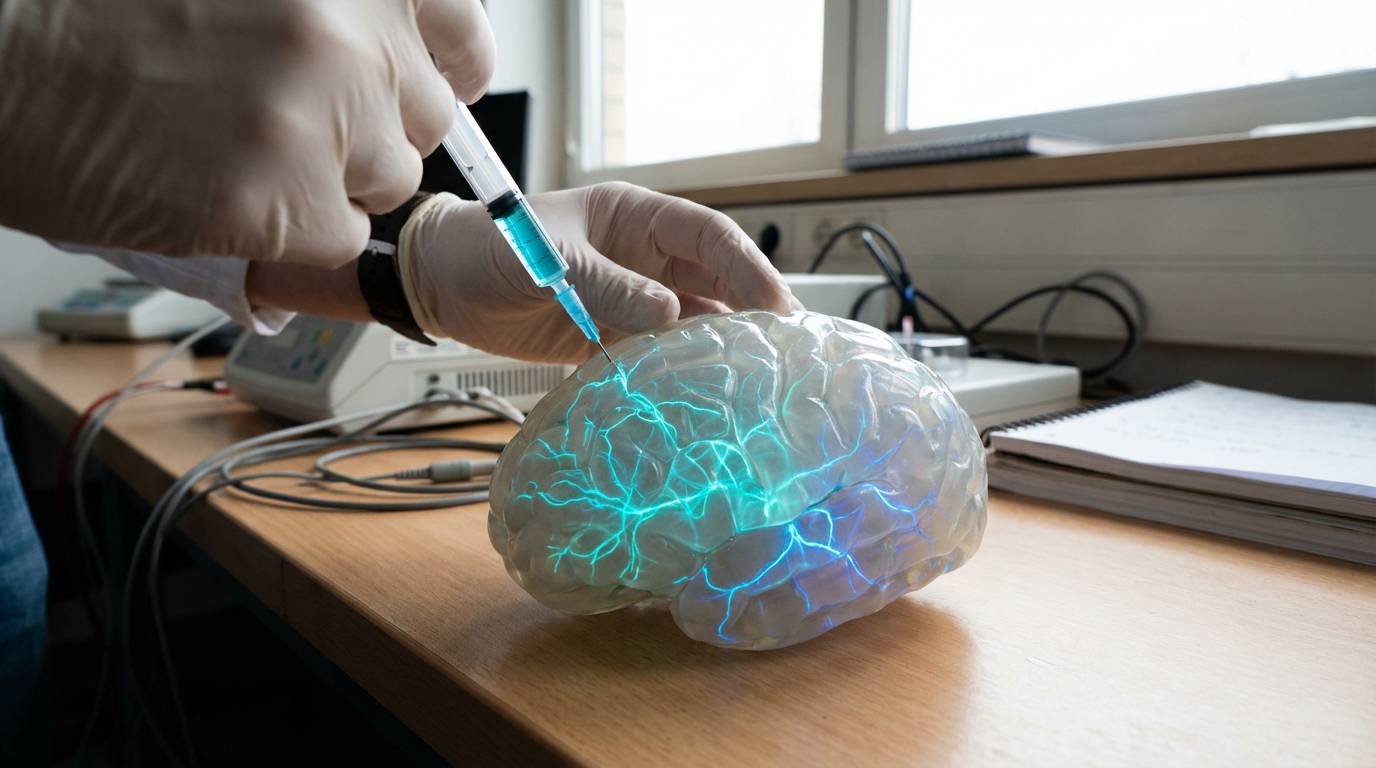
Flexible neural meshes delivered by syringe that unfurl and integrate with brain tissue
Dense sensor arrays that map brain activity through magnetic field detection in real time
Electrical stimulation timed to brain rhythms to strengthen memory formation
Therapeutic techniques to weaken or remove specific traumatic memories
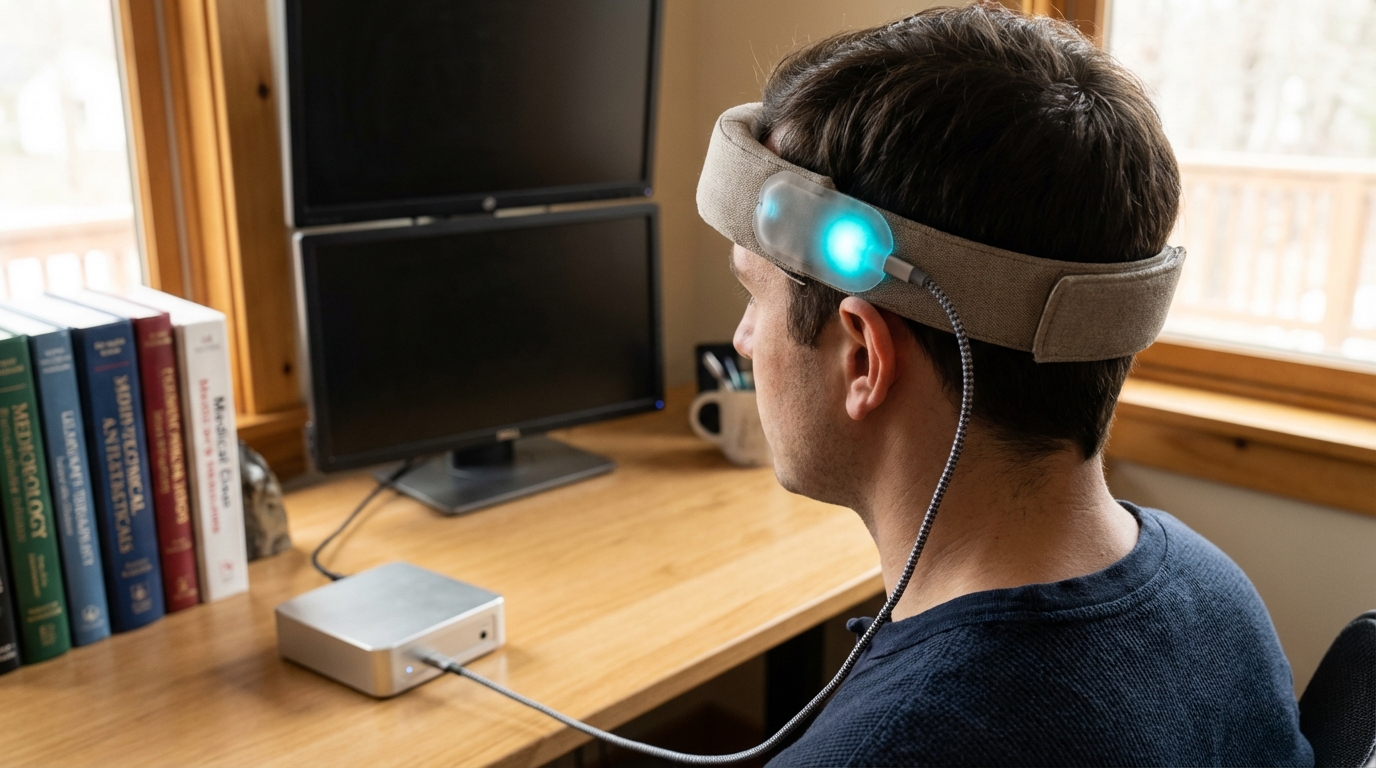
Biodegradable neural devices that dissolve after recording or stimulating brain activity
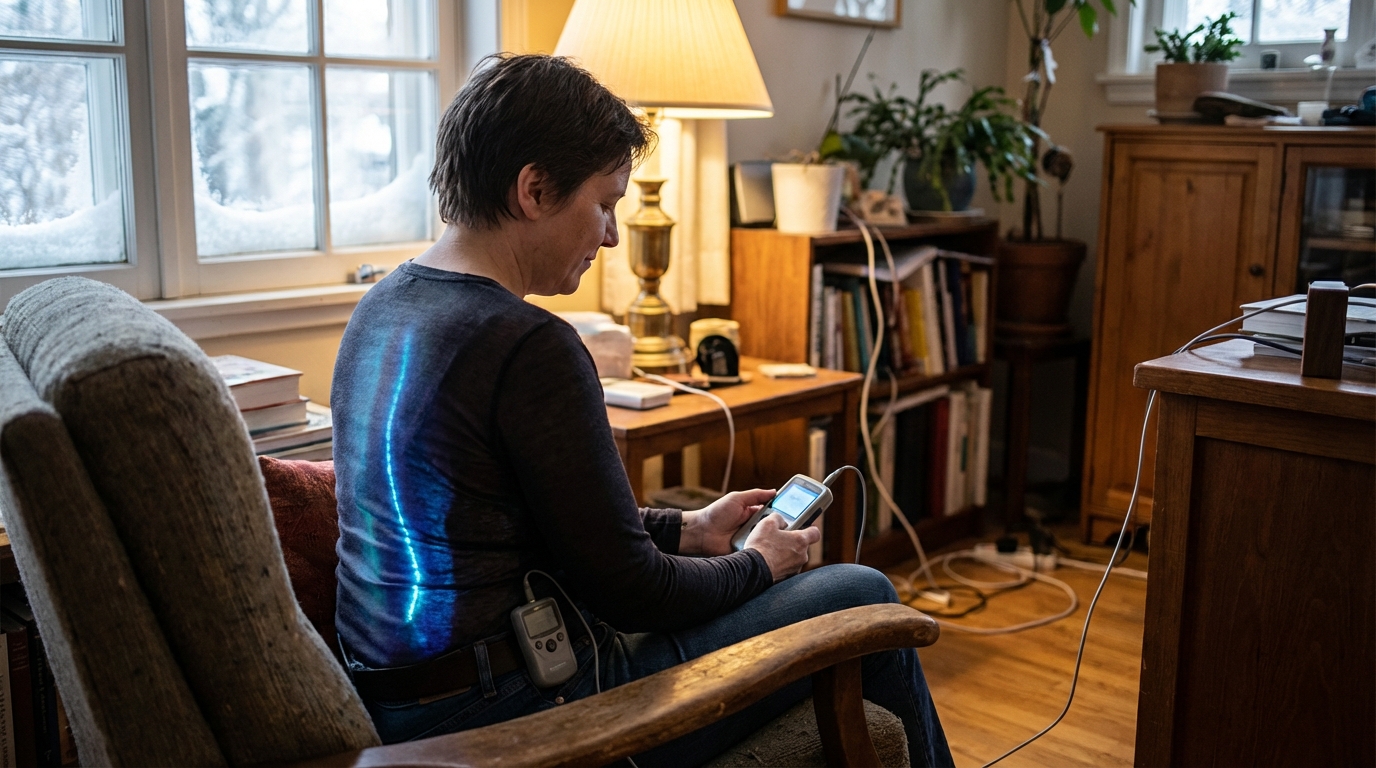
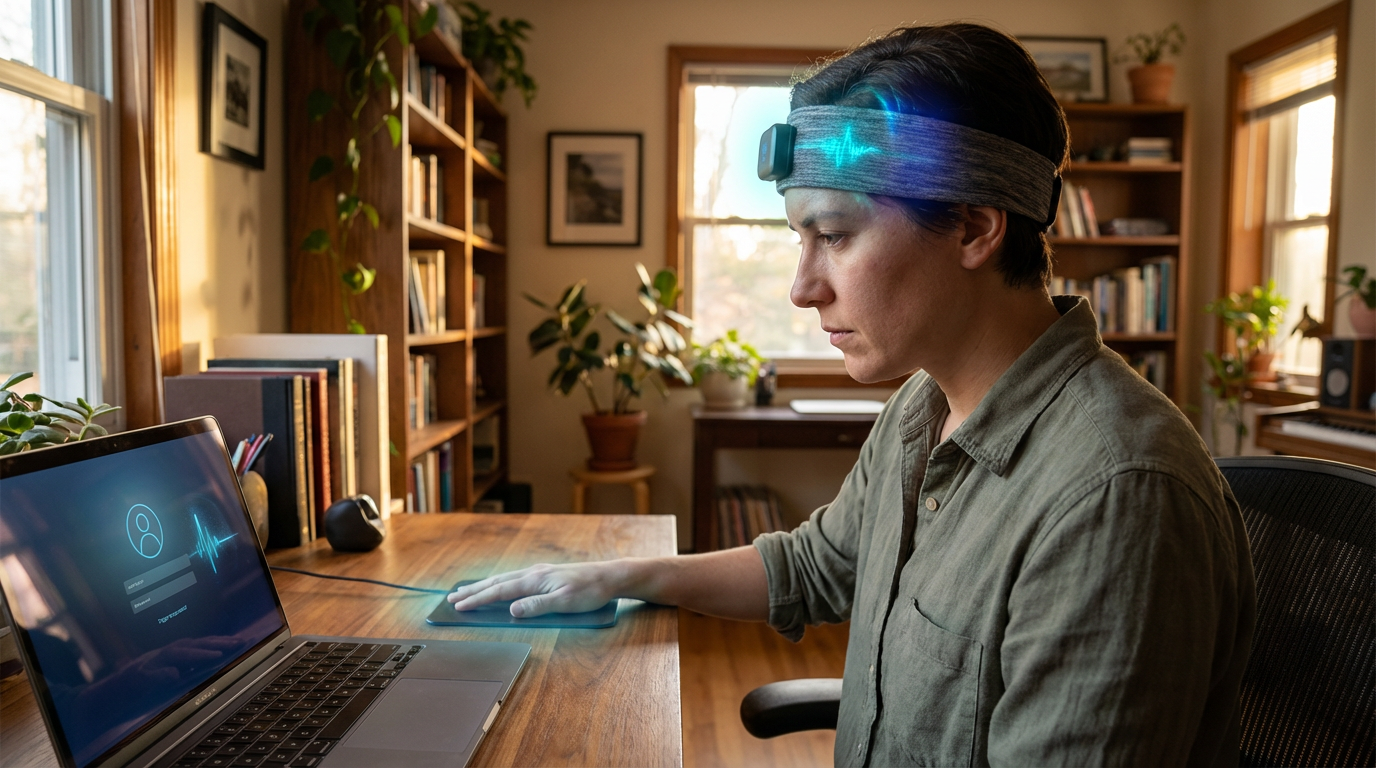
Authenticates identity using unique brainwave patterns captured via EEG
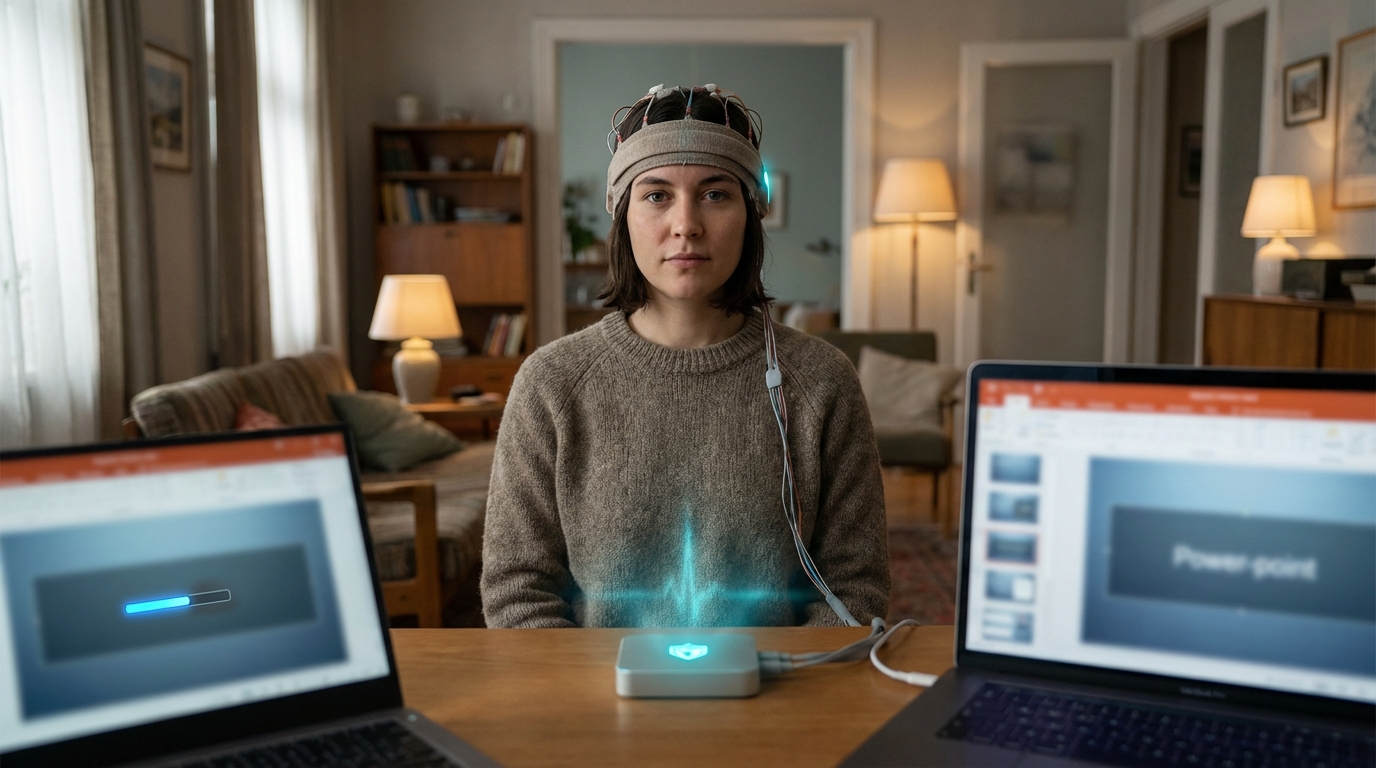
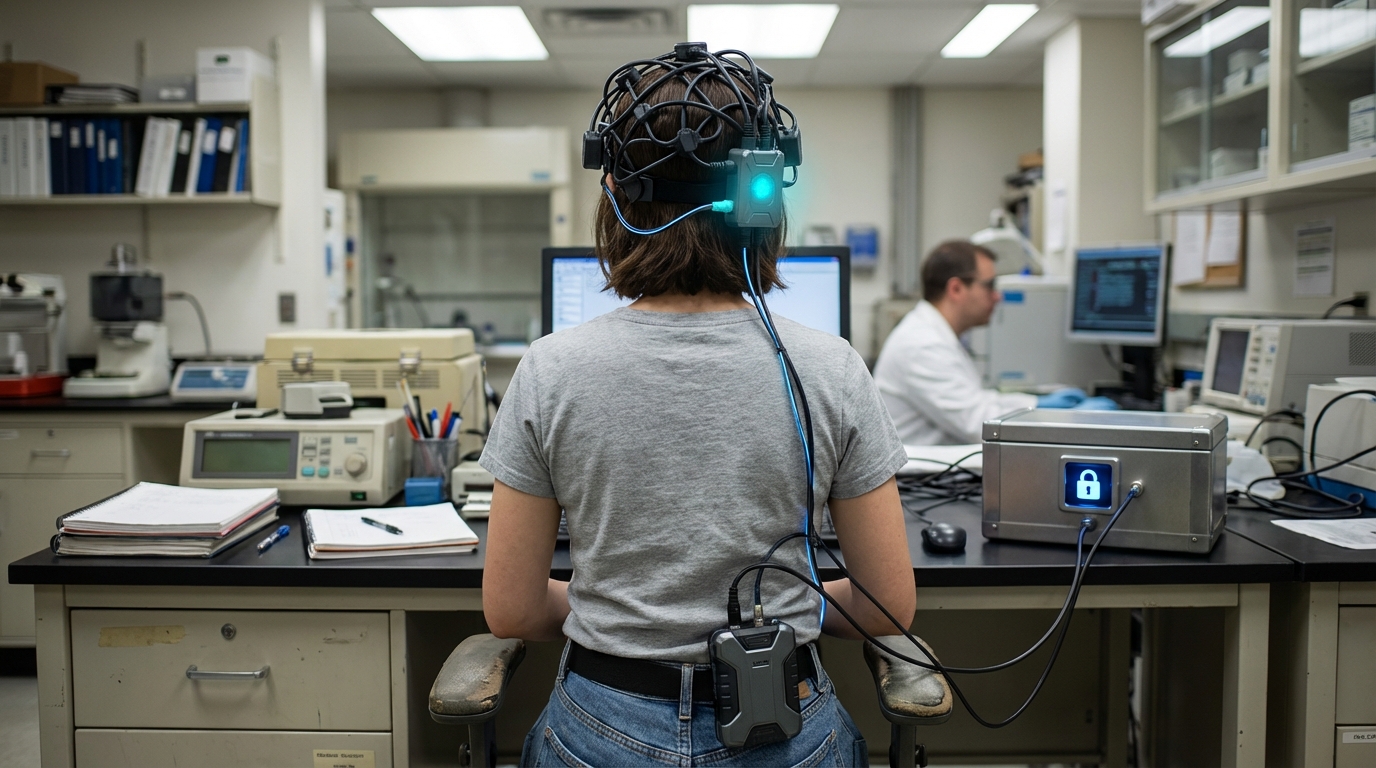
Cryptographic protocols that encrypt brain recordings directly on neural interface devices
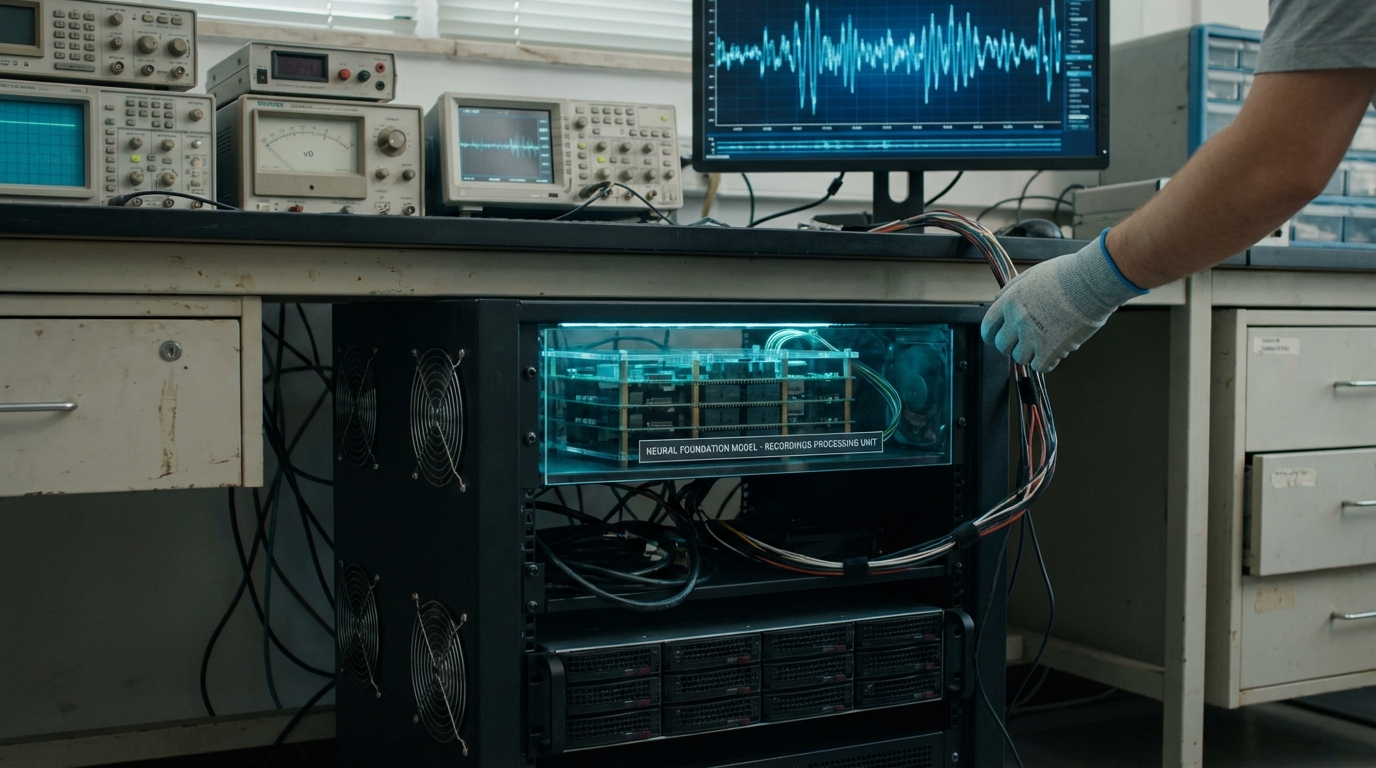
AI models pre-trained on brain recordings to enable faster, personalized neural decoding
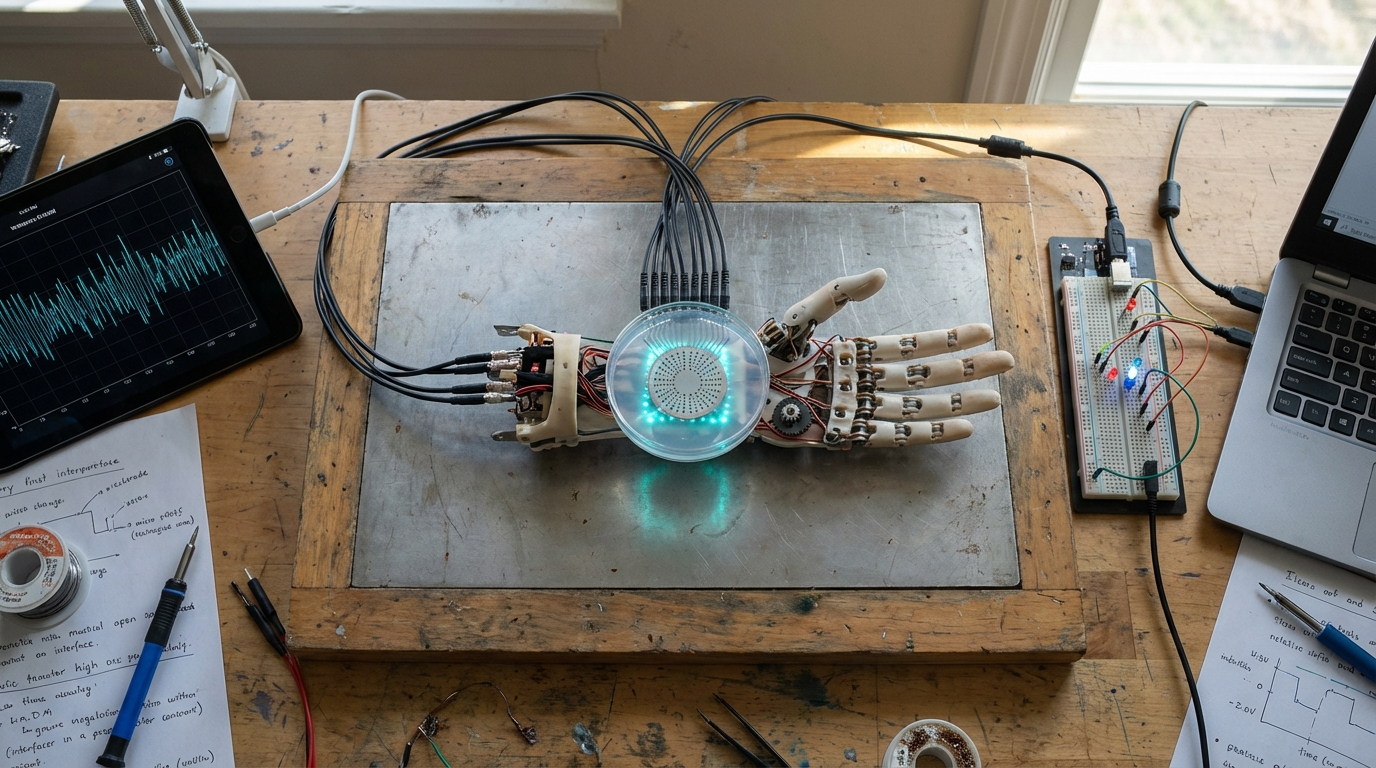
Software that translates brain and muscle signals into precise prosthetic limb movements
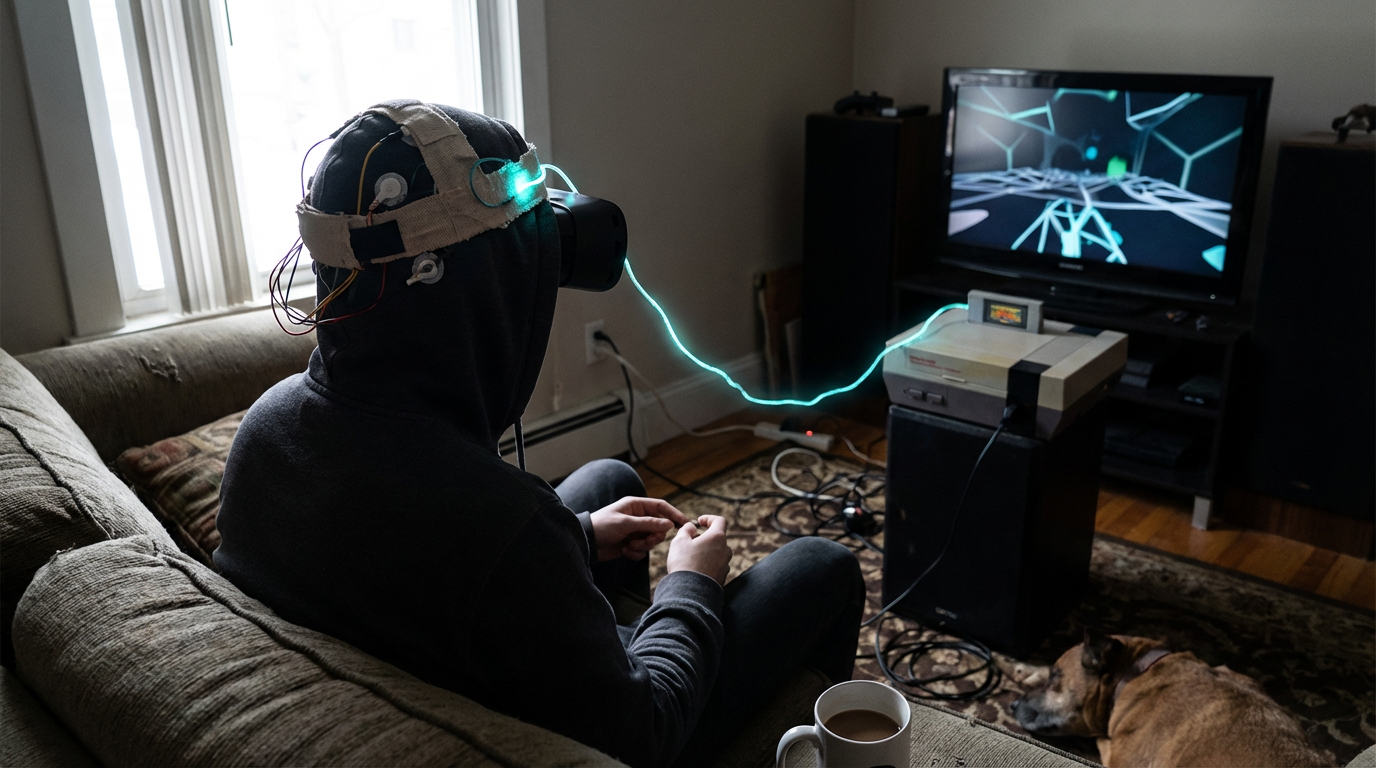
Brain-computer interfaces that let players control games with thoughts and mental states
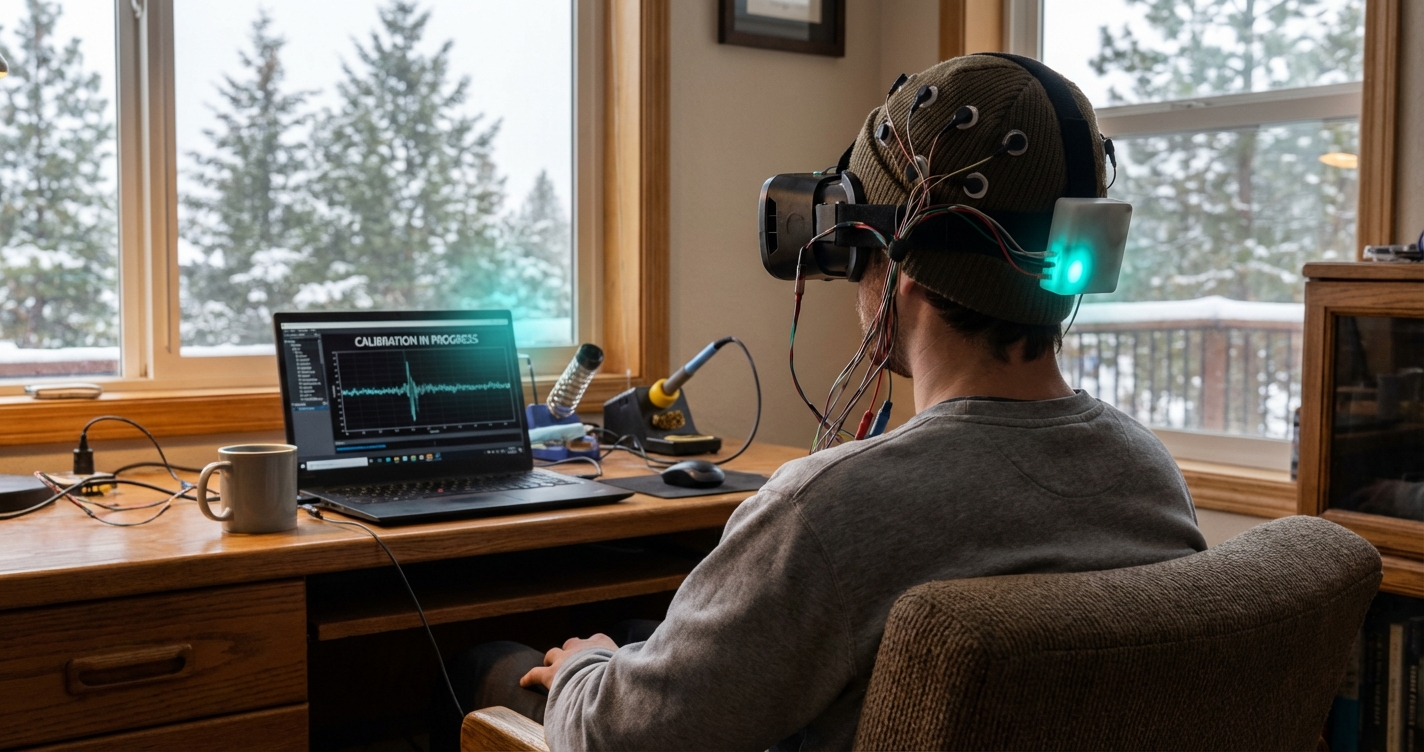
AI that auto-tunes brain–computer interfaces to maintain performance as neural signals drift
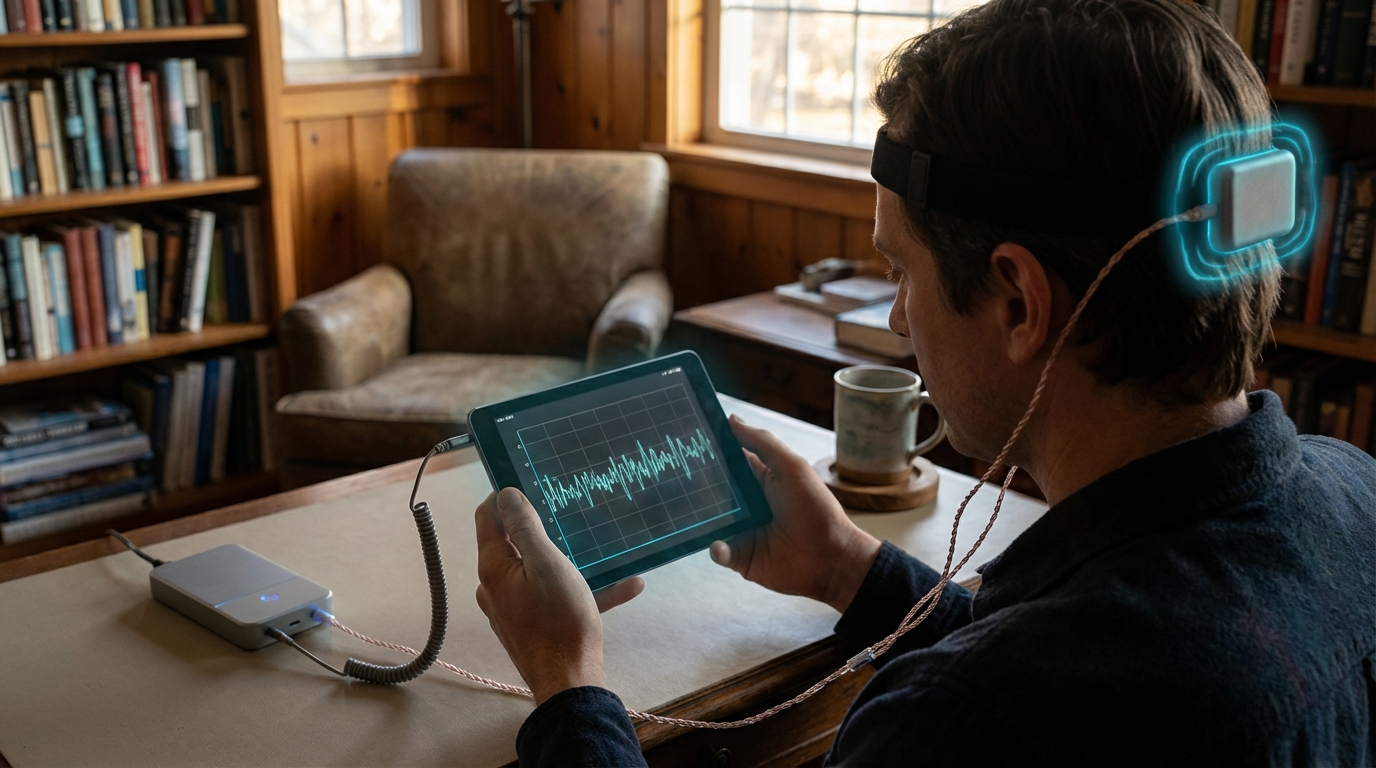
Wearable brain sensors using magnetic fields and light to decode neural activity outside labs
Light and sound waves that modulate neural activity without implants or surgery
Implanted devices that block chronic pain signals with electrical stimulation
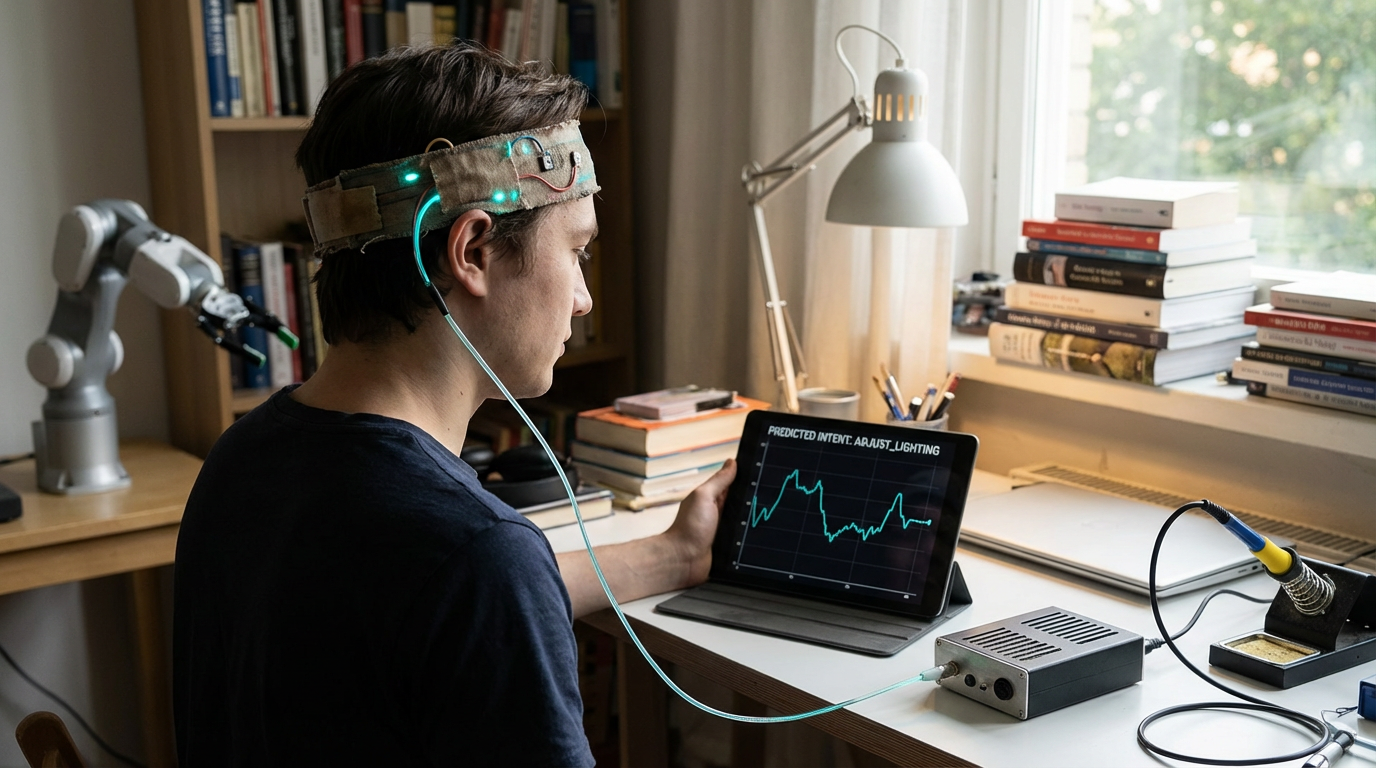
Algorithms that infer intent, speech, or movement from brain signals in milliseconds
On-device ML that identifies and classifies individual neuron signals from brain implants in real time
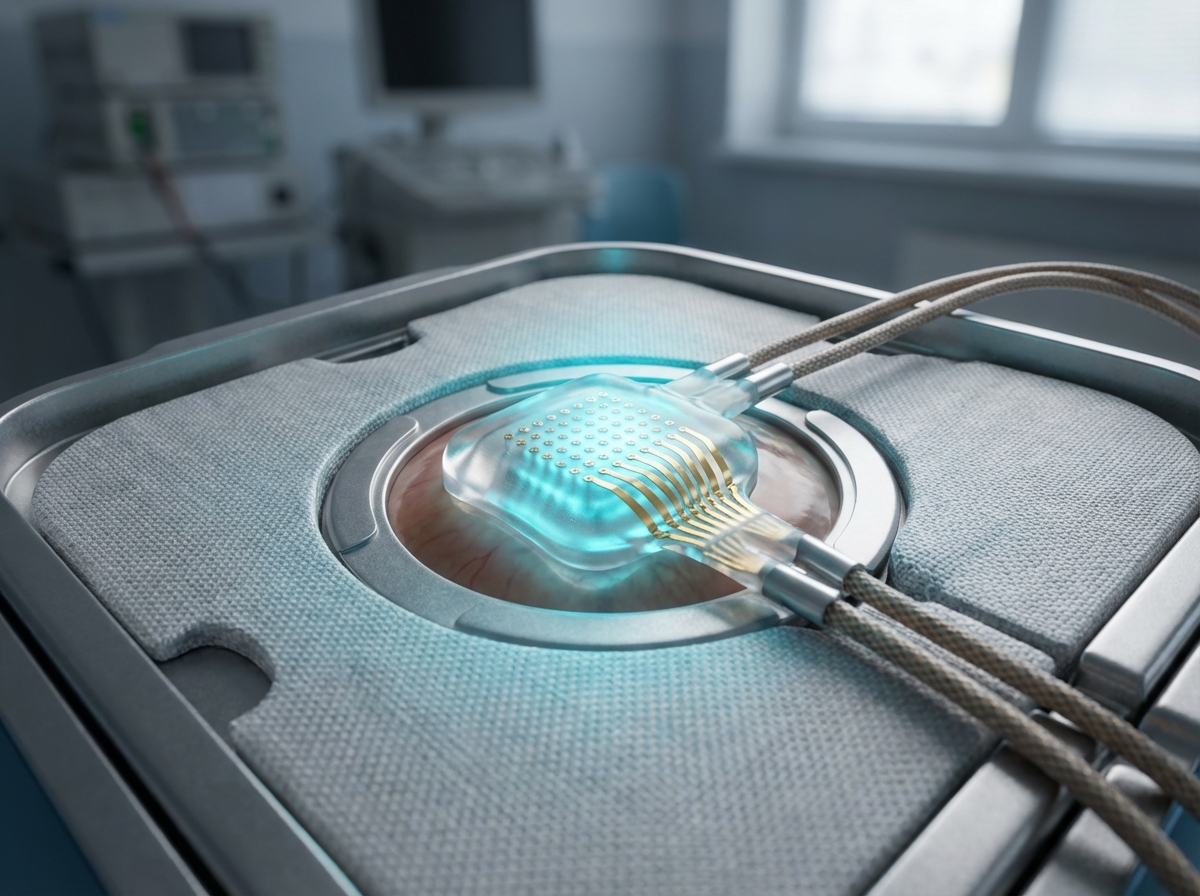
Microelectrode arrays that restore partial vision by stimulating surviving retinal cells
Deep learning systems that forecast epileptic seizures minutes to hours before onset
Converts digital sensor data into neural stimulation patterns the brain can interpret as sensory input
Translates imagined speech into text or audio without vocalization
Decoding intended speech from throat or brain signals without sound
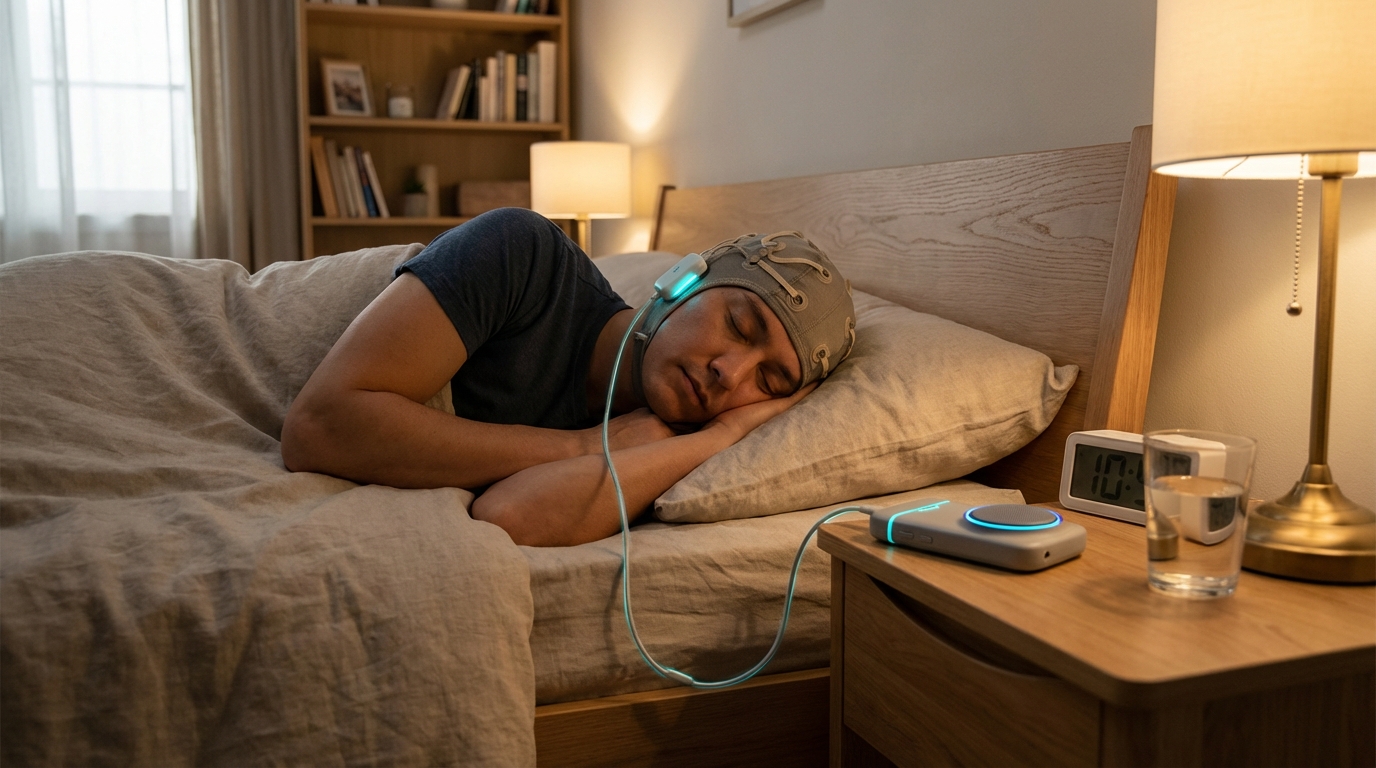
Delivering sensory cues during sleep to strengthen memory consolidation and learning
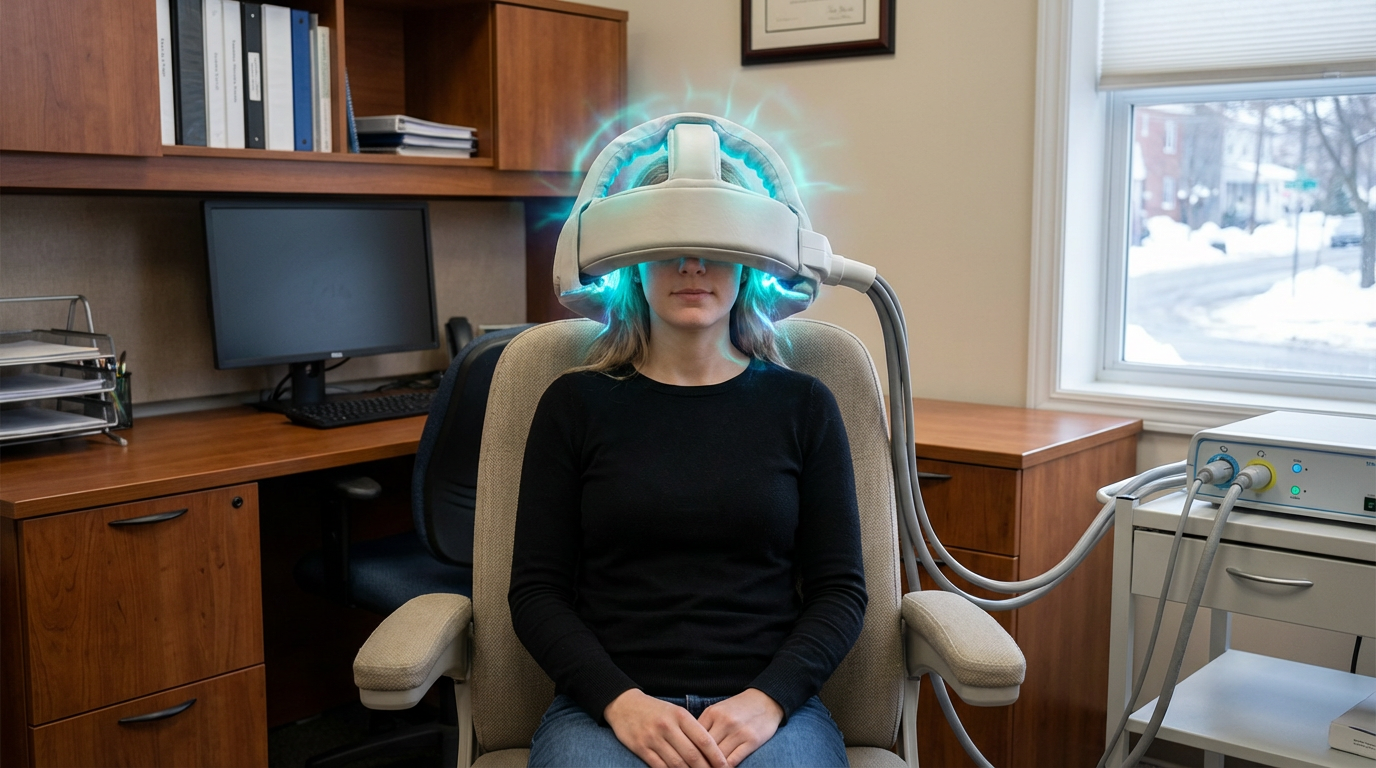
Non-invasive brain stimulation using magnetic fields to treat depression, OCD, and other conditions
Non-invasive brain stimulation using focused ultrasound to modulate deep neural circuits
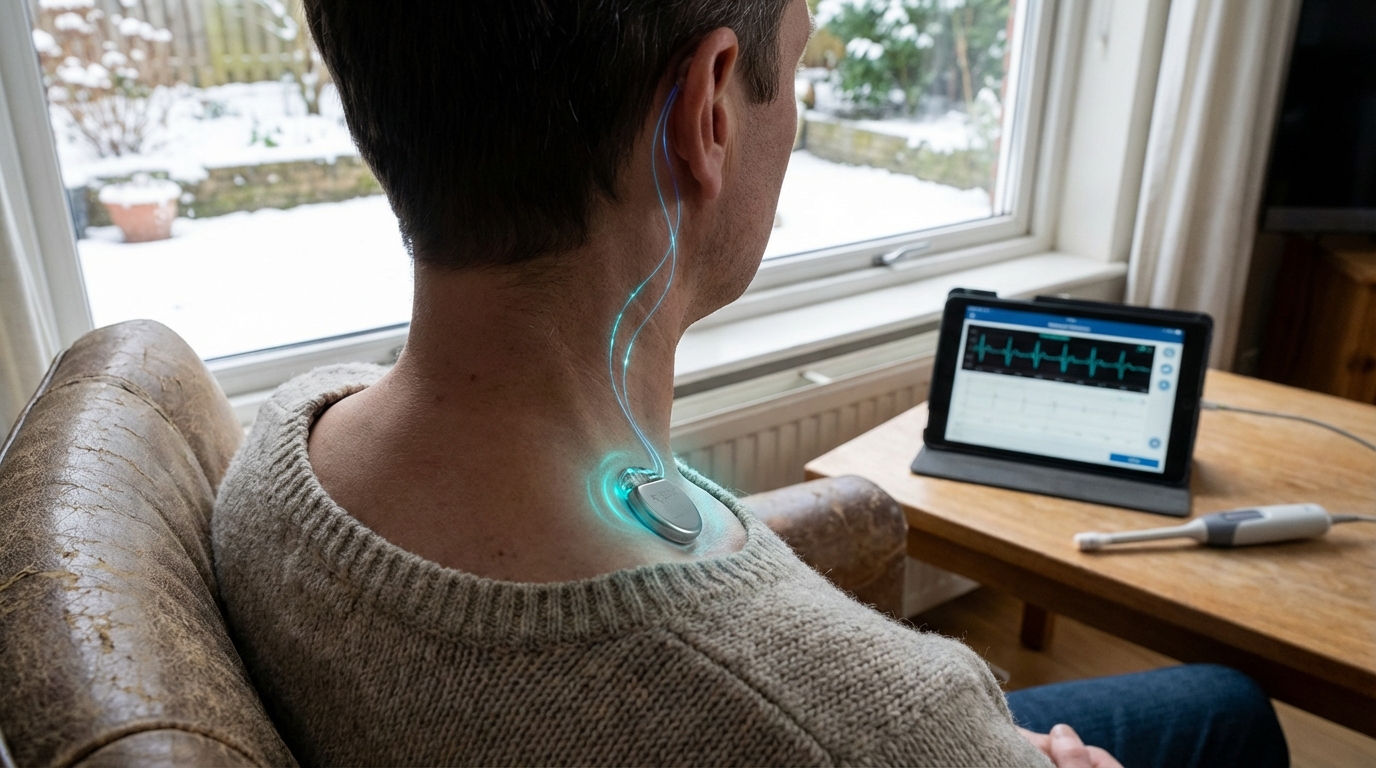
Implanted devices that deliver electrical pulses to the vagus nerve to treat epilepsy, depression, and inflammation
Neural implants that restore vision by stimulating the retina or visual cortex
Computing systems built from living neurons and biological tissue
Follow us for weekly foresight in your inbox.