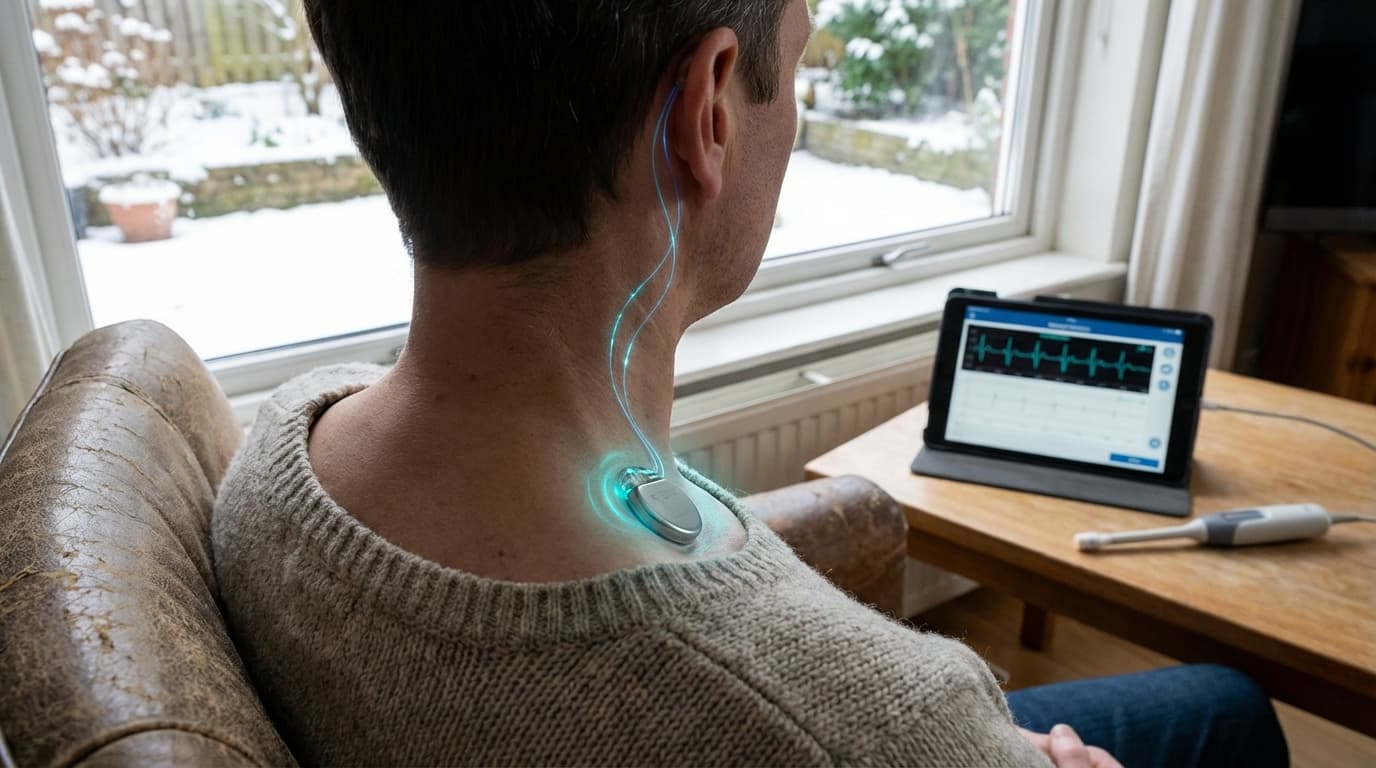
Vagus Nerve Stimulators
Vagus nerve stimulators (VNS) are implantable medical devices that wrap electrodes around the vagus nerve in the neck (a major nerve that connects the brain to many organs) and deliver programmable electrical pulses to modulate the autonomic nervous system, treating conditions including epilepsy, treatment-resistant depression, and inflammatory diseases by influencing the brain and body through this key neural pathway. These devices are FDA-approved for epilepsy and depression, and are being explored for emerging indications including metabolic regulation (potentially for obesity or diabetes), inflammatory conditions, and other disorders where modulating the autonomic nervous system could be therapeutic, representing a form of bioelectronic medicine that uses electrical stimulation to treat disease.
This innovation addresses conditions where traditional medications may be ineffective or have side effects, where electrical stimulation of the vagus nerve can provide alternative treatment. By modulating the autonomic nervous system, these devices can influence many body systems. Companies like LivaNova, SetPoint Medical, and others manufacture these devices.
The technology is particularly significant for treatment-resistant conditions, where VNS can provide options when medications fail. As research expands, new indications could emerge. However, ensuring effectiveness, optimizing stimulation parameters, and managing side effects remain challenges. The technology represents an established approach to bioelectronic medicine, but requires continued research to expand applications and improve outcomes. Success could provide treatment options for various conditions, but the technology must continue to demonstrate effectiveness and expand to new indications through clinical research.
Related Organizations
UK · Company
Global medical technology company known for Vagus Nerve Stimulation (VNS).

Developing a platform to treat chronic inflammation via the vagus nerve.

Research arm of Northwell Health, home to the Institute of Bioelectronic Medicine.

Partnership between GSK and Verily to develop bioelectronic medicines.
United States · Company
Developer of the Vivistim Paired VNS System, FDA-approved to improve upper limb function in stroke survivors.
United States · Company
Offers the vBloc therapy (via the Maestro System), an implantable VNS device designed to block hunger signals for obesity treatment.
United States · Company
Developer of Barostim, an implantable device that stimulates baroreceptors (closely related to vagal tone) to treat heart failure.
United States · Company
Developing the Monarch eTNS system, which stimulates the trigeminal nerve (cranial nerve V), often discussed alongside VNS for epilepsy and ADHD.
Supporting Evidence
Research this in Signals
Signals turns a topic into a sourced research record you can inspect and rerun. Your first scan is free, and this one starts with Vagus Nerve Stimulators already loaded, so edit it or scan as is.