Endovascular Neural Interfaces
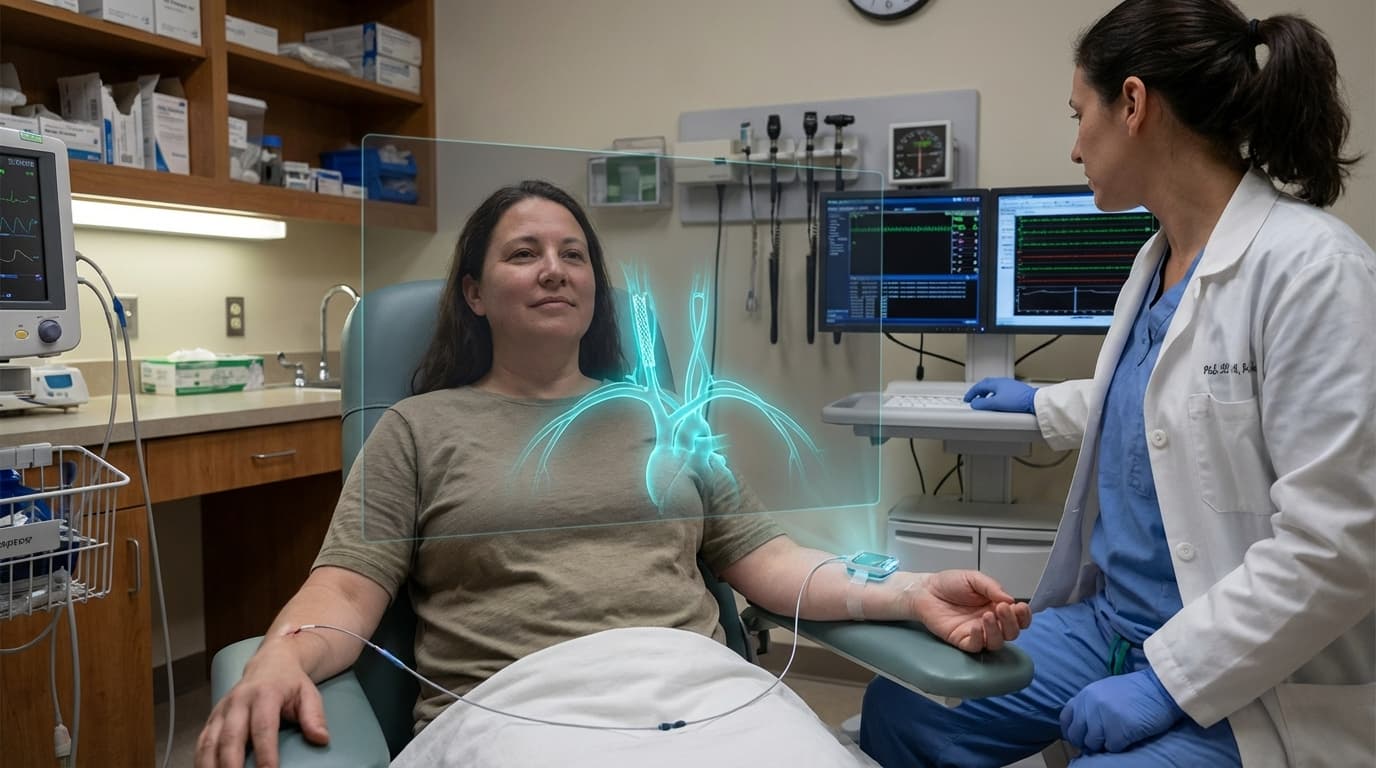
Endovascular neural interfaces are stent-electrode recording arrays (like the Stentrode device) that are implanted via blood vessels, typically through the jugular vein into the superior sagittal sinus (a large vein that runs along the top of the brain), where they can record neural activity from the motor cortex without requiring open-skull surgery. This minimally invasive approach uses a stent-like structure with embedded electrodes that expands against the vessel wall, allowing for chronic recording of brain activity through the vascular system, significantly lowering the barrier to entry for clinical brain-computer interface (BCI) applications by avoiding the risks and complexity of traditional neurosurgery.
This innovation addresses the major barrier to clinical BCI adoption, where traditional approaches require invasive brain surgery that carries significant risks and limits patient acceptance. By using the vascular system as a pathway to the brain, these interfaces can access neural signals with minimal invasiveness, making BCI technology more accessible for patients with paralysis or other conditions. Companies like Synchron are developing these technologies, with clinical trials showing promising results.
The technology is particularly significant for enabling clinical BCIs for patients with paralysis, where minimally invasive approaches are essential for widespread adoption. As the technology matures, it could enable new applications in assistive technology and neural prosthetics. However, ensuring long-term stability, signal quality, and biocompatibility remain challenges. The technology represents an important evolution toward more accessible neural interfaces, but requires continued development to achieve the reliability and performance needed for widespread clinical use. Success could make BCIs accessible to many more patients, but the technology must prove itself in long-term clinical use.
Research this in Signals
Signals turns a topic into a sourced research record you can inspect and rerun. Your first scan is free, and this one starts with Endovascular Neural Interfaces already loaded, so edit it or scan as is.