Microneedle-Scale Implants
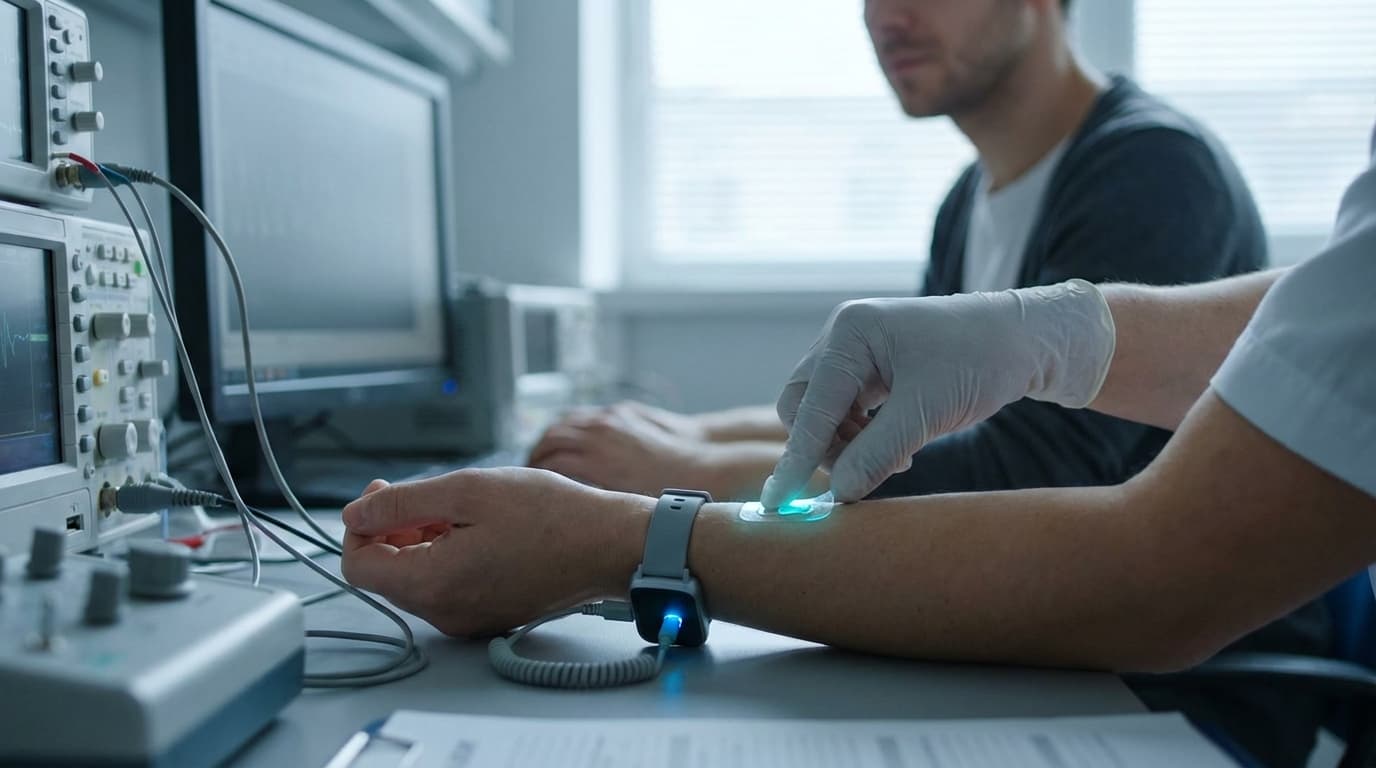
Microneedle-scale implants are tiny devices at the scale of microneedles that can be minimally invasively implanted into neural tissue and are designed to self-dissolve over time, providing transient neural access for diagnostic or therapeutic purposes without requiring surgical removal. These devices are made from biodegradable materials that break down naturally in the body, allowing them to record or stimulate neural activity for a defined period before dissolving, eliminating the need for a second surgery to remove the device and reducing long-term risks associated with permanent implants.
This innovation addresses the challenge of temporary neural interfaces, where permanent implants may not be necessary or desirable for short-term diagnostic or therapeutic applications. By using self-dissolving materials, these devices can provide neural access when needed and then disappear, avoiding the risks and complications of permanent implants. Research institutions are developing these technologies.
The technology is particularly valuable for diagnostic applications, temporary therapeutic interventions, or research applications where long-term implantation isn't needed. As the technology improves, it could enable new approaches to neural monitoring and stimulation. However, ensuring reliable operation during the device lifetime, controlling dissolution timing, and managing biocompatibility remain challenges. The technology represents an interesting approach to temporary neural interfaces, but requires continued development to achieve the reliability and controllability needed for clinical use. Success could enable safer temporary neural interfaces, but the technology must prove itself in practical applications.
Related Organizations

Home to the Cognitive Neuroscience Lab (Ken Paller), which pioneered two-way communication with lucid dreamers and memory reactivation during sleep.
United States · University
Researchers here have developed secure wireless transmission protocols specifically for implantable medical devices.

Federal research facility focusing on national security and nuclear science.
United States · University
Researchers here are developing liquid metal electrodes that can conform to tissue.
Spain · Research Lab
Leading research into graphene-based neural interfaces.

Creating the Connexus Direct Data Interface, a high-data-rate BCI for severe motor impairment.

Manufacturer of the Utah Array, the gold-standard electrode system used in the majority of human BCI research.
Supporting Evidence
Research this in Signals
Signals turns a topic into a sourced research record you can inspect and rerun. Your first scan is free, and this one starts with Microneedle-Scale Implants already loaded, so edit it or scan as is.