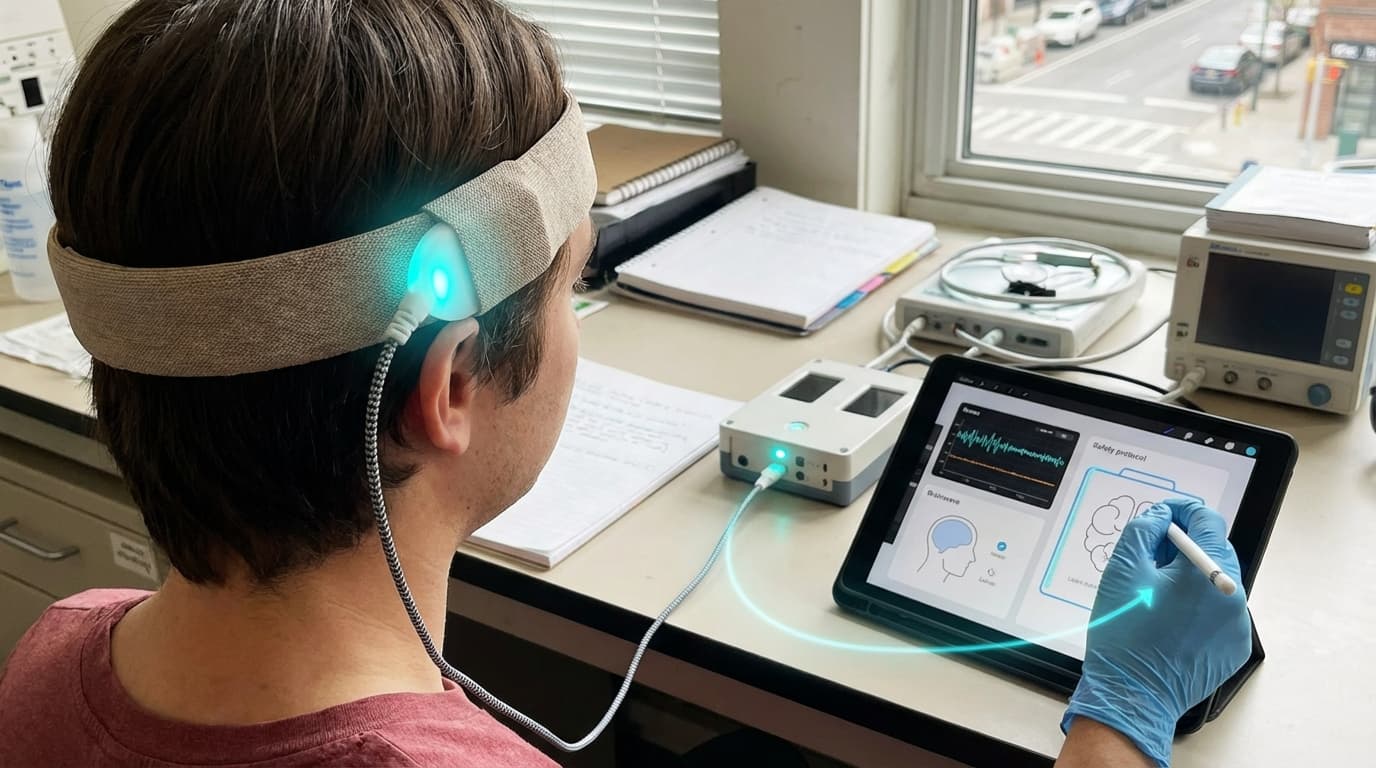
Agency Preservation Protocols
Agency preservation protocols are design principles and technical protocols for 'shared control' systems (like smart prosthetics or assistive devices where both the user and AI contribute to control) that ensure the user maintains the final authority and sense of agency (the feeling of being in control of one's actions), preventing the AI from overriding voluntary intent even when the AI thinks it knows better. These protocols address the critical concern that as AI becomes more capable in assistive devices, it might override user intentions 'for their own good,' potentially causing users to lose their sense of control and agency, which is essential for psychological well-being and effective use of assistive technologies.
This innovation addresses the fundamental question of control in AI-assisted systems, where balancing AI assistance with user autonomy is critical. By ensuring user authority, these protocols maintain the user's sense of control. Research institutions, designers, and ethicists are developing these protocols.
The technology is essential for ensuring that AI-assisted devices enhance rather than diminish user agency, where loss of control could undermine the benefits of assistive technology. As AI becomes more capable, maintaining user agency becomes increasingly important. However, defining agency, implementing technical safeguards, and balancing assistance with autonomy remain challenges. The technology represents an important area of design and ethics, but requires careful consideration of how to implement user authority in practice. Success could ensure that AI-assisted devices enhance user capabilities while maintaining their sense of control, but implementing these protocols effectively requires careful design and ongoing attention. The development of agency preservation protocols will be crucial for ensuring that AI-assisted neurotechnology serves users' interests while respecting their autonomy.
Related Organizations

Home to the 'Digital Bridge' project and CEBRA, a machine learning method for mapping neural data to low-dimensional spaces.
United States · Research Lab
An NSF Engineering Research Center dedicated to neuroethics and the design of neural devices that respect user autonomy.

Produces 'Ethically Aligned Design' standards, addressing the legal and ethical implications of autonomous systems.
United States · University
Major public research university.

Researching sensory feedback in prosthetics (Paul Marasco's lab) to restore the sense of agency and ownership over artificial limbs.

Developed the Modular Prosthetic Limb (MPL), one of the most advanced robotic limbs designed for BCI control.
OECD
France · Government Agency
Adopted the 'Recommendation on Responsible Innovation in Neurotechnology' to guide governments and companies.

The UN agency responsible for the 'Recommendation on the Ethics of Artificial Intelligence'.
United States · University
The Rehab Neural Engineering Labs focus on bidirectional BCI, studying how stimulation affects the user's sense of self and agency.
Supporting Evidence
Research this in Signals
Signals turns a topic into a sourced research record you can inspect and rerun. Your first scan is free, and this one starts with Agency Preservation Protocols already loaded, so edit it or scan as is.